Guanajuato Practical Guide Getting There Navigation Tips Neighborhoods Safety Climate and How to Survive the Underground Tunnels the Cobblestone Callejones and the Most Disorienting Colonial City in Mexico
Guanajuato city is the most navigationally challenging destination in Mexico, a fact that is not incidental but essential to its character: the canyon terrain, the absence of a street grid, the underground tunnel vehicle routes, and the callejones that connect the levels of the city create an urban environment that disorients even experienced travelers and that rewards the surrender of conventional navigation logic in favor of exploration by landmark and landmark recognition. The practical experience of arriving in Guanajuato is itself an adventure: the bus from Leon descends into the city through the tunnel system, emerging at the underground bus station level from which passengers ascend by escalator or stairs to the street level of the historic center, having traveled through the stone-walled tunnels that replaced the old riverbed. The primary accommodation zone of Guanajuato is the historic center, defined by the Jardin Union, the Teatro Juarez, and the University building, within walking distance of all major monuments, restaurants, and the callejones that constitute the essential Guanajuato experience. The altitude of Guanajuato at 2,000 metres above sea level produces the temperate climate characteristic of the Mexican highland, with daytime temperatures of 18 to 26 Celsius in the dry season from October through May, cool nights of 8 to 14 Celsius requiring a jacket for evening walks, and the afternoon thunderstorms of the June through September rainy season that clear quickly and refresh the city. The October Cervantino festival period is the most crowded and expensive time to visit Guanajuato, with hotel prices at their maximum and the streets at their most animated; the spring period of March through May offers the best combination of weather, manageable crowds, and the lower prices of the mid-season.
- 1
Arriving in Guanajuato Airport Bus and Getting In
The Del Bajio International Airport in Silao, Guanajuato, serves Guanajuato city with a transfer of 45 minutes on the highway connecting the airport to the city, available by private shuttle for approximately 25 to 40 US dollars or shared minivan for 10 to 15 dollars, with the shuttles booked through hotel services or the official airport shuttle counter. The airport serves direct connections to Mexico City, Houston, Dallas, Los Angeles, Chicago, San Jose California, and Toronto, making it the primary international entry point for visitors from North America, and connecting through Mexico City to international destinations. The first-class bus option from Mexico City, departing from the northern Tapo or Central del Norte terminals, takes approximately four hours on the ETN or Primera Plus services that run frequent daily departures and arrive at the Guanajuato Central de Autobuses. The Guanajuato bus station, located in the underground tunnel road level 4 kilometres east of the Jardin Union, is reached from the surface streets through the tunnel entrance and involves the disorienting experience of descending from the open street into the stone-walled tunnel road before arriving at the bus platforms below the city. The exit from the bus station to the historic center involves ascending through the underground pedestrian passages to the surface street level, a process that disorients first-time visitors and that experienced travelers navigate by following the escalator signs to Subterranea and then to Centro. The taxi and Uber services from the bus station to the Jardin Union cost 50 to 80 pesos for the short but tunnel-involved route.
- 2
Navigation Tips for the Canyon City
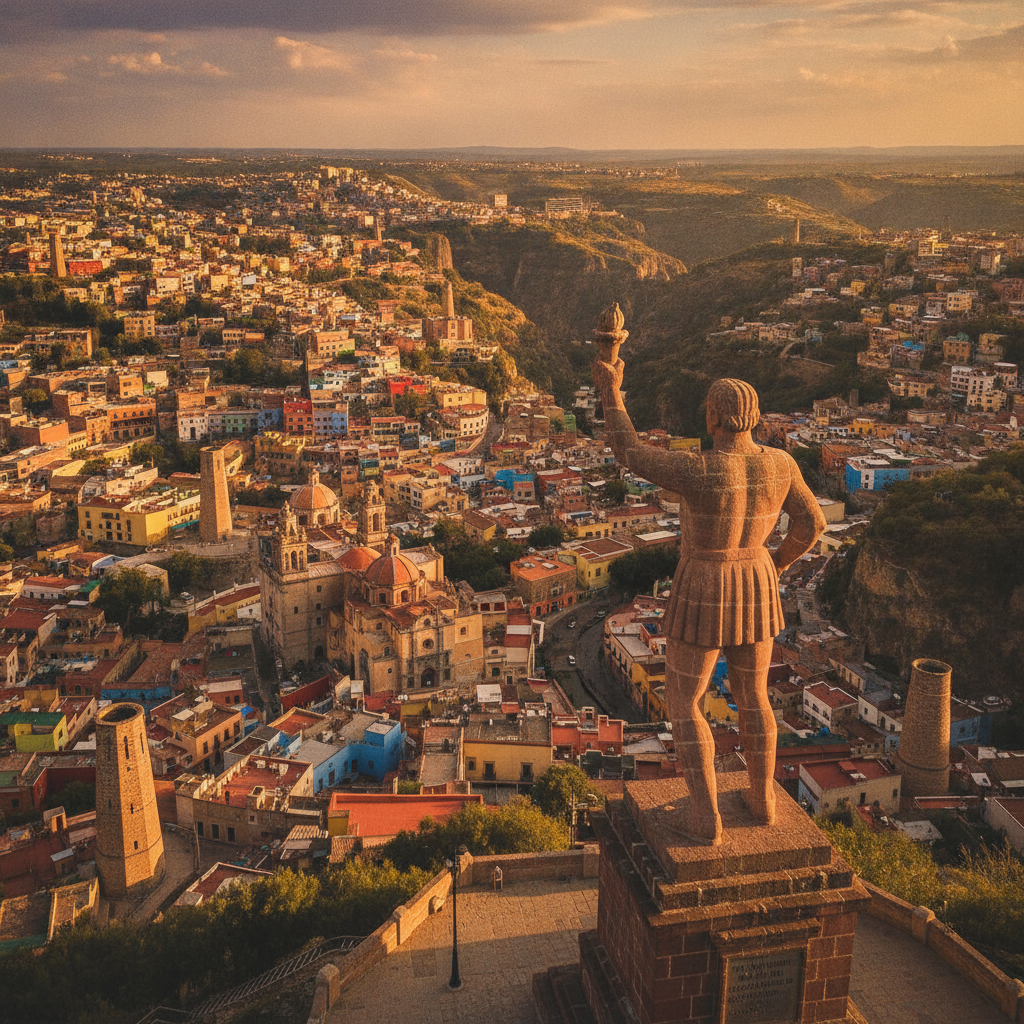
The cardinal navigation rule of Guanajuato is to accept disorientation as the operating condition and use the three primary landmarks as reorientation tools: El Pipila monument high on the hill above the city is visible from most elevated callejon positions and indicates which way is uphill to the residential neighborhoods; the Teatro Juarez and Jardin Union are the low-point social center that all callejones eventually descend toward; and the University building facade on its hillside position marks the western edge of the historic center callejon network. The most common mistake of first-time visitors is attempting to navigate the callejones with a phone map in standard orientation, which fails because the callejones do not follow compass directions and because the GPS position updates lag behind actual position when moving through the covered passages. The practical navigation approach is to memorize three or four callejon names visible on the building wall signs at key junctions, use the sound of the Jardin Union estudiantinas as an auditory homing signal when within earshot, and ask the locals who are unfailingly helpful in pointing visitors toward the Callejon del Beso, the Alhondiga, or the Teatro Juarez as orientation anchors. The Panoramica ring road, the one-way road that circles the hills surrounding Guanajuato at a higher elevation, is the best way to understand the city topography before descending into the callejon network on foot, and provides access to the El Pipila monument, the Mineral de Rayas mining district, and several hillside restaurants with panoramic views. The tunnel road system, while disorienting in initial use, is the essential vehicle route for getting in and out of the city, and understanding its two main entrance and exit portals at the east and west edges of the historic center makes the Guanajuato road system navigable despite its apparent complexity.
- 3
Accommodation Range and Best Neighborhoods to Stay
The hotel geography of Guanajuato divides between the historic center colonial hotel cluster around the Jardin Union, the university neighborhood guesthouses in the callejones above the main street, and the peripheral residential neighborhoods where smaller family-run posadas offer the most economical accommodation. The historic center hotels, concentrated in the streets of Sopeña, Alonso, and the Jardin Union perimeter, include the boutique Hotel Luna, the Quinta Las Acacias, and the Hotel Casa Zuniga in converted colonial mansions at rates of 80 to 200 dollars per night, providing the architectural experience of sleeping in a colonial building with the proximity to the Jardin Union that the tourist circuit requires. The university neighborhood above the main pedestrian street, reached by climbing the callejones past the university building, offers a selection of guesthouses and small hotels at 40 to 80 dollars that provide the callejon experience without the Jardin Union proximity, and whose additional 10-minute walk from the main tourist circuit is compensated by lower noise levels and a more residential social environment. The Airbnb and vacation rental market in Guanajuato offers the alternative of renting an entire house or apartment in the callejon neighborhoods, providing the domestic experience of living within the canyon city and the flexibility of a kitchen for self-catering, at prices typically lower than the boutique hotel market for equivalent space. The hostel sector of Guanajuato, concentrated in the university neighborhood and the Jardin Union perimeter, serves the budget traveler market at 15 to 25 dollars per dorm bed, with social common areas and organized social activities that connect solo travelers.
- 4
Safety Climate and Best Time to Visit
Guanajuato city is generally safe for tourists in the historic center, with the combination of the University presence, the high density of international visitors, and the economic importance of tourism creating the social environment that the city government and state police maintain as a priority. The state of Guanajuato has experienced significant organized crime activity in the industrial corridor between Leon, Silao, and Irapuato, but the violence is associated with cartel territorial disputes in the industrial economy and has not targeted the Guanajuato city tourist zone in ways that have disrupted the tourism market. The altitude of Guanajuato at 2,000 metres produces moderate altitude effects for visitors arriving directly from sea-level cities, with the typical symptoms of mild headache and reduced exertion tolerance in the first 24 hours, addressed by hydration, reduced alcohol consumption, and avoidance of strenuous callejon climbing on the first day. The best travel months for Guanajuato are March through May for dry spring weather, wildflowers in the hills, and the manageable tourist volume of the shoulder season, and October for the Cervantino festival experience with the caveat that hotels must be booked months in advance and prices are at their annual peak. The Day of the Dead period in late October and early November offers the cemetery and altar tradition alongside the post-Cervantino energy of a city returning to its normal rhythms after the festival peak. December brings the posadas season with the candlelit procession tradition through the callejones on the nine nights before Christmas, creating the most atmospheric cold-season experience in a city whose high altitude makes December genuinely cold.
- 5
Spending and the Guanajuato Economy
The economy of Guanajuato for tourists operates at prices intermediate between the budget backpacker cities of southern Mexico and the premium expatriate economy of San Miguel de Allende, with the university student population and the domestic Mexican tourism market preventing the complete dollarization of prices that the North American market dominates. A budget day in Guanajuato, eating comida corrida at the Mercado Hidalgo fondas for 100 pesos at lunch, tacos from the callejon street vendors for 60 pesos at dinner, and paying 15 to 25 dollars for a hostel bed, is achievable at 30 to 40 US dollars per day. A mid-range day with a colonial hotel room at 80 to 120 dollars, lunch at a sit-down restaurant for 15 to 25 dollars, and dinner at a Jardin Union terrace restaurant for 25 to 40 dollars totals 130 to 200 dollars. The premium tourist experience with boutique hotel accommodation at 150 to 200 dollars, fine dining at the Jardines de los Arcos or comparable establishments, and private callejoneada or historical tour guide service adds to 250 to 350 dollars per day. The callejoneada itself costs 80 to 150 pesos per person for the student estudiantina version and 200 to 300 pesos for the commercial guided walk, representing one of the best value cultural experiences in Mexico relative to the quality of the experience delivered. The Guanajuato crafts market at the Mercado Hidalgo sells the cajeta, talavera tiles, silverwork from Taxco, and local pottery at prices that reflect the domestic Mexican market rather than the tourist premium, making craft shopping in Guanajuato more economical than in San Miguel or Oaxaca.
- 6
Guanajuato Photography and the Most Photogenic Views
Guanajuato is one of the most photogenic cities in Mexico, a fact that the social media market has recognized with the city appearing in the top destinations for Instagram travel photography, driven by the El Pipila panoramic view, the colored house canyon composition, the Callejon del Beso balcony shot, and the teatro Juarez and colonial church compositions that are reproducible with a smartphone from the plazas. The El Pipila viewpoint above the city, reached by funicular or by climbing the callejones behind the university, provides the classic panoramic view that appears on every Guanajuato tourism image, with the colored houses packed into the canyon and the church towers rising above the roofline in a composition that changes character through the day as the angle and intensity of the sunlight transforms the warm mineral tones of the building facades. The golden hour photography window at El Pipila, when the afternoon light catches the west-facing canyon walls, is the premium photography moment that photographers arrive to capture from the 4 pm position 45 minutes before sunset, with the warm light and the long shadows creating the depth and drama that the flat midday light removes. The Jardin Union at night, when the teatro Juarez is lit and the plaza trees create the chiaroscuro of lamp-lit shadows across the colonial facades, is the second classic Guanajuato photograph, most effectively captured from the terrace of the Hotel Murillo or from the rooftop of a building on the opposite side of the plaza. The callejon compositions, particularly the view down the Callejon del Beso from above at a moment when the opposing balconies frame a human figure, require patience and the off-peak timing of weekday early morning or late evening when the tourist flow through the famous alley reduces enough to allow an unobstructed shot.
Walk this route with audio
Stories play automatically as you reach each stop — no tapping needed.
More in Guanajuato
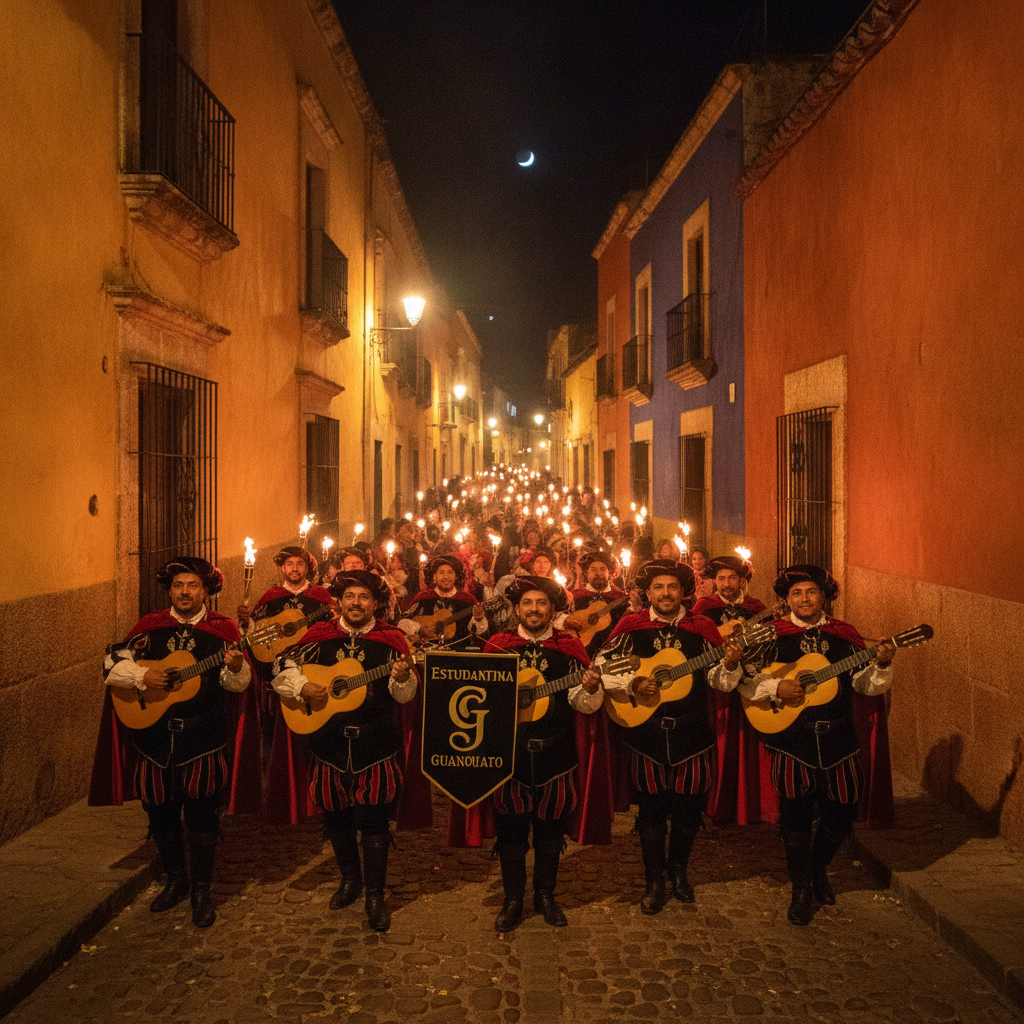
Guanajuato Walking the Callejones by Night Romantic Legends Ghost Stories and the Social Life of a Canyon City Where Every Alley Has a Story and Every Stairway Leads to a Different Century
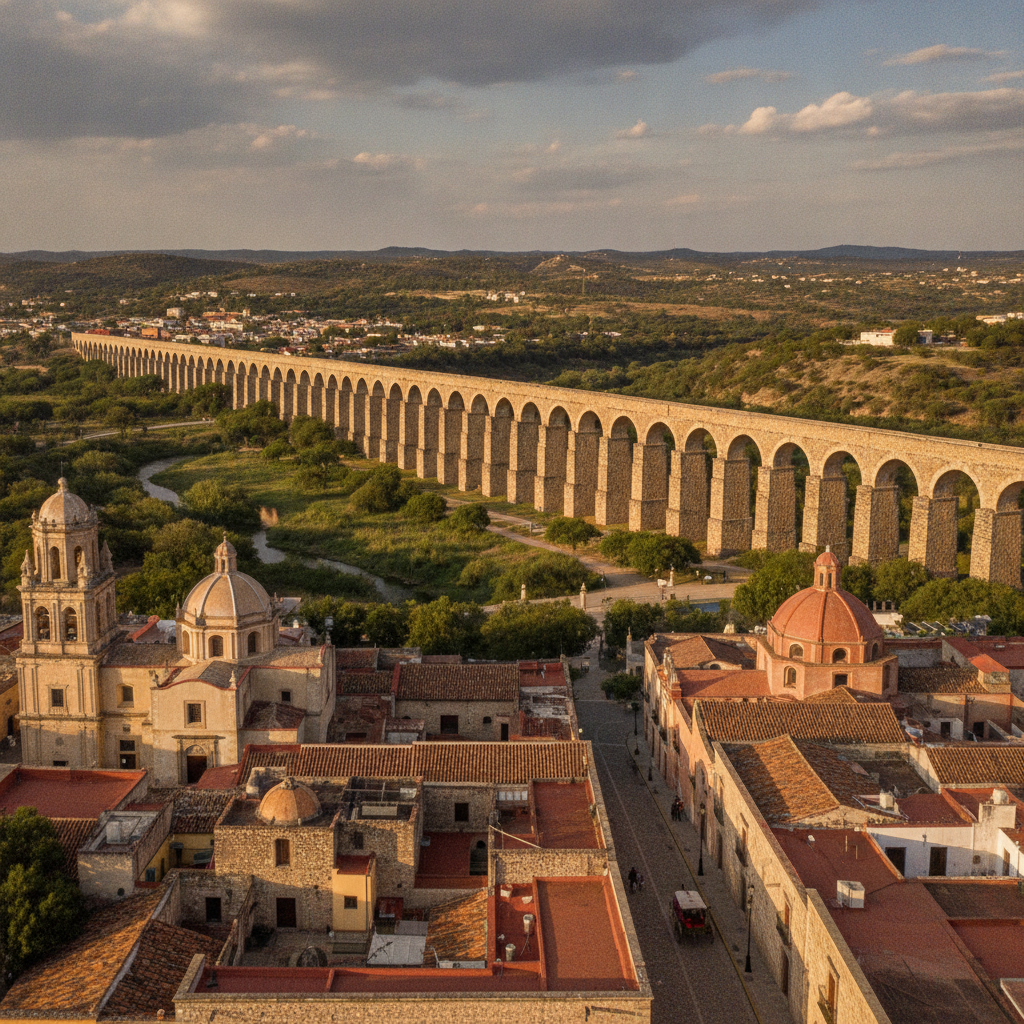
Guanajuato Day Trips Sierra Gorda Queretaro Dolores Hidalgo and the Bajio Heritage Circuit Connecting Colonial Silver Cities Mountains and Hot Springs in the Heart of Central Mexico
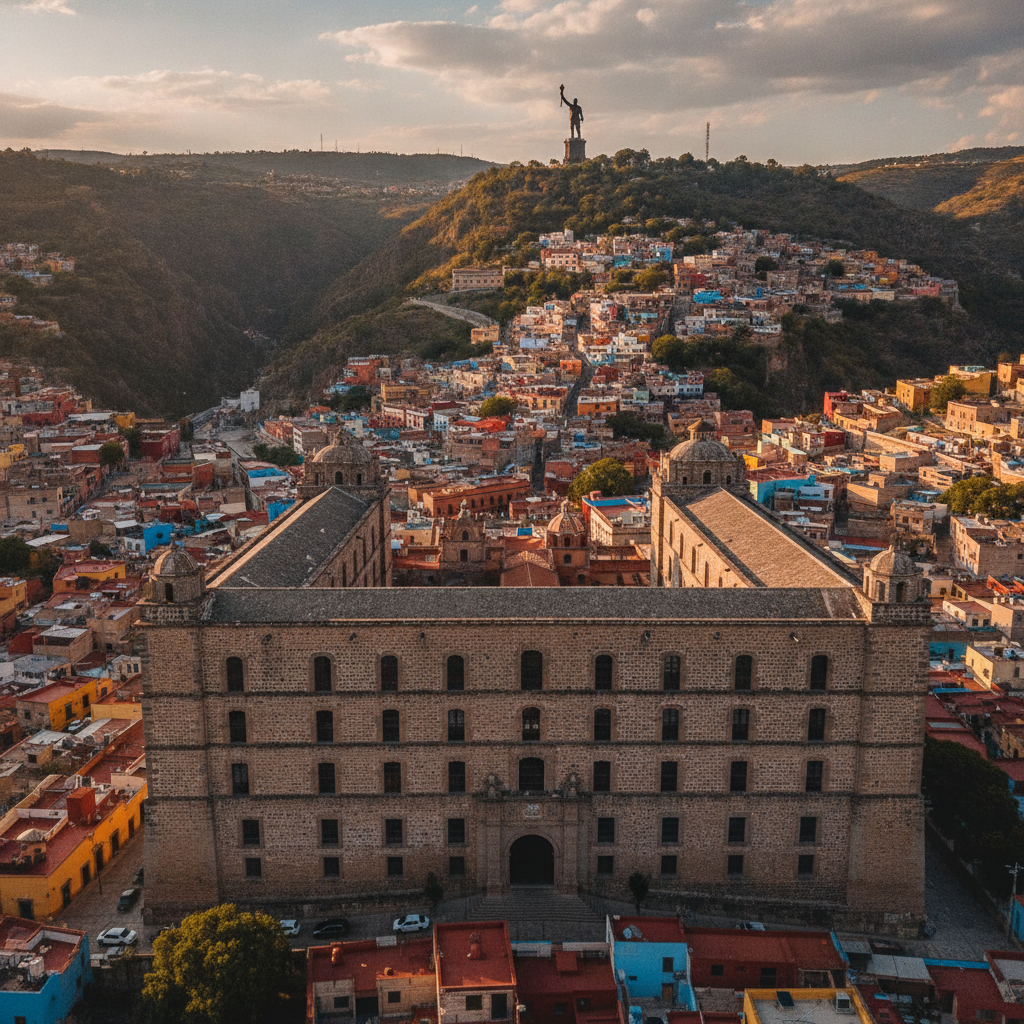
The Guanajuato Independence Conspiracy Miguel Hidalgo Ignacio Allende and the Bajio Network That Launched the Mexican War of Independence From a Silver Mining City in September 1810
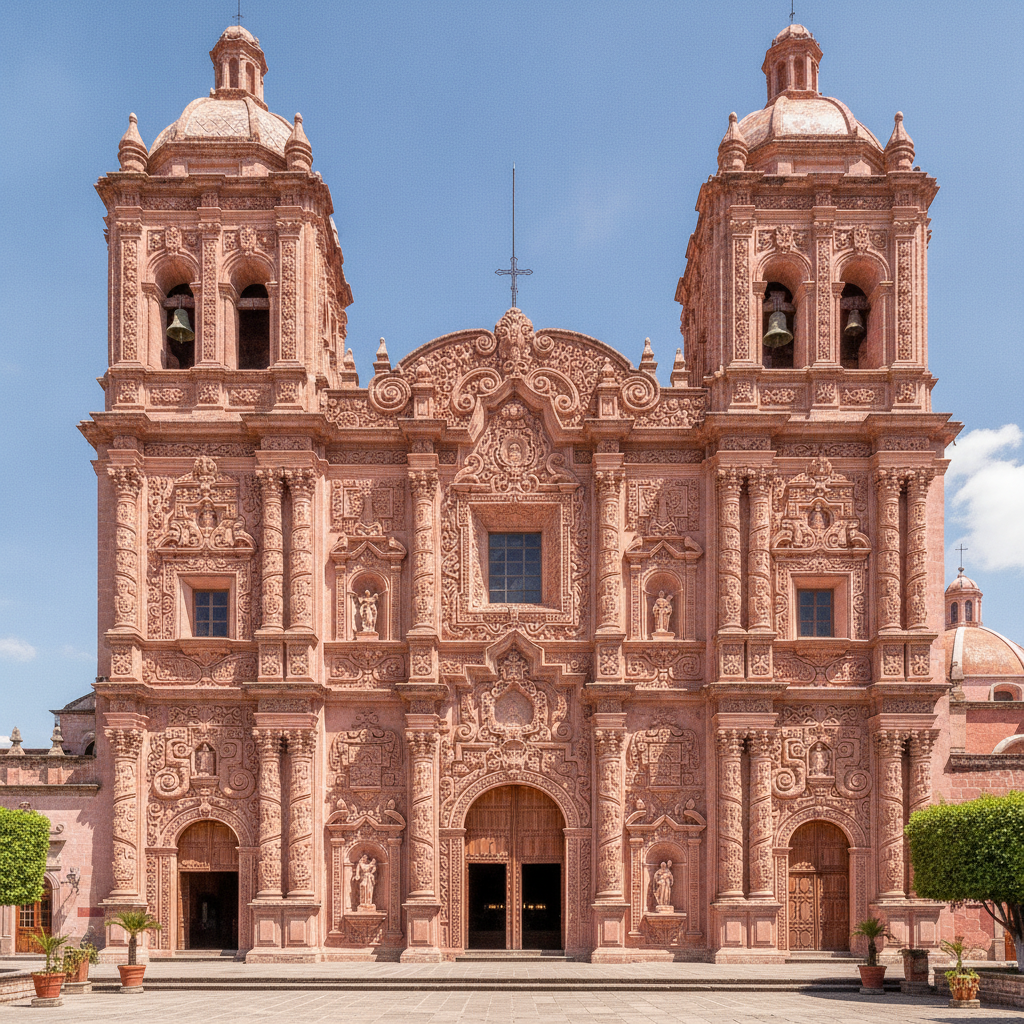
Guanajuato Baroque Art Churrigueresque Architecture La Valenciana Church and the Artistic Legacy of a Colonial City That Built the Most Elaborate Religious Buildings in Mexico With Silver Money
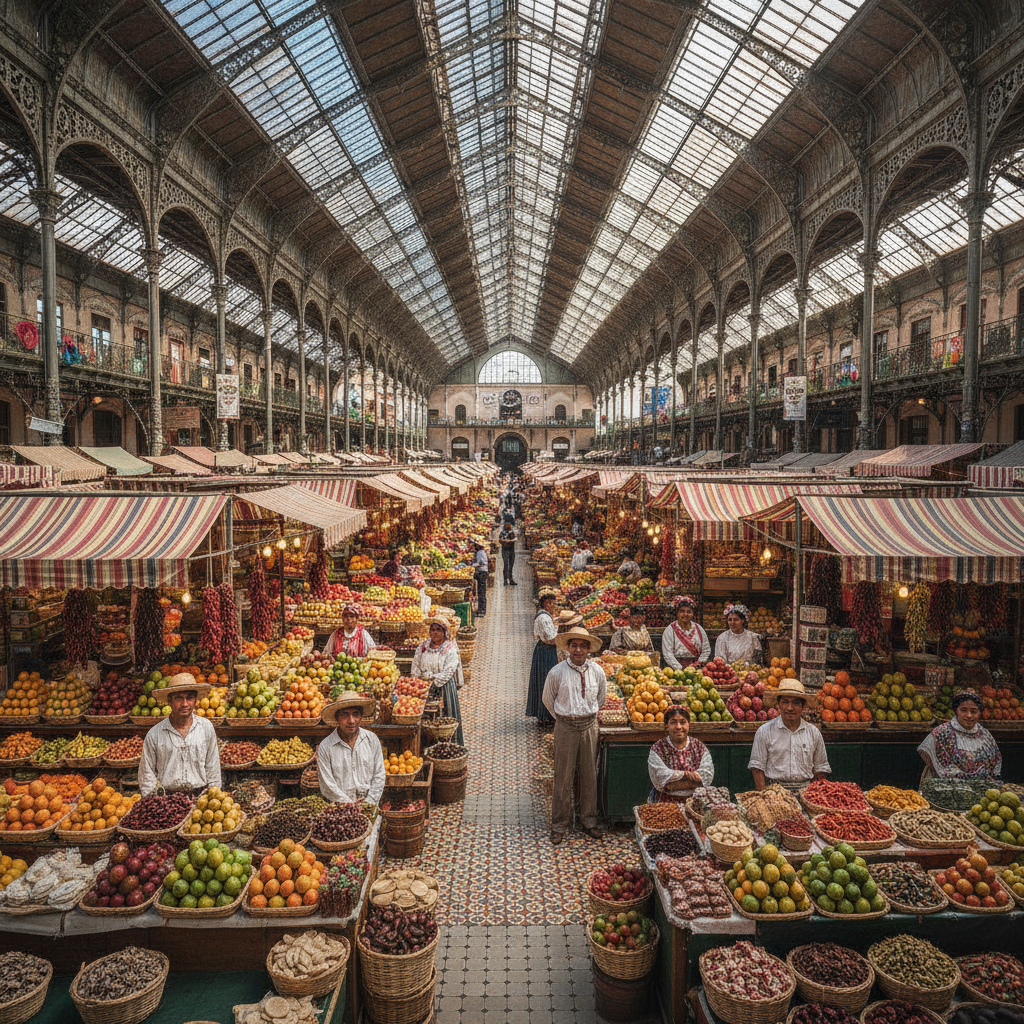
Guanajuato Food Cajeta Enchiladas Mineras Mercado Hidalgo and the Working Class Cuisine of a Silver Mining City Where the Miners Diet and the Aristocrats Table Developed Side by Side for Three Centuries