Gustavia Final: Hill Village Architecture, Winter vs. Summer Seasons, Self-Governance Model, Saint Barthelemy vs. Anguilla Comparison, Marine Conservation Model, and the Inevitability of Return
The final Gustavia guide covers the hill village architectural evolution, the dramatic seasonal contrast between the full winter luxury season and the quiet affordable summer, the 2007 self-governance structure, the honest Saint Barthelemy versus Anguilla luxury comparison, the marine reserve as a Caribbean conservation model, and the 85-percent return rate that is the ultimate testimony to the island experience.
- 1
Saint Barthelemy Architecture: The Hill Villages
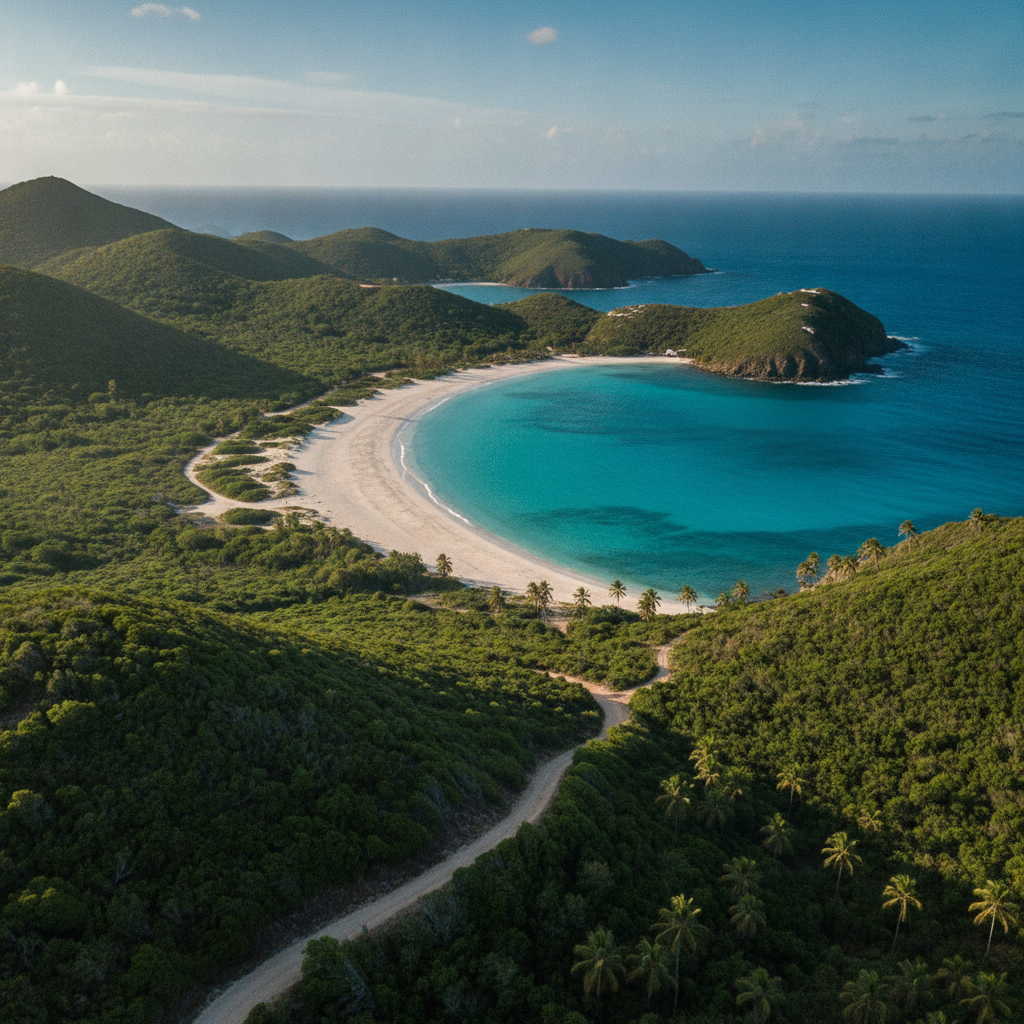
The Saint Barthelemy village architecture of the hill settlements of Vitet, Toiny, and Lurin, where the traditional Creole Caribbean wooden houses with their corrugated iron roofs and the newer villa constructions with their white plaster and the flat roofs coexist in the volcanic hillside landscape, reflects the evolution of the island building culture from the traditional to the contemporary luxury in a setting where the building height restrictions and the landscape sensitivity requirements have preserved the village scale against the pressure of the high-value real estate market.
- 2
Saint Barths in Winter vs. Summer
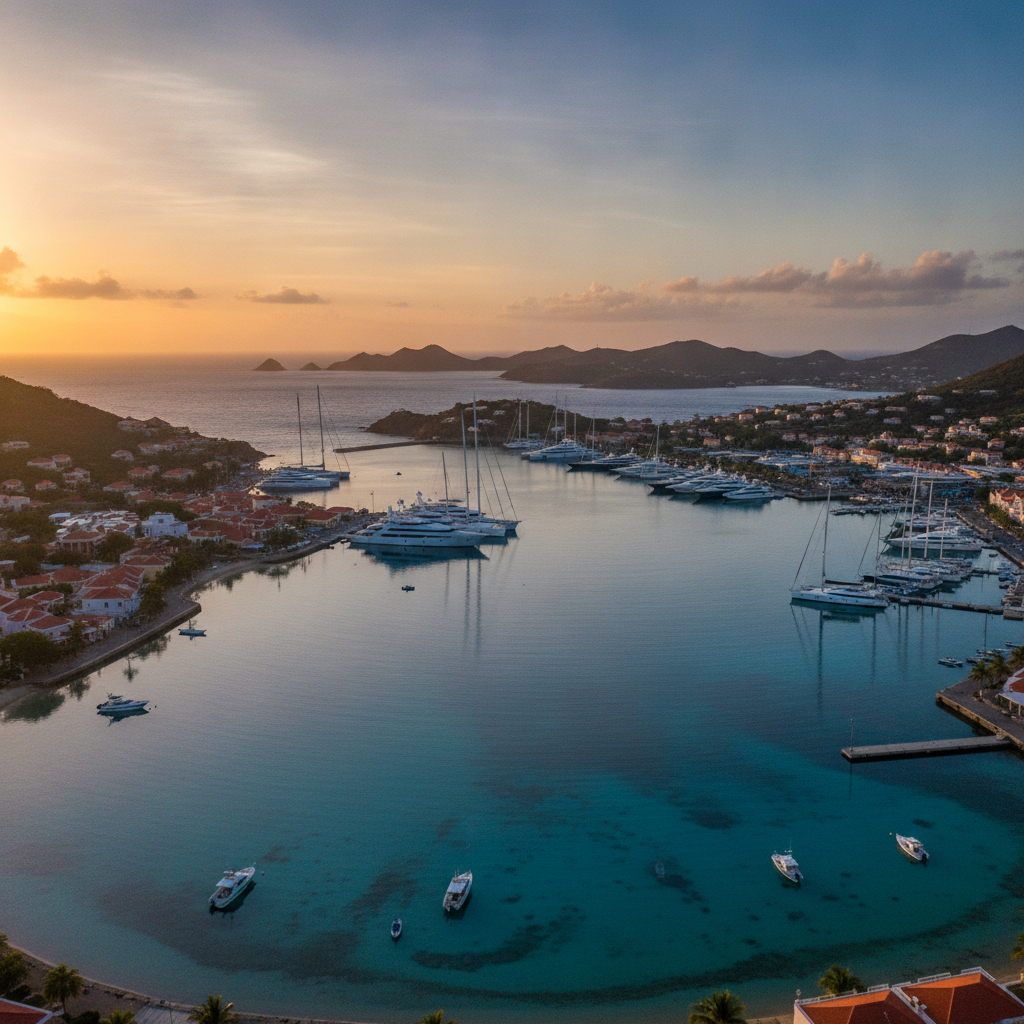
Saint Barthelemy in winter, from December to April, is the fully staffed, fully operational luxury destination with the complete restaurant and hotel inventory, the yacht anchorage at capacity, and the island humming with the energy of the international wealthy class at leisure. Saint Barthelemy in summer, from May to November, is a quieter, more local island with many restaurants closed, the hotel rates reduced by 50 to 70 percent, and the local population dominant in the beach and bar culture. The summer visitor finds an island of greater authenticity and considerably lower cost.
- 3
The Collectivite of Saint Barthelemy: Governance
Saint Barthelemy became a self-governing French overseas collectivity in 2007, separated from Guadeloupe with which it had been administered as a dependency, giving the island council the power to set its own tax policy, immigration rules, and development regulations within the French constitutional framework. The self-governance has been used primarily to create the fiscal environment that attracts the high-net-worth residential and tourism market rather than to develop alternative economic activities.
- 4
Saint Barthelemy vs. Anguilla: The Luxury Comparison
Saint Barthelemy and Anguilla represent the two finest luxury beach destinations in the eastern Caribbean, differentiated primarily by the French vs. British cultural orientation: Saint Barthelemy offers the superior restaurant scene, the fashion industry association, and the dramatic volcanic topography, while Anguilla offers the longer and wider white sand beaches, the lower prices at comparable quality, and the more relaxed and less status-conscious social atmosphere. The choice between them reveals the visitor's own cultural preference as much as an objective quality difference.
- 5
The Saint Barthelemy Marine Ecosystem: A Model for Conservation
The Saint Barthelemy marine reserve, which has maintained water quality and reef health significantly above the regional Caribbean average by strictly controlling anchoring, motorized watersport operations, and recreational fishing, demonstrates that small island governments can maintain marine ecosystem quality in the face of intensive tourism pressure when the regulatory will and the enforcement capacity exist. The Saint Barthelemy approach to marine conservation is referenced by the Caribbean conservation community as the most effective small island model.
- 6
Return to Gustavia: The Inevitability of the Second Visit
The Saint Barthelemy visitor survey consistently shows the highest rate of intended return of any Caribbean island, with more than 85 percent of first-time visitors indicating the intention to return to the island. The combination of the natural beauty, the culinary excellence, the social sophistication, and the sense of belonging to an exclusive club that the island membership confers, creates the most compelling return destination in the Caribbean and the clearest explanation of the Saint Barthelemy model: the island does not compete for volume but for the lifetime loyalty of the visitor who experiences it.
Walk this route with audio
Stories play automatically as you reach each stop — no tapping needed.
More in Gustavia
Gustavia: Luxury Yacht Harbor, Shell Beach, the Finest French Caribbean Cuisine, Saline Naturist Beach, Lorient Village, and the Most Expensive New Year in the Caribbean
Gustavia Culture and Character: Music Festival, Bucket Regatta, Lorient Surfing, Rhum Agricole Tasting, Celebrity Privacy Culture, Local Restaurant Icons, and the Saint Barthelemy Photography Light
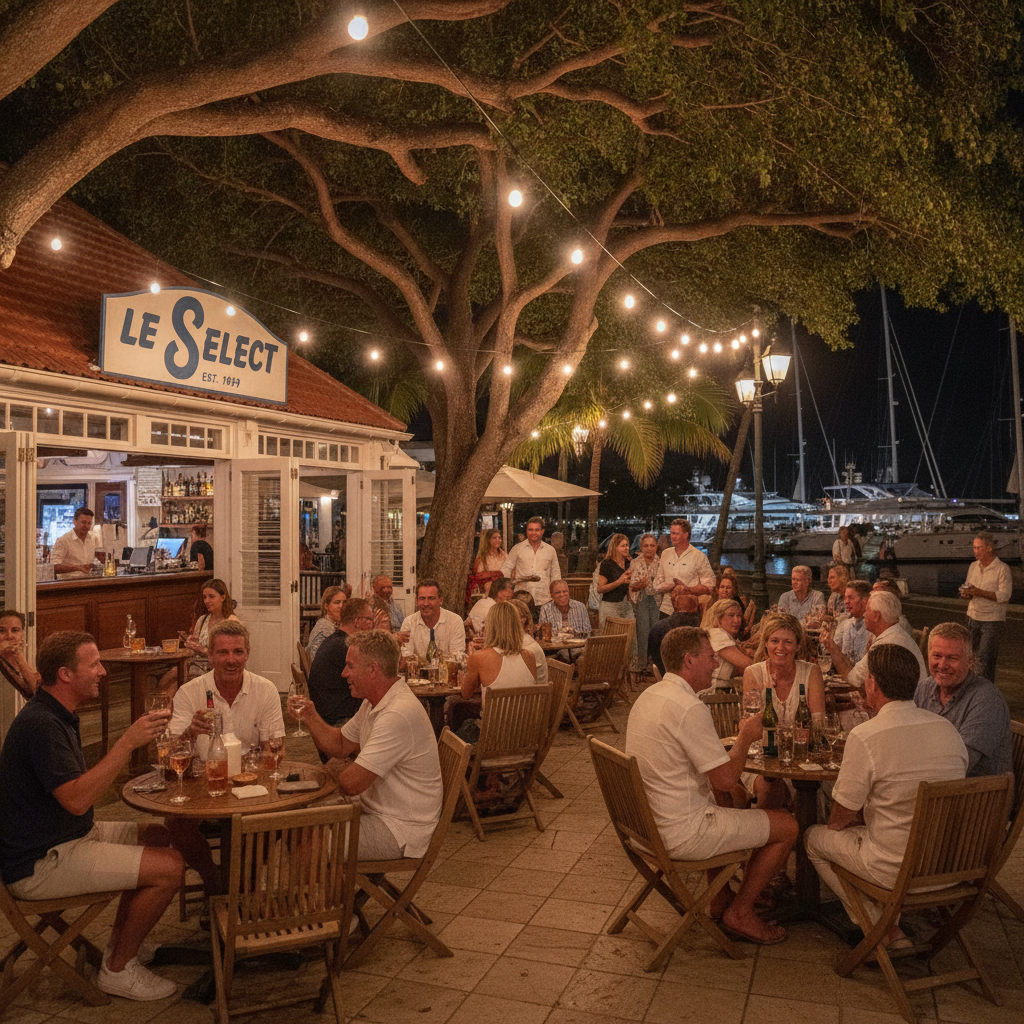
Gustavia Culture: Le Select Bar, Eden Rock Art Collection, Saint Barthelemy Spa Wellness, the Finest Caribbean Wine Lists, Fashion and Film Connections, and the Gustavian Local Community
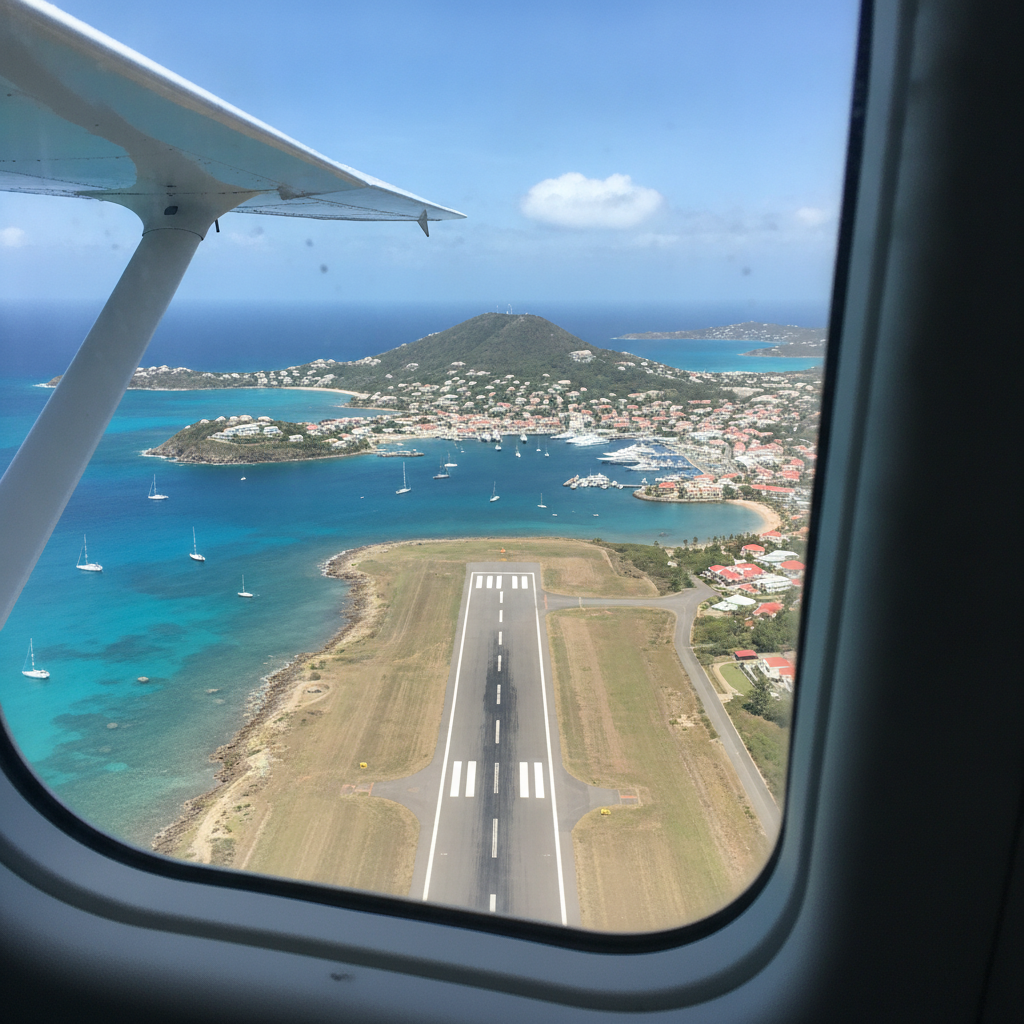
Gustavia Practical and Sustainable: Booking System, Peak Season Costs, the Dramatic Gustaf Airport Landing, Marine Reserve, Ile Fourchue Private Anchorage, and the Luxury Ecology Balance
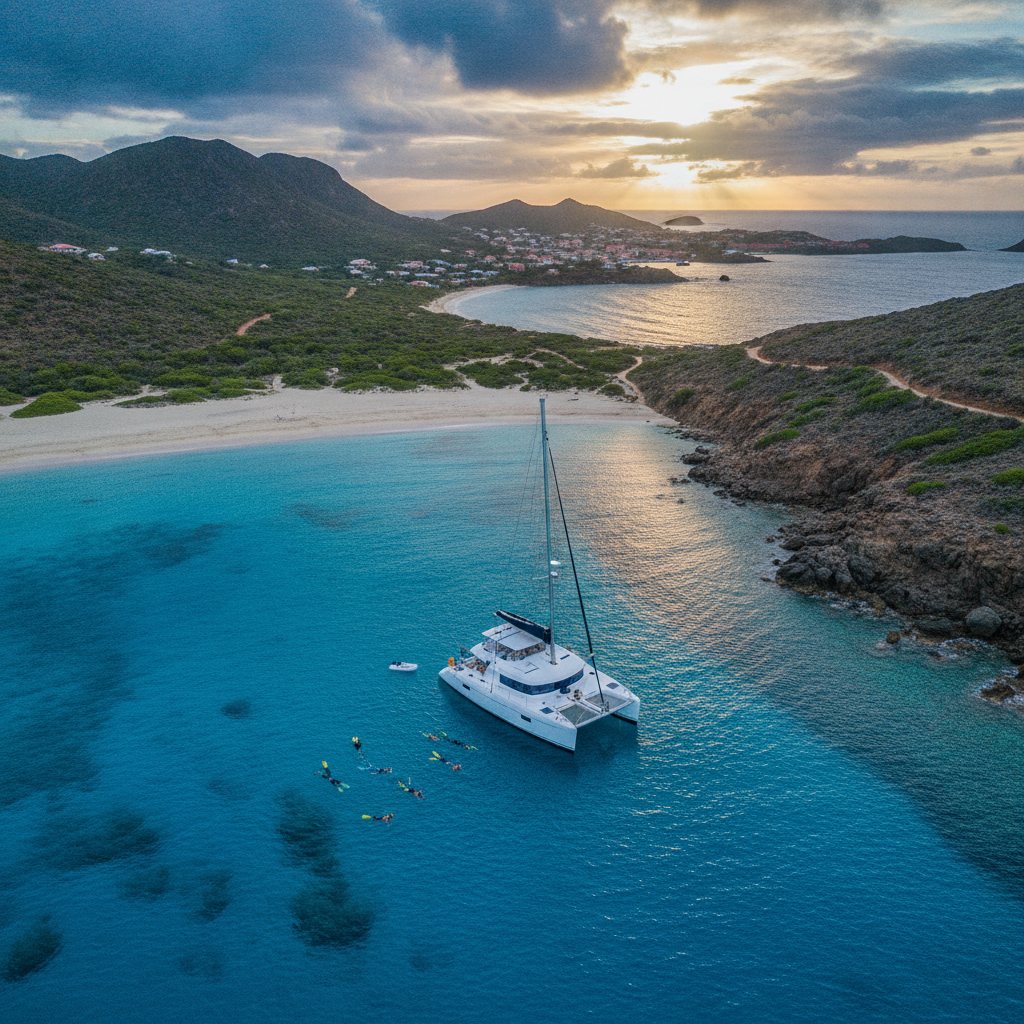
Gustavia Complete: Pain de Sucre Islet Hike, Charter Boat Circuit, Wine Cave, the Bucket Regatta Superyacht Race, Corossol Straw Craft, and the Saint Barthelemy Paradox