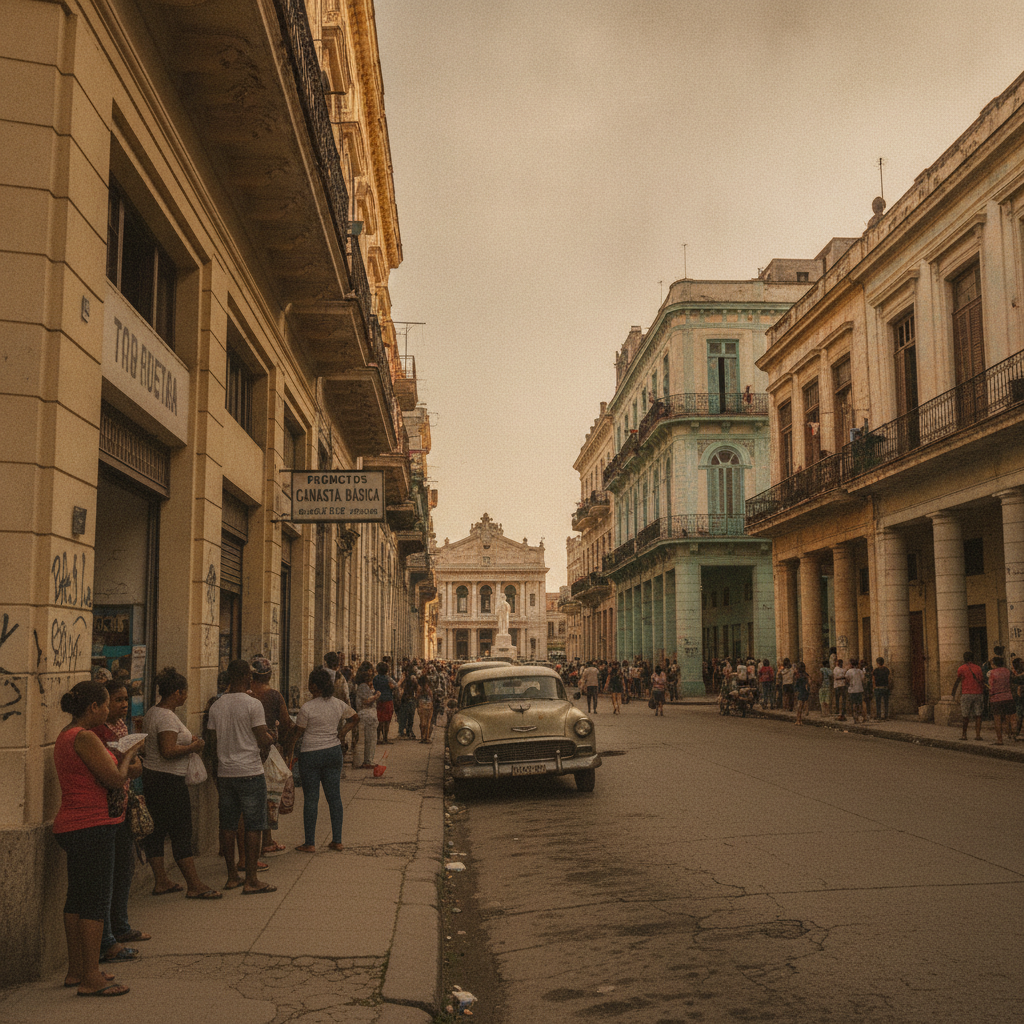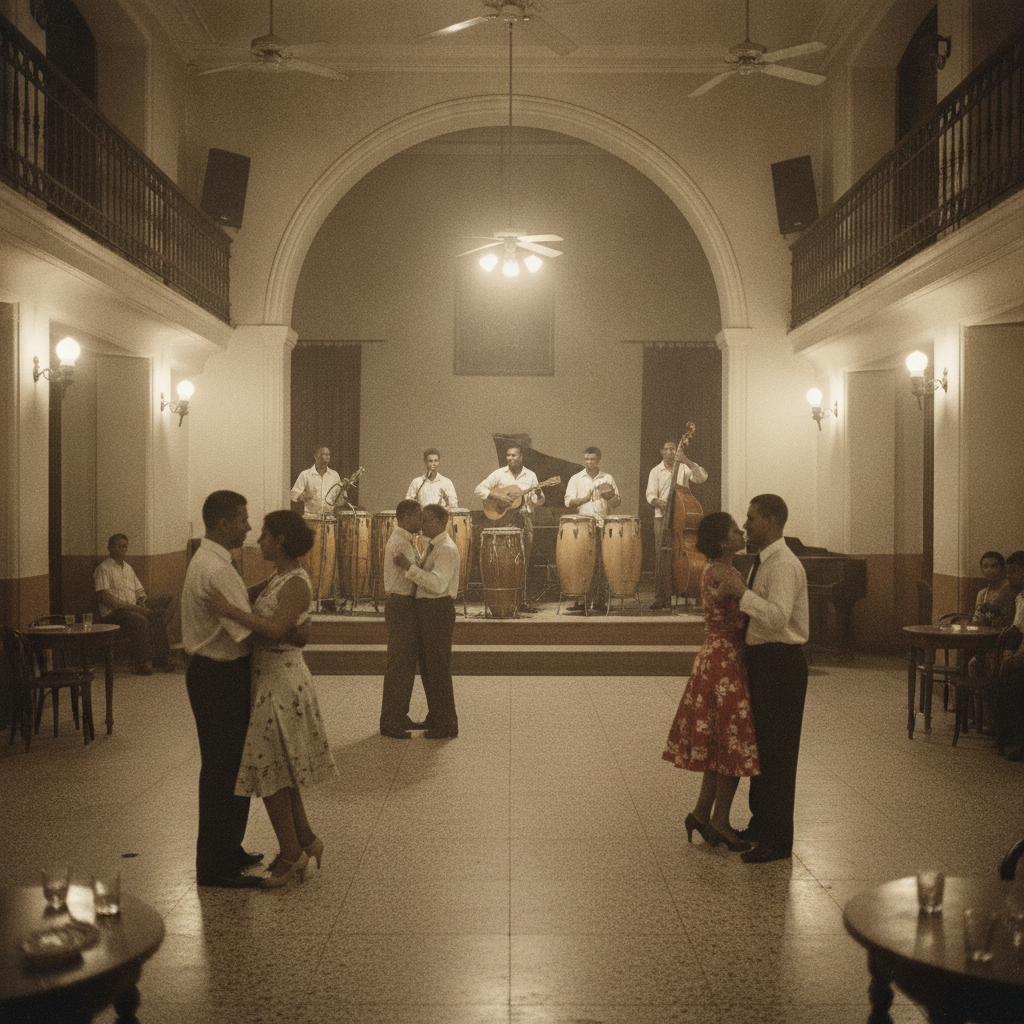
Son Cubano, Salsa & Havana's Living Music Culture
Havana (the city that gave the world the son cubano, the mambo, the cha-cha-chá, the bolero, and the danzonete — the most extraordinarily rich popular music tradition of any city in the Americas): the music of Havana (the living music culture of a city where the street corners have salsa bands, the bars have trova singers, the grand hotels have mambo orchestras, and the Casa de la Música venues have the most vibrant salsa dance scene in the world) is the most powerful cultural export of Cuba.
- 1
Son Cubano — The Root of All Latin Music
Son cubano (the 'Cuban son' — the musical genre that is the root of all Latin popular music, the fusion of the Spanish colonial musical tradition (the guitar, the voice, the lyrical form of the 'décima' (the 10-line Spanish verse form used in rural Cuban folk music)) with the Afro-Cuban percussion tradition (the clave rhythm — the rhythmic foundation of all Afro-Cuban music, the interlocking pattern of 5 beats against 4 beats that creates the characteristic 'swing' of Cuban music — the bongos, the congas, and the maracas)): the origins (the son cubano originating in the Oriente Province of eastern Cuba (the Santiago de Cuba region) in the late 19th century, brought to Havana in the early 20th century (around 1909) by the musicians of Oriente (the sextetos and septettos — the small ensembles of guitar, tres, bass, bongo, claves, and voice that were the original son formato)): the Buena Vista Social Club (the revival of traditional Cuban son music in the 1990s — the recording project initiated by the US guitarist Ry Cooder and the Cuban musician Juan de Marcos González in 1996, bringing together a group of elderly Cuban musicians (Ibrahim Ferrer (1927-2005), Compay Segundo (1907-2003), Rubén González (1919-2003), and Omara Portuondo (b.1930)) whose musical careers had been interrupted by the Cuban Revolution): the album (the 'Buena Vista Social Club' album (1997) that won the Grammy Award for Best Traditional Tropical Latin Album (1998) and that introduced traditional Cuban son music to a global audience for the first time).
- 2
Casa de la Música & Havana's Live Music Venues
The Casa de la Música (the 'House of Music' — the chain of live music venues in Havana that are the primary destination for live salsa and Cuban popular music in the city): the Casa de la Música Miramar (Calle 20 between 33 and 35, Miramar — the most important Casa de la Música venue in Havana, the large-format concert hall in the Miramar district that hosts the biggest names in Cuban salsa and timba): the Casa de la Música Centro Habana (Neptuno 255, between Industria and Consulado — the smaller, more intimate Casa de la Música venue in the Centro Habana district, the venue that is more accessible to travellers staying in La Habana Vieja): the Cuban salsa scene (the salsa music and dance scene of Havana — the 'casino' (the Cuban style of salsa dancing that developed in Havana in the 1950s from the son cubano and the mambo — the circular, partner-rotating style that is distinct from the New York (linear) style and the Los Angeles style of salsa): the timba (the 'timba cubana' — the contemporary Cuban popular music genre that fuses the son cubano and the salsa with the Afro-Cuban religious music (the 'música afrocubana') and the funk and hip-hop influences — the music that has defined the Cuban popular music scene since the 1990s, performed by the 'timba' orchestras of Los Van Van, NG La Banda, and Charanga Habanera)).
- 3
Tropicana Cabaret — The Most Famous Nightclub in the World
The Tropicana (the 'Tropicana Club' — the famous open-air cabaret venue in the Marianao district of Havana, 15 minutes from La Habana Vieja by taxi): the Tropicana history (the Tropicana opened in 1939 in the grounds of the Villa Mina estate in Marianao — the open-air venue under the tropical canopy of the estate's mature trees, the venue that became the most glamorous nightclub in the Americas in the 1940s-1950s: the venue where the American celebrities (Frank Sinatra, Ava Gardner, Nat King Cole, Carmen Miranda) mixed with the Cuban elite and the wealthy American tourists who came to Havana for the gambling and the nightlife in the pre-Revolutionary period): the Tropicana show (the 'Tropicana Paraíso Bajo las Estrellas' ('Paradise Under the Stars') — the nightly cabaret show that has been performed at the Tropicana since 1956 (the show resumed after the Revolution and has continued without interruption): the show (the 2-hour cabaret performance featuring approximately 200 performers (the dancers in the elaborate feathered costumes, the acrobats, the singers, and the live orchestra), performed on the multiple stages under the canopy of the tropical trees): the Tropicana experience (the most extravagant and most anachronistic nightclub experience available anywhere in the world — the 1950s-era Las Vegas-style glamour in a communist country).
- 4
Cuban Cigars & the Partagás Factory
Cuban cigars (the 'habanos' — the hand-rolled cigars produced in Cuba that are the most sought-after and most prestigious cigars in the world, the product of the combination of the unique climate and soil conditions of the Vuelta Abajo region of western Cuba (the region in the Pinar del Río Province considered the finest tobacco-growing land in the world) and the tradition of the Cuban cigar-rollers (the 'torcedores') who roll the cigars by hand using the technique developed in the 19th century): the Partagás factory (the Real Fábrica de Tabacos Partagás — the cigar factory established in 1845 by the Spanish entrepreneur Jaime Partagás Ravelo, located at Industria 520 behind the Capitolio Nacional in Centro Habana — the most famous cigar factory in the world and one of the oldest surviving cigar factories in Cuba): the cigar brands (the most prestigious Cuban cigar brands — the Cohiba (the brand created in 1966 by the Castro government from the personal cigars that Fidel Castro smoked — the most sought-after and most counterfeited cigar brand in the world), the Montecristo (the most commercially successful Cuban cigar brand, named after the Alexandre Dumas novel that the cigar-rollers of the early 20th century had read to them while they worked), the Romeo y Julieta (the brand favoured by Winston Churchill (1874-1965)), and the Partagás (the brand known for its full-bodied, richly flavoured cigars)): the Havana cigar experience (the 'La Casa del Habano' shops in Havana — the official Cuban government cigar retail chain where visitors can purchase authentic Cuban cigars and have them verified with the official seal of the Consejo Regulador del Habano).
- 5
Havana's Santería & Afro-Cuban Religious Culture
Santería (the 'Regla de Ocha' or 'Lucumí' — the Afro-Cuban syncretic religion that is one of the most important aspects of Cuban cultural life, practiced by an estimated 70-80% of the Cuban population to some degree): the origins (Santería originating in the Yoruba religious tradition of West Africa (the 'Ifá' — the Yoruba divination system and the pantheon of Orishas (the deities of the Yoruba religion)), brought to Cuba by the enslaved Yoruba people (the 'Lucumí') transported to Cuba as enslaved workers in the sugar industry in the 18th and 19th centuries): the syncretism (the fusion of the Yoruba Orisha religion with the Catholic saints — the process by which the enslaved Africans in Cuba identified the Yoruba Orishas with the Catholic saints (the 'santos') as a survival strategy during the period of forced Catholicism, creating the syncretic religion that is today called 'Santería' or 'La Regla de Ocha'): the Orishas (the principal Orishas of Cuban Santería — the Elegguá (the Orisha of crossroads and beginnings, associated with Saint Anthony of Padua), the Yemayá (the Orisha of the sea and motherhood, associated with the Virgin of Regla — the patroness of the port of Havana), the Changó (the Orisha of thunder and lightning, associated with Saint Barbara), and the Ochún (the Orisha of love, rivers, and fertility, associated with the Virgin of Charity of Cobre — the patroness of Cuba)): the batá drums (the 'batá' — the double-headed hourglass-shaped drums used in the Santería ceremonies (the 'toques de santo') — the drums considered sacred to the Orisha Changó, played in sets of three (the 'iyá', the 'itótele', and the 'okónkolo') by the initiated drummers (the 'akpwón').
- 6
Vedado & the 20th-Century Architecture of Havana
Vedado (the 'Vedado' — the 'prohibited' district of Havana, so named because the area west of La Habana Vieja was originally kept clear of buildings as a military buffer zone in the colonial period — the district that was developed as the upscale residential and commercial quarter of Havana in the early 20th century): the Vedado architecture (the eclectic mix of architectural styles in Vedado — the Beaux-Arts mansions and apartment buildings of the early 20th century (the mansions of the Cuban sugar and tobacco aristocracy along the Paseo del Prado and the Avenida de los Presidentes), the Art Deco buildings of the 1920s-1940s (the most beautiful concentration of Art Deco architecture in Latin America), and the Modernist buildings of the 1950s (the Habana Hilton — now the Habana Libre, the tallest building in Cuba at 27 floors, opened in 1958 and nationalized by the Cuban government in 1960): the Hotel Nacional de Cuba (the Hotel Nacional — the 1930 Beaux-Arts hotel on the Malecón in Vedado, the most famous hotel in Cuba, the hotel that has hosted every important visitor to Cuba from Winston Churchill (who stayed there in 1946, two years before he painted the painting of Havana harbour that now hangs in the National Museum of Cuba) to Frank Sinatra, Ava Gardner, and Errol Flynn to the Mafia capos (Meyer Lansky, Lucky Luciano, and Santos Trafficante Jr.) who gathered in Havana for the 'Havana Conference' of December 1946 to divide the criminal enterprises of the Americas between the US Cosa Nostra families).
Walk this route with audio
Stories play automatically as you reach each stop — no tapping needed.
More in havana
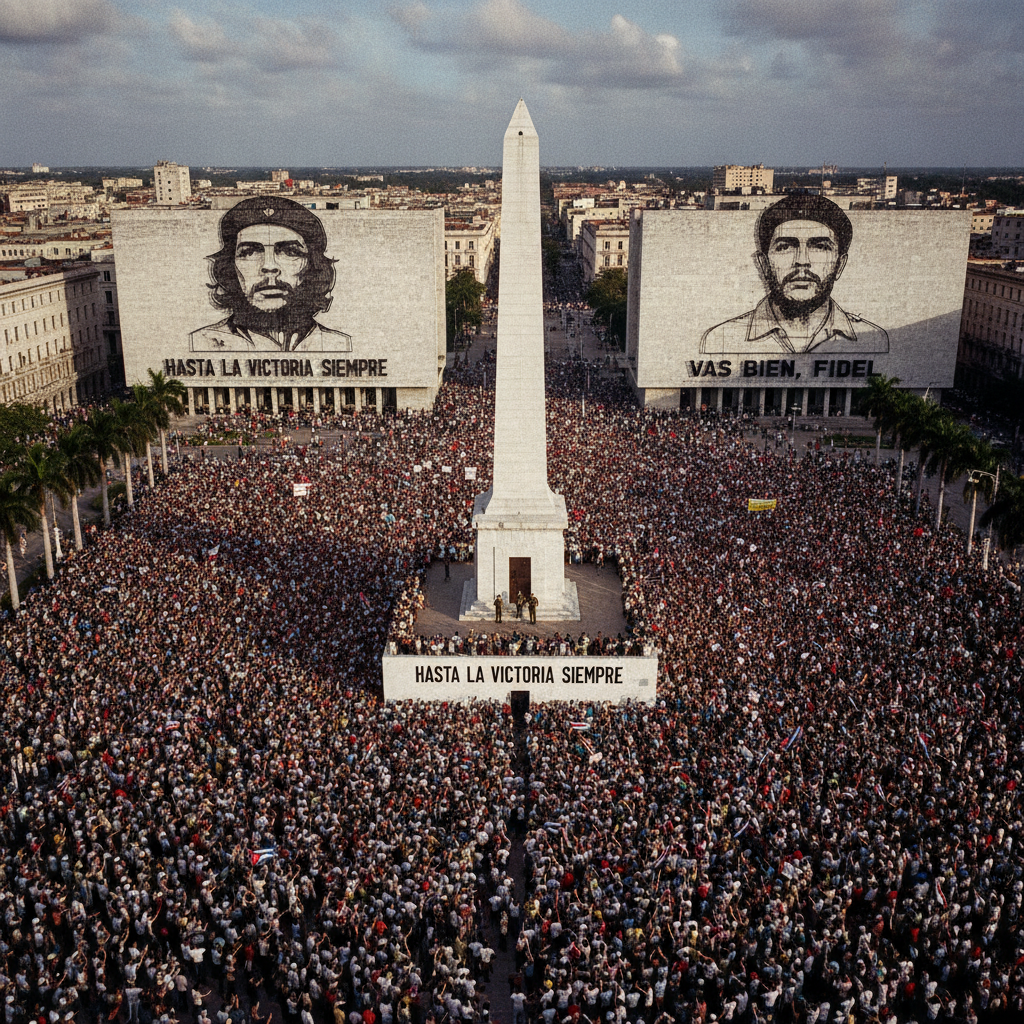
Vedado, Plaza de la Revolución & 20th-Century Havana
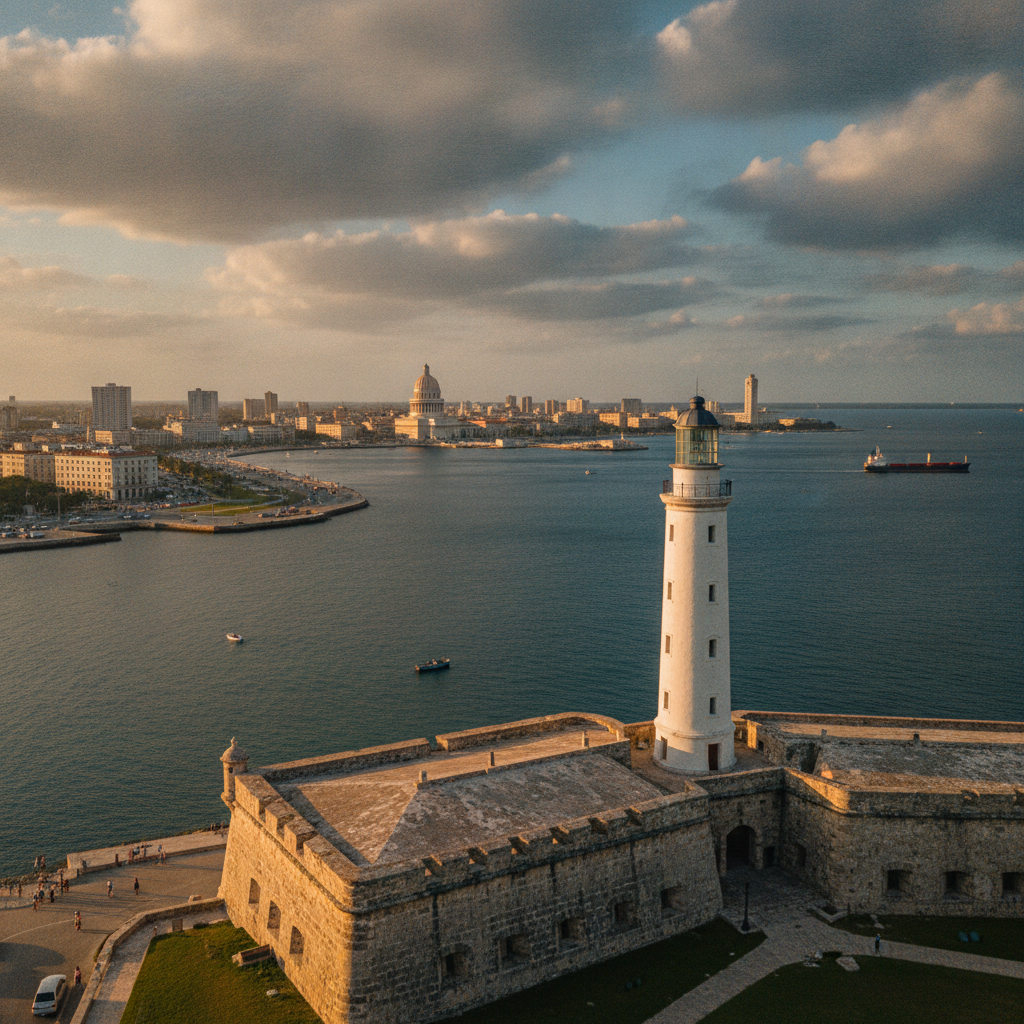
El Morro Fortress, Havana Harbour & The Bay
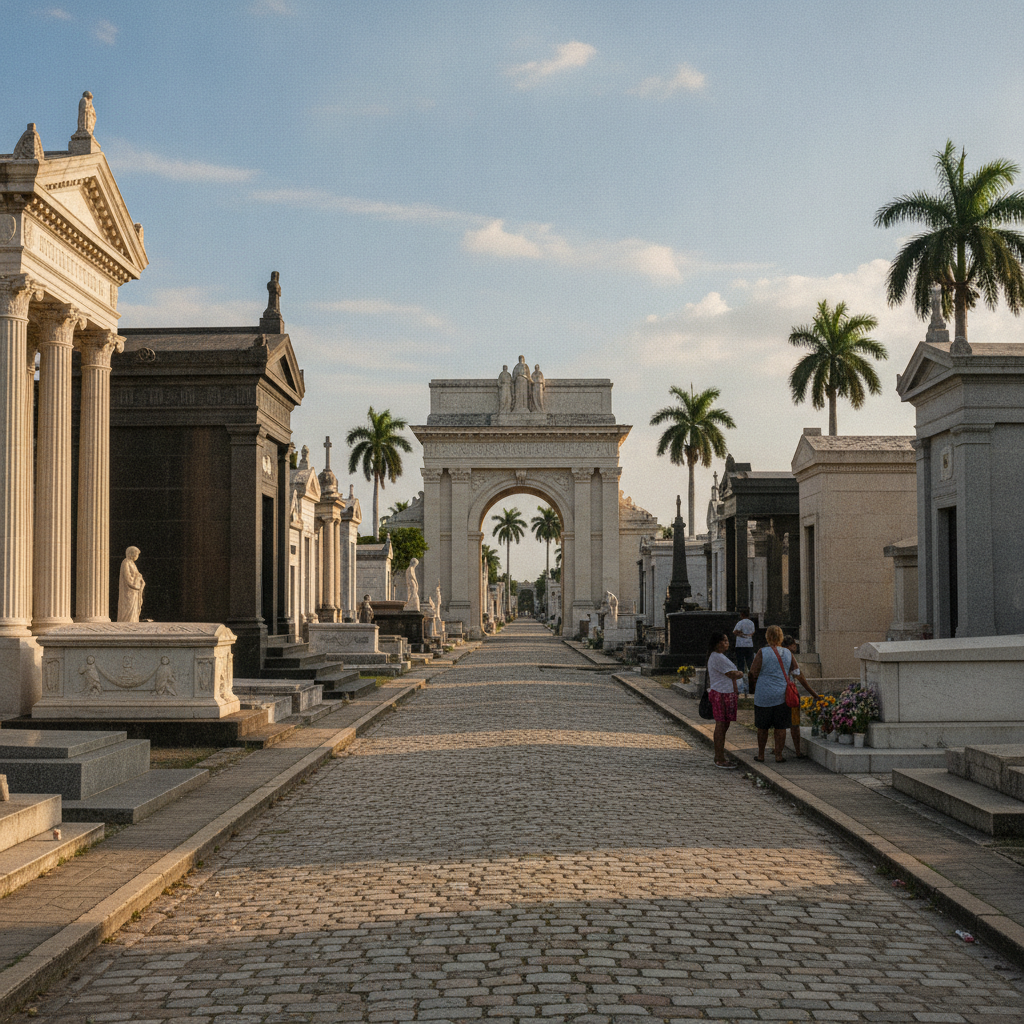
Cementerio de Colón — Havana's City of the Dead
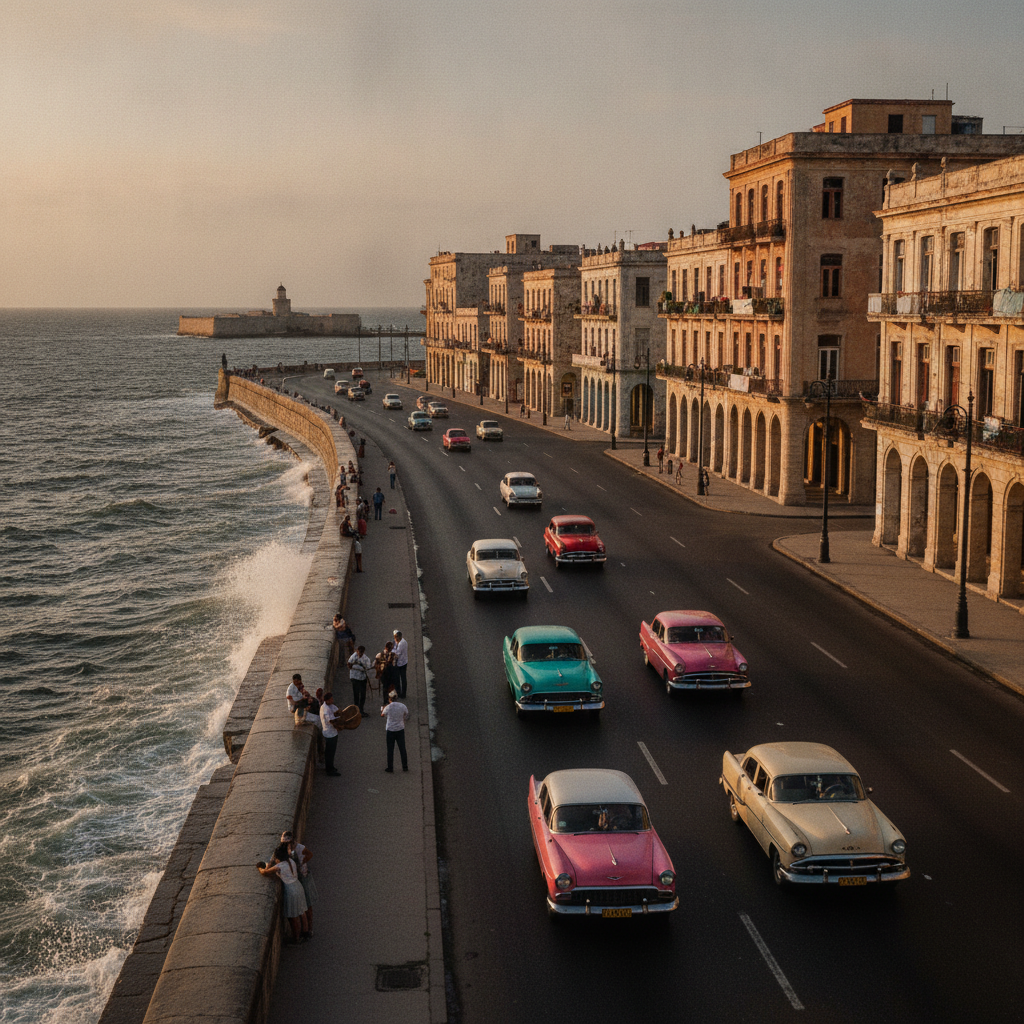
Habana Vieja, the Malecón & Havana's Classic Cars
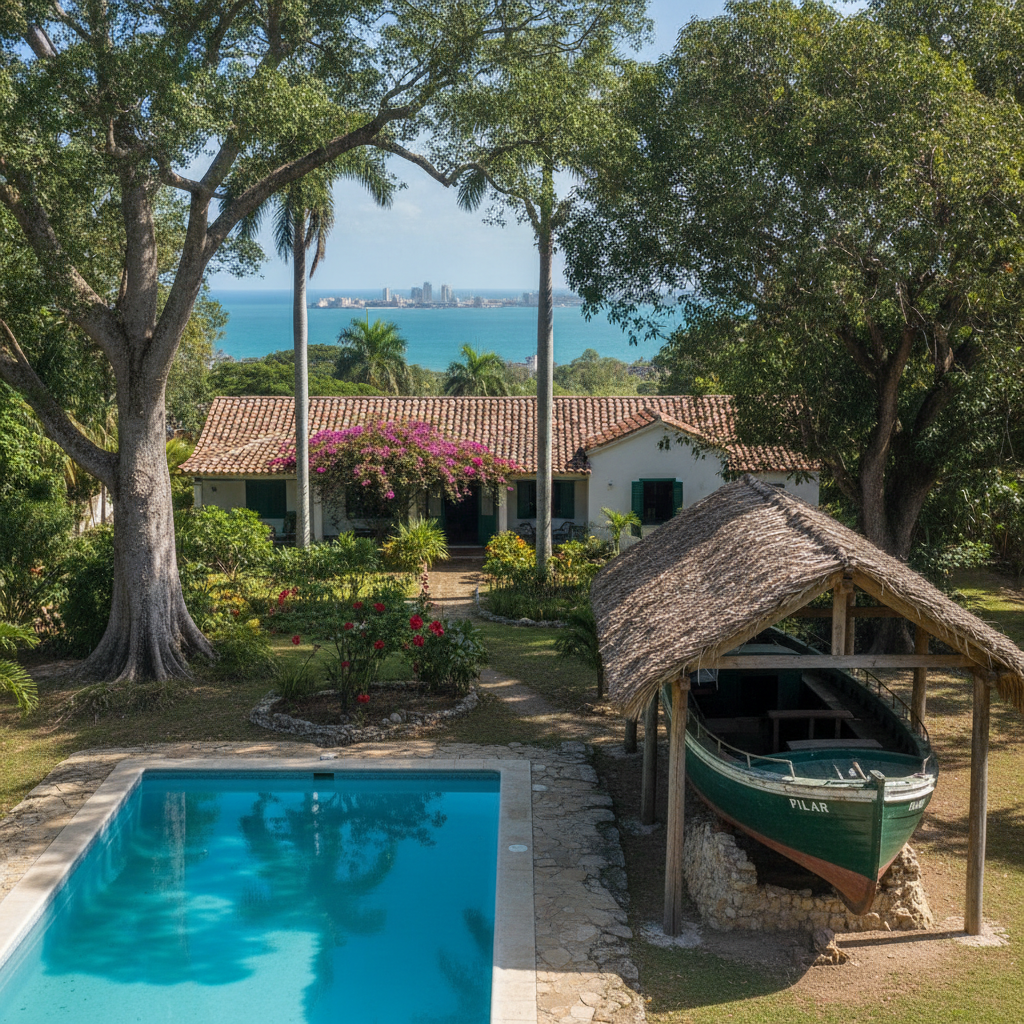
Hemingway's Havana — Finca Vigía, Cojímar & The Old Man and the Sea