Helsinki — Senate Square Cathedral, Market Square & the Neoclassical Capital of the North
Helsinki (the capital of Finland, population 650,000, founded 1550 by King Gustav Vasa of Sweden, rebuilt as the capital of the Grand Duchy of Finland by the Russian Empire from 1812, the neoclassical city plan by Carl Ludwig Engel making Helsinki one of the most architecturally unified capitals in Europe — the 'Daughter of the Baltic' and 'White City of the North') is the most northern capital in the European Union and the most architecturally coherent.
- 1
Senate Square and the Helsinki Cathedral
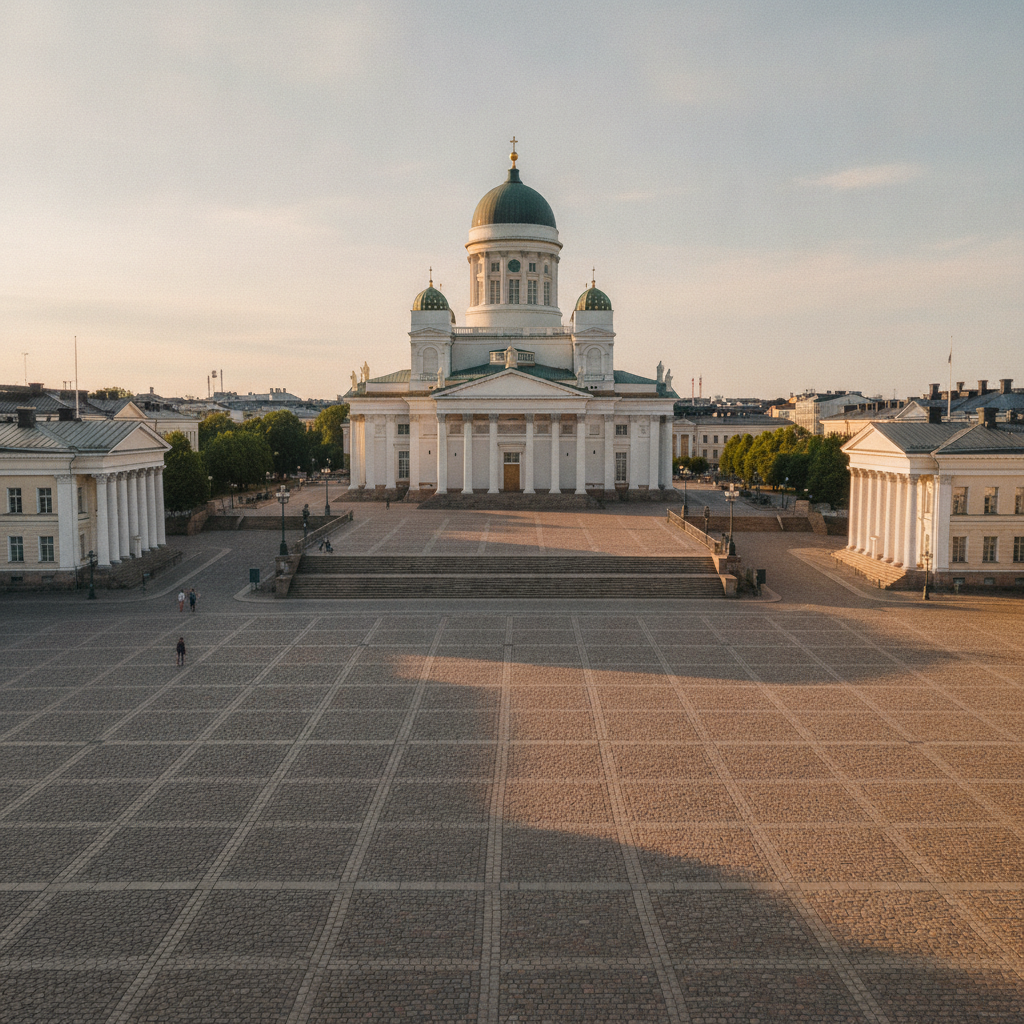
Senaatintori (Senate Square, the neoclassical heart of Helsinki designed by the German-born architect Carl Ludwig Engel for Tsar Alexander I of Russia, the four buildings surrounding the square — the Cathedral, the Senate building, the University of Helsinki, and the University Library — all designed by Engel in the 1820s-1840s in a harmonious white neoclassical style, the most architecturally unified urban square in Scandinavia, free to visit 24 hours): the Helsinki Cathedral (Helsingin tuomiokirkko, the dominant building at the north end of the square, the white Lutheran cathedral built 1830-1852, the green copper dome 70m high visible from the sea — the landmark of the Helsinki harbour approach, the interior the most austere of the major Scandinavian cathedrals — the plain whitewashed walls, the minimal decoration, the focus entirely on the pulpit and the word, the building serving as a model of Lutheran restraint, free, open daily 9am-6pm, extended hours in summer, the cathedral steps the most popular public sitting area in Helsinki in summer with the view south to the Market Square and the harbour), the Senate Building (the Finnish government offices, 1816-1822 by Engel, the building housing the Prime Minister's office since 1918, the national flag flying daily, not accessible to the public) and the Alexander II statue (the bronze 1894 monument to Tsar Alexander II the Liberator in the centre of the square — the tsar who granted Finland the rights of self-governance, the statue by Walter Runeberg the son of the Finnish national poet Johan Ludvig Runeberg).
- 2
Market Square — the Harbour of Helsinki
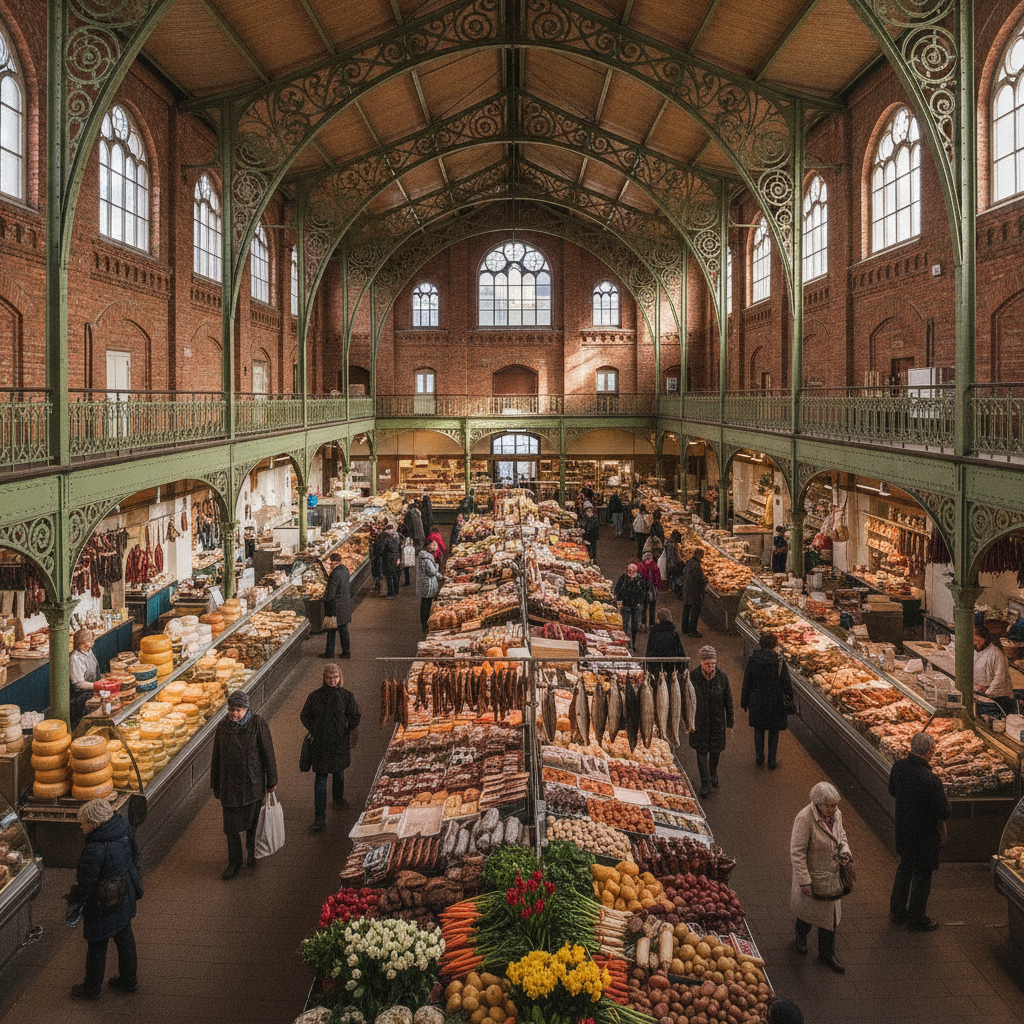
Kauppatori (Market Square, the open-air market at the South Harbour 300m south of Senate Square, the most visited public space in Helsinki — the harbour market operating continuously since 1812, the market stalls selling the Finnish seasonal produce, the tourist market of Finnish handicrafts, the fresh coffee and the salmon soup in the characteristic orange market tents): the market produce (the Finnish salmon soup — lohikeitto — the defining Helsinki market lunch, the creamy soup with the fresh Atlantic salmon and the dill, available from the orange tents at €10-14 per bowl, the most consumed single dish at the Helsinki market, the reindeer sandwiches and the salmon grilled at the outdoor grills, the Finnish strawberries — mansikka — the most fragrant of any Scandinavian berry, available June-August from the berry stalls), the market times (open Monday-Friday 6:30am-6pm, Saturday 6:30am-4pm, the market the most active 8-11am when the fishing boats bring the day's catch, the market empty and the square used for the Helsinki Kauppatori events — the public celebrations, the New Year's countdown, the summer concerts — in the evening hours), the ferry terminal at the market (the IDA ferries to Suomenlinna fortress island departing from the Market Square pier every 15-30 minutes, €5 adults return, the ferry the most scenic 15-minute boat ride in Helsinki, the sea fortress visible from the market pier) and the surrounding 19th-century trading houses (the ornate Empirestil merchant palaces surrounding three sides of the market, the now-converted luxury hotel and restaurant buildings the most harmonious 19th-century commercial streetscape in Finland).
- 3
Esplanadi Park and the Design District
Esplanadi (the twin boulevards flanking the central park from the Market Square west to the Stockmann department store, the social promenade of 19th-century Helsinki still the most pleasant walking route in the city centre, the park with the café pavilion — the Kappeli restaurant and terrace, the outdoor concerts on the park stage in summer, the Havis Amanda fountain at the eastern end of the park — the bronze mermaid figure of 1908 by Ville Vallgren, the symbol of Helsinki, traditionally doused with a student cap by graduating university students on Vappu — May Day): the Design District (the 25-block area south of the Esplanadi, bounded by the Market Square, the Bulevardi, the Iso Roobertinkatu and the Kasarmikatu, the most concentrated design, fashion, and gallery district in Scandinavia — 200+ design shops, galleries, and studios within walking distance, the Design Museum at Korkeavuorenkatu 23 — the permanent collection of Finnish industrial design from the 19th century to the present, the Iittala, the Marimekko, the Aalto furniture, the Fiskars scissors, and the Nokia phone all represented — €12 adults, Tuesday-Sunday 11am-6pm), the Artek shop (the Aalto design flagship at Esplanadi 18, the complete collection of Alvar Aalto's furniture and objects — the Stool 60, the Paimio Chair, the Aalto vase — the most important Finnish design retail address), and the Finnish national design identity (the combination of the honest materials, the functional form, and the connection to the Finnish forest and lake landscape that defines Finnish design from Aalto through Iittala to the contemporary Helsinki design week every September).
- 4
Temppeliaukio Church and the Rock Architecture
Temppeliaukio Church (the Rock Church, Lutherinkatu 3 in the Töölö district, 1km northwest of Senate Square accessible on foot or by tram 3, the Lutheran church built 1969 by the brothers Timo and Tuomo Suomalainen entirely within a natural granite outcrop — the church carved from the living rock, the circular nave 24m in diameter surrounded by the raw rock walls 6m high, the copper strip roof allowing the diffuse natural light to enter through the perimeter gap between the rock wall and the roof, €3.50 adults, open daily 10am-5pm, the most visited architectural attraction in Finland — 600,000 visitors per year): the interior (the acoustics of the rock interior among the most unusual in any church building, the rock walls absorbing and reflecting the sound in unpredictable ways, the church used as a concert venue for chamber music and organ recitals, the programme at the church website at €15-25 per concert, the acoustics most apparent at the organ concerts on Tuesday and Thursday evenings), the architectural context (the Suomalainen brothers' design selected by competition in 1961 after two previous designs were rejected, the winning concept the most radical — excavating entirely into the existing granite hill of Temppeliaukio rather than building on top — the construction required 26,000 cubic metres of granite to be blasted and cut), and the surroundings (the Töölönlahti bay visible 300m north, the Helsinki City Theatre on the bay, the Finnish National Museum 200m south — the National Romantic granite building of 1910 by Gesellius, Lindgren, and Saarinen, the collection of Finnish history from the prehistoric to the present, €12 adults, Tuesday-Sunday 11am-6pm).
- 5
Suomenlinna Sea Fortress — the Island UNESCO Site
Suomenlinna (the sea fortress on 8 islands at the entrance to the Helsinki harbour, UNESCO World Heritage Site since 1991, the fortress built 1748-1772 by the Swedish Empire under the direction of Augustin Ehrensvärd as the largest naval fortress in 18th-century Europe, subsequently captured by Russia in 1808 without a shot — the fortress surrendered in the same week the Swedish mainland army was defeated — and used by the Russian Navy until 1918 when Finland declared independence, the fortress now a residential community of 800 people and the most visited tourist attraction in Finland): access (the HSL ferry from the Market Square pier every 15-30 minutes, 15-minute crossing, €5 adults return on the HSL day ticket or the Helsinki Card, the ferry schedule at hsl.fi, running 6am-2am daily), the essential sights (the Suomenlinna Museum at the main gate, the 30-minute film on the fortress history the correct introduction for the first-time visitor — €8 adults including the film and the permanent exhibition — the King's Gate, the main ceremonial entrance of 1753 facing the sea, the most elegant 18th-century Baroque gate in Finland, the statue of Ehrensvärd at the burial site inside the gate, the Submarine Vesikko of 1933 — the Finnish Navy submarine moored at the fortress quay, €5 adults, May-September daily 11am-6pm) and the fortress as a place (the 8km of fortification walls connecting the 8 islands, the grassy ramparts the most popular picnic destination in Helsinki in summer, the restaurants and brewpub within the fortress — the Suomenlinna Brewery the most visited — the fortress the most complete escape from the city in 15 minutes from the city centre, the quietest and most atmospheric place in Helsinki at 8am before the day visitors arrive).
- 6
Helsinki Practical — the Helsinki Card, Sauna and Food
Helsinki practical: the Helsinki Card (the tourist card covering all public transport including the ferry to Suomenlinna and the entry to 30+ attractions, €49/24 hours, €59/48 hours, €69/72 hours, available at the airport, the Central Station, and the tourist information at Pohjoisesplanadi 19, the card saving money for visitors doing 3+ attractions per day), the Finnish sauna (the most culturally important Finnish institution — the sauna the place for relaxation, conversation, and cleaning in the Finnish tradition, the ratio of saunas to people in Finland 1:2 — 3 million saunas for 5.5 million people, the public sauna options in Helsinki: Löyly at Hernesaarenranta 4 — the award-winning contemporary public sauna of 2016 with the wood-burning saunas and the swim platform in the sea, €19 adults 2 hours, the most architecturally significant contemporary sauna in Finland; Allas Sea Pool at Katajanokanlaitta 2 — the outdoor floating pools and saunas at the South Harbour, €17 adults, the pools heated year-round, the most central public sauna in Helsinki), Finnish food (the rye bread — the dark dense Finnish hapanleipä, the ruisleipä bread the daily staple, available at every Helsinki bakery and the K-Market supermarkets for €3-5 per loaf; the Helsinki restaurants: the Sea Horse at Kapteeninkatu 11 — the Finnish classics restaurant since 1934, the fried Baltic herring and the beef liver the signature dishes at €18-22; the Savoy at Eteläesplanadi 14 — the Aalto-designed restaurant of 1937, the tasting menu of contemporary Finnish cuisine at €90-110 per person, the most historically significant fine-dining address in Finland).
Walk this route with audio
Stories play automatically as you reach each stop — no tapping needed.
More in helsinki
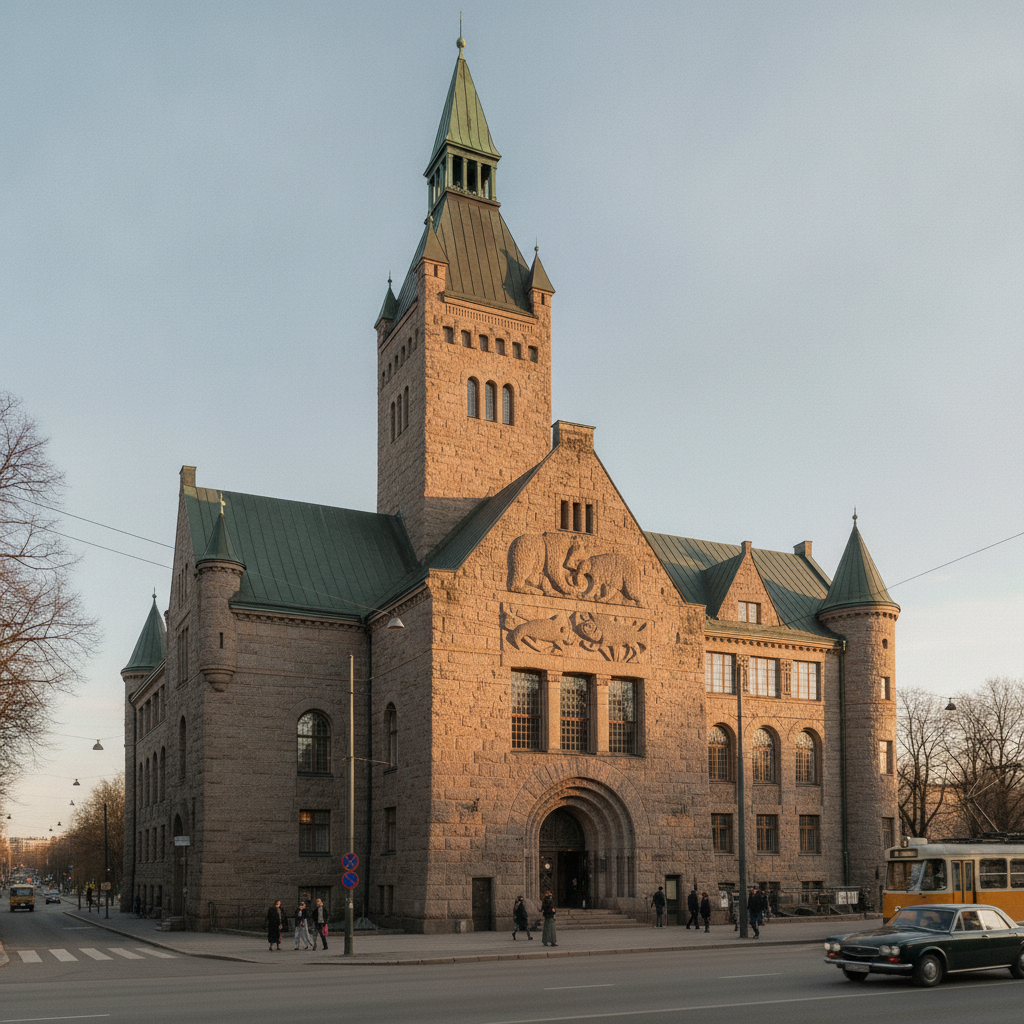
Helsinki Museums & Finnish History — the National Museum, Ateneum & the Finnish Cultural Identity
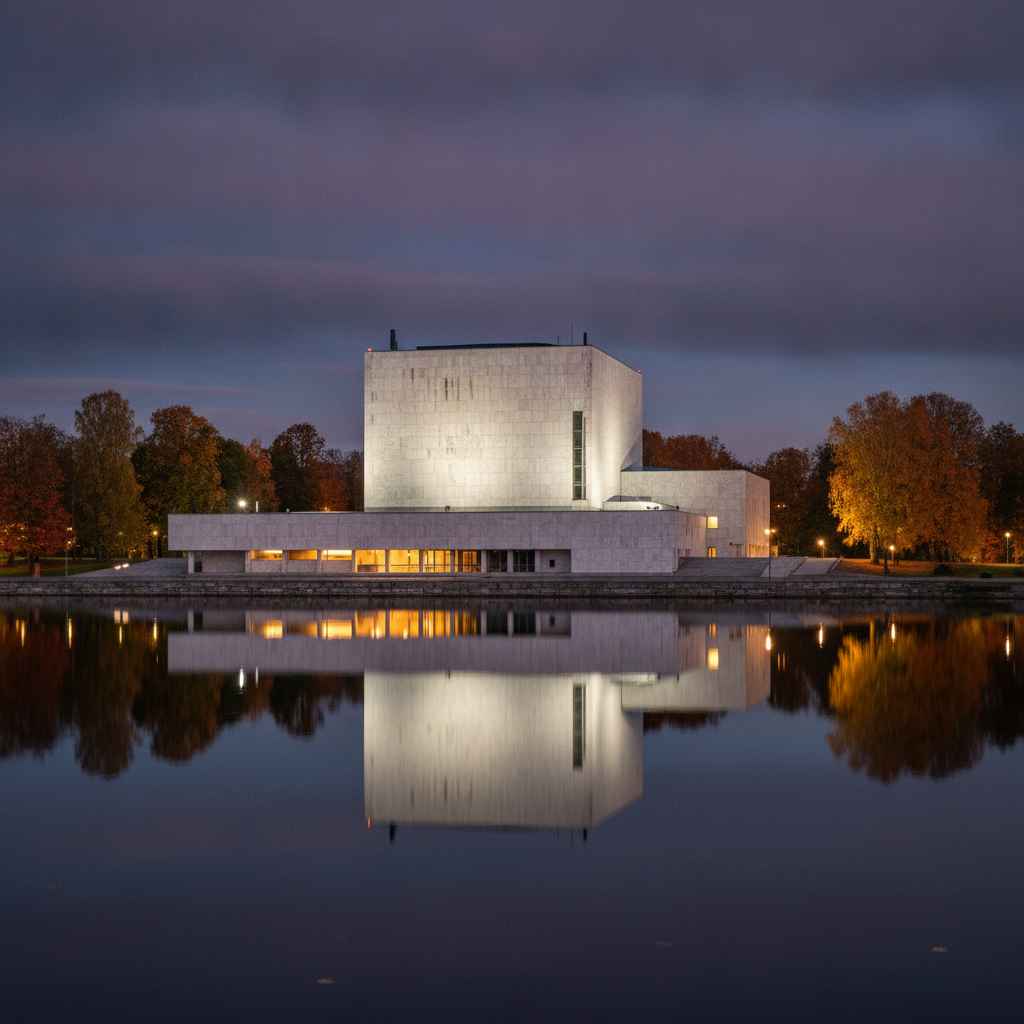
Helsinki Design & Architecture — Alvar Aalto, Finnish Modernism & the Design Capital of Scandinavia
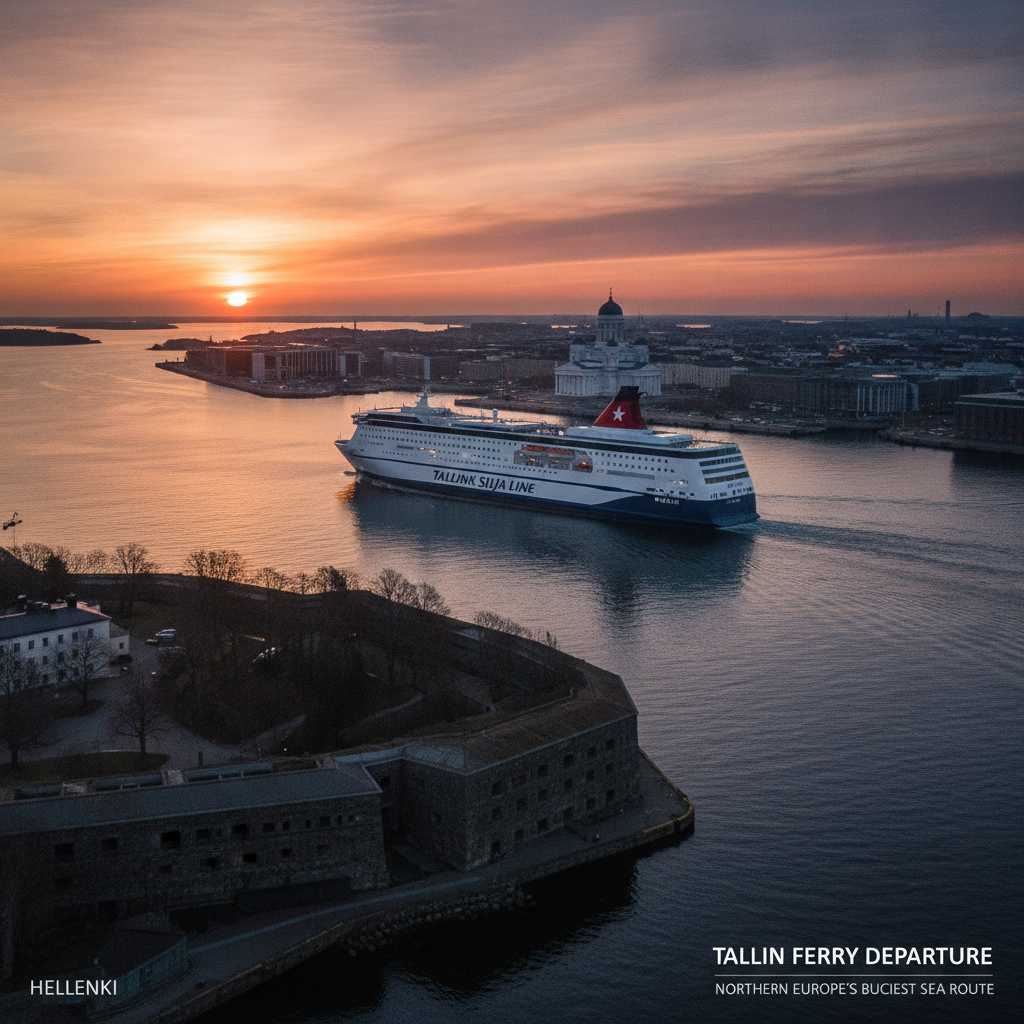
Helsinki Day Trips & Connections — Porvoo Old Town, the Tallinn Ferry & the Finnish Archipelago
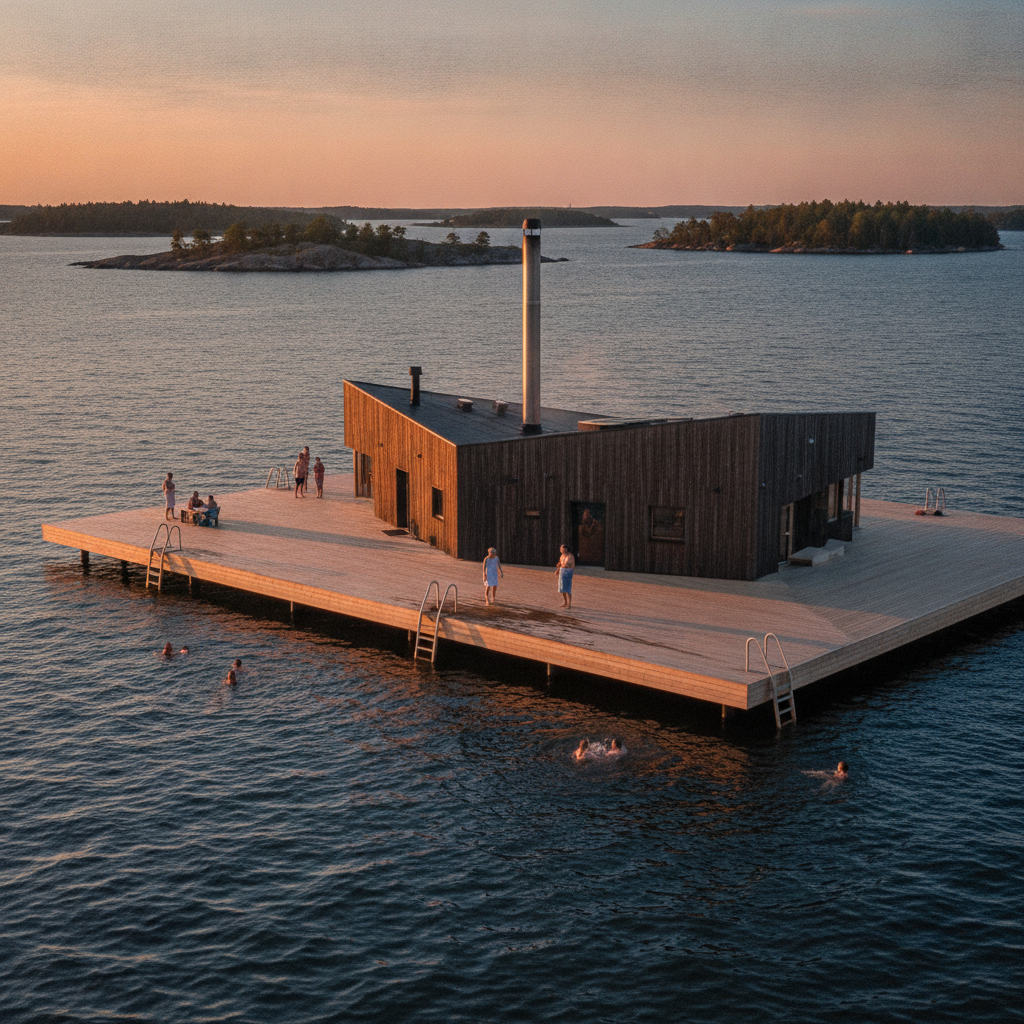
Helsinki Sauna Culture & Nordic Nature — Public Saunas, Island Life & the Finnish Outdoor Tradition