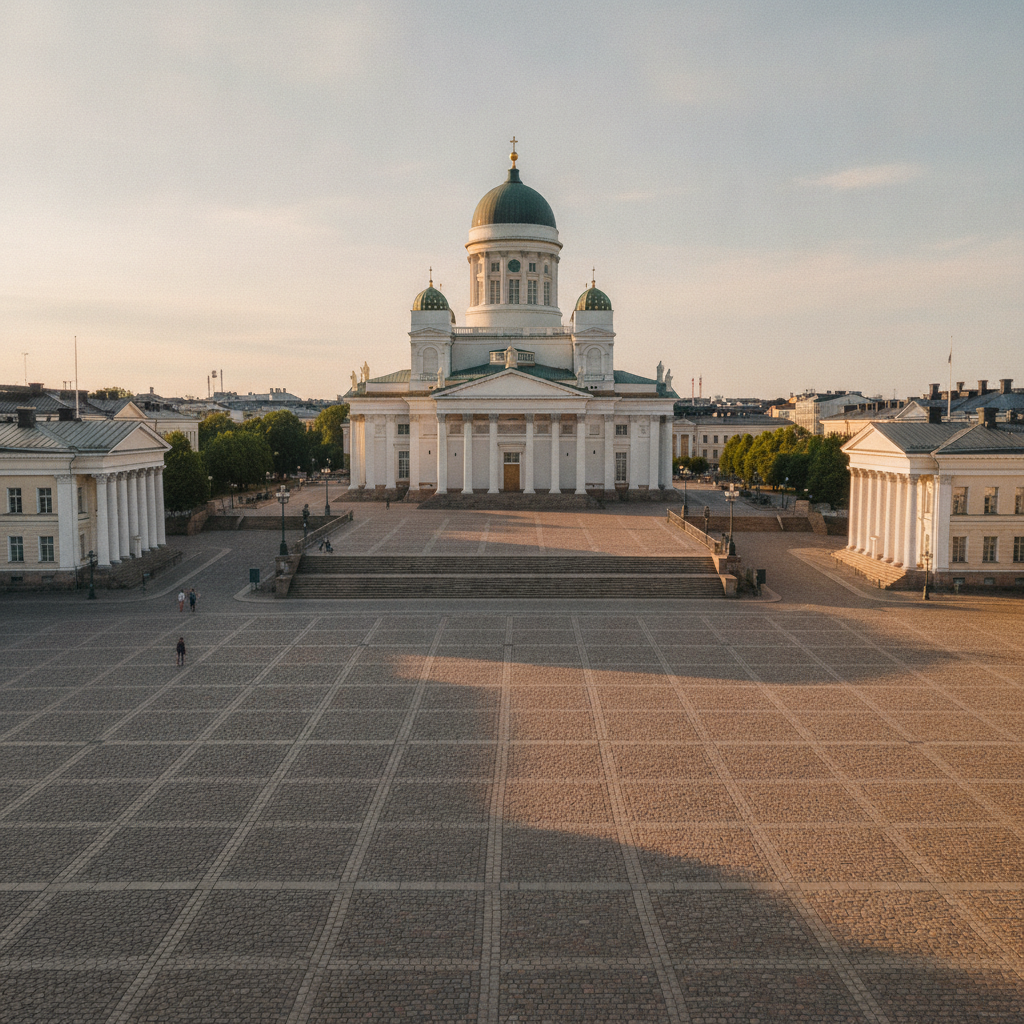
Helsinki Museums & Finnish History — the National Museum, Ateneum & the Finnish Cultural Identity
Helsinki's museum circuit tells the story of Finnish identity — from the prehistoric amber finds of the National Museum to the National Romantic paintings of the Ateneum and the contemporary design of the Design Museum, the museums the most concentrated narrative of Finnish cultural development available in a single city.
- 1
The Finnish National Museum — the Story of Finland
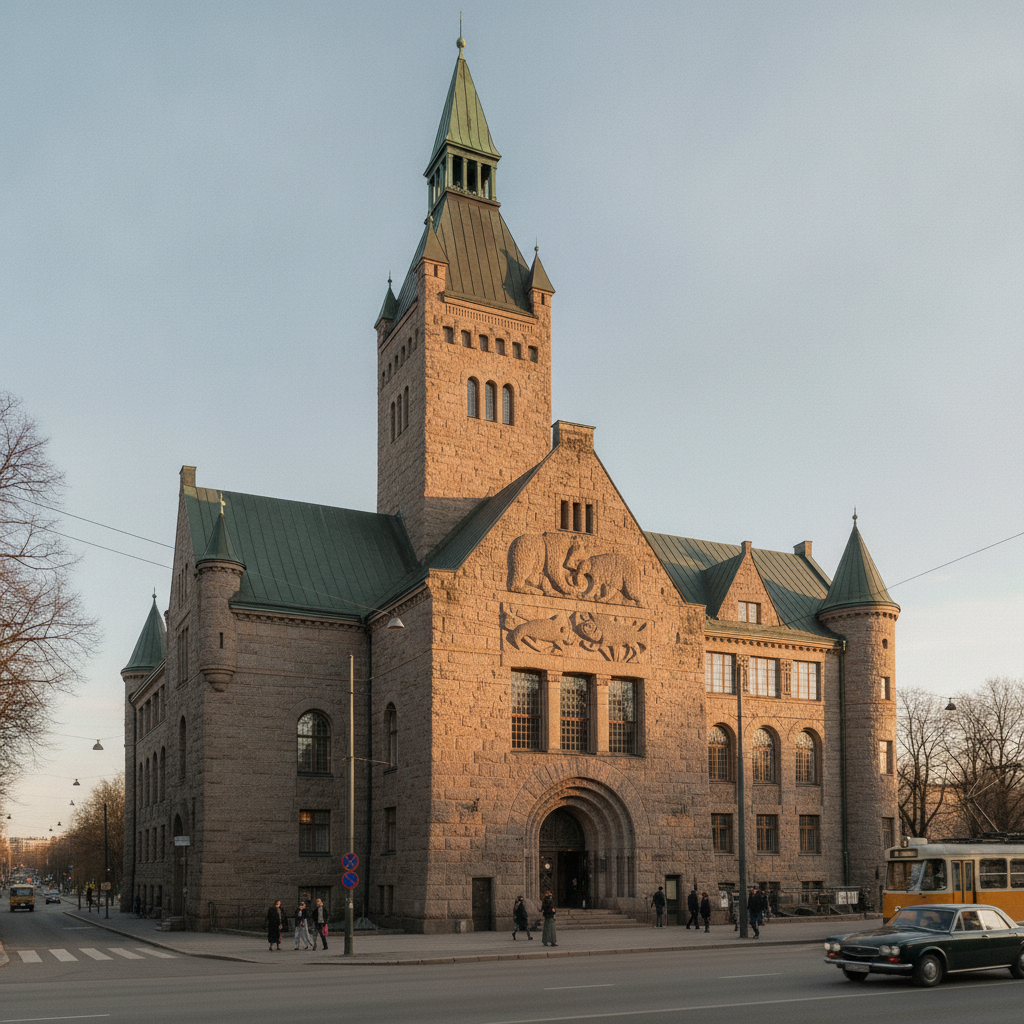
The Finnish National Museum (Kansallismuseo, Mannerheimintie 34, the granite castle-style building of 1905-1910 designed by the architects Gesellius, Lindgren, and Saarinen — the National Romantic style expressing the Finnish national identity through the references to the medieval granite churches and the timber fortifications of the Finnish landscape, the building commissioned in the context of the Finnish national awakening and the resistance to Russian Imperial Russification policies, €12 adults, Tuesday-Sunday 11am-6pm, the permanent collection from the prehistoric period to the present): the essential galleries (the prehistoric Finland — the oldest objects in Finland: the 9,000-year-old antler tools of the post-glacial hunting communities, the 4,000-year-old amber ornaments from the Baltic amber trade, the Bronze Age artefacts from the burial mounds of the Finnish coast; the medieval period — the carved wooden altarpieces and the church silver of the Finnish Lutheran tradition, the 13th-century Häme Castle iron and the Turku Cathedral treasury; the Grand Duchy period 1809-1917 — the Senate Square plans of Carl Ludwig Engel, the portraits of the Finnish national figures, the furnishings of the 19th-century Finnish bourgeoisie; the independence and the 20th century — the Winter War photographs, the Continuation War maps, the post-war reconstruction objects, and the material culture of Finnish modernisation from the 1950s to 2000s), the most complete narrative of Finnish history in any museum worldwide, the building itself the most important National Romantic statement in Finnish architecture.
- 2
The Ateneum Art Museum — Finnish National Painting
The Ateneum Art Museum (Kaivokatu 2, the National Gallery of Finland adjacent to the Helsinki Central Railway Station, the collection of Finnish art from the 1750s to 1960, the most important collection of Finnish painting in the world, €20 adults, Tuesday-Friday 10am-8pm, Saturday-Sunday 10am-5pm): the essential works (Akseli Gallen-Kallela's Aino Triptych of 1891 — the three-panel painting depicting the Kalevala myth of Aino, the most important single painting in Finnish art history, the Kalevala the Finnish national epic compiled by Elias Lönnrot from the oral tradition in 1835, the epic providing the thematic material for the entire Finnish National Romantic art movement — Albert Edelfelt's Ambassador's Companions of 1900, Hugo Simberg's The Wounded Angel of 1903 — the enigmatic painting of two boys carrying a winged angel on a stretcher, the most internationally recognized Finnish painting — and the Helene Schjerfbeck self-portraits, the Finnish painter who achieved an international reputation in the 20th century art world, the Schjerfbeck retrospective room the most discussed in the museum), the National Romantic period (the golden age of Finnish painting 1880-1914, the artists including Pekka Halonen, Eero Järnefelt, and Juhani Aho depicting the Finnish landscape and the rural folk life in the style influenced by Impressionism but directed by the national identity programme) and the building (the neoclassical building of 1888 in the Historicist style, the Central Station of Eliel Saarinen visible 50m to the east across the Kaivokatu).
- 3
Helsinki Central Station — Saarinen's Gateway
Helsinki Central Station (Helsingin päärautatieasema, Kaivokatu 1, the most important building in Finnish Jugendstil architecture, designed by Eliel Saarinen and built 1904-1919, the building considered the masterpiece of Finnish early modernism — the transition point between the National Romantic and the International Modernism, the station the inspiration for the young Saarinen who subsequently emigrated to the United States and designed the Chicago Tribune Tower competition entry in 1922 and the Gateway Arch competition entry that launched the career of Eero Saarinen, his son): the exterior (the red Rapakivi granite facade, the arched main portal 12m high, the four stone giants flanking the portal holding the globe lamps — the most famous architectural detail in Helsinki, the tower 48m above the platform roof, the building the landmark of the Helsinki cityscape from the east), the interior (the main hall with the 18m high barrel-vaulted ceiling, the green granite floors, the waiting room of the original interior — the 1909 restoration of the original interiors completed 2017 the largest heritage restoration in Finnish history, the station in full use as the primary rail hub of Finland with 200,000 daily passengers, the food court and the K-Supermarket in the basement accessible without a platform ticket, the VR train services from the station to all major Finnish cities at vr.fi) and the station surroundings (the Railway Square — Rautatieasema aukio — the city bus hub, the Ateneum to the east and the Kiasma contemporary art museum to the north — the Kiasma designed by Steven Holl and opened 1998, the most architecturally dramatic museum building in Finland, €15 adults, the permanent collection of Finnish and international contemporary art from 1960 to the present, the most visited art museum in Finland with 300,000 visitors annually).
- 4
Kallio — the Alternative Helsinki
Kallio (the district north of the Pitkäsilta bridge, the neighbourhood that began as the working-class district beyond the city limits in the 19th century, the area of the small apartment buildings of the 1900s-1930s, now the most culturally active neighbourhood in Helsinki — the highest concentration of bars, independent restaurants, music venues, vintage shops, and community culture in the city): the Kallio Church (Itäinen Papinkatu 2, the Jugendstil granite church of 1912 by Lars Sonck, the most dramatic church interior in the Helsinki working-class districts, the green copper tower the neighbourhood landmark, free, open daily), the Hakaniemi Market Hall (Hakaniementori 1, the 1914 covered market with the Finnish farmer produce — the most authentic food market in Helsinki, open Tuesday-Friday 8am-5pm, Saturday 8am-4pm, the rye bread, the Finnish cheeses, and the reindeer sausages at the market stalls the correct Kallio food purchase), the bar and restaurant circuit (the Vaasankatu street with the highest density of Helsinki bars per metre — the Bar Loose for rock music, the Hilpeä Hauki for traditional Finnish food, the On the Rocks for the Helsinki working-men's bar atmosphere, all on the same 200m stretch — and the Ravintola Kuurna at Meritullinkatu 6, the most consistently praised neighbourhood restaurant in Helsinki at mid-range prices, the Finnish-influenced menu changing with the seasonal produce) and the Kallio block party (Kallio Block Party, the annual neighbourhood festival in August, the street parties and the live music stages taking over the Kallio streets for one weekend, the most attended free street festival in Helsinki at 30,000+ visitors per day, the dates at kallioblock.fi).
- 5
Oodi Central Library — the New Heart of Helsinki
Oodi (Töölönlahtikatu 4, the Helsinki Central Library opened December 2018 opposite the Parliament building, the €100m public building designed by the architectural office ALA — Anttoni Aho, Juho Grönholm, and Samuli Miettinen — the building the most visited public building in Finland with 2.7 million visitors in 2019, the first full year, free, open Monday-Friday 8am-10pm, Saturday-Sunday 8am-6pm): the building (the curved three-storey form in the warm birch and the glass, the ground floor the active public space — the cafe, the maker space, the 3D printers and the laser cutters, the gaming consoles, the music production studio, the recording booths, the sewing machines, the electronic workshop, the game console area with 20+ gaming stations, the movie studio — the second floor the events and exhibition space with the media library and the open plan coworking area, the third floor the traditional library reading room with the 100,000-volume collection and the rooftop terrace with the best view of Töölönlahti bay and the Parliament building), the library as manifesto (the Oodi designed as the physical embodiment of the Finnish democratic ideal — the library as the most public of public spaces, the building that belongs to everyone, the extensive maker spaces and the free equipment access expressing the Finnish belief in the equal access to knowledge and creative tools, the building winning the IFLA Best Public Library Award 2019 — the international library architecture prize — in its first year of operation) and the view from the Oodi terrace (the view from the third-floor terrace: the Finlandia Hall to the north, the Parliament building to the east, the Töölönlahti bay to the west, and the National Museum to the north — the four buildings defining the Finnish civic identity visible simultaneously from the same terrace).
- 6
The Kiasma and the Helsinki Contemporary Art Scene
Kiasma (Mannerheiminaukio 2, the Museum of Contemporary Art adjacent to the Parliament and the Helsinki Central Station, designed by the American architect Steven Holl and opened 1998, the most architecturally innovative museum building in Finland — the curved white steel and glass form generating the unusual interior light through skylights and baffles, the building the most discussed Finnish public building of the 1990s, €15 adults, Tuesday-Sunday 10am-8:30pm, the permanent collection of Finnish and international contemporary art from 1960 to the present, the largest contemporary art collection in Finland at 9,000 works): the permanent collection (the Finnish post-war painting and sculpture, the international conceptual art of the 1960s-80s acquired during the museum's founding period, the video and installation art of the 1990s-2010s — the most complete collection of Finnish video art in the world — and the contemporary painting and sculpture of the 2000s-2020s, the permanent collection rotated in thematic exhibitions rather than displayed as a fixed sequence), the temporary exhibitions (the programme of 8-10 major international and Finnish exhibitions per year, the Kiasma the venue for the visiting shows of the major international contemporary artists — the exhibitions the most internationally connected contemporary art programme in Finland), and the Kiasma building in context (the museum placed at the junction of Mannerheimintie and Töölönlahti as the southern anchor of the Finnish civic institutions sequence — Parliament, National Museum, Finlandia Hall, Oodi — and the northern anchor of the 19th-century Esplanadi boulevard axis, the building completing the Helsinki museum circuit that runs from the Ateneum on the Railway Square to the Kiasma 300m north and the National Museum a further 500m north).
Walk this route with audio
Stories play automatically as you reach each stop — no tapping needed.
More in helsinki
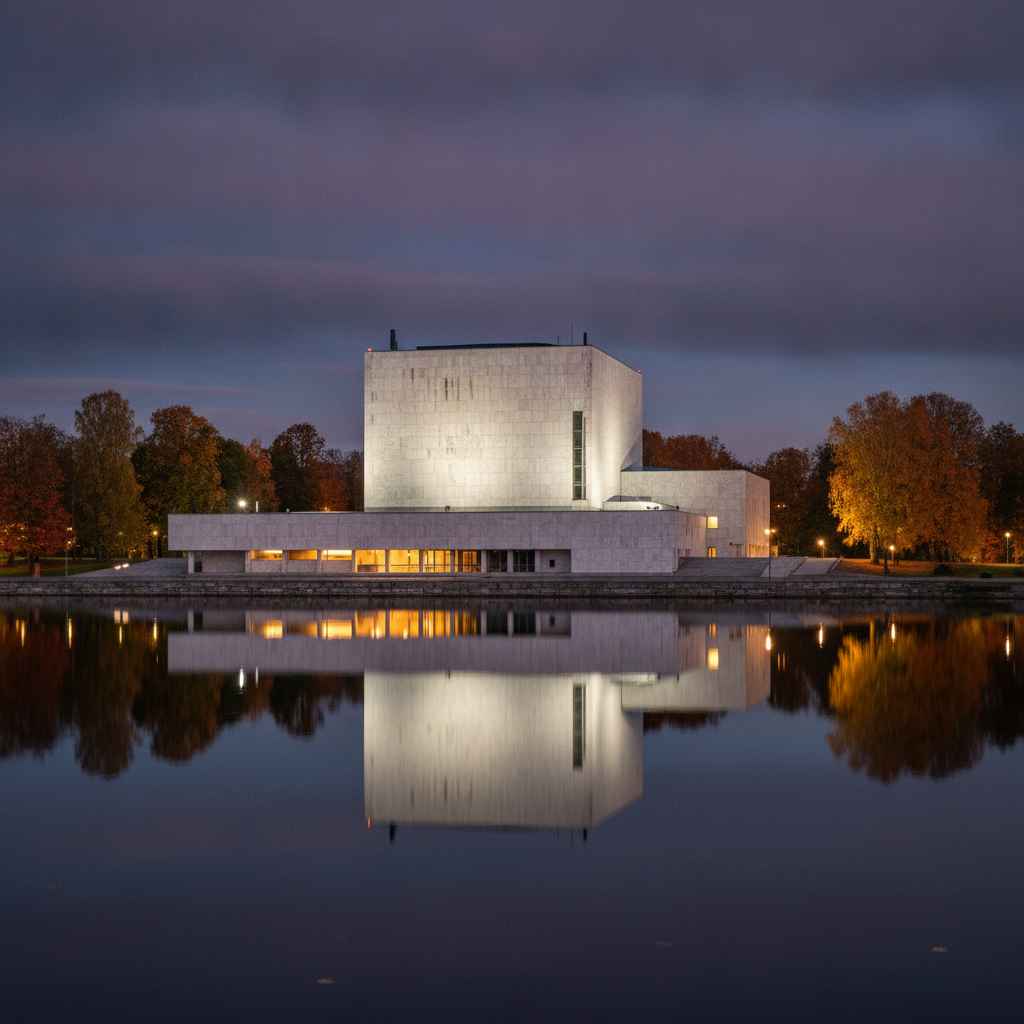
Helsinki Design & Architecture — Alvar Aalto, Finnish Modernism & the Design Capital of Scandinavia
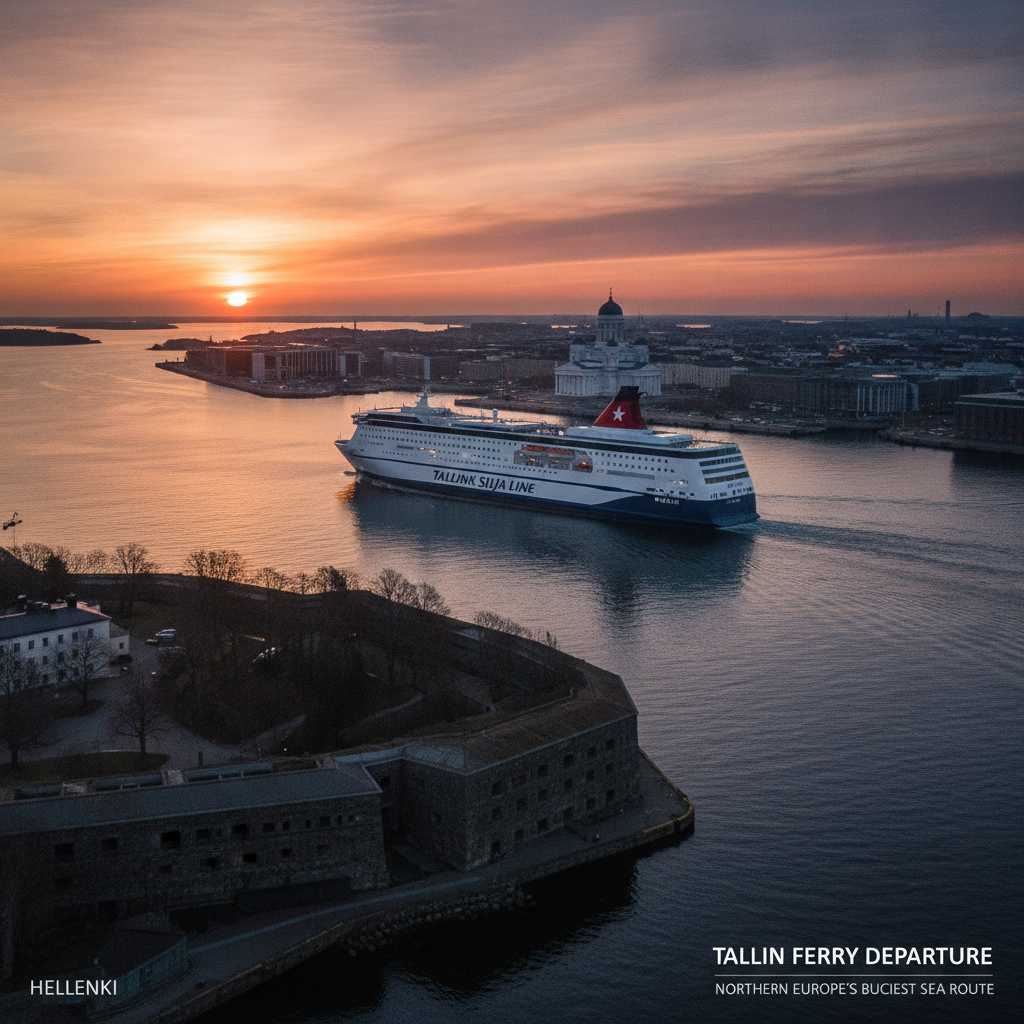
Helsinki Day Trips & Connections — Porvoo Old Town, the Tallinn Ferry & the Finnish Archipelago
Helsinki Sauna Culture & Nordic Nature — Public Saunas, Island Life & the Finnish Outdoor Tradition
Helsinki Food & Markets — Nordic Cuisine, Hakaniemi Market Hall & the Finnish Culinary Tradition