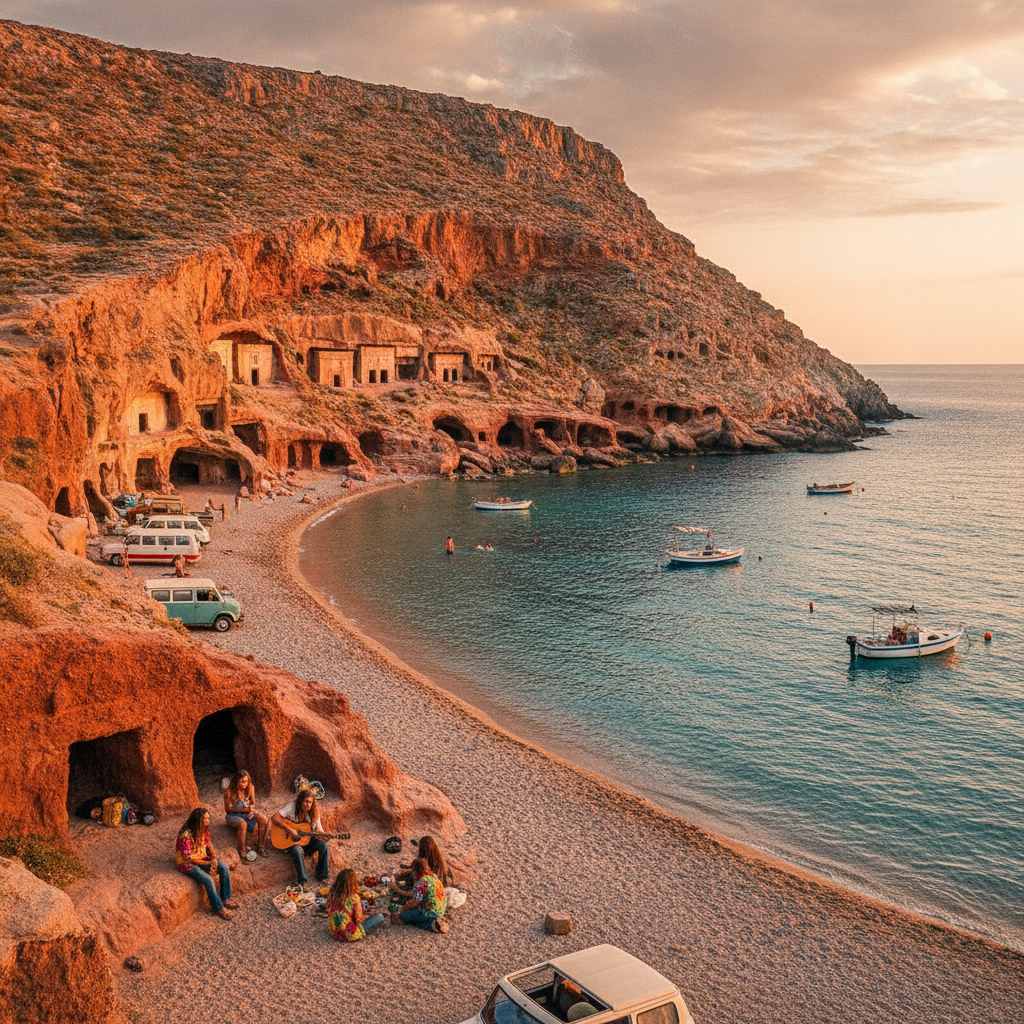
Heraklion History Deep: Minoan Civilization Mysteries, Evans Knossos Reconstruction Debate, the Battle of Crete 1941, Kazantzakis and the Cretan Spirit, the Venetian Harbour Arsenali, and the Spinalonga Leper Colony
The Heraklion historical depth covers the unresolved Minoan Linear A script mystery, the Arthur Evans concrete reconstruction controversy, the extraordinary Cretan civilian resistance in the 1941 Battle of Crete, the Nobel-nominated Kazantzakis and his bastion burial, the Venetian arsenal harbour warehouses, and the emotionally resonant Spinalonga last European leprosy island.
- 1
The Minoan Civilization: What We Know and What Remains Unknown
The Minoan civilization of Bronze Age Crete, the first literate European culture that flourished from 2700 to 1450 BC with the palace economies of Knossos, Phaistos, Malia, and Zakros, the Linear A script that remains undeciphered, and the marine trading network that connected Egypt, the Levant, Greece, and Italy, was destroyed by the combination of the Santorini volcanic eruption of 1628 BC and the Mycenaean Greek invasion of 1450 BC. What the Minoan people called themselves, what language they spoke, and what caused the final collapse of the palatial civilization remain the most intriguing unresolved questions in European prehistoric archaeology.
- 2
Arthur Evans and the Knossos Reconstruction Controversy
Sir Arthur Evans, the British archaeologist who excavated Knossos from 1900 to 1930 and used the then-innovative technique of concrete reconstruction to restore the frescoes, the staircases, and the upper floors of the palace, created the most visited and the most controversial archaeological reconstruction in Greece. The Evans restoration, criticized by modern archaeologists for the speculative additions and the color choices that reflect Edwardian aesthetic preferences rather than Bronze Age evidence, is simultaneously the reason that Knossos communicates the Minoan world to the non-specialist visitor more effectively than any other prehistoric site in Europe.
- 3
Crete in World War II: The Battle of Crete
The Battle of Crete in May 1941, the German airborne invasion that resulted in the first major defeat of the Fallschirmjaeger paratroopers by the Allied defenders and the Cretan civilian population who fought with farming tools and hunting rifles in the most determined civilian resistance to the German invasion in the Mediterranean theater, is the defining military event in modern Cretan history. The Heraklion War Cemetery and the German War Cemetery at Maleme preserve the 6,000 Allied and the 4,500 German dead of the 11-day battle.
- 4
Nikos Kazantzakis: Zorba and the Cretan Spirit
Nikos Kazantzakis, the most internationally celebrated Greek writer of the 20th century and the author of Zorba the Greek, The Last Temptation of Christ, and the epic poem The Odyssey: A Modern Sequel, was born in Heraklion in 1883 and is buried on the Martinengo Bastion of the Venetian walls at his request, with the epitaph he wrote himself: I hope for nothing, I fear nothing, I am free. The Kazantzakis Museum in his birthplace village of Myrtia provides the biography and the manuscripts of the writer who was nominated for the Nobel Prize in Literature nine times.
- 5
Heraklion Harbour and the Lion of St. Mark
The Heraklion harbour front, from the Koules fortress at the harbor entrance to the waterfront cafes and the fishing boat quays, is the most convivial public space in the city and the social gathering point from the morning coffee to the evening volta. The Venetian harbour warehouses, the arsenali, are the largest surviving Venetian shipyard buildings in the eastern Mediterranean and house the temporary exhibitions of the Heraklion cultural program. The Lion of St. Mark carved above the Koules gate is the most reproduced heraldic image in Crete.
- 6
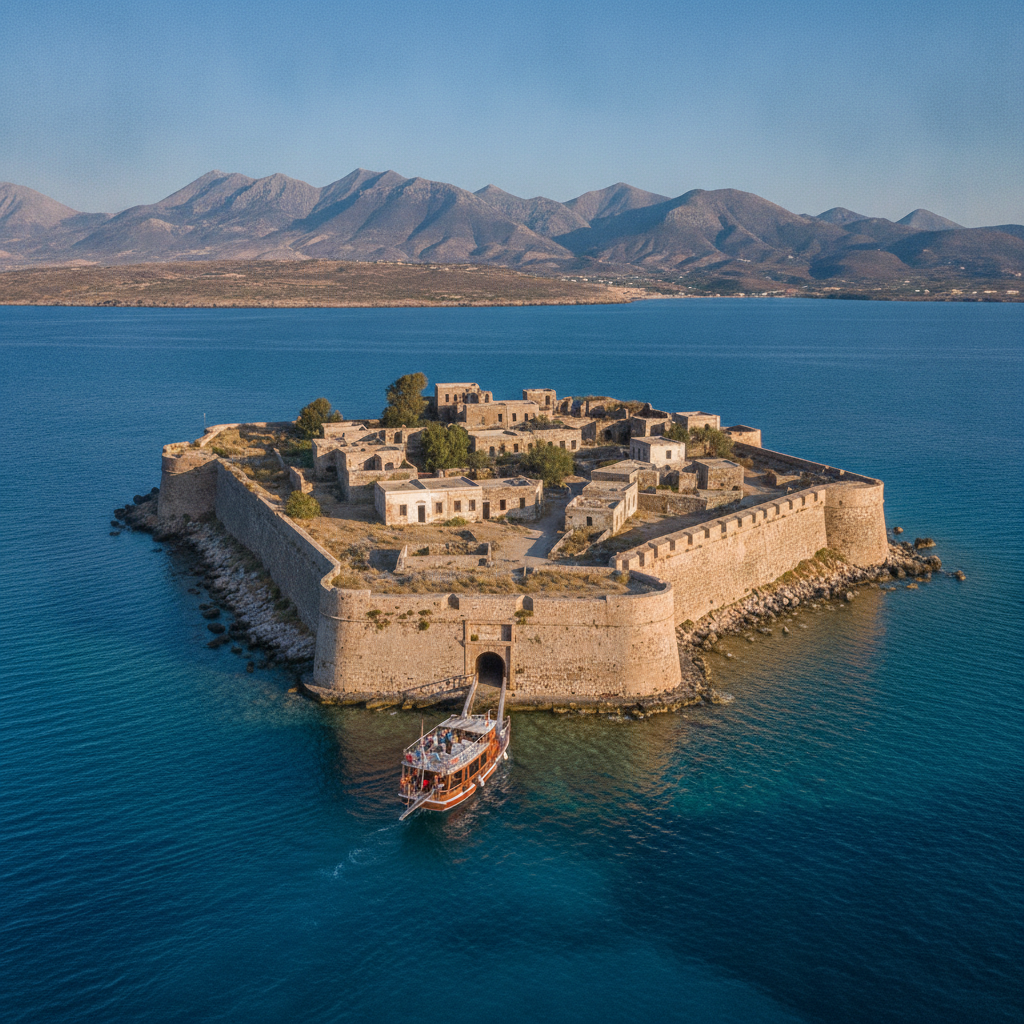
Spinalonga: The Last European Leper Colony
Spinalonga, the Venetian island fortress in the Mirabello Bay of eastern Crete that served as the last active leprosy colony in Europe from 1903 to 1957, accessible by boat from Elounda, is the most emotionally charged historical site in Crete and the setting of Victoria Hislop's novel The Island that introduced the Spinalonga story to the international English-language reading public. The ruins of the leper village within the Venetian fortifications and the tiny Byzantine church create the most poignant inhabited island heritage in the Aegean.
Walk this route with audio
Stories play automatically as you reach each stop — no tapping needed.
More in Heraklion
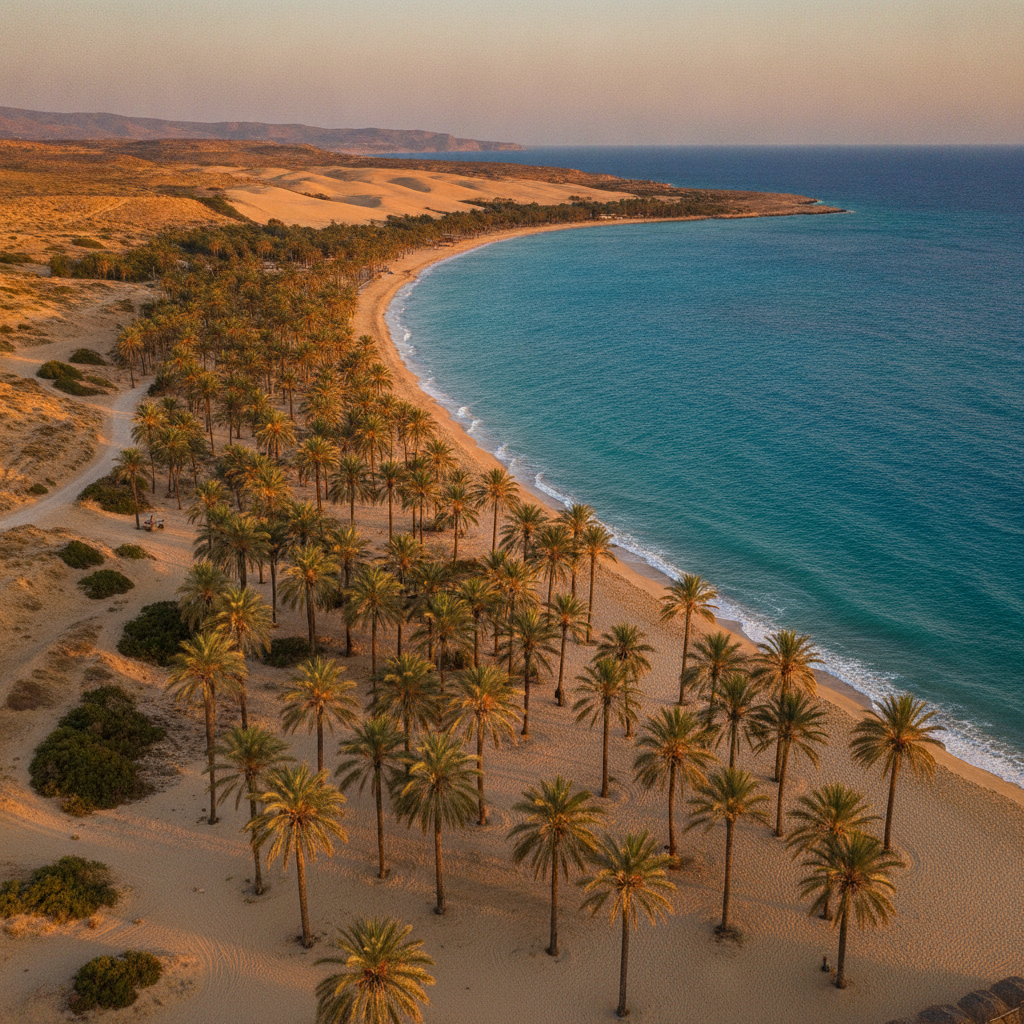
Heraklion Food and East: Cretan Market Produce and Indigenous Wine Revival, the Diktaean Cave Zeus Birthplace, Heraklion Nightlife, the Vai Palm Grove, Eastern Crete Minoan Zakros, and the Capital Infrastructure
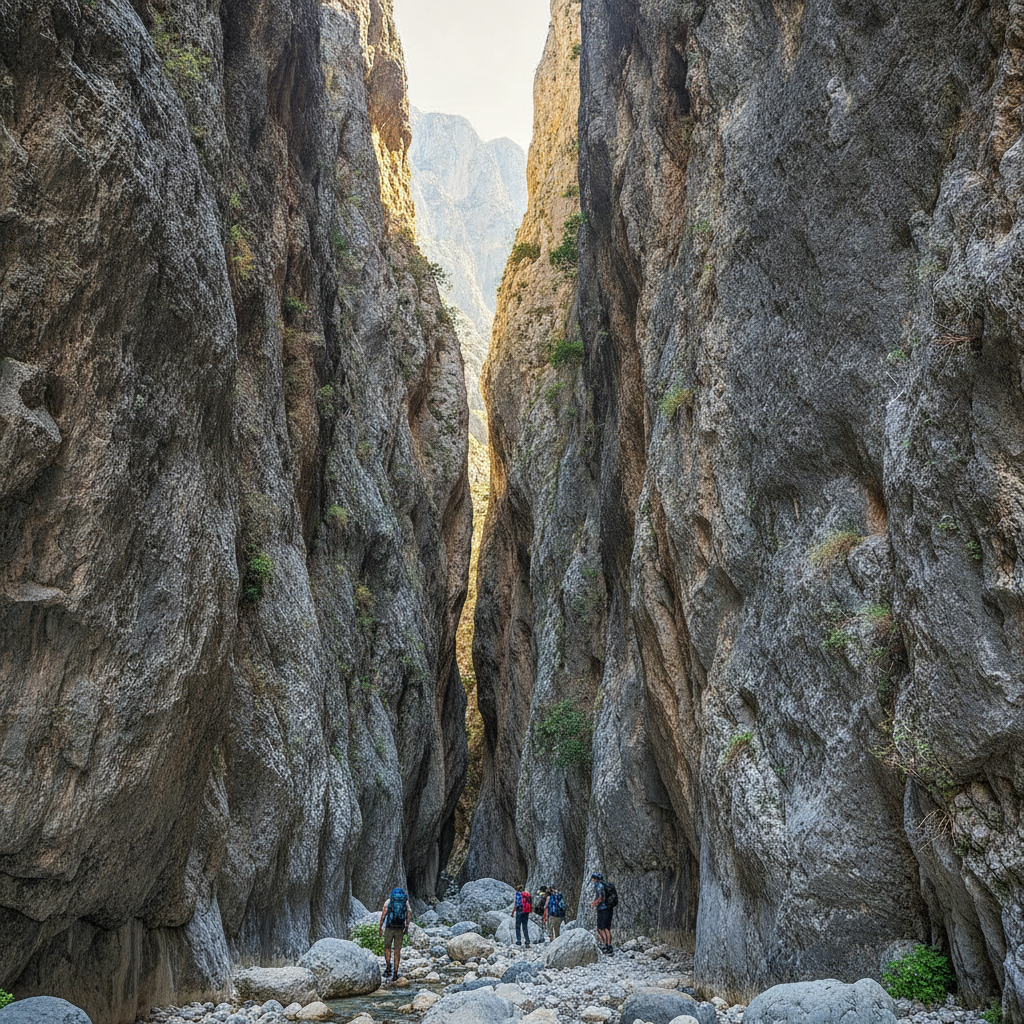
Heraklion and Crete: Samaria Gorge European Grand Canyon, the Elafonisi Pink Lagoon, Rethymno Venetian Town, the Chania Harbor Pearl, the Cretan Diet Village Tavernas, and the Heraklion Airport Island Network
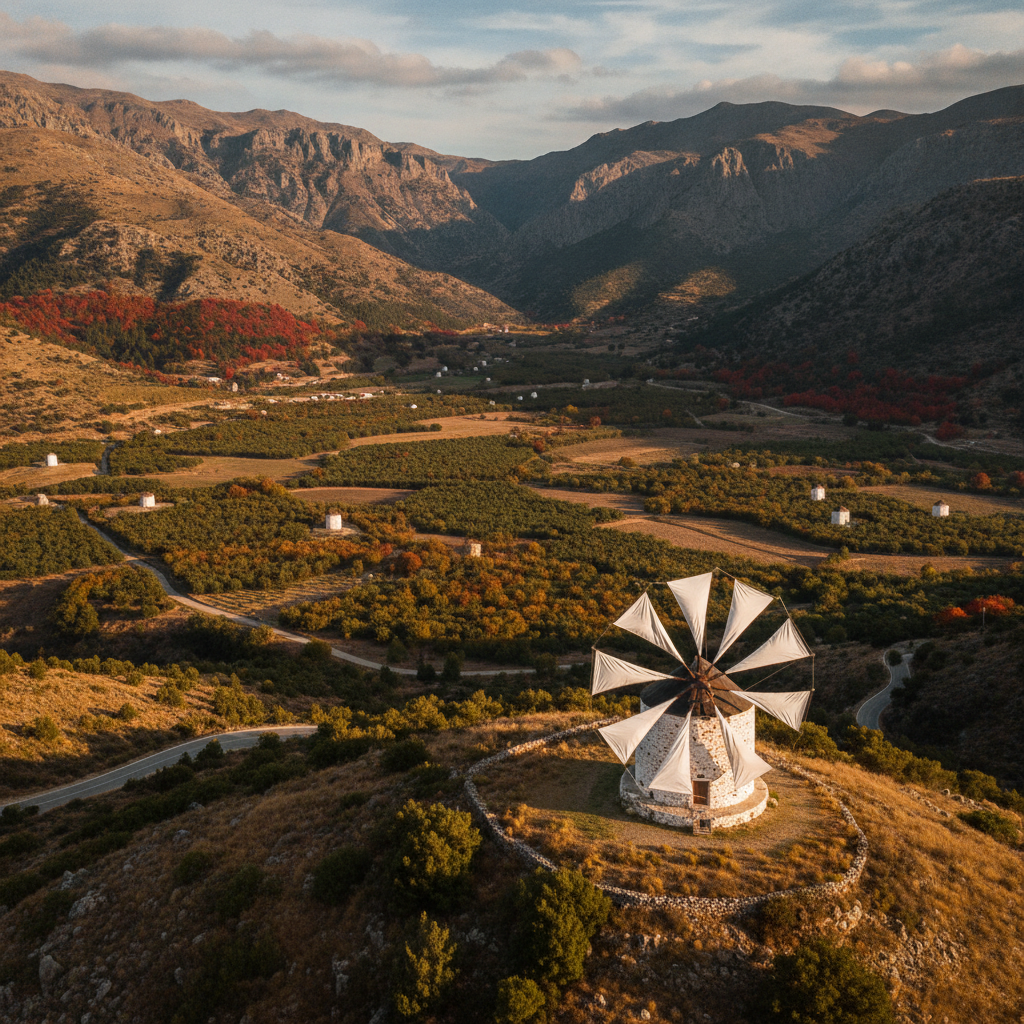
Heraklion Complete: Knossos and Museum Essential Pairing, Lasithi Plateau Windmill Agriculture, Malia and Zakros Alternative Palaces, Peza Wine PDO, Fodele El Greco Village, and Summer vs. Autumn Season Guide
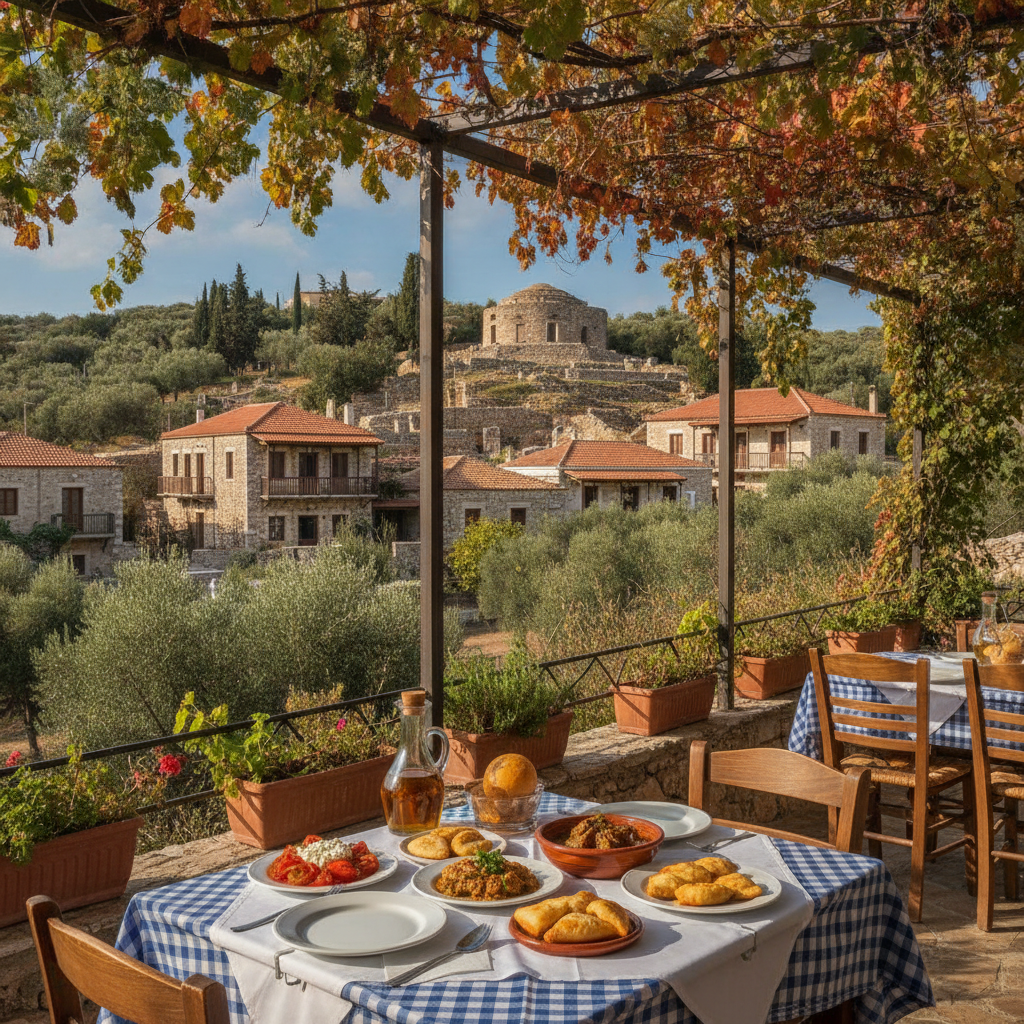
Heraklion Practical and Farewell: Morning City Walk Circuit, Psiloritis Mountain Anogeia Village, Archanes Minoan Cemetery Wine Village, Family Archaeology Education, Hotel Accommodation Guide, and the Final Museum Departure
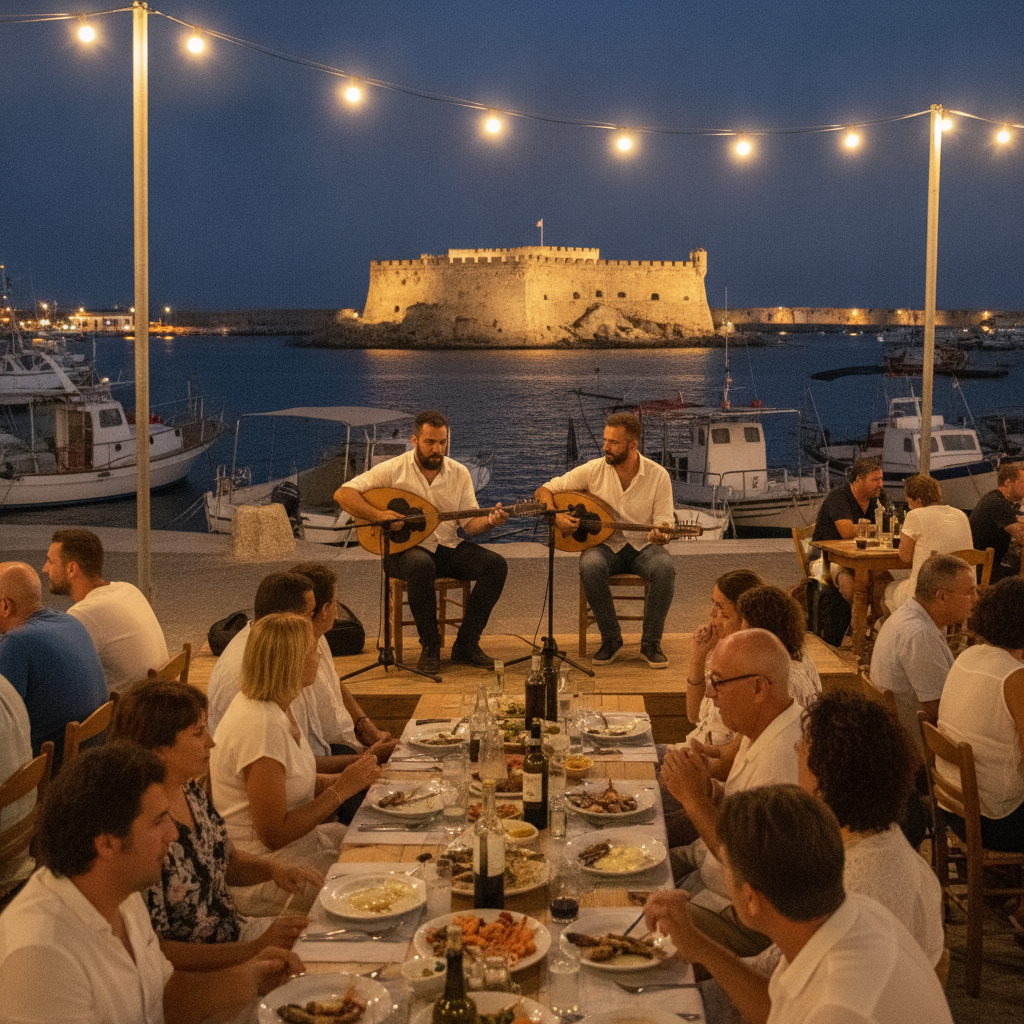
Heraklion Culture and Summary: Cretan Lyra Music and Mantinada Poetry, the Leventia Character Ideal, Heraklion Taverna Tradition, the Minoan Atlantis Thera Connection, Retail City Shopping, and the Bronze Age Gateway Conclusion