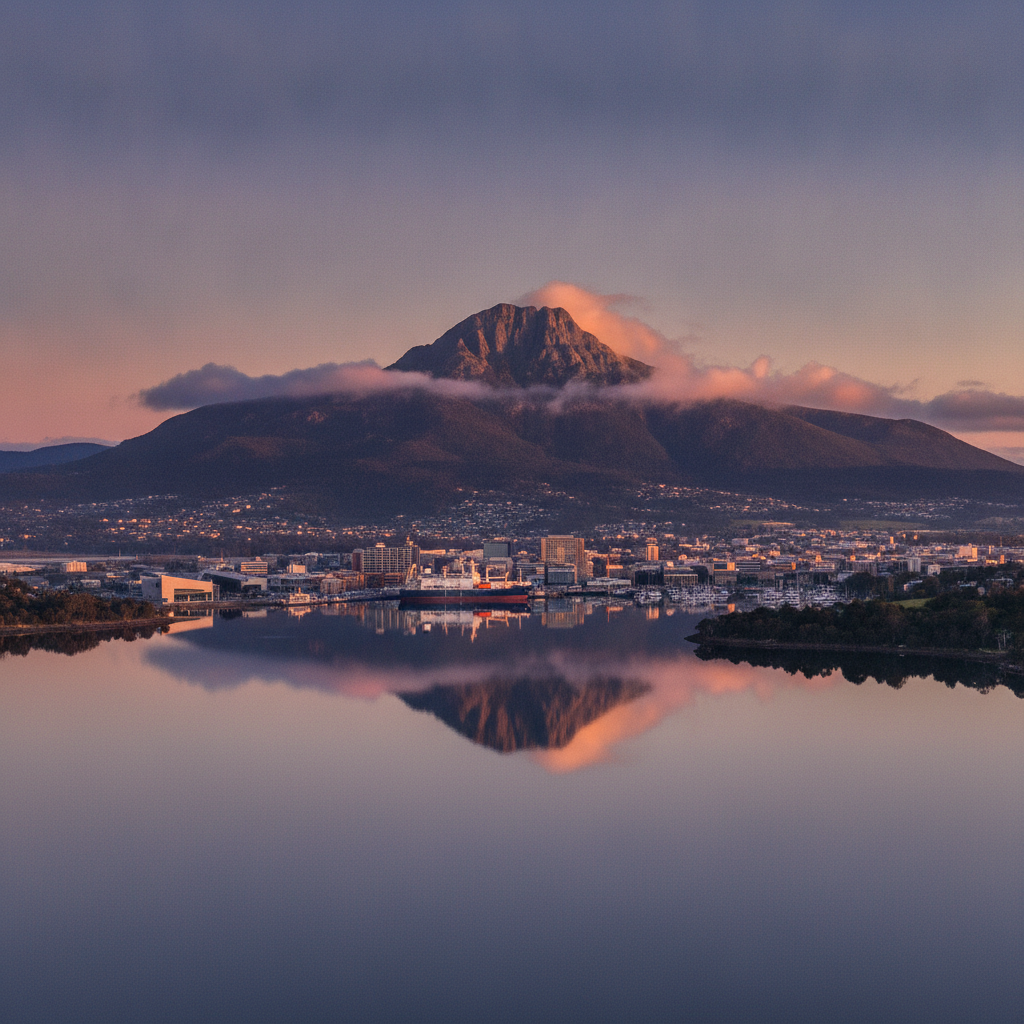
Hobart: Tasmanian Whisky (World Best Single Malt Sullivans Cove), Dark Mofo Winter Festival, Freycinet National Park and Wineglass Bay, Bay of Fires Orange Granite, palawa kani Aboriginal Culture and the Black War, Sydney to Hobart Yacht Race, and Four-Route Complete Verdict
Hobart final: Tasmanian whisky revolution (Sullivans Cove world best 2014, Lark Distillery founder Bill Lark), Dark Mofo winter festival (solstice swim, Winter Feast, darkness and fire), Freycinet National Park and Wineglass Bay (consistently top-ten world beach), Bay of Fires orange lichen granite, palawa Aboriginal culture and the Black War Frontier Wars, Sydney to Hobart yacht race finish at Constitution Dock, and the complete four-route Hobart Tasmania visitor verdict.
- 1
Tasmanian Whisky - World Best Single Malt
Tasmanian whisky: the most significant development in Australian premium spirits in the twenty-first century. The Sullivans Cove French Oak whisky (produced by Tasmania Distillery in Hobart): the Sullivans Cove French Oak HH0523 was named the best single malt whisky in the world at the 2014 World Whisky Awards (the only non-Scotch, non-Japanese whisky to win this award). The result transformed the international perception of Tasmanian whisky. The Lark Distillery (established 1992 by Bill Lark in Hobart): the founding distillery of the Tasmanian whisky revival, the first licensed distillery in Tasmania since the 1839 ban on distilling. Bill Lark was instrumental in lobbying the Tasmanian and federal governments to change the licensing laws that had prevented small-scale distilling for 150 years. The Tasmanian whisky character: the Tasmanian whisky style is influenced by the island geography (the clean Southern Ocean air, the peated Tasmanian malted barley, and the ex-port and ex-bourbon casks), producing whiskies with a distinctive maritime, slightly peated character. The Hobart whisky bars: the Nant Whisky Bar (at Salamanca) and the Lark Distillery Bar (on the Hobart waterfront) are the primary venues for tasting the full range of Tasmanian whisky production.
- 2
Dark Mofo - the Winter Festival of Darkness
Dark Mofo (the annual winter festival in Hobart, held in June, coinciding with the winter solstice): the most distinctive arts festival in Australia, organised by the MONA arts foundation. Dark Mofo was established in 2013 by MONA founder David Walsh and artistic director Leigh Bowery (to 2022) and has grown to become one of the most internationally recognized Australian arts events. Dark Mofo character: the festival leans into the darkness and cold of the Tasmanian winter, embracing the themes of death, excess, ritual, and transgression. The events include outdoor fire installations (the Winter Feast, an outdoor food and fire event on the Hobart waterfront), large-scale sound art installations, performance art, and the Nude Solstice Swim (the mass dawn swim in the Derwent on the winter solstice morning). The Dark Mofo Winter Feast: the primary community food event, with open-fire cooking in the Princes Wharf shed, warming food and drink, live music, and the Derwent River reflected fire. The Dark Mofo commissions: new artwork commissioned specifically for Dark Mofo (recent commissions have included large-scale works by Marina Abramovic, Yoko Ono, and local Tasmanian artists). Hobart winter festival accommodation: Dark Mofo sells out Hobart accommodation months in advance; book very early.
- 3
Freycinet National Park and Wineglass Bay
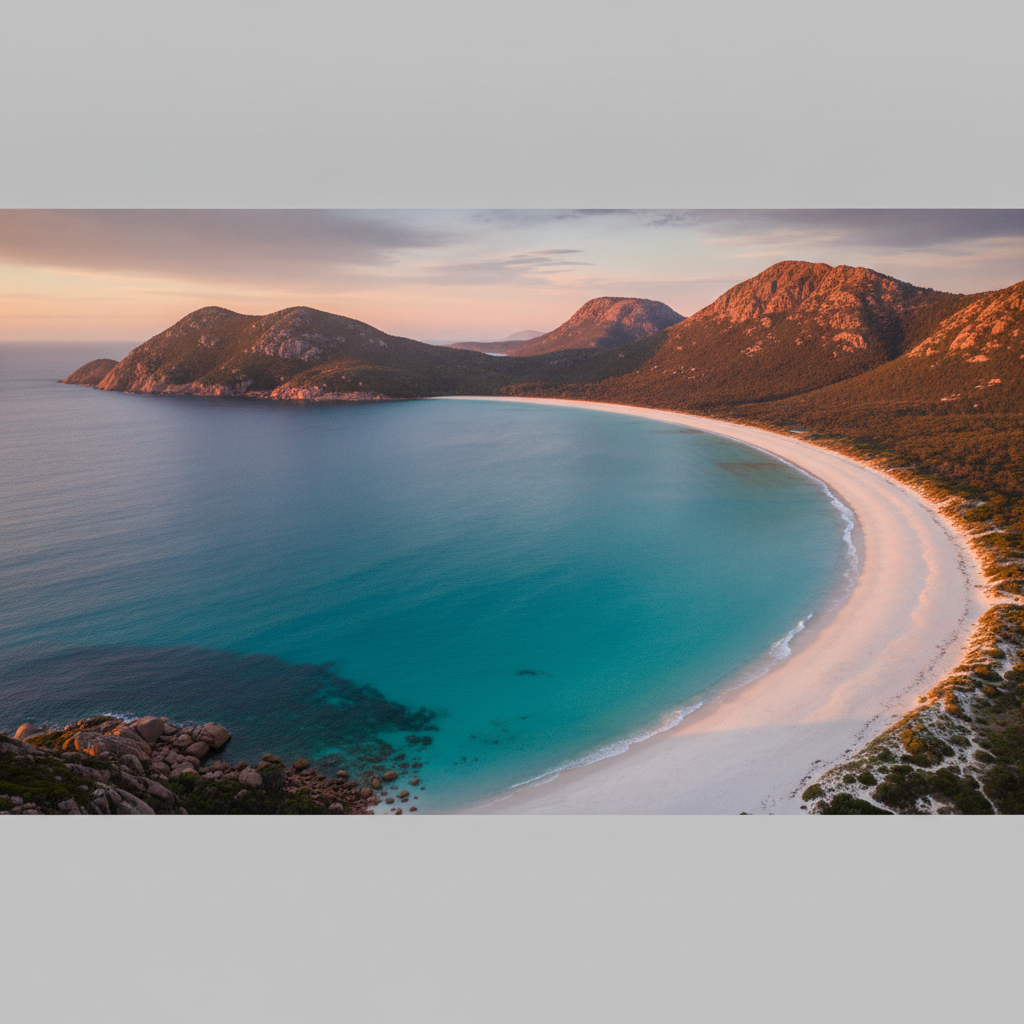
Freycinet National Park (approximately 200 km northeast of Hobart, 2.5 hours by road via the East Coast highway): the pink granite coastal national park named for the French explorer Louis de Freycinet. The Hazards (the three pink granite peaks — the Freycinet, the Parsons, and the Mayson Peaks — rising above the Freycinet Peninsula): the most distinctive mountains in Tasmania, turning vivid rose-pink at sunrise and sunset. Wineglass Bay (the horseshoe bay at the centre of the Freycinet Peninsula, visible from the Wineglass Bay Lookout, a 45-minute walk from the car park): consistently rated one of the top ten beaches in the world. The Wineglass Bay experience: the view from the lookout is spectacular, but the beach itself requires a 3-hour return walk from the car park (or a water taxi from Coles Bay). The full Freycinet Peninsula Circuit (27 km, 2 days, with camping at Cooks Beach): the most complete way to experience the national park, circumnavigating the Freycinet Peninsula and passing through the Wineglass Bay, Hazards Beach, and Cooks Beach. The Bay of Fires (80 km north of Freycinet, the beach and headland reserve from Binalong Bay to Eddystone Point): the beaches backed by the vivid orange lichen-covered granite boulders and the white sand, regarded by many as the most beautiful coastal landscape in Australia. The Bay of Fires Lodge Walk (the 4-day guided walk): the premium eco-tourism walk in Tasmania.
- 4
Hobart Four Routes Complete - Australia Best Small Capital
Hobart four-route complete summary and Tasmania final verdict. Route 1: MONA underground art museum (world unique), Salamanca Place Saturday Market, Battery Point colonial precinct, Cascade Brewery (oldest in Australia), kunanyi Mount Wellington, Port Arthur convict UNESCO site, practical guide. Route 2: Bruny Island (oysters, penguins, Cape Bruny Lighthouse), Huon Valley (cider, salmon, Tahune AirWalk), Overland Track 6-day wilderness walk (Mount Ossa, pencil pines), Launceston Cataract Gorge and sparkling wine, Antarctic gateway (RSV Nuyina icebreaker). Route 3 (this route): Tasmanian whisky (world best single malt, Lark Distillery, Sullivans Cove), Dark Mofo winter festival (solstice, fire, darkness), Freycinet and Wineglass Bay, Bay of Fires. Hobart final verdict: the most underestimated capital city in Australia and one of the most interesting small cities in the southern hemisphere. The combination of MONA (a genuinely world-class contemporary art institution in a city of 240,000 people), the extraordinary wilderness within 2 hours (Freycinet, Cradle Mountain, the Southwest), the colonial heritage (Port Arthur, Salamanca, Battery Point), the world-best whisky, and the Dark Mofo winter festival creates a visitor experience of unusual depth. Allow 4-5 days for Hobart and the immediate surroundings; add 2-3 days for Freycinet and the Bay of Fires; add 5+ days for the Overland Track. Tasmania is best explored with a rental car.
- 5
Tasmanian Aboriginal Culture - palawa kani and the Frontier Wars
The Tasmanian Aboriginal people: the Aboriginal people of Tasmania (the palawa, the name used by the Tasmanian Aboriginal community for themselves) are the descendants of the original inhabitants of the island, who were separated from mainland Australia approximately 12,000 years ago when rising sea levels created the Bass Strait. The palawa lived on the island for at least 40,000 years before European contact. The Black War (the Frontier Wars of Tasmania, approximately 1824-1832): the series of violent confrontations between the British colonists and the Tasmanian Aboriginal people, culminating in the near-total destruction of the Aboriginal population. The Black Line (October 1830): the attempt by Governor Arthur to drive all remaining Aboriginal Tasmanians into the Tasman Peninsula using a human chain of 2,000 colonists and prisoners — it failed to capture a single Aboriginal person. The Flinders Island removal: the surviving Aboriginal people were moved to Flinders Island (in the Bass Strait) by George Robinson between 1833 and 1835; the population declined rapidly in the unfamiliar and inadequate conditions. Truganini (approximately 1812-1876): the last surviving person of the Aboriginal Tasmanians who had been removed to Flinders Island; she died in Hobart in 1876. The Tasmanian Aboriginal Centre (the contemporary Aboriginal rights and culture organisation in Hobart): the primary institution for the revitalization of palawa kani (the reconstructed Tasmanian Aboriginal language) and the advocacy for the return of Aboriginal skeletal remains from overseas institutions.
- 6
Hobart Practical: Sydney to Hobart, Aurora Australis, and Annual Events
The Sydney to Hobart Yacht Race (annual on 26 December, Boxing Day, departing Sydney Harbour and finishing in Hobart after approximately 3-4 days of racing): the most prestigious and feared offshore ocean yacht race in the world. The race covers 628 nautical miles, crossing the Bass Strait (notorious for extreme weather) and the Southern Ocean approaches to Hobart. The Hobart finish: the first yachts typically arrive at Constitution Dock in Hobart on 28-30 December; the dock is packed with spectators and the atmosphere is celebratory. The Aurora Australis from southern Tasmania: the southern lights are visible from Hobart and southern Tasmania during periods of high solar activity, typically 5-10 times per year; the best viewing is from dark sites south of Hobart (Bruny Island or the southeast coast). The Taste of Tasmania festival (the outdoor food and wine festival on the Hobart waterfront, 28 December to 3 January): the primary summer food festival in Hobart, coinciding with the Sydney to Hobart finish. The Hobart Museum of Old and New Art summer season (MOFO festival, January-February): the summer version of the Dark Mofo festival. Hobart accommodation: the MONA pavilions (the boutique hotel on the MONA site, with the Nolan suite and the Pavilion suites designed by Kari Noval), the Henry Jones Art Hotel (the converted IXL jam factory on Hunter Street, the first dedicated art hotel in Australia), and the Hotel Grand Chancellor (the primary business hotel). Best time to visit: December-April (summer warmth, festivals, sailing finish).
Walk this route with audio
Stories play automatically as you reach each stop — no tapping needed.
More in hobart
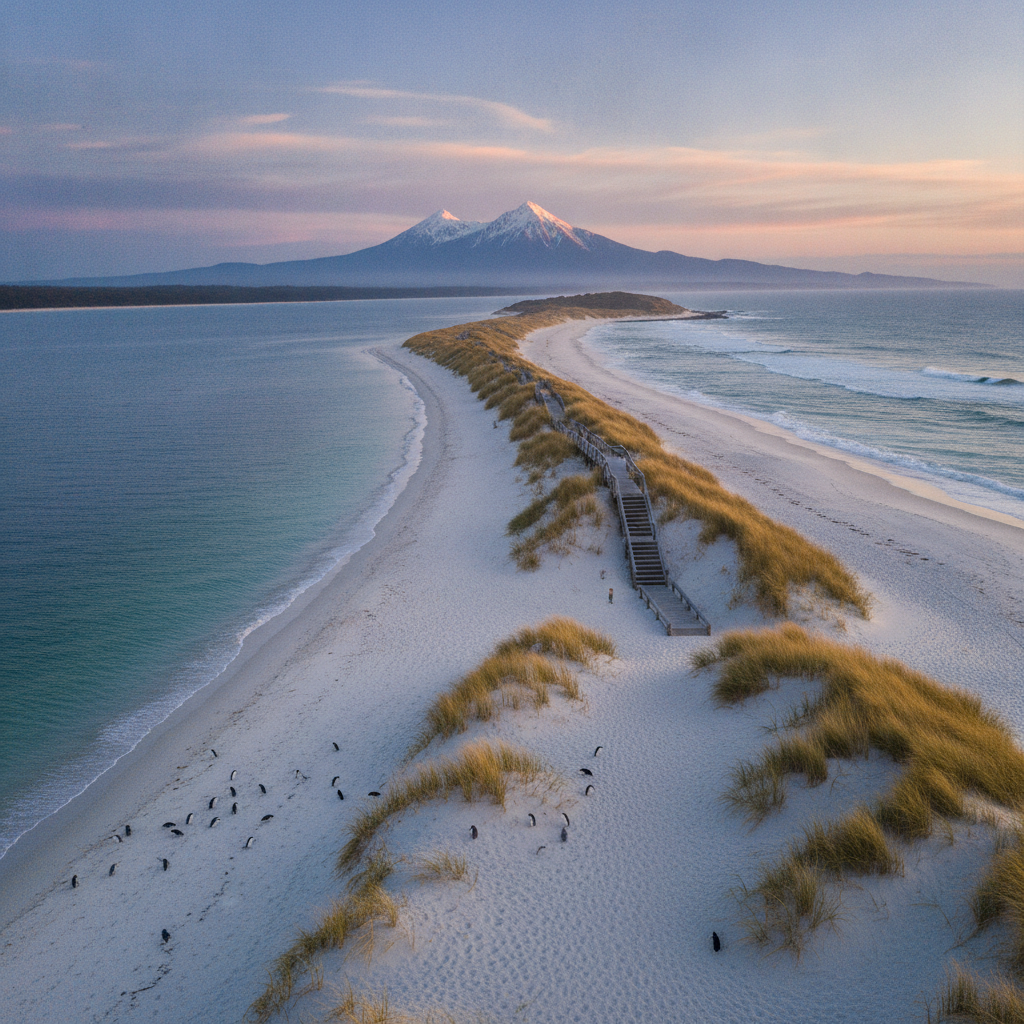
Hobart: Bruny Island Oysters and Little Penguins, Huon Valley Apple Cider and Atlantic Salmon, Overland Track Tasmania Wilderness, Launceston and Coal River Wine, Antarctica Southern Ocean Gateway, Two-Route Complete Verdict
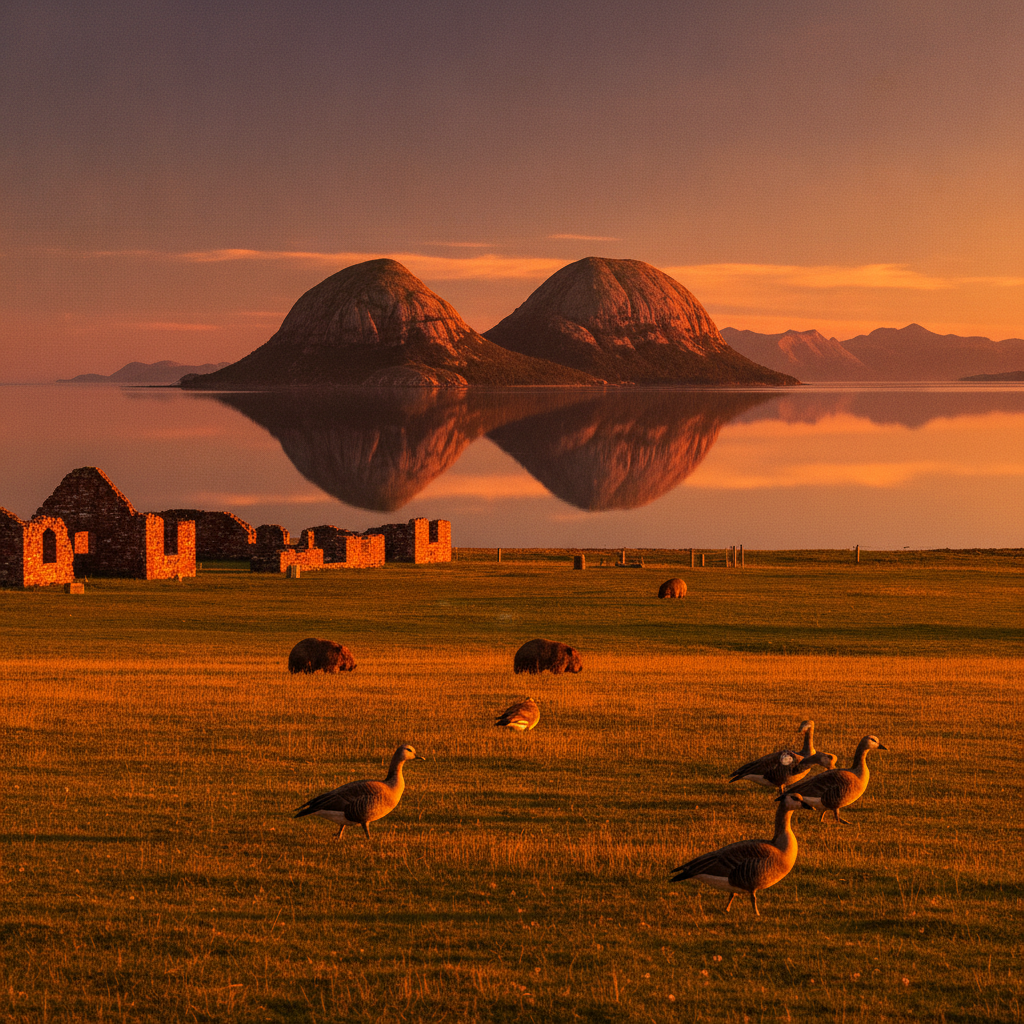
Hobart: Sullivan Cove Waterfront and Thylacine De-Extinction Project, Tasmanian Devil Facial Tumour Disease, Hobart Farm-to-Table Food Scene, Maria Island National Park, Spirit of Tasmania Ferry, and Why MONA Changed Australian Tourism Forever