Central, SoHo & the Mid-Levels Escalator: Hong Kong's Vertical City
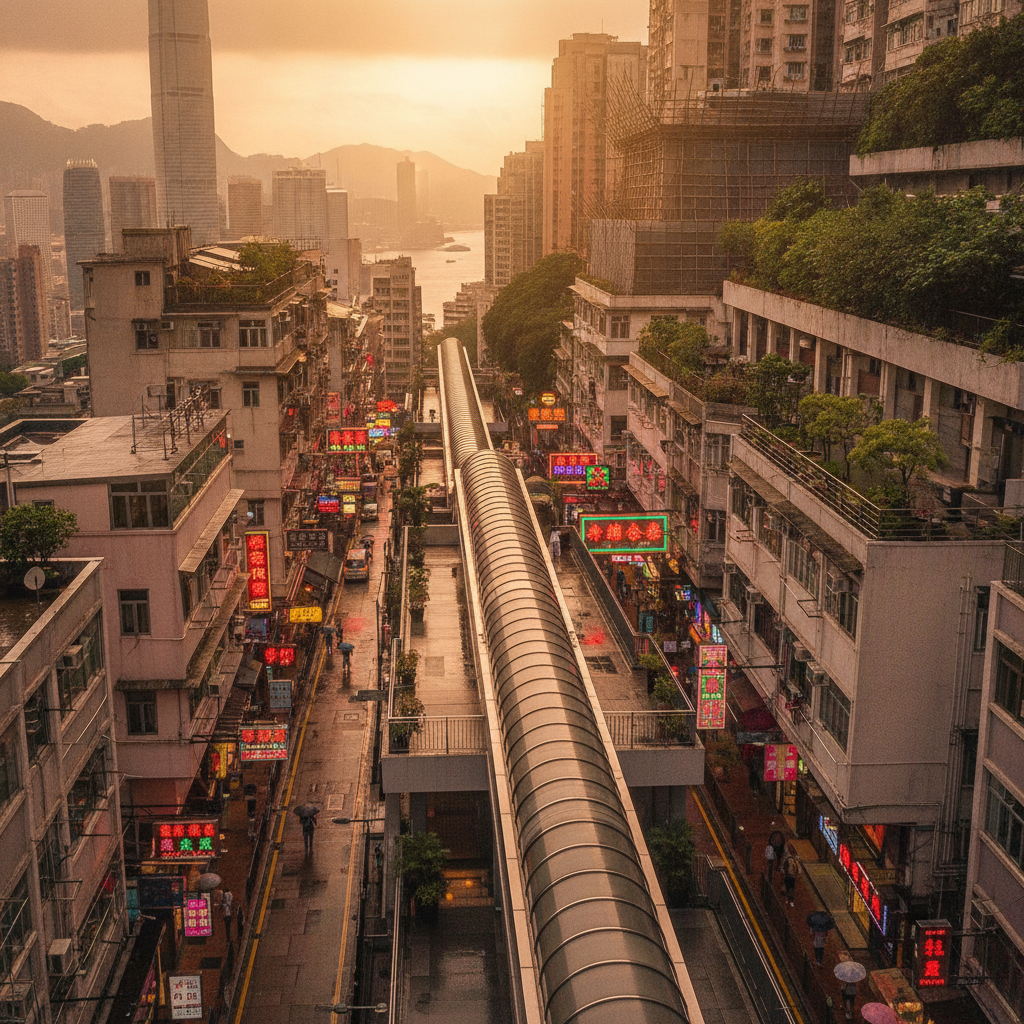
The Central-Mid-Levels Escalator — the world's longest outdoor covered escalator system at 800 metres, ascending 135 metres from Central Market to Conduit Road in the Mid-Levels — threads through the densest concentration of restaurants, bars, and street life in Hong Kong, from the colonial financial district of Central through the cosmopolitan dining neighbourhood of SoHo (South of Hollywood Road) and its antique shops, galleries, and international restaurants.
- 1
Hong Kong Central (Colonial Financial District)
The Central District (中環, Chung Wan, the heart of Hong Kong's financial district and the historical centre of the British colonial administration from 1842 until 1997 and beyond — the buildings of Central include some of the most architecturally significant commercial towers ever built: the HSBC Main Building (1 Queen's Road Central, designed by Norman Foster, completed 1985, the most expensive building ever built at the time of its construction at HKD 5.2 billion, using a suspension structural system unique in commercial architecture in which the eight steel masts that form the building's corners carry all structural loads, allowing the building to be entirely column-free inside — the building is also famous for the pair of bronze lions outside the main entrance, named Stephen and Stitt after two General Managers of HSBC, that were cast in 1935 and survived Japanese occupation during WWII, the lion on the right bearing shrapnel damage from the Japanese assault on Hong Kong in December 1941); the Bank of China Tower (1 Garden Road, designed by I.M. Pei, completed 1990, 367 metres, the fourth tallest building in Hong Kong, and Pei's response to the request for a building that would represent China's growing role in Hong Kong's economy — the building's triangular geometry and glass curtain wall references Chinese bamboo in its upward thrust while also creating a distinctive triangular profile that has made it the most recognisable building in the Hong Kong skyline outside the ICC).
- 2
Central Market (1939/2021) & Hollywood Road (1844)
Central Market (Queen Victoria Street/Des Voeux Road Central, opened 1939 as the third Central Market on the site — the first opened in 1842 — the art deco market building was Hong Kong's primary wet market for fresh produce, meat, and fish for six decades, serving the dense population of Central and the adjacent Sheung Wan district; the market was closed in 2003 for a 13-year renovation that was eventually completed in 2021, reopening as a community hub with food stalls, local retailers, and a rooftop garden while preserving the original art deco structure including the distinctive four-storey open-air atrium) — adjacent to Hollywood Road (Hollywood Road, opened in 1844 as the first road constructed by the British colonial government in Hong Kong — predating all other roads in the colony — and named after the Holly Wood estate in Brompton, Kent, the home of Charles Elliot, the Captain Superintendent of Trade who negotiated the original Treaty of Nanking; the road now runs 1.3 kilometres through Central and Sheung Wan and is the centre of Hong Kong's antique trade, lined with dealers in Chinese furniture, ceramics, bronzes, jade, and imperial artifacts; the Cat Street area of Upper Lascar Row (adjacent to Hollywood Road) is the flea market equivalent, selling cheaper antiques and curios).
- 3
Central-Mid-Levels Escalator (1993) — 800m, 135m Ascent
The Central-Mid-Levels Escalator (the 800-metre covered escalator system connecting Central Market (Des Voeux Road Central) with Conduit Road in the Mid-Levels, ascending 135 metres vertically through 20 individual escalator and walkway sections — the longest outdoor covered escalator system in the world by length (surpassing the 520-metre escalator system in Algiers), operational since 20 October 1993 and carrying approximately 55,000 passengers per day; the system runs downhill from 6am to 10am and uphill from 10:30am to midnight; the escalator was conceived as a solution to the traffic and pedestrian congestion on the steep streets connecting the Central CBD with the residential Mid-Levels neighbourhood (one of the densest residential areas in the world, with a population of 150,000 in an area of 2.5 square kilometres); the escalator passes through the Hollywood Road antique district, the SoHo entertainment area, and numerous street-level markets and dai pai dong before reaching the residential towers of the Mid-Levels).
- 4
SoHo (South of Hollywood Road) — Restaurant & Bar Quarter
SoHo (South of Hollywood Road, the neighbourhood roughly bounded by Hollywood Road to the north, Caine Road to the south, Peel Street to the east, and Bridges Street to the west — the acronym SoHo was coined in the 1990s by Hong Kong English speakers in deliberate reference to the SoHo neighbourhood of New York City, which it superficially resembles in its conversion of a formerly industrial and residential neighbourhood into an upscale dining, bar, and gallery district; the neighbourhood has the highest density of international restaurants per square kilometre in Hong Kong, including long-established institutions such as Luk Yu Tea House (24-26 Stanley Street, established 1933, the most famous dim sum restaurant in Hong Kong), Yung Kee Restaurant (32-40 Wellington Street, established 1942, the most celebrated roast goose restaurant in Hong Kong, which removed from the prestigious Michelin guide after the third generation of the founding family took over management), and dozens of international restaurants ranging from Lebanese to Ethiopian to Peruvian).
- 5
Lan Kwai Fong (LKF) — Hong Kong's Bar & Club District
Lan Kwai Fong (LKF, an L-shaped alley and the surrounding streets in Central — D'Aguilar Street, Wyndham Street, and the alley itself — that form Hong Kong's primary nightlife and entertainment district; the neighbourhood was transformed from a working-class area of garment factories and Chinese restaurants into the expatriate bar and restaurant district it is today by Allan Zeman, a Canadian entrepreneur who began buying up properties in the area in the 1980s and is now referred to as the 'Father of Lan Kwai Fong'; the district is famous for the midnight street party on New Year's Eve that fills the alley and surrounding streets with upwards of 100,000 people — the same party was the site of the 1993 Lan Kwai Fong New Year disaster in which a crowd crush killed 21 people and injured 63, leading to major changes in crowd management at public events in Hong Kong; the district also has the highest density of licensed bars and restaurants per square metre in Hong Kong and is the primary destination for the city's after-work drinking culture).
- 6
The Peak Tram Lower Terminus & Garden Road (1888)
The Peak Tram Lower Terminus (Garden Road/Cotton Tree Drive, Central, the bottom station of the Peak Tram funicular railway — the same starting point as Route 1 of this Hong Kong collection, which follows the peak route upward) — Garden Road itself (the road connecting Central with the Mid-Levels, named after the Government Gardens that formerly occupied the land now taken by the Zoological and Botanical Gardens, and the administrative buildings around Government House; the road was built in the 1840s as one of the first infrastructure projects of the Hong Kong colonial government) — the Zoological and Botanical Gardens (Albany Road, Central, established 1864, the oldest botanical garden in Hong Kong, covering 5.6 hectares in the heart of Central and containing over 1,000 plant species, 160 bird species, and 70 mammal species including Sulawesi crested macaques, golden lion tamarins, and spider monkeys; the gardens feature a memorial to the British and Chinese civilians and servicemen who died in the Japanese occupation of Hong Kong 1941-1945, and the aviary section was expanded in 2004 to include over 100 species of exotic birds in a large walk-through enclosure).
Walk this route with audio
Stories play automatically as you reach each stop — no tapping needed.
More in hongkong
Star Ferry, Tsim Sha Tsui Waterfront & Victoria Harbour: The Soul of Hong Kong
Victoria Peak, Peak Tram & Central: Hong Kong's Defining Panorama
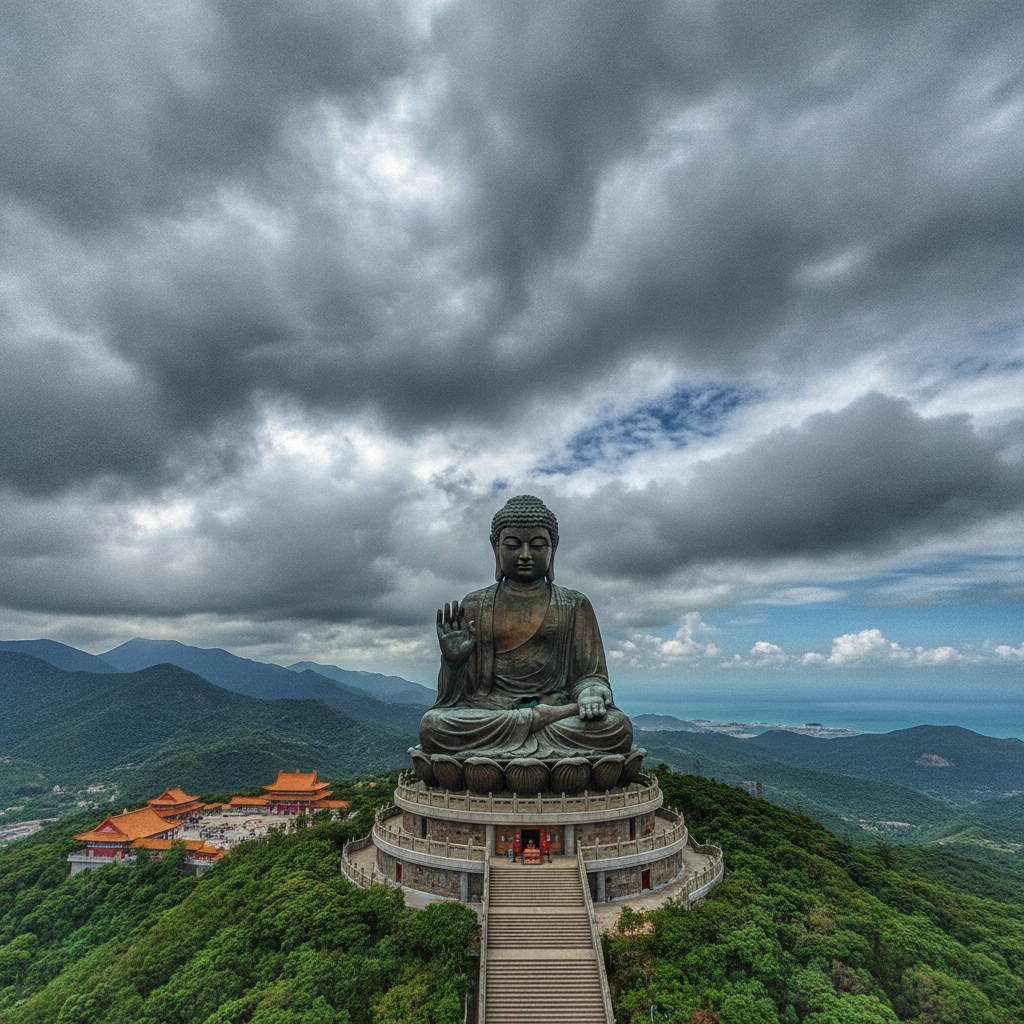
Lantau Island: Big Buddha, Ngong Ping 360 Cable Car & Po Lin Monastery
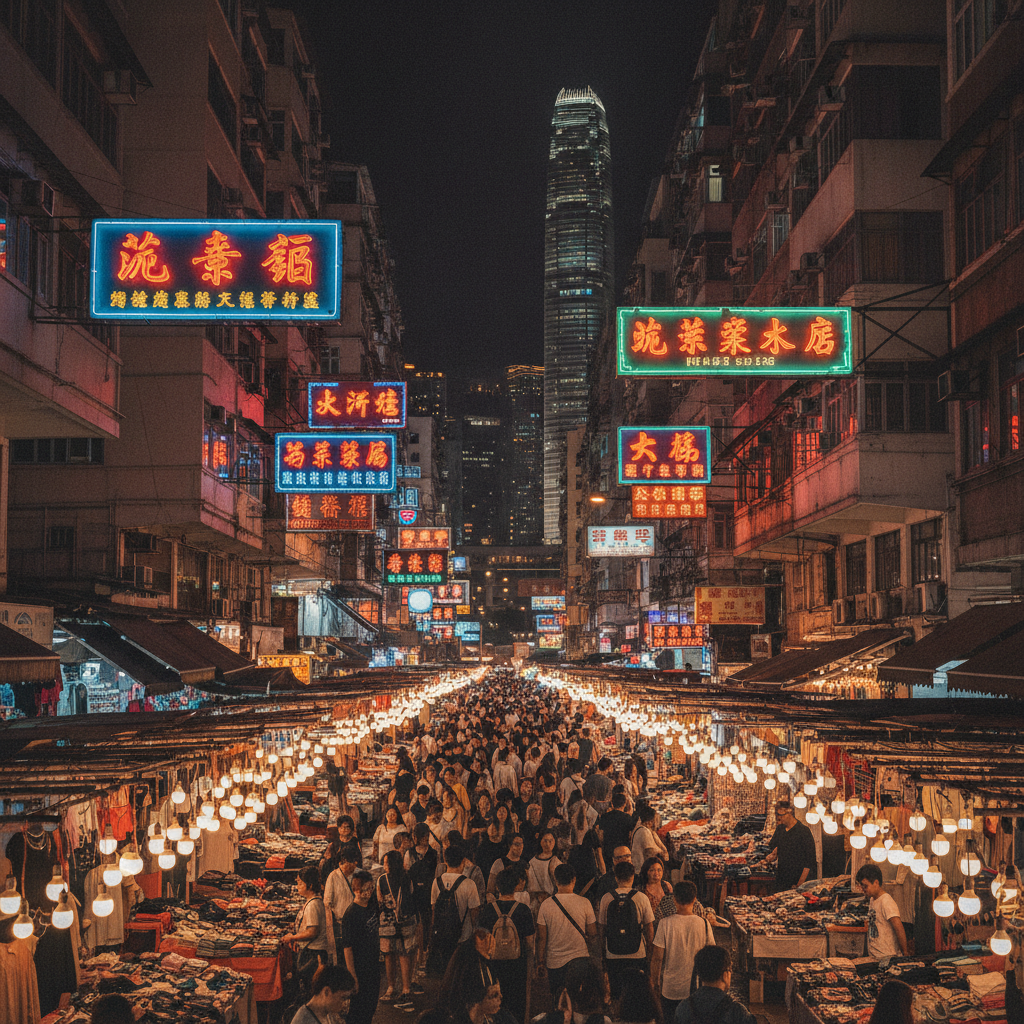
Mong Kok: Ladies' Market, Goldfish Market, Flower Market & Bird Garden
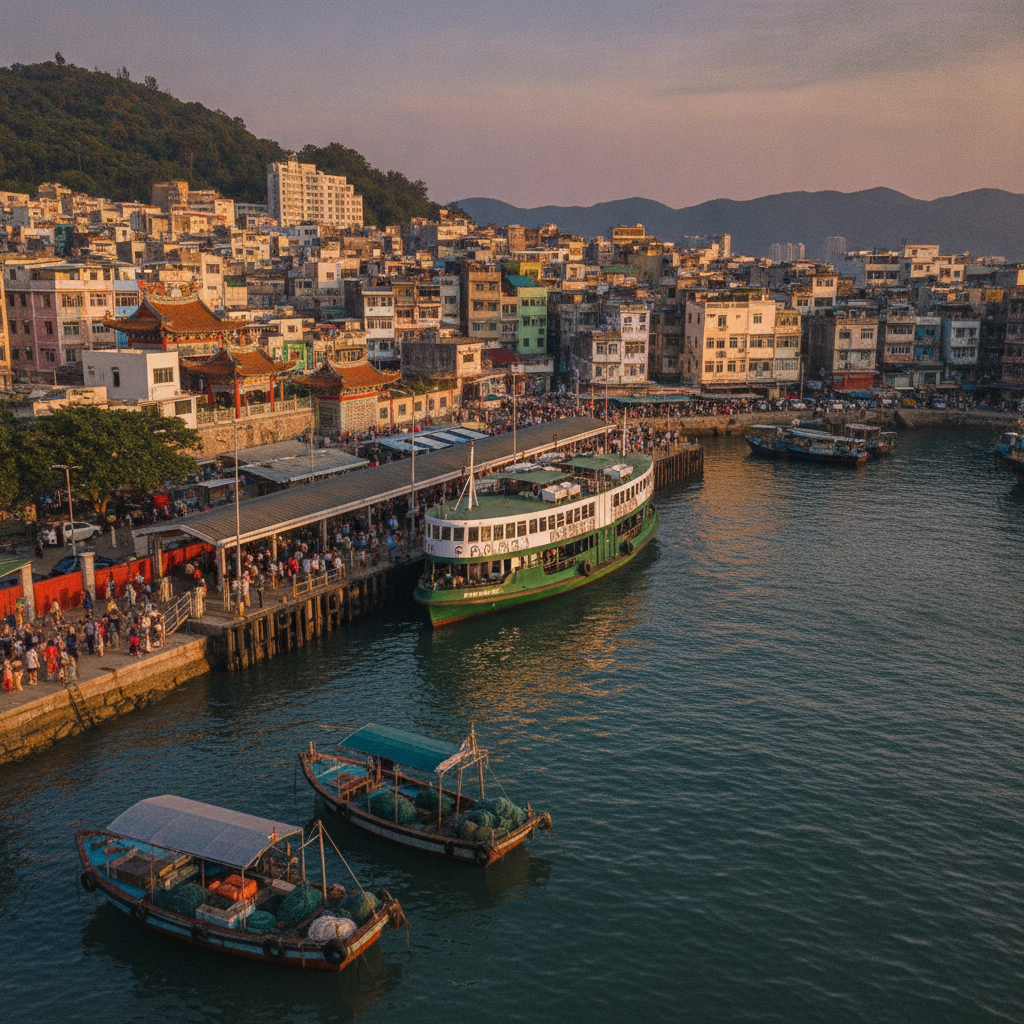
Cheung Chau & Lamma Island: Hong Kong's Car-Free Outlying Islands