Honolulu: The Only Royal Palace in the US, Black Tears from the Arizona and a 1000-Year-Old Kingdom Illegally Overthrown
Tour Iolani Palace where Queen Liliuokalani was imprisoned in her own home after the 1893 American-backed overthrow of the Hawaiian Kingdom, browse 50000 works at the Honolulu Museum of Art including the strongest Asian Pacific collection in the Pacific, stand at the cliff edge of Nuuanu Pali where Kamehameha drove his enemies over the cliff in 1795 to unify Hawaii, explore the oldest Chinatown in the US now reborn as an arts district with First Friday gallery walks, take the boat to the USS Arizona Memorial over a ship still bleeding oil daily, and snorkel Hanauma Bay marine reserve with advance reservations.
- 1
Honolulu Museum of Art and Culture
The Honolulu Museum of Art at 900 South Beretania Street, founded in 1927 by Anna Rice Cooke who donated her Asian art collection and her estate to establish the institution, is the largest art museum in Hawaii with over 50,000 works spanning 5,000 years and particularly strong Asian and Pacific Island collections alongside European and American art. The museum presents Hawaiian quilt traditions, surfboard design history, and the history of Japanese American art in Hawaii alongside internationally significant works. The Museum Cafe is one of the finest museum dining experiences in the state. The Doris Duke Theatre screens international and independent film. The Spalding House in Makiki Heights is the museum branch for contemporary art in a 1925 estate with gardens. The museum building, designed in a Mediterranean-influenced style by Bertram Goodhue Associates and expanded over the following decades, is organized around courtyard gardens that moderate the Honolulu climate effectively.
- 2
Iolani Palace and Hawaiian Kingdom
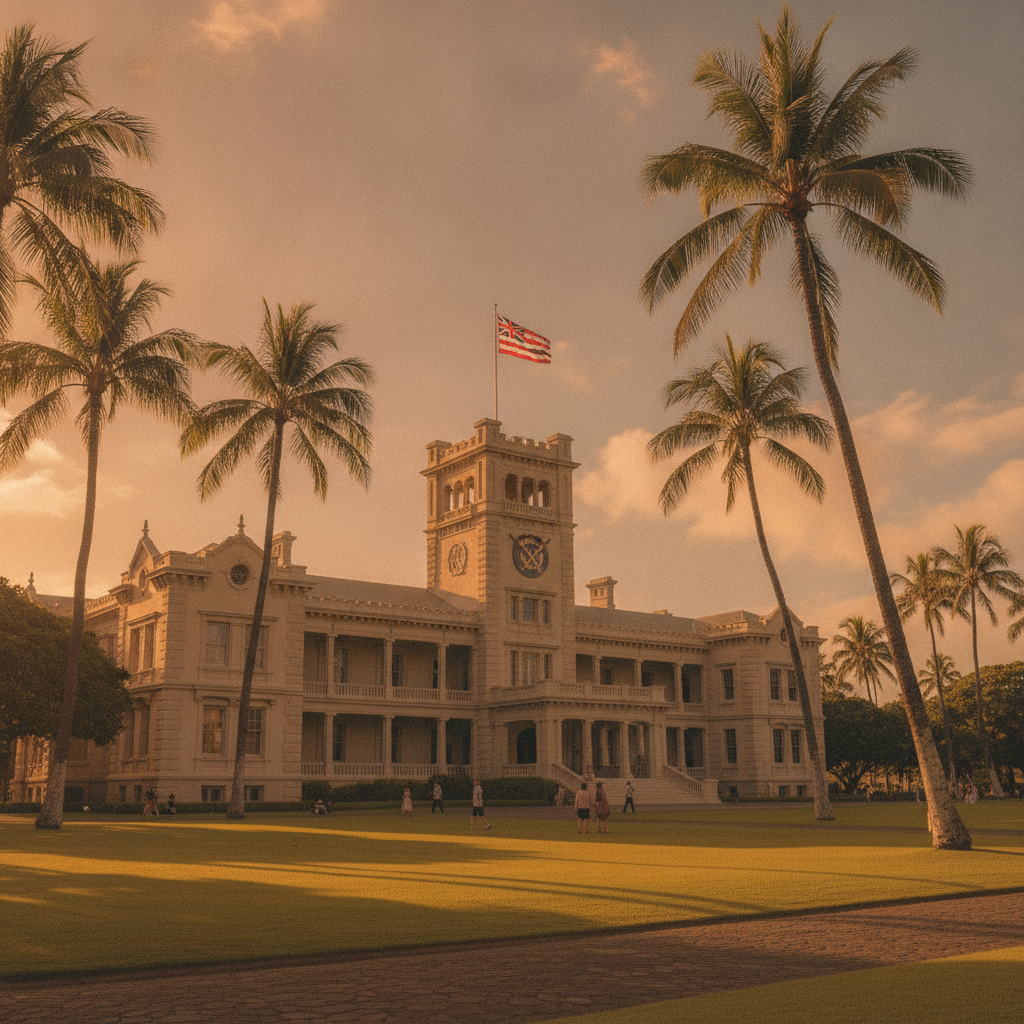
Iolani Palace at King and Richards Streets in downtown Honolulu, completed in 1882 as the official residence of the Hawaiian monarchy and the only royal palace in the United States, was the home of King Kalakaua and then Queen Liliuokalani, the last monarchs of the independent Hawaiian Kingdom. Queen Liliuokalani was imprisoned in her own palace for eight months in 1895 following the failed counter-revolution attempting to restore the monarchy. The palace had electricity and running water before the White House. The illegal overthrow of the Hawaiian Kingdom by American business interests with US Marine support in January 1893 is considered by Native Hawaiian advocates an ongoing illegal occupation of their sovereignty. Hawaii was formally annexed as a territory in 1898 and became the 50th state in 1959. The question of Native Hawaiian sovereignty and the legality of annexation remains politically active and legally significant.
- 3
Nuuanu Pali Lookout and Ko olau Range
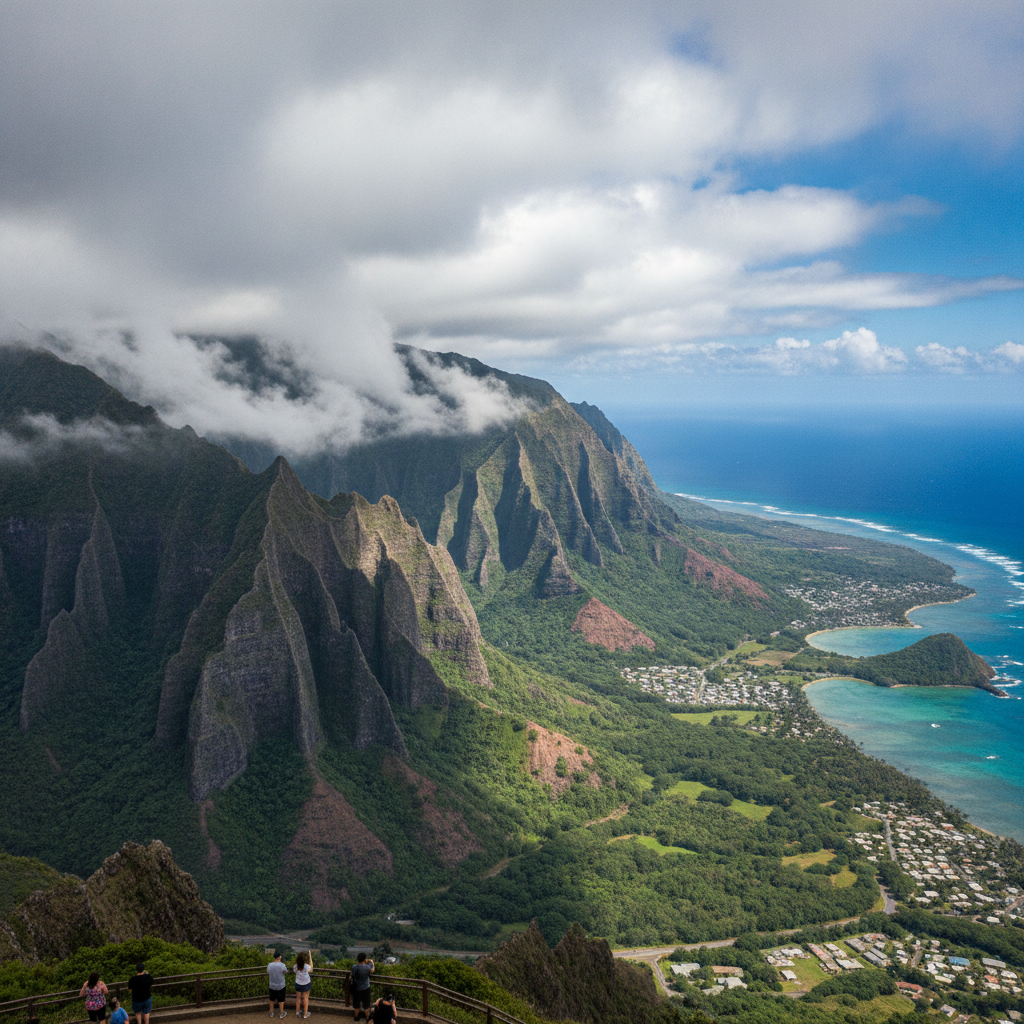
The Nuuanu Pali Lookout at the summit of the Ko olau Range above Honolulu at 1,200 feet elevation offers the most dramatic panoramic view available by car on Oahu, looking down from sheer 3,000-foot volcanic cliffs across Kaneohe Bay, the windward coast, and the Pacific Ocean. The Pali Highway through the Ko olau is the primary connection between Honolulu and the windward side of Oahu. The Battle of Nuuanu in 1795 at this location was where King Kamehameha I defeated the Oahu forces of Kalanikupule and drove the survivors over the cliff edge to establish his unified Hawaiian Kingdom. Hundreds of skeletal remains were discovered at the base of the cliff in 1898 during road construction. The lookout is subject to intense wind channeled through the mountain passes. The driving route from Honolulu over the Pali and around the windward coast through Kailua, Kaneohe, and the North Shore is one of the most scenic day drives in Hawaii.
- 4
Chinatown and Honolulu Arts District
Honoluluu Chinatown, the oldest continuously operating Chinatown in the United States, established in the 1850s by Chinese laborers who came to work Hawaiian sugar plantations and stayed to build the commercial district adjacent to the harbor, is experiencing a renaissance as an arts district while retaining its function as an ethnic grocery, restaurant, and herb market center. The Hawaii Theatre, a 1922 Beaux-Arts movie palace restored in 1996 at 1130 Bethel Street, is the finest historic theater in Hawaii and presents performances year-round. Nuuanu Avenue galleries, Foster Botanical Garden, and the restaurants and bars of Hotel Street and Bethel Street have made Chinatown the most interesting neighborhood for visitors beyond Waikiki. The weekly First Fridays gallery walk draws crowds to the neighborhood. River Street is lined with food stalls serving saimin, manapua, and other plate lunch favorites. The Izumo Taishakyo Mission and Maunakea Marketplace provide cultural and commercial continuity.
- 5
USS Arizona Memorial and Pearl Harbor
Pearl Harbor National Memorial on the western shore of Oahu, encompassing the USS Arizona Memorial, the battleship Missouri where Japan signed the surrender documents ending World War II, the submarine Bowfin, and the Pearl Harbor Aviation Museum, is the most visited site in Hawaii. The USS Arizona, which sank in nine minutes on December 7, 1941, killing 1,177 of its crew, still lies on the harbor bottom and leaks approximately one quart of oil daily, a phenomenon called black tears. The memorial structure built above the sunken hull in 1962, designed by Alfred Preis, straddles the ship without touching it and is accessible only by boat. Over a million visitors arrive annually. The attack on Pearl Harbor on December 7, 1941 killed 2,403 Americans and wounded 1,178, destroyed or damaged 19 naval vessels and 300 aircraft, and brought the United States into World War II, transforming American history and global geopolitics.
- 6
Makapu Point and East Oahu Coast
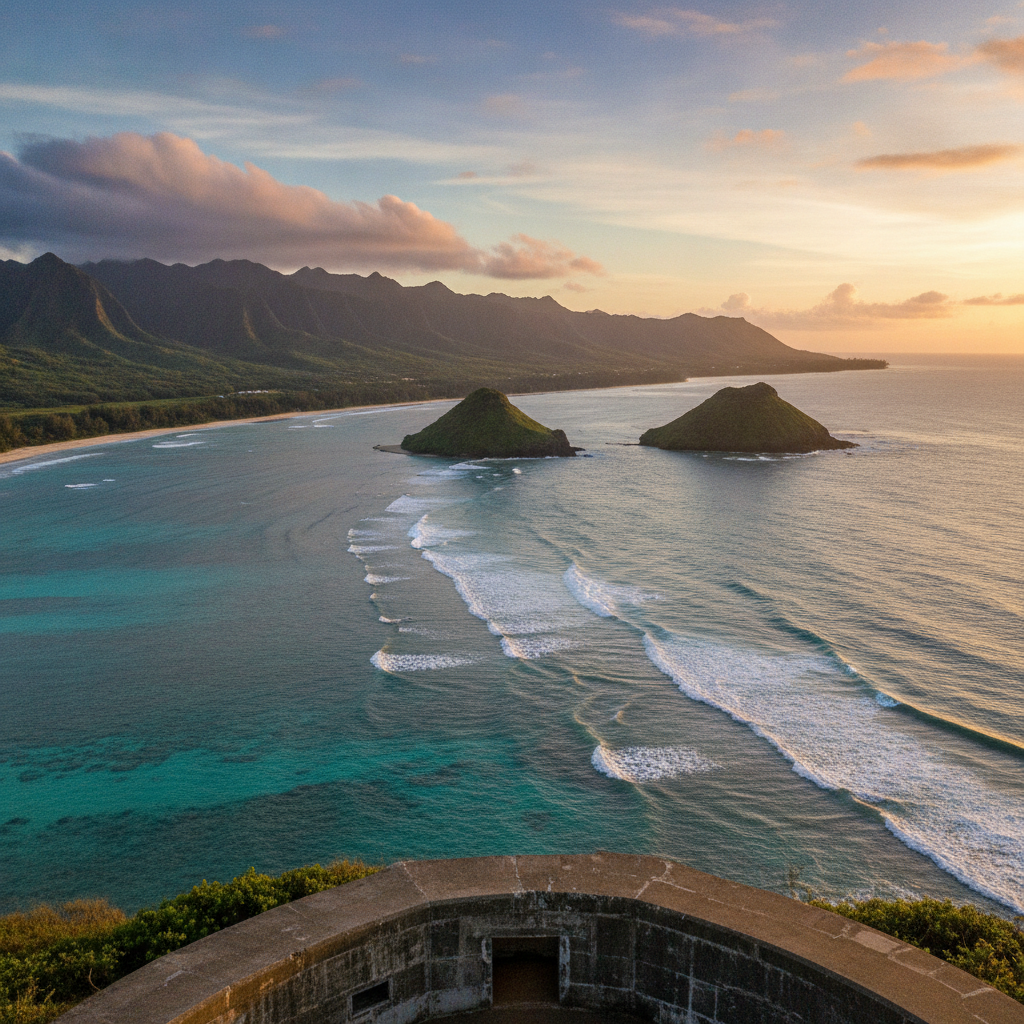
The eastern coast of Oahu from Diamond Head east through Koko Head, Hanauma Bay, Sandy Beach, and around Makapuu Point to Sea Life Park and the Waimanalo coast is one of the most spectacular coastal drives in Hawaii. Hanauma Bay, a volcanic tuff cone breached by the sea and now protected as a marine life conservation district, is one of the most visited snorkeling sites in the United States. Reservations are required and daily visitor numbers are strictly limited to protect the reef. Sandy Beach is among the most dangerous shorebreak beaches in Hawaii, with powerful waves breaking directly onto sand generating frequent spinal and neck injuries. The Makapuu Lighthouse Trail is a 2.5-mile paved walk on an old road along the cliff edge to the lighthouse with views of Rabbit and Kaohikaipu Islands seabird sanctuaries and humpback whale sightings from January through March. The Sea Life Park at Waimanalo presents Hawaiian marine life and operates a rescue and rehabilitation program.
Walk this route with audio
Stories play automatically as you reach each stop — no tapping needed.
More in Honolulu
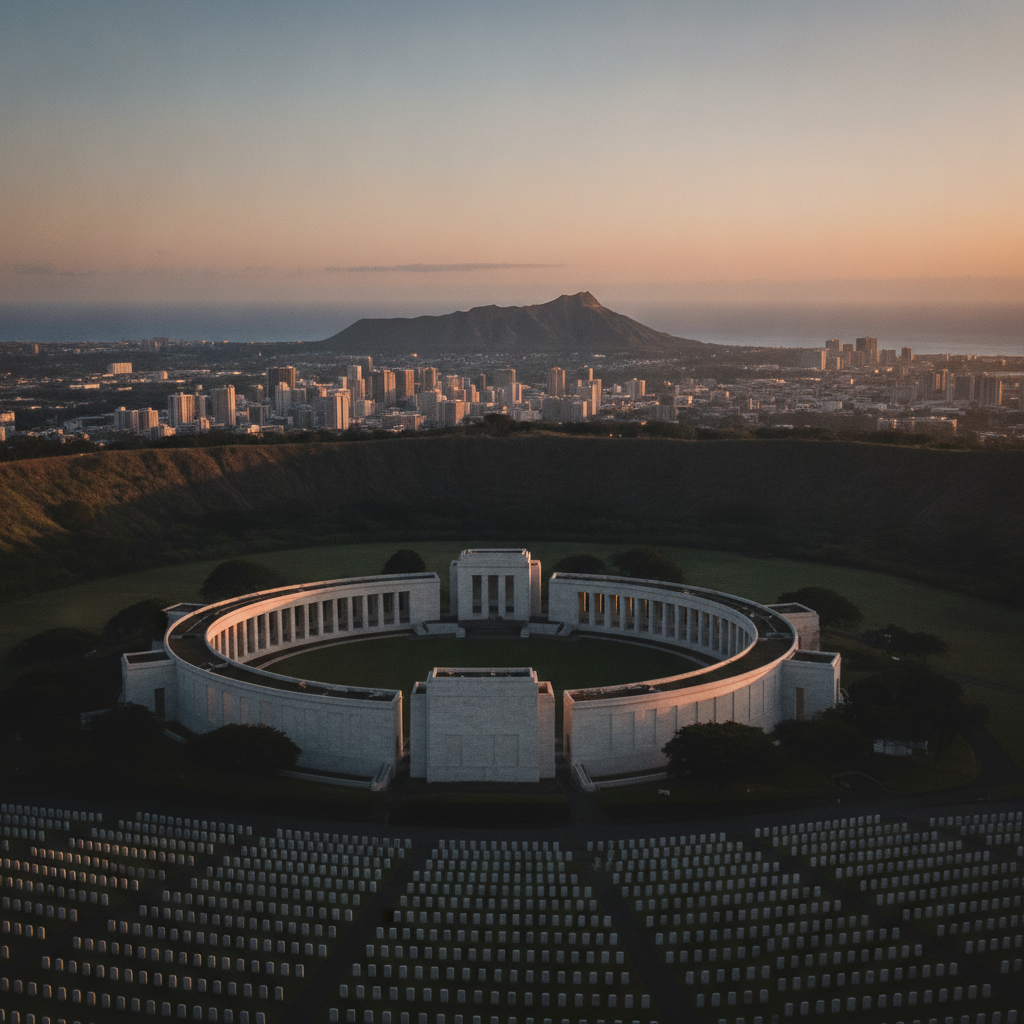
Honolulu: Kamehameha Dynasty History and Kapu Abolition, Ala Moana Center (world largest outdoor mall), Aloha Stadium Swap Meet and Spam Musubi, Luau and Sunset Cocktail Scene (House Without a Key), Punchbowl National Memorial Cemetery (From Here to Eternity), and Island Hopping Guide to Maui, Kauai, Molokai, and Big Island
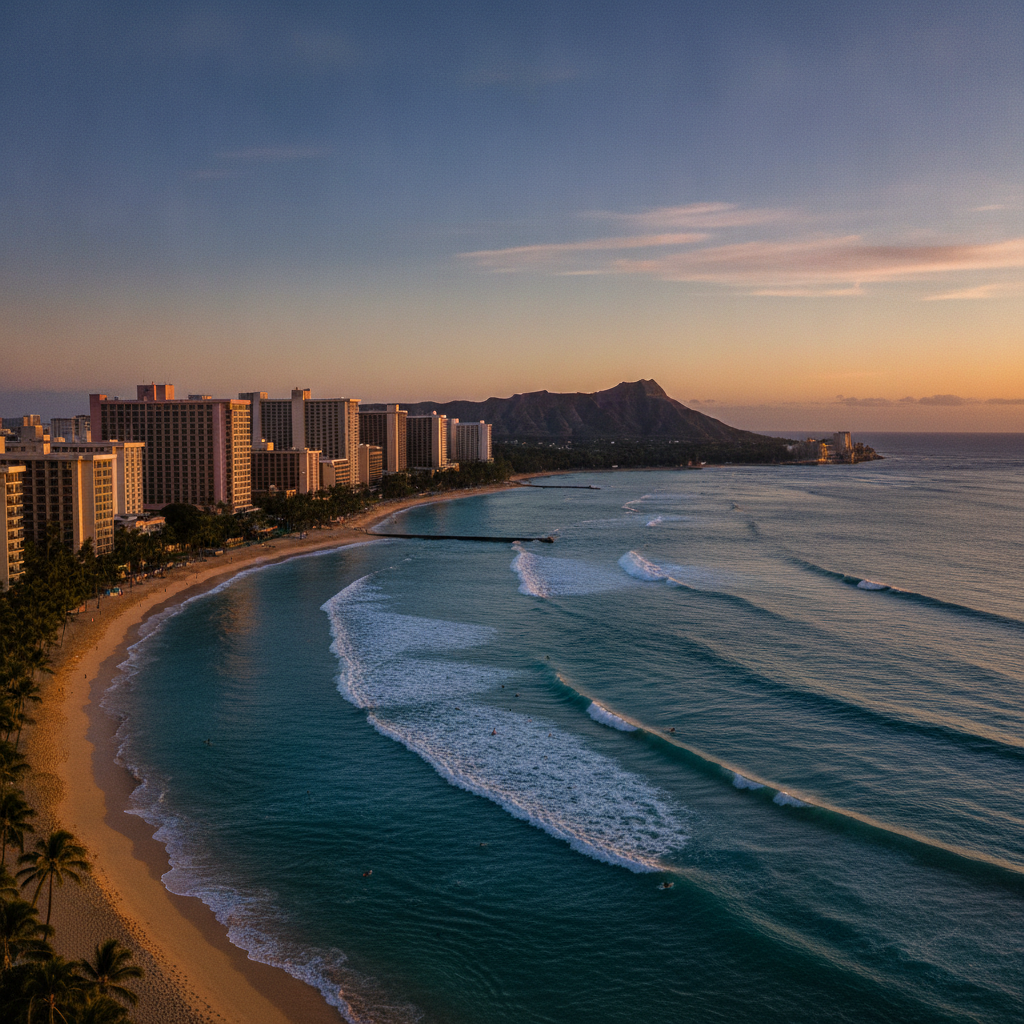
Honolulu: Waikiki Beach and Diamond Head Summit Hike, Pearl Harbor National Memorial (USS Arizona and USS Missouri), North Shore Seven Mile Miracle Surf (Pipeline, Sunset Beach), Polynesian Cultural Center, Hawaiian Plate Lunch and Practical Guide
Honolulu: Koko Head Crater Trail and Sandy Beach, Kailua Beach and Lanikai Pillbox Hike, Haleiwa North Shore Town (surf culture, Matsumoto Shave Ice), Waimea Valley Sacred Cultural Site, Dole Plantation Pineapple History, and Hawaii Volcanoes National Park Big Island Day Trip