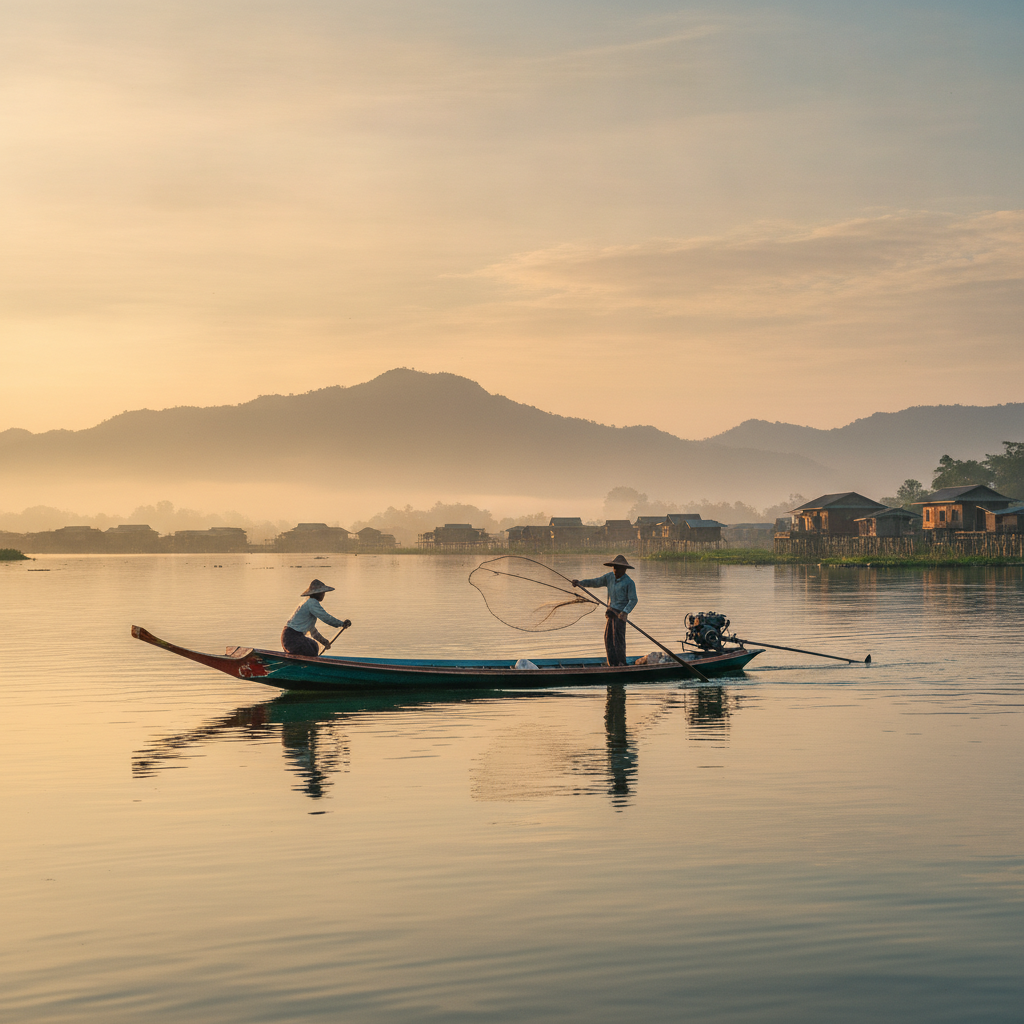
Inle Lake Traditional Boat Tour Walk
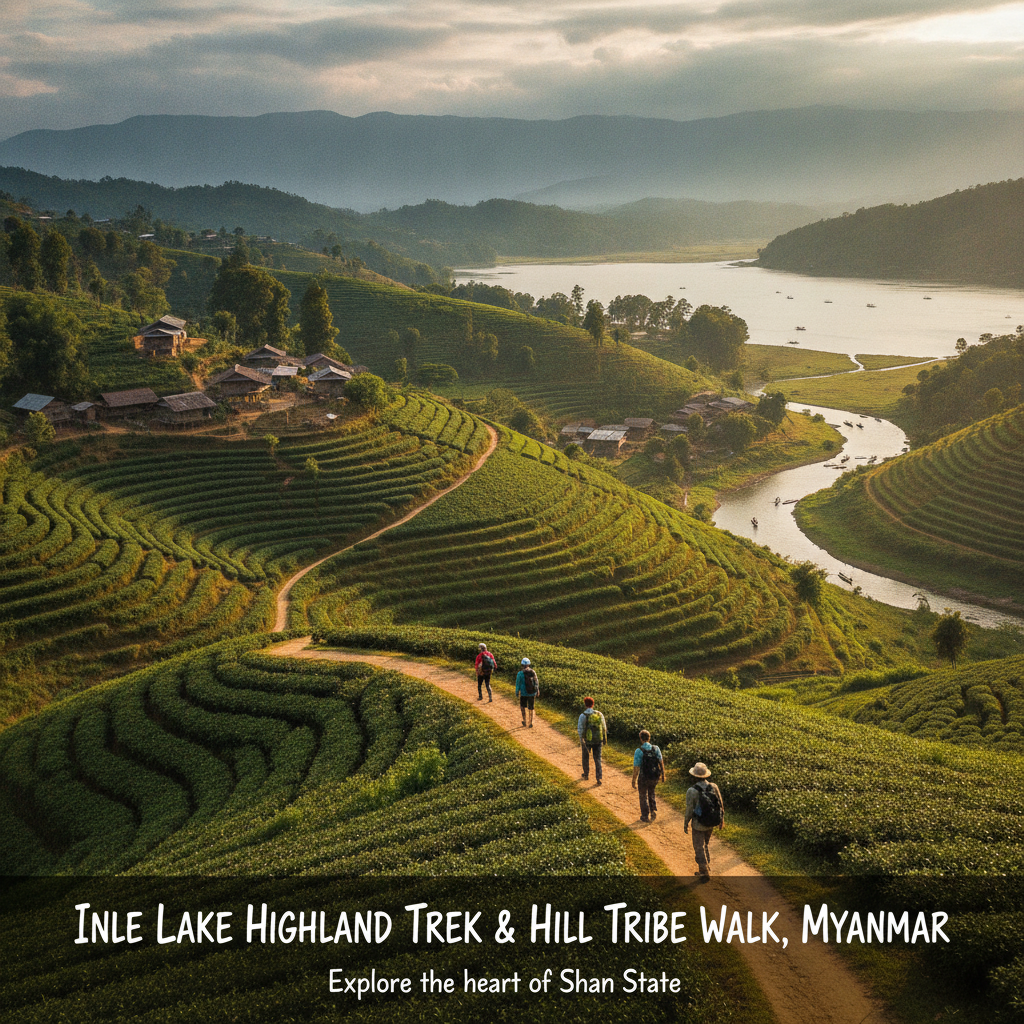
Explore Inle Lake by longtail boat — the shallow freshwater lake in Shan State, Myanmar (22km long, 11km wide, at 900m elevation) is home to the Intha people who live on the lake's floating villages, and the traditional wooden longtail boat tour through the market channels, floating gardens, and stilted monasteries is the quintessential Inle Lake experience.
- 1
Nyaungshwe Canal Entry
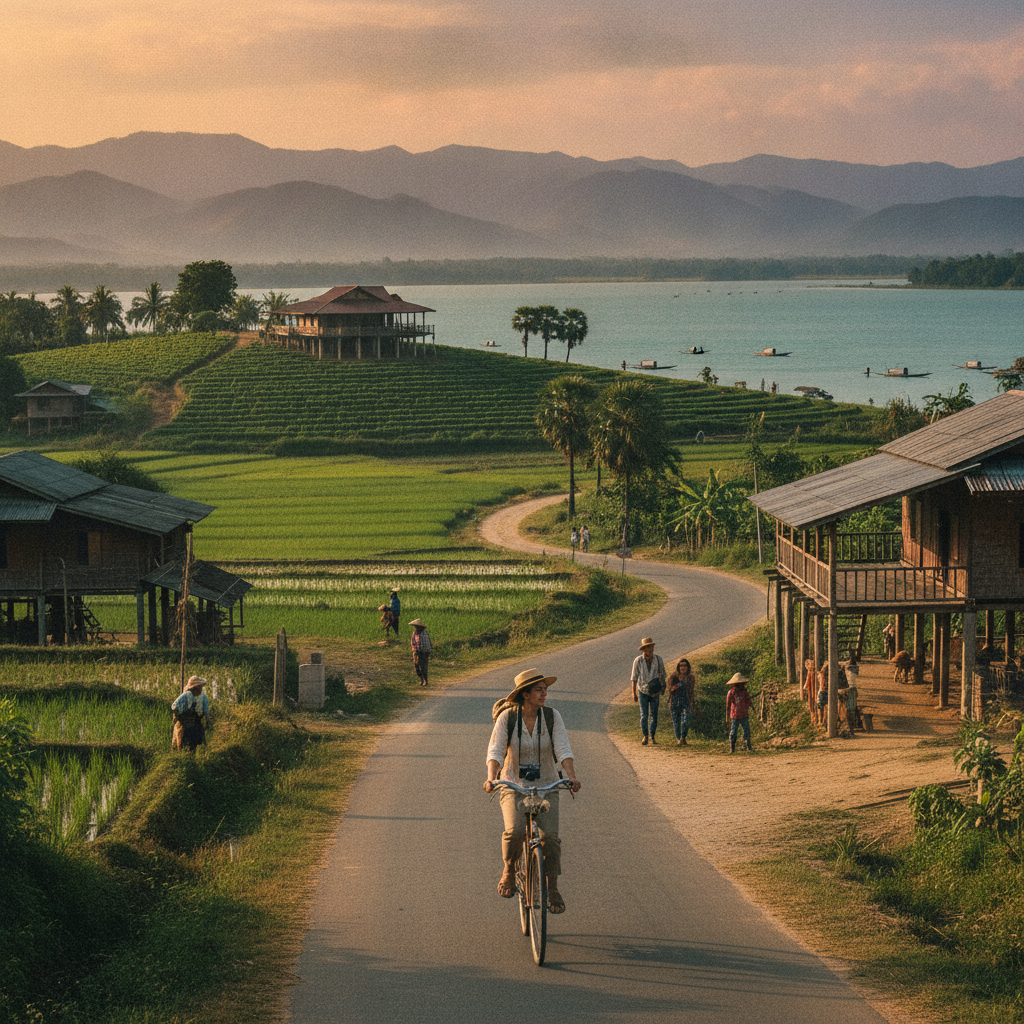
The canal departure from Nyaungshwe town (the main gateway town at the northern tip of Inle Lake, where the longtail boat taxis depart from the canal that connects the town to the open lake) is the starting point of every traditional Inle Lake boat tour — the canal passage (the 20-minute journey from the Nyaungshwe boat jetty through the narrow canal lined with water hyacinth, the stilted houses of the lakeside community visible on both banks, and the water buffalo bathing in the shallows) is the transition from the land environment of the Nyaungshwe market town to the water world of the Inle Lake. The canal's morning atmosphere (the fishermen returning with the overnight catch, the school boats carrying children to the lakeside schools, and the vegetable vendors paddling toward the floating market with their produce from the floating garden plots) is the most immediately Intha cultural encounter accessible at Inle Lake.
- 2
Intha Leg-Rowing Fishermen
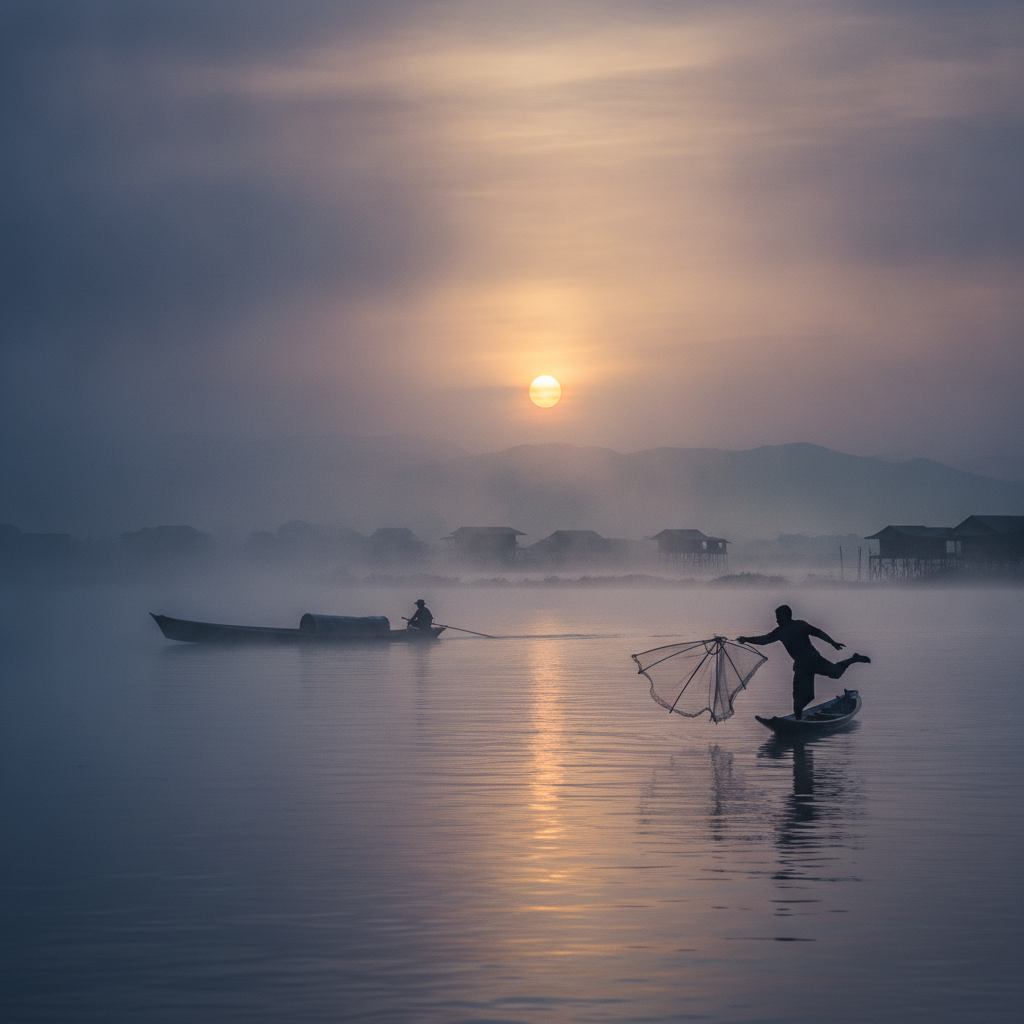
The Intha leg-rowing fishermen (the fishermen who stand on the stern of their traditional wooden dugout canoes and propel the boat by wrapping one leg around the long oar, leaving both hands free to operate the conical trap net — the most distinctive and most photographed single human activity visible on Inle Lake) are the most iconic visual image of the lake environment — the technique (the fisherman balancing on one leg at the stern, the other leg wrapped around the oar in the characteristic spiral motion that propels the narrow boat forward while the hands simultaneously manage the net) was developed by the Intha people as the practical solution to the shallow and weed-choked waters of Inle Lake, where the standing position provides the elevated view to spot fish through the clear but vegetation-filled water. The leg-rowing demonstration (the fishermen who pose for the tourist photographers in the traditional stance with their conical nets spread on the water) has become the most requested single photographic encounter at any tourist destination in Myanmar.
- 3
Floating Gardens Inle
The floating gardens (the kyun, or floating fields, constructed by the Intha farmers by anchoring the weed mats from the lake bottom to the lake bed with bamboo poles and building up the surface with decomposed vegetation and lake mud) are the most extraordinary agricultural landscape accessible at Inle Lake — the floating tomato gardens (the primary commercial crop of the floating garden system, with the tomato plants growing from the composted lake weed beds and their roots dangling in the shallow lake water) constitute the most intensively cultivated floating farmland in the world, covering an estimated 17,000 acres of the lake surface. The floating garden system's ingenuity (the gardens that can be moved to new positions, that rise and fall with the lake's seasonal water level, and that create a productive agricultural surface on the water rather than the increasingly scarce land around the lake edge) is the most practically innovative traditional agricultural technology accessible at any lake environment in Southeast Asia.
- 4
Nga Phe Kyaung Monastery
Nga Phe Kyaung (the Jumping Cat Monastery, the 200-year-old teak monastery built on stilts over the lake that is famous for its resident cats trained to jump through small hoops by the monks) is the most visited single structure on the Inle Lake boat tour — the monastery (whose name derives from the cat training tradition that developed when the monks began teaching the cats to jump through hoops as entertainment for the monastery's visitors) houses the monastery's collection of ancient Buddha images in various styles brought from different parts of Myanmar, creating the most eclectic single collection of Buddhist sculpture accessible on the lake. The monastery's teak construction (the weathered wooden planks, the low doorways requiring respectful bowing to enter, and the interior's multi-level shrine rooms) is the most atmospheric of the stilted monastery interiors accessible by boat on the Inle Lake circuit.
- 5
Five-Day Rotating Market
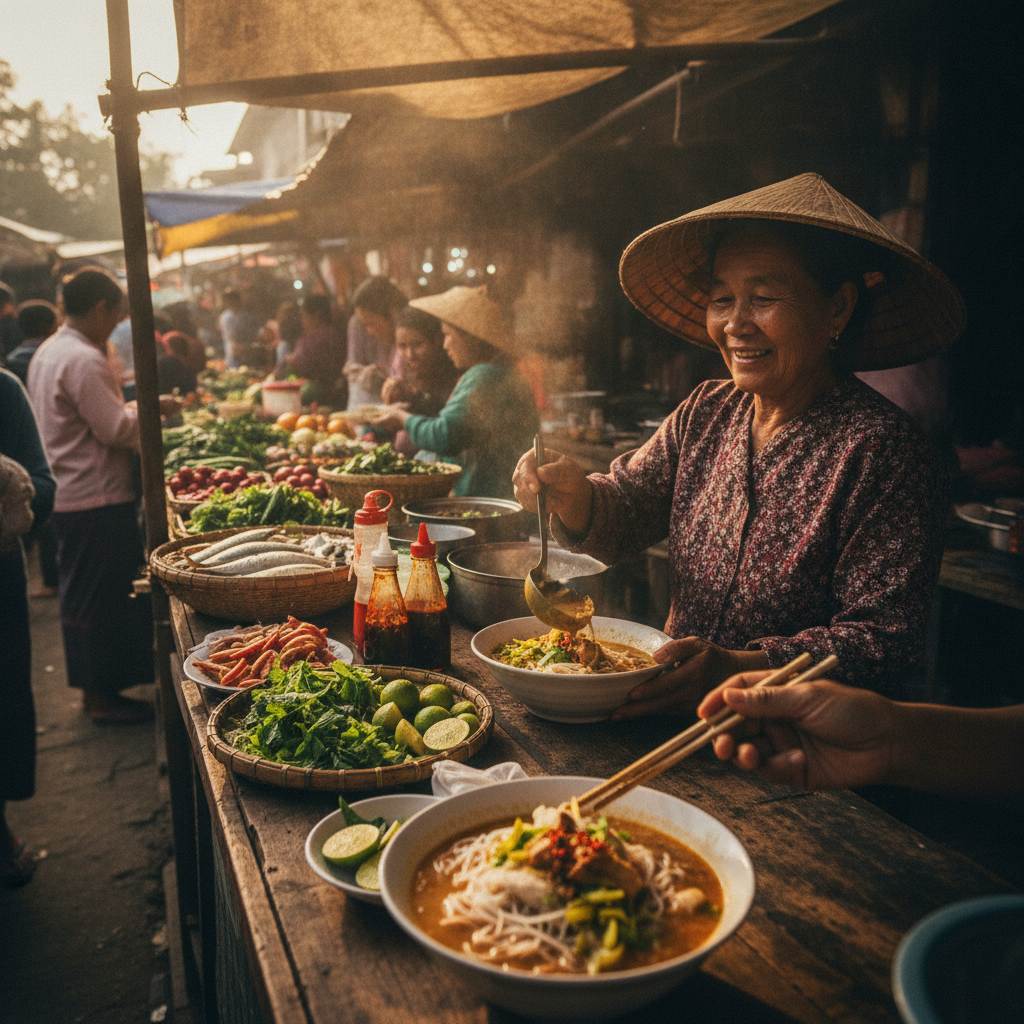
The Inle Lake five-day rotating market (the traditional market system in which the main market rotates between five lakeside locations on a five-day cycle, bringing the entire trading community together at each location in turn) is the most directly commercial encounter with the Intha and highland tribal community accessible during the boat tour — the market (when it occurs at the lakeside locations accessible by boat from Nyaungshwe) draws the Intha lakeside farmers with their floating garden produce, the Pa-O, Danu, Taung-yo, and Shan highland traders arriving by the mountain paths to the lakeside, and the specialist vendors of the lake's dried fish, handwoven silk, and traditional crafts. The rotating market's assembly (the early morning gathering of the boats at the market location, the temporary market stalls on the wooden jetties and the cleared ground adjacent to the lakeside temples) is the most naturally occurring commercial and social event accessible to the Inle Lake visitor.
- 6
Lake Sunset Return
The Inle Lake sunset return (the longtail boat journey back toward Nyaungshwe in the late afternoon, with the mountain silhouettes of the surrounding Shan Hills visible against the coloured sky and the lake surface reflecting the sunset colours below the boat) is the most cinematically beautiful conclusion to the Inle Lake boat day — the lake's elevation (900m above sea level, with the surrounding Shan Plateau creating the bowl-shaped geography that contains the lake) means the surrounding mountains are always visible on the horizon, and the sunset's colouring (the orange-red light catching the mountain ridges before descending to the water level) creates the most dramatically layered sunset landscape accessible at any Myanmar lake destination. The return passage through the flowering water hyacinth (the purple-flowered invasive species that has colonised large sections of the lake surface and provides the most photogenically coloured foreground to the sunset views) completes the sensory richness of the late afternoon boat journey.
Walk this route with audio
Stories play automatically as you reach each stop — no tapping needed.