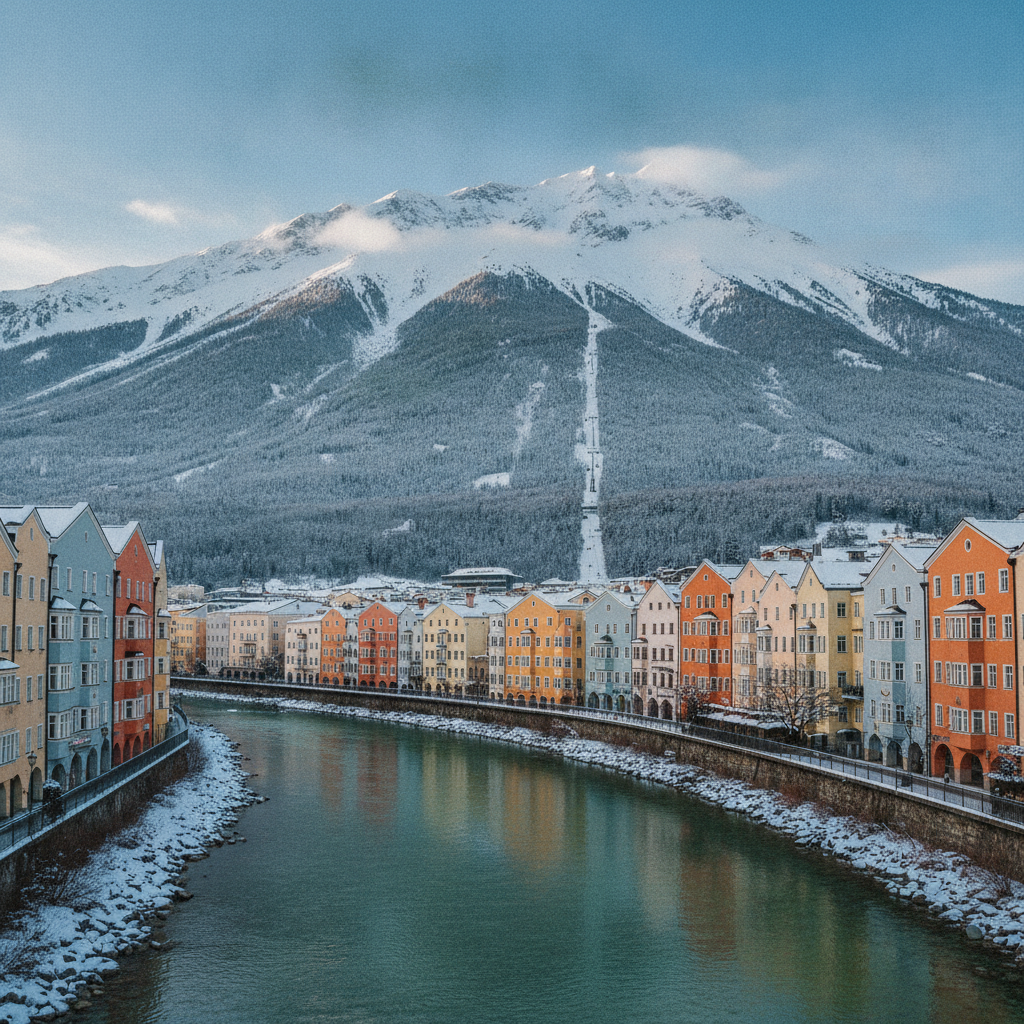
Innsbruck Cultural Circuit — the Hofkirche, the Ferdinandeum & the Tyrolean Folk Museum
Innsbruck's cultural institutions form one of the most complete Habsburg and Alpine heritage circuits in Austria — the Hofkirche with the Maximilian tomb, the Ferdinandeum with the Tyrolean art collection, and the Folk Museum with the Alpine material culture all within 400m of each other.
- 1
The Hofkirche and the Maximilian Cenotaph
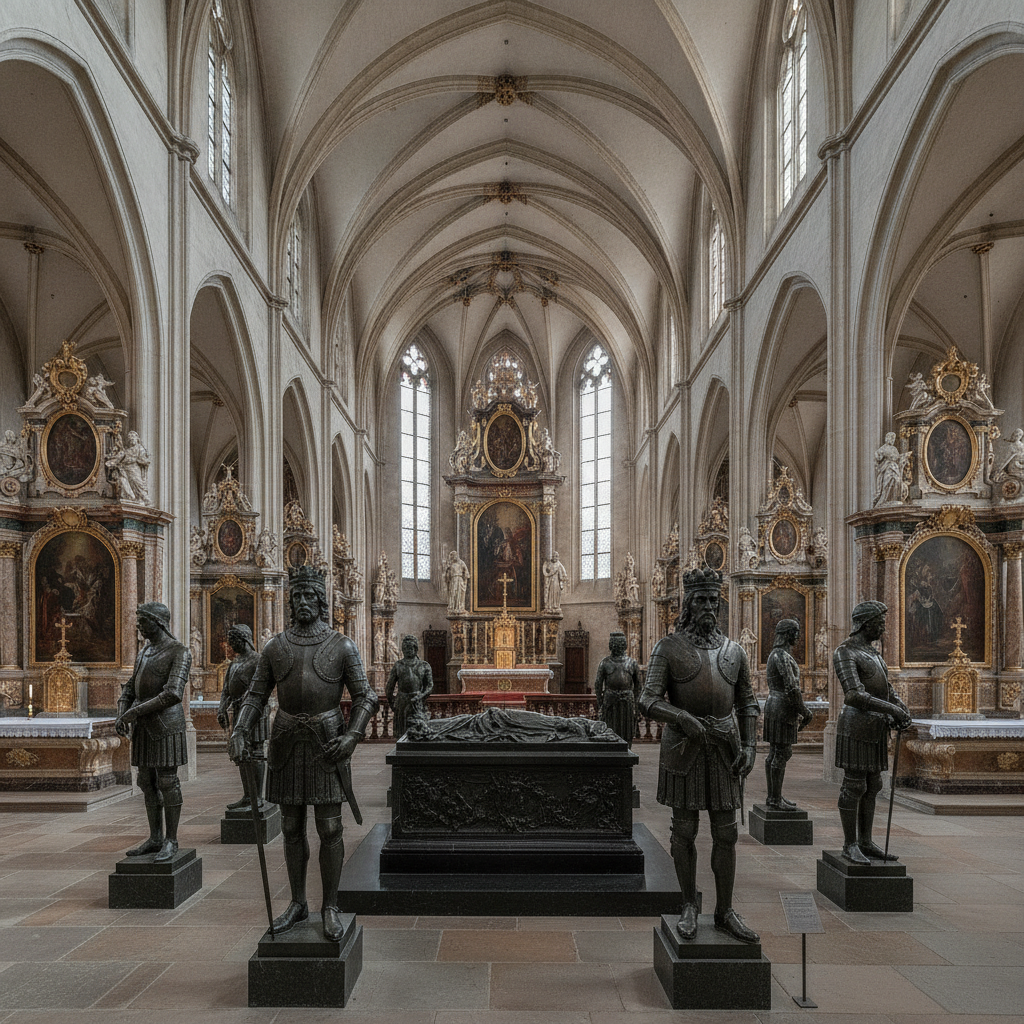
Die Hofkirche (the Court Church, Universitätsstraße 2, the Renaissance Gothic church built 1553-1563 for the funerary monument of Emperor Maximilian I, the church free, open daily 9am-5pm): the cenotaph (the black marble cenotaph of Maximilian I at the centre of the nave — the most elaborate funerary monument in the Holy Roman Empire, the cenotaph a memorial structure rather than a tomb — Maximilian's actual burial was at Wiener Neustadt, only his heart buried at the Hofkirche — the monument surrounded by 28 over-life-sized bronze ancestor figures: the figures include: King Arthur of Britain, included as the exemplar of chivalric kingship; Theoderic the Great, King of the Ostrogoths; Clovis, the first Christian King of the Franks; Philip the Handsome, Maximilian's son; and 24 other imperial ancestors, the 28 figures cast 1508-1550 by the most skilled bronzecasters in the German Empire including Peter Vischer the Elder and Gilg Sesselschreiber), the Silver Chapel (the Silberne Kapelle — the side chapel of the church built 1578 by Archduke Ferdinand II, the silver Madonna on the altar a votive offering of Ferdinand II for surviving the Battle of Mühlberg 1547, the silver repoussé Madonna statue the most important single devotional object in the Hofkirche, the chapel also the burial place of Ferdinand II and his morganatic wife Philippine Welser in the floor tomb), the 23 marble reliefs (the carved marble panels on the sides of the Maximilian cenotaph depicting the 24 most important military campaigns and political events of Maximilian's reign, the most complete visual historical narrative carved in stone in the Austrian Alps) and the Innsbruck Old Town (the street Universitätsstraße connecting the Hofkirche west to the Tyrolean Folk Museum and east to the Inn River bridge, the full cultural circuit of the Innsbruck institutional museums on a single 400m walk).
- 2
The Tiroler Landesmuseum Ferdinandeum
The Tiroler Landesmuseum Ferdinandeum (Museumstraße 15, the state museum of the Tyrol, the most comprehensive art and history collection in the Austrian Alps outside Vienna, €12 adults, Tuesday-Sunday 9am-5pm, Thursday until 8pm): the Gothic collection (the collection of Tyrolean late Gothic altarpieces and panel paintings — the most regionally specific late Gothic collection in Austria, the winged altarpieces from the Tyrolean village churches assembled after the Josephine reforms of the 1780s that dissolved many rural monasteries and transferred their art to the state collections, the Archangel Michael triptych of 1520 and the Calvary altarpiece of 1480 the strongest single works in the Gothic collection, the most visually dramatic Medieval religious art in the Innsbruck museum landscape), the Biedermeier collection (the Austrian Biedermeier period 1815-1848 the most popular period of Tyrolean painting — the romantic idealization of the Alpine landscape and the peasant life, the Biedermeier paintings representing the first systematic appreciation of the Alpine scenery as an aesthetic subject rather than an obstacle to travel, the Tyrolean Biedermeier collection the most complete regional survey of this period in the country), the natural history section (the geology room presenting the formation of the Alps from the Tethys Sea to the current glaciation — the most accessible single-room explanation of the Alpine geology for the non-specialist, the specimens of the Tyrolean minerals the practical supplement to the mountain experience), and the Ötzi the Iceman context (the Ferdinandeum holds the best Innsbruck documentation of the Ötzi discovery — the replica of the 5,300-year-old Chalcolithic mummy found on the Ötztal-South Tyrol border in 1991, the original in the South Tyrol Museum of Archaeology in Bolzano, the Innsbruck documentation including the Chalcolithic tools found with the mummy — the copper axe, the flint arrowheads, the fur clothing — the most complete secondary documentation of the most famous Alpine archaeological discovery).
- 3
The Tyrolean Folk Museum — Alpine Material Culture
Tiroler Volkskunstmuseum (Tyrolean Folk Museum, Universitätsstraße 2 adjacent to the Hofkirche, the most important folk art and material culture museum in Austria, €10 adults, Tuesday-Sunday 9am-5pm, the museum often overlooked by visitors focused on the Hofkirche next door): the reconstructed interiors (the most important single collection in the museum: 3 complete reconstructed Tyrolean domestic interiors spanning 250 years of Alpine domestic life — the Gothic room from c.1500, with the painted panelling and the tiled stove — the Kachelofen, the central heating element of the Alpine house that stored heat for 12 hours after a 2-hour fire — the Renaissance room from c.1600 with the carved furniture and the religious objects, and the Baroque room from c.1720 with the painted ceiling and the more elaborate decorative programme — the 3 rooms the most complete social history of the Alpine interior in a single Austrian museum), the costume collection (the Tracht — the traditional Tyrolean regional dress — displayed as the most elaborate folk costume system in the Austrian Alps: the valley-by-valley differentiation of the costume showing how isolated Alpine communities developed distinct visual identities through the cut, the colour, and the embroidery of the jacket and the hat — the Zillertal costume, the Ötztal costume, and the Innsbruck city Tracht visible as distinct regional variants at a glance), the glass painting (the Hinterglasmalerei — the reverse glass painting tradition of the Tyrolean Alps, the technique requiring the painter to apply the colour in reverse order to the back of the glass panel, the most technically counterintuitive folk art form in Austria, the devotional subjects — Madonna, the Saints, the Sacred Heart — painted in the primary colours with the gold outlining, the most visually distinctive Alpine folk art medium) and the nativity scene collection (the Krippe — the Tyrolean Christmas nativity scene collection, the most complete collection of hand-carved Alpine nativity figures in a single museum, the figures carved from the local wood in the tradition still maintained in the Ötztaler woodcarving villages, the largest scenes containing 200+ individual hand-carved figures).
- 4
Innsbruck's Imperial Connection — Maria Theresa's Street
Maria-Theresien-Straße (the main street of Innsbruck from the Old Town south to the Triumphpforte — the Triumphal Arch — the 600m boulevard the most important Baroque urban intervention in Innsbruck, built by Empress Maria Theresa from 1765 to connect the imperial residence at the Hofburg with the southern Tyrolean road): the Annasäule (the St. Anna Column, the 15m marble column with the statue of the Madonna and the four patron saints of the Tyrol at the base, erected 1706 to celebrate the departure of the Bavarian forces from the Tyrol on the feast day of St. Anna July 26 1703 — the Tyrolean Vendetta of 1703, the Tyrolean peasant uprising that successfully resisted the Bavarian invasion during the War of the Spanish Succession, the most physically central monument in Innsbruck and the most historically specific to the Tyrolean identity, the gathering point for the Tyrolean political celebrations and the New Year countdown), the Triumphpforte (the Triumphal Arch at the south end of the Maria-Theresien-Straße, built 1765 by Empress Maria Theresa for the marriage of her son Leopold — later Emperor Leopold II — to Princess Maria Ludovika of Spain, the arch unusual in that two faces carry two different programmes: the south face celebrating the marriage in conventional triumphal arch style, the north face a mourning monument for the death of Emperor Franz I Stephan who died during the marriage celebrations, the only triumphal arch in Europe that carries a simultaneous celebration and mourning programme), the façade architecture (the 18th and 19th century building facades of the Maria-Theresien-Straße, the most complete Baroque and Biedermeier street frontage in the Tyrol, the views north from the centre of the street to the Nordkette mountains directly framed by the street the canonical Innsbruck vista) and the shopping street (the Maria-Theresien-Straße the primary commercial street of Innsbruck with the Austrian and the international retail, the most concentrated shopping street in the Tyrolean capital, the correct address for the Austrian-made souvenir in the more upmarket format: the Tyrolean silver jewelry, the Austrian glassware, the Tiroler Kunsthandwerk — Tyrolean craft objects).
- 5
The Tyrolean State Archives and Maximilian I
Maximilian I in Innsbruck (the Emperor Maximilian I — known as the 'Last Knight', 1459-1519 — the most important single historical figure in Innsbruck, the Emperor who made Innsbruck the capital of the Holy Roman Empire for 30 years, the Emperor who commissioned the Goldenes Dachl and the Hofkirche, who established the Innsbruck printing house and the humanist court, who planned and largely failed to complete the most elaborate self-commemoration programme in Imperial history): the Maximilian legacy (the 3 surviving elements of the Maximilian programme in Innsbruck: the Goldenes Dachl balcony of 1500 — the Imperial viewing platform for the public pageants the most physically expressive of his self-presentation; the Maximilian cenotaph in the Hofkirche of 1553-1563 — commissioned by his grandson Ferdinand I and built from Maximilian's own design sketches, the monument the posthumous fulfilment of the Emperor's self-commemorative vision; and the Triumphzug — the Triumphal Procession — the series of 137 woodcut prints commissioned by Maximilian and printed 1512-1519 by the Innsbruck printing house depicting the ideal Imperial procession, the most elaborate single woodcut project in the history of print, the complete set in the Innsbruck Ferdinandeum), the Maximilian hunting (the Emperor's passion for the chamois hunting in the Karwendel mountains north of Innsbruck — the most personally characteristic activity of the Emperor, the chamois hunt on the near-vertical cliff faces of the Karwendel the most dangerous leisure activity of any Habsburg monarch, the legend of Maximilian trapped on the Martinswand cliff in the Zirl gorge and rescued by an angel 1484 the most famous anecdote of the Innsbruck Imperial history, the Martinswand cliff visible from the A12 motorway 10km west of Innsbruck) and the Tiroler Landesarchiv (the Tyrolean State Archive at Michael-Gaismair-Straße 1, the archive holding the original Maximilian I documents and the complete records of the Tyrolean county from 1363 to the present, accessible to researchers by appointment, the public exhibition in the archive lobby the most accessible Maximilian document display in Innsbruck at no cost).
- 6
Innsbruck at Night — the Old Town Bars, Music and Alpine Après-Ski
Innsbruck nightlife (the city's evening and night culture concentrated in 3 zones: the Old Town bar district, the university quarter around the Innrain, and the Hötting district north of the river): the Old Town bars (the Herzog-Friedrich-Straße and the adjacent lanes active from 6pm — the bars in the medieval arcades, the most atmospheric pub-crawl setting in the Austrian Alps: the Hofgarten Café at Rennweg 6 the largest outdoor terrace bar in Innsbruck in summer, the Theresienbrau at Maria-Theresien-Straße 51-53 the primary brewery pub serving the house-brewed lager and the Weizen, the Moustache bar at Herzog-Friedrich-Straße 1 the most central and the most visited of the Old Town bars), the Tiroler Abend (the traditional Tyrolean evening entertainment, the 'Tyrolean folklore show' format at the Tiroler Volksschauspiele — the Tiroler Abend in Innsbruck at the Gasthof Goldener Adler or at the Congress Innsbruck, the show typically including the Schuhplattler slapping dance, the Tiroler Zither music, the yodelling, and the cowbell ringing — the performance format the most touristic of the Innsbruck cultural options but the only accessible single-evening overview of the Tyrolean folk performance tradition, tickets €35-50 including the dinner, the show running twice weekly May-October), the cinema (the Leokino at Anichstraße 36, the art-house cinema with the Austrian and the European film programme in the original language with German subtitles — the primary cultural alternative to the folk show for the visitor wanting the local audience rather than the tourist crowd, the weekly programme at leokino.at, the tickets €11-13) and the après-ski scene (the after-skiing culture in the Innsbruck city centre from December to April — the most urban après-ski in the Austrian Alps, the skiers descending from the Nordkette and the Stubai by 4pm and appearing in the Old Town bars by 5pm, the Sillpark shopping centre on the east edge of the Old Town the transition point between the mountain and the city for the ski equipment return, the Old Town the correct arrival point for the après-ski circuit).
Walk this route with audio
Stories play automatically as you reach each stop — no tapping needed.
More in innsbruck
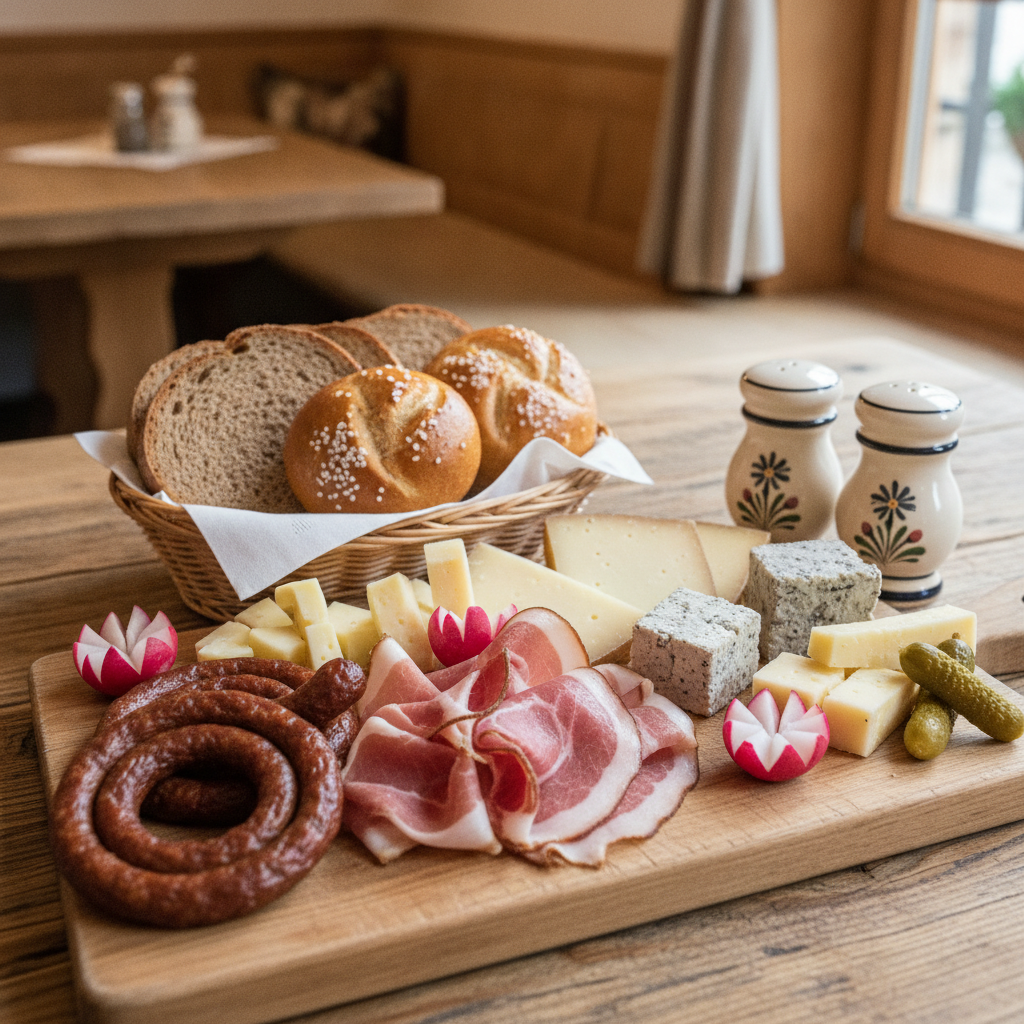
Innsbruck Food & Drink — Tyrolean Cuisine, Alpine Markets & the South Tyrol Wine Connection
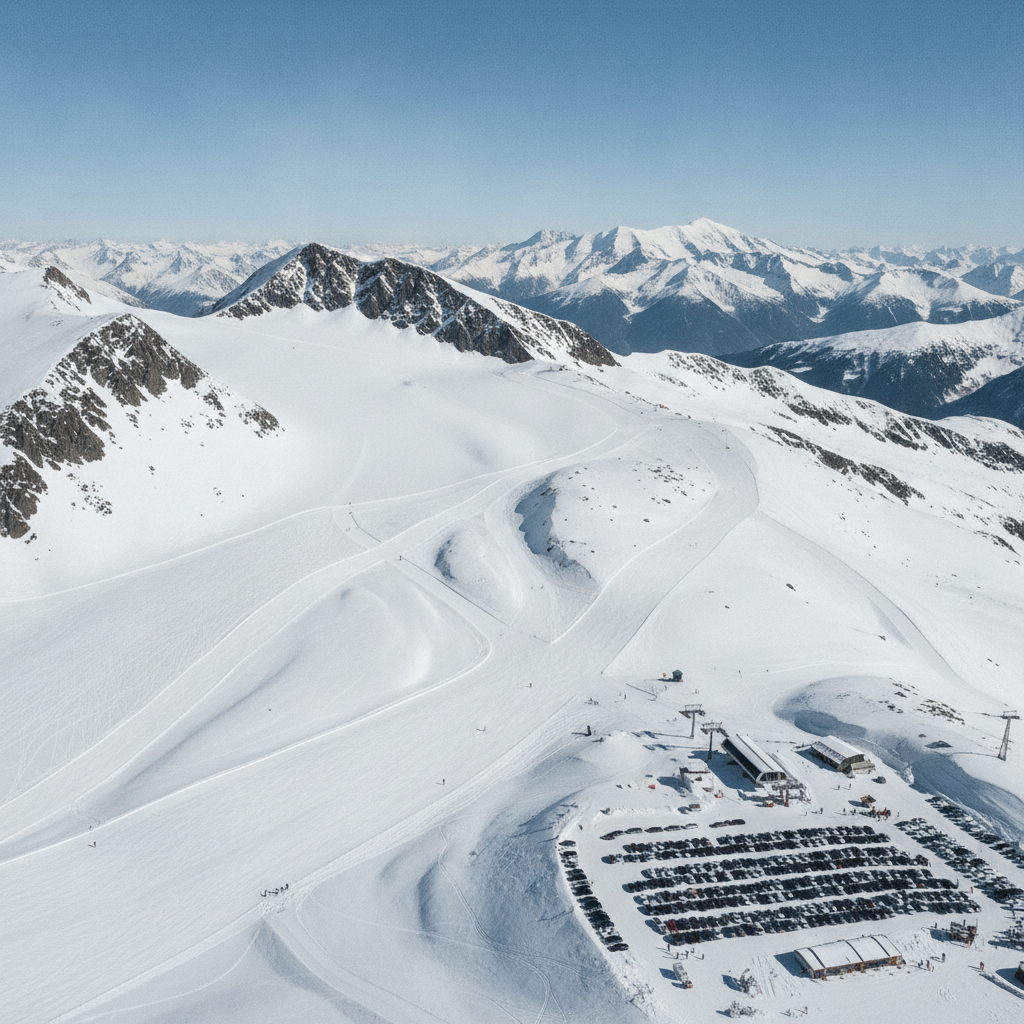
Innsbruck Alpine Adventures — Skiing, Hiking & the Stubai Glacier Year-Round
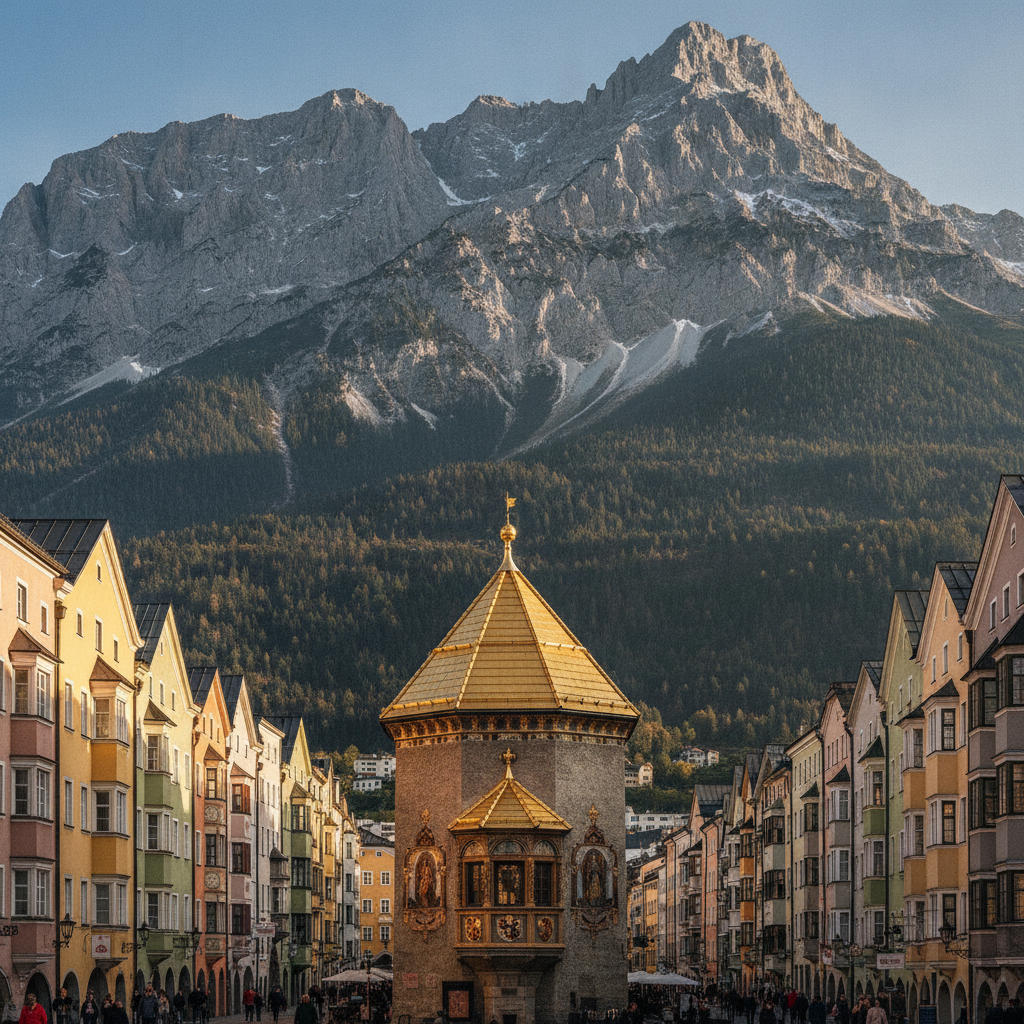
Innsbruck — the Golden Roof, the Nordkette Alps & the Tyrol's Imperial and Alpine Capital
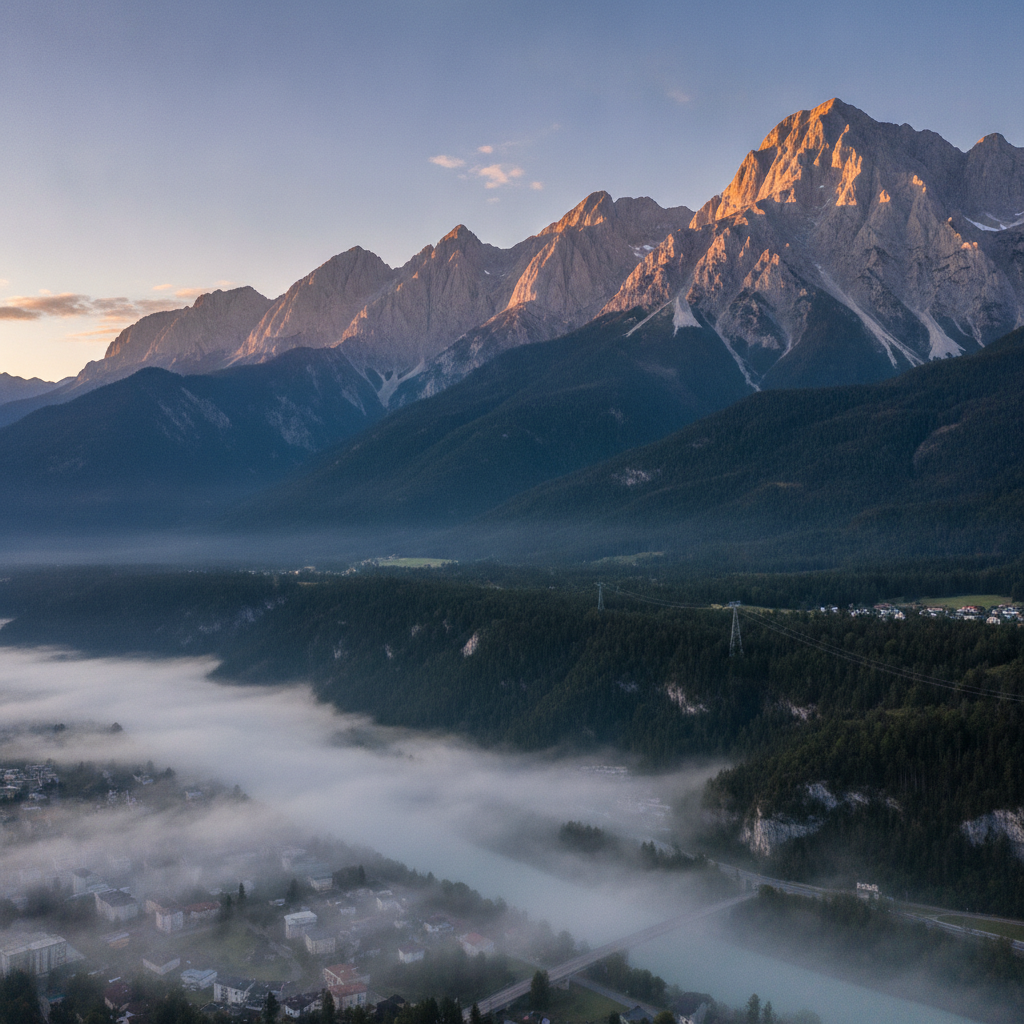
Innsbruck Day Trips — the Brenner Pass, South Tyrol, Bolzano & the Karwendel