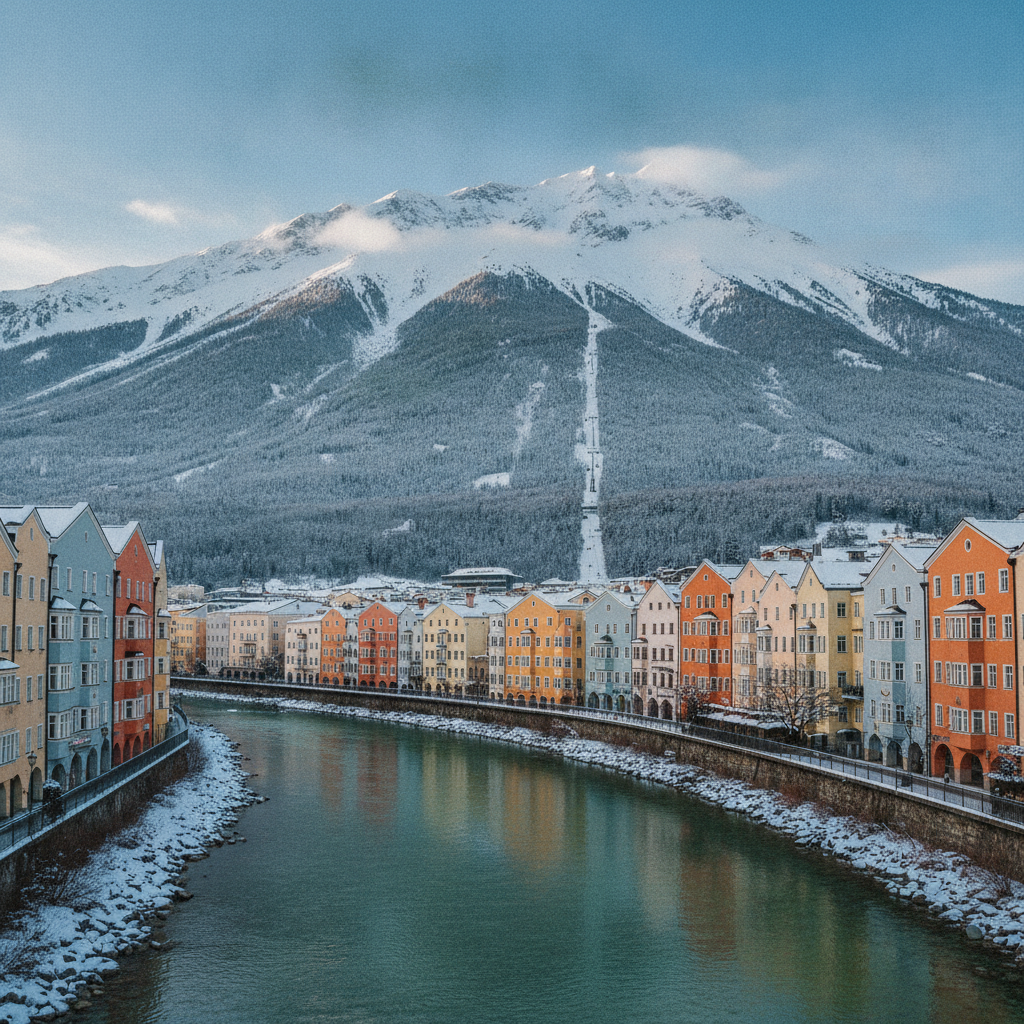
Innsbruck Alpine Adventures — Skiing, Hiking & the Stubai Glacier Year-Round
Innsbruck's greatest asset is the immediate Alpine environment — the Nordkette rising from the city centre, the Stubai Glacier 35km south, and the Karwendel Nature Reserve 20km north provide year-round mountain sports from the centre of a functioning Austrian city.
- 1
The Stubai Glacier — Year-Round Skiing from the City
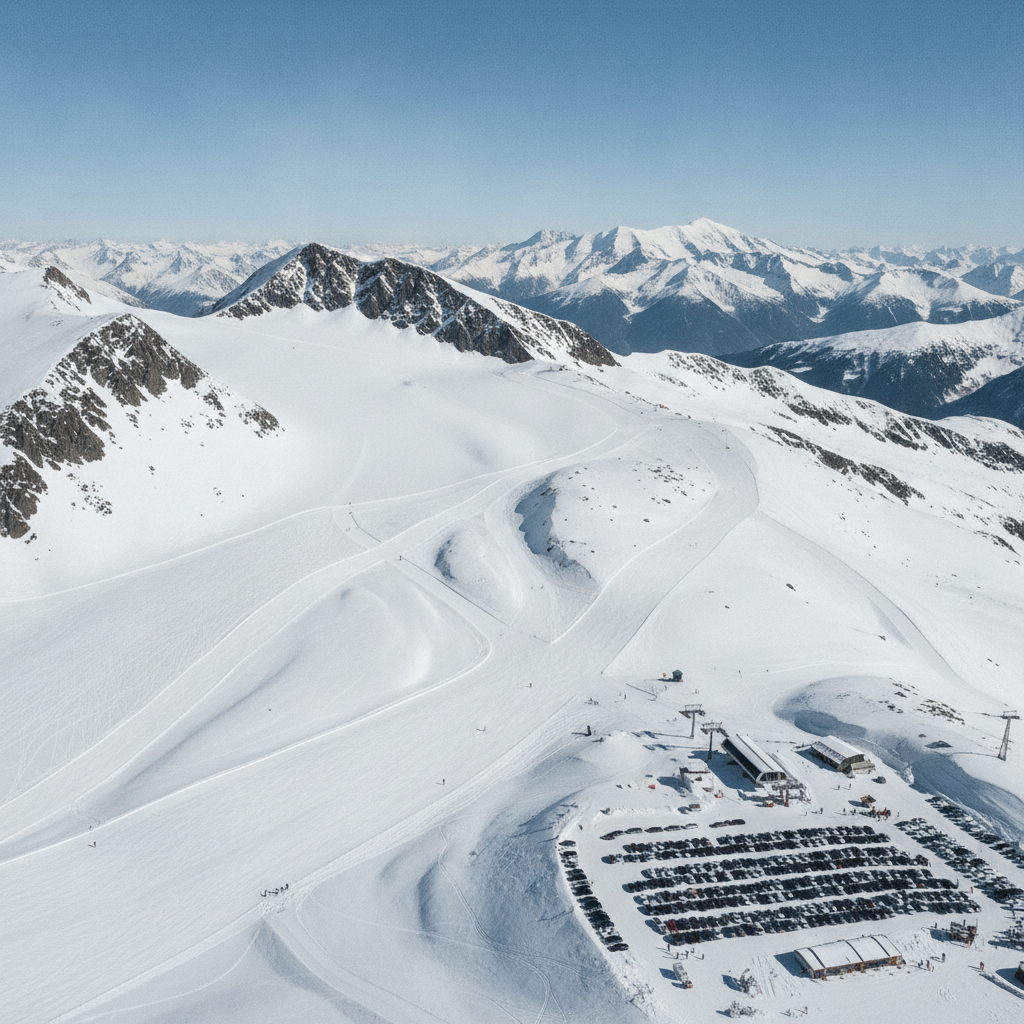
Stubaier Gletscher (the glacier ski area 35km south of Innsbruck in the Stubai Valley, accessible by the Stubai Bus — the STB bus from the Innsbruck central station to the Mutterberg base station in 55 minutes at €4.70 one-way, the most accessible glacier ski area from any city in the Alps, the glacier operating year-round with the lowest reliable snow altitude in the Austrian Alps at 2,300m — the ski season October to June, the summer skiing July-September on the upper glacier above 2,900m): the ski area (8 glacier runs from the Jochdohle summit at 3,210m, the total ski run length 35km, the vertical descent from the Jochdohle to the Mutterberg base 1,660m — the longest continuous vertical descent available from a glacier ski area in Austria, the beginners' area at the Eisgrat station at 2,900m the highest beginner area in Austria, the ski pass €52 adults per day or €35 half-day from noon), the summer activities on the glacier (the summer hiking on the marked trails from the Jochdohle summit to the Schaufeljoch and the Pfaffennieder — the high-altitude walking routes above the permanent snow line accessible to non-skiers on the glacier lifts, the Pfaffennieder route the most popular at 2.5 hours one-way — the crevasse walk guided tour on the glacier surface, the only public crevasse walk in Austria at €35 per person including crampons and guide, available June-September at the Eisgrat station) and the après-ski at the Bergrestaurant Eisgrat (the restaurant at 2,900m, the most dramatically situated restaurant accessible by gondola from an Austrian city, the Tyrolean lunch — the Tiroler Gröstl and the Kaiserschmarrn — at €15-25 per dish, the sun terrace from 10am the most south-facing terrace in the Stubai.
- 2
Nordkette Hiking — City to Summit
Nordkette hiking (the mountain hiking directly accessible from the Innsbruck city centre via the Nordkettenbahn cable car system — the city the only place in the Alps where the transition from the urban environment to the alpine summit is achievable in 30 minutes): the Panorama trail (the Nordkette Panoramaweg, the ridge walking route from the Seegrube station at 1,905m to the Hafelekar summit at 2,334m and continuing along the Nordkette ridge — the 2-hour one-way route the most popular day hike from Innsbruck, the trail marked with red-white blazes and the Alpine standard waypoints, the view south to the Innsbruck city directly below and north into the Karwendel Nature Reserve the dramatic combination available at no other urban mountain in the Alps, the return by cable car or the descent on foot via the Höttinger Alm path to the city in 1.5 hours), the Zirbenweg (the Zirbenweg — the Arolla Pine Trail — the most popular mountain trail in the Innsbruck region, the 10.5km marked trail from the Seegrube station to the Patscherkofel summit through the Zirbenwald — the ancient stone pine forest that is the oldest continuous forest in the Austrian Alps, the individual Arolla pines up to 900 years old, the trail accessible at the northern end by the Nordkettenbahn and at the southern end by the Patscherkofelbahn from the Innsbruck suburb of Igls, the 5-hour route one-way the most atmospheric Alpine forest walk near Innsbruck, a 2,000m altitude traverse with no significant ascent once at the Seegrube), the Karwendelmarsch (the 52km long-distance mountain trail from Scharnitz through the Karwendel Nature Reserve to Innsbruck — the most challenging and most rewarding single-day mountain walk accessible from Innsbruck, the trail crossing 4 mountain passes over 2,500m and taking 12-14 hours for experienced hikers, the annual Karwendelmarsch race in August covering the route in 4-6 hours by the fastest competitors).
- 3
The Swarovski Crystal Worlds — a Design Attraction
Swarovski Kristallwelten (Kristallweltenstraße 1, Wattens, 15km east of Innsbruck, accessible by the Swarovski Shuttle Bus from the Innsbruck central station in 30 minutes, departing hourly, or by local train in 20 minutes then 15-minute walk, €21 adults, daily 8:30am-7pm): the attraction (the subterranean crystal art world created by the artist André Heller for the Swarovski centenary in 1995, the underground chambers designed by international architects and artists, the most visited attraction in Tyrol with 750,000 visitors per year — the 17 Wunderkammern including: the Crystal Dome — the 15m tall crystal dome with 590 crystal mirrors and 12 million Swarovski crystals creating the most complete mirrored environment in the world; the Giant — the 3m tall face in the hillside with the crystal eyes and the waterfall mouth flowing from the grass-covered head, the exterior symbol of the Kristallwelten; the Hall of Fame — the Swarovski fashion history room with the Coco Chanel and Christian Dior pieces incorporating Swarovski crystals, and the Paloma Picasso and the Matthew Barney rooms — and the Swarovski Museum (the history of the family company since 1895 — the Daniel Swarovski machine-cut crystal process, the first crystal production at the Wattens factory, the Hollywood connections — the Oscar statuette crystal component produced at Wattens)). The Swarovski Garden (the outdoor garden surrounding the underground chambers, the crystal fountain and the crystal maze, the museum shop with the complete Swarovski product range — the most comprehensive Swarovski retail in the world at the factory outlet prices — the correct Innsbruck day trip for visitors interested in the design and the luxury goods tradition rather than the Alpine outdoor activities.
- 4
The Tyrolean Folk Museum and Austrian Winter Culture
Tyrolean Folk Museum (Tiroler Volkskunstmuseum, Universitätsstraße 2 adjacent to the Hofburg, the most important folk art museum in Austria, €10 adults, daily 9am-5pm): the collection (the most complete documentation of the Tyrolean material culture from the 16th to the early 20th century — the Tyrolean domestic interiors: the Gothic room from the 1500s, the Renaissance room from the 1600s, and the Baroque room from the 1700s, each a complete reconstructed interior with the original furniture, the painted wood paneling, the tiled stove — the central heating element of the Alpine house — and the domestic objects, the 3 rooms the most complete social history of the Alpine house in any Austrian museum; the religious folk art — the wayside shrine objects, the painted wood ex-votos, the craft-made devotional images of the popular Catholic tradition most alive in the Tyrolean villages; the Tyrolean costume — the Tracht, the regionally specific traditional dress with the different valley communities identifiable by the cut and the colour of the jacket, the Tyrolean hat with the Gams beard — the most elaborately differentiated folk costume system in Austria outside the Vienna Burgher tradition), the Tyrolean glass painting (the Hinterglasmalerei — the painting applied from behind the glass panel, the characteristic folk art form of the Tyrolean Alpine valleys, the images of the Madonna, the Saints, and the Alpine landscape painted in reverse on the back of the glass, the most technically counterintuitive and the most distinctively Alpine visual art form) and the Stift Wilten (the Premonstratensian monastery adjacent to the museum, the baroque church of 1665 with the most elaborately decorated Baroque interior in Innsbruck, free, open daily 7am-7pm).
- 5
Innsbruck Food — Tyrolean Cuisine and Alpine Tradition
Tyrolean cuisine (the food tradition of the Alpine valley people — the hearty, calorie-dense cooking of the working farmers and mountain farmers of the Tyrol, the primary flavours the butter, the cheese, the cured pork, and the rye bread): Tiroler Gröstl (the most quintessentially Tyrolean dish — the hash of the sliced potatoes, the diced pork or beef, the onions, and the caraway fried together in butter, served with a fried egg on top and the crispy green cabbage on the side, the dish the Tyrolean equivalent of the Swiss rösti, the best version at the Gasthaus Innbrücke at Innstraße 2 at €13-15 or at the Weisses Rôssl at Kiebachgasse 8 at €14-16), the Tyrolean Knödel (the bread dumpling — the Semmelknödel in the Austrian usage — served in the beef broth as the Tiroler Suppe or alongside the meat as the side dish, the Käseknödel — the cheese dumpling — the specifically Tyrolean version with the Alpine cheese mixed into the dumpling dough, the Speckknödel the version with the smoked Tyrolean bacon, the 3-dumpling plate a filling lunch at €12-15 at the traditional Gasthäuser of the Innsbruck Old Town), the Tyrolean Brettljause (the cold meat platter — the Brettljause the traditional Tyrolean farmer's lunch of the assorted smoked and cured meats, the Tyrolean Speck — the juniper-smoked dry-cured pork belly, the most internationally famous Austrian charcuterie product, the DOP-protected Südtiroler Speck from the neighbouring South Tyrol the best available in Innsbruck — the cheeses, the bread, and the radishes arranged on the wooden board, the most relaxed Tyrolean lunch at €12-18 per person at the Hüttenbars on the Nordkette or at the Gasthaus Riese Haymon at Haymongasse 4) and the Austrian coffee (see the Salzburg route, the Austrian Kaffeehaus culture as valid in Innsbruck — the Café Central at Gilmstraße 5 the most historically established Innsbruck coffeehouse since 1878, the Melange the correct order at any Austrian coffeehouse).
- 6
Innsbruck Day Trips — the Brenner Pass and South Tyrol
Innsbruck day trips: the Brenner Pass (the lowest Alpine pass connecting Austria to Italy at 1,371m, 35km south of Innsbruck on the A13 Brenner Autobahn, the pass used by the Roman Legions, the medieval merchants, and the modern cargo trucks — 2 million trucks per year making the Brenner the most used freight corridor in the Alps — accessible by train from Innsbruck in 30 minutes at €6.50, the landscape of the pass the entry point to South Tyrol and the German-speaking Italy that begins immediately across the border at Brenner/Brennero, the Brenner Pass town the smallest settlement on one of the world's busiest international borders), Merano/Meran (the South Tyrolean spa town 80km south of Innsbruck in Italy, accessible by train 2 hours at €20-30, the most atmospheric Austrian-Italian town in the Alps — the Habsburg spa architecture of the 1870-1910 period, the Kurhaus concert hall, the vine-covered slopes of the Meran Wine Road in autumn, the Empress Elisabeth — Sisi — choosing Merano as her cure destination in 1870, making the town the Habsburg equivalent of the French Riviera), the Ötztal valley (the valley 60km west of Innsbruck, the most famous single Alpine valley in Austria — the site of the discovery of Ötzi the Iceman in 1991, the 5,300-year-old Chalcolithic mummy found at 3,210m altitude in the glacier at the Ötztal-Schnals boundary, the Ötzi Village at Längenfeld the archaeological and cultural centre of the valley, the ski area of Sölden the primary Ötztal winter sports destination — the Sölden James Bond 'Spectre' 2015 filming location visible from the panorama runs) and the Karwendel Nature Park (the 727 square km nature reserve immediately north of Innsbruck, the largest protected area in Austria by land area, the road through the park from the Scharnitz Pass to the Sylvensteinspeicher reservoir the most dramatic valley drive accessible by car from Innsbruck in 30 minutes, the Ahornboden — the large-leaved maple tree valley — the most photographed autumn landscape in the Austrian Alps in October when the maple trees turn orange and gold).
Walk this route with audio
Stories play automatically as you reach each stop — no tapping needed.
More in innsbruck
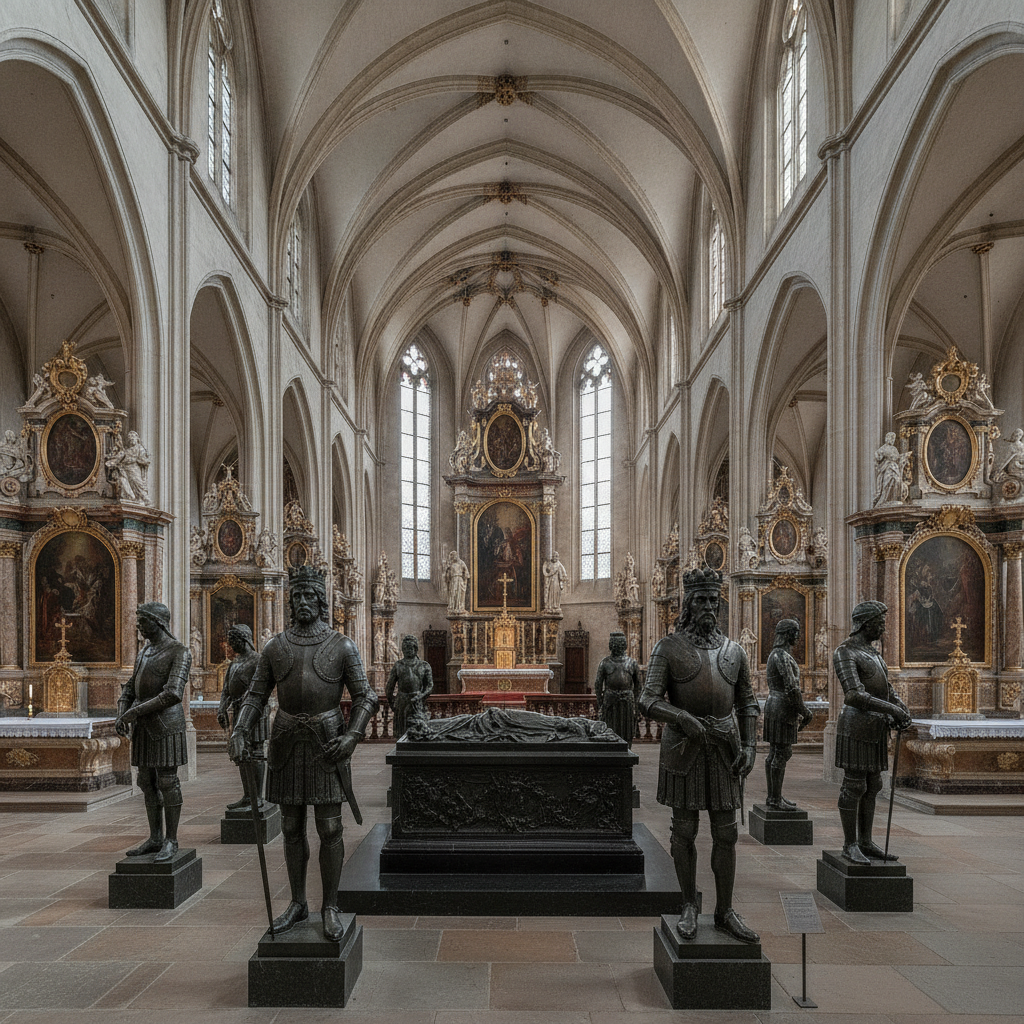
Innsbruck Cultural Circuit — the Hofkirche, the Ferdinandeum & the Tyrolean Folk Museum
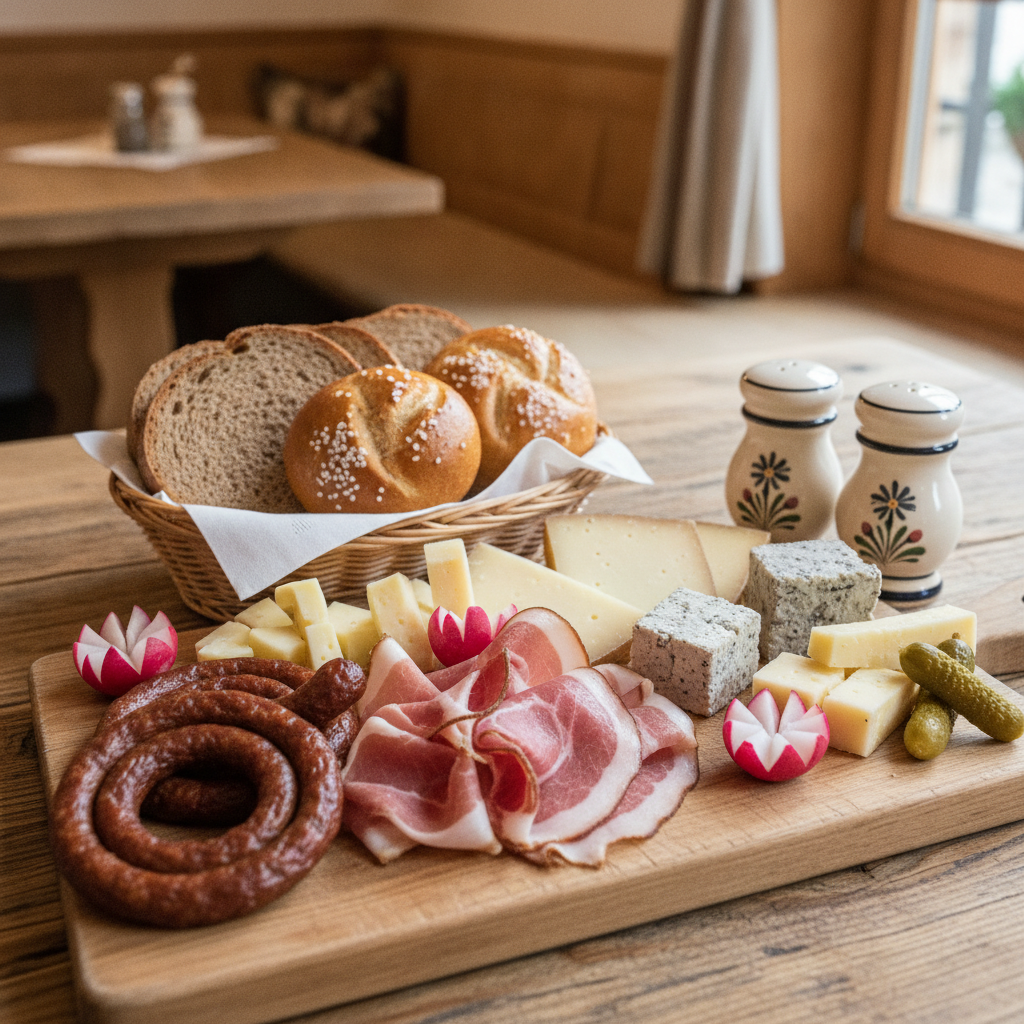
Innsbruck Food & Drink — Tyrolean Cuisine, Alpine Markets & the South Tyrol Wine Connection
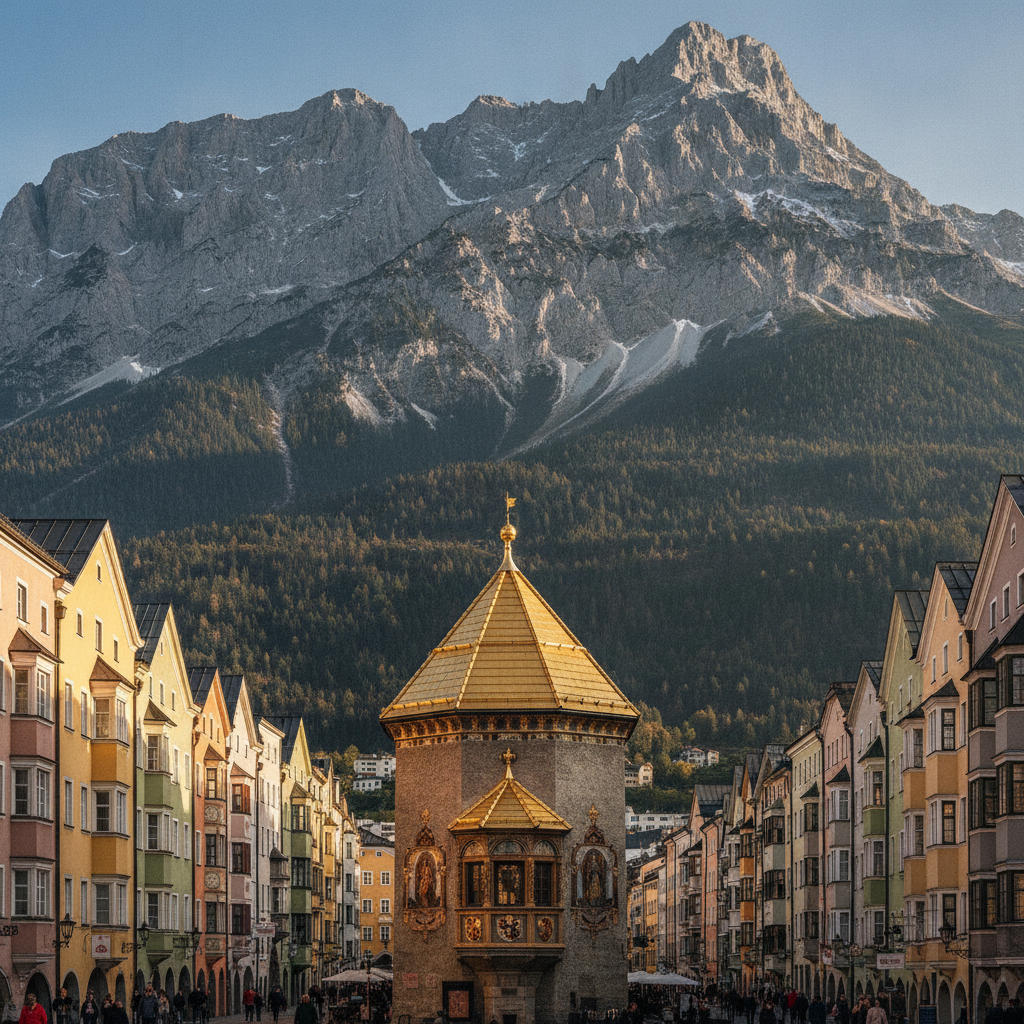
Innsbruck — the Golden Roof, the Nordkette Alps & the Tyrol's Imperial and Alpine Capital
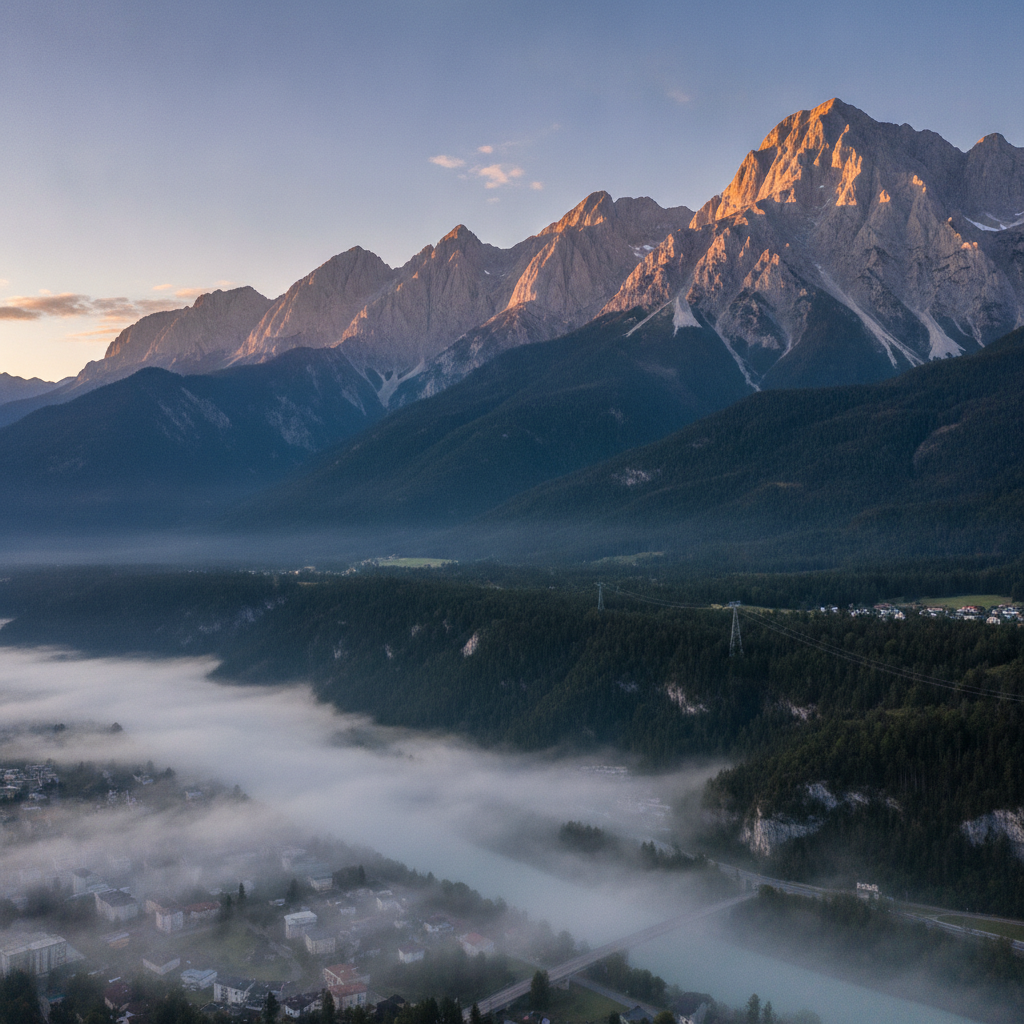
Innsbruck Day Trips — the Brenner Pass, South Tyrol, Bolzano & the Karwendel