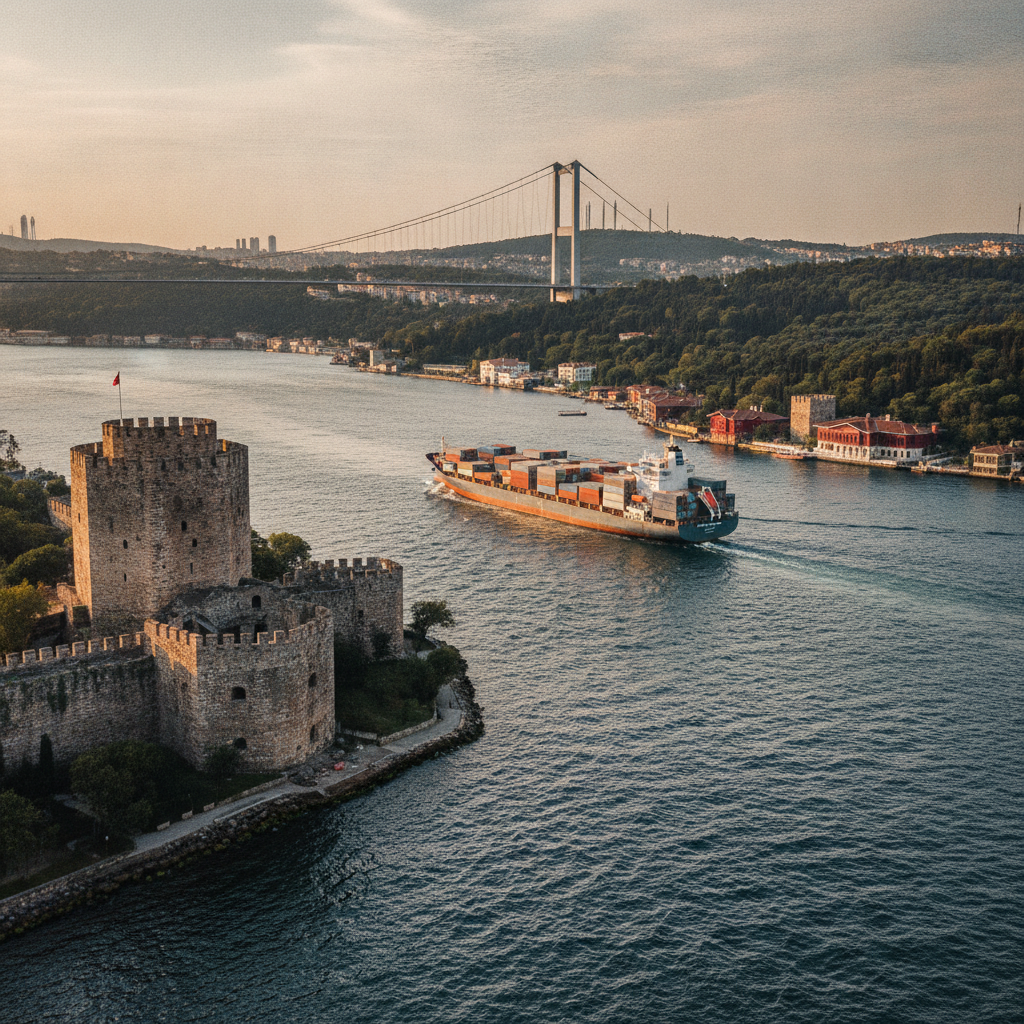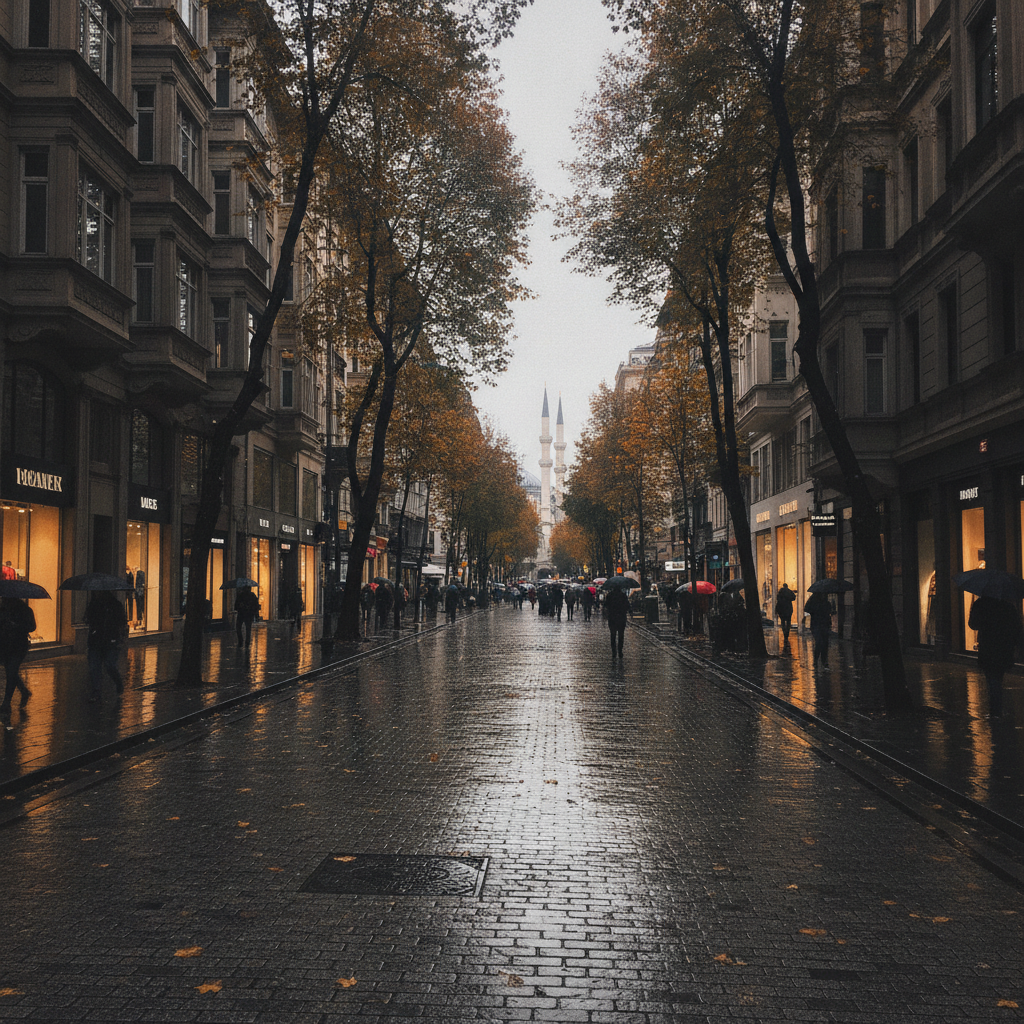
Beşiktaş, Nişantaşı and Yıldız: Istanbul's Affluent European Quarter
The Beşiktaş–Şişli corridor, stretching north from the Bosphorus shore at Beşiktaş through the hillside neighborhoods of Nişantaşı, Teşvikiye, and Yıldız, is the most architecturally European and socially affluent district of modern Istanbul: a landscape of early 20th-century Beaux-Arts and neo-Ottoman apartment buildings, international luxury retail (Nişantaşı is Istanbul's equivalent of the 7th arrondissement in Paris or Knightsbridge in London), independent galleries, upscale restaurants, and two palace complexes (Dolmabahçe and Çırağan, both on the Bosphorus waterfront) connected by the forested hillside of Yıldız Park. The district is where Istanbul's old-money Turkish bourgeoisie and the international business community live, work, and socialize.
- 1
Beşiktaş Waterfront — The Commuters' Istanbul
Beşiktaş, the neighborhood on the Bosphorus European shore between Kabataş (to the south) and Ortaköy (to the north), is the primary hub for the Bosphorus commuter ferry system and one of the most intensely busy neighborhood centers in Istanbul: a large central square (Beşiktaş Meydanı) surrounded by tea houses, street food vendors (simit sellers, chestnut roasters, wet hamburger — ıslak hamburger — stalls), minibus stops, and the Beşiktaş ferry terminal, through which approximately 50,000 passengers pass per day on the Kabataş–Bostancı and Beşiktaş–Kadıköy ferry lines. The neighborhood is also the home of Beşiktaş J.K., one of Turkey's three major football clubs (along with Galatasaray and Fenerbahçe), whose Vodafone Park stadium (capacity 42,000) opened in 2016 on the Bosphorus shore — a deliberately provocative siting that places the stadium within a few hundred meters of Dolmabahçe Palace.
- 2
Yıldız Palace Park — The Ottoman Imperial Forest
Yıldız Park (Yıldız Parkı), the 47-hectare forested hillside park immediately behind the Çırağan Palace on the Bosphorus shore, was the private garden and hunting ground of the Ottoman sultans from the 19th century and the location of the Yıldız Palace complex — a collection of pavilions, villas, theater buildings, and service buildings constructed by Sultan Abdülhamid II (reigned 1876–1909) who lived in the Yıldız Palace in almost permanent seclusion, rarely venturing beyond the palace grounds for the last 30 years of his reign. The largest of the palace buildings, the Şale Köşkü (Swiss Chalet-style villa, built 1889 for Kaiser Wilhelm II's state visit), is open to visitors. The park itself — maintained as a public park since the early Republic — is one of the few places in Istanbul where large areas of mature deciduous forest (primarily plane trees and chestnuts) survive within the city limits.
- 3
Nişantaşı — Istanbul's Fashion and Design District
Nişantaşı (literally: 'Marksmanship Stone' — from the Ottoman shooting range that occupied the area before the district was developed in the late 19th century), the residential and commercial neighborhood on the plateau above Beşiktaş and Teşvikiye, is Istanbul's most expensive residential and retail district: the streets around Abdi İpekçi Caddesi (named for the assassinated journalist and businessman) and the connected Teşvikiye Caddesi contain the Istanbul branches of Hermès, Louis Vuitton, Chanel, Gucci, Dior, and Prada alongside the showrooms of Turkish luxury fashion brands (Vakko, network, Silk & Cashmere). The neighborhood's residential streets are lined with turn-of-the-20th-century apartment buildings (many designed by Italian and French architects working in Istanbul) that now house the city's most expensive apartments.
- 4
Teşvikiye Mosque and the Abbasağa Park Markets
Teşvikiye Mosque (Teşvikiye Camii), the elegant Ottoman Baroque mosque at the center of the Teşvikiye neighborhood (built 1854, restored 1894 in the current form by court architect Nikoğos Balyan), is the primary place of worship for the Nişantaşı community and one of the most sophisticated examples of the Ottoman Baroque style: a style that developed in the 18th and 19th centuries as Ottoman architects absorbed European Baroque and Rococo influences, producing buildings that combine Ottoman structural systems (dome over square space) with European decorative vocabulary (curved facades, classical columns, ornamental window surrounds). The streets immediately south of the mosque (around Abbasağa Park) host a weekend organic food and vintage market that is the meeting point of the neighborhood's residential community.
- 5
Istanbul Modern — Art on the Bosphorus
Istanbul Modern, the primary contemporary art museum of Istanbul, is located in a purpose-built building on the Bosphorus waterfront at Karaköy (opened in the new building in 2023, designed by the Italian architect Renzo Piano), between the Galata Bridge and the cruise ship terminal. The museum's collection focuses on Turkish modern and contemporary art (the permanent collection covering Turkish painting and sculpture from the early 20th century to the present) alongside an international contemporary program of temporary exhibitions. The building's glass façade and terrace restaurant directly on the Bosphorus waterfront, with views of the Sultanahmet skyline across the water, make it one of the few places in Istanbul where you can simultaneously look at contemporary art and the view of Hagia Sophia and the Blue Mosque.
- 6
Akaretler Row Houses — The Ottoman Workers' Terrace
Akaretler (Water Suppliers' Row), the two long parallel terraces of 19th-century stone row houses on the hill behind the Beşiktaş waterfront (built between 1875 and 1883 as housing for palace workers employed at Dolmabahçe Palace), are an unusual survival in Istanbul: a complete intact Victorian terrace of approximately 100 attached stone houses in a city that has lost most of its 19th-century European-style residential architecture to apartment redevelopment. The terraces were converted in the 2000s into a boutique shopping and dining complex (W Istanbul hotel, design shops, restaurants), but the basic architectural form — the two long stone façades facing each other across a narrow lane — remains intact and provides the most legible example of Ottoman residential planning at an urban scale.
Walk this route with audio
Stories play automatically as you reach each stop — no tapping needed.
More in istanbul
Galata, Beyoğlu & İstiklal: Istanbul's European Soul
Sultanahmet: The Historic Heart of Istanbul
Princes' Islands: Istanbul's Car-Free Archipelago
Balat, Fener and the Golden Horn
Fatih and the Faith Mosque: Conservative Istanbul