Süleymaniye and the Ottoman Old City
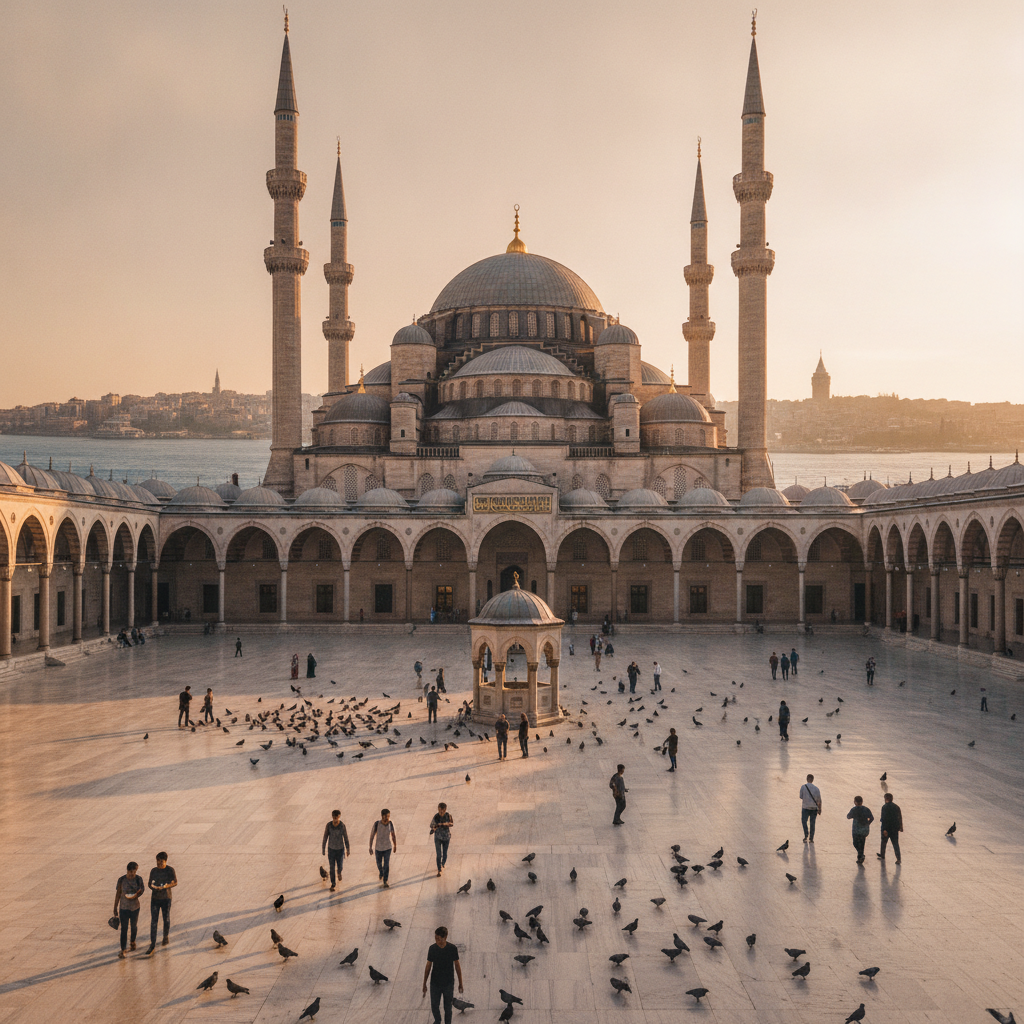
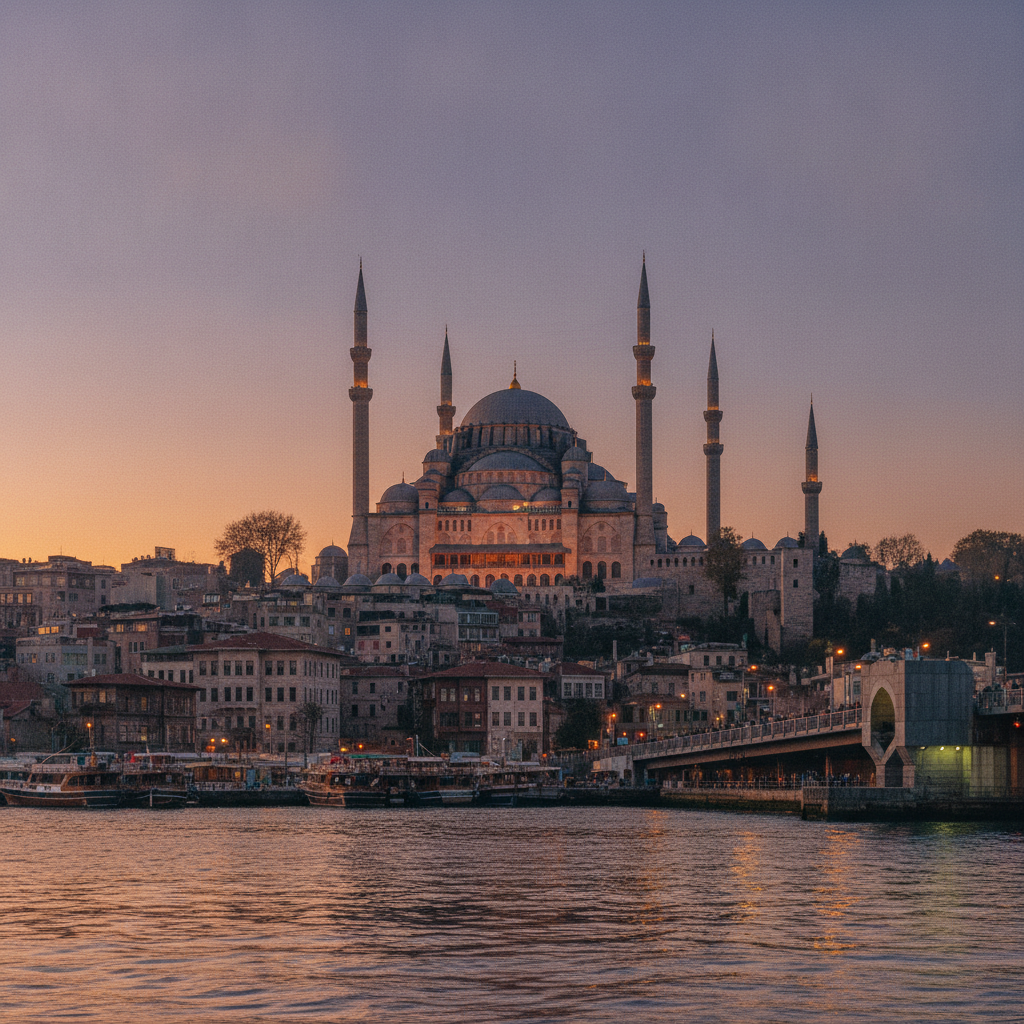
The Süleymaniye district, occupying the third and fourth hills of the historic peninsula immediately north and west of Sultanahmet, contains the densest concentration of Ottoman monumental architecture surviving anywhere in the world: the Süleymaniye Mosque complex (Mimar Sinan's masterwork, 1558), the Beyazıt Mosque (1506, the oldest surviving Ottoman imperial mosque in Istanbul), the Spice Market (Mısır Çarşısı, 1663), the Rüstem Pasha Mosque (1561, containing the finest Iznik tile interior in Istanbul), and the surrounding residential neighborhoods — Vefa, Zeyrek, Çarşamba — that retain the urban fabric of 16th and 17th-century Istanbul in their winding streets of wooden-framed Ottoman houses.
- 1
Süleymaniye Mosque — Sinan's Masterwork
The Süleymaniye Mosque (Süleymaniye Camii), built between 1550 and 1558 by the master Ottoman architect Mimar Sinan for Sultan Süleyman the Magnificent on the third hill of the historic peninsula, is widely considered the finest Ottoman mosque in Istanbul (if Hagia Sophia is excluded as a pre-Ottoman structure) and the building in which Sinan — who designed approximately 400 buildings across the Ottoman Empire during his 50-year career as imperial architect — most fully resolved the structural and aesthetic problems he had been working on throughout his career. The mosque's dome (26.5 meters in diameter, 53 meters high at the apex) is slightly smaller than Hagia Sophia's but structurally more sophisticated: Sinan eliminated the heavy intermediate piers that obstruct the interior of Hagia Sophia, creating a single unified interior space lit by 138 windows. The mosque complex (külliye) includes the mosque, four minarets (their different heights representing Süleyman as the 4th sultan after the Ottoman conquest of Istanbul), a medrese (theological school), a hospital, a caravanserai, a primary school, a soup kitchen (imaret), the tombs of Süleyman and his wife Hürrem Sultan (Roxelana), and a library — a complete urban institution.
- 2
Spice Market (Mısır Çarşısı) — The Egyptian Bazaar
The Spice Market (Mısır Çarşısı — Egyptian Market, so named because it was historically funded by the revenues from Egypt, then an Ottoman province), built in 1663 as part of the Yeni Cami (New Mosque) complex at Eminönü, is an L-shaped covered market containing 88 vaulted shops selling spices, herbs, Turkish delight (lokum), dried fruits, nuts, honey, cheese, and traditional Ottoman-era foods and remedies. Unlike the Grand Bazaar, the Spice Market has retained its commercial specialization — it remains primarily a food market, and its arched interior (currently being restored) is filled with the smell of the spices displayed in open sacks at each shopfront: saffron, turmeric, sumac, za'atar, dried rose petals, the Turkish pepper paste (biber salçası), and the distinctive 'Egyptian spice mix' (baharat) that gives the market its tourist name. The market's exterior is surrounded by an open-air extension — the streets around Eminönü are lined with vendors selling fresh produce, fish, bread, and street food to the commuters passing through the Eminönü ferry terminal.
- 3
Grand Bazaar — Detail: The Inner Bedesten
The Iç Bedesten (Inner Covered Market), the oldest section of the Grand Bazaar and the building around which the larger bazaar grew, is a small vaulted structure of 15 domes dating to the 1460s (immediately after Mehmed II's conquest) that was the original Byzantine cloth market, converted by the Ottomans into a market for luxury goods. The Bedesten has always been the bazaar's most exclusive section, dealing in antiques, jewelry, and high-value goods, and today contains the Grand Bazaar's most reputable antique dealers: sellers of Ottoman silver, Byzantine coins, Anatolian carpets, calligraphy manuscripts, and Ottoman-era miniature paintings. The Bedesten is also architecturally the most interesting part of the bazaar: its Byzantine stone construction, visible in the masonry and the Byzantine eagle reliefs above the entrance gates, is the oldest standing non-religious structure in Istanbul.
- 4
Rüstem Pasha Mosque — The Tile Jewel of Eminönü
Rüstem Pasha Mosque (Rüstem Paşa Camii), built in 1561 by Mimar Sinan for the Grand Vizier Rüstem Pasha (son-in-law of Süleyman the Magnificent) on a platform above the Spice Market in the Tahtakale district, is a small mosque with the most spectacular Iznik tile interior of any mosque in Istanbul: the mosque's interior surfaces (walls, columns, arches, gallery railings, and the mihrab) are covered floor-to-ceiling with approximately 80 distinct Iznik tile panels in the classic 16th-century palette of cobalt blue, turquoise, sage green, coral red, and white, depicting tulips, carnations, hyacinths, saz leaves, and arabesques. The mosque is hidden from street level (accessed by stairs from a narrow courtyard that opens from a passageway in the market street below) — the discovery of the tiled interior after climbing the stairs is one of the great architectural surprises of Istanbul.
- 5
Beyazıt Square and the Book Market
Beyazıt Square (Beyazıt Meydanı), the large open square between the Grand Bazaar and Istanbul University, containing the Beyazıt Mosque (built 1501–1506 by Sultan Beyazıt II, the oldest surviving Ottoman imperial mosque in Istanbul, with a dome directly influenced by Hagia Sophia), is also the location of the Sahaflar Çarşısı (Second-Hand Book Market): a small covered courtyard of bookshops immediately beside the square, operating continuously as a book market since the Byzantine period (and after the Ottoman conquest, one of the primary markets for books brought from the Islamic world). The Sahaflar today sells second-hand academic books in Turkish (reflecting the market's proximity to Istanbul University), Ottoman-script manuscripts, old maps, reproductions of Ottoman miniatures, and illustrated works on Ottoman and Byzantine history — a specialized and uncrowded market corner that rewards careful browsing.
- 6
Zeyrek and the Byzantine Pantocrator Monastery
Zeyrek, the steep hillside neighborhood between Süleymaniye and the Atatürk Bridge, is the best-preserved Byzantine residential neighborhood in Istanbul: a labyrinth of cobbled streets of 16th and 17th-century Ottoman timber-frame houses built on Byzantine foundations, several streets of which are UNESCO-listed and essentially unchanged from the Ottoman period. At the center of Zeyrek is the Zeyrek Mosque (Zeyrek Camii) — the former Pantocrator Monastery Church Complex (Pantokrator Manastırı), built by Byzantine Emperor John II Komnenos in 1136, one of the finest surviving examples of Byzantine architecture in Istanbul after Hagia Sophia. The church-mosque complex (currently closed for restoration) consisted of three interconnected churches and was, under the Byzantines, one of the most important monasteries in Constantinople, housing the imperial mausolea of the Komnenian dynasty.
Walk this route with audio
Stories play automatically as you reach each stop — no tapping needed.
More in istanbul
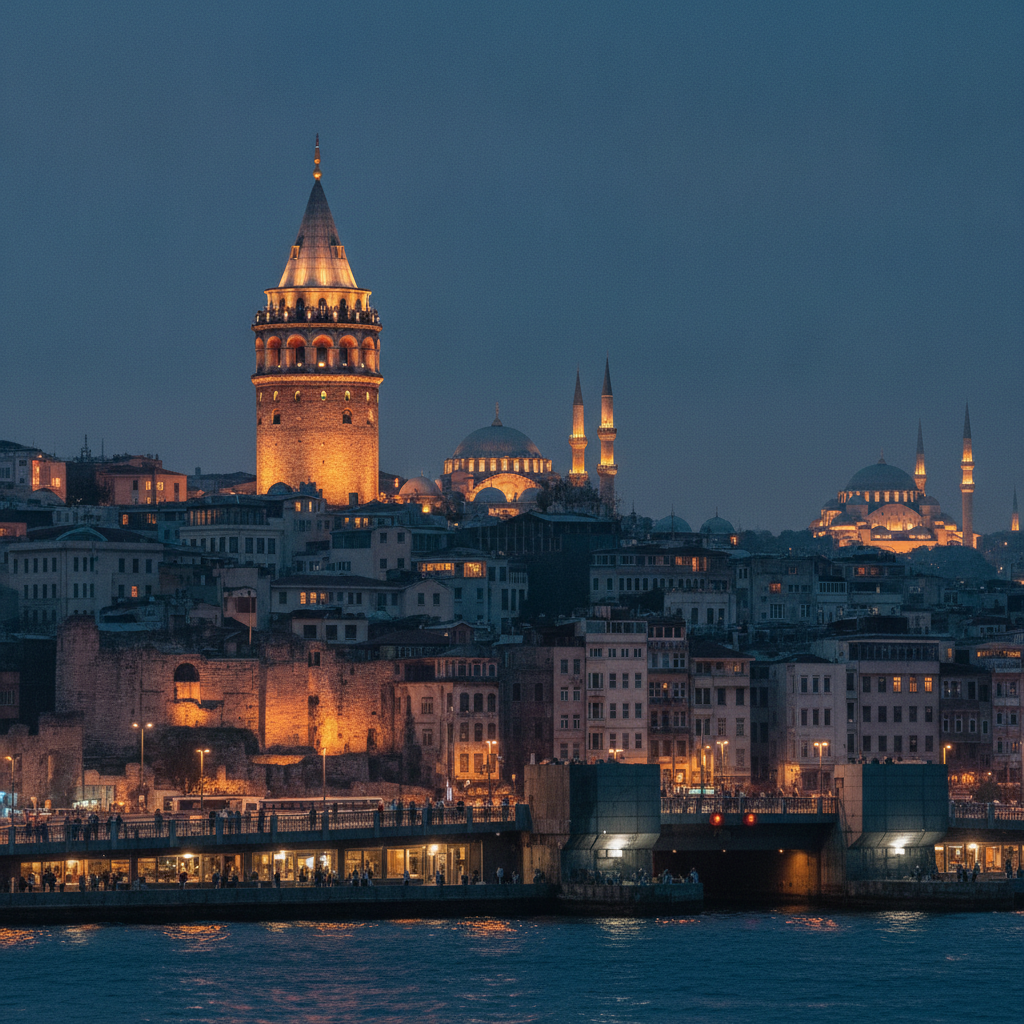
Galata, Beyoğlu & İstiklal: Istanbul's European Soul
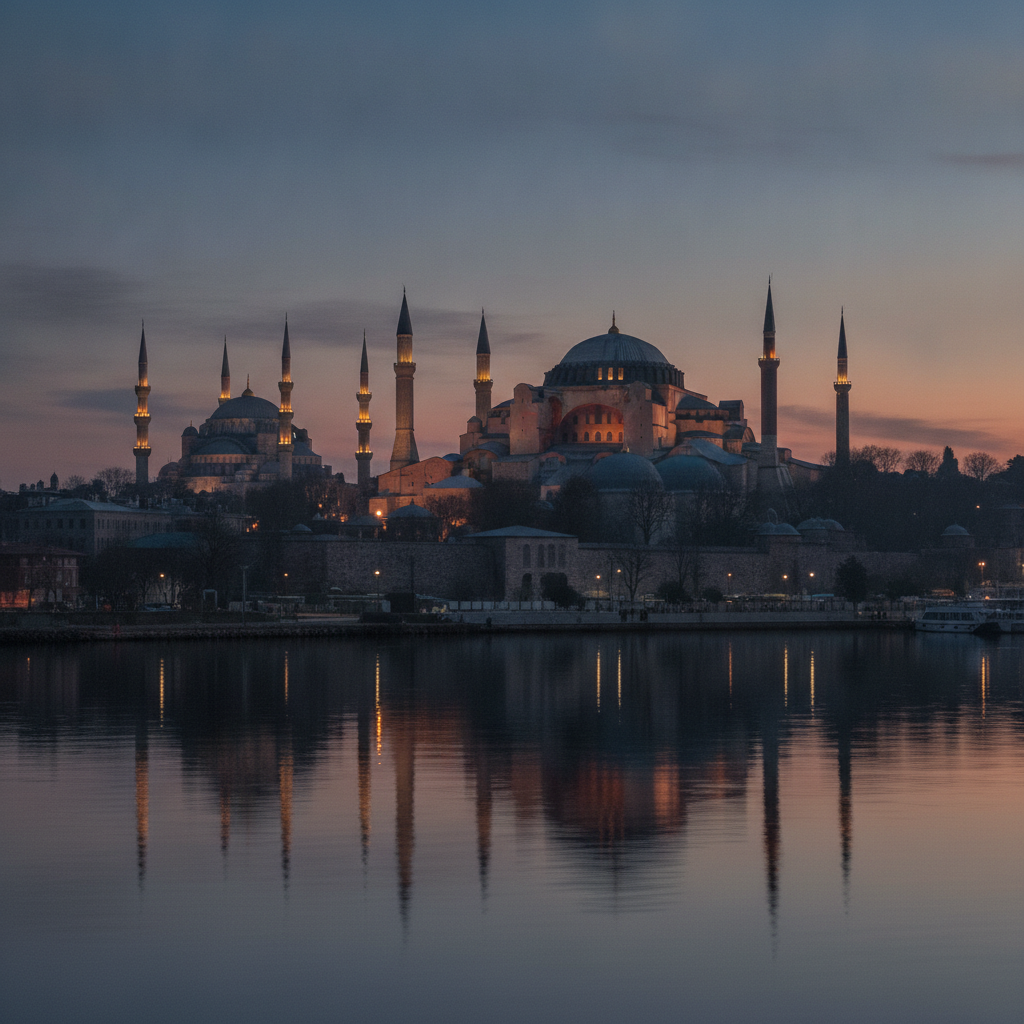
Sultanahmet: The Historic Heart of Istanbul
Beşiktaş, Nişantaşı and Yıldız: Istanbul's Affluent European Quarter
Princes' Islands: Istanbul's Car-Free Archipelago
Balat, Fener and the Golden Horn