Jerusalem Depth: 3,000 Years of History, the 1967 War & the Western Wall Tunnels
Understand Jerusalem's extraordinary density—3,000 years of history in six chapters from King David to Israeli statehood, the 1967 Six-Day War's capture of the Old City and the 48-hour demolition of the Moroccan Quarter for the Western Wall plaza, the underground Western Wall tunnels revealing the 570-tonne Western Stone, and the Hall of Names in Yad Vashem where 600 photographs represent 6 million murdered.
- 1
Jerusalem's 3,000-Year History in Six Chapters
Jerusalem's history: (1) Bronze Age Jebusite city, conquered by King David c. 1000 BC; (2) Solomon's First Temple (957 BC) and destruction by Babylon (586 BC); (3) Second Temple period (516 BC–70 AD), including Herod's massive expansion and Roman destruction; (4) Byzantine Jerusalem (324–638 AD), including Constantine's church-building programme; (5) Islamic Jerusalem (638–1099, then 1187–1917), including the Dome of the Rock (691 AD); (6) Crusader Kingdom (1099–1187), modern Ottoman and British rule, and Israeli statehood from 1948.
- 2
The 1967 Six-Day War & Its Consequences
Israel's capture of East Jerusalem, the West Bank, Gaza, Sinai, and Golan Heights in the Six-Day War (June 5–10, 1967) remains the defining event of the contemporary Israeli-Palestinian conflict. The capture of the Old City—including the Western Wall and Temple Mount—was experienced by Israelis as a historic restoration; for Palestinians it was the beginning of occupation. The Moroccan Quarter adjacent to the Western Wall was demolished within 48 hours of the Israeli capture to create the current Western Wall plaza.
- 3
The Armenian Genocide Memorial & Shared Memory
The Armenian Cathedral complex in the Armenian Quarter contains one of the few memorials to the Armenian Genocide (1915) in the Middle East—documenting the deportation and murder of 1–1.5 million Armenians under the Ottoman Empire. The Armenian community of Jerusalem has maintained continuous presence since at least the 5th century; the community's small size (approximately 2,000 people) belies its extraordinary historical depth and its role in preserving pre-modern Christian Jerusalem.
- 4
Jerusalem's Archaeological Layers
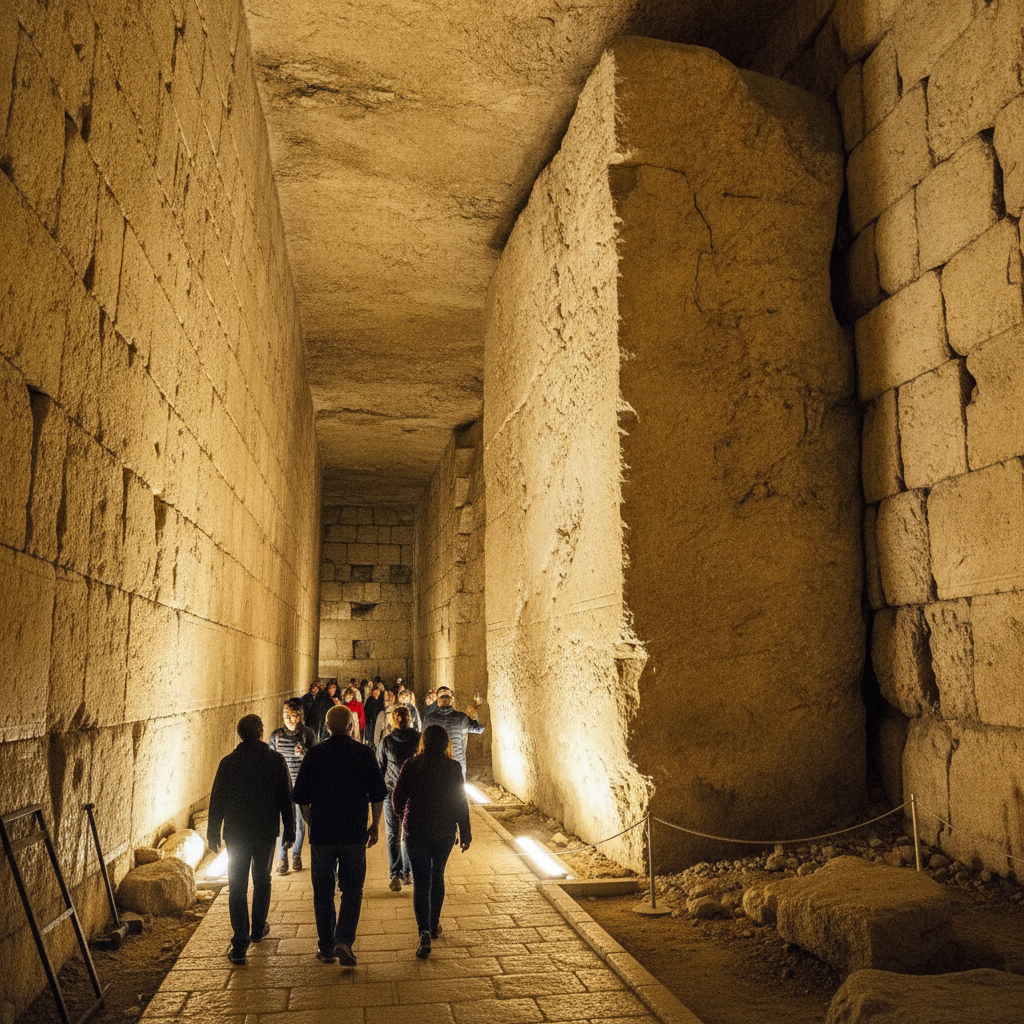
Jerusalem is built on itself—every excavation reveals multiple civilisations. The Western Wall tunnels (guided tours, advance booking required) reveal 500 metres of the Western Wall buried under the Muslim Quarter—the largest exposed section, including the Western Stone (the world's largest ancient building stone, weighing 570 tonnes). Warren's Shaft (City of David) descends to a Bronze Age water system; the Jerusalem Archaeological Park beneath the Old City walls reveals Byzantine and Herodian-era structures at street level.
- 5
Yad Vashem in Depth – Six Million Names
Yad Vashem's Hall of Names—a 10-metre high circular tower containing 600 photographs and fragments of testimony from Holocaust victims, with a pool reflecting the sky below—is the emotional culmination of the museum visit. The museum's database of 4.8 million Holocaust victim names (of 6 million killed) is the world's most comprehensive genocide documentation project. The Avenue of the Righteous Among the Nations (1,500 trees planted for non-Jews who saved Jews) is a moving counterpoint to the main museum narrative.
- 6
Modern West Jerusalem – A Living City Beyond the Old City
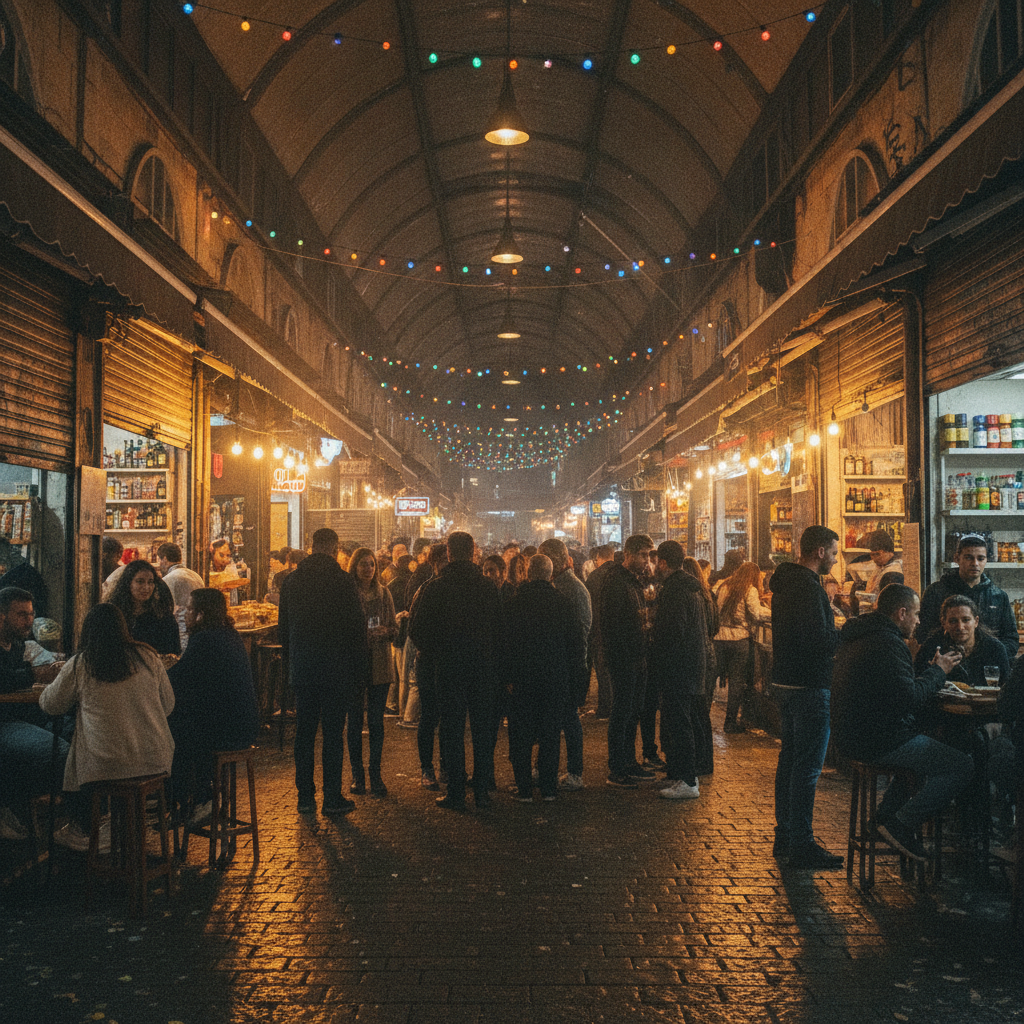
West Jerusalem beyond the tourist circuit is a working Israeli city of 500,000—the Mahane Yehuda market, the Ben Yehuda pedestrian street, the Mamilla open-air mall adjacent to Jaffa Gate, and the emerging Talpiot industrial district's restaurant scene. The Hebrew University (on Mount Scopus) is a world-class research institution whose campus offers the best panoramic view of the Old City from the Israeli side. The Jerusalem Theatre and the Israel Museum's concert programme make the city a serious cultural destination beyond its pilgrimage identity.
Walk this route with audio
Stories play automatically as you reach each stop — no tapping needed.
More in Jerusalem
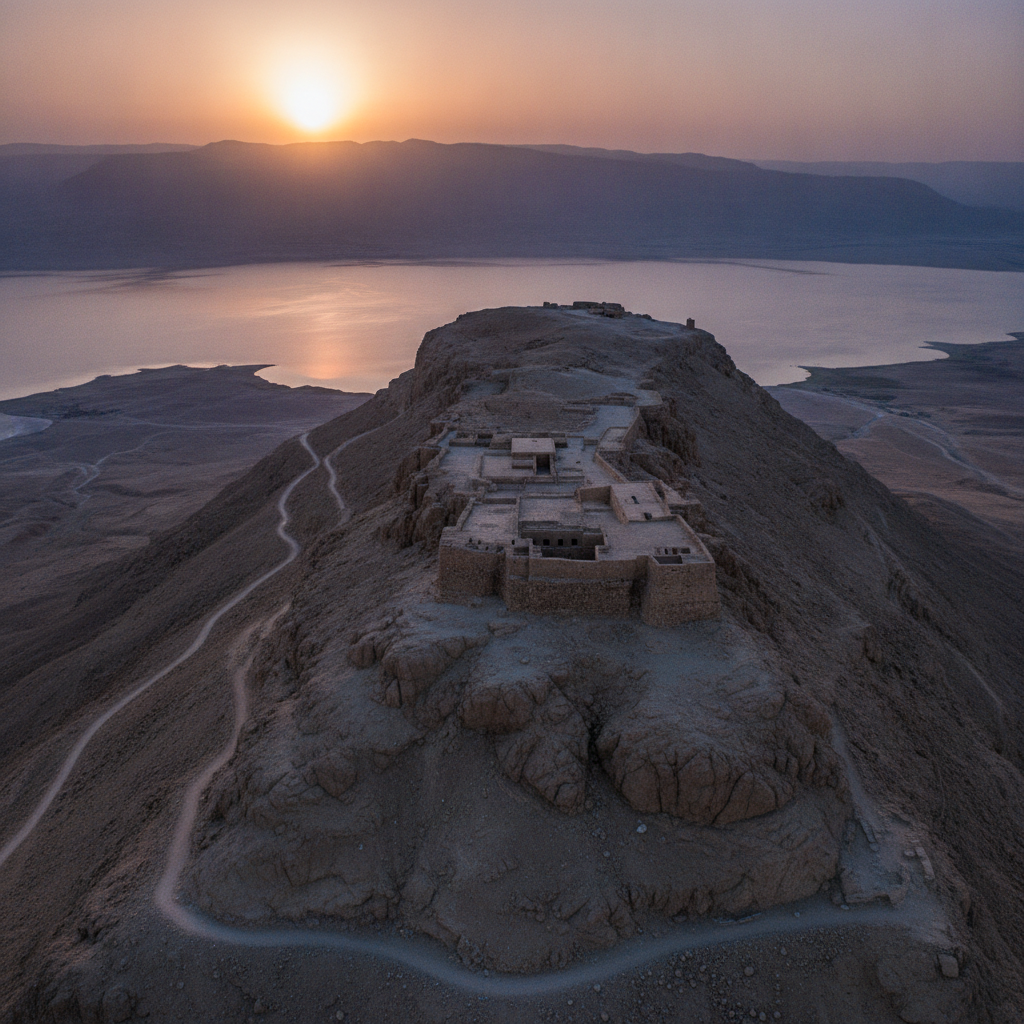
Jerusalem Day Trips: Masada's Siege, the Dead Sea's Salt Flats & Bethlehem's Nativity
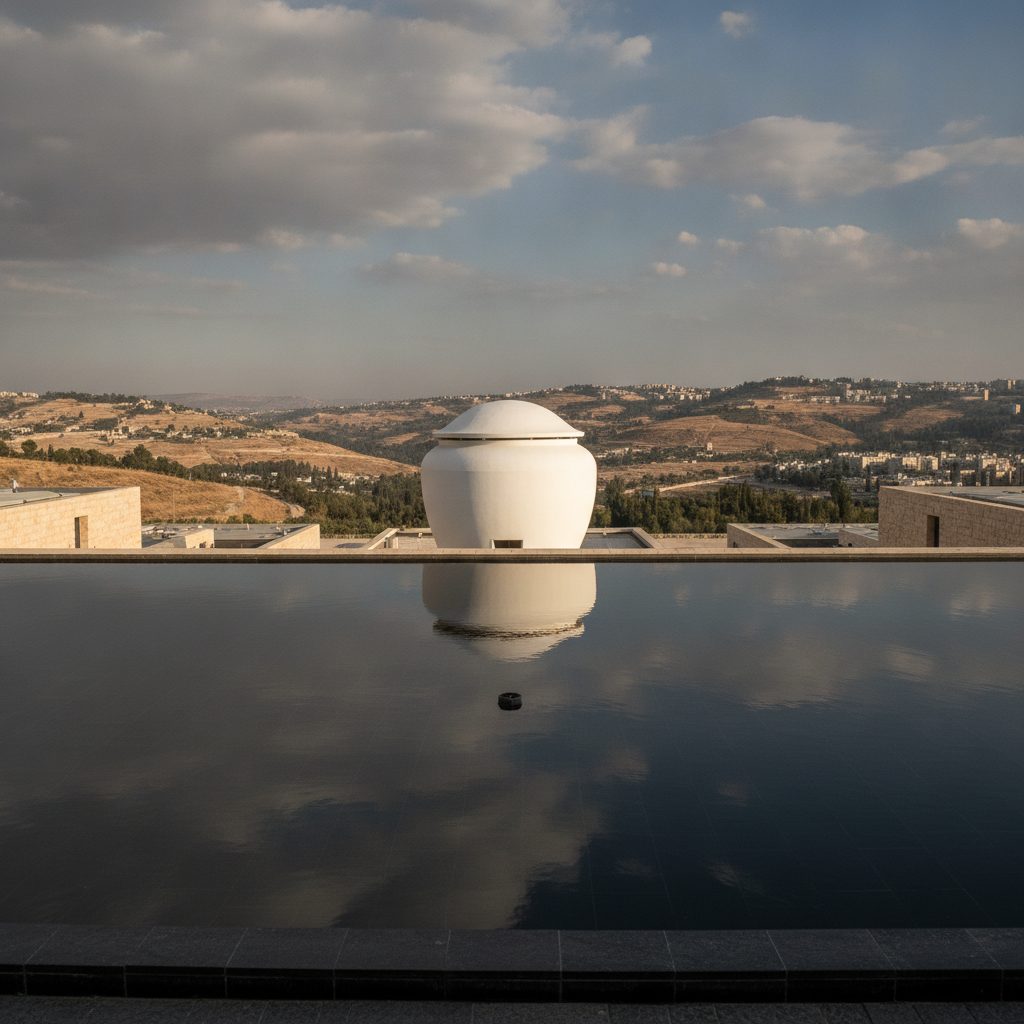
Jerusalem Beyond the Old City: Yad Vashem, Dead Sea Scrolls & the Living Shuk
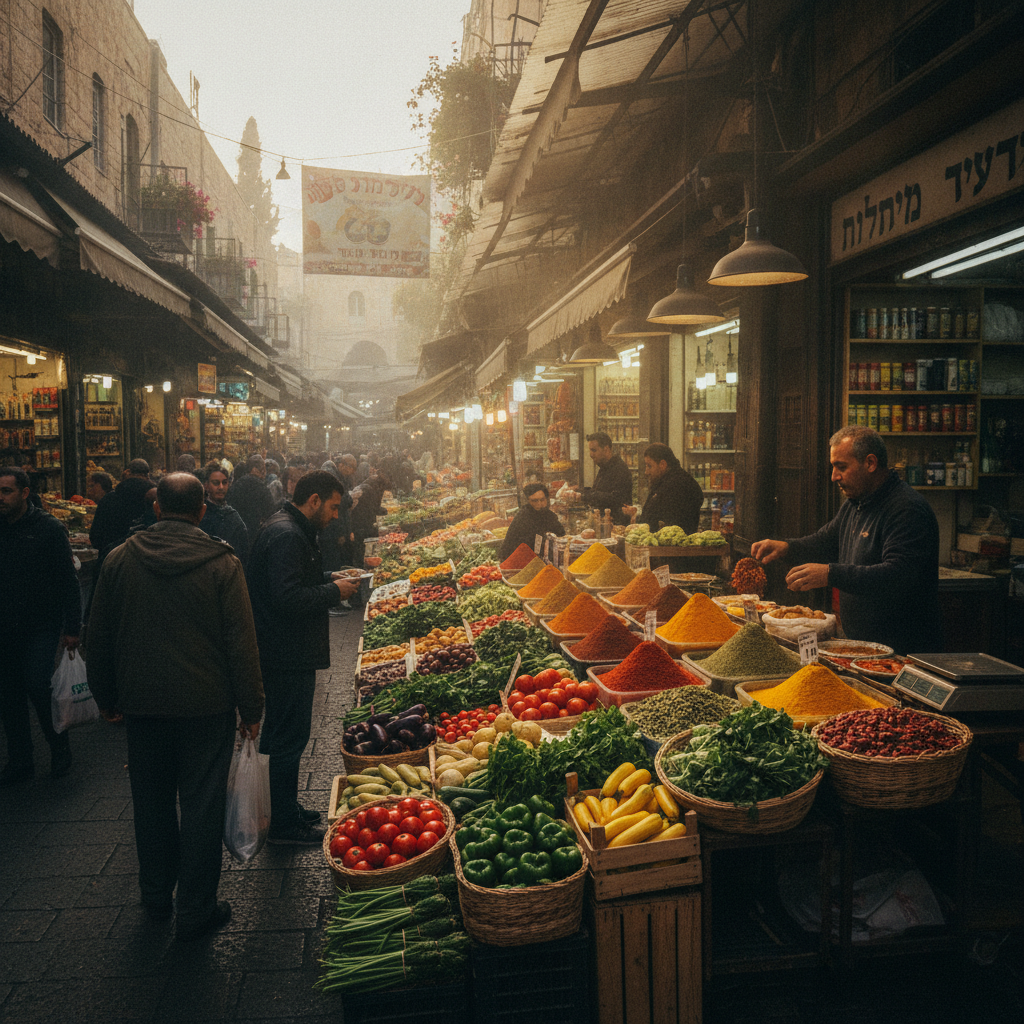
Jerusalem Food: The Mahane Yehuda Market, the Israeli Street Food, the Hummus Tradition, and the Most Culinarily Dynamic Single Israeli City
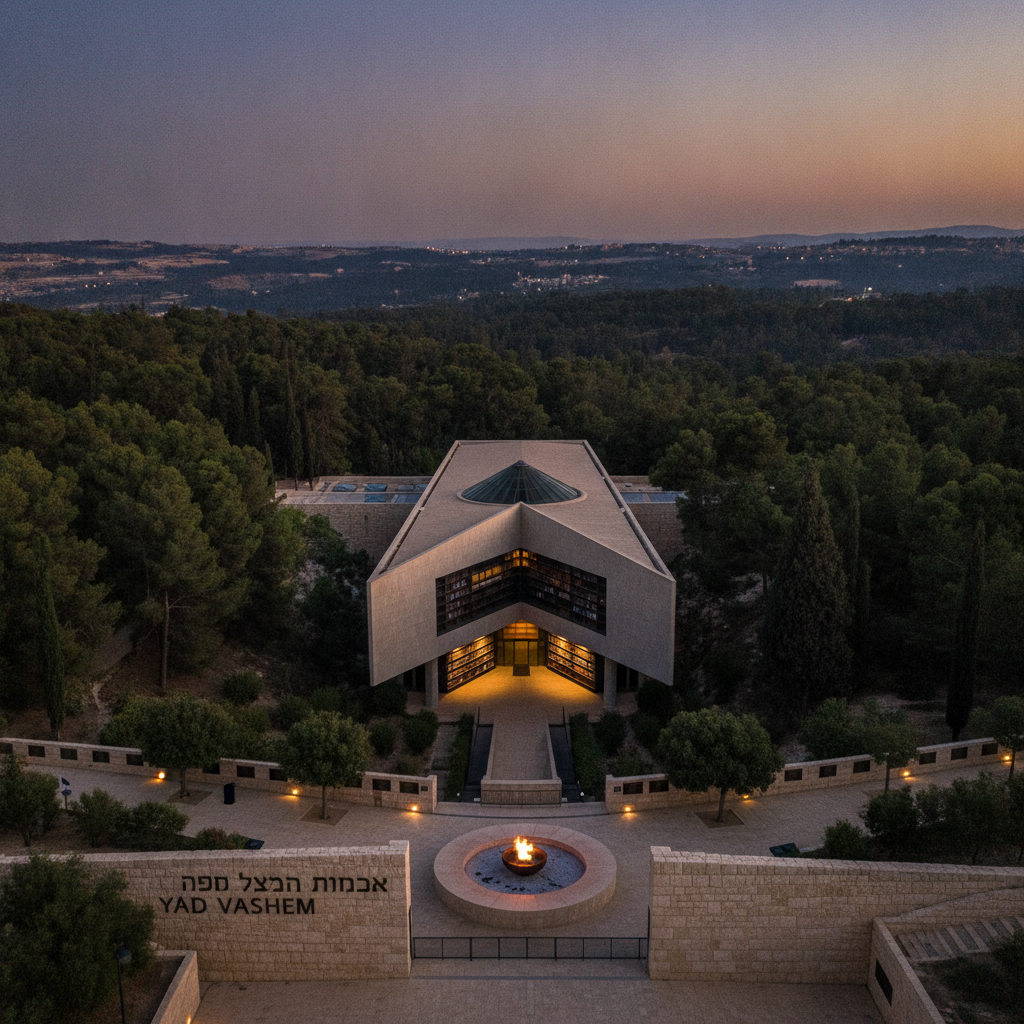
Jerusalem Memory: Yad Vashem Holocaust Museum, the Israel Museum Dead Sea Scrolls, Mount Herzl, and the Most Historically Layered Single City Memory
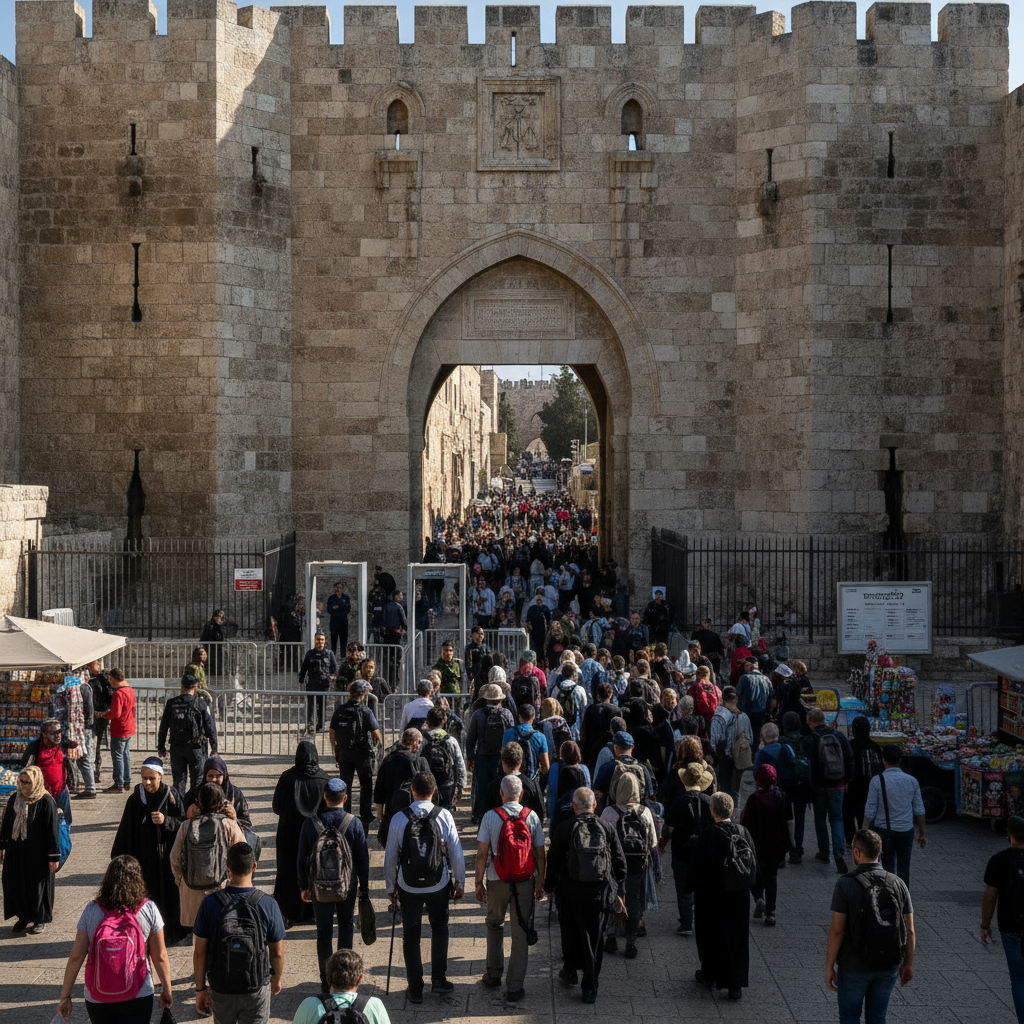
Jerusalem Practical: The Security Considerations, the Old City Accommodation, the Crossing Options, the Optimal Timing, and the Jerusalem Visitor Framework