Jerusalem's Old City: Temple Mount, the Western Wall & the Holy Sepulchre
Enter the world's most sacred square kilometre—the Dome of the Rock's golden dome above Islam's third-holiest site, Judaism's Western Wall where prayers are inserted into 2,000-year-old stones, the Church of the Holy Sepulchre administered by six Christian denominations under an 1757 territorial agreement, and the Via Dolorosa's Friday Franciscan procession.
- 1
The Old City & the Four Quarters
Jerusalem's Old City—a 0.9 km² walled area enclosed by Suleiman the Magnificent's Ottoman walls (1538–1541)—is divided into four quarters: Jewish, Muslim, Christian, and Armenian. The Old City is UNESCO World Heritage (listed 1981 'in danger') and contains more sacred sites per square metre than anywhere on earth. The Jaffa Gate is the main entry point from West Jerusalem; the Damascus Gate (Bab al-Amud) is the most architecturally spectacular entrance from the north.
- 2
Temple Mount / Haram al-Sharif
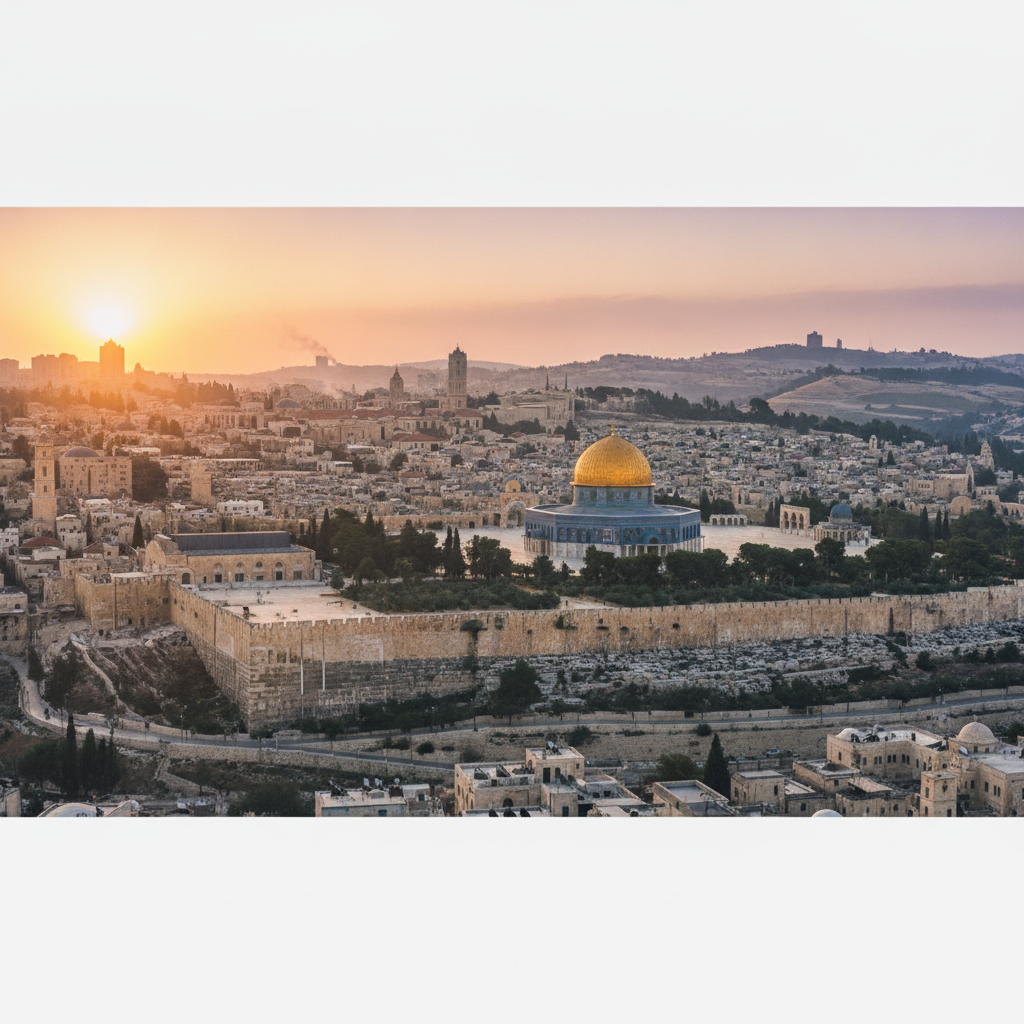
Temple Mount (Har HaBayit)—known to Muslims as Haram al-Sharif (the Noble Sanctuary)—is the most contested religious site on earth. The raised platform contains the Dome of the Rock (691 AD, one of the oldest surviving Islamic buildings), the Al-Aqsa Mosque (705 AD), and the site of the First and Second Jewish Temples. Non-Muslim access is restricted to mornings on weekdays; the Dome of the Rock interior is closed to non-Muslims. The golden dome is the defining image of Jerusalem's skyline.
- 3
The Western Wall – Judaism's Holiest Accessible Site
The Western Wall (HaKotel HaMa'aravi)—a surviving retaining wall of the Second Temple platform, destroyed by the Romans in 70 AD—is Judaism's holiest accessible site and one of the world's most emotionally charged destinations. The wall plaza operates 24 hours; worshippers pray continuously, inserting written prayers into the wall's cracks. Bar and bat mitzvahs are held at the wall daily. Access is free; men must cover their heads (kippot provided). The wall's plaza was cleared of the Moroccan Quarter in 1967 after Israeli capture of the Old City.
- 4
Church of the Holy Sepulchre
The Church of the Holy Sepulchre—built over the site of Christ's crucifixion, burial, and resurrection as identified by Emperor Constantine in 325 AD—is Christianity's most sacred site. The church is administered by six Christian denominations (Greek Orthodox, Roman Catholic, Armenian, Coptic, Ethiopian, Syrian) under a Status Quo agreement dating to 1757 that defines each community's precise territorial rights. The church's complex interior contains the Calvary chapel, Christ's tomb (Edicule), and the Stone of Unction.
- 5
Via Dolorosa – The Stations of the Cross
The Via Dolorosa (Latin: Way of Grief)—the route Jesus walked from Pilate's Judgement Hall to Calvary—winds through the Muslim and Christian quarters of the Old City. The 14 Stations of the Cross are marked along the route; the first 9 are outdoor shrines in the streets, the final 5 are within the Church of the Holy Sepulchre. The Franciscan procession every Friday at 3 pm follows the full route—the most authentic and moving way to experience the Via Dolorosa.
- 6
The Muslim Quarter & the Souk
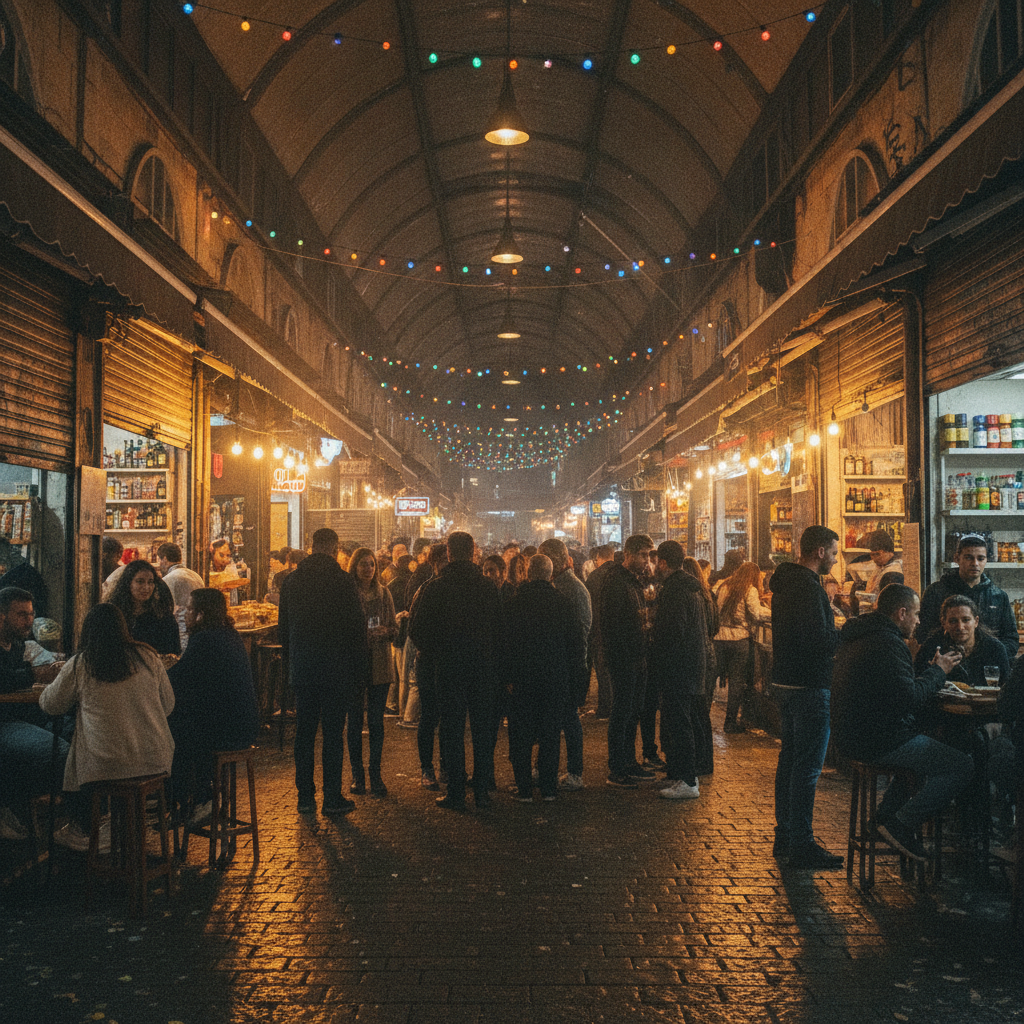
The Muslim Quarter—the largest of the four—contains Jerusalem's main souk (market): the covered David Street and Christian Quarter Road bazaars, and the spice and food market at the Damascus Gate. The souk sells everything from Palestinian embroidery and Hebron glass to cheap electronics and plastic icons; serious shopping requires time and haggling. The Muslim Quarter's streets are the most densely inhabited of the Old City—a living neighbourhood of 27,000 people overlaid on 3,000 years of history.
Walk this route with audio
Stories play automatically as you reach each stop — no tapping needed.
More in Jerusalem
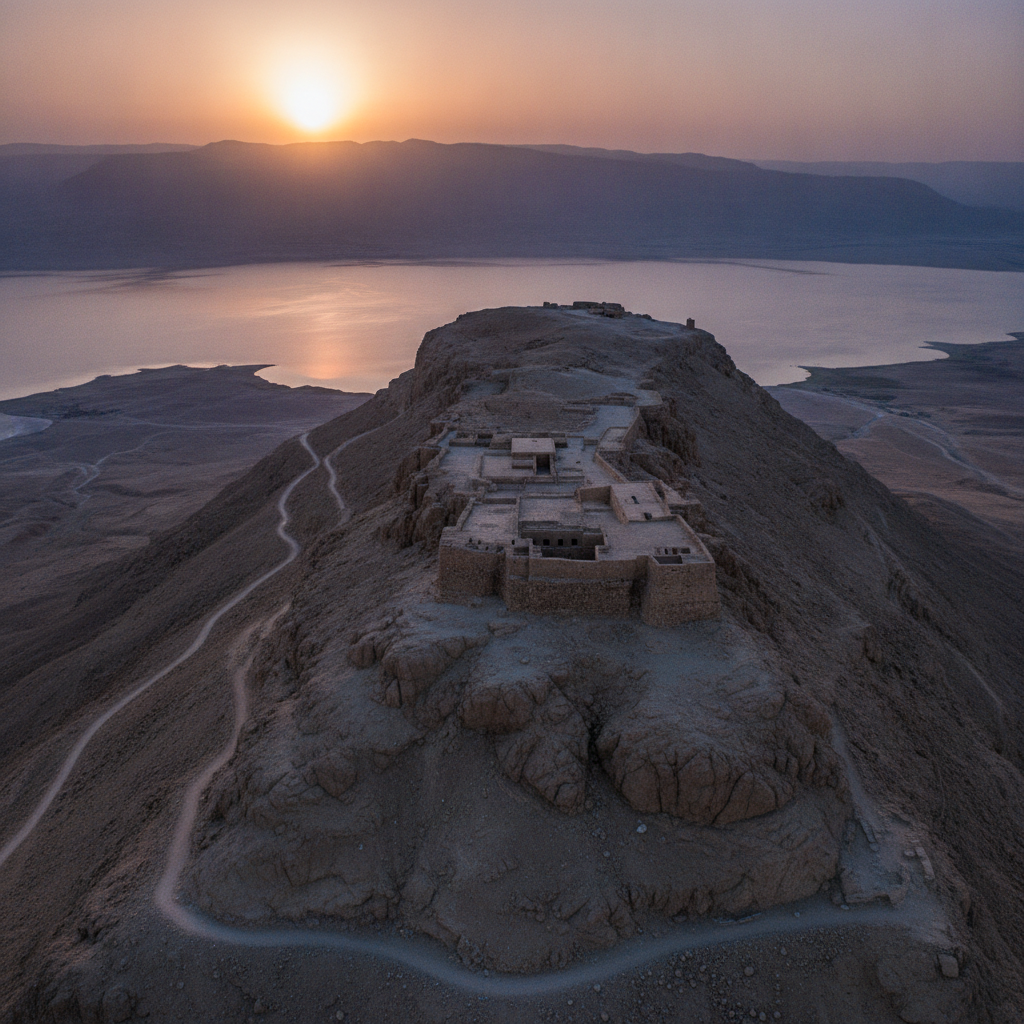
Jerusalem Day Trips: Masada's Siege, the Dead Sea's Salt Flats & Bethlehem's Nativity
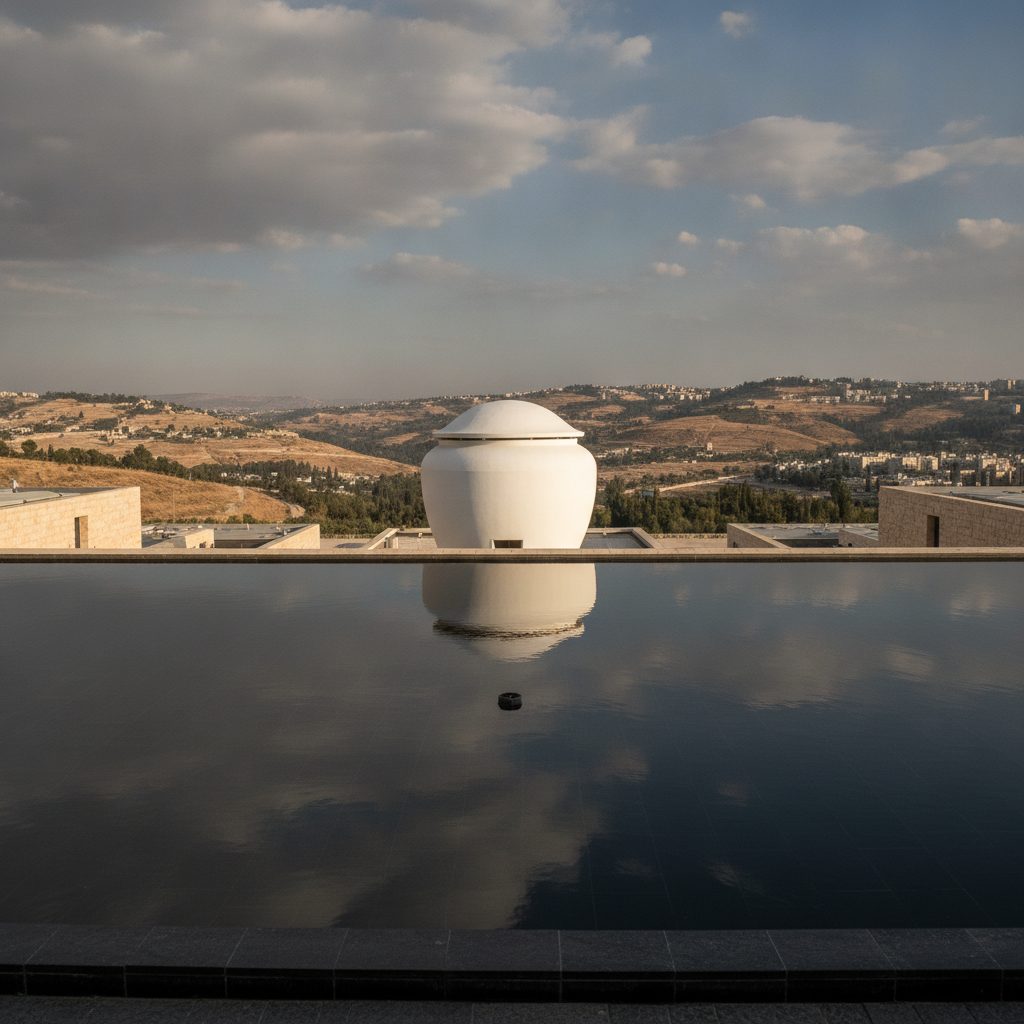
Jerusalem Beyond the Old City: Yad Vashem, Dead Sea Scrolls & the Living Shuk
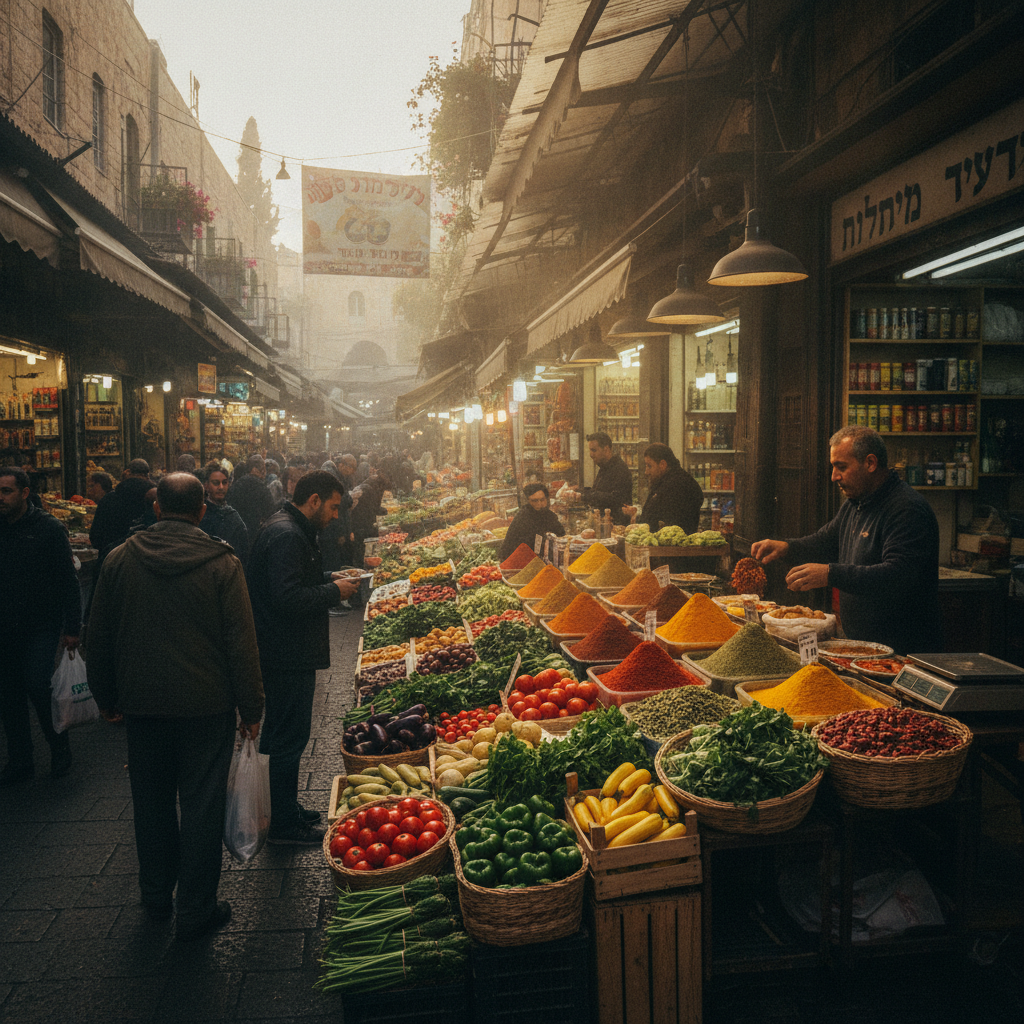
Jerusalem Food: The Mahane Yehuda Market, the Israeli Street Food, the Hummus Tradition, and the Most Culinarily Dynamic Single Israeli City
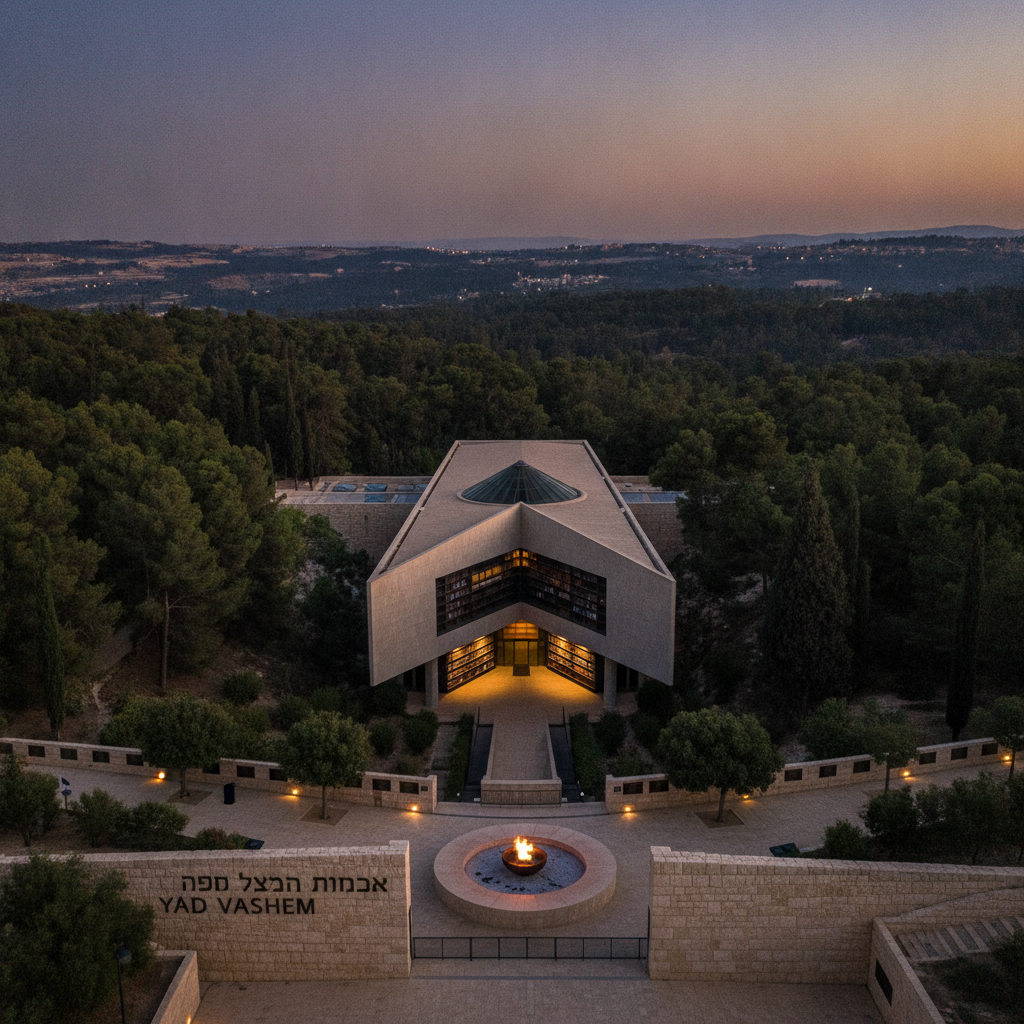
Jerusalem Memory: Yad Vashem Holocaust Museum, the Israel Museum Dead Sea Scrolls, Mount Herzl, and the Most Historically Layered Single City Memory
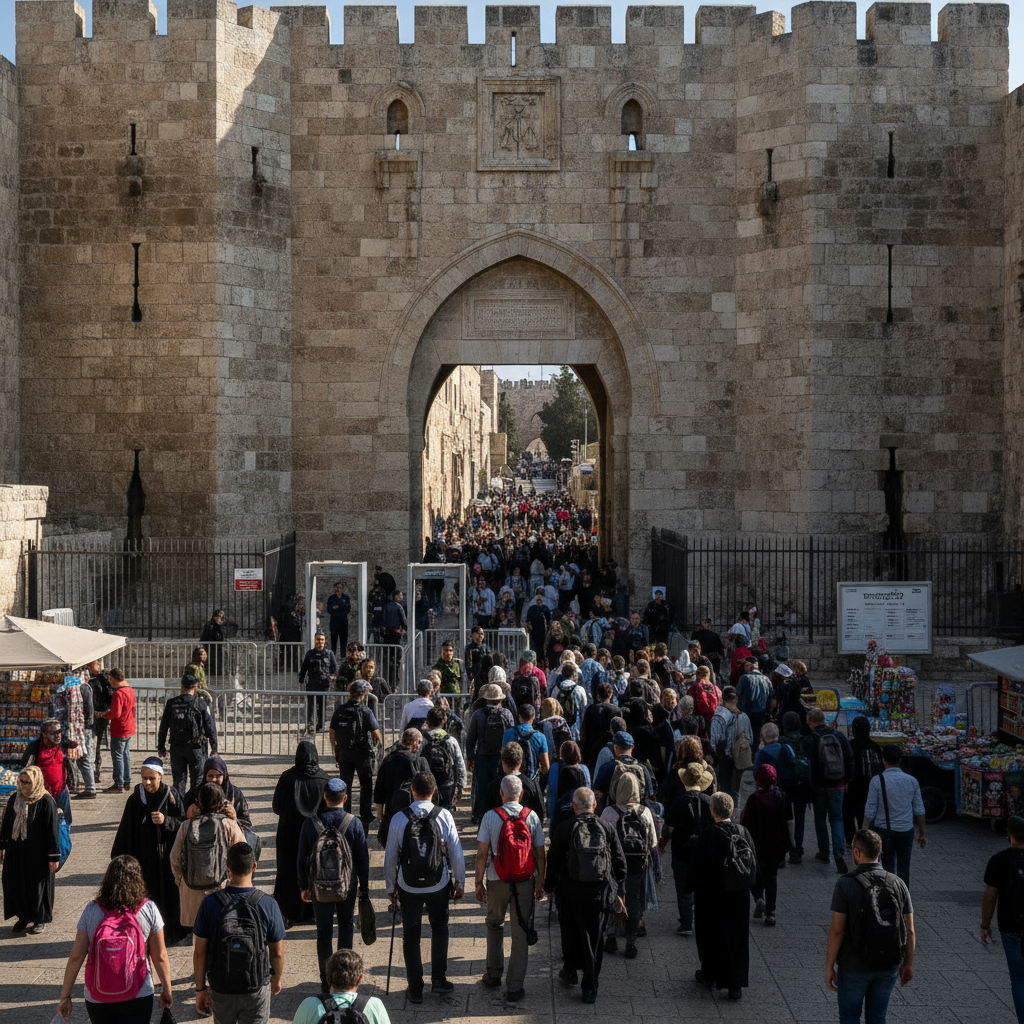
Jerusalem Practical: The Security Considerations, the Old City Accommodation, the Crossing Options, the Optimal Timing, and the Jerusalem Visitor Framework