Jerusalem Beyond the Old City: Yad Vashem, Dead Sea Scrolls & the Living Shuk
Explore Jerusalem's full depth—Yad Vashem's Children's Memorial where 1.5 million candle reflections represent 1.5 million murdered children, the Dead Sea Scrolls in the Israel Museum (the oldest biblical manuscripts, from 3rd century BC), wading Hezekiah's 701 BC water tunnel through solid bedrock, and the Mahane Yehuda market that turns into a bar district after dark.
- 1
Yad Vashem – Israel's Holocaust Memorial
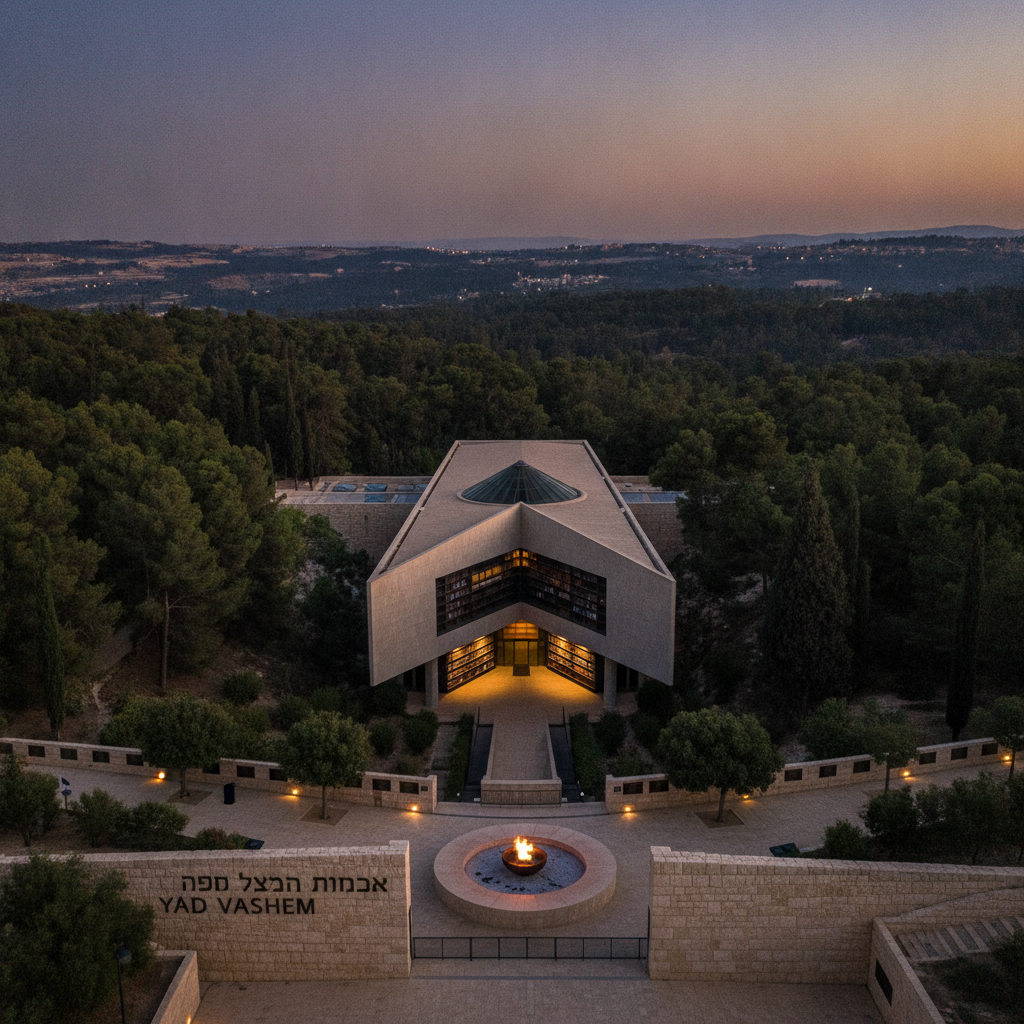
Yad Vashem—Israel's official Holocaust memorial and museum on Mount Herzl in West Jerusalem—is the world's most comprehensive Holocaust museum and memorial complex. The main museum (designed by Moshe Safdie, opened 2005) follows a chronological, narrative approach through 10 galleries in a triangular prism piercing the mountain. The Children's Memorial (architect Moshe Safdie), a dark underground space where 1.5 million candle reflections represent the 1.5 million children killed, is the most emotionally devastating space in any museum anywhere.
- 2
Israel Museum & the Dead Sea Scrolls
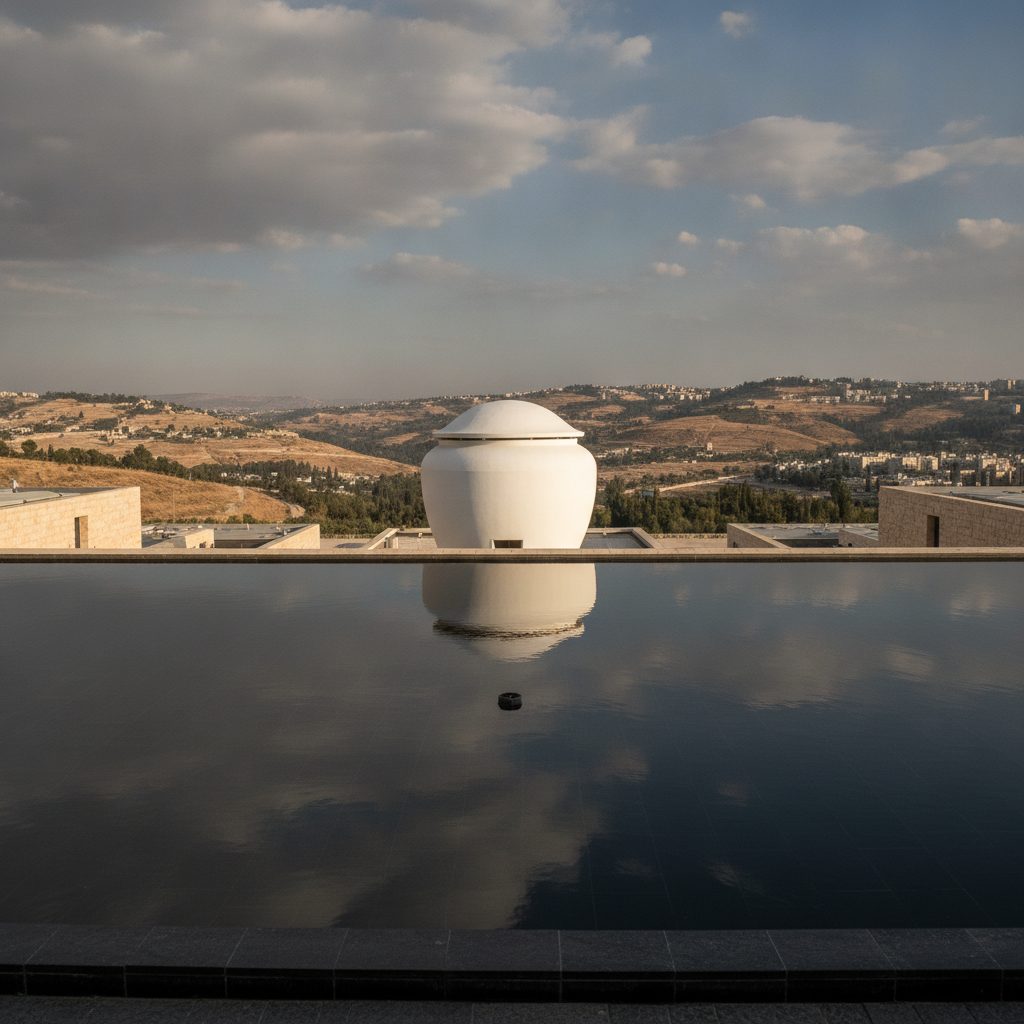
The Israel Museum in West Jerusalem contains one of the world's great archaeological collections—including the Dead Sea Scrolls, displayed in the Shrine of the Book (1965, modelled on the scroll's clay jars). The scrolls (discovered 1947–1956 in Qumran caves near the Dead Sea) are the oldest known biblical manuscripts, dating from the 3rd century BC to the 1st century AD. The museum's outdoor scale model of Second Temple Jerusalem (1:50 scale) provides essential visual context for Old City visits.
- 3
Mount of Olives – The View & the Tombs
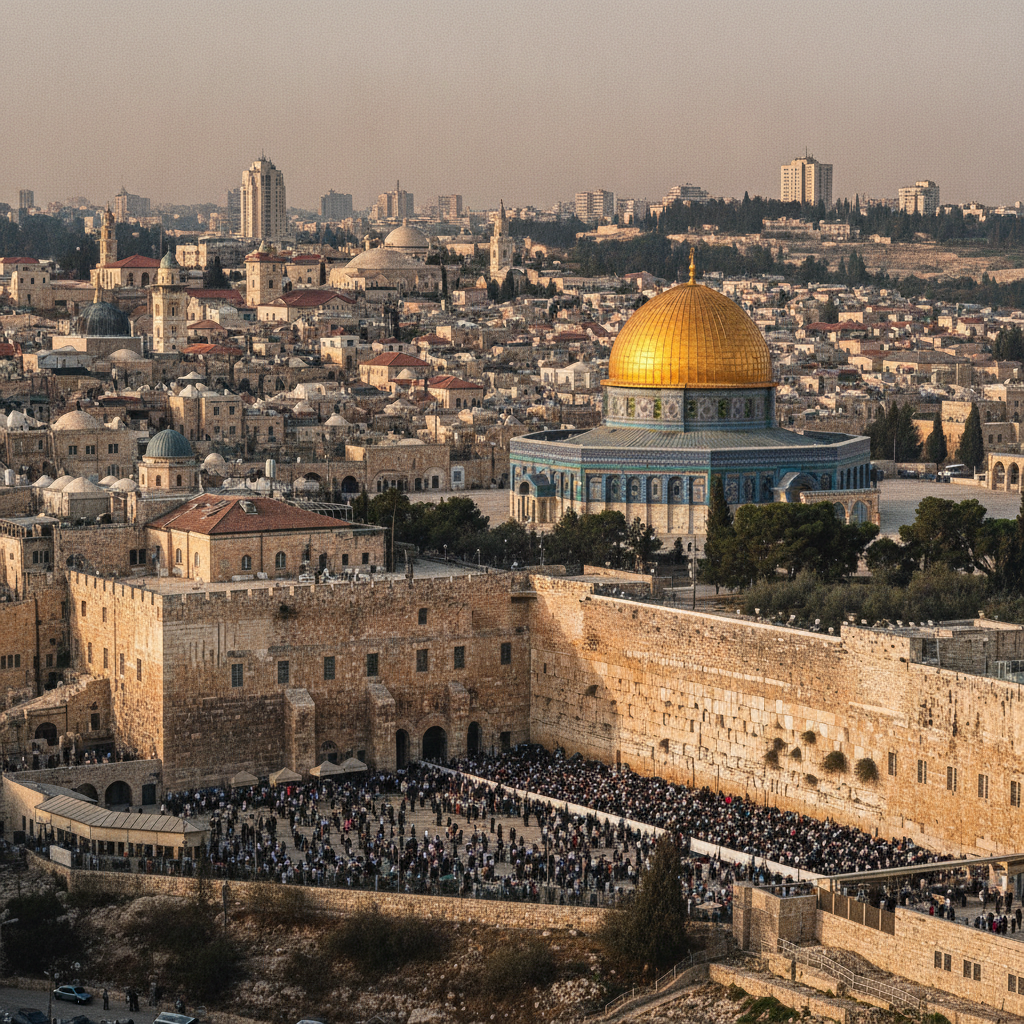
The Mount of Olives—the hill directly east of the Old City, across the Kidron Valley—provides the most iconic panoramic view of Jerusalem with the Dome of the Rock in the foreground. The hillside is covered by the world's largest Jewish cemetery (over 150,000 graves); burial here is believed to ensure proximity to the Messiah's arrival. The Garden of Gethsemane at the foot of the mount (where Jesus prayed before his arrest) contains olive trees scientifically dated to the 1st century AD.
- 4
City of David & the Siloam Tunnel
The City of David archaeological site—south of the Old City walls, the original Bronze Age Jerusalem (3,800 years old)—contains Hezekiah's Tunnel (701 BC), a 533-metre rock-cut water channel dug through solid bedrock to bring water into the city during an Assyrian siege. Visitors wade through the tunnel (knee-deep water, dark, 45 minutes) with torches to emerge at the Siloam Pool. The site is politically contested as it is located in Silwan, a Palestinian neighbourhood outside the Old City walls.
- 5
Mahane Yehuda Market – The Shuk
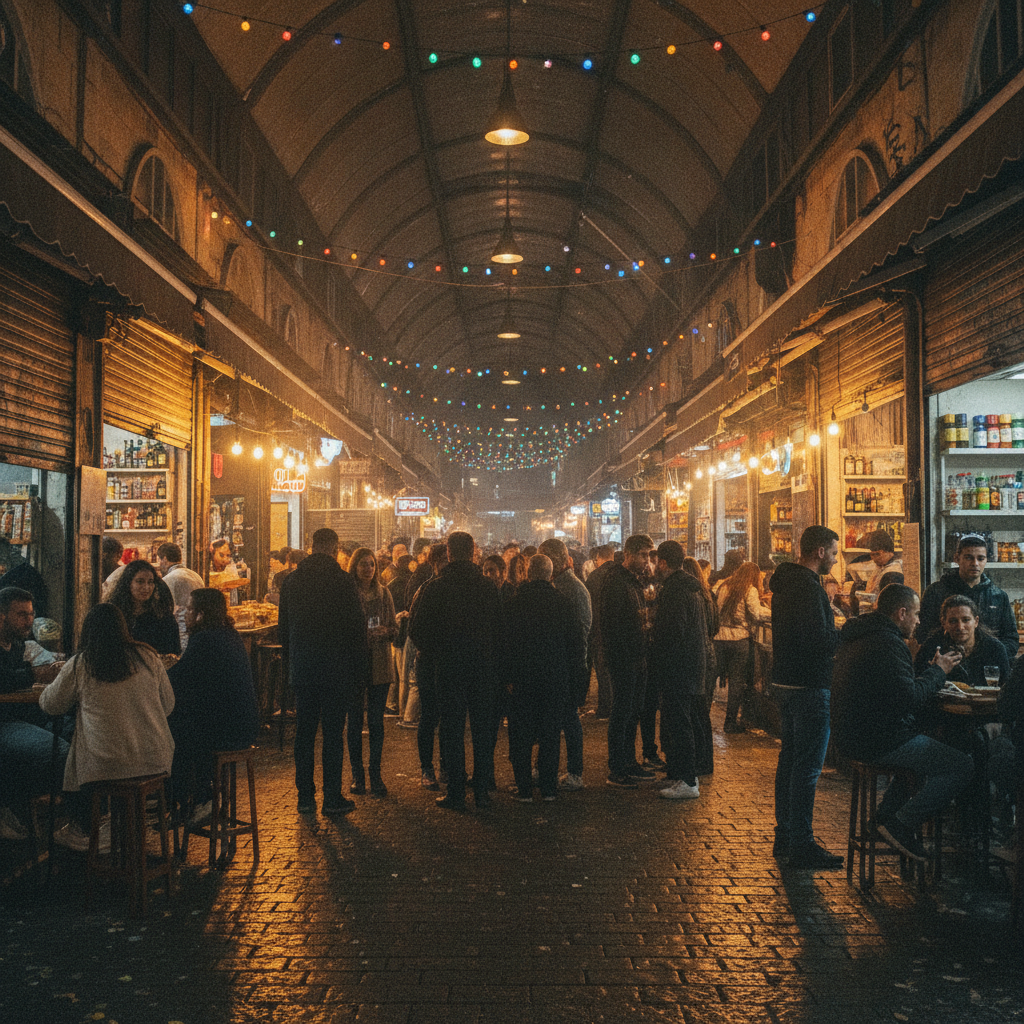
Mahane Yehuda ('the Shuk') in West Jerusalem is one of Israel's most vibrant markets—400 stalls selling fresh produce, spices, Israeli-Arab sweets (knafeh, baklava, halva), hummus, pickles, and street food. By day a working market; by night (Thursday–Saturday) the market's 30+ bars and restaurants operate in the market stalls, creating one of Jerusalem's most energetic nightlife scenes. The Shuk is the best single introduction to Israeli food culture.
- 6
Palestinian East Jerusalem – A Dual City
Jerusalem is effectively two cities: Israeli West Jerusalem (modern, Hebrew-speaking, Jewish majority) and Palestinian East Jerusalem (Arabic-speaking, with a Palestinian Arab majority). East Jerusalem includes the Old City, the Mount of Olives, the Palestinian neighbourhoods of Sheikh Jarrah and Silwan, and the commercial centre of Salah al-Din Street. The political status of East Jerusalem—annexed by Israel in 1980, not recognised internationally—is one of the core unresolved issues of the Israeli-Palestinian conflict.
Walk this route with audio
Stories play automatically as you reach each stop — no tapping needed.
More in Jerusalem
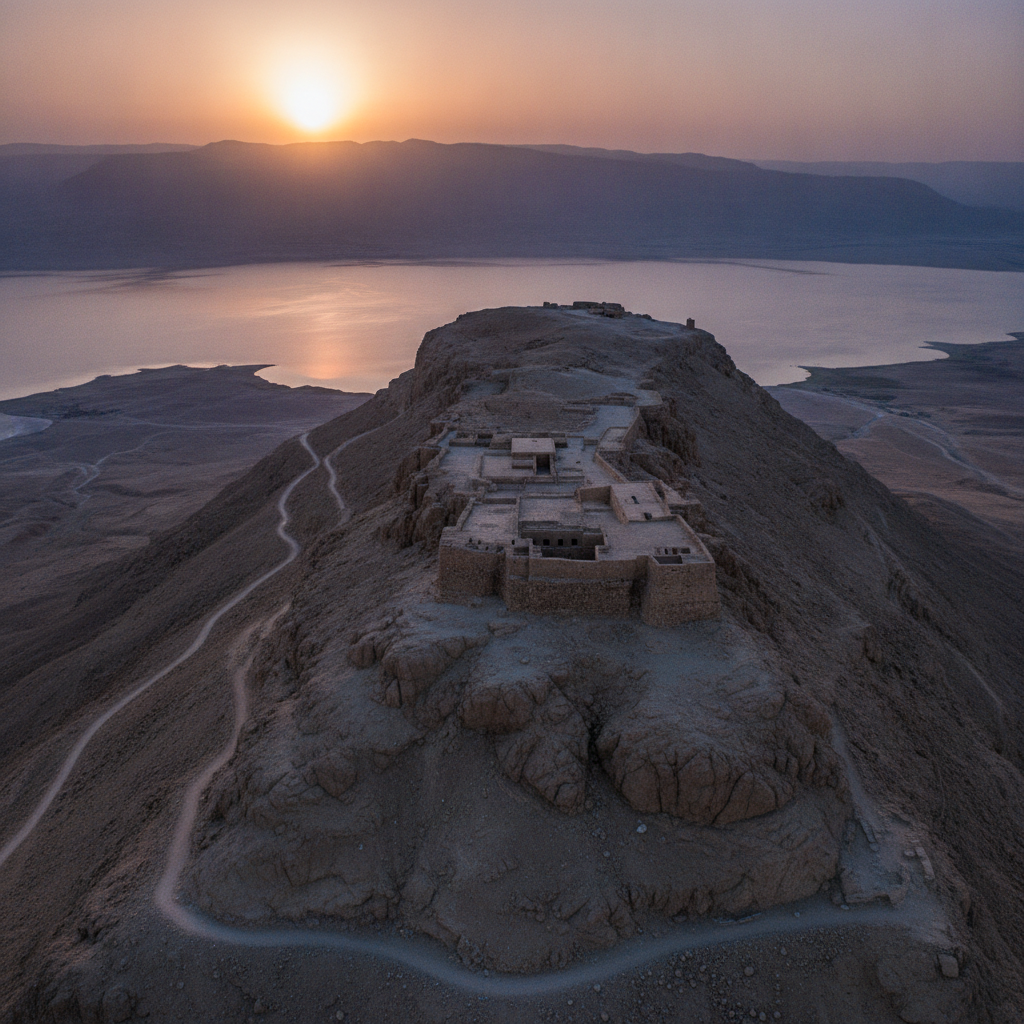
Jerusalem Day Trips: Masada's Siege, the Dead Sea's Salt Flats & Bethlehem's Nativity
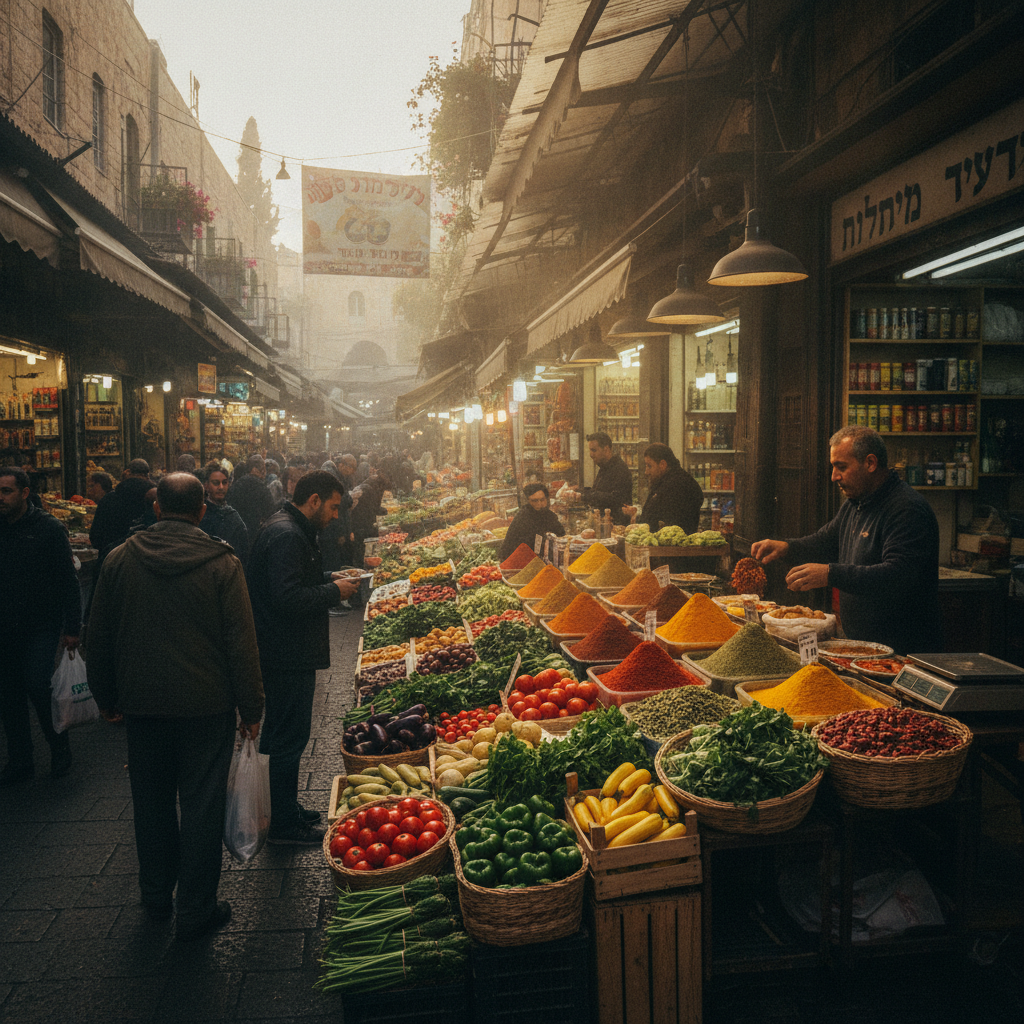
Jerusalem Food: The Mahane Yehuda Market, the Israeli Street Food, the Hummus Tradition, and the Most Culinarily Dynamic Single Israeli City
Jerusalem Memory: Yad Vashem Holocaust Museum, the Israel Museum Dead Sea Scrolls, Mount Herzl, and the Most Historically Layered Single City Memory
Jerusalem Practical: The Security Considerations, the Old City Accommodation, the Crossing Options, the Optimal Timing, and the Jerusalem Visitor Framework
Jerusalem's Communities: Hummus Wars, Ethiopian Monks & Ultra-Orthodox Mea Shearim