Johannesburg Democracy and Culture: Constitution Hill, Amapiano, South African Jazz, Cape Malay Food, and Inequality
Johannesburg democratic culture: Constitution Hill and the Constitutional Court (the most powerful post-apartheid monument), the amapiano global music movement from Joburg townships, South African jazz heritage, Cape Malay cuisine and Bunny Chow, and the extraordinary Johannesburg inequality story.
- 1
Constitution Hill - The Constitutional Court Built on the Ruins of the Old Fort Prison
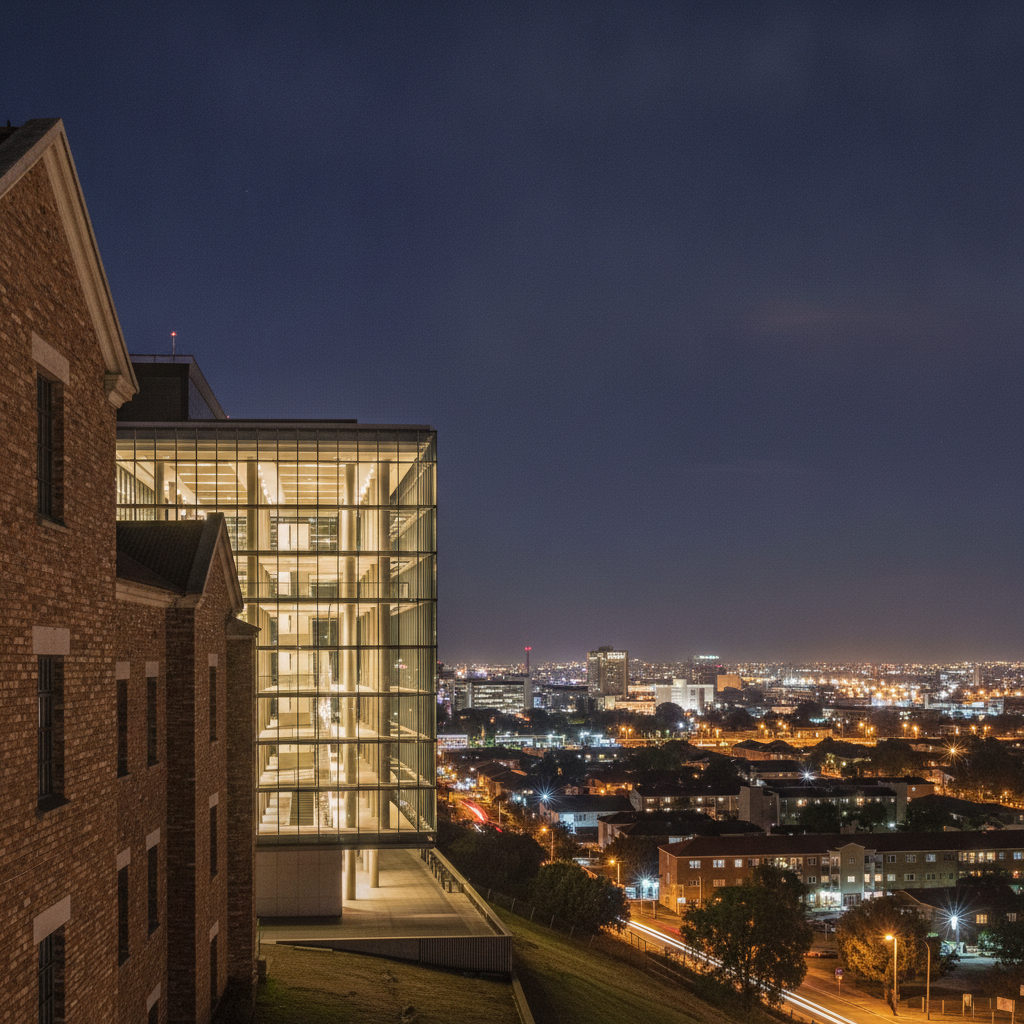
Constitution Hill: the Constitutional Court of South Africa built on the site of the Old Fort Prison in Braamfontein, the most powerful democratic monument in South Africa. Both Mahatma Gandhi and Nelson Mandela were held in the Old Fort at different times. The Constitutional Court building (completed 2004) incorporates bricks from the demolished prison in its walls and is covered in artwork by South African artists. The South African Constitution of 1996 is one of the most progressive in the world: it explicitly prohibits discrimination on 18 grounds including race, gender, sexual orientation, and disability. The court is open to visitors and the architecture, artwork, and symbolic history make it one of the most meaningful sites in post-apartheid South Africa.
- 2
Amapiano - The South African Music That Conquered the World
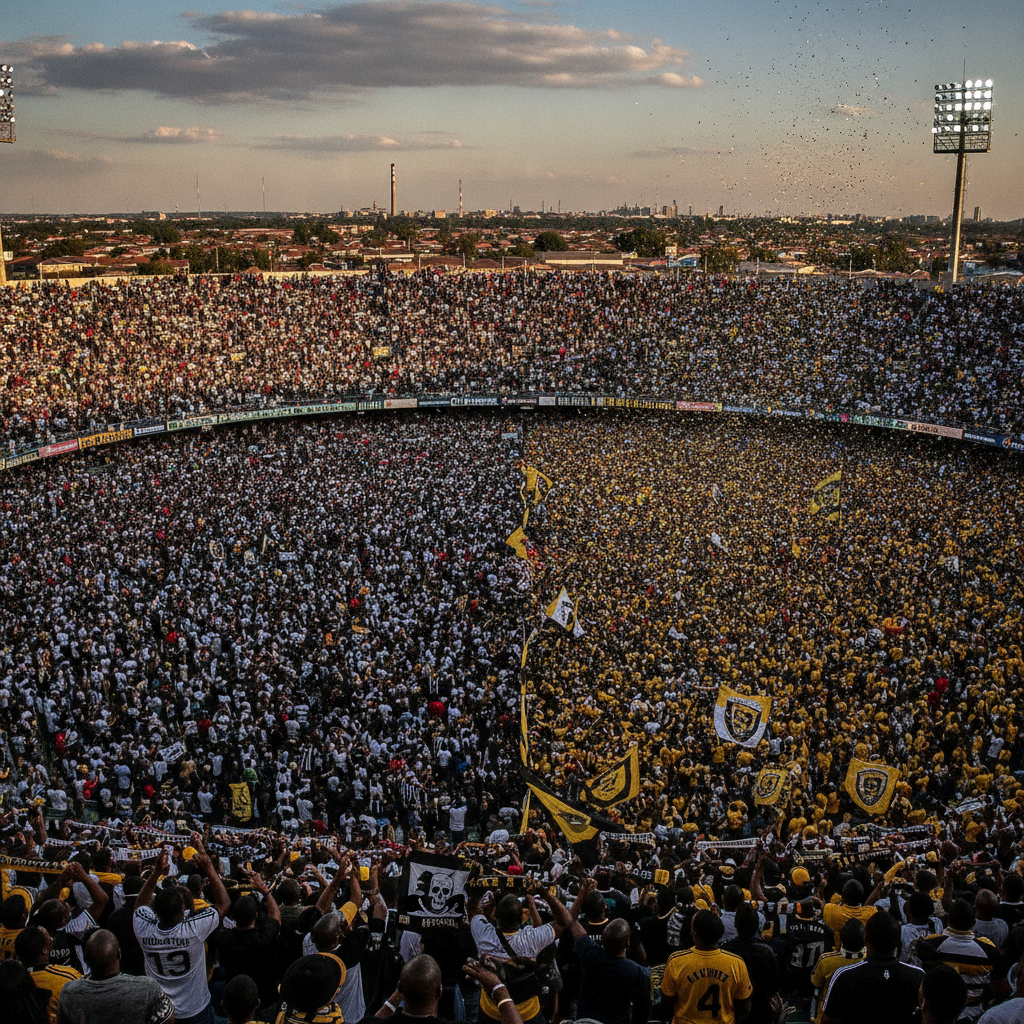
Amapiano (Zulu for the pianos): emerged from the townships of Pretoria and Johannesburg in approximately 2012-2016 from the South African house music tradition. Primary characteristics: the log drum bassline (the deep, resonant bass drum sound), the piano melodies, jazz-influenced chord progressions, and a slow, rhythmic groove. Key artists: DJ Maphorisa (the primary early producer), Kabza De Small (the King of Amapiano), Young Stunna, DBN Gogo. Amapiano spread from South Africa across the continent and internationally in the early 2020s; the genre has been adopted in Nigeria, the UK, and the United States. Burna Boy and other Afrobeats artists incorporated amapiano elements into their music, accelerating the global spread. South African amapiano artists are now among the most streamed African artists on global platforms.
- 3
South African Jazz - Abdullah Ibrahim, Hugh Masekela, and the Sophiatown Heritage
Sophiatown: the vibrant multiracial Johannesburg neighborhood of the 1940s-1950s, destroyed by the apartheid government under the Group Areas Act in 1955-1959 (renamed Triomf (Triumph) by the government). Sophiatown was the cultural heart of Black Johannesburg before its destruction: the jazz clubs, the shebeen culture, and the Drum Magazine writers (Can Themba, Es Kia Mphahlele). Abdullah Ibrahim (Dollar Brand, born 1934 in Cape Town): one of the great jazz pianists in the world; his suite Mannenberg (1974) became an anthem of the Cape Flats community. Hugh Masekela (1939-2018): the South African jazz trumpet virtuoso; Grazing in the Grass (1968) reached number 1 on the US Billboard chart, the first African artist to do so; Bring Him Back Home (1987) became the anthem of the global campaign to free Nelson Mandela.
- 4
Cape Malay Cuisine and Bunny Chow - The Food Heritage of the Rainbow Nation
Cape Malay cuisine: the food tradition of the descendants of enslaved people brought by the Dutch VOC from Indonesia, Malaysia, and East Africa to the Cape Colony. Primary dishes: bobotie (the South African national dish: spiced minced meat baked with an egg custard topping), sosaties (skewered marinated meat), and the distinctively moderately spiced, slightly sweet Cape Malay curry. Bunny Chow: the most distinctive South African street food, a hollowed-out quarter or half loaf of white bread filled with curry (bean, chicken, mutton, or prawn). Originated in the Durban Indian community in the 1940s when Indian vendors used the bread as an edible container because Black and Coloured customers were not allowed to use segregated restaurant plates. Pap and vleis (maize meal porridge with grilled meat): the everyday food of millions of South Africans across all cultures.
- 5
The Johannesburg Inequality - The Most Unequal City in the World
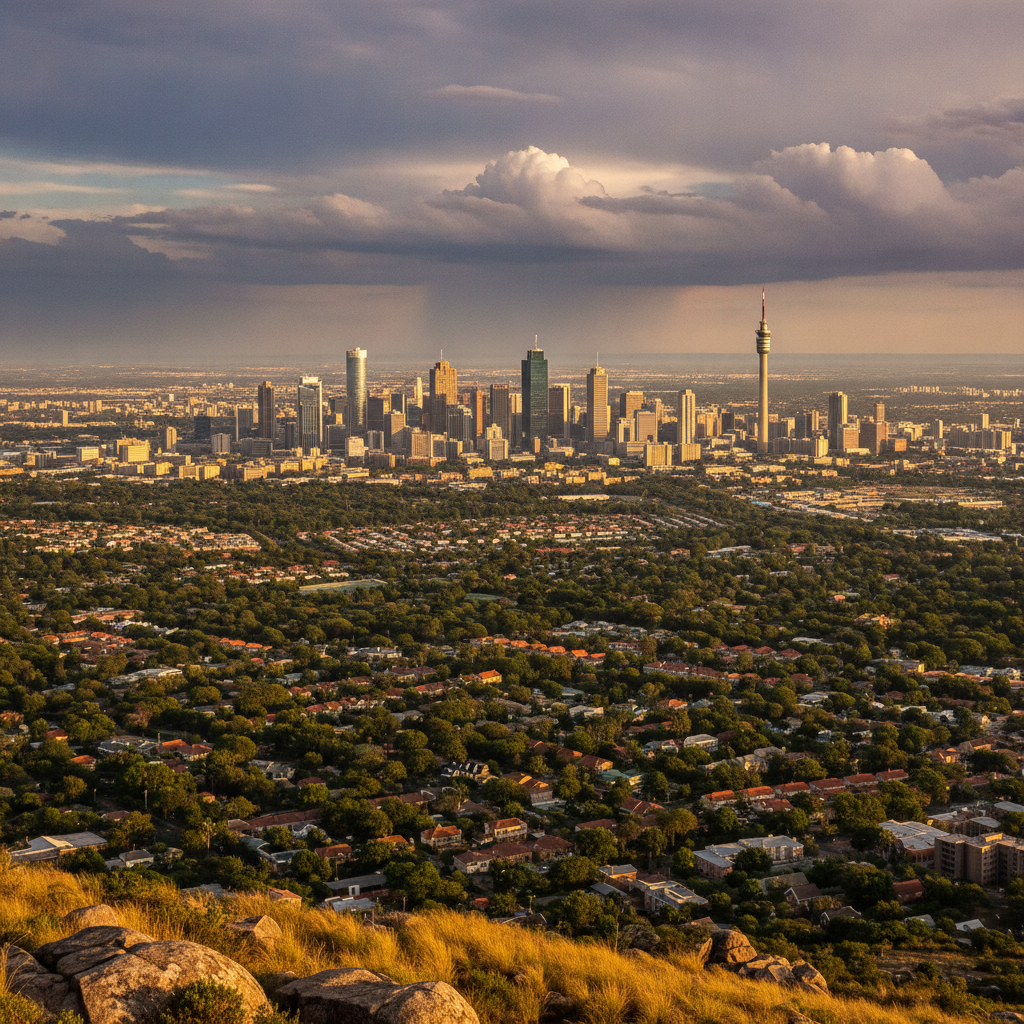
Johannesburg has one of the highest Gini coefficients of any major city in the world, thirty years after the end of apartheid. The economic inequality remains strongly correlated with race: the legacy of apartheid deliberate creation of economic disadvantage for non-white South Africans is deeply embedded in the economic structure. The township vs suburb contrast (the Alexandra township adjacent to Sandton: one of the most densely populated and impoverished townships in South Africa immediately adjacent to the wealthiest commercial district in Africa, separated by a single road). The informal settlements (the informal settlements on the Joburg periphery: the corrugated iron shacks of the newcomers from rural South Africa and from Zimbabwe, Mozambique, and other African countries who have come to Joburg seeking economic opportunity). The creative response (the extraordinary creativity of Joburg as a response to the inequality: the amapiano movement, the street art, the maboneng arts precinct all emerged from the tension and energy of extreme inequality).
- 6
Johannesburg Four-Route Legacy and the City Philosophy
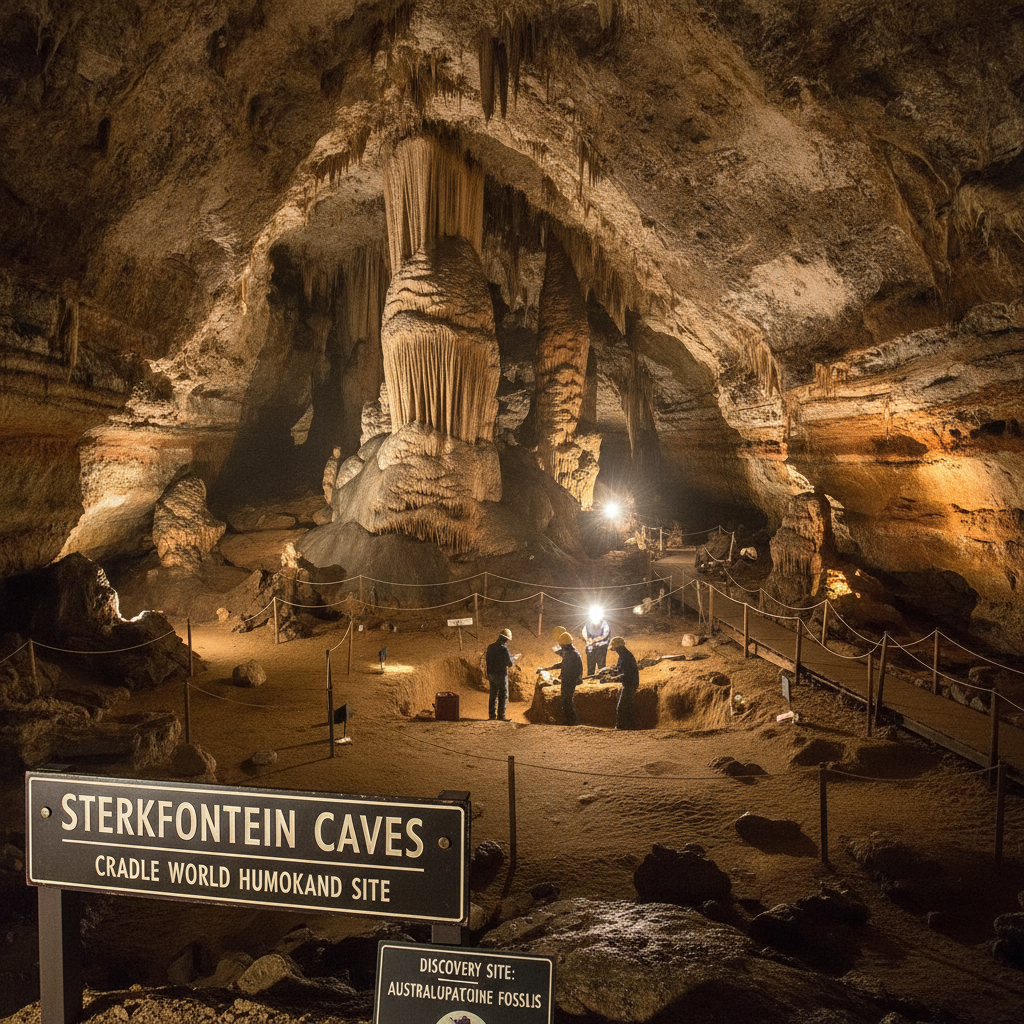
Four routes complete. Route 1: the City of Gold and the 1886 gold rush, the Apartheid Museum, Soweto and the 1976 uprising, Nelson Mandela legacy, the Maboneng arts district, and the practical guide. Route 2: the Witwatersrand gold mines, the Cradle of Humankind UNESCO fossils (Mrs Ples, Little Foot), Pretoria Union Buildings, the migrant labor system. Route 3: Sandton (richest square mile in Africa), the braai culture, Parkhurst and Melville neighborhoods, Pilanesberg Big Five day trip, Soweto contemporary culture. Route 4 (this route): Constitution Hill and the Constitutional Court, amapiano global music movement, South African jazz (Ibrahim, Masekela, Sophiatown), Cape Malay and Bunny Chow food heritage, the Johannesburg inequality story. Routes 5-6 still to come. Johannesburg philosophy: the city that most honestly confronts the complexity of post-colonial Africa; a city where the most brutal apartheid oppression and the most inspiring democratic transformation happened in the same streets; a city where the world most sophisticated financial district stands adjacent to a township of 100,000 people without running water: a city that is, in all its contradictions, the most honest city in Africa.
Walk this route with audio
Stories play automatically as you reach each stop — no tapping needed.
More in johannesburg
Johannesburg Lifestyle: Sandton, the South African Braai, Parkhurst, Pilanesberg Safari, and Joburg vs Cape Town
Johannesburg: The 1886 Gold Rush, the Witwatersrand Mines, and the Cradle of Humankind
Johannesburg Legacy: Wits University, Museum Africa, Rosebank, Kruger National Park, Drakensberg, and the Complete Reference
Johannesburg: City of Gold, the Apartheid Museum, Soweto, Nelson Mandela, and the Art Scene