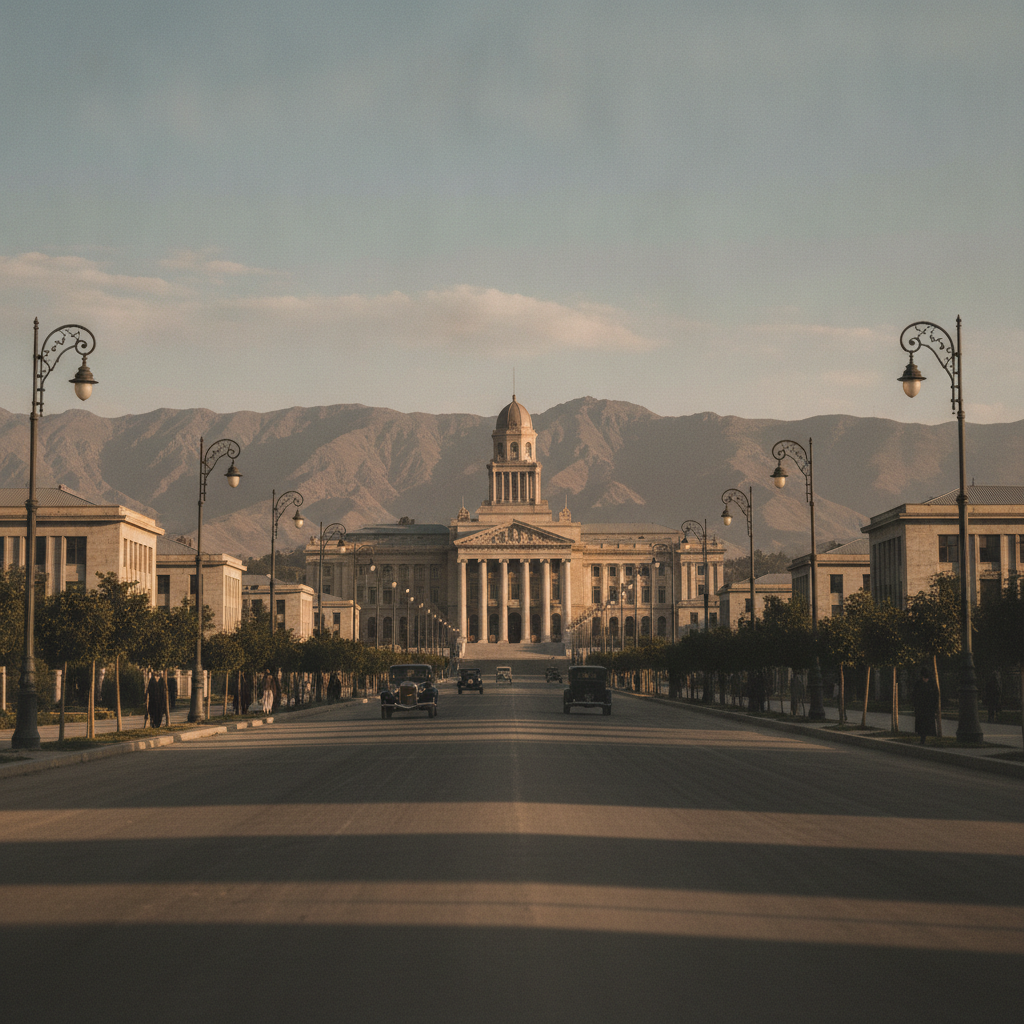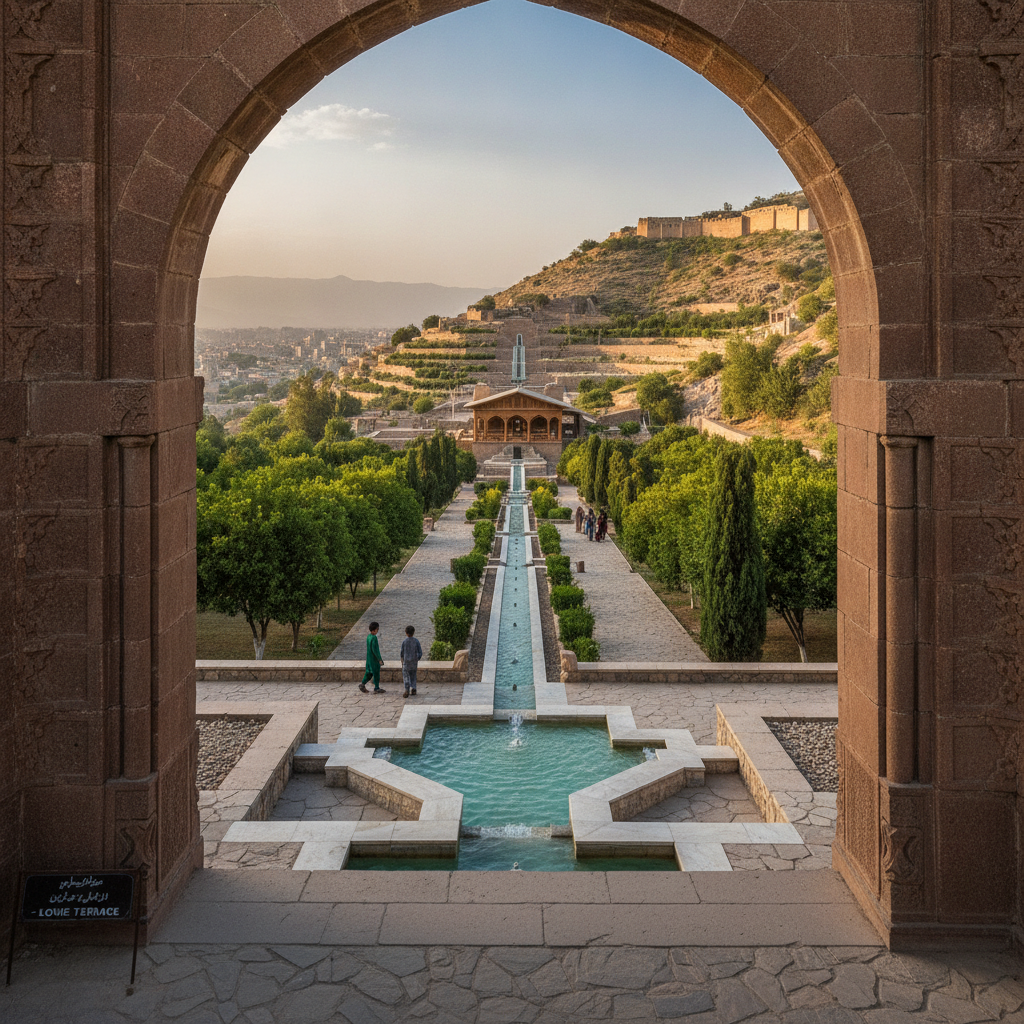
Kabul National Museum Afghan Civilizations
Visit the Kabul National Museum — the repository of Afghan civilization spanning 50,000 years of human habitation from the Stone Age through the Buddhist Gandharan period, the Islamic Timurid era, and the Durrani Empire, the collection partially restored after the devastating losses of the civil war period when an estimated 70 percent of artifacts were stolen or destroyed.
- 1
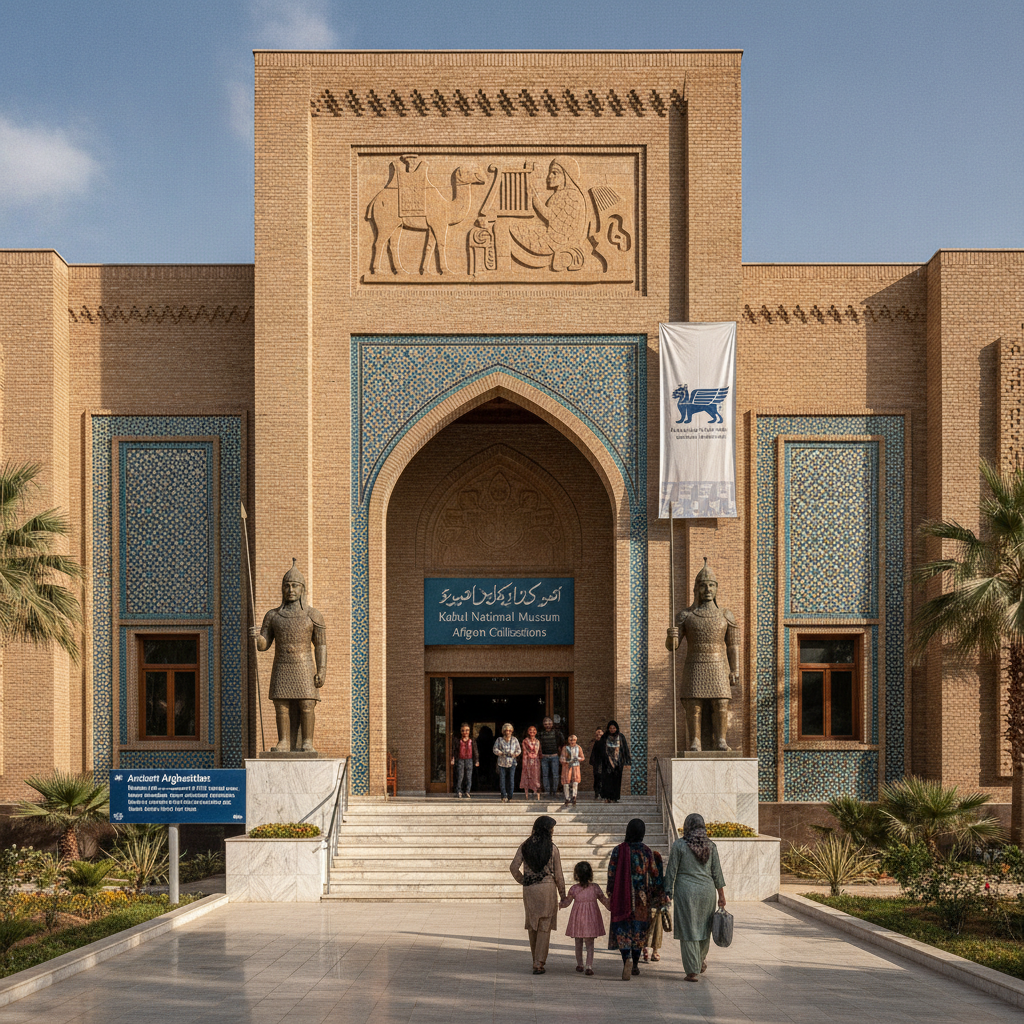
Museum Entrance Ancient Afghanistan
Enter the Kabul National Museum — established in 1919 under King Amanullah, the museum houses artifacts from across Afghanistan's long human history, the building rebuilt after its severe damage during the civil war fighting of the early 1990s, the institution a symbol of Afghan cultural identity.
- 2
Bagram Ivory Collection
The Bagram ivory collection — the extraordinary cache of Indian ivory carvings discovered at Bagram (the ancient Kapisi) that show the meeting of Indian, Greek, and Central Asian artistic traditions at a first-century trading post, the carvings among the most internationally significant of Afghan archaeological finds.
- 3
Gandharan Buddhist Sculpture
The Gandharan Buddhist sculpture gallery — the stone and stucco sculptures from Buddhist monasteries across eastern Afghanistan showing the Greek-influenced Buddhist art that emerged when Alexander the Great's successors ruled the region, the Buddha images among the earliest representations of the human form in Buddhist art.
- 4
Timurid Decorative Arts
The Timurid period decorative arts collection — the intricate tilework, metalwork, and manuscript illumination from the period when Herat under Shah Rukh and Husayn Bayqara was the cultural capital of the Islamic world, the arts representing the peak of Persian-Timurid court culture in the 15th century.
- 5
Numismatic Collection Afghan Coins
The numismatic collection of Afghan coins spanning Achaemenid through modern periods — the coins showing the succession of rulers, empires, and cultures that have passed through the crossroads of Afghanistan, from Greek drachmas to Kushana gold coins to Ghaznavid silver.
- 6
Ethnographic Collections Afghan Peoples
The ethnographic collections of Afghan peoples — the material culture of the Pashtun, Tajik, Hazara, Uzbek, Turkmen, and Nuristani peoples preserved in traditional clothing, jewelry, weapons, and household objects showing the remarkable cultural diversity of a country at the meeting point of five cultural worlds.
Walk this route with audio
Stories play automatically as you reach each stop — no tapping needed.