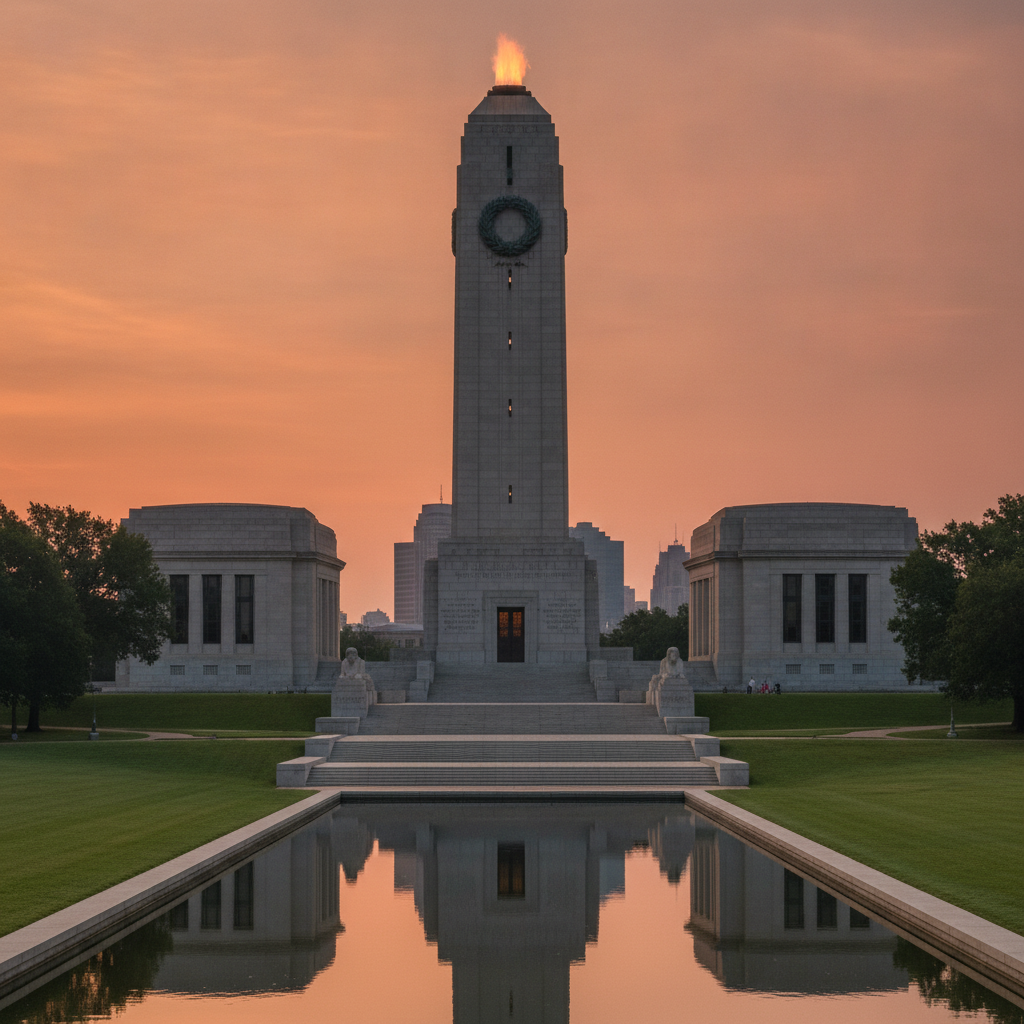
Kansas City R2-R6: BBQ deep dive (Arthur Bryants 1930 Calvin Trillin 1972 New Yorker religious conversion sauce dirty orange, Joe's KC 1996 Stehney Z-Man sandwich gas station, American Royal Barbecue 500 teams 50,000 spectators, Jack Stack lamb and crown prime beef ribs), 18th and Vine (100+ jazz clubs 1930s Pendergast wide open 24hrs, Musicians Union Local 627 1823 Highland, Gem Theater 1912 Black movie house, Blue Room jazz club, American Jazz Museum), Architecture (Kessler Plan 1893 167km boulevards 2000 acres park, 200+ fountains City of Fountains second world after Rome, Cathedral Immaculate Conception 1881 French Gothic, Nelson-Atkins 1933 Beaux-Arts William Rockhill Nelson Kansas City Star), Nelson-Atkins (42,000 works, finest Chinese art US outside NY 18 Tang Dynasty monumental sculptures, Henry Moore Sculpture Garden 17 bronzes largest world outdoor Moore collection, Bloch Building 2007 Steven Holl AIA sustainable top 10, KC Ballet Opera Symphony 1957-1982), Stockyards (1871 established, 1917 peak 9.4M cattle 7.6M hogs 2M sheep largest beef market world, Armour Swift Wilson Cudahy immigrant workers, Federal Reserve Tenth District museum), Day trips (Lawrence Kansas 70km Free-State 1854 Quantrill Raid August 21 1863 150-200 killed, University of Kansas Allen Fieldhouse 90%+ home wins, Abilene 225km Eisenhower birthplace Chisholm Trail 5M cattle, Ozark Riverways 4hrs first US national riverway 1964).
Kansas City R2-R6: BBQ (Arthur Bryant's 1930 Calvin Trillin 1972 best restaurant world, Joe's 1996 Stehney Z-Man sandwich, American Royal 500 teams 50,000 spectators, Jack Stack lamb crown prime beef), 18th and Vine (100+ clubs 1930s Pendergast 24hr, Gem Theater 1912, Blue Room live jazz, American Jazz Museum), architecture (Kessler Plan 1893 167km boulevards, 200+ fountains second world Rome, Cathedral 1881 French Gothic, Nelson-Atkins 1933 Beaux-Arts), Nelson-Atkins (42,000 works, finest Chinese art US outside NY Tang sculptures, Henry Moore Garden 17 bronzes largest outdoor Moore world, Bloch Building 2007 Steven Holl, KC Ballet Opera Symphony Kemper Museum), stockyards (1871, 1917 peak largest beef market world, immigrant Black workers, Federal Reserve Tenth District), day trips (Lawrence 70km Free-State Quantrill 1863 150-200 killed KU Allen Fieldhouse 90%, Abilene 225km Eisenhower Chisholm Trail, Ozark Riverways 4hrs first national riverway 1964).
- 1
Kansas City BBQ Deep Dive - Arthur Bryants to Joe's
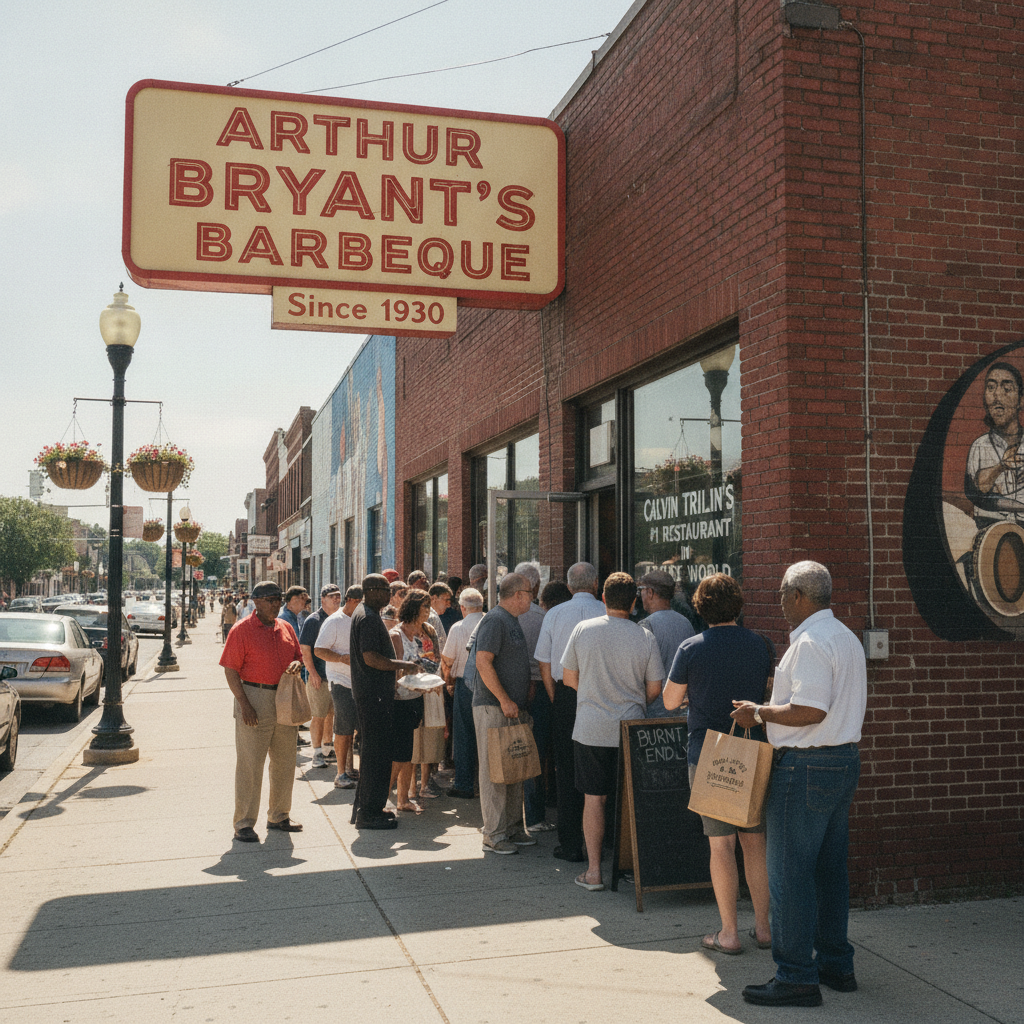
The Arthur Bryant's Barbeque (at 1727 Brooklyn Avenue, at the edge of the 18th and Vine District): the most historically important BBQ restaurant in the United States, founded by Charlie Bryant in 1930, taken over by his brother Arthur Bryant in 1952. Arthur Bryant (born February 5, 1902, Victoria, Texas; died February 26, 1982, Kansas City) developed a sauce that is unlike any other in American BBQ — thin, sharp, almost medicinal, with a powdery texture from the excess dry spice ingredients, a color that is described as dirty orange, and a flavor that food critics have compared to experiencing a religious conversion. Calvins Trillin (the New Yorker food writer and Kansas City native who grew up eating at Bryants) called it the single best restaurant in the world in his 1972 New Yorker piece, putting Kansas City BBQ on the national map for the first time. Joe's Kansas City Bar-B-Que (at 3002 W 47th Avenue, in the former Smokestack gas station, in Kansas City, Kansas): consistently ranked as one of the five best BBQ restaurants in the United States, opened by Jeff Stehney and Joy Stehney in 1996 after Stehney won the American Royal Barbecue Contest in 1990 and 1991. The Z-Man sandwich (Joe's signature sandwich: smoked brisket, provolone, onion rings, and a smear of BBQ sauce on a Kaiser roll) is the most famous single BBQ sandwich in Kansas City. The American Royal Barbecue Contest (held annually in the fall at the American Royal Complex, 1701 American Royal Court): the largest BBQ competition in the world, with approximately 500 teams competing in the open competition and the invitational, drawing approximately 50,000 spectators. Jack Stack Barbecue (at 101 W 22nd Street, Freight House, and other locations): the most upscale BBQ restaurant in Kansas City, with a full bar and restaurant environment serving lamb ribs, crown prime beef ribs, and brisket burnt ends in a former railroad freight warehouse.
- 2
The 18th and Vine Heritage District
The 18th and Vine Heritage District (bounded by 17th Street, Vine Street, 19th Street, and Indiana Avenue): the cultural heart of Black Kansas City from approximately 1900 to 1960, and the cradle of Kansas City jazz. The district in its prime: by the late 1930s, the 18th and Vine area contained over 100 jazz clubs, ballrooms, and entertainment venues, with music flowing 24 hours a day, 7 days a week (in a city run by Boss Tom Pendergast's wide-open political machine that ignored Prohibition and kept the liquor flowing). The Musicians Union Local 627 (the Black musicians union, in the building at 1823 Highland Avenue): the union that organized Kansas City musicians and whose hiring hall at 1823 Highland was the center of the KC jazz world. The decline and revival of 18th and Vine: the Vine Street corridor declined catastrophically after 1950, as desegregation (which allowed Black residents to move to previously all-white neighborhoods), the decline of the Pendergast Machine (Pendergast was convicted of income tax evasion in 1939 and sentenced to 15 months in federal prison), white flight, and urban renewal combined to hollow out the commercial district. The 18th and Vine Heritage District was declared a National Historic Landmark in 1991 and substantially restored in the 1990s-2000s. The American Jazz Museum (at 1616 E 18th Street): the museum dedicated to jazz history from New Orleans to New York, with significant focus on the Kansas City period, featuring interactive exhibits, listening stations, and the Gem Theater (the 500-seat theater built in 1912 as a movie house for Black audiences, restored and still used for live jazz performances). Blue Room (the jazz club within the American Jazz Museum, at 1600 E 18th Street): the club presenting live jazz multiple nights per week in a setting designed to evoke the atmosphere of the original 18th and Vine clubs.
- 3
Kansas City Architecture - The Boulevards, Fountains, and Union Station
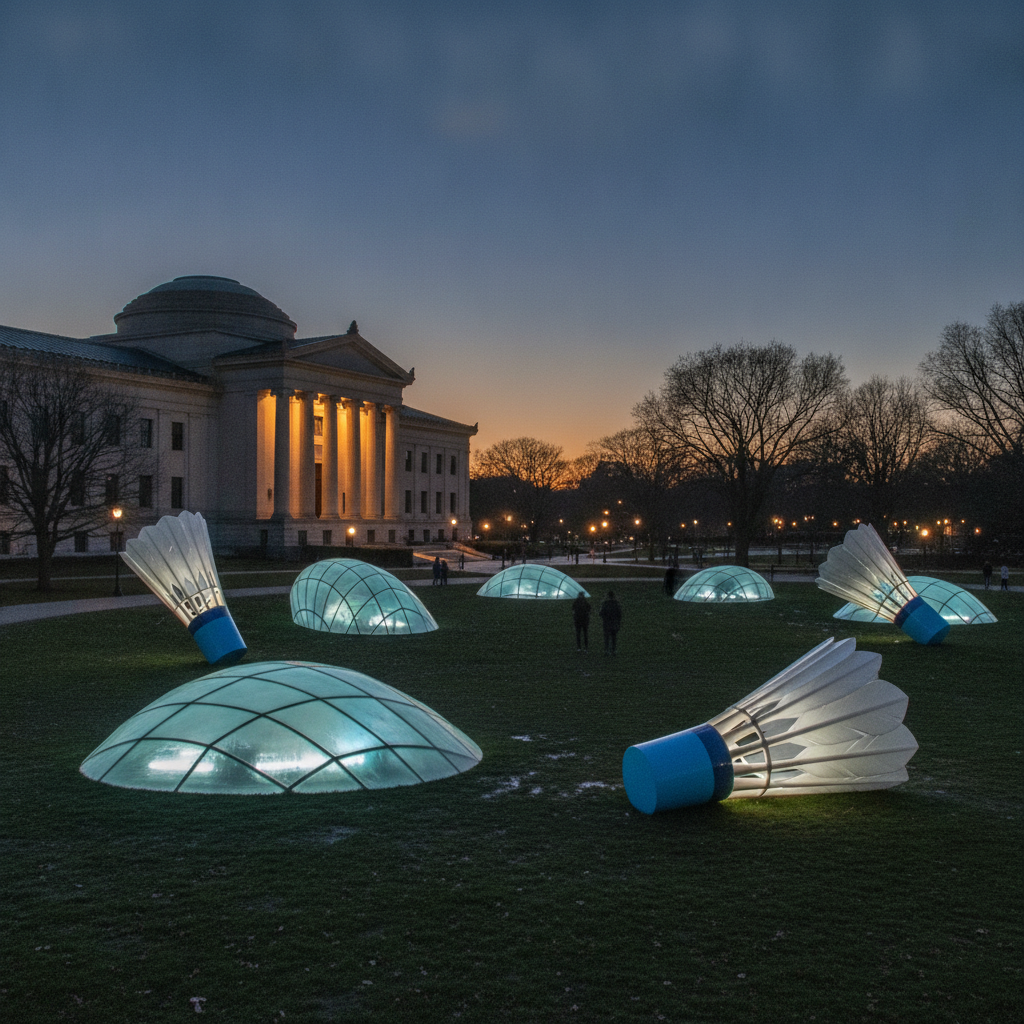
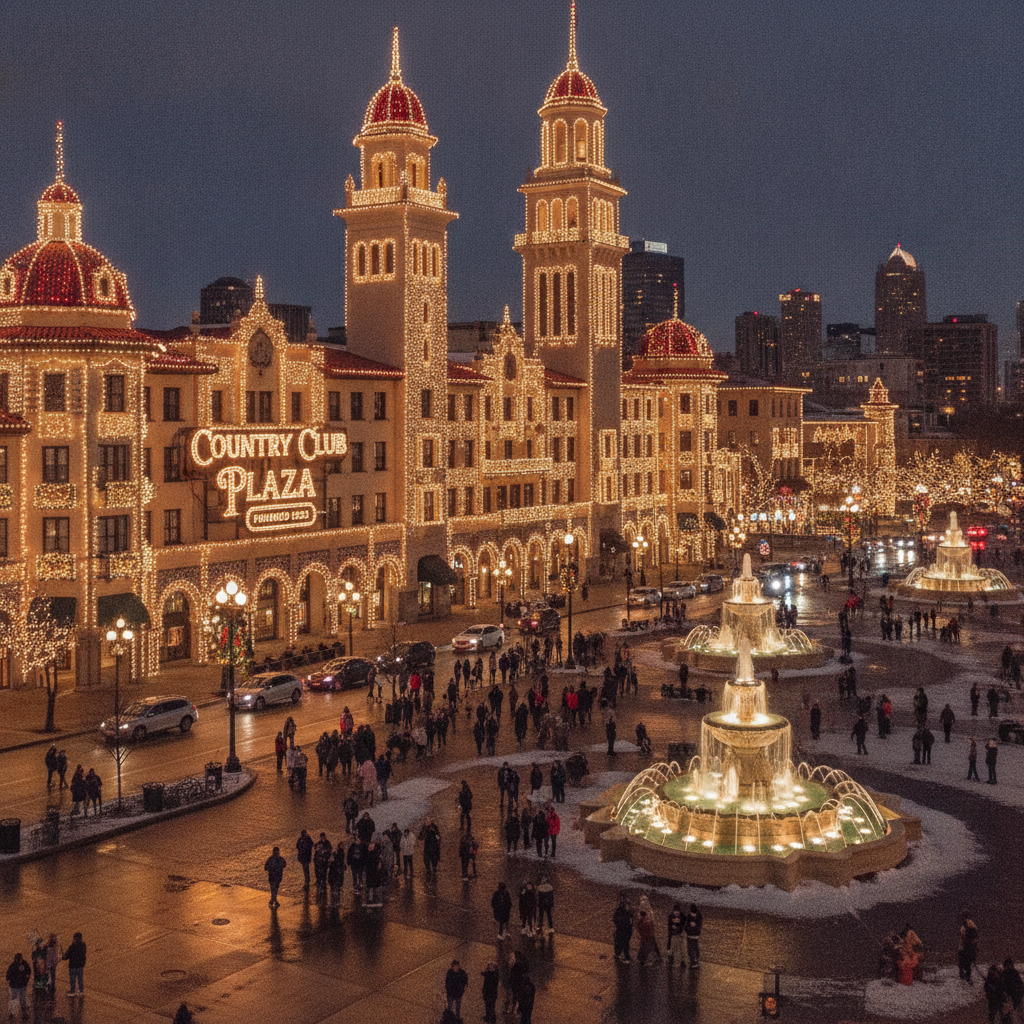
Kansas City boulevards: the city has one of the most comprehensive park-and-boulevard systems in the United States, designed by landscape architect George Kessler (beginning 1893), with over 2,000 acres of parkland and 167 km of scenic boulevards connecting the parks. The Kessler Plan (the 1893 park and boulevard plan for Kansas City): Kessler was commissioned by August Meyer (the Kansas City park commissioner) to develop a comprehensive parks and parkway system that would connect the major parks of the city by scenic drives — the plan was the first such comprehensive urban park system west of the Mississippi and directly influenced the City Beautiful movement of the early 20th century. Kansas City fountains: the city has more than 200 officially recognized fountains (claiming the title of City of Fountains, ranking second in the world behind Rome, though this claim is contested and depends on how fountain is defined). Notable fountains include the J.C. Nichols Memorial Fountain (at the Country Club Plaza, featuring four galloping horses and rearing figures drawing water), the Henry Wollman Bloch Fountain (at Crown Center, near Union Station), and the Spirit of Freedom Fountain (at 27th and Paseo). The Cathedral of the Immaculate Conception (at 416 W 12th Street, downtown Kansas City, built 1881-1882): the oldest Catholic church in Kansas City, in the French Gothic style, with stained glass windows that are among the finest examples of decorative art in Missouri. The Nelson-Atkins Museum of Art (at 4525 Oak Street, opened 1933): the finest encyclopedic art museum between the Mississippi River and the Pacific Coast (in the opinion of many art critics), with a permanent collection of approximately 42,000 works and the Bloch Building (designed by Steven Holl, opened 2007, winner of the AIA top 10 list for sustainable design).
- 4
The Nelson-Atkins Museum and Kansas City Cultural Life
The Nelson-Atkins Museum of Art in detail: the museum (co-founded by William Rockhill Nelson, the founder of the Kansas City Star newspaper, and Mary McAfee Atkins, a wealthy Kansas City widow, both of whose estates funded the construction) opened on December 11, 1933, in an imposing Beaux-Arts building on Oak Street. The permanent collection highlights: the Nelson-Atkins has the finest collection of Chinese art in the United States outside of New York (including the 18 monumental stone sculptures from Tang Dynasty tombs and the Ming Dynasty scholar's rock garden), a significant collection of Dutch and Flemish painting (including Caravaggio, Rembrandt, and Rubens), the largest collection of photographs in the Midwest (over 35,000 prints), and the Henry Moore Sculpture Garden (the outdoor sculpture collection with 17 Henry Moore bronzes scattered across the museum's south lawn — the largest collection of Henry Moore outdoor sculpture in the world). The Bloch Building (the addition designed by Steven Holl, opened 2007): the glass-and-concrete structure that descends into the landscape from the south lawn, providing 16,500 square meters of additional gallery space without visually competing with the original Beaux-Arts facade — regarded as one of the masterworks of early 21st century American museum architecture. The Kansas City cultural infrastructure: beyond the Nelson-Atkins, Kansas City has the Kansas City Ballet (founded 1957), the Kansas City Repertory Theatre (founded 1964), the Lyric Opera of Kansas City (founded 1958), the Kansas City Symphony (founded 1982 in its current form, though antecedents date to 1900), and the Kemper Museum of Contemporary Art (at 4420 Warwick Boulevard, Volker neighborhood, opened 1994 — the first architecturally significant contemporary art museum in Kansas City, designed by Gunnar Birkerts).
- 5
Kansas City Stockyards, the Crossroads, and Economic History
Kansas City as a meatpacking and transportation hub: from approximately 1870 to 1970, Kansas City was one of the two or three most important meatpacking and meat distribution cities in the United States, second only to Chicago in the volume of livestock processed. The Kansas City Stockyards (Kansas City, Kansas, adjacent to the Missouri state line, at Genessee Street and Minnetonka Avenue): established 1871, the stockyards became the largest in the world by the early 20th century, with a 1917 peak of processing 9.4 million cattle, 7.6 million hogs, and 2 million sheep per year — making Kansas City the largest beef market in the world at that time. The Packing House Row (the concentration of major meatpacking plants in Kansas City, Kansas, including Armour, Swift, Wilson, and Cudahy): the industrial complex that employed tens of thousands of workers (many of them recent immigrants from Eastern Europe and African Americans migrating from the South) in conditions that were nearly as brutal as the Chicago packing houses described in Upton Sinclair's The Jungle (1906). The Kansas City Federal Reserve Bank (at 1 Memorial Drive, downtown Kansas City): the Federal Reserve District Bank serving the Tenth Federal Reserve District (covering Kansas, Missouri, Nebraska, Oklahoma, Wyoming, Colorado, and the northern half of New Mexico), with a museum on the history of money and the Federal Reserve System. The Crossroads Arts District: the warehouse district south of downtown, converted from light industrial and garment manufacturing uses in the 1990s-2000s to the most vibrant arts and culture neighborhood in Kansas City — with the First Friday art walk (the largest monthly gallery-walk event in the Midwest), studios, galleries, and the concentration of the city's most innovative restaurants.
- 6
Kansas City Day Trips - Lawrence, Abilene, and the Ozarks
Day trips from Kansas City: the city's central location in the geographic heart of the contiguous United States makes it an excellent base for exploring the surrounding region. Lawrence, Kansas (at 900 Massachusetts Street, Lawrence, Kansas, 70 km west of Kansas City): the most historically significant small city in Kansas, founded in 1854 by the New England Emigrant Aid Society as a Free-State settlement in the Bleeding Kansas conflict. Lawrence was sacked by Missouri Border Ruffians in May 1856 and burned by Quantrill's Raiders (the Confederate guerrilla force led by William Quantrill) on August 21, 1863, killing 150-200 unarmed men and boys — the most brutal single atrocity against civilians in the Civil War (outside of the Indian Wars). Lawrence is now home to the University of Kansas (founded 1866, with 27,000 students and the Allen Fieldhouse — one of the most storied venues in college basketball, where Kansas has won over 90% of home games since the fieldhouse opened in 1955). Abilene, Kansas (225 km west of Kansas City, via Interstate 70): the cattle drive terminus at the end of the Chisholm Trail (the route along which approximately 5 million longhorn cattle were driven from Texas to the railheads of Kansas from 1867 to 1886), the childhood home of President Dwight D. Eisenhower (born October 14, 1890, Denison, Texas, raised in Abilene), and the site of the Eisenhower Presidential Library, Museum, and Boyhood Home. Ozark National Scenic Riverways (4 hours south of Kansas City, near Van Buren, Missouri): the first national riverway in the United States (designated 1964), protecting 206 km of the Current River and Jacks Fork River — among the clearest and coldest rivers in the Missouri Ozarks, fed by hundreds of first-magnitude springs.
Walk this route with audio
Stories play automatically as you reach each stop — no tapping needed.
More in kansas-city
Kansas City: World-Class Art, Jazz Heritage and Legendary Smoke
Kansas City: BBQ, jazz, architecture, Negro Leagues, Chiefs, and practical guide
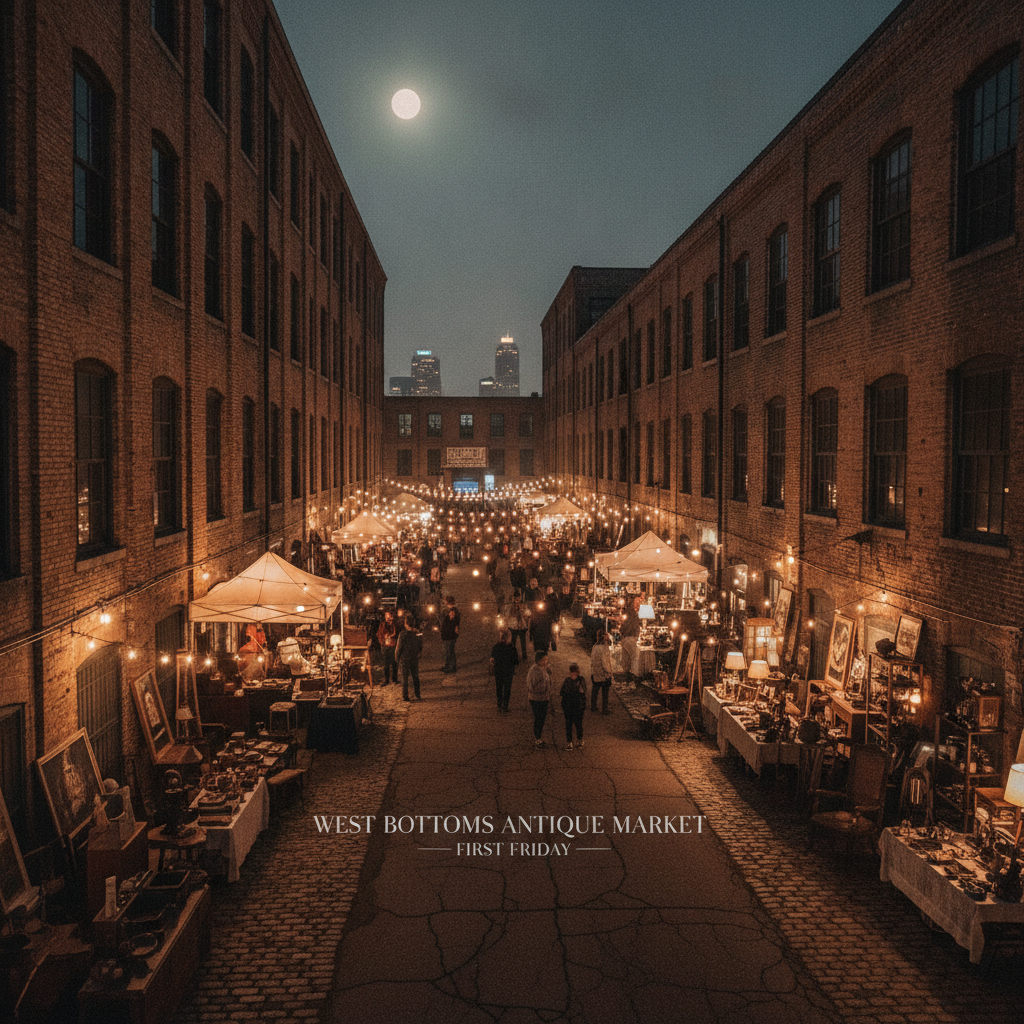
Kansas City R4-R6: West Bottoms (stockyards 400 acres 1917 hotel bank post office, First Weekend antique market largest Midwest monthly, American Royal Livestock largest combined livestock horse show rodeo world, 1993 flood 4m underwater, West Bottoms beef culture direct legacy), Kauffman (Marion Labs USD 5,000 basement 1950 to USD 6.5B 1989, Royals USD 5.25M 1968 now USD 1.8B, Kauffman Foundation USD 3.5B largest entrepreneurship focus US, Sprint founded Abilene 1899 T-Mobile 2020, Cerner 1979 Oracle USD 28.3B 2022), Civil rights (Troost Wall most persistent racial boundary US history, Jenkins v Missouri 1977-2011 longest desegregation case USD 2B 12 years considered failed, Bruce Watkins Cultural Heritage Center, 1968 uprising 6 killed after King assassination), Parks (Swope Park 1769 acres zoo 1700 animals, Loose Park Battle of Westport October 23 1864 29,000 vs 8500 largest Civil War battle west Mississippi, tallgrass prairie less than 4% original remains), tech (Google Fiber 2012 first gigabit residential US USD 300M economic impact, 500+ tech companies AgTech health IT, Hallmark since 1910 largest greeting cards world, H&R Block 1955 brothers Bloch), Identity (KCK vs KCMO separate states governments, 39th Street 3am vs 2am bar migration, Sporting KC Children's Mercy Park 2011, Taylor Swift Travis Kelce 2023 USD 100-200M economic impact).
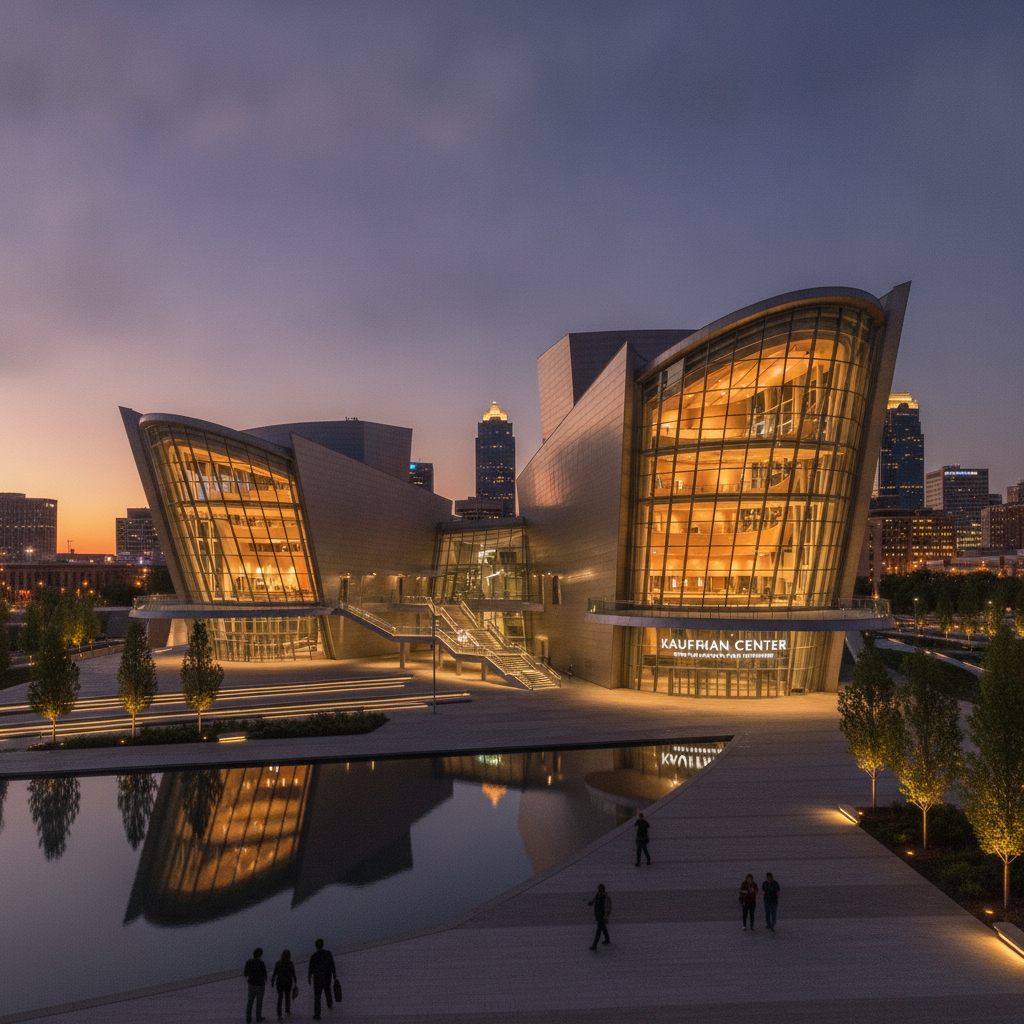
Kansas City R3: Pendergast Machine (ghost voters ballot stuffing police control USD 40M 12-year plan City Hall courthouse, Ready Mixed Concrete Company conflict of interest, Truman Jackson County judge 1922 presiding 1926 attended Pendergast funeral 1945), Truman (Boys if you ever pray pray for me now April 12 1945, Hiroshima August 6 1945 70,000 immediate 120,000 total, Nagasaki August 9 40,000 immediate 80,000 total, desegregated military EO 9981 July 26 1948, recognized Israel May 14 1948 11 minutes first nation, Marshall Plan USD 13B 1948-1952, Korea June 27 1950, Truman Library Independence 1957), Santa Fe Trail (1821 1400km Independence Missouri to Santa Fe, Kearny Army of the West conquered New Mexico August 1846, National Frontier Trails Museum ruts still visible, Westport Landing outfitting point 1830s-1860s Fremont Pathfinder), music (Knuckleheads Saloon country blues Americana, Kauffman Center 2011 Moshe Safdie Helzberg Hall violin shell, Charlie Parker Jazz Festival August Penn Valley, Boulevard Brewing 1989 700,000 barrels Midwest largest specialty), streetcar (3.5km free USD 1.7B development since 2016, extension to Plaza UMKC under construction), food beyond BBQ (West Side Mexican 60% Hispanic authentic, Cafe Sebastienne Kemper Museum Jennifer Maloney, Boulevard Brewing Tank 7 Saison-Brett).
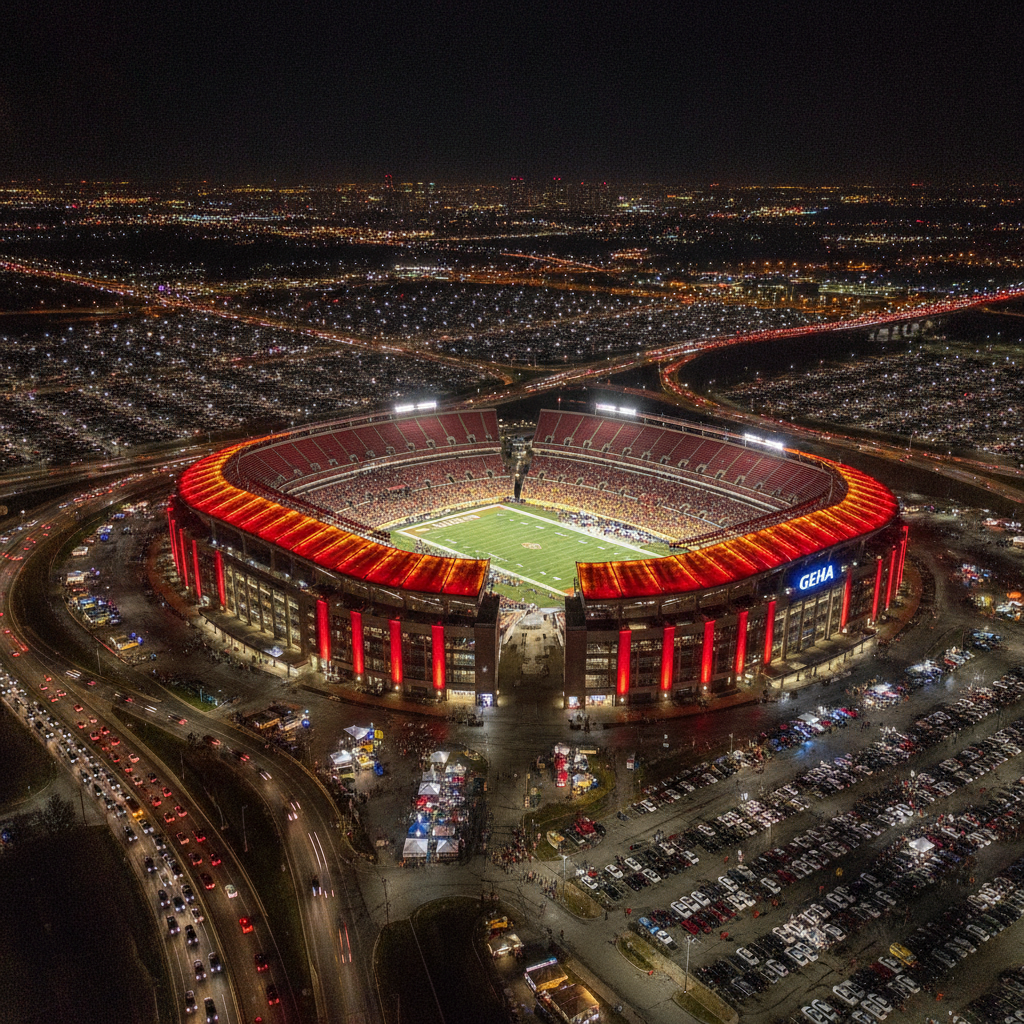
Kansas City: Creative Arts, Champion Chiefs and Pioneer Outfitting Ground