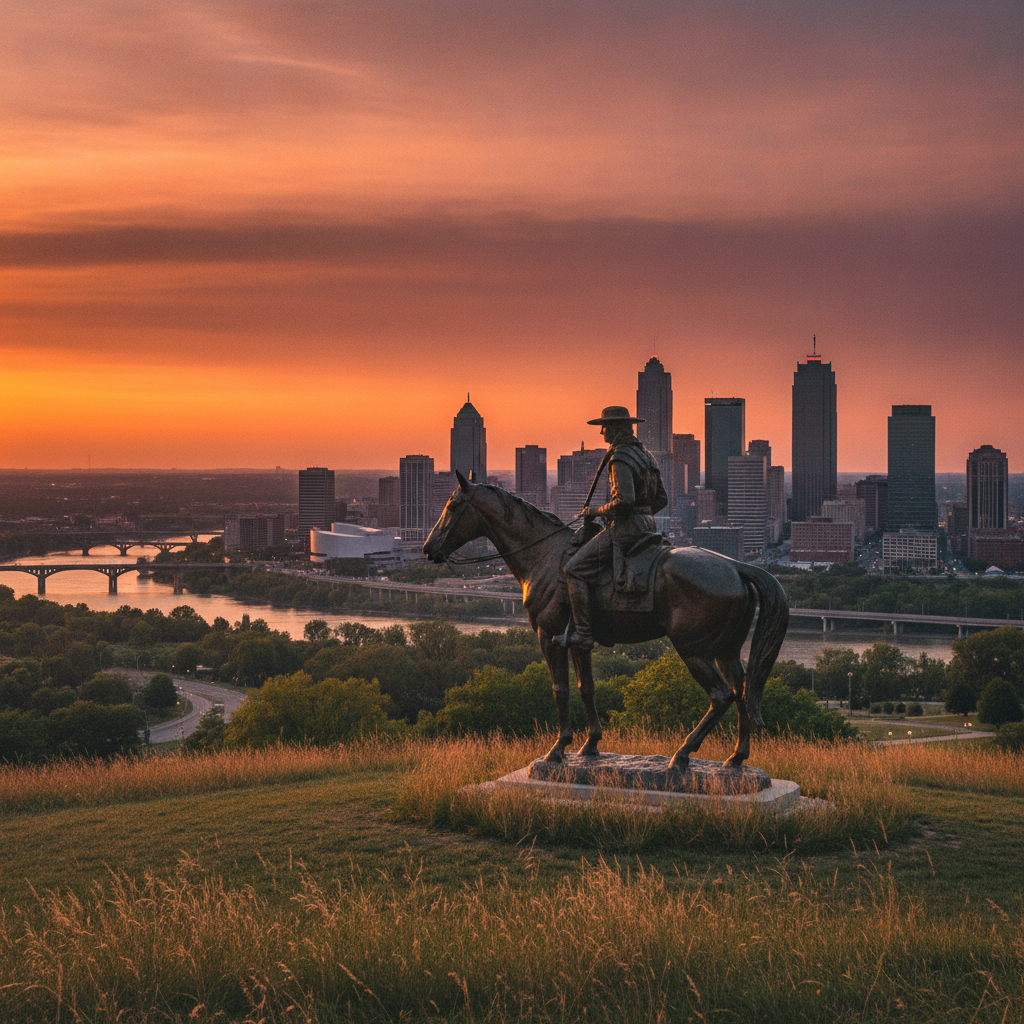
Kansas City: BBQ, jazz, architecture, Negro Leagues, Chiefs, and practical guide
Kansas City overview: BBQ capital (100+ restaurants, burnt ends Calvin Trillin New Yorker 1972 Arthur Bryants, thick tomato-molasses sauce, hickory-smoked all meats), Jazz (Charlie Parker born 1920 KC Kansas bebop innovator Bird humiliated age 15 practiced 11-15hrs daily 3 years, Count Basie 1904-1984 riff-based swing, Pendergast Machine wide-open town 1925-1939 24hr liquor gambling jazz economy, 18th and Vine Heritage District), Country Club Plaza (1922 J.C. Nichols Spanish Revival first automobile shopping center US, racial restrictive covenants unconstitutional Shelley v Kraemer 1948), Liberty Memorial (52m WWI national memorial 1926 National WWI Museum 75,000 artifacts most comprehensive world), Negro Leagues Museum (Josh Gibson 800-900 HRs Satchel Paige 1948 oldest MLB rookie, KC Monarchs 12 pennants Jackie Robinson Satchel Paige Buck O'Neil), Chiefs (Super Bowls IV 1970 LIV 2020 LVII 2023 LVIII 2024, Mahomes 3 SB MVPs by 29, Arrowhead 142.2 decibels world record outdoor), Royals (1985 World Series comeback 4-3 Cardinals, 2015 WS 4-1 Mets), Practical (MCI airport new terminal 2023, Crossroads Arts First Friday 10,000 visitors, free streetcar, Union Station Beaux-Arts 1914 third largest US at opening).
- 1
Kansas City - Barbecue Capital of the World and Jazz Birthplace
Kansas City, Missouri sits at the confluence of the Missouri and Kansas Rivers and is the largest city in Missouri (despite St. Louis having a longer and more storied history), with a metropolitan population of approximately 2.2 million. Kansas City identity: the city holds two almost irreconcilable claims to American cultural prominence — it is simultaneously the Barbecue Capital of the World (with more BBQ restaurants per capita than any other city in the United States, more than 100 BBQ establishments in the metro area) and one of the two or three most important cities in the history of American jazz (with a distinctive Kansas City jazz style that directly influenced bebop and modern jazz). Kansas City BBQ defined: Kansas City-style barbecue is characterized by a wide variety of meats (beef brisket, pork ribs, pulled pork, chicken, burnt ends, sausage, and even lamb and turkey), slow-smoked over hickory wood, and finished with a thick, sweet-and-spicy tomato and molasses-based sauce — a more complex and layered sauce style than the thinner vinegar-based sauces of the Carolinas or the dry rubs of Memphis. The burnt ends: the charred, caramelized exterior pieces of the brisket point (the fattier, more marbled part of the brisket) that were originally considered scraps and given away free by KC pitmasters — the food journalist Calvin Trillin wrote a 1972 New Yorker article about Arthur Bryants burnt ends that introduced the concept to national audiences and transformed a BBQ scrap into the most coveted cut in American barbecue. Kansas City Royals and Chiefs: the city's professional sports teams (the Royals won the World Series in 1985 and 2015, and the Chiefs won Super Bowl IV in 1970, LIV in 2020, LVII in 2023, and LVIII in 2024 — four Super Bowls in five years).
- 2
The Country Club Plaza and Kansas City Architecture
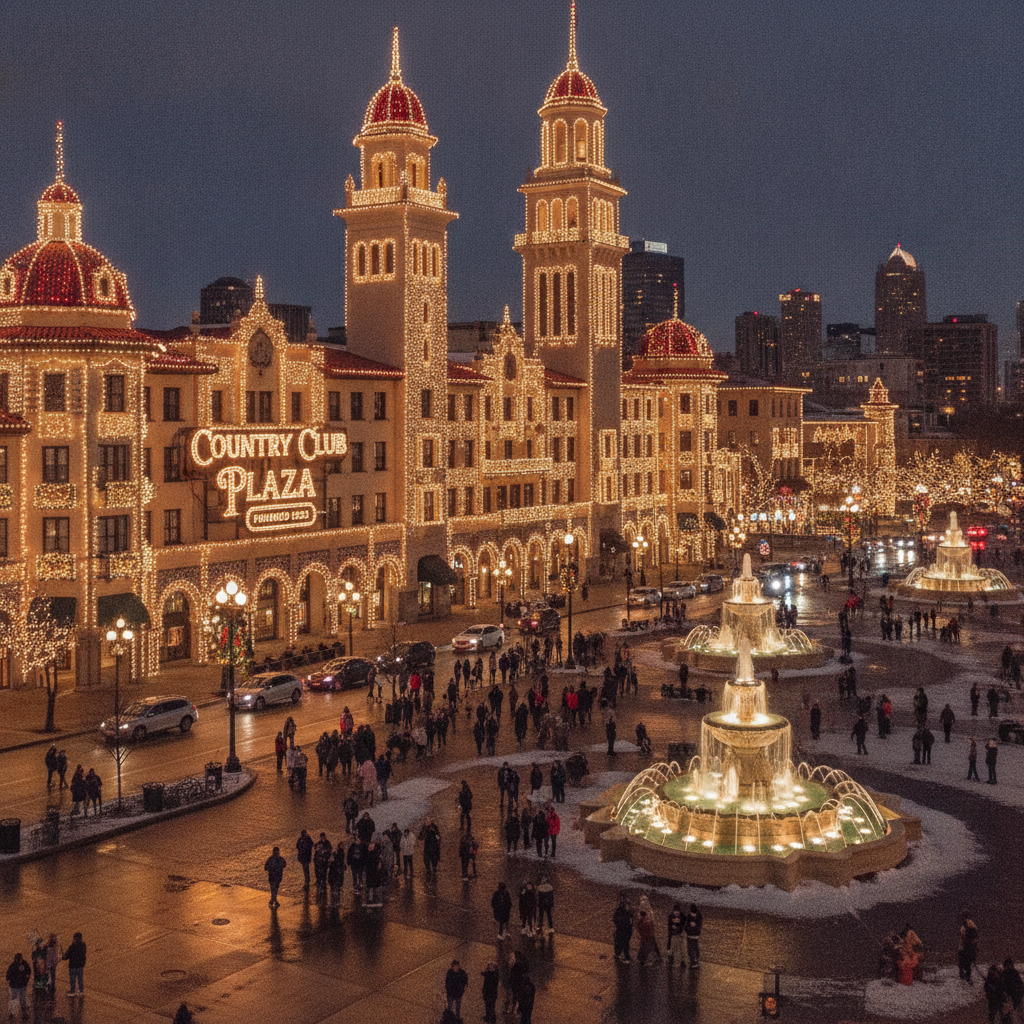
The Country Club Plaza (at 47th and Main Streets, 5 km south of downtown Kansas City): the first automobile-oriented shopping center in the United States, developed by J.C. Nichols from 1922 onward in the Spanish Revival architectural style (with terracotta tile roofs, ornamental ironwork, and fountains modeled on Seville), covering approximately 15 blocks and serving as the commercial and entertainment anchor of the Kansas City Country Club District. J.C. Nichols (Jesse Clyde Nichols, born August 23, 1880, Olathe, Kansas; died February 17, 1950, Kansas City): the developer who created the Country Club District (the largest private real estate development in the United States, covering approximately 24 km2 of south Kansas City and the Kansas suburbs), and who enforced racial restrictive covenants in all his properties — prohibiting the sale or rental of any property in the Country Club District to African Americans, Jews, or other non-white non-Christian buyers — until such covenants were ruled unconstitutional by the Supreme Court in Shelley v. Kraemer (1948). Kansas City architecture: the city has a distinguished architectural legacy, with more than 200 fountains (claiming to be the City of Fountains, with more fountains than any city in the world except Rome). The Liberty Memorial (at 100 W 26th Street, the National World War I Museum and Memorial): the 52-m tower completed in 1926 as a memorial to the dead of World War I (the only structure in the United States specifically designated as the national memorial to WWI), with the attached National World War I Museum (opened 2006, now containing the most comprehensive WWI collection in the world, with approximately 75,000 artifacts). The Kansas City Public Library (at 14 W 10th Street, downtown): the main branch of the public library, housed in a historic bank building and famous for the Community Bookshelf (the 9m-tall book spines on the parking garage facade across the street, a public art project featuring 22 books selected by Kansas City readers).
- 3
Kansas City Jazz - Charlie Parker, Count Basie, and the Pendergast Era
Kansas City jazz: the distinctive Kansas City jazz style (blues-influenced, riff-based, extended improvisation over repetitive chord patterns, propulsive swing rhythm) developed in the 1920s-1930s in the nightclubs of the 18th and Vine District under the political umbrella of the Pendergast Machine (the political organization of Thomas J. Pendergast, the Democratic Party boss of Kansas City from approximately 1925 to 1939, who ran the city as a wide-open town — with legal and illegal gambling, prostitution, and 24-hour liquor service despite Prohibition — that created the social conditions for a thriving jazz economy). Charlie Parker (born Charles Parker Jr., August 29, 1920, Kansas City, Kansas; died March 12, 1955, New York City, at age 34): the most technically innovative musician in the history of jazz, whose development of bebop (the complex, fast, harmonically sophisticated jazz style that developed in New York in the early 1940s) was rooted in his Kansas City apprenticeship in the cutting sessions of the 18th and Vine clubs. Parker's Kansas City formation: Parker (nicknamed Bird or Yardbird) was humiliated at age 15 when he sat in at a Kansas City jam session and was embarrassed by drummer Jo Jones (who threw a cymbal at him to drive him off the stage) — an incident that led Parker to practice obsessively for 11-15 hours per day for 3 years until he returned to Kansas City and could play anything. Count Basie (William James Basie, born August 21, 1904, Red Bank, New Jersey; died April 26, 1984, Hollywood, Florida): the bandleader who developed his signature riff-based, swing-era orchestra style in Kansas City in the 1930s, recording for Decca Records and eventually becoming one of the most successful and long-running big bands in jazz history (the Count Basie Orchestra continued touring under Basie's name after his death and is still active). The 18th and Vine Heritage District (the African American cultural and entertainment neighborhood of Kansas City, including the American Jazz Museum and the Negro Leagues Baseball Museum).
- 4
The Negro Leagues Baseball Museum and African American Kansas City
The Negro Leagues Baseball Museum (at 1616 E 18th Street, the 18th and Vine Heritage District): the only museum in the United States dedicated to the Negro Leagues — the separate baseball leagues that existed from 1920 to 1960 because Major League Baseball excluded African American players through gentlemens agreement. The Negro Leagues: the Negro National League (founded 1920 by Rube Foster), the Eastern Colored League (1923-1928), the second Negro National League (1933-1948), and the Negro American League (1937-1962) provided professional baseball for Black players at a level of play that was, by many measures, equal to or superior to Major League Baseball. Negro Leagues statistical achievements: Josh Gibson (the catcher for the Homestead Grays, born December 21, 1911, Buena Vista, Georgia; died January 20, 1947, Pittsburgh) is estimated to have hit approximately 800-900 home runs in his career (compared to Babe Ruth's 714), with some single-season estimates of 75-84 HRs (compared to Ruth's record of 60 in 1927). Satchel Paige (born Leroy Robert Page, July 7, 1906, Mobile, Alabama; died June 8, 1982, Kansas City) was the most dominant pitcher in Negro Leagues history and one of the greatest pitchers in baseball history, joining the Cleveland Indians in 1948 at approximately age 42 (the exact date of his birth is disputed) and becoming the oldest rookie in MLB history. The Kansas City Monarchs (founded 1920): the most successful franchise in Negro Leagues history (12 pennants), whose alumni include Jackie Robinson (who played for the Monarchs in 1945 before signing with the Brooklyn Dodgers organization), Satchel Paige, and Buck O'Neil (the player, manager, and ambassador of Negro Leagues baseball whose advocacy led to the founding of the Negro Leagues Baseball Museum).
- 5
Kansas City Chiefs, Royals, and Sports Culture
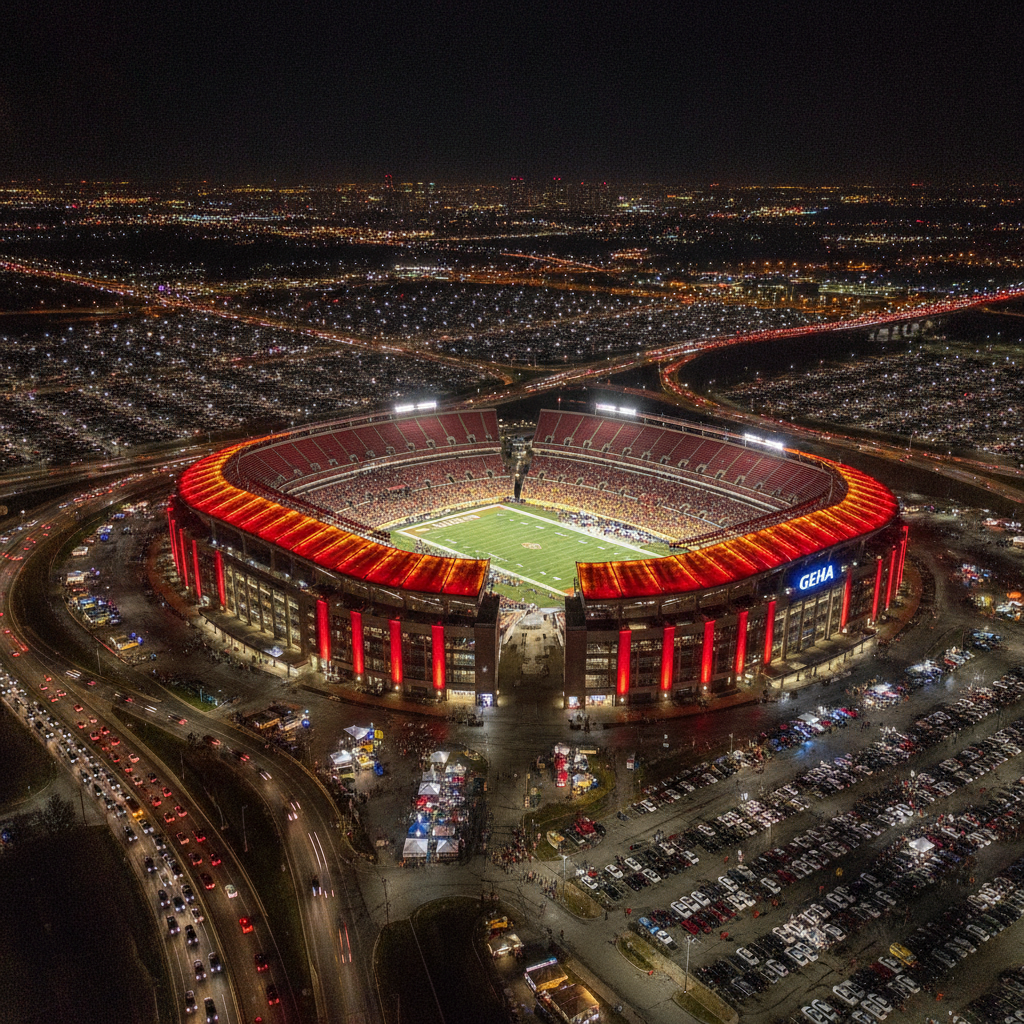
Kansas City Chiefs: the NFL franchise founded in Dallas in 1960 as the Dallas Texans (charter member of the American Football League), relocated to Kansas City in 1963, winning the AFL Championship in 1966 and Super Bowl IV on January 11, 1970 (defeating the Minnesota Vikings 23-7). The Patrick Mahomes era: Patrick Mahomes II (born September 17, 1995, Tyler, Texas) was drafted by the Chiefs 10th overall in 2017, became the full-time starter in 2018, and has led the team to unprecedented success — winning Super Bowl LIV (February 2, 2020, defeating the San Francisco 49ers 31-20), Super Bowl LVII (February 12, 2023, defeating the Philadelphia Eagles 38-35), and Super Bowl LVIII (February 11, 2024, defeating the San Francisco 49ers 25-22 in overtime — becoming the first team to win three Super Bowls in five seasons since the New England Patriots of 2001-2005). Mahomes is regarded by many analysts as the greatest quarterback in NFL history, having already won 3 Super Bowl MVP awards by age 29. The Arrowhead Stadium phenomenon: GEHA Field at Arrowhead Stadium (at One Arrowhead Drive, opened 1972, capacity 76,416) holds the world record for the loudest outdoor stadium noise (142.2 decibels, set September 29, 2014, during a game against the New England Patriots — a sound level that is on the threshold of physical pain). Kansas City Royals: the expansion franchise founded in 1969, winning the World Series in 1985 (defeating the St. Louis Cardinals in the I-70 Series, 4-3, in what Sports Illustrated called the greatest comeback in World Series history — the Royals won Games 6 and 7 after trailing 3-1) and 2015 (defeating the New York Mets 4-1). Kauffman Stadium (at One Royal Way, opened 1973, capacity 37,903): one of the last remaining single-sport baseball-only stadiums in the American League.
- 6
Kansas City Practical Guide - Neighborhoods, Food, and Getting Around
Kansas City practical guide and neighborhood overview. The Power and Light District (at 13th Street and Grand Boulevard, downtown Kansas City): the 6-block entertainment district developed by Cordish Companies and opened in 2007, with a 10,000-person outdoor venue (the Sprint Center outdoor plaza), restaurants, bars, and the T-Mobile Center (at 1407 Grand Boulevard, the 19,000-seat arena hosting the Kansas City Mavericks of the ECHL and concert events). Crossroads Arts District (the warehouse district south of Union Station, between Main Street and Broadway and 17th and 22nd Streets): the most vibrant independent arts and culture neighborhood in Kansas City, with galleries, studios, independent restaurants, and the First Friday art walk (the monthly event in which Crossroads galleries and studios open to the public on the first Friday of each month, drawing approximately 10,000 visitors). Union Station (at 30 W Pershing Road, opened 1914, designed by Jarvis Hunt in Beaux-Arts style): the third-largest train station in the United States at its opening (after Grand Central Terminal and Pennsylvania Station in New York), handling 678 trains and 75,000 passengers daily at its peak (1917), now restored as a science museum, restaurant, and event space after a 1996 restoration funded by a bistate tax. Practical transportation: Kansas City International Airport (IATA: MCI, at 1 International Square, 24 km northwest of downtown, new terminal opened February 2023 replacing the controversial 1970s pod-terminal design) serves approximately 12M passengers per year. Best seasons: spring (April-May) and fall (September-October). Kansas City Streetcar (the 3.5-km free streetcar route on Main Street connecting the River Market to the Crown Center): the free downtown transit connection, with expansion planned to the Country Club Plaza.
Walk this route with audio
Stories play automatically as you reach each stop — no tapping needed.
More in kansas-city
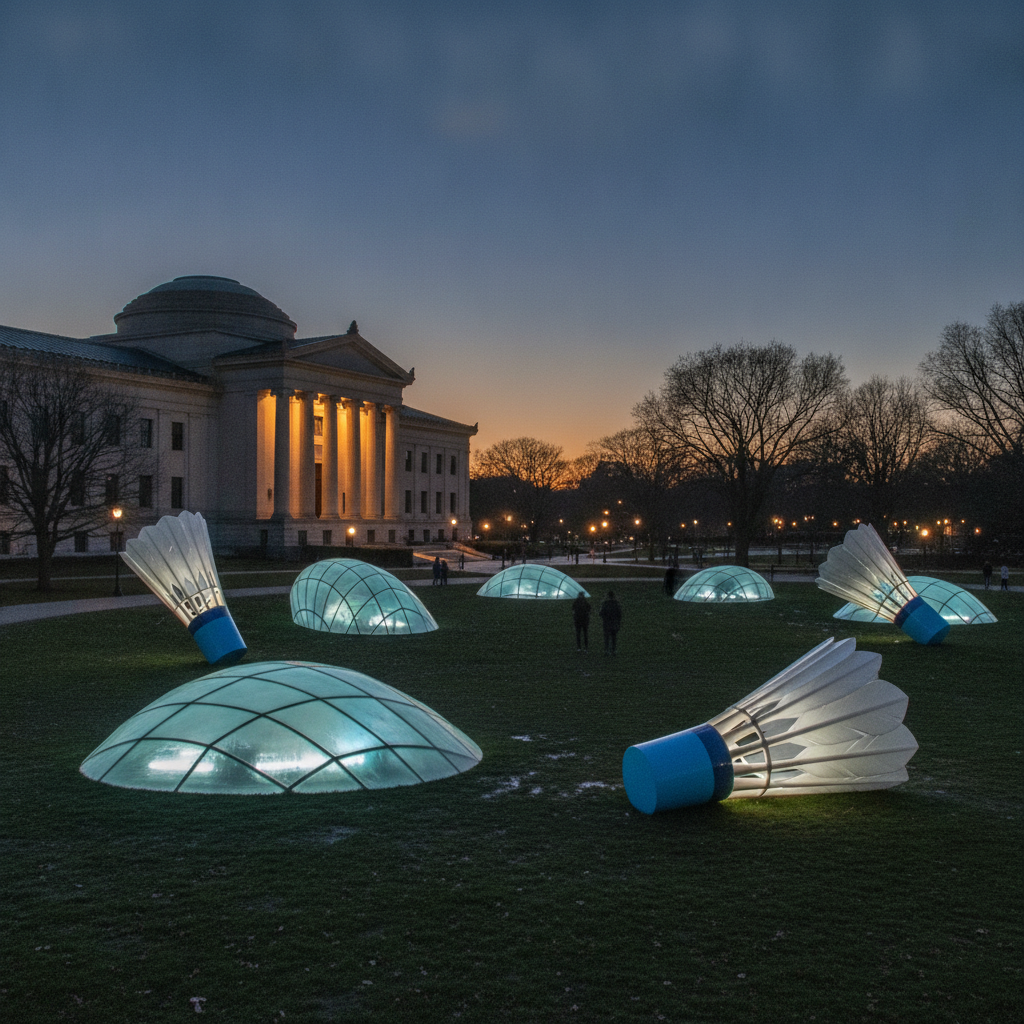
Kansas City: World-Class Art, Jazz Heritage and Legendary Smoke
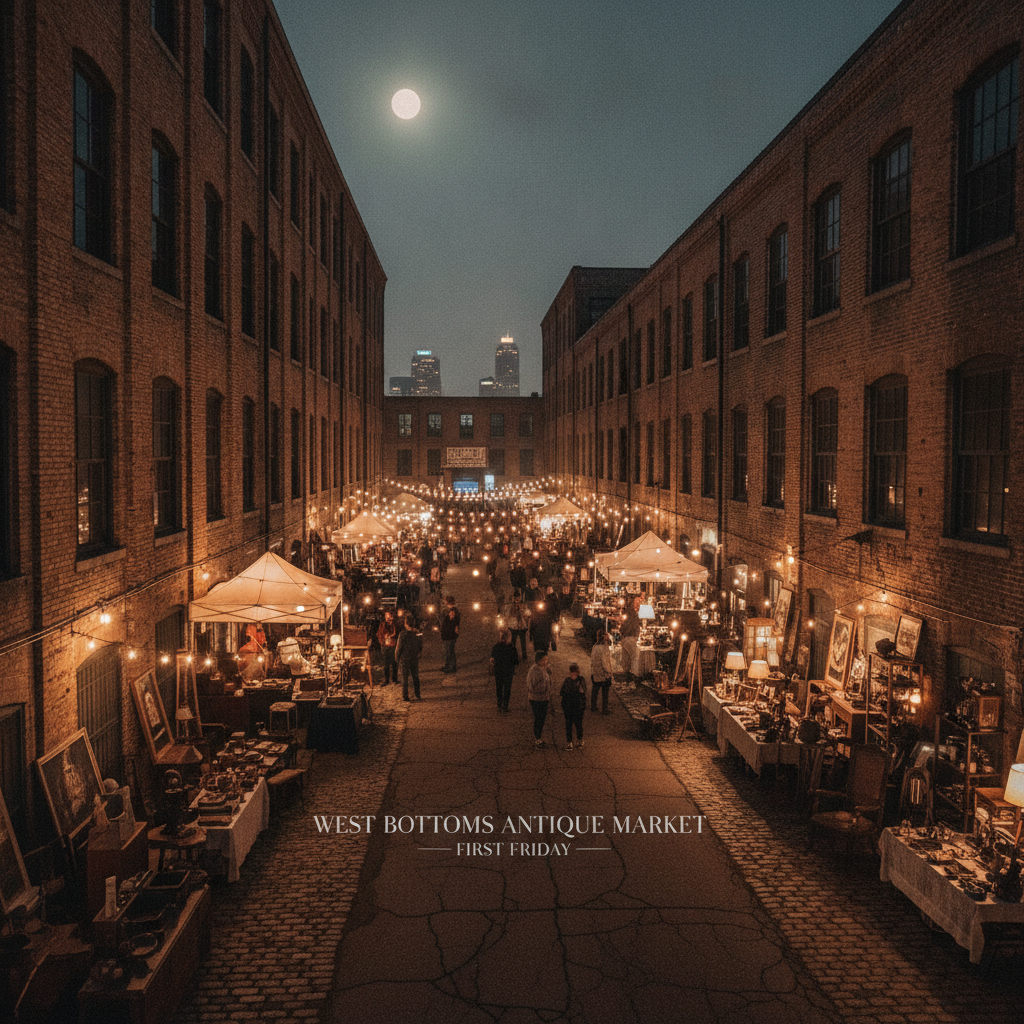
Kansas City R4-R6: West Bottoms (stockyards 400 acres 1917 hotel bank post office, First Weekend antique market largest Midwest monthly, American Royal Livestock largest combined livestock horse show rodeo world, 1993 flood 4m underwater, West Bottoms beef culture direct legacy), Kauffman (Marion Labs USD 5,000 basement 1950 to USD 6.5B 1989, Royals USD 5.25M 1968 now USD 1.8B, Kauffman Foundation USD 3.5B largest entrepreneurship focus US, Sprint founded Abilene 1899 T-Mobile 2020, Cerner 1979 Oracle USD 28.3B 2022), Civil rights (Troost Wall most persistent racial boundary US history, Jenkins v Missouri 1977-2011 longest desegregation case USD 2B 12 years considered failed, Bruce Watkins Cultural Heritage Center, 1968 uprising 6 killed after King assassination), Parks (Swope Park 1769 acres zoo 1700 animals, Loose Park Battle of Westport October 23 1864 29,000 vs 8500 largest Civil War battle west Mississippi, tallgrass prairie less than 4% original remains), tech (Google Fiber 2012 first gigabit residential US USD 300M economic impact, 500+ tech companies AgTech health IT, Hallmark since 1910 largest greeting cards world, H&R Block 1955 brothers Bloch), Identity (KCK vs KCMO separate states governments, 39th Street 3am vs 2am bar migration, Sporting KC Children's Mercy Park 2011, Taylor Swift Travis Kelce 2023 USD 100-200M economic impact).
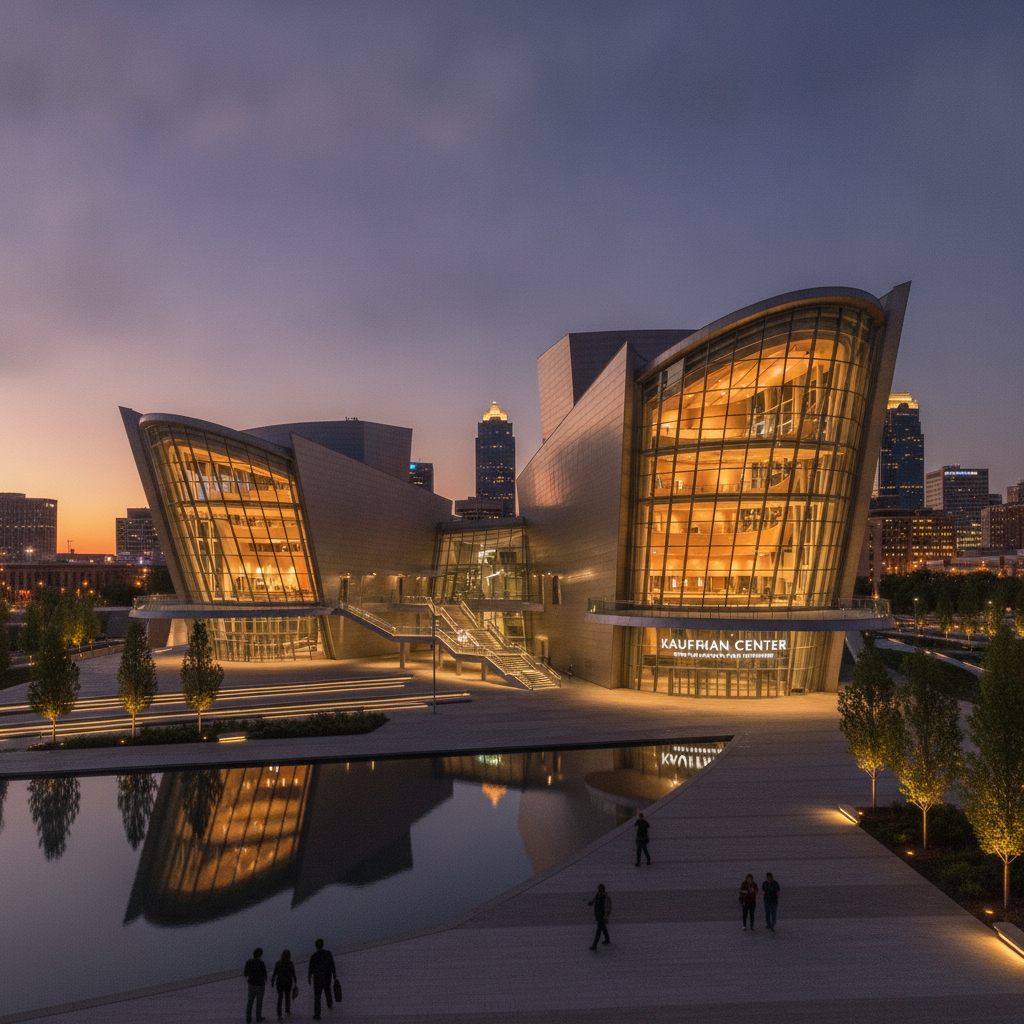
Kansas City R3: Pendergast Machine (ghost voters ballot stuffing police control USD 40M 12-year plan City Hall courthouse, Ready Mixed Concrete Company conflict of interest, Truman Jackson County judge 1922 presiding 1926 attended Pendergast funeral 1945), Truman (Boys if you ever pray pray for me now April 12 1945, Hiroshima August 6 1945 70,000 immediate 120,000 total, Nagasaki August 9 40,000 immediate 80,000 total, desegregated military EO 9981 July 26 1948, recognized Israel May 14 1948 11 minutes first nation, Marshall Plan USD 13B 1948-1952, Korea June 27 1950, Truman Library Independence 1957), Santa Fe Trail (1821 1400km Independence Missouri to Santa Fe, Kearny Army of the West conquered New Mexico August 1846, National Frontier Trails Museum ruts still visible, Westport Landing outfitting point 1830s-1860s Fremont Pathfinder), music (Knuckleheads Saloon country blues Americana, Kauffman Center 2011 Moshe Safdie Helzberg Hall violin shell, Charlie Parker Jazz Festival August Penn Valley, Boulevard Brewing 1989 700,000 barrels Midwest largest specialty), streetcar (3.5km free USD 1.7B development since 2016, extension to Plaza UMKC under construction), food beyond BBQ (West Side Mexican 60% Hispanic authentic, Cafe Sebastienne Kemper Museum Jennifer Maloney, Boulevard Brewing Tank 7 Saison-Brett).
Kansas City: Creative Arts, Champion Chiefs and Pioneer Outfitting Ground
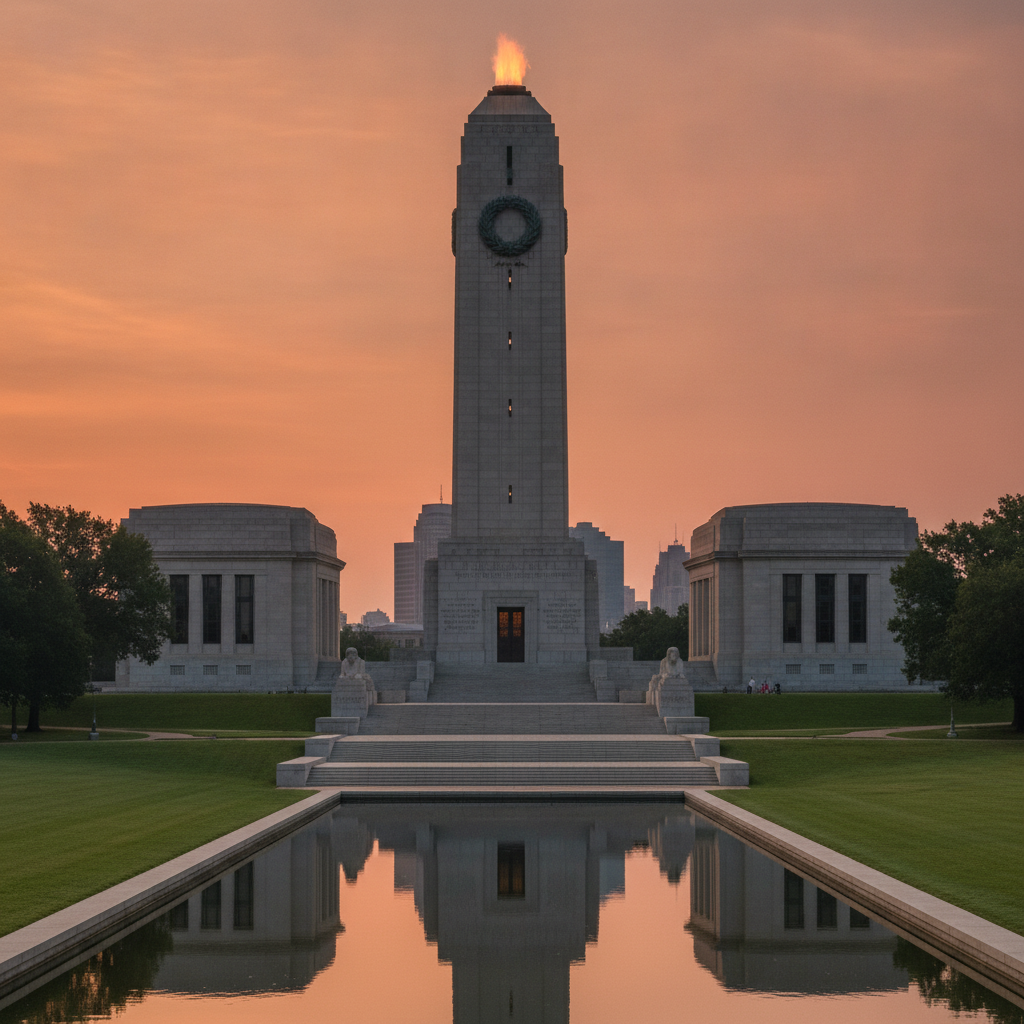
Kansas City R5-R6: Crown Center (85 acres Hallmark Cards HQ 1971 mixed-use precursor, J.C. Hall 1891-1982 arrived 18 two shoeboxes USD 183 savings built USD 4B revenue Hallmark Channel, H&R Block Henry Bloch 1922-2019 20M clients 60 countries donated USD 25M Nelson-Atkins), WWI Memorial (Liberty Memorial 1921-1926 five Allied commanders only time together Pershing Foch Wilson Diaz Jacques, USD 2.5M raised 10 days 83,000 donors fastest civic fundraising 1921, National WWI Museum 2006 75,000 artifacts most comprehensive world, glass floor 9000 poppy seed heads Allied dead Western Front), Royals (1969 expansion, 1985 WS comeback 3-1 Denkinger missed call, George Brett three-decade batting titles .390 1980 closest to .400 since Williams 1941, Pine Tar Incident July 24 1983, Dan Quisenberry poet sidearm), African American culture (Paseo main street Black KC, Thomas Dorsey Father Gospel Music Take My Hand Precious Lord 1932 tragedy-written, Charlie Parker Center music education, Black Archives Mid-America 2033 Vine), Immigrants (Garozzo Italian since 1989, Guadalupe Centers 1919 oldest largest Latino Midwest West Side, Vietnamese pho Independence Ave, Cambodian largest Midwest northeast KC), Practical (hot humid summers 30-35C ice storms winters, Plaza Lighting Ceremony 280,000 lights Thanksgiving 1925 100,000 spectators, KC Renaissance Festival 200,000 Bonner Springs September-October, Hotel Phillips 1931 Art Deco, Crossroads Hotel 2019 Pabst warehouse, free streetcar Main Street).