Kansas City: Baseball Royalty, Public Art and a River City Reborn
Follow the Royals World Series legacy at Kauffman Stadium, see the Scout bronze above Penn Valley Park, discover Kansas City murals and street art, stand at the Lewis and Clark Missouri River confluence, experience the Power and Light District downtown revival, and eat through the city multicultural food halls.
- 1
Kansas City Royals and Kauffman Stadium
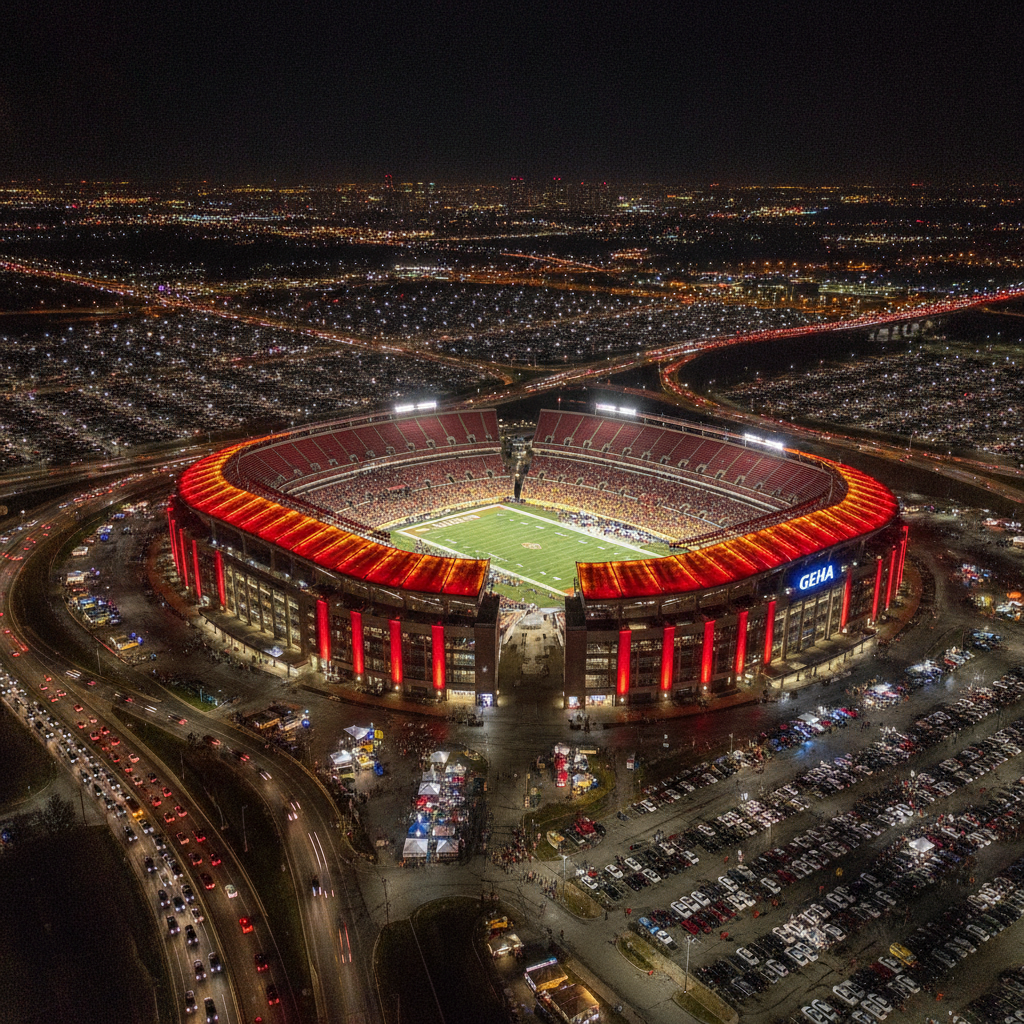
The Kansas City Royals MLB franchise, founded in 1969, won the World Series in 1985 defeating the St. Louis Cardinals in a seven-game series that included the controversial Game 6 Don Denkinger call at first base that Cardinals fans still dispute. The Royals won their second World Series in 2015, defeating the New York Mets in five games. Kauffman Stadium, opened in 1973 and renovated in 2009 for 250 million dollars, seats 37,903 and is considered one of the most aesthetically pleasing ballparks in the American League for its 322-foot wide waterfall display beyond the outfield wall. The stadium was named for Ewing Kauffman, the founder of Marion Laboratories who purchased the expansion franchise and ran it with a commitment to player development.
- 2
Penn Valley Park and Scout Statue
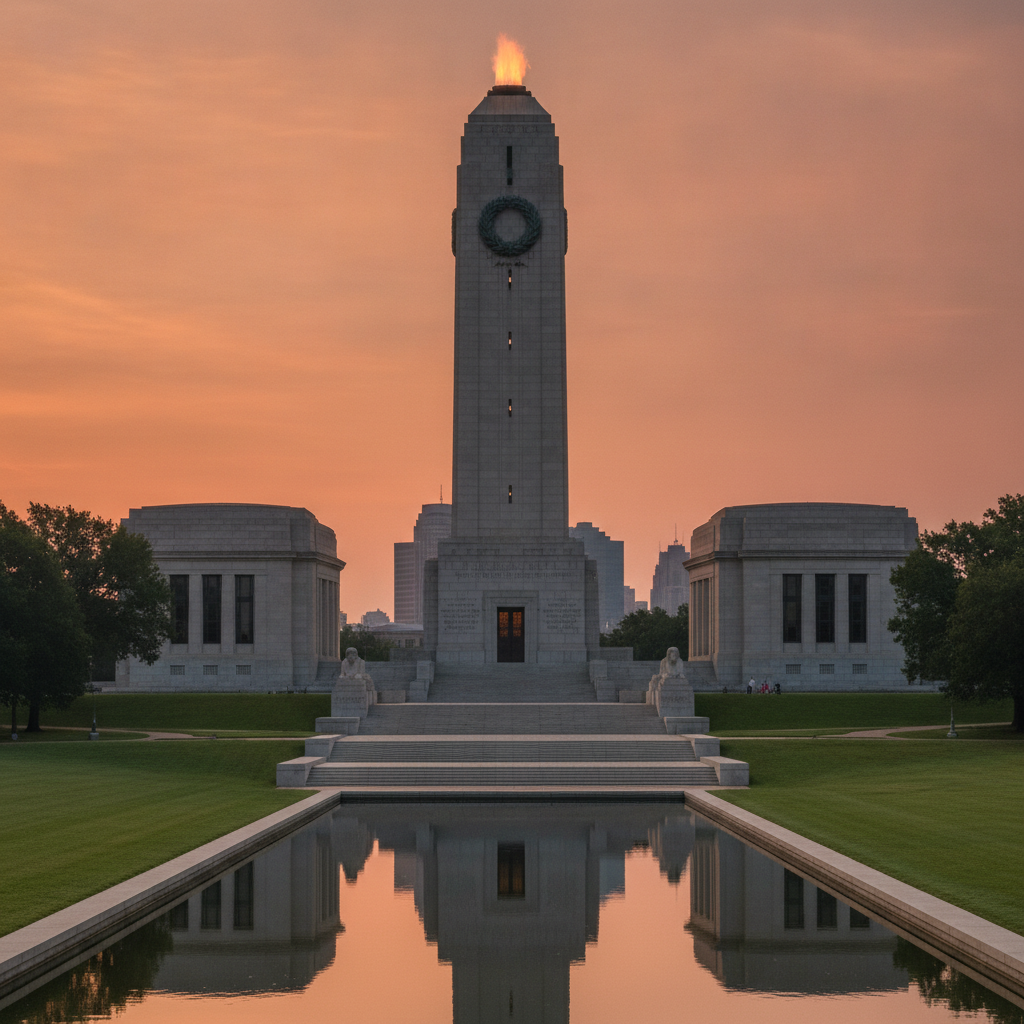
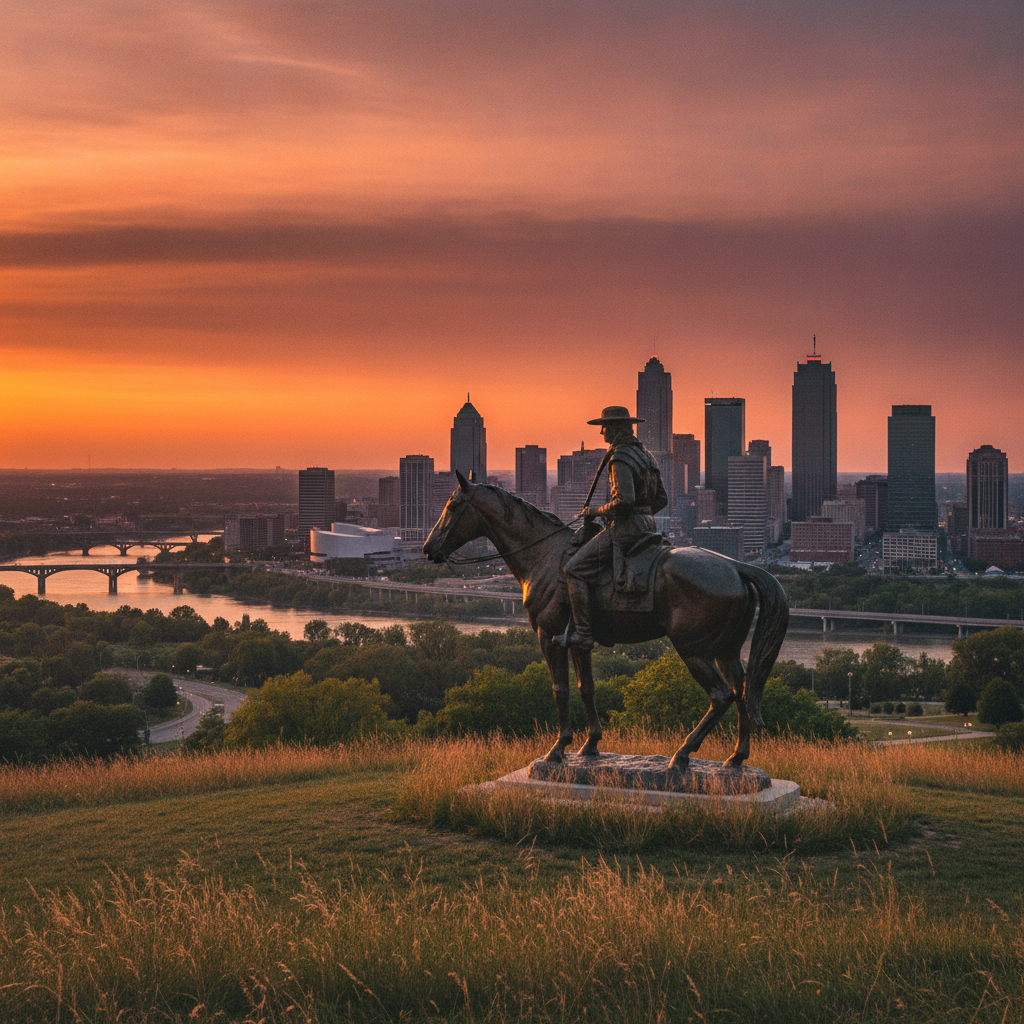
Penn Valley Park, a 176-acre green space south of Crown Center, contains one of the most iconic pieces of public sculpture in Kansas City: The Scout, a 1922 bronze by Cyrus Dallin depicting a Native American warrior on horseback surveying the horizon. Dallin, a Utah sculptor, intended the work as a tribute to the indigenous people displaced by westward expansion. The 10-foot figure was originally created for the 1915 Panama-Pacific International Exposition in San Francisco before being purchased by Kansas City. Penn Valley Park also contains the Liberty Memorial, a 217-foot tower and museum dedicated to World War I opened in 1926 and designated the National World War I Museum in 2004. The museum holds the most comprehensive World War I collection in the Western Hemisphere.
- 3
Kansas City Street Art and Murals
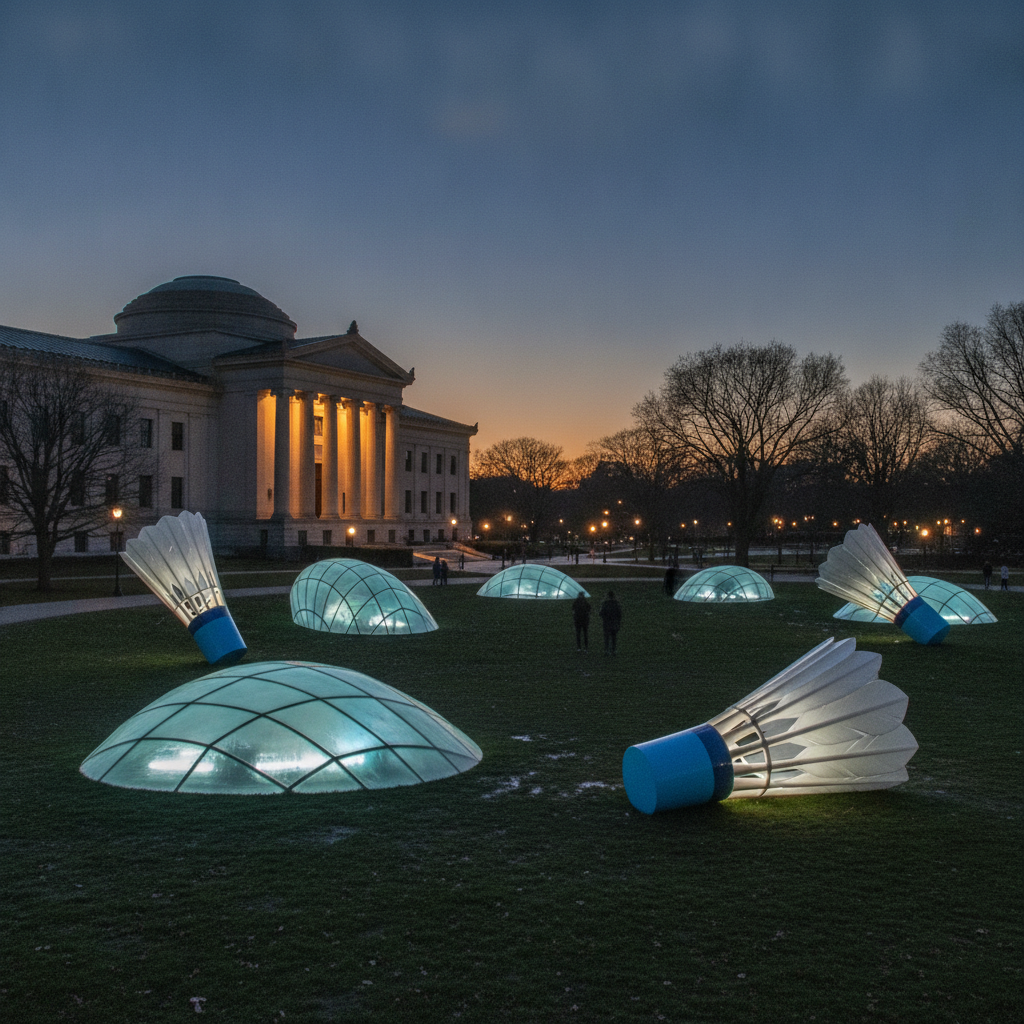
Kansas City has developed one of the more active street art programs in the Midwest through the Crossroads Community Association, the Charlotte Street Foundation, and the Kansas City Public Art Program. The Rabbit Hole mural district along Southwest Boulevard concentrates dozens of large-scale works by regional and international artists. The annual Parade the Circle event in Westport raises funds for public art. Artist Peregrine Honig and others have established Kansas City as a node on the international street art circuit through residency programs that bring artists from across the world. The Kansas City Art Institute, founded in 1885 and one of the oldest independent art schools in the United States, consistently produces graduates who remain in the city and contribute to its visual arts ecosystem.
- 4
Missouri River and Confluence History
The confluence of the Missouri and Kansas Rivers at the western edge of Kansas City, where the Missouri turns sharply east toward St. Louis, was the strategic geographic reason for the city existence. The Missouri River, 2,341 miles long, is the longest river in North America, longer than the Mississippi above their junction. Native American nations including the Osage, Missouri, and Kansas peoples lived at and near the confluence for centuries before European contact. The French established trading relationships with these nations from the early 1700s. The confluence area today is marked by Kaw Point Park, a free city park where interpretive signs describe the Lewis and Clark Expedition campsite of June 26, 1804, when the Corps of Discovery paused at the confluence on their outward journey.
- 5
Power and Light District and Downtown Revival
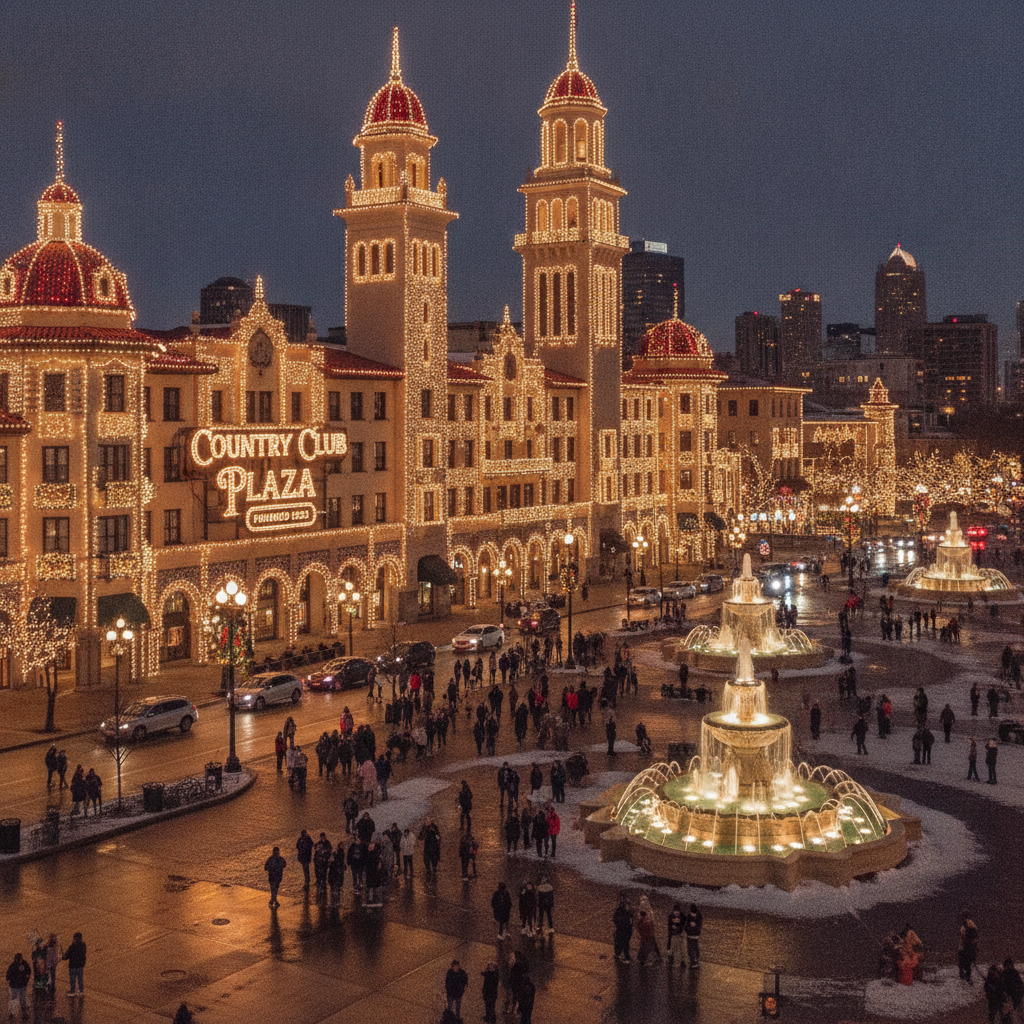
The Power and Light District, a 9-block entertainment development that opened in 2008 at a cost of 850 million dollars, was the centerpiece of downtown Kansas City revitalization efforts that began in the early 2000s. The development contains restaurants, bars, a concert venue, and retail space anchored by a public plaza that hosts outdoor concerts in summer and a skating rink in winter. The adjacent Sprint Center arena, opened in 2007, seats 19,000 for concerts and sporting events and has consistently ranked among the busiest arenas in the United States by ticket sales. The streetcar line that opened on Main Street in 2016, the first new streetcar service in Kansas City since 1957, connects the Power and Light District to the River Market and is free to ride.
- 6
Kansas City Food Halls and Culinary Diversity
Kansas City food scene beyond barbecue reflects a city with substantial immigrant communities including Vietnamese, Somali, Ethiopian, and Mexican populations concentrated in distinct neighborhoods. The Columbus Park neighborhood east of downtown has been the center of Kansas City Italian community since the early 1900s and still supports multiple Italian restaurants. The Westside neighborhood, historically home to Mexican American families since the 1920s, anchors authentic Mexican cuisine including Taqueria Mexico, open since 1993. The City Market River Market Farmers Market, operating since 1858 and one of the oldest in the Midwest, opens year-round on weekends. Multiple food halls including Parlor and Columbus Park Ramen have opened since 2018, concentrating diverse vendors in renovated historic buildings.
Walk this route with audio
Stories play automatically as you reach each stop — no tapping needed.
More in Kansas City
Kansas City: World-Class Art, Jazz Heritage and Legendary Smoke
Kansas City: BBQ, jazz, architecture, Negro Leagues, Chiefs, and practical guide
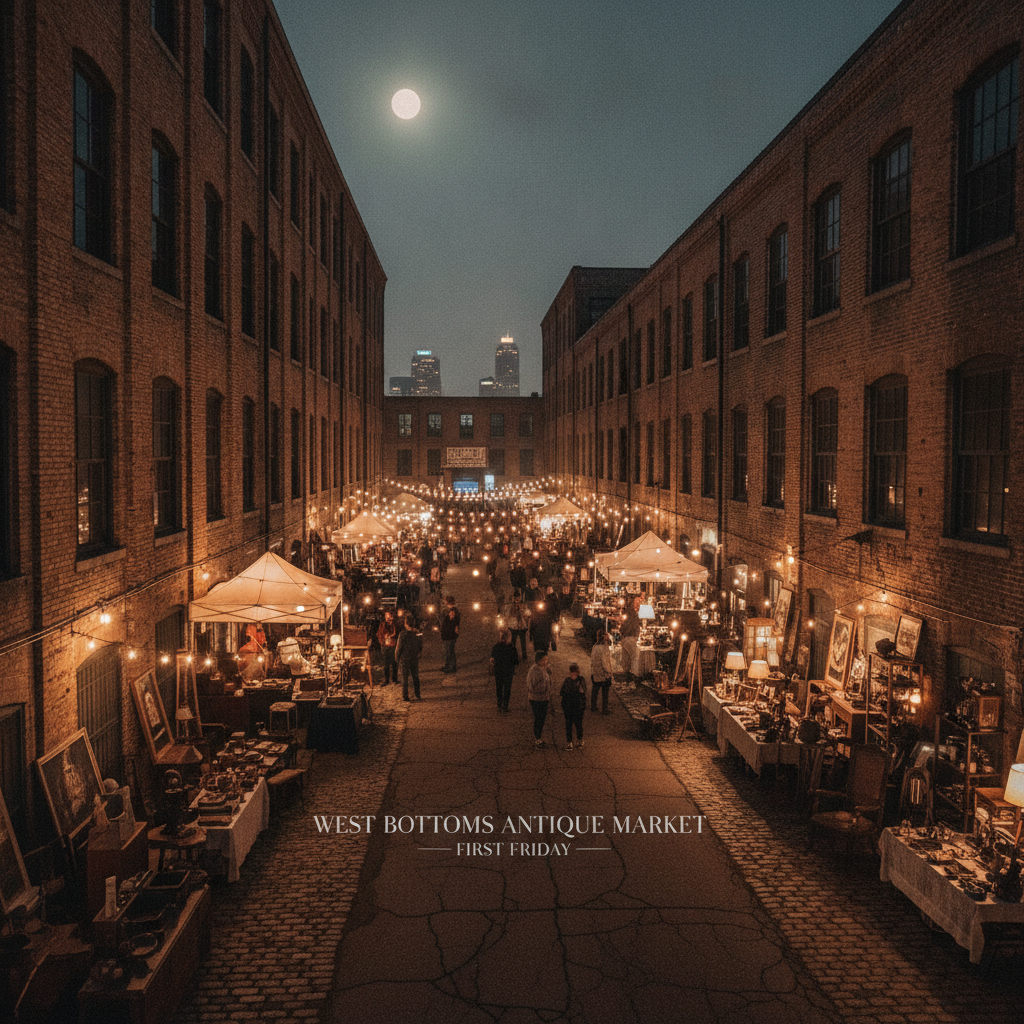
Kansas City R4-R6: West Bottoms (stockyards 400 acres 1917 hotel bank post office, First Weekend antique market largest Midwest monthly, American Royal Livestock largest combined livestock horse show rodeo world, 1993 flood 4m underwater, West Bottoms beef culture direct legacy), Kauffman (Marion Labs USD 5,000 basement 1950 to USD 6.5B 1989, Royals USD 5.25M 1968 now USD 1.8B, Kauffman Foundation USD 3.5B largest entrepreneurship focus US, Sprint founded Abilene 1899 T-Mobile 2020, Cerner 1979 Oracle USD 28.3B 2022), Civil rights (Troost Wall most persistent racial boundary US history, Jenkins v Missouri 1977-2011 longest desegregation case USD 2B 12 years considered failed, Bruce Watkins Cultural Heritage Center, 1968 uprising 6 killed after King assassination), Parks (Swope Park 1769 acres zoo 1700 animals, Loose Park Battle of Westport October 23 1864 29,000 vs 8500 largest Civil War battle west Mississippi, tallgrass prairie less than 4% original remains), tech (Google Fiber 2012 first gigabit residential US USD 300M economic impact, 500+ tech companies AgTech health IT, Hallmark since 1910 largest greeting cards world, H&R Block 1955 brothers Bloch), Identity (KCK vs KCMO separate states governments, 39th Street 3am vs 2am bar migration, Sporting KC Children's Mercy Park 2011, Taylor Swift Travis Kelce 2023 USD 100-200M economic impact).
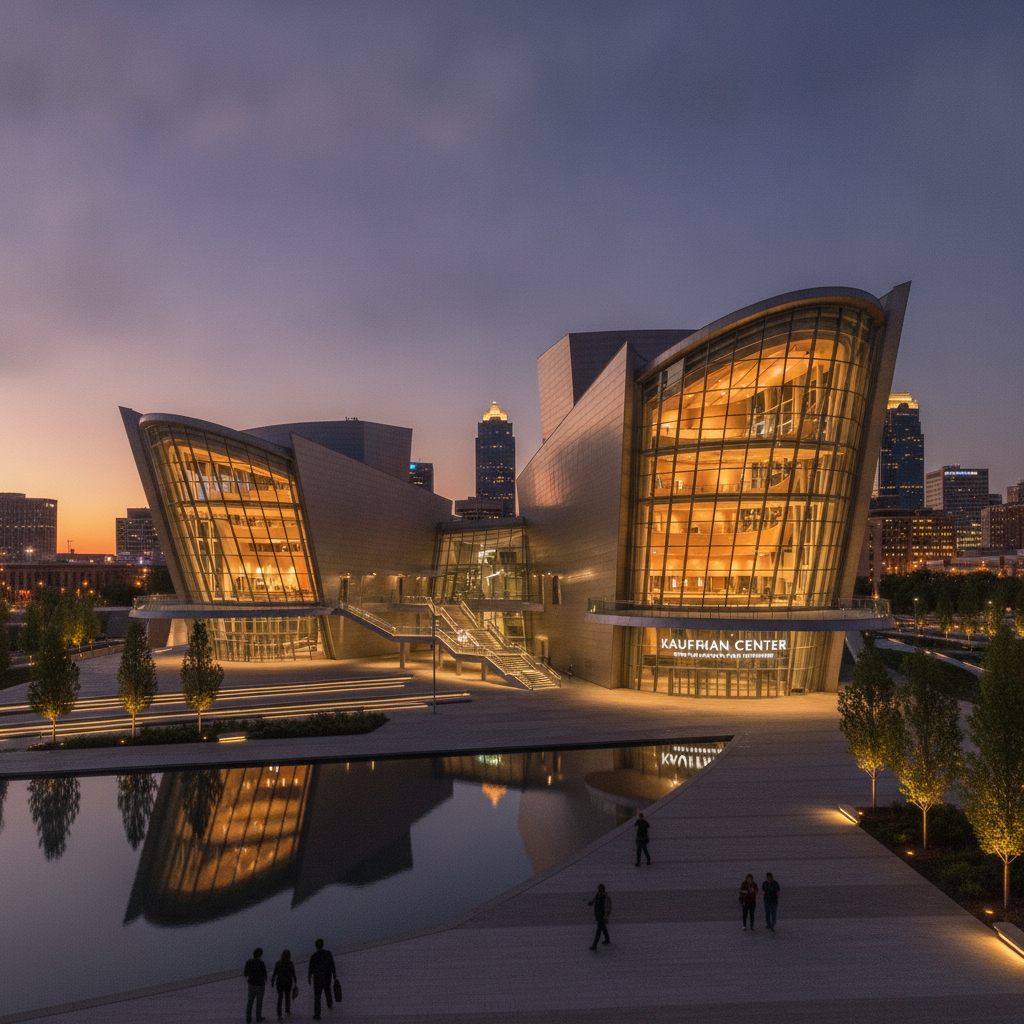
Kansas City R3: Pendergast Machine (ghost voters ballot stuffing police control USD 40M 12-year plan City Hall courthouse, Ready Mixed Concrete Company conflict of interest, Truman Jackson County judge 1922 presiding 1926 attended Pendergast funeral 1945), Truman (Boys if you ever pray pray for me now April 12 1945, Hiroshima August 6 1945 70,000 immediate 120,000 total, Nagasaki August 9 40,000 immediate 80,000 total, desegregated military EO 9981 July 26 1948, recognized Israel May 14 1948 11 minutes first nation, Marshall Plan USD 13B 1948-1952, Korea June 27 1950, Truman Library Independence 1957), Santa Fe Trail (1821 1400km Independence Missouri to Santa Fe, Kearny Army of the West conquered New Mexico August 1846, National Frontier Trails Museum ruts still visible, Westport Landing outfitting point 1830s-1860s Fremont Pathfinder), music (Knuckleheads Saloon country blues Americana, Kauffman Center 2011 Moshe Safdie Helzberg Hall violin shell, Charlie Parker Jazz Festival August Penn Valley, Boulevard Brewing 1989 700,000 barrels Midwest largest specialty), streetcar (3.5km free USD 1.7B development since 2016, extension to Plaza UMKC under construction), food beyond BBQ (West Side Mexican 60% Hispanic authentic, Cafe Sebastienne Kemper Museum Jennifer Maloney, Boulevard Brewing Tank 7 Saison-Brett).
Kansas City: Creative Arts, Champion Chiefs and Pioneer Outfitting Ground