Kathmandu's Three Cities: Bhaktapur's Medieval Streets, Patan's Bronze Casting & Dal Bhat Power
Explore the Kathmandu Valley's three medieval cities—Bhaktapur's living Newar community in an unchanged 17th-century fabric (the finest medieval streetscape in Asia), Patan's Krishna Mandir in pure stone shikhara style and the finest Himalayan Buddhist metalwork, unlimited dal bhat refuels on every trekking route, 20,000 Tibetan refugees maintaining 50 monasteries around Boudhanath stupa, and Nepal on $25/day with an on-arrival visa at the world's most dramatic airport approach.
- 1
Bhaktapur – The Living Medieval City
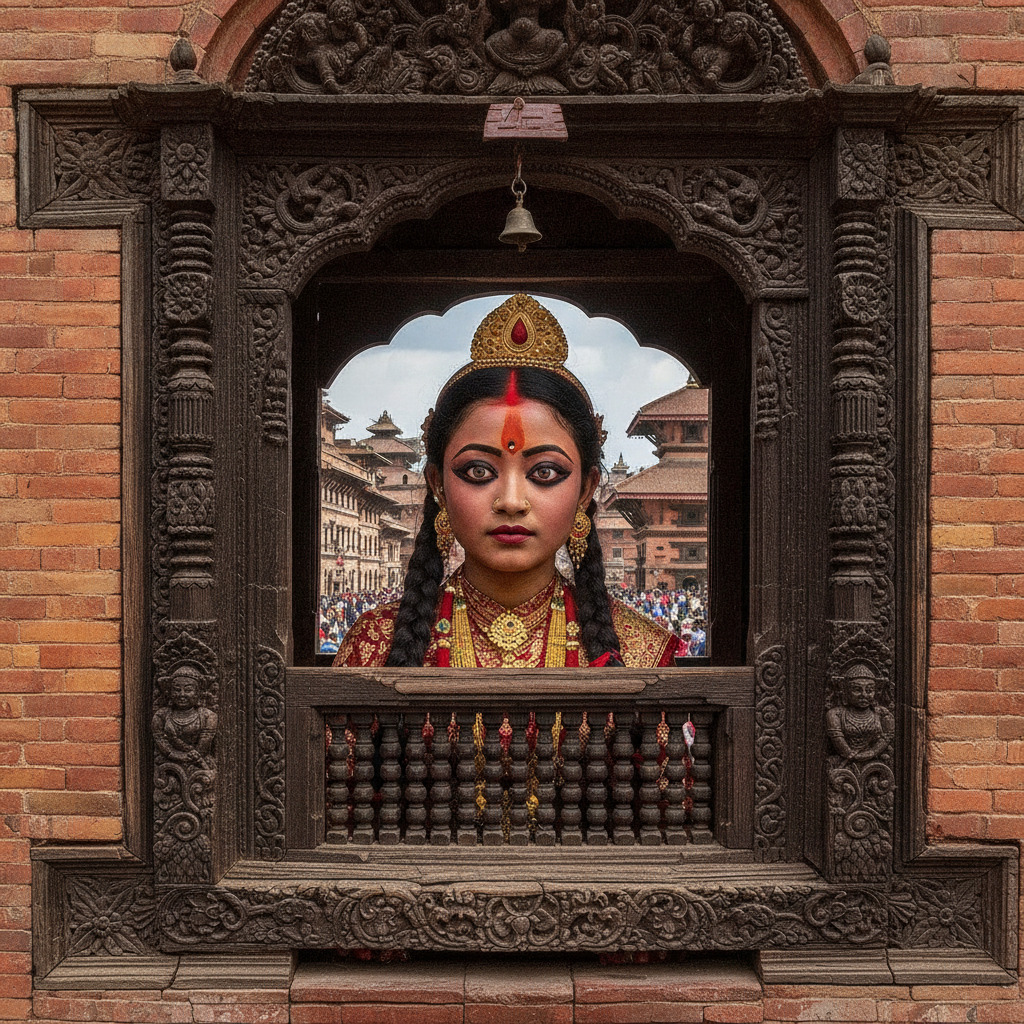
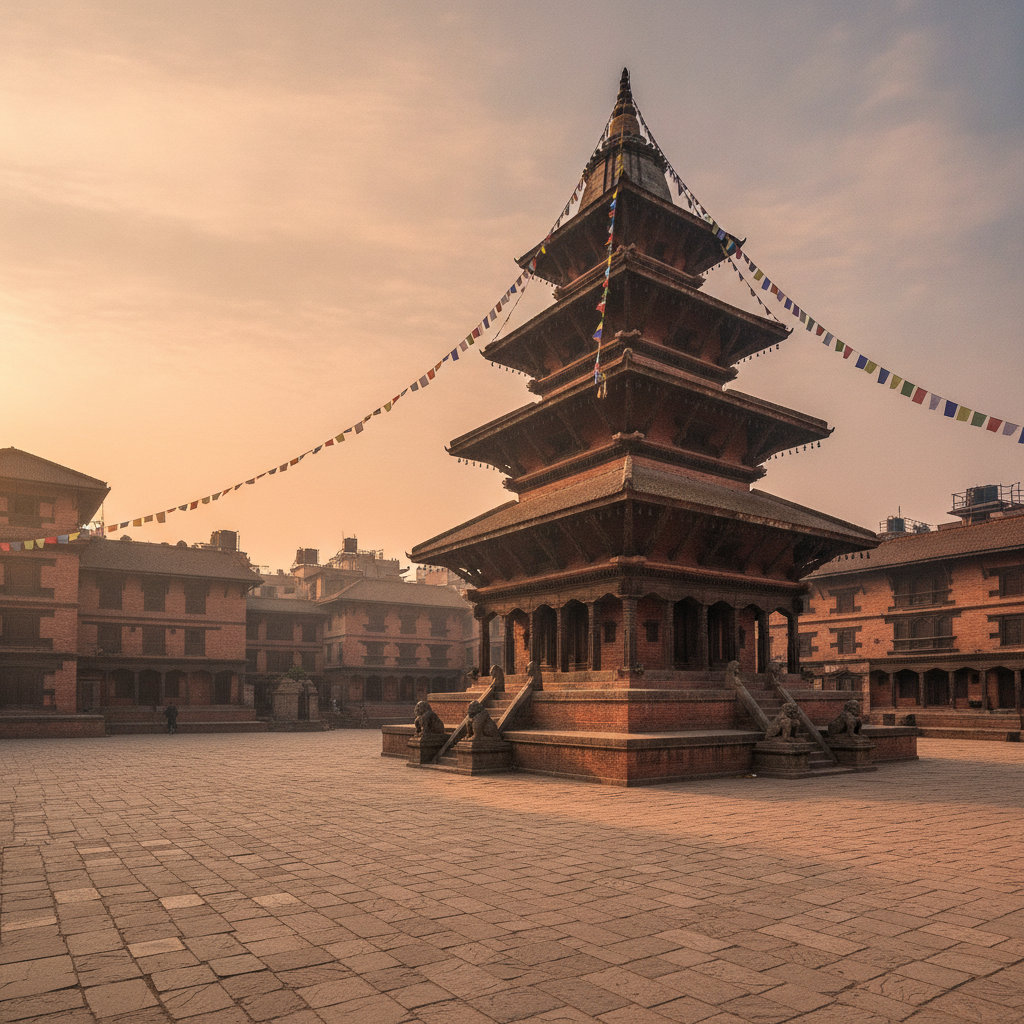
Bhaktapur (Bhadgaon)—15 km east of Kathmandu, the best-preserved medieval city in Nepal—is a living Newar city of extraordinary beauty: 5 durbar squares, 172 temples and shrines, and a population of 83,000 still practising traditional Newar crafts, agriculture, and festivals within a medieval urban fabric. The 55-Window Palace (17th century), the Nyatapola Temple (the tallest pagoda in Nepal at 30 metres, 1702), and the Dattatreya Square are the architectural highlights. Bhaktapur is entered by ticket (NPR1,500/€10 for foreigners)—one of Nepal's best values.
- 2
Patan – The City of Fine Arts
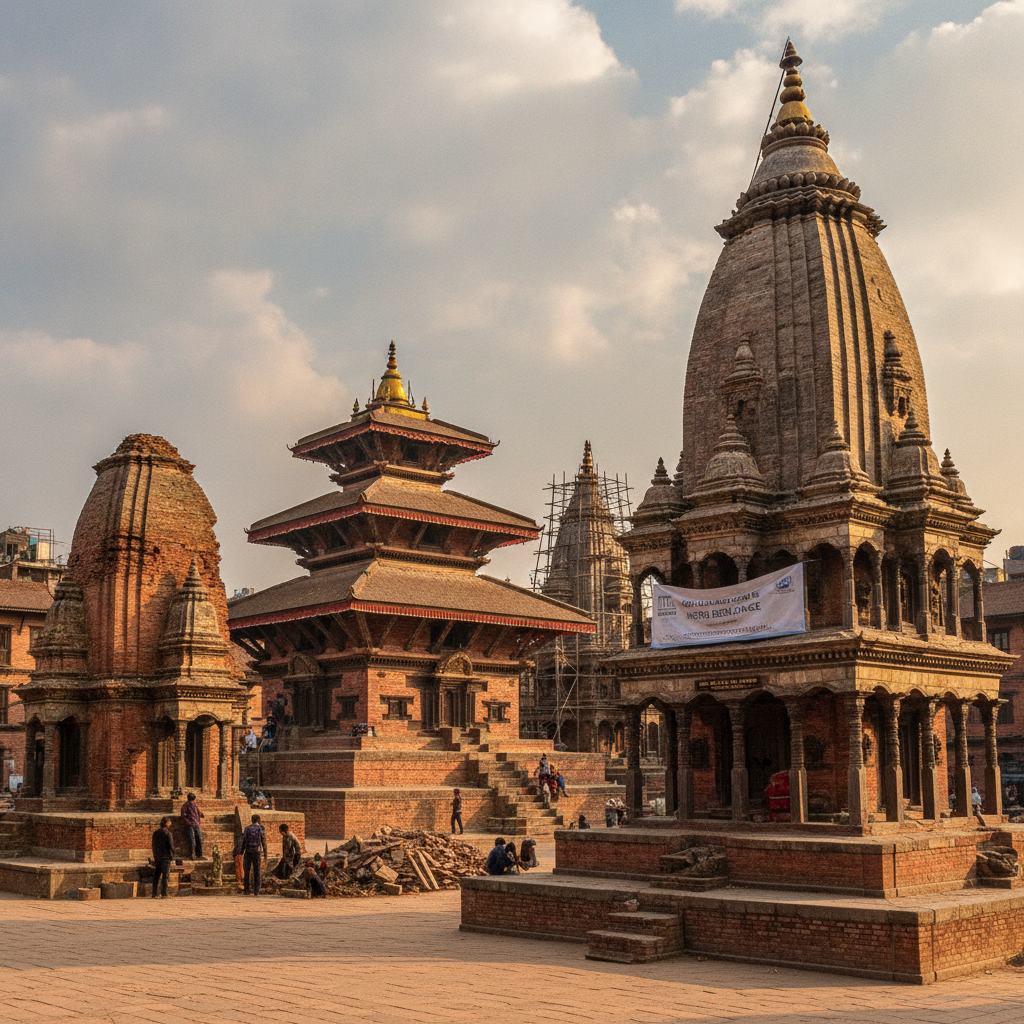
Patan (Lalitpur)—immediately south of Kathmandu, now absorbed into the metropolitan area—is the most artistically refined of the three Kathmandu Valley cities. The Patan Durbar Square (UNESCO, damaged in 2015, largely restored) contains the Krishna Mandir (17th century, pure stone construction in shikhara style—unique in Nepal) and the Patan Museum (inside the royal palace, considered Nepal's finest museum). The city is the centre of traditional Newar metalwork—the repoussé bronze casting and gilded statues that define Himalayan Buddhist art.
- 3
Nepali Cuisine – Dal Bhat & Momos
Nepali cuisine centres on dal bhat—lentil soup (dal) with steamed rice (bhat), accompanied by tarkari (vegetable curry), achaar (pickles), and papad—consumed twice daily by most Nepalis and provided in unlimited refills on trekking routes ('dal bhat power, 24 hour'). Momos—Tibetan-Nepali steamed dumplings filled with minced buffalo, chicken, or vegetables, served with tomato sesame sauce—are Kathmandu's most popular street food. Sel roti (deep-fried ring bread, crispy outside and soft inside) is the festival food eaten at Dashain and Tihar.
- 4
Tibetan Refugees & Buddhism in Kathmandu
Kathmandu is home to approximately 20,000 Tibetan refugees—the largest Tibetan community outside Tibet—who fled following China's 1959 invasion of Tibet and the Dalai Lama's exile. The Boudhanath area is the heart of the Tibetan community: over 50 Tibetan Buddhist monasteries cluster around the stupa. The Kopan Monastery (above Boudhanath) runs 10-day vipassana meditation courses (advance booking essential, hugely popular with international visitors). Tibetan handicrafts (thangka paintings, singing bowls, prayer flags) are the main craft exports.
- 5
Kathmandu's Music & Nightlife Scene
Kathmandu has a surprisingly vibrant music scene—live music venues and bars in Thamel (Purple Haze, the Rum Doodle, Sam's Bar) and the new Jhamsikhel neighbourhood (Moksh, Paddy Foley's Irish Pub) operate nightly. Nepali pop and rock music has developed a distinct local character; the bands that play Thamel bars blend Western rock with Nepali folk elements. The Nepal International Music Festival (NIMF) brings international acts annually. The bar scene is dominated by returning trekkers celebrating completions—the atmosphere peaks on weekends when Everest and Annapurna groups coincide.
- 6
Practical Kathmandu – Visas, Altitude & Costs
Nepal's tourist visa is obtained on arrival or online ($30 for 15 days, $50 for 30 days, $125 for 90 days). Tribhuvan International Airport (KTM) is 6 km from the city centre (taxi NPR700–1,000/€4.50–6.50). Kathmandu sits at 1,400 metres—most visitors feel no altitude effects in the city; acclimatisation is critical only above 3,000 metres on treks. Nepal is inexpensive: a guesthouse costs $10–25/night in Thamel; a dal bhat meal NPR300–500 (€2–3); a momo plate NPR150 (€1). The best trekking season is October–November (post-monsoon, clear skies, mountain views) and March–May (spring flowers).
Walk this route with audio
Stories play automatically as you reach each stop — no tapping needed.
More in Kathmandu
Kathmandu Resilience: The 2015 Gorkha Earthquake, the Heritage Reconstruction, the Nepal Recovery, and the Most Practically Inspiring Single Disaster-Recovery Heritage Story
Kathmandu's Craft & Contemplation: Thangka Painting, Singing Bowls, Newari Pagodas & Ten Days of Meditation at Kopan
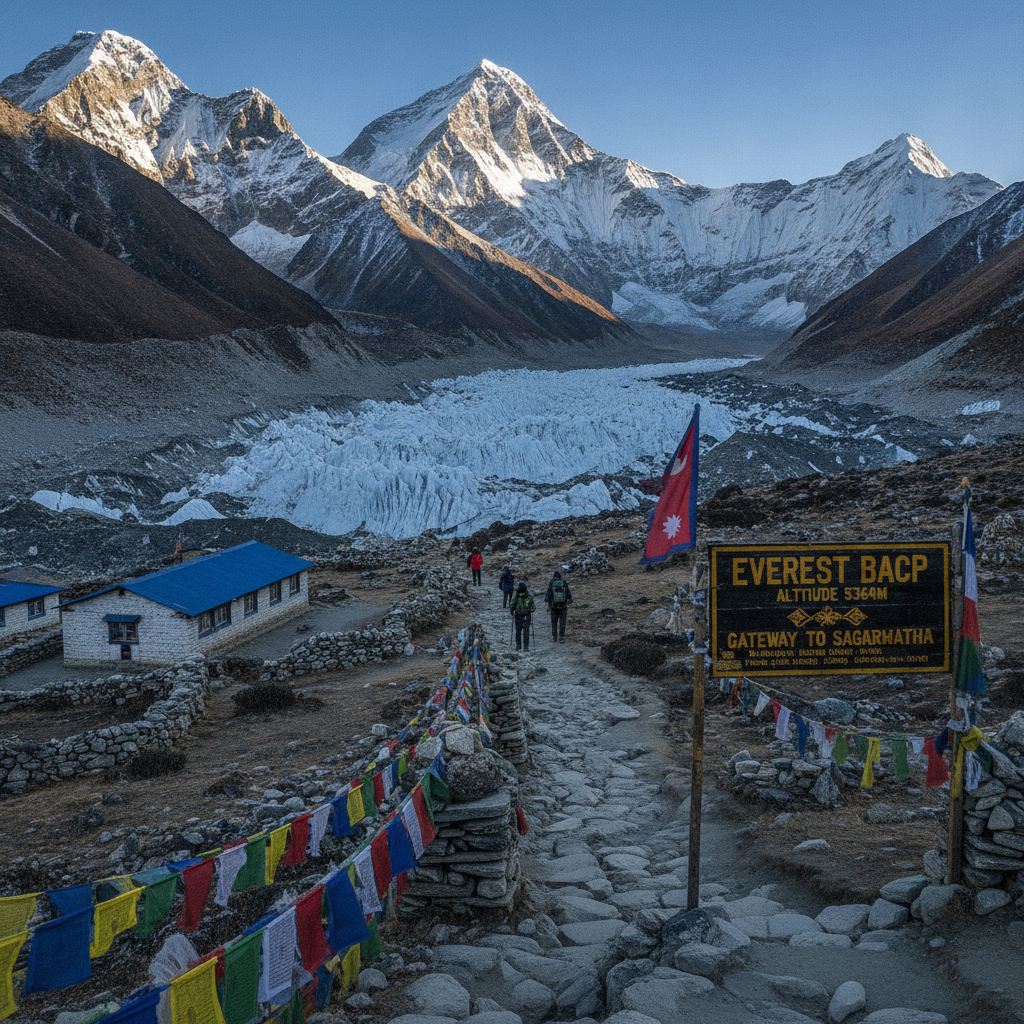
Kathmandu Trekking Hub: Everest Base Camp, the Annapurna Circuit, the Langtang Valley, and the Most Comprehensively Himalayan Single Trekking Gateway
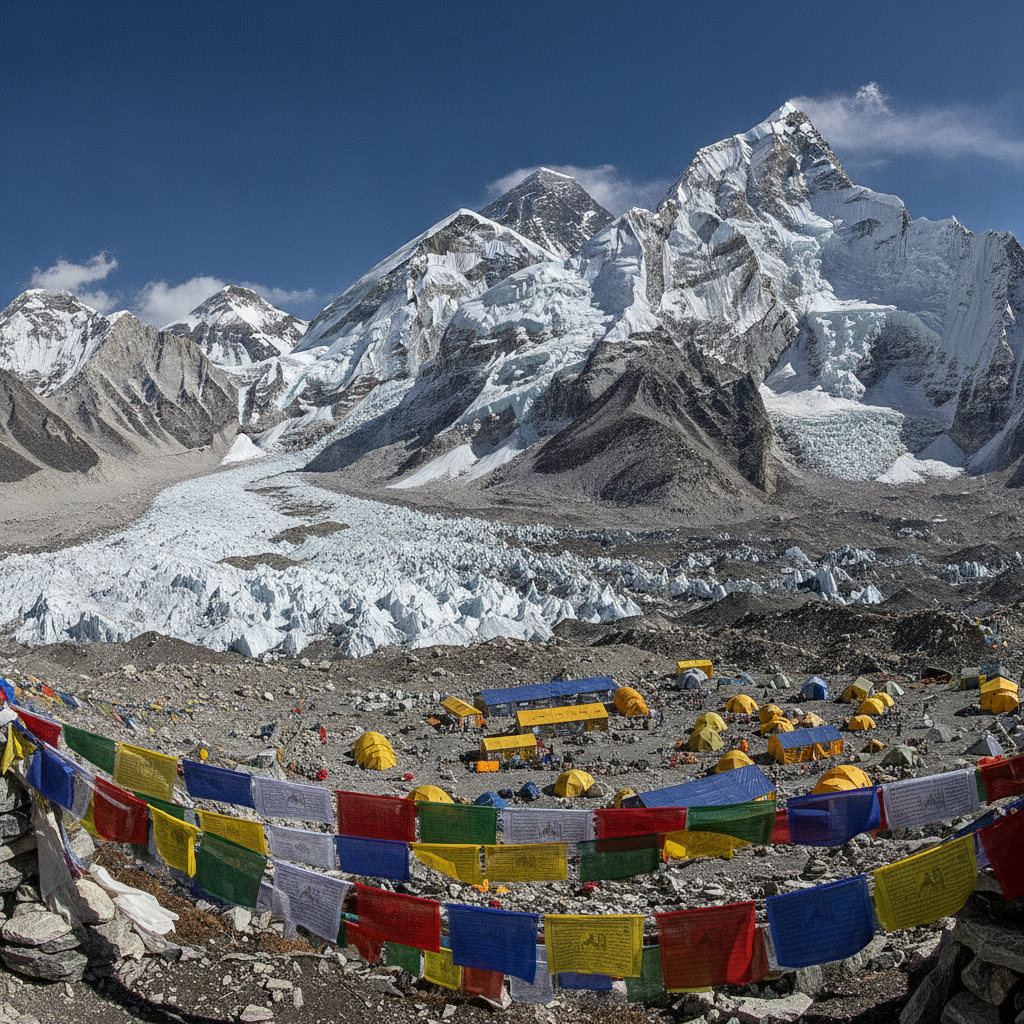
Nepal's Himalayan Adventures: Everest Base Camp, Annapurna Circuit & the Forbidden Kingdom of Mustang
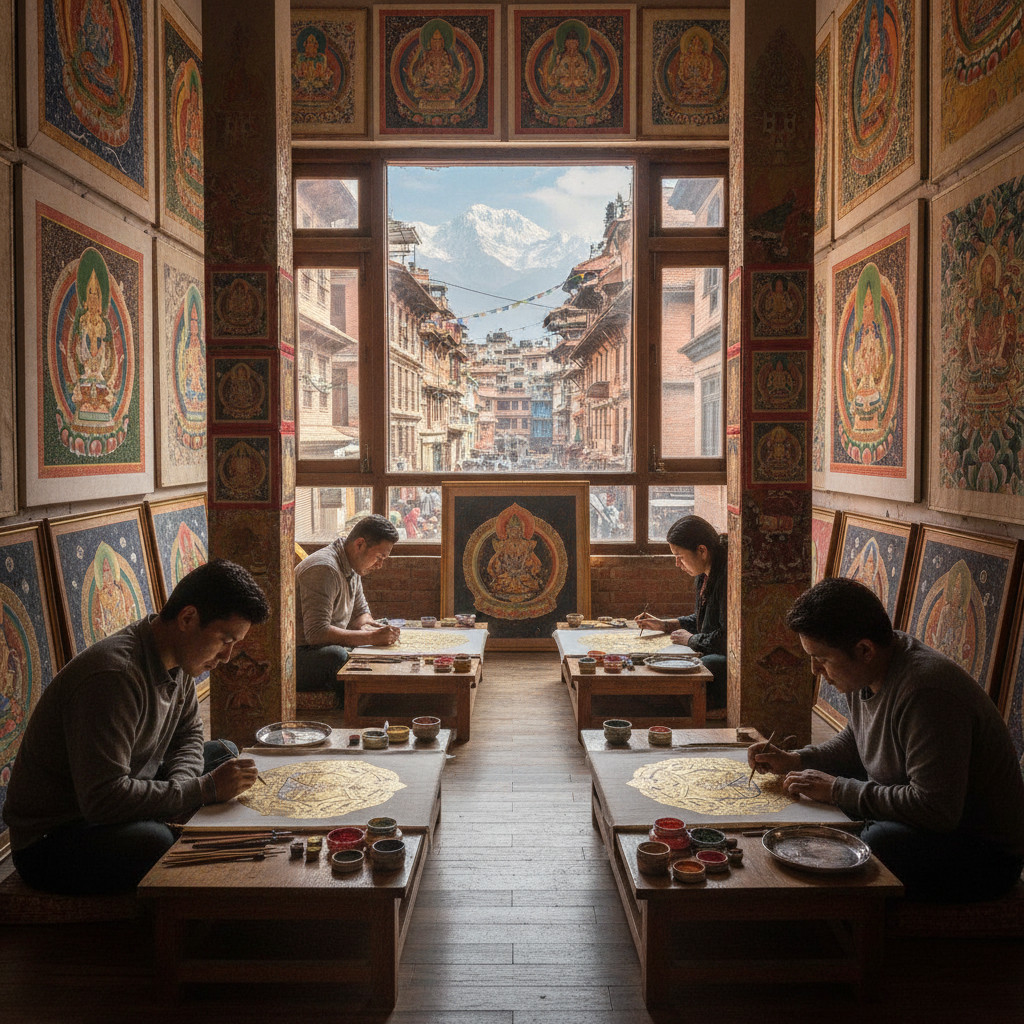
Kathmandu Arts: The Contemporary Nepali Art Scene, Music, Thanka Painting, the Craft Tradition, and the Most Creatively Vibrant Single Himalayan Capital