Kathmandu Secrets: Hidden Bahals, the Kumari Chariot Festival & the City's Emerging Coffee and Art Scene
Slip through unmarked passages into 5th-century Buddhist courtyards invisible from the tourist street, witness the President of Nepal receiving the tika blessing of a pre-pubescent living goddess pulled through old Kathmandu on a towering chariot, explore the hilltop city of Kirtipur whose inhabitants had their noses cut off by Nepal's unifier, drink specialty coffee from Nepali hill farms in Jhamsikhel's third-wave cafés, and navigate the 2023 mandatory guide rule that changed how Nepal's trails work.
- 1
Kathmandu's Hidden Courtyards – The Newar Bahals
Kathmandu's old city contains hundreds of bahals—enclosed Buddhist courtyards that were once monastery complexes, now residential but retaining their ceremonial function. Many are unmarked on tourist maps; entered through narrow passages from busy streets, they open into quiet quadrangles with central shrines, stone water spouts (dhunge dharas), and carved wooden façades. The Uku Bahal (Rudra Varna Mahavihara) in Patan—the oldest functioning Buddhist monastery in Nepal, 5th century AD—contains courtyard sculptures of extraordinary quality including a 10th-century Licchavi-period Buddha. The Jana Bahal (Seto Machhendranath Temple) in central Kathmandu is the centre of the annual chariot festival.
- 2
The Kumari Jatra – Kathmandu's Greatest Festival
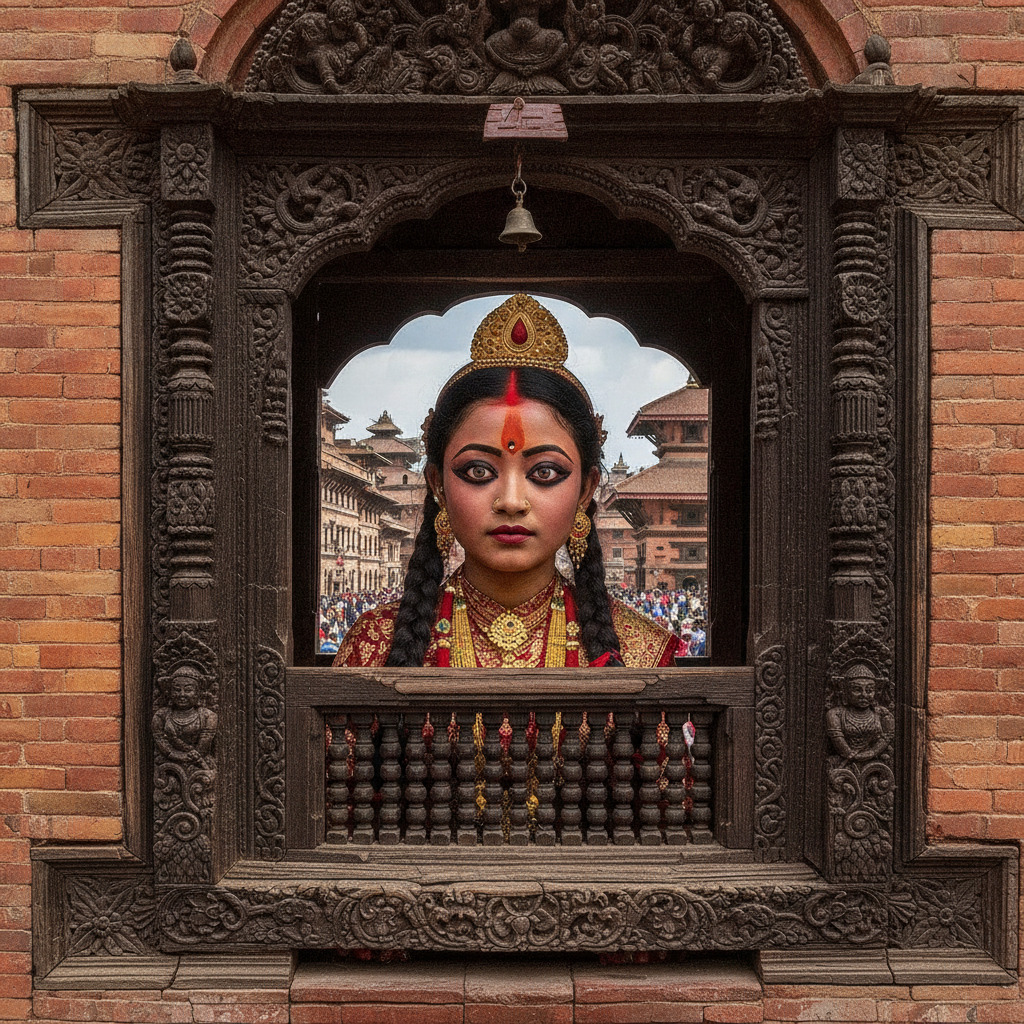
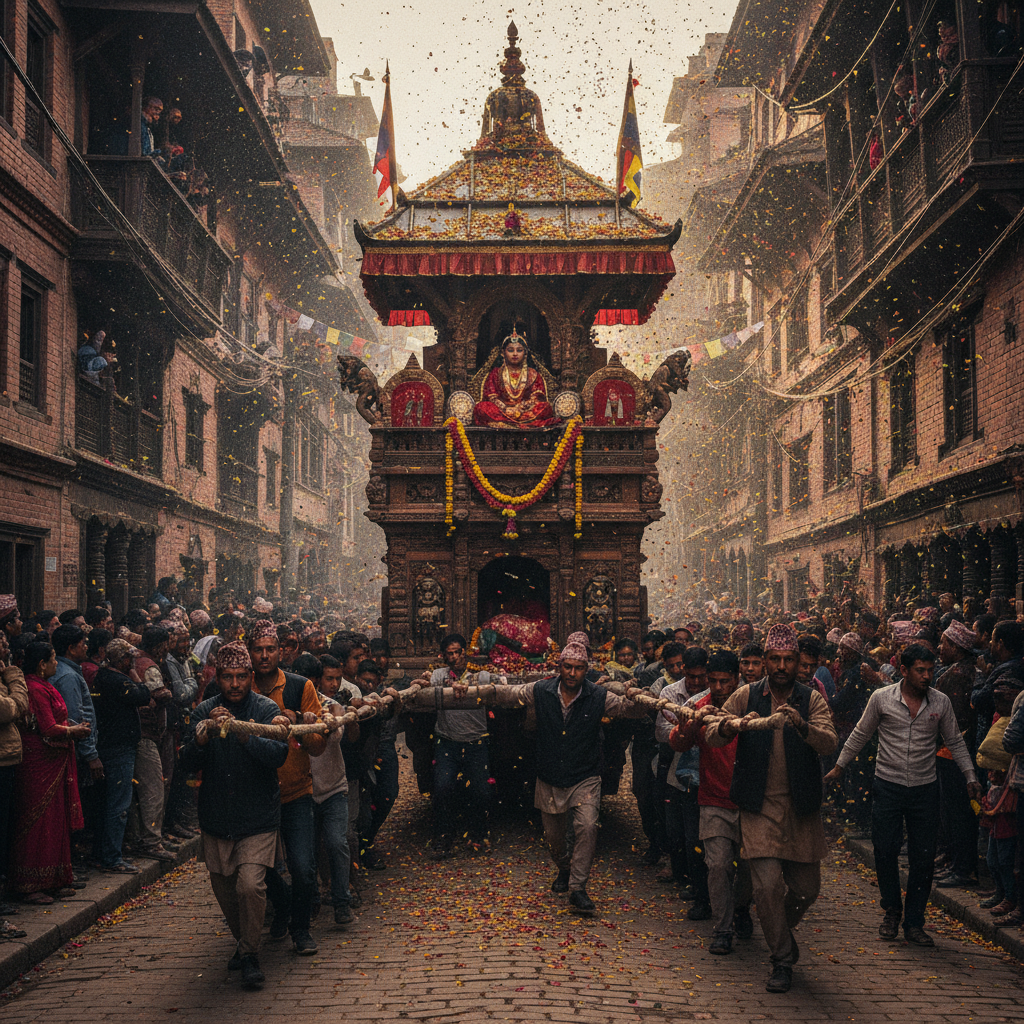
The Indra Jatra festival (8 days in September)—Kathmandu's most spectacular urban festival—combines the worship of Indra (rain god) and the procession of the living Kumari goddess through the streets. The centerpiece is the Kumari Jatra: the Kumari is placed in an enormous wooden chariot (rata) pulled through the streets of old Kathmandu by hundreds of devotees. During the procession, the President of Nepal (formerly the King) receives the Kumari's tika blessing—the only occasion the head of state formally pays homage to a young girl. Simultaneous pole-climbing performances, masked dances (Mahakali and Kumari), and living statues of Kumari, Ganesh, and Bhairav animate every street.
- 3
Kirtipur & Nuwakot – Beyond the Tourist Trail
Kirtipur—a Newar hilltop town 5 km southwest of Kathmandu, the last independent city to resist Prithvi Narayan Shah's unification of Nepal (falling in 1766 after a long siege, after which Shah reportedly had the noses and lips cut off all men in the city)—retains an intact medieval streetscape overlooking the Kathmandu Valley. The Bagh Bhairav Temple is the city's ancient guardian shrine; the hilltop location provides one of the finest valley panoramas available without trekking. Nuwakot (72 km northwest, 2 hours)—the medieval fortress town where Prithvi Narayan Shah planned Nepal's unification—retains a seven-storey tower palace and sees almost no foreign tourists.
- 4
Kathmandu's Coffee & Café Culture
Kathmandu has developed a sophisticated café culture in the last decade, driven by Nepali specialty coffee production (Nepali coffee beans from the Gulmi, Palpa, and Ilam districts), returning diaspora, and the international community. The Jhamsikhel and Lalitpur (Patan) neighbourhoods are the epicentre: Himalayan Java (Nepal's pioneering specialty coffee chain), Rosemary Kitchen & Coffee Shop, and Café Mitra serve quality espresso drinks. The third-wave coffee movement has arrived: Single Origin Coffee (SoC) and other specialty roasters source directly from Nepali hill farmers. A quality flat white in Kathmandu costs NPR300–500 (€2–3.30)—still a bargain by Western standards.
- 5
Kathmandu's Contemporary Art Scene
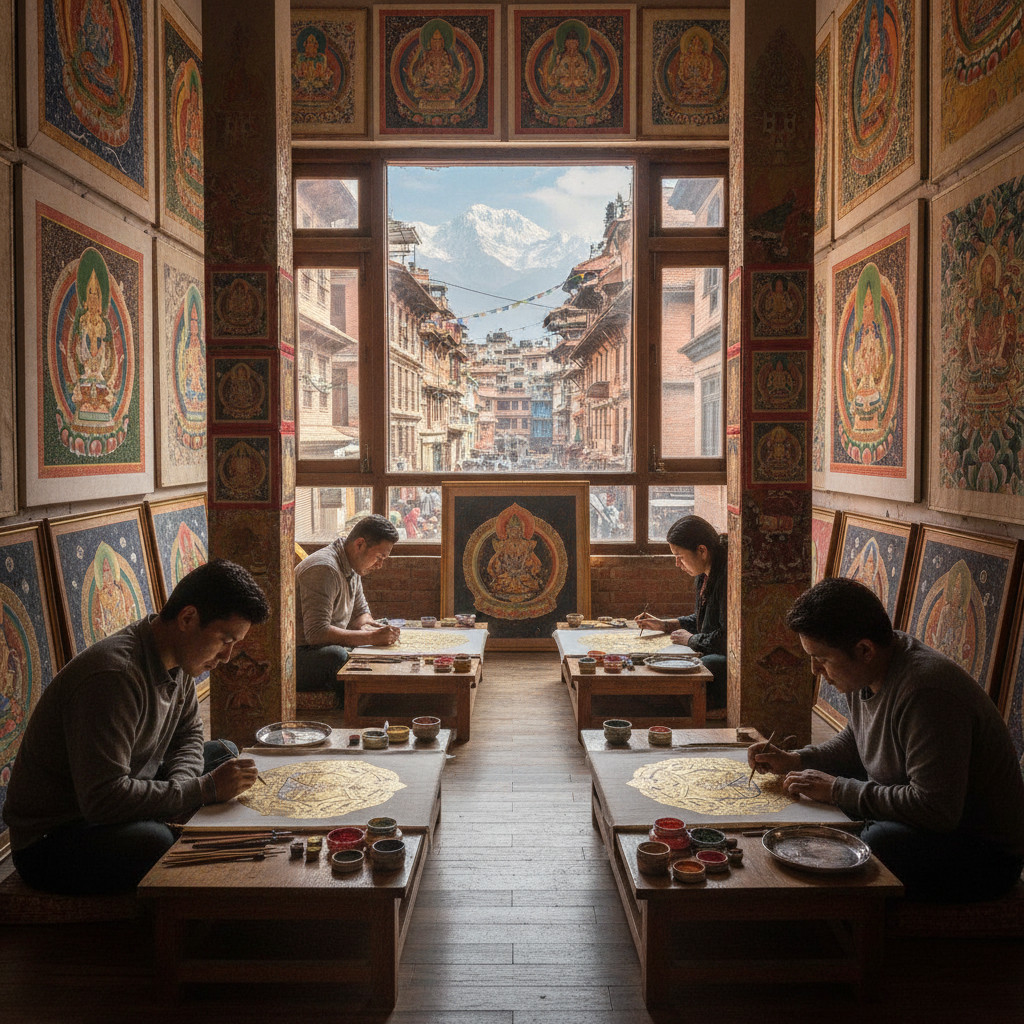
Kathmandu has a growing contemporary art scene operating alongside—and often in dialogue with—its classical traditions. Siddhartha Art Gallery (founded 1987) is Nepal's oldest gallery for contemporary art; the Patan Museum shop sells works by emerging Nepali artists. The Kathmandu International Art Festival (KAF) brings international artists every two years. Many contemporary Nepali artists work at the intersection of traditional Newar iconography and contemporary concerns—the painter Kiran Manandhar integrates Licchavi-era motifs into abstract compositions. The art school of Sirjana College of Fine Arts trains a new generation of painters, sculptors, and digital artists.
- 6
Trekking Permits & Independent vs Guided Trekking
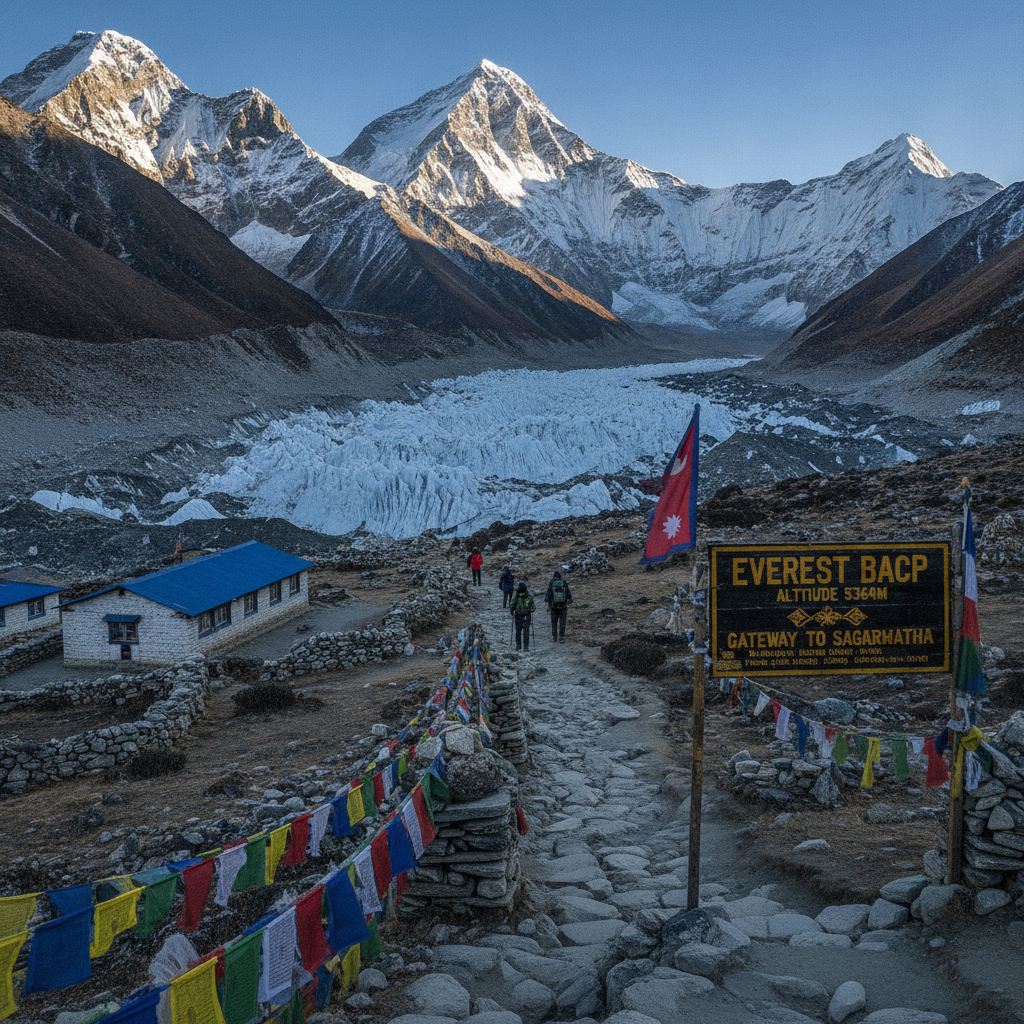
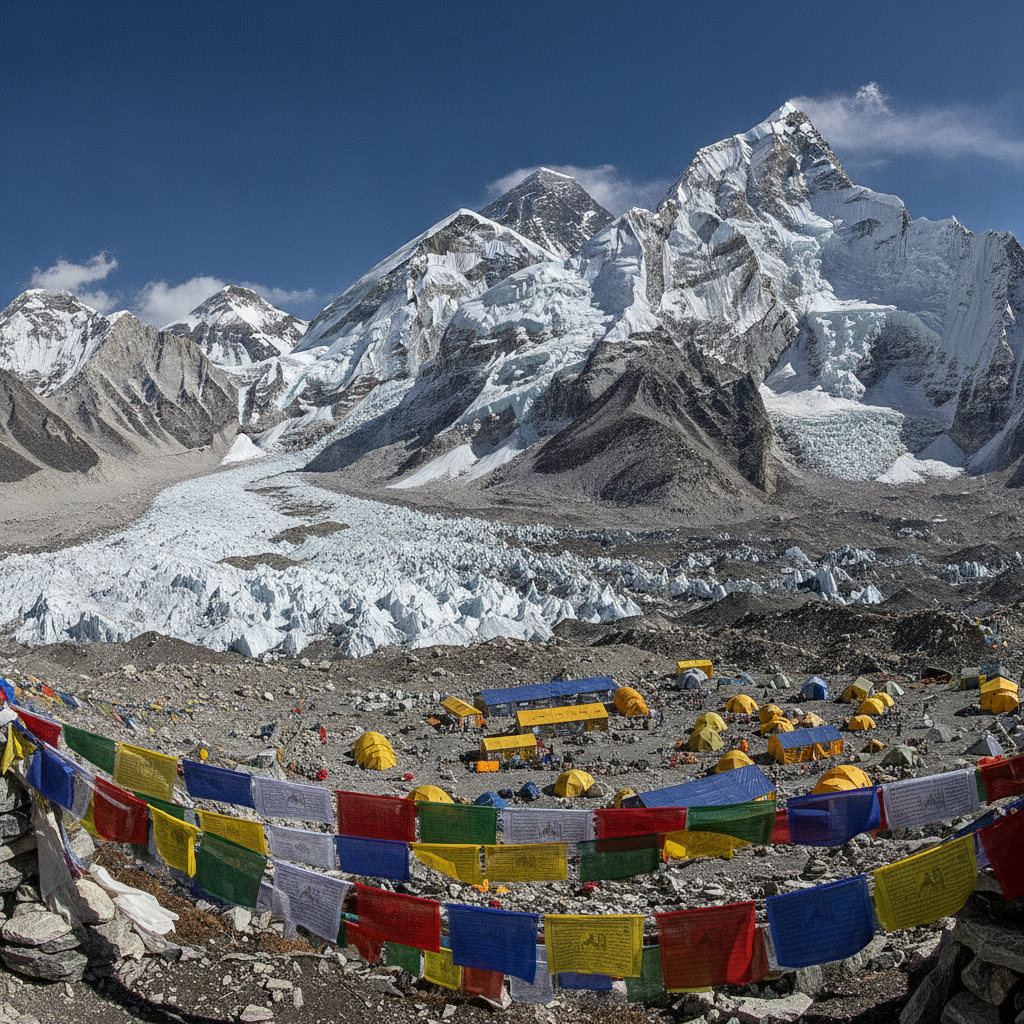
Nepal's trekking permit system changed significantly in 2023: solo trekking (without a licensed guide) was prohibited on many popular routes including the Everest, Annapurna, and Langtang circuits—a rule motivated by rescue statistics (the majority of trekking fatalities were solo trekkers) and employment of local guides. The TIMS (Trekkers' Information Management System) card and national park entry fees are mandatory on all routes. A registered licensed guide costs approximately $20–30/day; a porter (who carries up to 25 kg) costs $15–20/day. The Nepal Tourism Board maintains the database of licensed guides and trekking agencies; booking through a registered agency provides accident insurance and rescue coverage.
Walk this route with audio
Stories play automatically as you reach each stop — no tapping needed.
More in Kathmandu
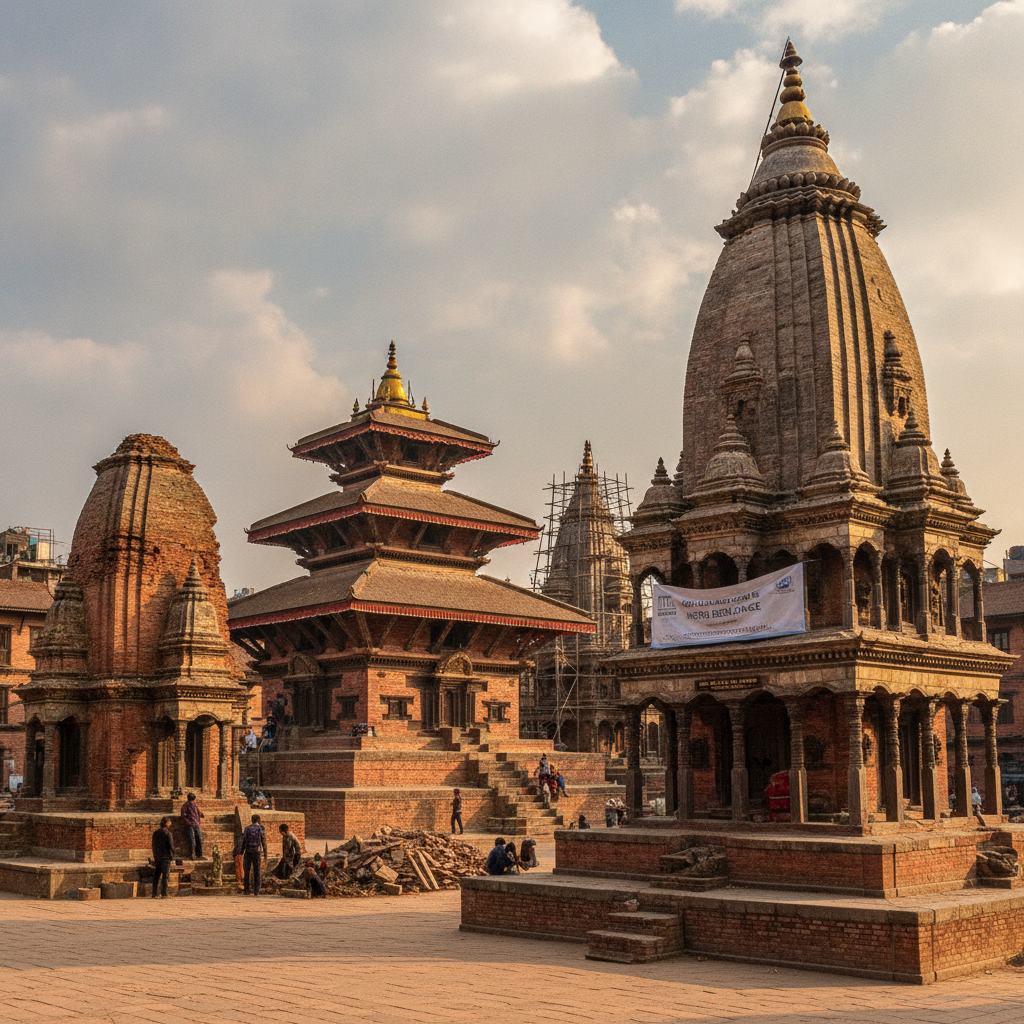
Kathmandu Resilience: The 2015 Gorkha Earthquake, the Heritage Reconstruction, the Nepal Recovery, and the Most Practically Inspiring Single Disaster-Recovery Heritage Story
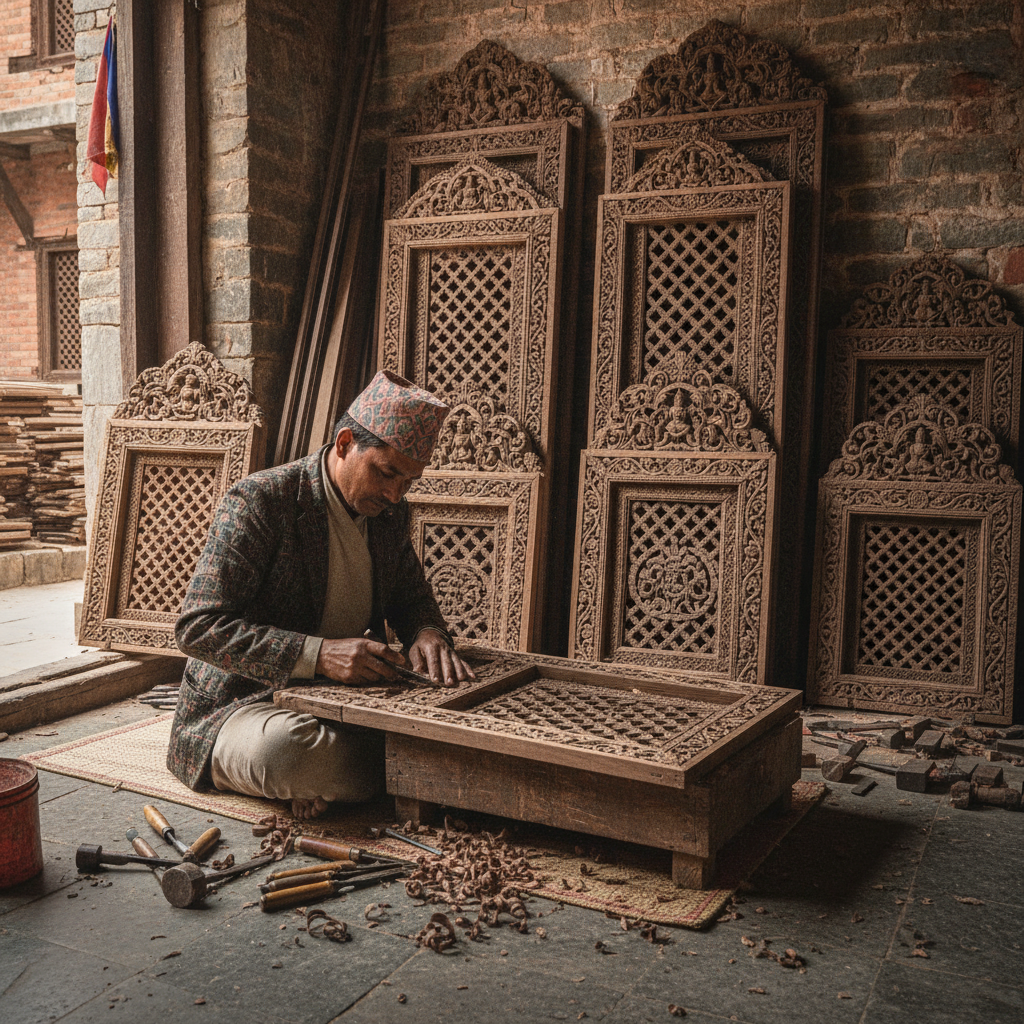
Kathmandu's Craft & Contemplation: Thangka Painting, Singing Bowls, Newari Pagodas & Ten Days of Meditation at Kopan
Kathmandu Trekking Hub: Everest Base Camp, the Annapurna Circuit, the Langtang Valley, and the Most Comprehensively Himalayan Single Trekking Gateway
Nepal's Himalayan Adventures: Everest Base Camp, Annapurna Circuit & the Forbidden Kingdom of Mustang
Kathmandu Arts: The Contemporary Nepali Art Scene, Music, Thanka Painting, the Craft Tradition, and the Most Creatively Vibrant Single Himalayan Capital