Kauai: Princeville St. Regis Resort (most dramatic lobby view in Hawaii), Niihau Forbidden Island and Rare Shell Lei Tradition, Kauai Plantation Era Ethnic Diversity (Portuguese, Japanese, Filipino, Korean immigrants), Hanapepe Friday Art Walk, Dark Sky Stargazing (Kalalau Lookout, Polihale, Polynesian star navigation), and Hawaiian Islands Visitor Decision Guide (Kauai vs Maui vs Oahu vs Big Island)
Kauai culture and context: Princeville north shore resort (St. Regis dramatic bay view, Makai Golf Course, ranch adventures), Niihau shell lei (most valuable Hawaiian craft, Robinson family, USD 200-10,000 per lei, last Hawaiian-speaking community), plantation era ethnic diversity (sugar workers from China, Portugal, Japan, Puerto Rico, Korea, Philippines creating Hawaiian multicultural identity), Hanapepe Friday Art Walk, dark sky astronomy (Kokee 1,200m altitude, Polynesian navigation, Hokule-a circumnavigation 2014-2017), and choosing between Hawaiian islands comparison guide.
- 1
Princeville Resort and the North Shore Plateau
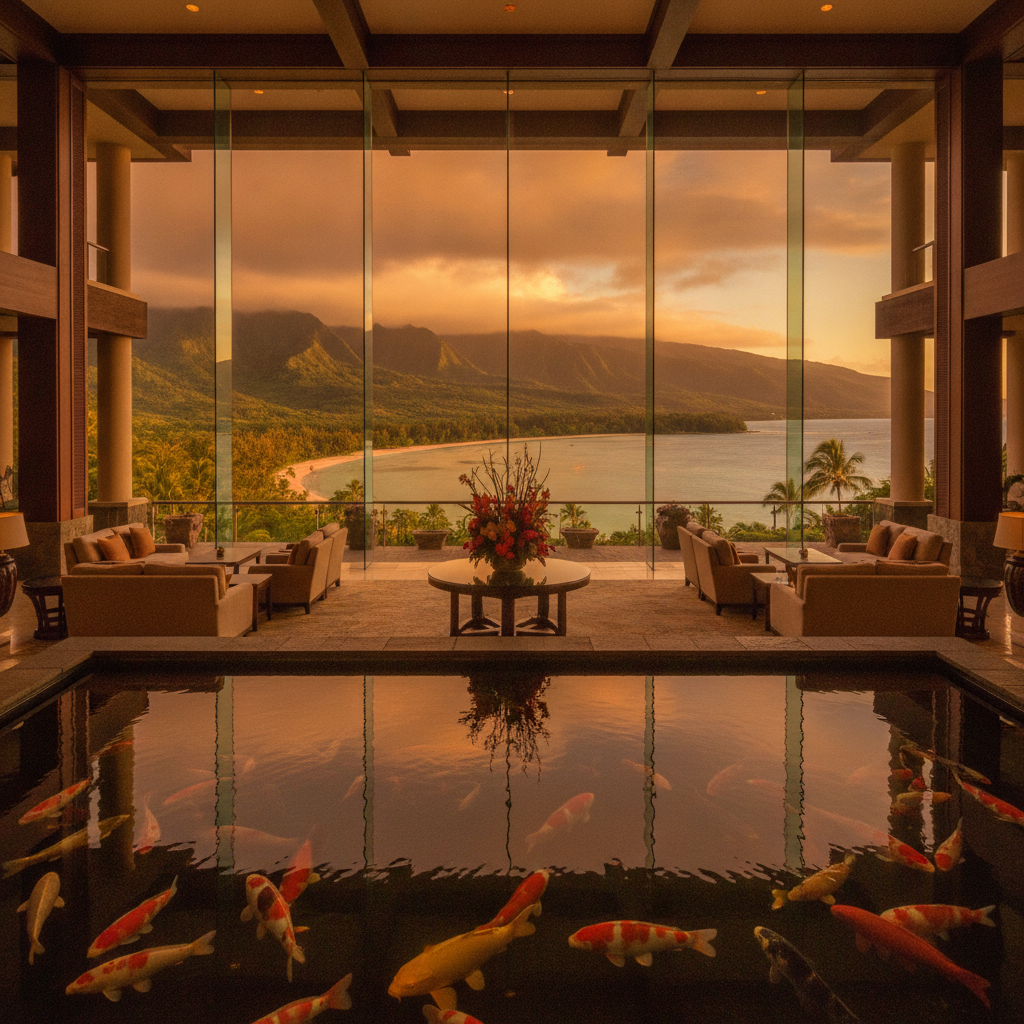
Princeville (the planned resort community on the plateau above Hanalei Bay, on the north shore of Kauai): the most scenic resort setting in the Hawaiian Islands, with the St. Regis Princeville Resort and Spa (formerly the Princeville Hotel), the Westin Princeville Ocean Resort Villas, and the Makai Golf Course (designed by Robert Trent Jones Jr.) on the edge of the plateau above the bay. The St. Regis Princeville lobby (the lobby of the St. Regis faces the interior of the hotel toward the view of Hanalei Bay below, with the bay, the mountain, and the water visible through the full-height glass wall): widely considered the most dramatic hotel lobby view in Hawaii. The Princeville Ranch (the working cattle ranch and adventure activities center behind Princeville): zip lines through the forest, horseback riding on the ranch, ATV tours to the waterfall. Hanalei Pier (the restored wooden pier in the Hanalei Bay, originally built 1892): the landing used by the early interisland steamers before the north shore road was built; now a beloved local gathering place. The Queen Emma Summer Palace connection to Kauai: Queen Emma (the consort of King Kamehameha IV, who ruled 1855-1863) was part Native Hawaiian and part British (her grandfather was John Young, the English advisor to Kamehameha I); she made a celebrated journey to the Waimea Canyon in 1860.
- 2
Niihau - the Forbidden Island and Hawaiian Shell Lei
Niihau and the Hawaiian shell lei tradition: the Robinson family (the owners of Niihau) allows selected Niihau residents to collect the tiny pupu shells (Mitre, Momi, Kahelelani, Laiki) that wash up on the beaches of Niihau to make the Niihau shell lei. The Niihau shell lei: the most highly valued traditional craft in Hawaii. The tiny shells (typically 3-8 mm) are collected by Niihau residents during the winter months when the northwest swells wash them ashore; the shells are sorted by size, drilled by hand, and strung into leis that may contain hundreds or thousands of individual shells. A fine Niihau shell lei takes weeks or months to make and may sell for USD 200-10,000 or more. The shell varieties: the Kahelelani (the yellow shell, the most prized), the Laiki (the tiny rice-shaped white shell), the Momi (the pearl shell), and the Paloa (the rare lavender shell). The Niihau helicopter tour (offered by the Robinson family through Niihau Helicopters): the only authorized visitor access to Niihau, a half-day tour with a beach landing, snorkeling in the crystal-clear waters, and a shell lei demonstration. The Niihau hunting safaris (for feral animals including Hawaiian axis deer, Polynesian rats, and pigs, also offered through the Robinson family): the alternative visitor experience. The Niihau population: the approximately 70-130 residents of Niihau speak Hawaiian as their primary language (the only community in Hawaii where this is the case), maintaining one of the last purely Hawaiian-speaking communities in the world.
- 3
Kauai Plantation Era and the Multi-Ethnic Community
The Kauai plantation era and the ethnic diversity of Kauai: the sugar plantations of Kauai (which operated from 1835 to 2009, when Gay and Robinson stopped growing sugar at their Kaumakani plantation) brought successive waves of immigrant workers from multiple countries, creating the diverse multicultural community that characterizes modern Kauai. The sequence of immigrant labor groups: the Chinese (arrived 1850s), the Portuguese (from Madeira and the Azores, arrived 1878-1913: approximately 17,500 Portuguese immigrants to Hawaii), the Japanese (the largest group, arrived 1885-1924: approximately 200,000 Japanese immigrants to Hawaii), the Puerto Ricans (arrived 1900-1901, following the US acquisition of Puerto Rico in 1898), the Koreans (arrived 1903-1905), and the Filipinos (arrived 1906-1946: the largest recent immigrant group). The plantation luna system (the luna, the foreman, typically Portuguese or Puerto Rican): the supervisory tier that managed the field workers, often creating inter-ethnic tensions. The Kauai plantation town architecture: the surviving plantation-era towns of Eleele, Koloa, Hanapepe, and Kekaha retain the low wooden plantation houses (the plantation camp cottages), the Buddhist temples (reflecting the Japanese immigrant population), and the plantation stores. The Kauai plantation food traditions: the plate lunch (see Honolulu) mixed Portuguese bean soup, Japanese sushi and mochi, Korean kimchi, and Filipino adobo into the distinctly Hawaiian culinary tradition.
- 4
Kauai Arts Crafts and the Creative Community
The Kauai arts scene and the creative community: Kauai has attracted a disproportionate concentration of artists, writers, and creative professionals relative to its small population, drawn by the extraordinary natural beauty and the slower pace of island life. The Hanapepe Art Walk (every Friday evening in Hanapepe town, on the south shore): the weekly art gallery open evening in Hanapepe, where approximately 15-20 galleries and studios open from 6-9 pm; one of the most authentic and non-commercial art events in Hawaii. The Hanapepe galleries feature Kauai landscape painters (working in the plein air tradition), photographers, sculptors, and ceramicists. The Kauai Society of Artists (headquartered in Lihue): the primary visual arts organization, with the Kauai Museum galleries. The Kauai Film Commission: Kauai has hosted major film productions since the 1950s, with the film commission providing location scouting and permitting assistance. The Hanalei Strings music festival (the annual chamber music festival at the Princeville Makai Golf Course): classical and chamber music performances in the unique setting of the north shore of Kauai. The Big Save Markets (the Kauai-based grocery chain): founded by the Kunimura family, providing the primary grocery service to the Kauai community and a bellwether of island food culture. The Kauai Community College (at Puhi): the primary higher education institution on Kauai, part of the University of Hawaii community college system.
- 5
Kauai Star-Gazing and Dark Sky Opportunities
Kauai dark sky and star-gazing: Kauai is the least light-polluted main Hawaiian island, with the small population (73,000), limited urban development, and the absence of a major city providing dark skies across much of the island. The best star-gazing locations on Kauai: the Kalalau Valley Lookout (at 1,219 m in Kokee State Park): at 1,200 m altitude, above most of the marine layer, the sky on clear nights is exceptionally dark and clear, with the Milky Way visible overhead and the lights of distant shipping in the Pacific visible on the horizon. Polihale State Park (the remote west coast beach): the wide open sky above the beach, with the absence of any light source between Polihale and Japan to the west. The Kauai Stargazers astronomy club: the informal volunteer astronomy organization that hosts public star parties at various locations on the island. The astronomical objects visible from Kauai: the Southern Cross (Crux, the smallest constellation, visible from Hawaii in the spring) is a dramatic reminder of Kauai latitude (22 degrees N) compared to the mainland. The Hawaiian star navigation tradition: the Polynesian wayfinding tradition (the Polynesian Voyaging Society, with the voyaging canoe Hokule-a, which completed a circumnavigation of the globe without instruments between 2014 and 2017) used the stars, ocean swells, bird behavior, and cloud patterns to navigate between islands; the 2017 return of the Hokule-a to Honolulu was marked by a celebration attended by over 10,000 people.
- 6
Kauai Versus the Other Hawaiian Islands - a Decision Guide
A visitor guide to choosing between the Hawaiian Islands: the choice between the Hawaiian islands depends primarily on what type of experience the visitor is seeking. Kauai strengths: the most dramatic natural scenery in Hawaii (Na Pali Coast, Waimea Canyon, waterfalls, green interior), the most uncrowded and undeveloped atmosphere, the strongest sense of authentic Hawaii away from the resort bubble, the best hiking and outdoor adventure, and the clearest ocean water (Tunnels reef visibility). Kauai weaknesses: the least beach variety (most north shore beaches are inaccessible or dangerous in winter), the highest weather risk (north shore rain), the smallest selection of restaurants and entertainment, and the limited infrastructure. Maui strengths: the best overall combination of beaches (Makena, Kaanapali, Kapalua), activities (Road to Hana, Haleakala, windsurfing, whale watching), food (the best restaurant scene outside Honolulu), and accommodation variety. Oahu strengths: the greatest variety (Pearl Harbor, Waikiki, North Shore surf culture), the most activities per dollar, the best transport links (Honolulu Airport has the most direct mainland flights and the hub for all inter-island connections). Big Island strengths: the unique geological experience (active volcanoes, diverse climates from tropical rainforest to alpine desert within 100 km), the best stargazing in the US (Mauna Kea Observatory), the least crowded beaches on the south coast, and the most dramatic recent land formation (the 2018 lava flow new land). Recommendation: for first-time visitors, Maui and Oahu; for return visitors seeking wilderness, Kauai; for geology and uniqueness, the Big Island.
Walk this route with audio
Stories play automatically as you reach each stop — no tapping needed.
More in kauai
Kauai: No Mongooses So the Birds Survived, Polihale Where Souls Depart and the Island That Resisted Kamehameha
Kauai: Na Pali Coast Sea Cliffs and Kalalau Trail (18km hiking permit), Waimea Canyon (Grand Canyon of the Pacific, 1097m deep), Hanalei Bay and Taro Valley (Jurassic Park locations, Tunnels Beach snorkeling), Poipu South Shore (Hawaiian monk seals, bodysurfing, Koloa rum distillery), and Film History (Raiders of the Lost Ark, Pirates of Caribbean, Jurassic Park) with Practical Guide
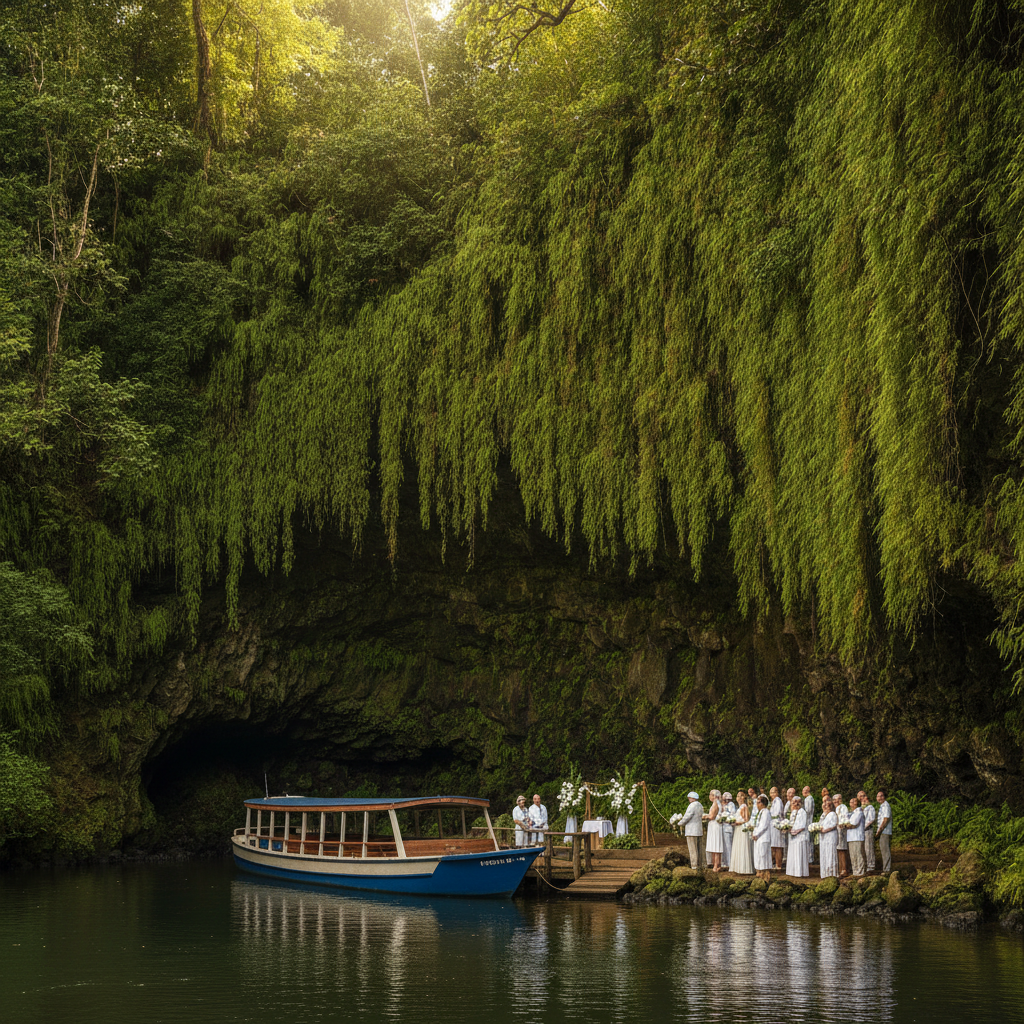
Kauai: Wailua River Sacred Heiau Complex and Fern Grotto, Kilauea Lighthouse Seabird Colony (red-footed boobies, Laysan albatross, frigatebirds), Kokee Trail System and Alakai Swamp (world highest altitude swamp, rare native birds), Allerton and McBryde National Tropical Botanical Gardens (Jurassic Park fig trees), Kauai Coffee Company (largest US estate), and Accommodation Guide Comparing Hawaiian Islands
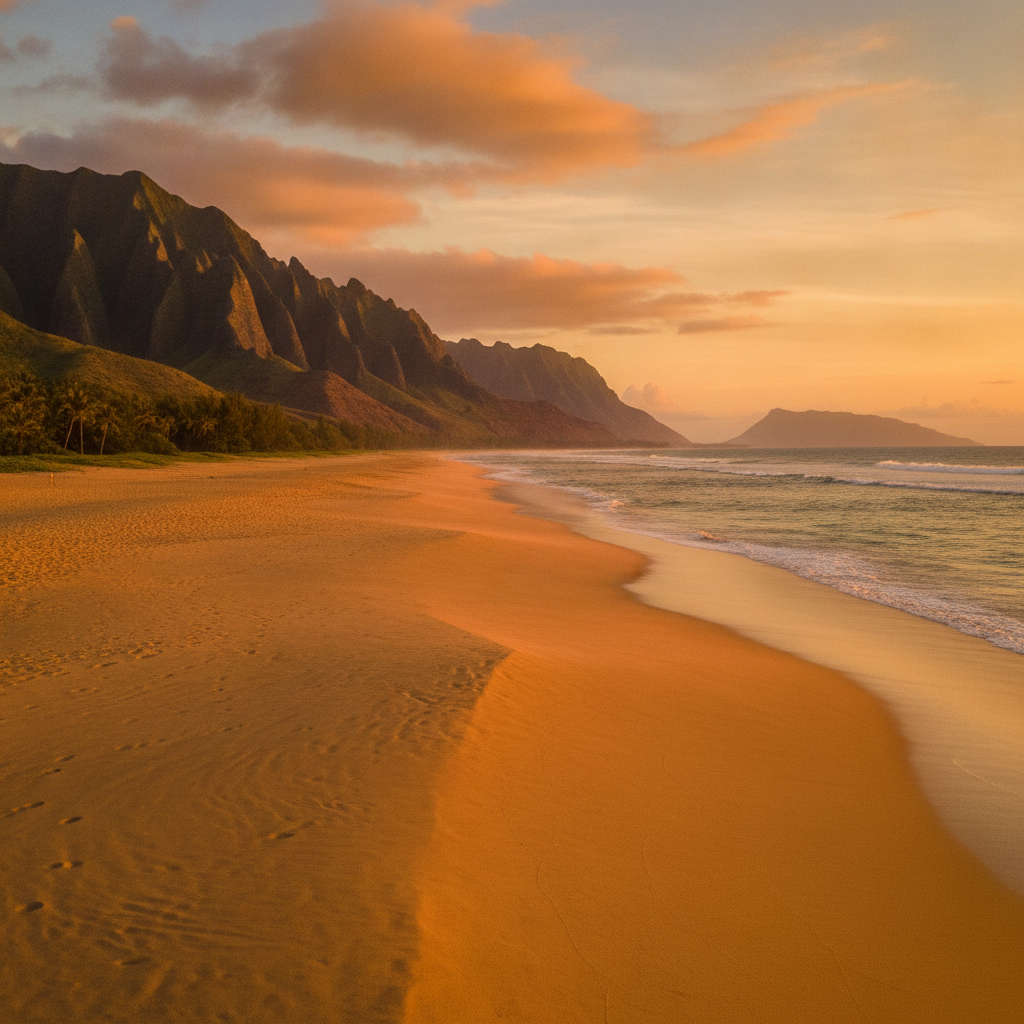
Kauai: Polihale Remote Beach (27km sand, Niihau Forbidden Island view), Russian Fort Elizabeth and Cook First Landing (Waimea 1778), Kauai Ocean Activities (Tunnels snorkeling, Uluwehi Secret Falls kayak, Na Pali summer kayak), Menehune Legend and Native Wildlife (Hawaiian waterbirds, Wailua fish pond), Kauai Waterfalls (Wailua Falls, Hanakapiai 120m, Jurassic Park Manawaiopuna), and Seasons Guide (Hurricane Iniki 1992, best times for north versus south shore)