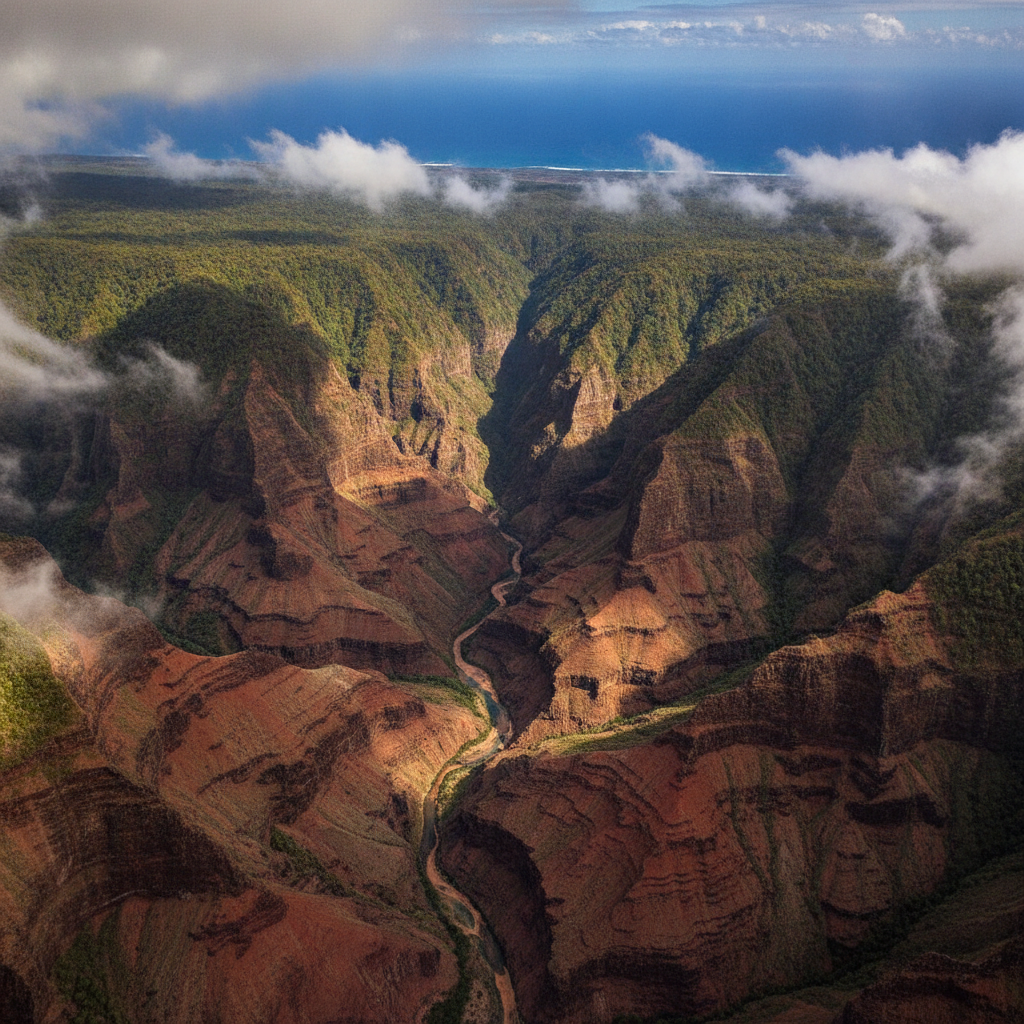
Kauai: Fossil Extinct Bird Bones in Limestone Cliffs, 1924 Labor Massacre and the Swamp Boardwalk at Cloud Level
Hike the Sleeping Giant ridge trail above Wailua River for east coast panoramas, browse the Friday Night Art Walk on Hanapepe plantation-era main street above the swinging bridge and the site of the 1924 Filipino labor massacre, walk the Alaka i Swamp boardwalk at 4000 feet through cloud-level bog where native birds survive, hike the Mahaulepu Heritage Trail past limestone cliffs made of ancient sand dunes where fossil extinct bird bones were found, kayak the Wailua River and hike to Uluwehi Secret Falls, and note how Kauai permit systems and one-lane bridges intentionally limit the 1.5 million annual visitors to 20 times the local population.
- 1
Sleeping Giant and Nounou Trail
The Sleeping Giant, officially the Nounou Mountain Trail, is a basalt ridge above Wailua on the east side of Kauai whose profile when viewed from the coastal highway resembles a large figure lying on its back. The trail approaches from both east and west flanks and meets at a picnic shelter near the summit at 1,241 feet, with views extending across the east coast, the Wailua River mouth, and on clear days to the distant Na Pali ridgeline. The east and west trailheads are in residential neighborhoods. The round trip from the east trailhead is 3.4 miles with 1,000 feet of elevation gain. The trail is moderately challenging with some exposed sections near the summit. The surrounding Nounou Forest Reserve protects native and introduced forest. Wailua River State Park below includes the Opaekaa Falls overlook and the Kamokila Hawaiian Village.
- 2
Hanapepe Town and Art Community
Hanapepe, a small plantation-era town on the south shore of Kauai whose main street retains original wooden storefronts from the early 20th century, has reinvented itself as an art gallery community with over a dozen galleries presenting painting, sculpture, photography, and ceramics by Kauai-based artists. The Friday Night Art Walk in Hanapepe, held weekly from 6 to 9 PM, is the social arts event of the south shore. The Hanapepe Swinging Bridge, a wood plank footbridge over the Hanapepe River dating from the 1900s, sways with foot traffic and is a local attraction. The town hosted the 1924 Hanapepe Massacre when Filipino plantation workers striking for better wages and conditions were confronted by police and 16 strikers were killed, an event foundational to Filipino American labor history in Hawaii. Salt Pond Beach Park preserves the only remaining traditional Hawaiian salt production operation, where seawater is evaporated in clay pans to produce pa akai sea salt.
- 3
Kokee Museum and Natural History
The Kokee Natural History Museum in Kokee State Park at 3,600 feet elevation, operated by a nonprofit since 1953, is the primary interpretive center for the natural history of the Kauai mountain ecosystem, with exhibits on native birds, plants, weather, and geology. The Kokee Lodge adjacent serves simple meals and is the only food service in the park. The Alakai Swamp boardwalk trail, one of the most surreal hiking experiences in Hawaii, crosses a high-elevation bog community of sedges, mosses, and stunted native trees draped in lichen where clouds hang at ground level and the native birds of the Alaka i Wilderness Preserve are most consistently observed. Kokee State Park has 45 miles of trails through cloud forest and canyon rim overlooks. The Kalalau and Puu O Kila overlooks at the end of the park road at 4,200 feet provide the highest accessible views into the Na Pali valleys from land.
- 4
Mahaulepu Heritage Trail
The Mahaulepu Heritage Trail along the southeast coast of Kauai between Poipu and Mahaulepu Beach, a 4.5-mile route following sea cliffs, sand dunes, and limestone outcroppings above the Pacific, is one of the least-visited coastal trails on Kauai despite being one of the most geologically and ecologically interesting. The limestone sea cliffs at Mahaulepu are composed of ancient sand dunes cemented into stone over thousands of years, unlike the basalt that forms most Hawaiian coastal geology. Hawaiian monk seal haul-out sites are distributed along the trail. The Maha ulepu Beach, accessible only on foot, is one of the most remote beaches on the south shore. Fossil bones of extinct Hawaiian birds including flightless geese and ibis were found in the limestone sea cliffs at Mahaulepu, providing evidence of the avian fauna present before human settlement.
- 5
Kauai North Shore Waterfalls
The north shore of Kauai receives among the highest rainfall of any low-elevation location in the world during winter storms, which produces spectacular temporary waterfalls on every ridgeline and cliff face visible from the highway and from the sea. Hanakapiai Falls, a 300-foot waterfall 4 miles from Ke e Beach on a spur trail off the Kalalau Trail, requires a strenuous 8-mile round trip hike but is one of the most beautiful waterfall destinations in Hawaii. Waipo o Falls, visible from the Waimea Canyon rim overlooks, cascades 800 feet in two stages making it the tallest waterfall on Kauai visible from the road. Uluwehi Falls, also known as Secret Falls, is a 120-foot waterfall accessible by kayaking up the Wailua River and hiking a mile through jungle, the most popular guided kayak-and-hike excursion on the island.
- 6
Kauai Sustainable Tourism Challenges
Kauai receives approximately 1.5 million visitors annually, about 20 times its permanent population, creating pressure on infrastructure, natural resources, and community character that the county government has addressed through permit systems at Haena State Park, Hanauma Bay-style visitor limits at certain beaches, and development restrictions that have kept the island rural relative to Maui and Oahu. The one-lane historic bridges on the north shore limit tour bus access. Vacation rental regulation has been contentious, with thousands of short-term rental units having converted residential housing across the island. The 2018 flooding that closed the north shore for weeks and destroyed portions of the Kalalau Trail demonstrated the vulnerability of Kauai infrastructure to extreme weather events that are projected to increase with climate change. Community members have debated the balance between visitor economy dependence and quality of life for residents.
Walk this route with audio
Stories play automatically as you reach each stop — no tapping needed.
More in Kauai
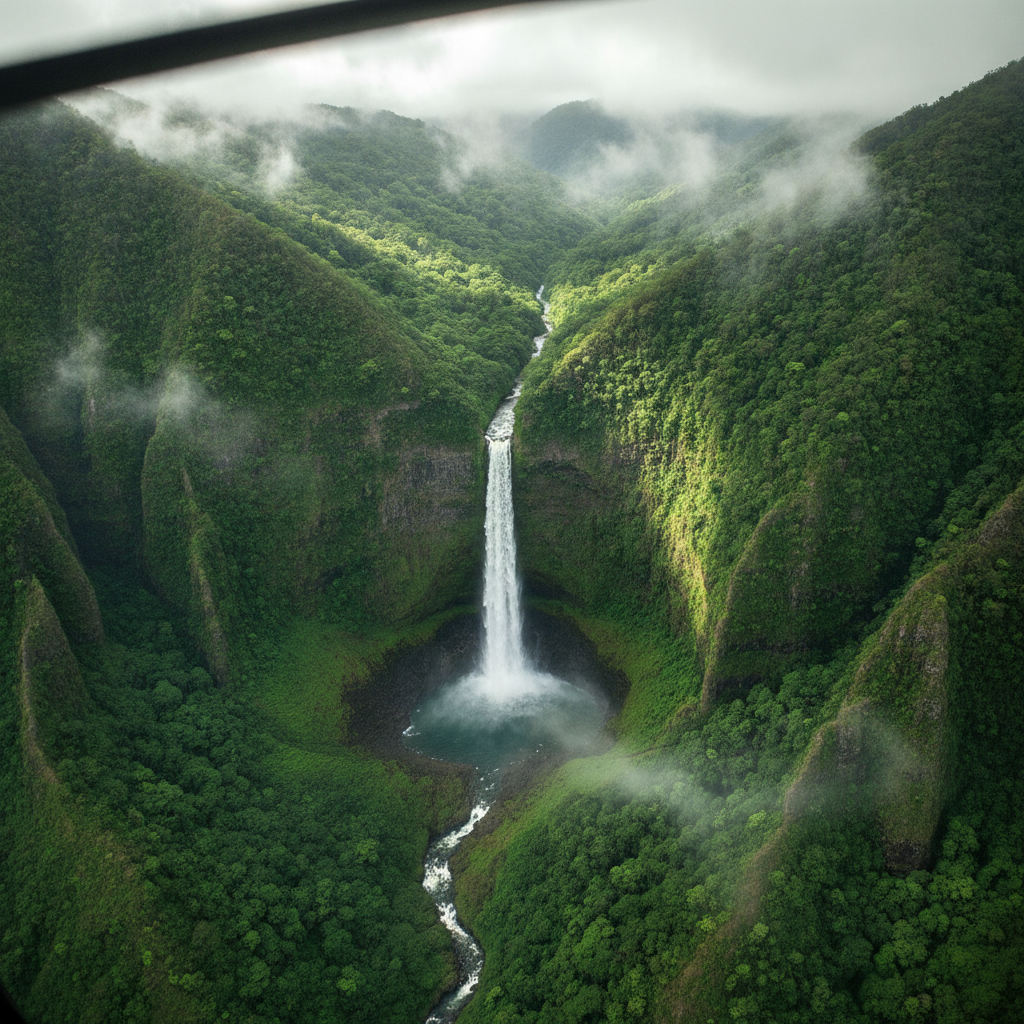
Kauai: No Mongooses So the Birds Survived, Polihale Where Souls Depart and the Island That Resisted Kamehameha
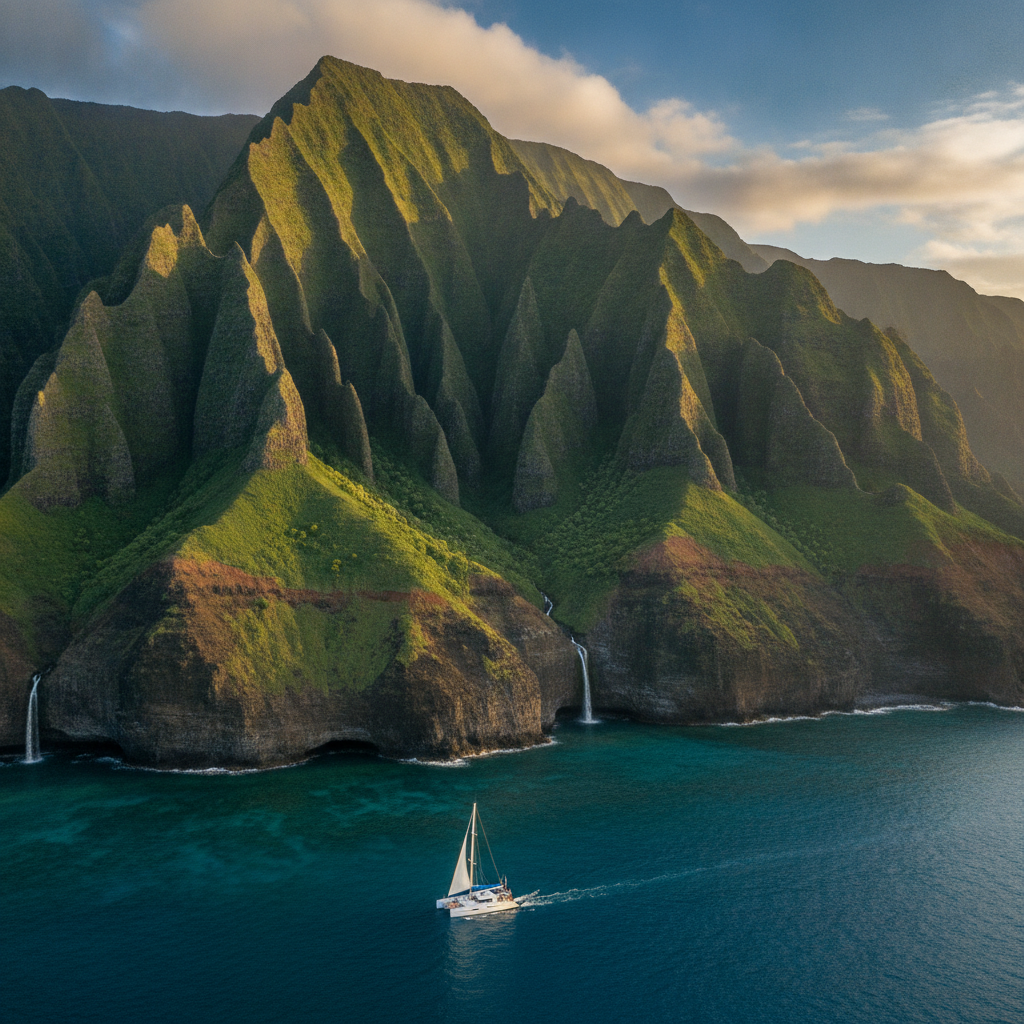
Kauai: Na Pali Coast Sea Cliffs and Kalalau Trail (18km hiking permit), Waimea Canyon (Grand Canyon of the Pacific, 1097m deep), Hanalei Bay and Taro Valley (Jurassic Park locations, Tunnels Beach snorkeling), Poipu South Shore (Hawaiian monk seals, bodysurfing, Koloa rum distillery), and Film History (Raiders of the Lost Ark, Pirates of Caribbean, Jurassic Park) with Practical Guide
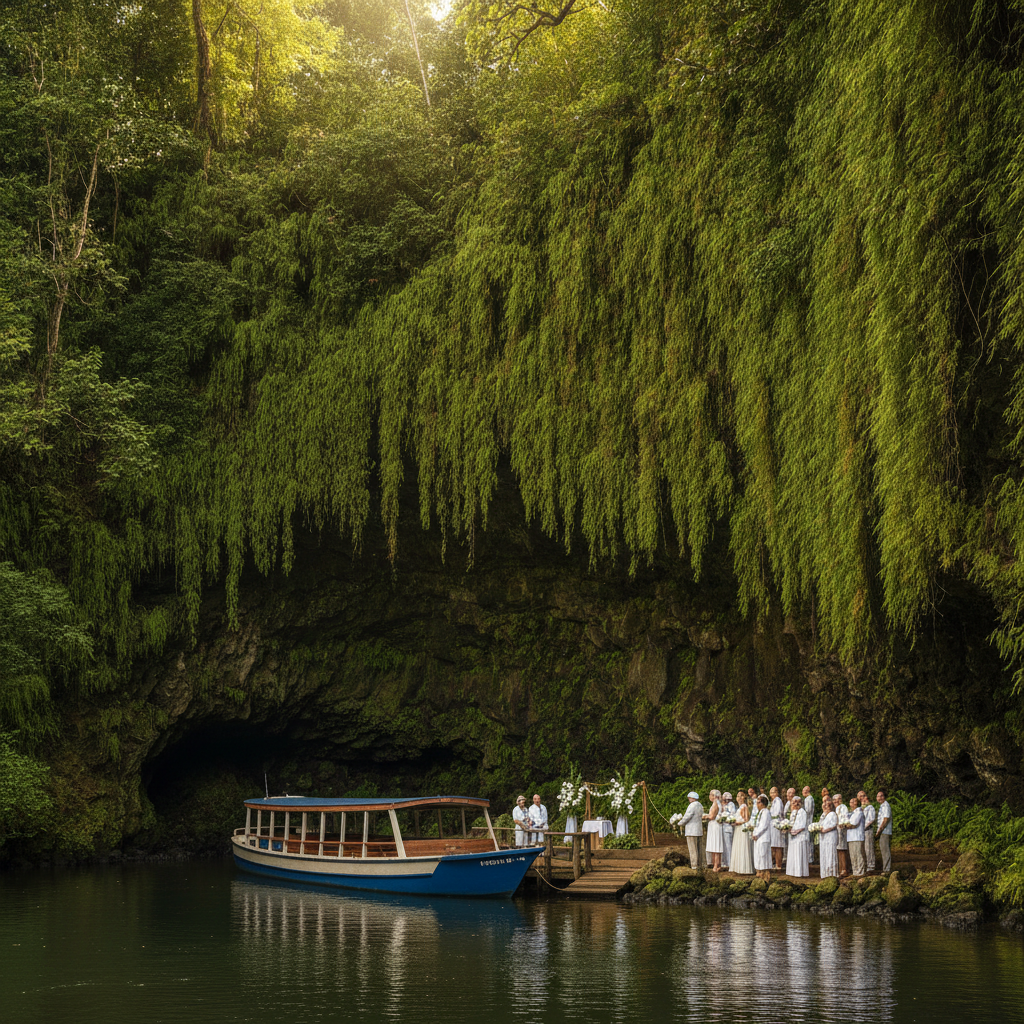
Kauai: Wailua River Sacred Heiau Complex and Fern Grotto, Kilauea Lighthouse Seabird Colony (red-footed boobies, Laysan albatross, frigatebirds), Kokee Trail System and Alakai Swamp (world highest altitude swamp, rare native birds), Allerton and McBryde National Tropical Botanical Gardens (Jurassic Park fig trees), Kauai Coffee Company (largest US estate), and Accommodation Guide Comparing Hawaiian Islands
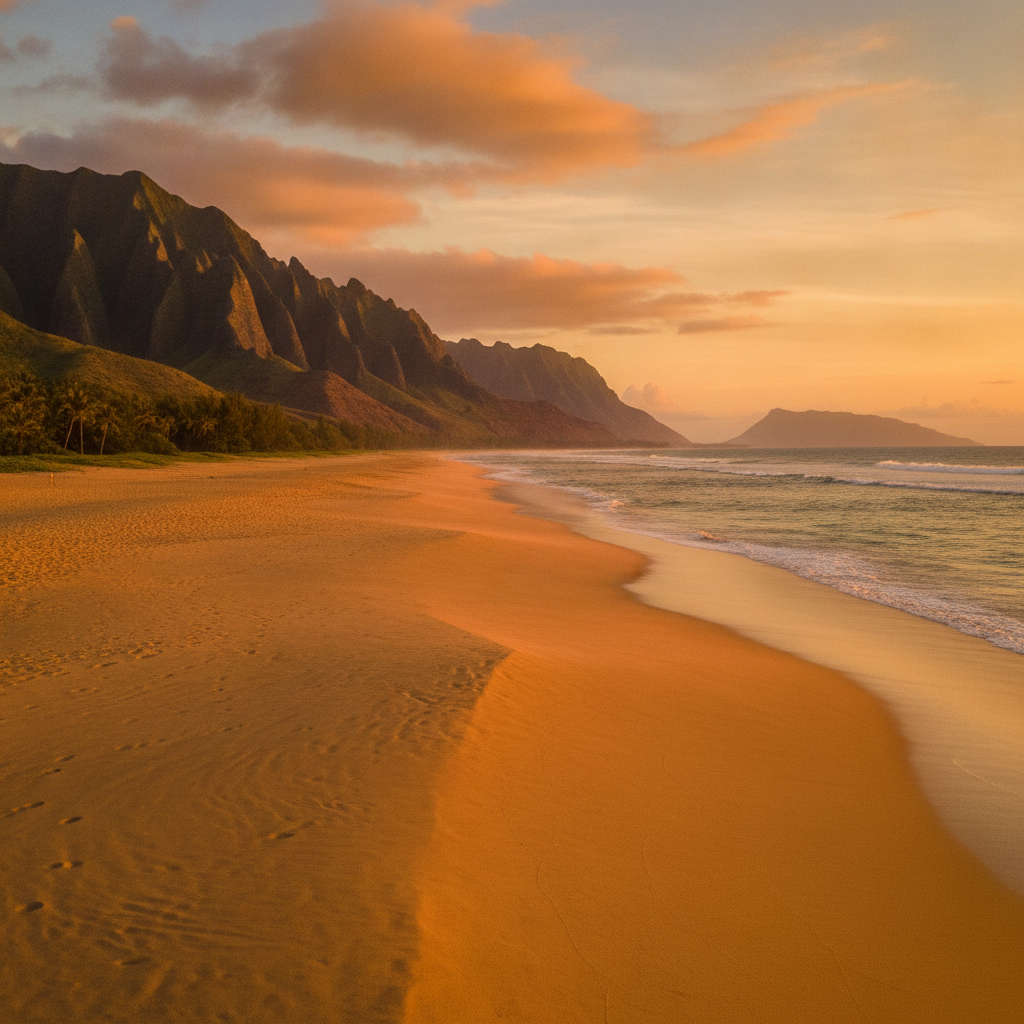
Kauai: Polihale Remote Beach (27km sand, Niihau Forbidden Island view), Russian Fort Elizabeth and Cook First Landing (Waimea 1778), Kauai Ocean Activities (Tunnels snorkeling, Uluwehi Secret Falls kayak, Na Pali summer kayak), Menehune Legend and Native Wildlife (Hawaiian waterbirds, Wailua fish pond), Kauai Waterfalls (Wailua Falls, Hanakapiai 120m, Jurassic Park Manawaiopuna), and Seasons Guide (Hurricane Iniki 1992, best times for north versus south shore)
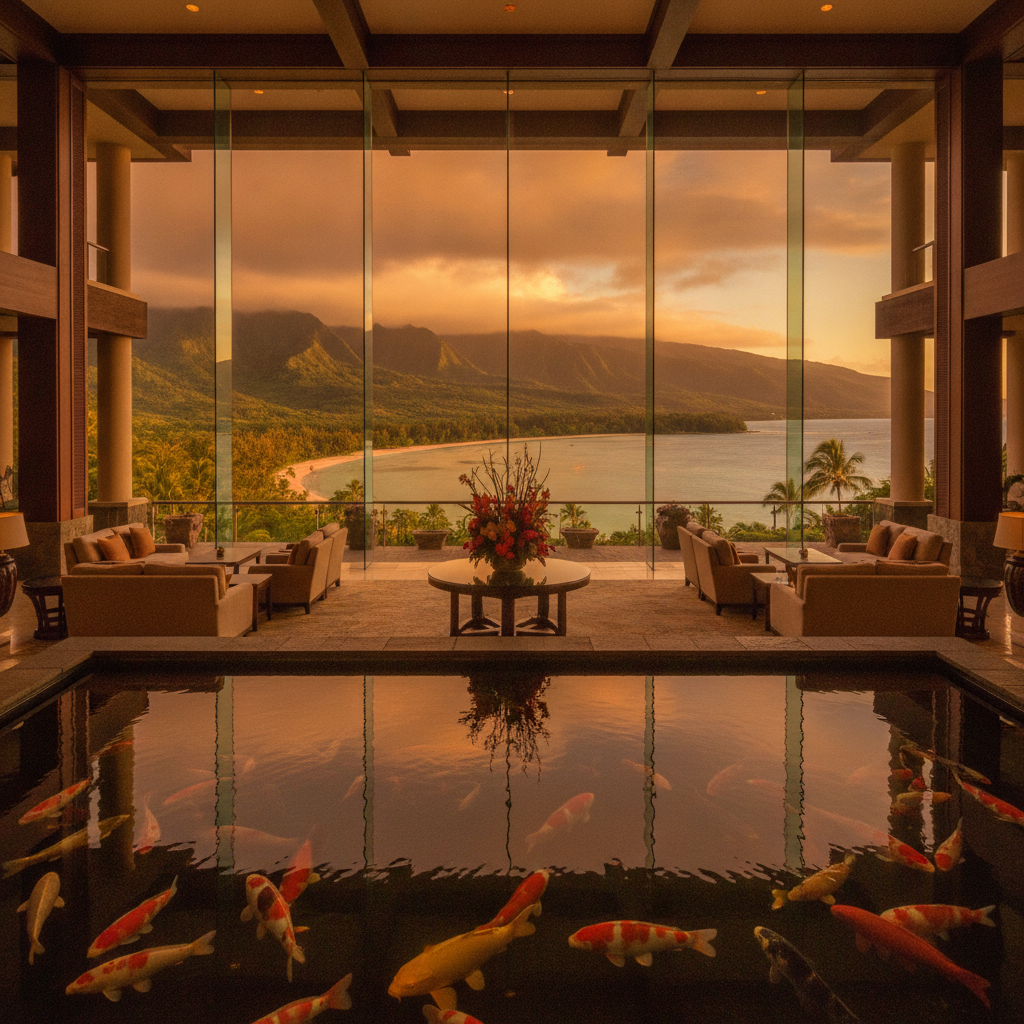
Kauai: Princeville St. Regis Resort (most dramatic lobby view in Hawaii), Niihau Forbidden Island and Rare Shell Lei Tradition, Kauai Plantation Era Ethnic Diversity (Portuguese, Japanese, Filipino, Korean immigrants), Hanapepe Friday Art Walk, Dark Sky Stargazing (Kalalau Lookout, Polihale, Polynesian star navigation), and Hawaiian Islands Visitor Decision Guide (Kauai vs Maui vs Oahu vs Big Island)