Kigali: Cleanest City in Africa, Genocide Memorial, Mountain Gorillas, Paul Kagame, and the Rwanda Miracle
Kigali and Rwanda as one of Africa most remarkable stories: the cleanest city in Africa and the umuganda community work ethic; the Kigali Genocide Memorial and the 1994 atrocity; mountain gorilla trekking in Volcanoes National Park; Paul Kagame and the authoritarian development model; Rwanda conservation beyond gorillas; and the complete practical Rwanda reference.
- 1
Kigali - The Cleanest City in Africa and the Rwandan Miracle
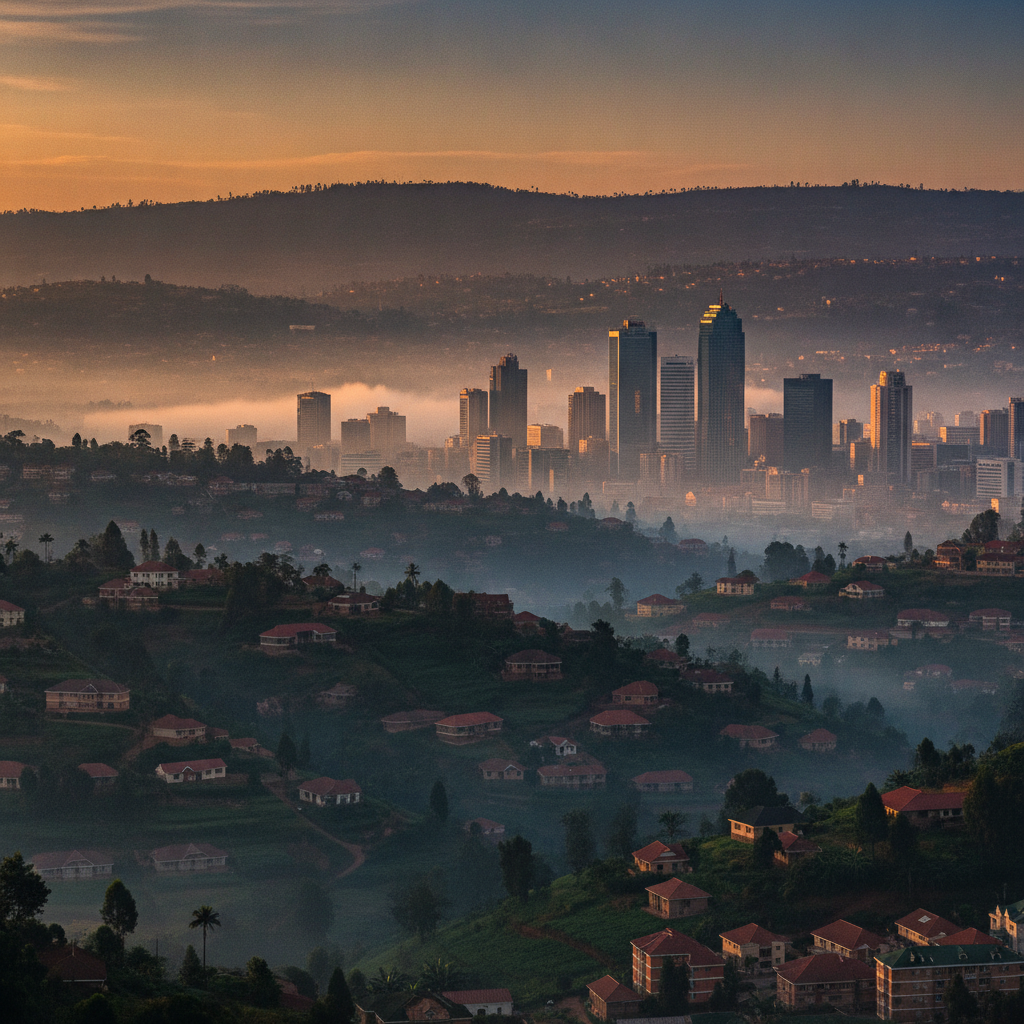
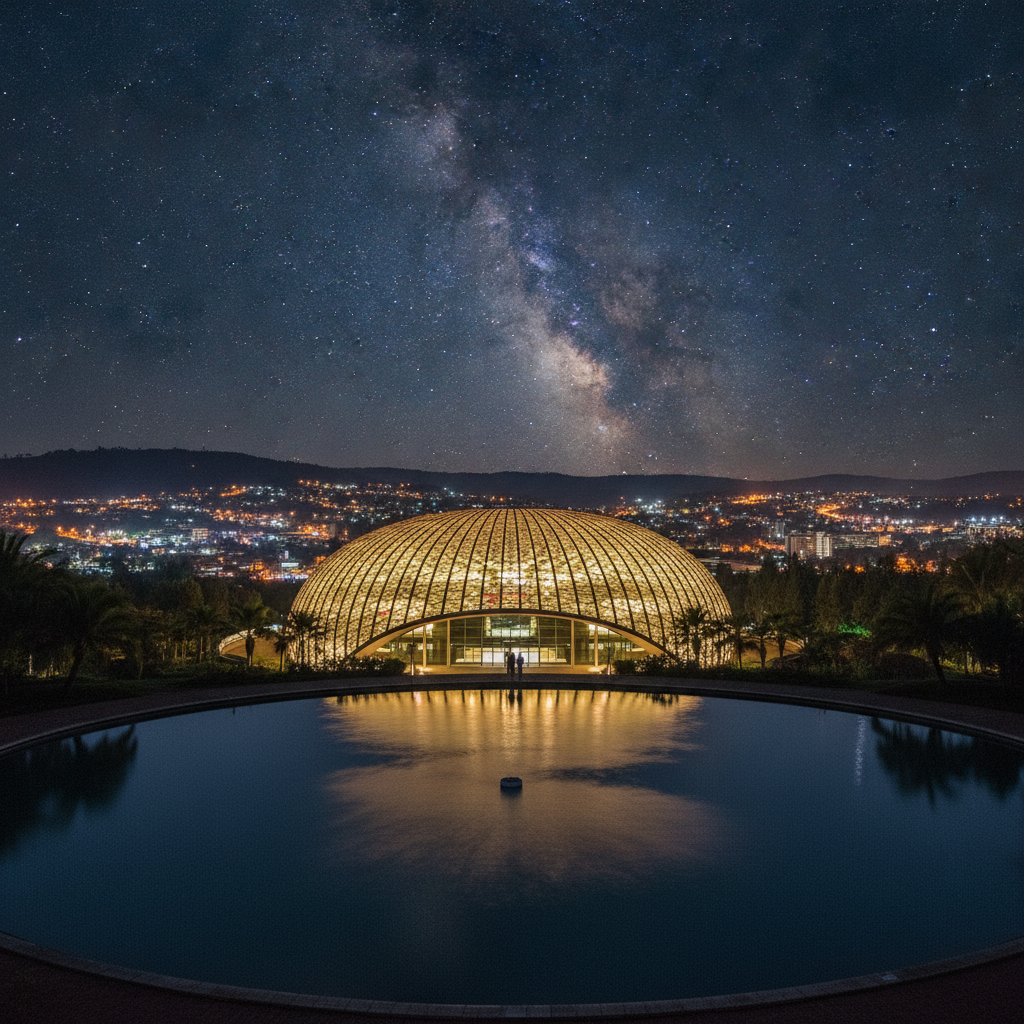
Kigali: the capital of Rwanda, the cleanest city in Africa, and the remarkable story of a country that transformed itself from genocide to one of the fastest-growing economies on the continent within a single generation. The city (Kigali: the capital and largest city of Rwanda: population approximately 1.4 million (2024): located on a central ridge and several surrounding hills in the heart of Rwanda at an altitude of approximately 1,567 meters above sea level (the altitude makes the climate pleasant year-round (average temperature approximately 19-21 degrees C)): Rwanda (the Land of a Thousand Hills (Pays des Mille Collines in French): the hilly landscape of Rwanda (the rolling hills covered with terraced agriculture, banana plants, and eucalyptus trees) is the defining visual feature of the country and one of the most distinctive landscapes in sub-Saharan Africa). The cleanliness (the Kigali cleanliness (Kigali is consistently ranked as the cleanest city in Africa (several rankings have placed Kigali as the cleanest city on the continent): the Clean Kigali initiative: the primary mechanism is the umuganda (the compulsory monthly community work: every last Saturday of the month all Rwandans participate in community cleaning and maintenance: businesses and offices are closed: the umuganda community work includes sweeping streets, cleaning drains, repairing roads, and planting trees): the plastic bag ban (Rwanda was the first country in Africa (and one of the first in the world) to ban single-use plastic bags (2008): plastic bags are prohibited from import, manufacture, sale, and use in Rwanda: visitors arriving at Kigali airport have plastic bags confiscated: the result is a visible absence of plastic litter that distinguishes Rwanda from its neighbors)). The economic transformation (the Rwanda economic growth story (Rwanda GDP growth averaged approximately 7-8% per year between 2000 and 2019 (before the COVID-19 disruption): one of the fastest-growing economies in Africa in the post-genocide period): the Vision 2020 (the Rwanda government development plan (launched 2000): the target of transforming Rwanda into a middle-income country and a knowledge economy by 2020: the primary sectors: ICT (Information and Communications Technology), tourism, and financial services): the Kigali Convention Centre (the primary conference venue of Kigali (opened 2016): a landmark building in the Kigali skyline: the dome-shaped structure has become the symbol of modern Rwanda): Rwanda aspires to be the Singapore of Africa).
- 2
The Kigali Genocide Memorial - The 1994 Rwandan Genocide
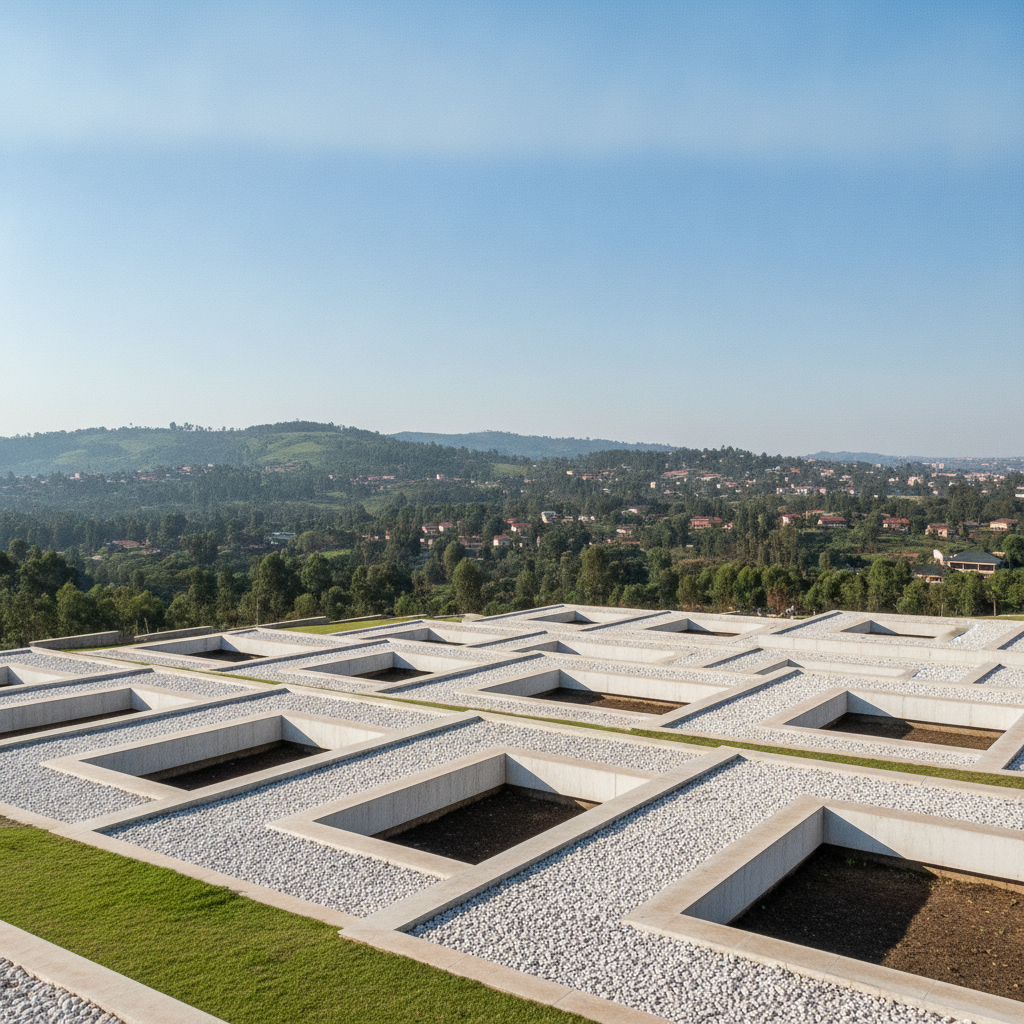
The Kigali Genocide Memorial: the primary memorial site for the 1994 Rwandan Genocide in which approximately 800,000-1,000,000 people (primarily Tutsi) were killed in 100 days, and the ongoing process of truth, justice, reconciliation, and recovery. The genocide (the 1994 Rwandan Genocide against the Tutsi (the official Rwandan government designation): the context (the Hutu-Tutsi ethnic divisions in Rwanda: the pre-colonial Rwanda (the Kingdom of Rwanda under the Tutsi mwami (king): the Tutsi were historically the cattle-herding elite class and the Hutu the farming class: the Belgian colonial administration (from 1916) hardened these social distinctions into racial categories (the Belgians introduced the ethnic identity card system (the carte d attache) in 1933-1934 that formally classified every Rwandan as Hutu, Tutsi, or Twa: before this classification the identities were more fluid and economically determined): the Hutu Revolution (1959-1962): the Hutu majority overthrew Tutsi political dominance during the transition to independence: approximately 150,000-300,000 Tutsi fled to Uganda, Burundi, and the Congo in the 1959-1963 period)). The genocide (April 6-July 15, 1994 (100 days): the assassination of President Juvenal Habyarimana (April 6, 1994: the Hutu president plane was shot down over Kigali airport: within hours the Interahamwe (the Hutu militia) and the Rwandan armed forces began systematic killing of Tutsi and moderate Hutu: the killing was organized (the Interahamwe militia were organized, armed, and directed by Hutu extremists within the government): the RTLM (Radio Millle Collines: the Hate Radio that broadcast instructions for identifying and killing Tutsi): the scale (approximately 800,000-1,000,000 people killed in 100 days: approximately 75% of the Tutsi population of Rwanda): the failure of the international community (the UN peacekeeping force (UNAMIR) under General Romeo Dallaire was present but its mandate did not permit intervention to prevent the genocide: Dallaire famous cable (the fax cable sent to UN headquarters in January 1994 warning of the planned genocide and requesting permission to seize weapons caches: the cable was rejected)). The Kigali Genocide Memorial (the memorial at Gisozi Hill: the site where approximately 250,000 genocide victims are buried: the memorial museum documents the history and events of the genocide: one of the most important memorial sites in Africa: mandatory for any serious engagement with Rwandan history).
- 3
Gorilla Trekking in Volcanoes National Park - The Ultimate Rwanda Experience
The mountain gorilla trekking experience in Volcanoes National Park: the primary Rwanda tourist draw, one of the most emotionally profound wildlife experiences on Earth, and the conservation story that brought the mountain gorilla back from the brink. The gorillas (the mountain gorilla (Gorilla beringei beringei): one of two subspecies of eastern gorilla: classified as Endangered (IUCN) with a wild population of approximately 1,063 individuals (2018 census: the only great ape population that is increasing in the wild): the mountain gorilla range (the Bwindi-Virunga ecosystem: the Virunga Massif (a chain of 8 dormant and active volcanoes straddling the borders of Rwanda, Uganda, and the Democratic Republic of Congo) and the Bwindi Impenetrable Forest (Uganda): approximately 60% of the world mountain gorilla population lives in the Virunga Massif). Volcanoes National Park (Parc National des Volcans): the Rwanda national park in the northwest of the country: the primary gorilla trekking destination in Rwanda (home to approximately 12 habituated gorilla families that can be visited by tourists (a family of gorillas is habituated over several years of daily human contact until they are comfortable with human presence)). The trekking experience (the trekking permit (USD 1,500 per person per day (2024): the most expensive single-day wildlife experience in the world (and arguably the most rewarding): the permit entitles the holder to one hour with a gorilla family (the one-hour limit is set to minimize stress on the gorillas): the trek itself (the trek to find the gorilla family can take 30 minutes to 4-5 hours depending on where the gorillas have moved): the encounter (being in the presence of mountain gorillas: the gorillas move through the forest with deliberate ease: the silverback (the dominant adult male gorilla) is the center of the family group: the young gorillas play in the trees: the hour passes very quickly). The conservation history (Dian Fossey (1932-1985): the American primatologist who studied mountain gorillas in the Virunga Massif from 1967 to 1985: the Karisoke Research Center (established by Fossey at approximately 3,000 meters altitude in the Virunga Massif between two volcanoes (Karisimbi and Visoke): Fossey dedicated her life to habituating gorilla families for study and protecting them from poachers: she was murdered at Karisoke on December 26, 1985 (the murder was never conclusively solved): the film (Gorillas in the Mist (1988): the Sigourney Weaver film dramatizing Fossey life)).
- 4
Paul Kagame and the Rwanda Development Model
Paul Kagame and the Rwanda Development Model: the RPF general who ended the genocide, became the dominant figure of post-genocide Rwanda, and built one of Africa most unusual development states. The man (Paul Kagame: born October 23, 1957 in Tambwe, Rwanda: grew up in Uganda as a refugee (his family fled Rwanda in the 1960s during the Hutu Revolution): joined the Ugandan National Resistance Army (NRA) of Yoweri Museveni (the NRA bush war 1981-1986 that brought Museveni to power: Kagame served as the head of military intelligence): joined the Rwandan Patriotic Front (RPF) in 1990 (the Tutsi exile force based in Uganda that invaded northern Rwanda in October 1990): became the RPF military commander in 1990: the RPF military campaign (July 1994: the RPF military forces ended the genocide by capturing Kigali on July 4, 1994 and ending Hutu government control): Kagame became Vice President and Minister of Defense (1994-2000): became President in 2000 (when President Pasteur Bizimungu resigned): won elections in 2003, 2010, and 2017 (with constitutional amendments removing term limits)). The governance model (the Rwanda governance model is authoritarian-developmental: the RPF one-party dominance (the Rwandan Patriotic Front controls the government with no effective political opposition): the human rights record (Rwanda under Kagame has been criticized by international human rights organizations (Human Rights Watch, Amnesty International) for: suppression of political opposition (opposition politicians have been arrested, exiled, or died in suspicious circumstances): restrictions on press freedom: the alleged use of the Rwandan security forces against dissidents in exile): the development results (despite the political authoritarianism, Rwanda development record is remarkable (see below)). The economic model (the Rwanda development model (sometimes called the Rwanda Development State or the Singapore of Africa comparison): the primary features (strong government direction of economic development: zero tolerance for corruption (Rwanda consistently ranks as one of the least corrupt countries in Africa in Transparency International surveys): investment in technology (the ICT sector: the Kigali Innovation City (a planned tech hub adjacent to the University of Rwanda campus): foreign investment promotion (Rwanda has aggressively courted foreign investment by reducing bureaucratic barriers)). The criticism (the sustainability question: whether the Rwanda development model can survive Kagame and whether the authoritarian governance is the necessary price for the development results or whether Rwanda could achieve the same results with greater political freedom).
- 5
Rwanda Nature and Conservation - Beyond the Gorillas
Rwanda conservation beyond the gorillas: the Nyungwe Forest National Park and its chimpanzees, the Akagera National Park and the rhino reintroduction, and Rwanda as a model for conservation-community integration. Nyungwe Forest National Park (the Nyungwe Forest: the largest montane forest in central Africa: area approximately 1,020 square km: in the southwestern corner of Rwanda: altitude approximately 1,600-2,950 meters: the biodiversity (the Nyungwe Forest is one of the richest montane forests in Africa in terms of biodiversity: 13 primate species (the chimpanzee (Pan troglodytes schweinfurthii): habituated chimpanzee groups can be trekked in Nyungwe (similar to but cheaper than the gorilla trekking (approximately USD 150-250 per person): the Nyungwe chimpanzee encounter is less visually dramatic than the gorilla encounter but the chimpanzee behavioral complexity is fascinating): the colobus monkey (the Nyungwe Forest has one of the largest groups of black and white colobus monkeys (Colobus guereza) in Africa: troops of 300-400 colobus monkeys have been recorded in Nyungwe: a large group of colobus moving through the forest canopy is one of the most spectacular primate sightings in Africa): 310 bird species (the montane bird fauna of Nyungwe includes many species endemic to the Albertine Rift): the canopy walkway (the Nyungwe Forest canopy walkway: a suspension bridge walkway through the forest canopy at approximately 50 meters above the forest floor: one of the few canopy walkways in Africa)). Akagera National Park (the Akagera National Park: in the northeastern corner of Rwanda on the Tanzania border: area approximately 1,122 square km: the primary savanna park of Rwanda: re-established as a functional wildlife park after the genocide (the post-genocide period saw the park significantly encroached by returning refugees and land-hungry settlers: the RPF government worked with African Parks (the conservation NGO) to re-fence the park and reintroduce wildlife): the Big Five (the reintroduction of lions (2015), black rhino (2017), and elephant restocking has restored the Akagera Big Five wildlife: the Akagera is now the only park in Rwanda where visitors can see lion, leopard, elephant, buffalo, and rhino): the Lake Ihema (the primary lake of Akagera: hippos, crocodiles, and exceptional waterbird populations on the lake shores).
- 6
Kigali Practical Guide - Umuganda, the Restaurant Scene, and Complete Rwanda Reference
The complete Kigali and Rwanda practical reference: accommodation, the Kigali restaurant scene, visa requirements, health, the umuganda community work tradition, and how to plan the optimal Rwanda visit combining gorilla trekking with Kigali city. The accommodation (the Kigali luxury hotels (the Kigali Marriott Hotel (city center: 254 rooms: the primary business hotel): the Radisson Blu Hotel and Convention Centre Kigali (conference-focused): the Retreat by Heaven (the boutique hotel with rooftop pool and the best Kigali view): the Gorilla guardians Village (near the Volcanoes National Park: the most atmospheric accommodation for gorilla trekkers)). The restaurant scene (the Kigali restaurant scene has become one of the most sophisticated in East Africa: the Indian Quarter (the Indian restaurants of the Kigali city center (the Indian community of Rwanda (a small but commercially significant community): Indian cuisine is widely available in Kigali): the Repub Lounge (the rooftop bar and restaurant on the Kigali Convention Centre: excellent views of the city): the Mamba Club (the lake-view restaurant with fish from Lake Kivu): the local food (brochettes (the Rwandan grilled meat skewer: the primary street food of Rwanda: beef, goat, or pork brochettes grilled over charcoal): ugali (the stiff maize porridge of Rwanda: called ubugali in Kinyarwanda): isombe (cassava leaves cooked with coconut milk: a Rwandan specialty): ikivuguto (fermented milk: the traditional Rwandan soured milk drink))). Visa and entry (Rwanda visa (Rwanda offers visa-on-arrival or e-visa for most nationalities: cost USD 30 for a single-entry 30-day tourist visa: the e-visa (apply at irembo.gov.rw): Rwanda has a very open visa policy (nationals of many African countries are admitted without a visa): Kigali International Airport (KGL): direct international flights from Nairobi (approximately 1 hour by Kenya Airways or Rwandair), Addis Ababa (Ethiopian Airlines), Dubai (RwandAir direct), Brussels (RwandAir direct), London (RwandAir Heathrow), Amsterdam (KLM), Paris (RwandAir)). The gorilla permit planning (the gorilla trekking permits (USD 1,500 per person (2024): permits must be booked months in advance for peak season (June-September and December-January): book through the Rwanda Development Board (bookgorillas.rwd.gov.rw): the Volcanoes National Park (3 hours from Kigali by road: the drive through the Rwanda countryside is beautiful): the combination itinerary (2 nights Kigali: 2-3 nights Volcanoes National Park for gorilla trekking: optional 1-2 nights Nyungwe Forest (1.5-2 hours from Volcanoes via the scenic Musanze-Huye road)). The overall Rwanda impression (Rwanda is the most organized, clean, and efficient country in sub-Saharan Africa: it rewards serious engagement with its complex history and its remarkable recovery: the gorilla trekking is the primary draw but Rwanda is much more than gorillas).
Walk this route with audio
Stories play automatically as you reach each stop — no tapping needed.
More in Kigali
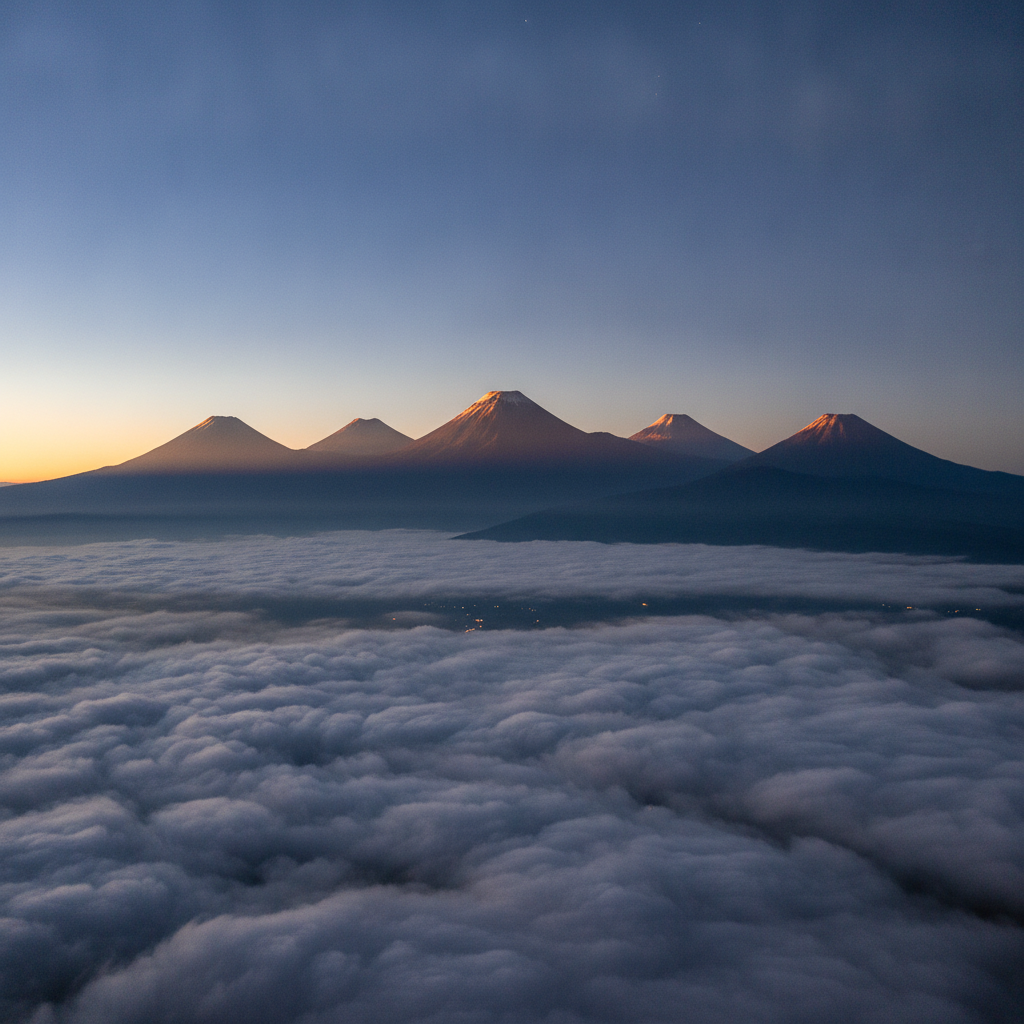
Kigali Outdoors: Virunga Volcanoes, Golden Monkey Trekking, and the Rwanda Highland Hikes
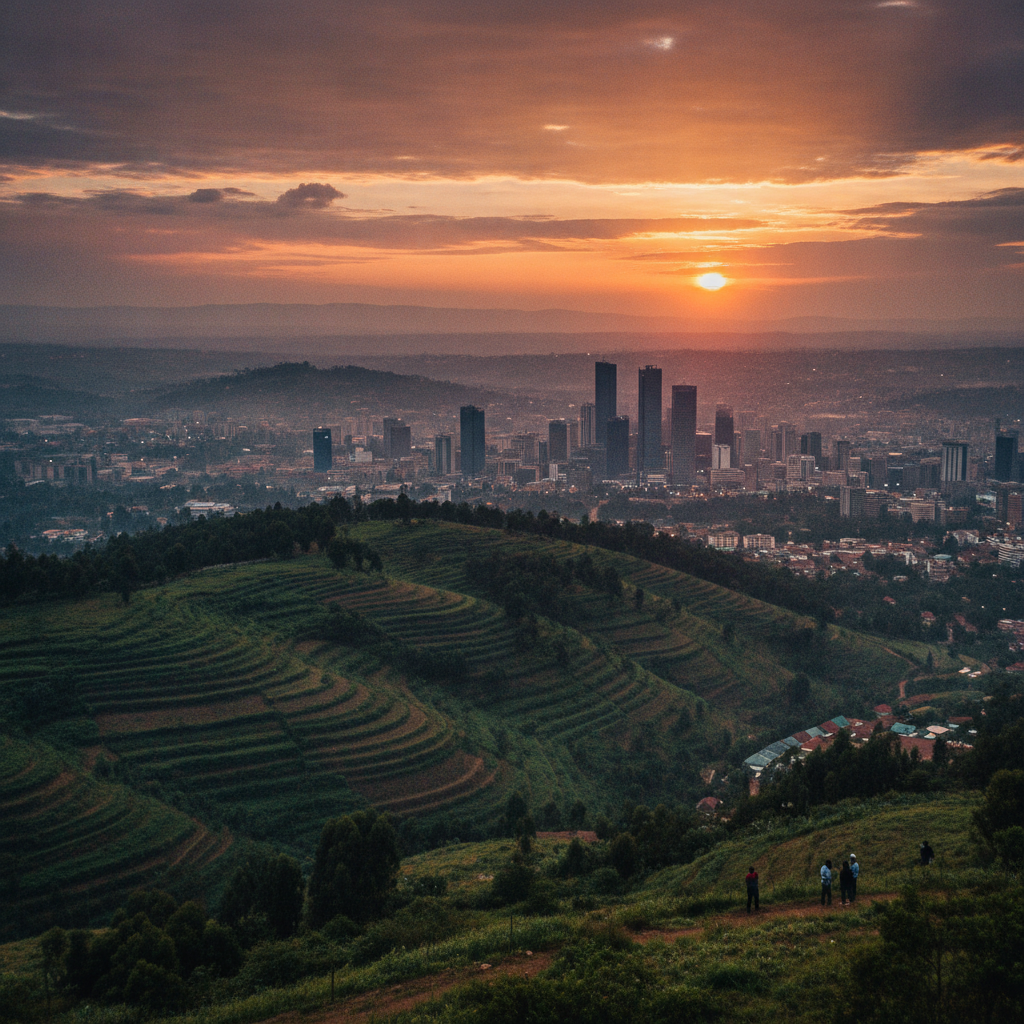
Kigali Final: Rwanda Planning Guide, Health Miracle, Goma Border, Photography, and Complete Legacy
Kigali Extended: Women in Parliament, Tech Hub, Pre-Genocide History, and Final Rwanda Legacy
Kigali Reconciliation, Gacaca Courts, INEMA Arts, and Lake Kivu