Kigali Outdoors: Virunga Volcanoes, Golden Monkey Trekking, and the Rwanda Highland Hikes
Rwanda active outdoor experiences: the Virunga volcano hikes including Mount Bisoke and Mount Karisimbi; golden monkey trekking as the more affordable alternative to gorilla trekking; the Dian Fossey research cabin hike; twin lakes of Ruhondo and Burera; and Rwanda highland cycling.
- 1
Mount Bisoke and the Virunga Volcano Hikes
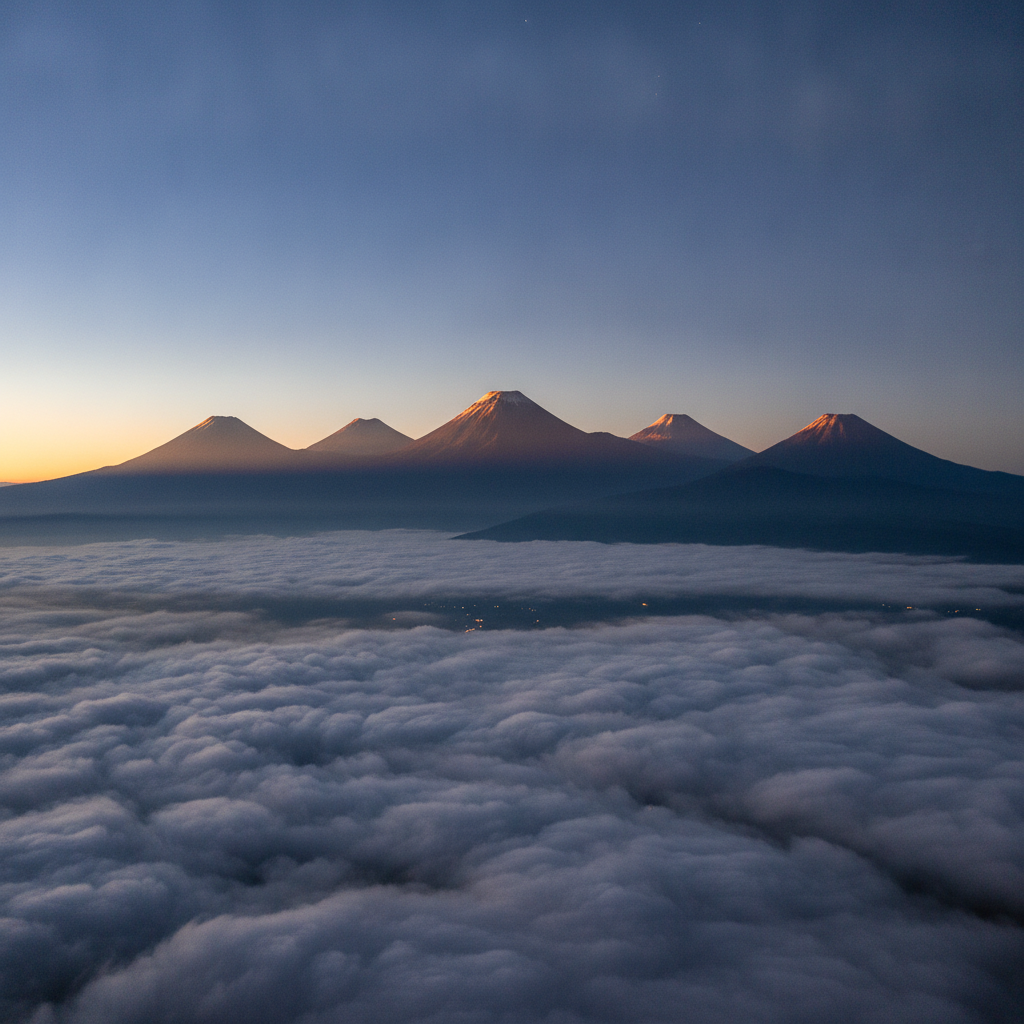
The Virunga Massif volcano hikes: the accessible alternatives to gorilla trekking in Volcanoes National Park, with dramatic volcanic scenery and panoramic views across Rwanda and the DRC. The Virunga volcanoes (the Virunga Massif: a chain of 8 volcanoes straddling the borders of Rwanda, Uganda, and the Democratic Republic of Congo: the Rwanda volcanoes (5 volcanoes in the northwest Rwanda): Karisimbi (4,507m: the highest volcano in the Virunga chain: extinct (no recorded eruption in historical times): a 2-day hike from Volcanoes National Park headquarters): Bisoke (3,711m: the most popular day hike in Volcanoes National Park: 4-6 hours to the summit: the crater lake at the summit (a beautiful crater lake at the top of Bisoke): views across Rwanda and the DRC when the cloud clears): Gahinga (3,474m: the smallest of the Rwanda Virunga volcanoes: a half-day hike: the swamp at the summit): Sabyinyo (3,645m: the most technically challenging Rwanda volcano hike: the summit ridge is narrow and requires scrambling): Muhabura (4,127m: the second highest Rwanda volcano: a full-day hike: panoramic views)). The hike experience (the volcano hike permits (the Karisimbi 2-day hike permit: USD 400 per person: the single-volcano day hike permits: USD 75-100 per person: all volcano hikes require a permit from the Rwanda Development Board and are accompanied by an RDB guide and armed ranger): the vegetation zones (the lower slopes of the Volcanoes National Park: the montane forest (tall trees, moss, many bird species): the higher slopes: the bamboo zone (dense bamboo forest): the high altitude zone: the heath and moorland (giant heather, giant groundsel, giant lobelia: the high-altitude vegetation of the Virunga volcanoes is similar to the high-altitude vegetation of Kilimanjaro and other East African mountains)).
- 2
Golden Monkey Trekking - Rwanda Affordable Alternative to Gorillas
The golden monkey trekking experience: the more affordable and less-known alternative to gorilla trekking in Volcanoes National Park, where the endemic Rwenzori golden monkey can be encountered at close range in the bamboo forest. The golden monkey (the Rwenzori golden monkey (Cercopithecus kandti): also known as the golden monkey: a subspecies of the blue monkey (Cercopithecus mitis): endemic to the Albertine Rift highlands (the Virunga Massif and the Bwindi Forest area): classified as Endangered by IUCN: the primary population in Rwanda is in the Volcanoes National Park bamboo zone: the golden monkey is characterized by a distinctive golden-orange patch on the back and flanks contrasting with black limbs and head: a medium-sized monkey (approximately 3-4 kg): highly social (troops of 30-80 individuals): the golden monkey feeds primarily on bamboo (the young bamboo shoots and leaves) but also on fruit and insects). The trekking (the golden monkey trekking permit (USD 100 per person (2024): the most affordable major primate trekking experience in Rwanda: the trekking experience is similar to gorilla trekking (guided walk through the Volcanoes National Park vegetation to find the habituated golden monkey troop): the encounter duration (1 hour with the golden monkeys): the troop size (the habituated troops in Volcanoes National Park number 60-100 individuals): the photography (the golden monkeys are more active and faster-moving than gorillas: they move through the bamboo and trees at a faster pace: challenging but rewarding photography). The combination (the golden monkey trekking can be combined with gorilla trekking on a 2-day Volcanoes National Park visit (gorilla trek on Day 1, golden monkey trek on Day 2): this gives the visitor two very different primate experiences in the same national park).
- 3
The Dian Fossey Hike and Karisoke Research Centre
The Dian Fossey hike to the Karisoke Research Centre ruins: the pilgrimage to the site where the world most celebrated primatologist lived and worked for 18 years and was eventually murdered. The hike (the Dian Fossey hike from Volcanoes National Park: a 3-4 hour round-trip hike to the Karisoke Research Centre ruins at approximately 3,000 meters altitude in the forest between Karisimbi and Visoke volcanoes: the hike permit (USD 75 per person (2024): the hike goes through the montane forest and bamboo zone of the national park: guided by an RDB guide and armed ranger). Karisoke (the Karisoke Research Centre: established by Dian Fossey in 1967: a small cluster of research cabins in a remote forest clearing: the primary site of gorilla behavioral research in the world from 1967 to the present (the Karisoke Research Centre continues to operate under the Dian Fossey Gorilla Fund International): the site of Fossey death (December 26, 1985: Fossey was found murdered in her cabin: the murder was never conclusively solved: the primary suspects include poachers (Fossey had made powerful enemies among the local poaching network by destroying traps and confiscating poachers equipment)): Fossey grave (Fossey is buried at Karisoke adjacent to Digit the gorilla (the gorilla she was closest to: Digit was killed by poachers in December 1977: Fossey established the Digit Fund (now the Dian Fossey Gorilla Fund International) in response to Digit death)).
- 4
The Twin Lakes Ruhondo and Burera - Rwanda Highland Landscape
The twin lakes Ruhondo and Burera in the Musanze district of northwestern Rwanda: two of the most beautiful lakes in Central Africa, located in a dramatic highland setting between the Virunga volcanoes and the Gishwati-Mukura National Park. The lakes (Lake Ruhondo and Lake Burera: the twin lakes of northern Rwanda: located in the Musanze district approximately 15-20 km east of the Volcanoes National Park: altitude approximately 1,850 meters above sea level: the lakes are surrounded by steep green hills terraced with farms and dotted with banana plantations: the Virunga volcanic peaks are visible to the northwest above the lakes on clear mornings (the silhouette of the Virunga chain (Muhabura, Gahinga, Bisoke, Karisimbi) rising above the lake horizon is one of the finest mountain lake views in Africa)). The access (Lake Burera (the larger and more accessible of the two lakes: the primary viewpoint is from the Burera ridge road): Lake Ruhondo (the more enclosed lake surrounded by higher hills: access by the Kinigi road from Musanze (the town nearest to the Volcanoes National Park)): the boat trips (local dugout canoe trips on both lakes are available from the lakeside communities). The guesthouses (a small number of community-based tourism guesthouses have been established on the lakeshores to offer overnight accommodation (the Rwanda development board has promoted community-based tourism as a vehicle for sharing tourism income with local communities beyond the core trekking areas)). The Musanze town (the Musanze town (formerly Ruhengeri): the primary gateway town for Volcanoes National Park: approximately 90 km from Kigali (2 hours by road on the well-maintained tarmac road): the Musanze Caves (the underground cave system in the Musanze area (used as a hiding place during the genocide): accessible as a tourist attraction).
- 5
Rwanda Cycling - The Congo Nile Trail and Tour de Rwanda
Rwanda as an emerging cycling destination: the Congo Nile Trail, the Tour du Rwanda cycling race, and how Rwanda hills have made it one of the most dramatic and challenging cycling environments in Africa. The Congo Nile Trail (see the Kigali route 2 for the full Congo Nile Trail description): the cycling version (the trail can be cycled in 3-5 days on mountain bike: the elevation changes are significant (the trail climbs and descends repeatedly over the western ridge of Rwanda): mountain bikes are available for hire in Rubavu (Gisenyi)). The Tour du Rwanda (the Tour du Rwanda: the annual professional cycling stage race: held since 2009: the race typically runs for 8 stages covering approximately 800-1,000 km of Rwanda roads: the race is one of the most challenging road cycling races in Africa due to the extreme elevation changes (Rwanda average altitude changes are comparable to the mountainous stages of the Tour de France): the race has attracted international professional teams and riders since joining the UCI Africa Tour calendar: the 2022 and 2023 editions attracted top African continental teams and some international wildcard teams). The road cycling (the Rwanda road network (Rwanda has one of the best road networks in sub-Saharan Africa (the Rwanda government has invested heavily in road infrastructure as a component of the Vision 2020 development plan): paved roads connect all major destinations: the cycling experience (road cycling in Rwanda is exceptional (the tarmac roads wind through the terraced hills with dramatic views): the moto-taxi awareness (the moto-taxis are ubiquitous on Rwanda roads and require awareness from cyclists)). The mountain biking (the off-road cycling routes in Rwanda (the Nyungwe Forest mountain biking (the forest trails of the Nyungwe National Park): the Akagera National Park mountain biking (the savanna cycling in the eastern Rwanda wildlife park)).
- 6
Rwanda Tourism and the Gorilla Economy - Conservation Funding Model
The Rwanda gorilla tourism model: how the Volcanoes National Park gorilla trekking generates the revenue that funds both conservation and community development, the most successful conservation-tourism integration in Africa. The revenue model (the gorilla permit price (USD 1,500 per person per day in Rwanda (2024): the world most expensive single-day wildlife experience: the revenue split (the Rwanda Development Board collects the permit fees: 10% is returned directly to the communities surrounding Volcanoes National Park (the community development fund): approximately 75% goes to conservation operations (the park management, the anti-poaching rangers, the gorilla health monitoring program): the remaining 15% to government revenue)). The community benefit (the community revenue (the 10% of gorilla permit revenue returned to local communities): the projects funded (school construction, water supply, health clinics, and community hall construction in the communities adjacent to Volcanoes National Park): the employment (the national park and the tourism lodge industry employs a large number of people from the Musanze and Kinigi communities (the guides, the rangers, the trackers, the lodge staff))). The conservation result (the mountain gorilla population increase (the mountain gorilla population in the Bwindi-Virunga ecosystem (Rwanda + Uganda + DRC): the population has increased from approximately 620 individuals in 1989 (when the first accurate census was conducted) to approximately 1,063 in 2018: one of the few large mammal species that is increasing in the wild: the Rwanda gorilla families (the 12 habituated families in Volcanoes National Park: the habituated families (each family has a dedicated team of trackers who locate the family each morning before the tourist groups arrive, and a team of veterinarians who monitor gorilla health)). The comparison (the Uganda gorilla permit (USD 700 per person (2024): approximately half the Rwanda price): the Rwanda justification for the higher price (the argument that a higher permit price limits visitor numbers (protecting gorilla welfare), generates more conservation revenue per visitor, and creates an exclusive premium tourism brand for Rwanda).
Walk this route with audio
Stories play automatically as you reach each stop — no tapping needed.
More in Kigali
Kigali: Cleanest City in Africa, Genocide Memorial, Mountain Gorillas, Paul Kagame, and the Rwanda Miracle
Kigali Final: Rwanda Planning Guide, Health Miracle, Goma Border, Photography, and Complete Legacy
Kigali Extended: Women in Parliament, Tech Hub, Pre-Genocide History, and Final Rwanda Legacy
Kigali Reconciliation, Gacaca Courts, INEMA Arts, and Lake Kivu