Katanga Copperbelt: The Mineral Heart of the DRC
The DRC's Katanga province holds the world's largest cobalt reserves and some of its greatest copper deposits — a journey to the Copperbelt reveals the resource wealth that has both funded and cursed the Congo
- 1
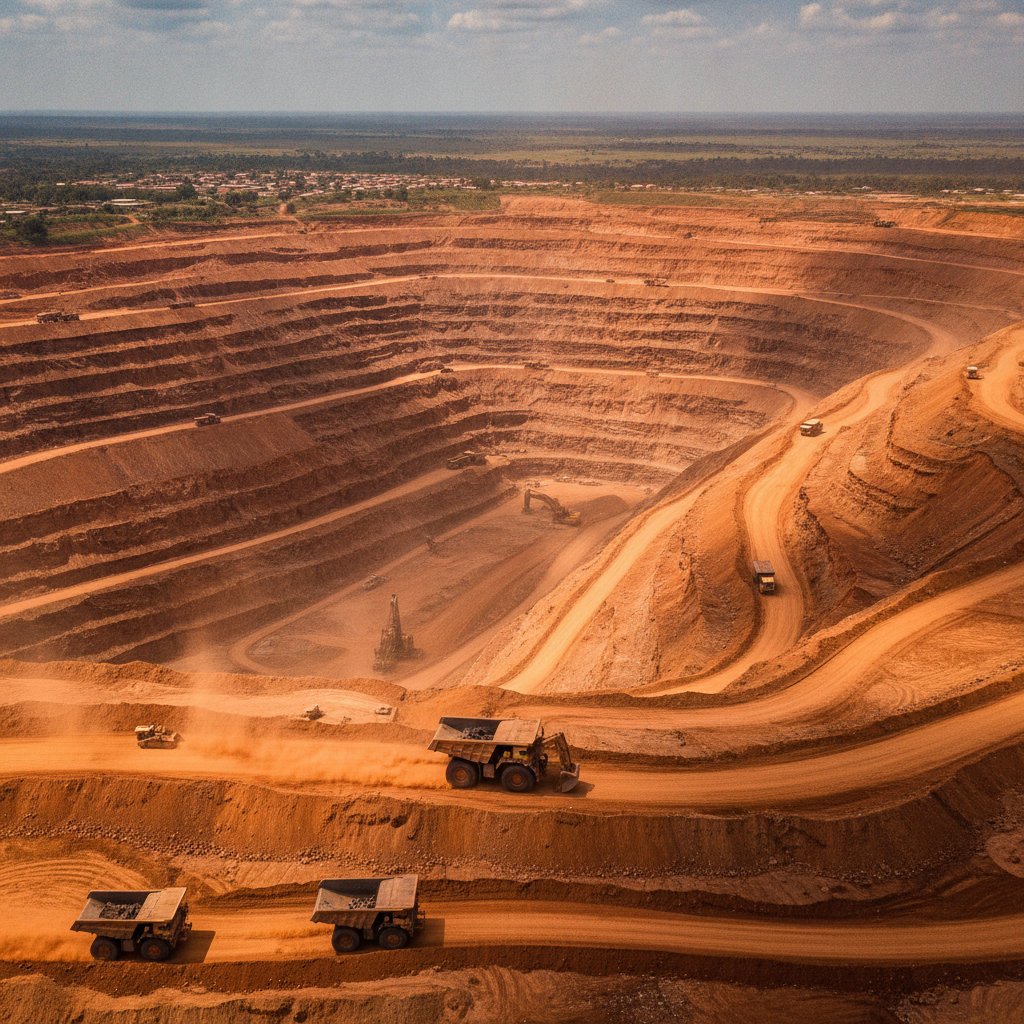
Kolwezi Open-Pit Mining
The open pit mines of Kolwezi produce the cobalt that powers the world's electric vehicles and electronics - the scale of the excavation is visible from satellite and staggering at ground level
- 2
Artisanal Mining Communities
Alongside industrial mines, tens of thousands of miners work with hand tools in Katangamalmen — the informal mining sector is dangerous, poorly regulated and economically important
- 3
Lubumbashi: Capital of Katanga
The city of Lubumbashi is the Democratic Republic of Congo's second city and the capital of the copper belt – its mining heritage, Belgian colonial architecture and Swahili-speaking culture stand in stark contrast to Kinshasa
- 4
Cobalt Global Supply Chain
The Democratic Republic of Congo produces 70% of the world's cobalt – the mineral in every smartphone and electric car battery – and the politics of that resource flow shape everything from the country's governance to foreign investment
- 5
Katanga Secession History
Katanga seceded from the newly independent Democratic Republic of the Congo in 1960, with the support of Belgium and the mining companies — the resulting conflict and UN intervention became a defining episode of African decolonization
- 6
Copper Art and Smelting Tradition
The Luba and Lunda kingdoms of Katanga had sophisticated copper metallurgy long before colonialism—copper crosses served as objects of currency and prestige; DRC's mineral history goes back centuries
Walk this route with audio
Stories play automatically as you reach each stop — no tapping needed.
More in Kinshasa
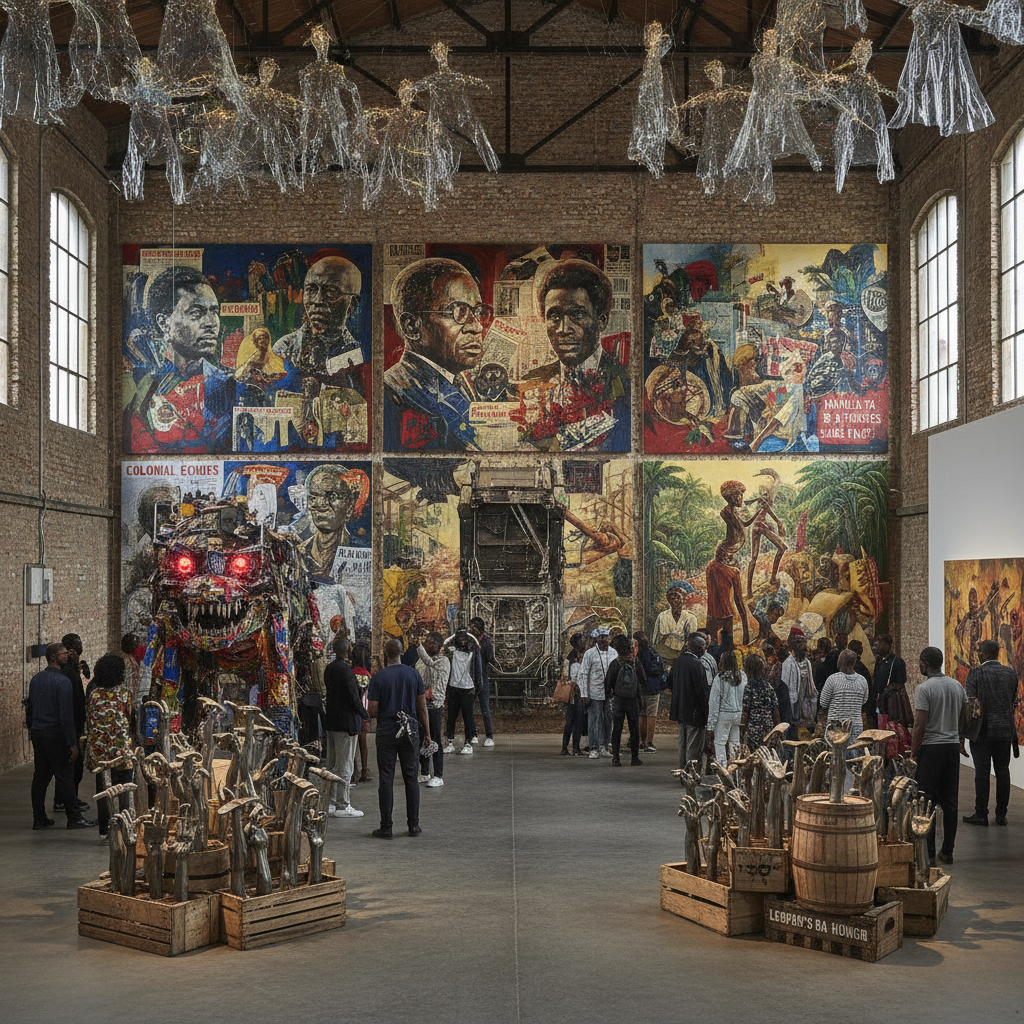
Kinshasa Contemporary Art: A Creative City in Turbulence
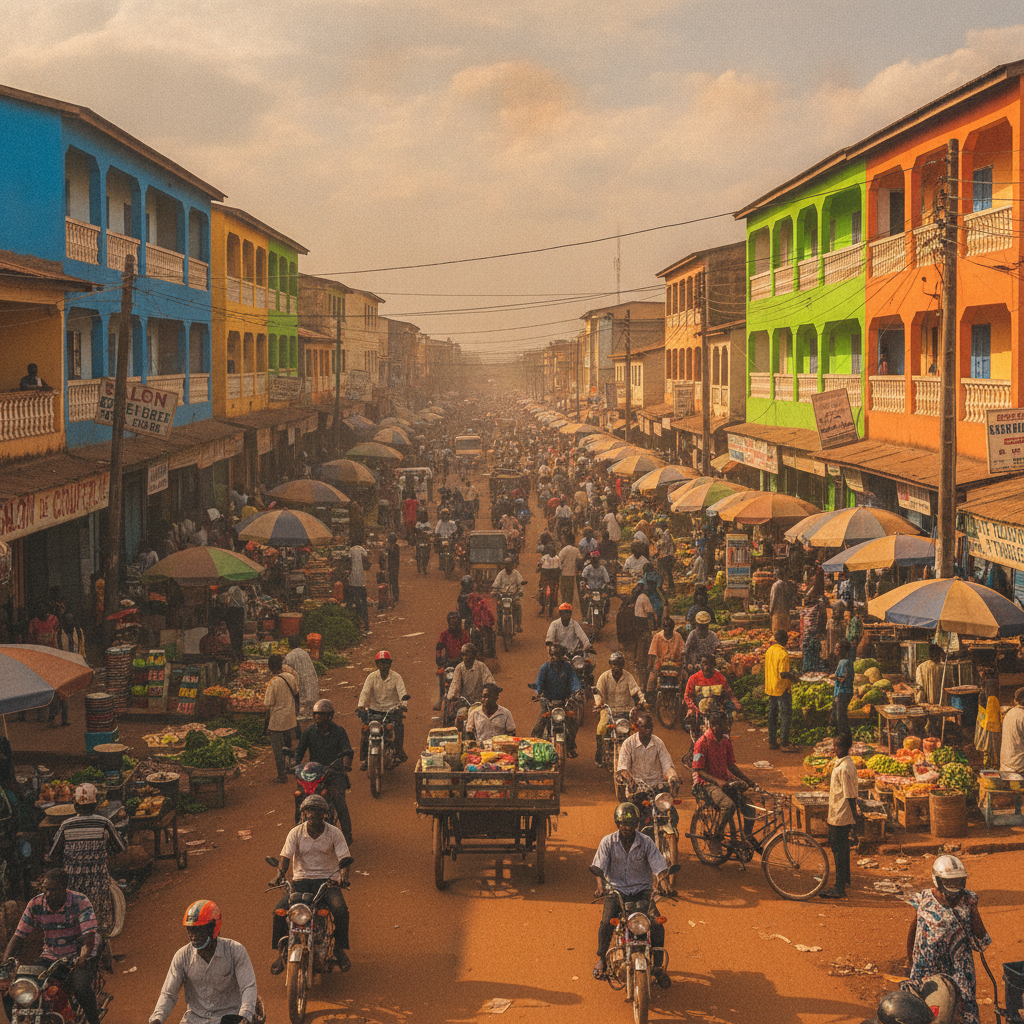
La Cité: The Heart of Kinshasa's 17 Million
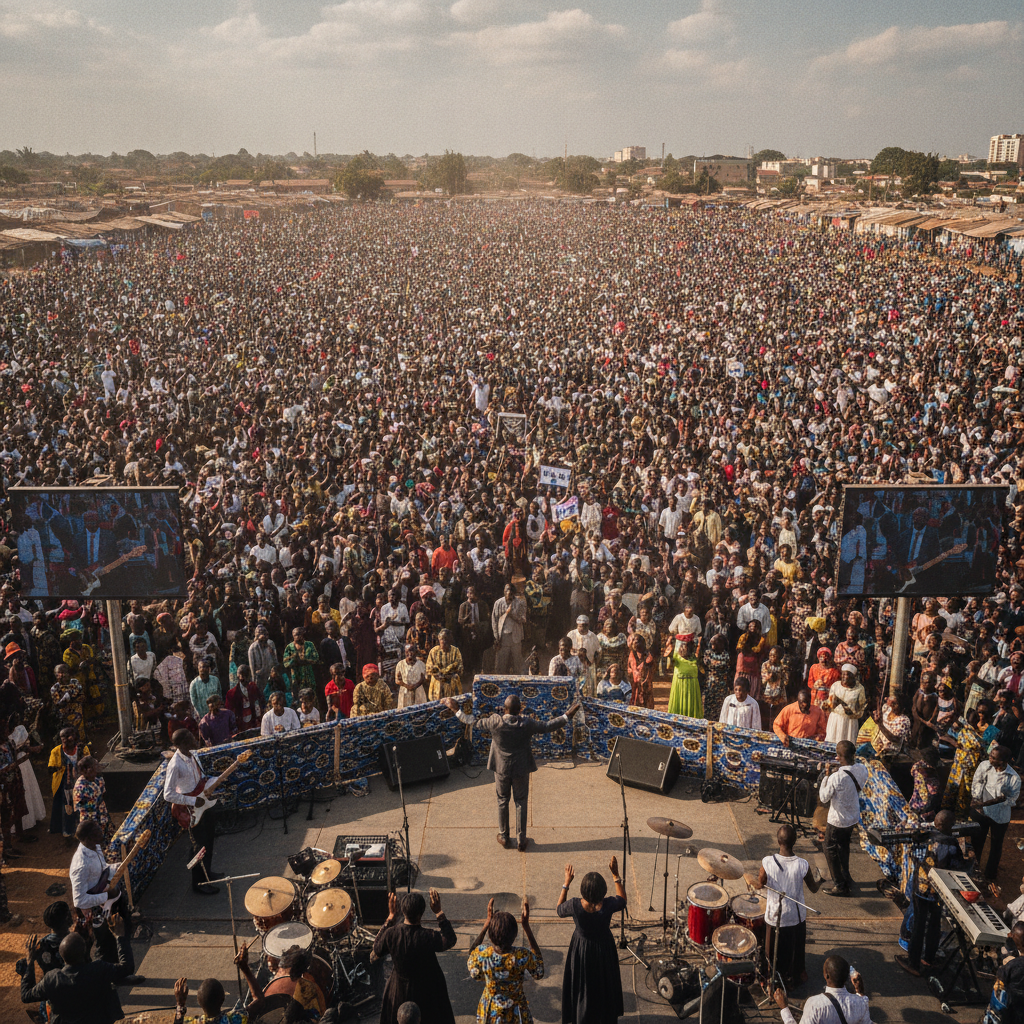
Faith in Kinshasa: Pentecostalism, Kimbanguism & Spiritual Life
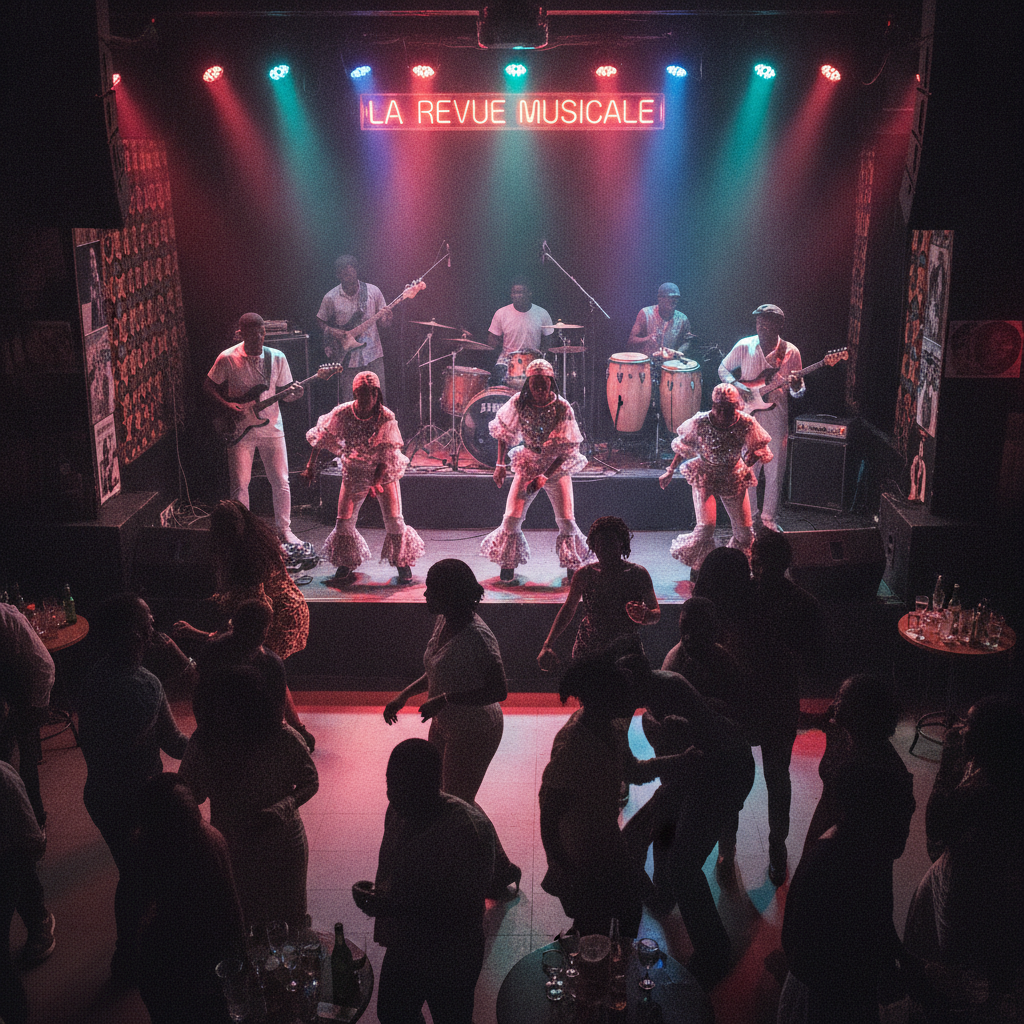
Kinshasa Music City: Rumba, Soukous & the Sound of Congo
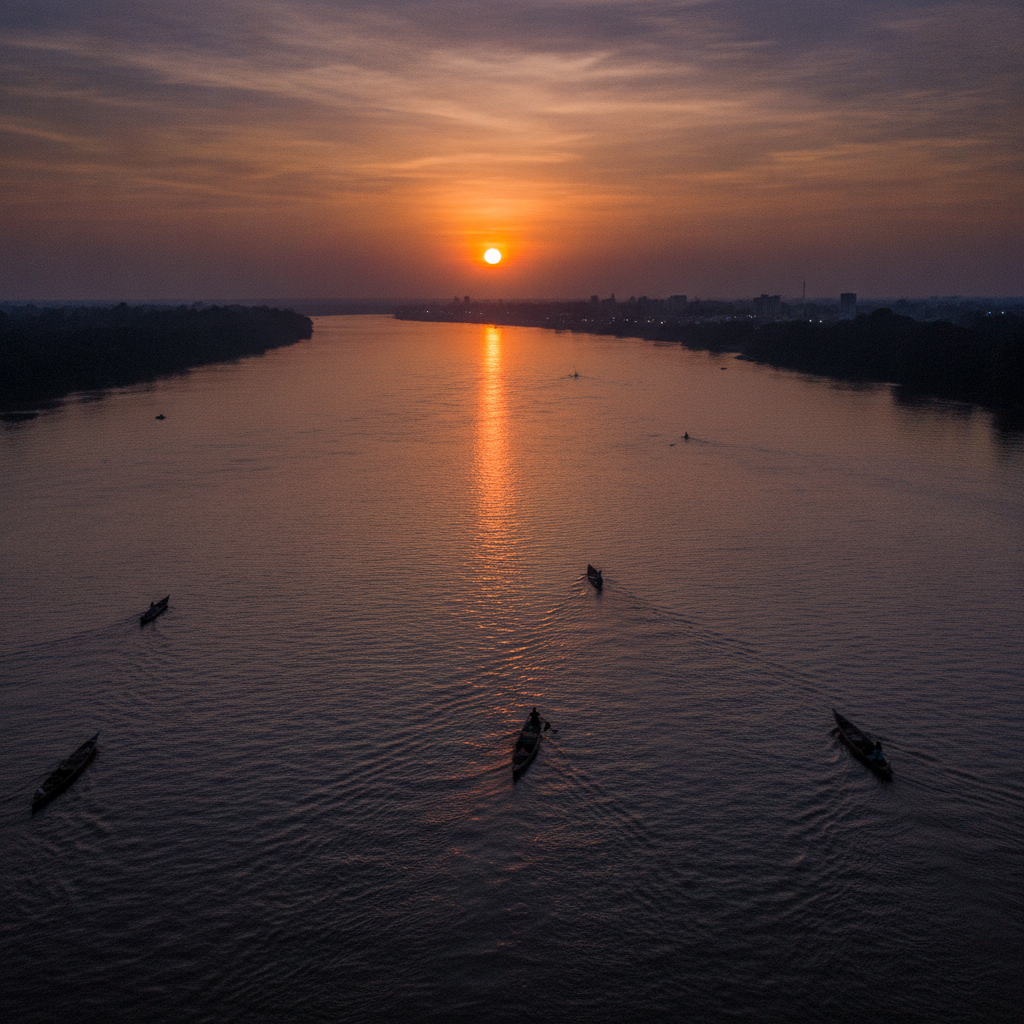
Pool Malebo: Kinshasa at the World's Second-Largest River