Stanleyville to Kisangani: Colonial History & Independence
Kisangani — formerly Stanleyville — was at the heart of the Congo's colonial story and its violent independence; the site of the 1964 rebellion and Che Guevara's failed intervention is now a city rebuilding its identity
- 1
Stanley's River Station
Henry Morton Stanley established a station at the falls in 1883 and named it Stanleyville — the colonial history is embedded in the town's street plan and surviving Belgian architecture
- 2
1964 Simba Rebellion
The 1964 Simba Rebellion made Kisangani (Stanleyville) the site of the infamous hostage crisis — the brutal conflict between Lumumbist rebels and the Congolese army, with Belgian and American intervention
- 3
Lumumba's Political Legacy
Patrice Lumumba – the first prime minister of the independent Congo, assassinated in 1961 – drew his political support from Kisangani's eastern Congolese base; his legacy shapes the city's political identity
- 4
Che Guevara's failure in the Congo
In 1965, Che Guevara led a Cuban guerilla force into eastern Congo to support the Simba Rebellion - his diary in the Congo records a failed mission that he considered his greatest defeat
- 5
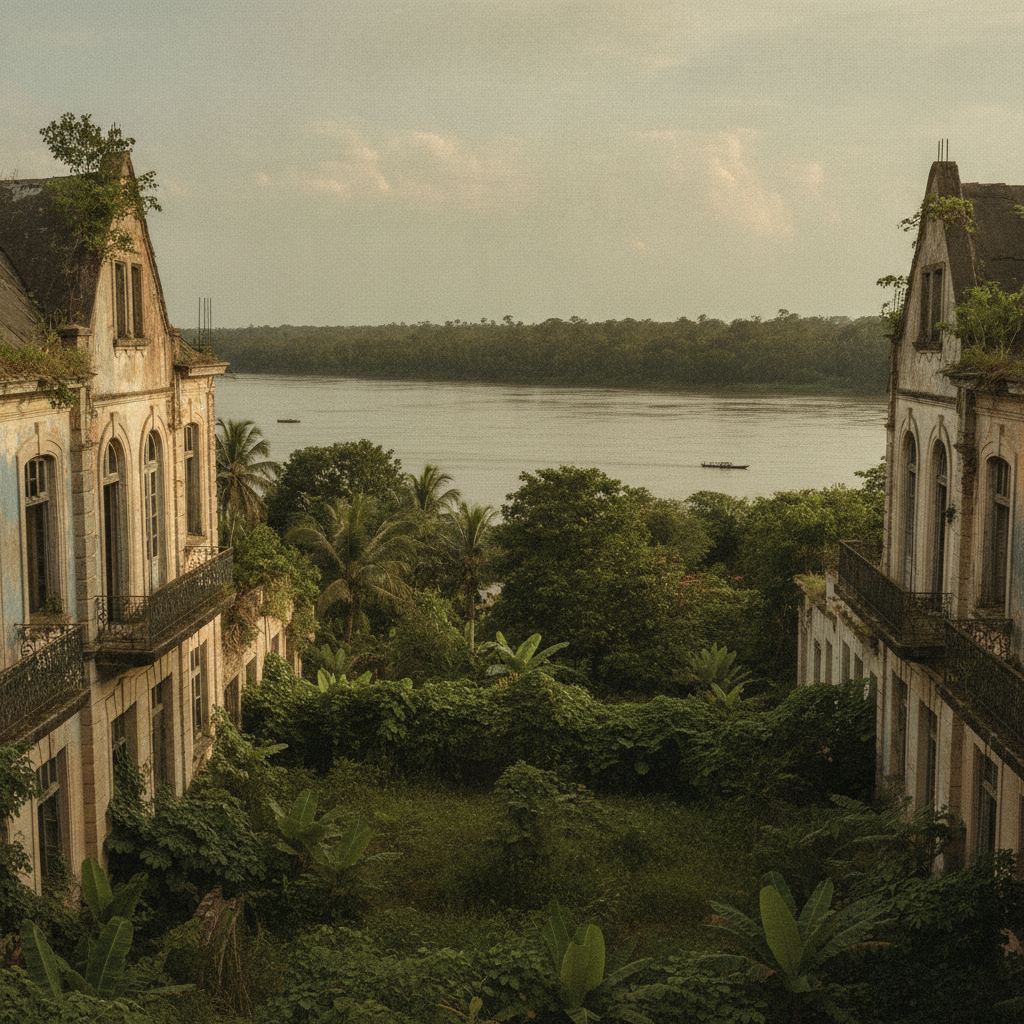
Belgian Colonial Architecture
The surviving Belgian colonial buildings – administrative offices, the Catholic mission, the river port structures – represent the era of King Leopold's brutal Congo Free State and Belgian colonial rule
- 6
Kisangani Today: Recovery
Kisangani was caught between warring factions in the 1996-2003 Congolese war – the city's recovery since then, its markets and university, represent a fragile return to normalcy
Walk this route with audio
Stories play automatically as you reach each stop — no tapping needed.
More in Kisangani
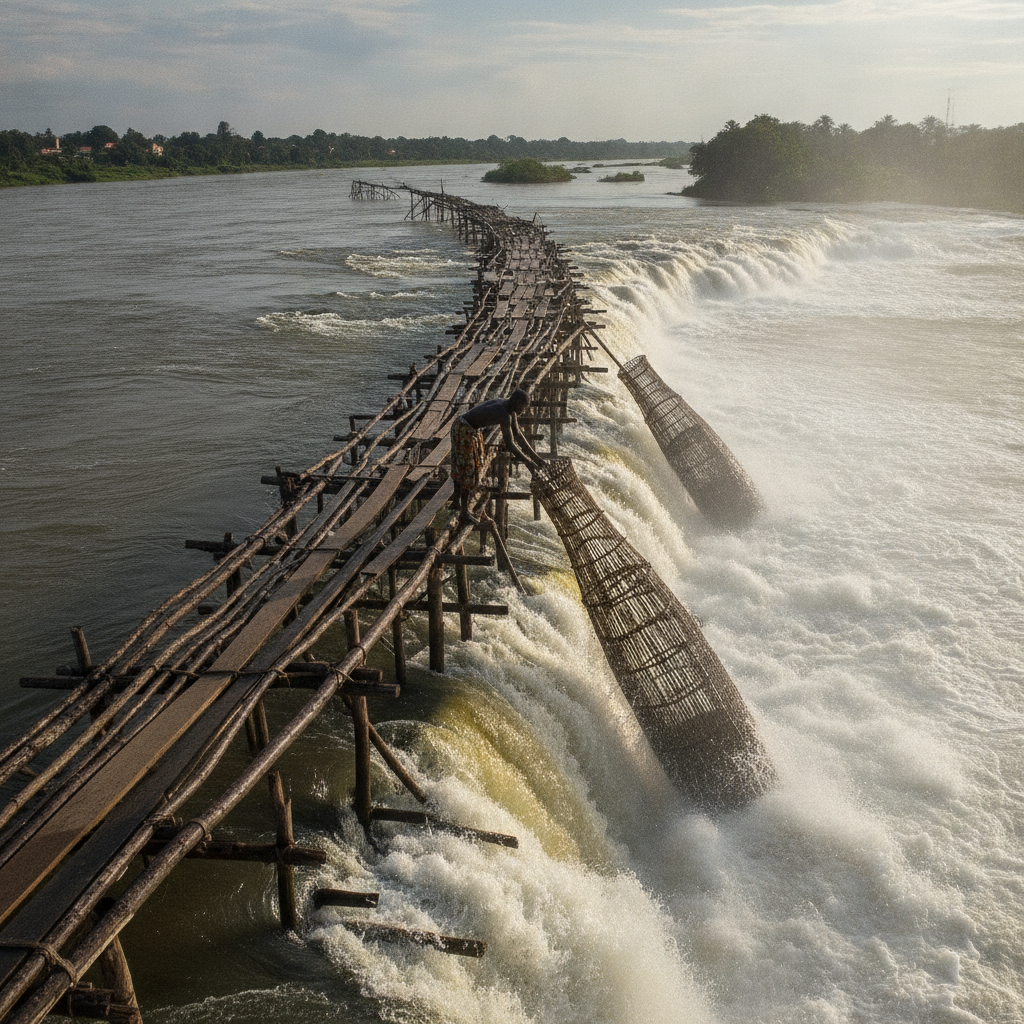
Wagenia People: Fishing Culture at the Congo's Great Falls
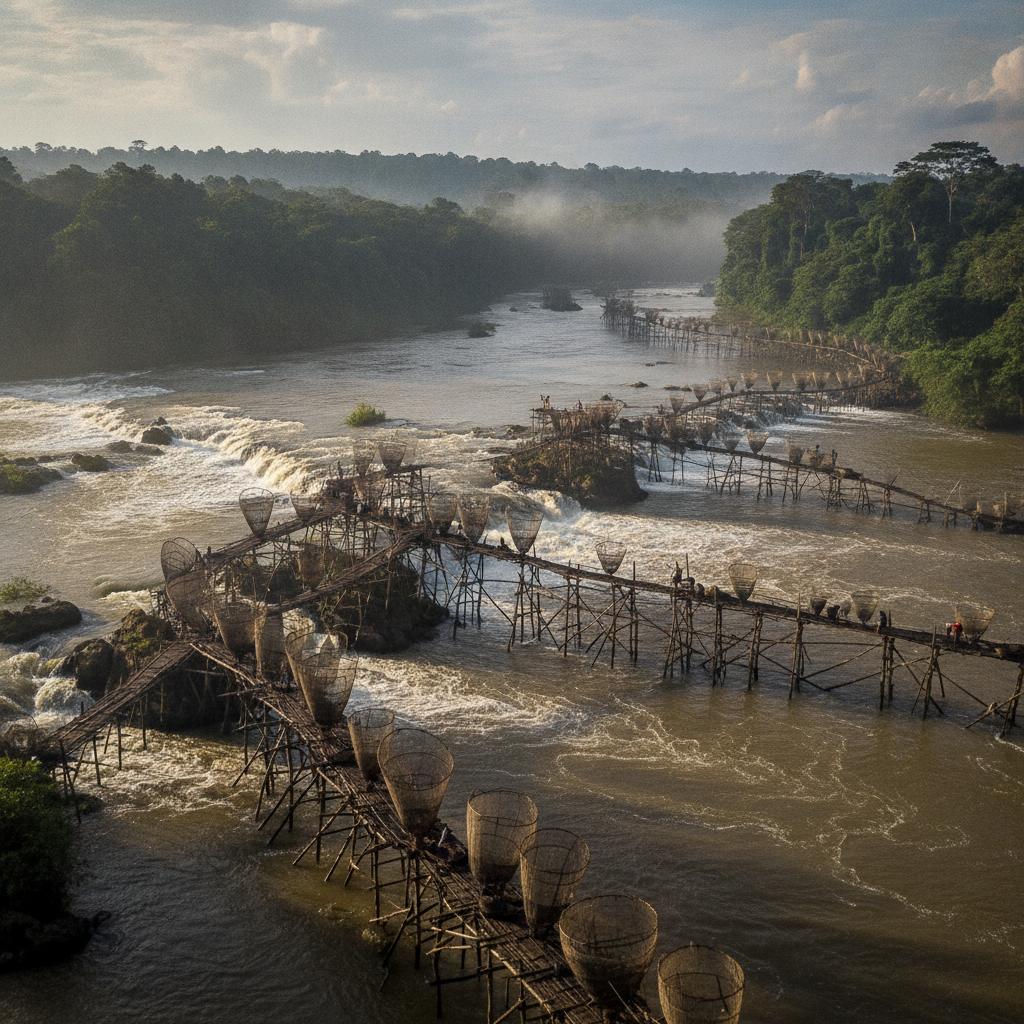
Wagenia Falls & the Congo River at Kisangani
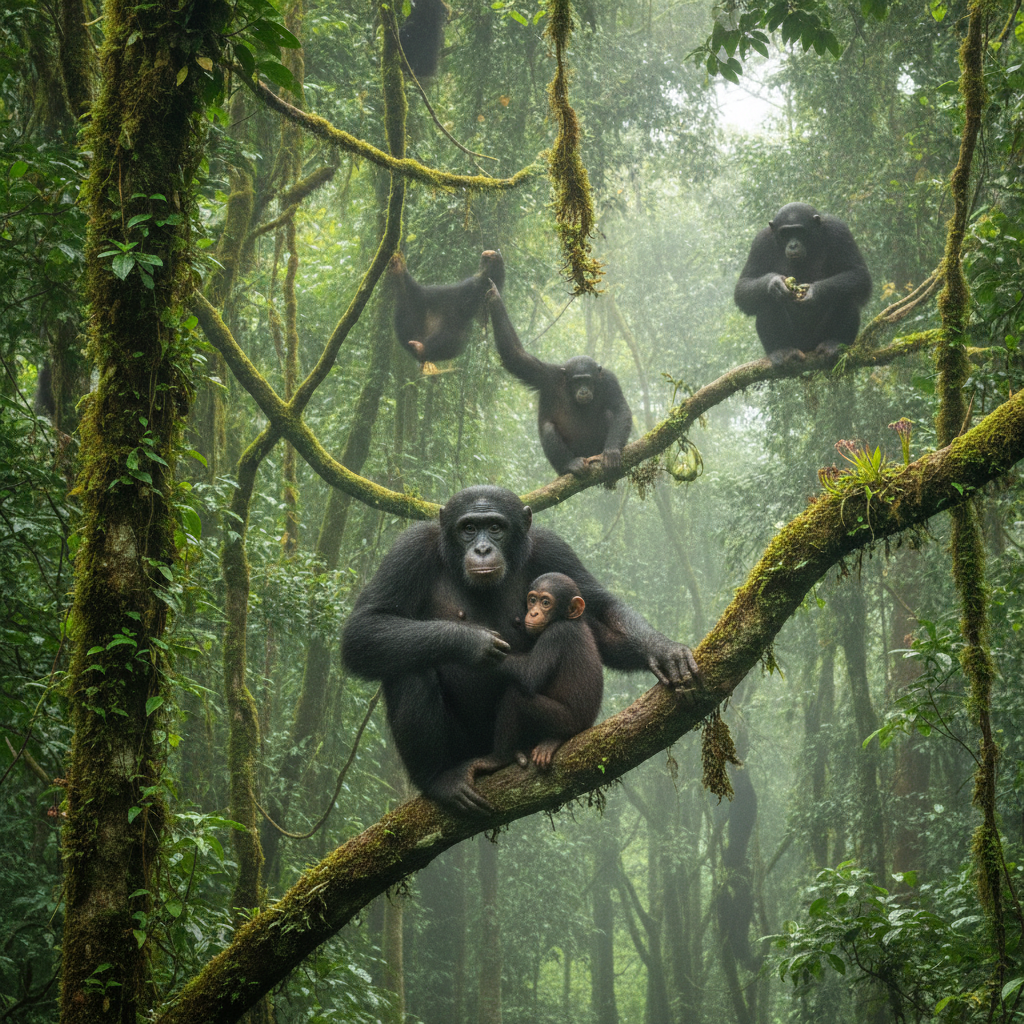
Chimpanzees & Bonobos: The Congo's Great Apes
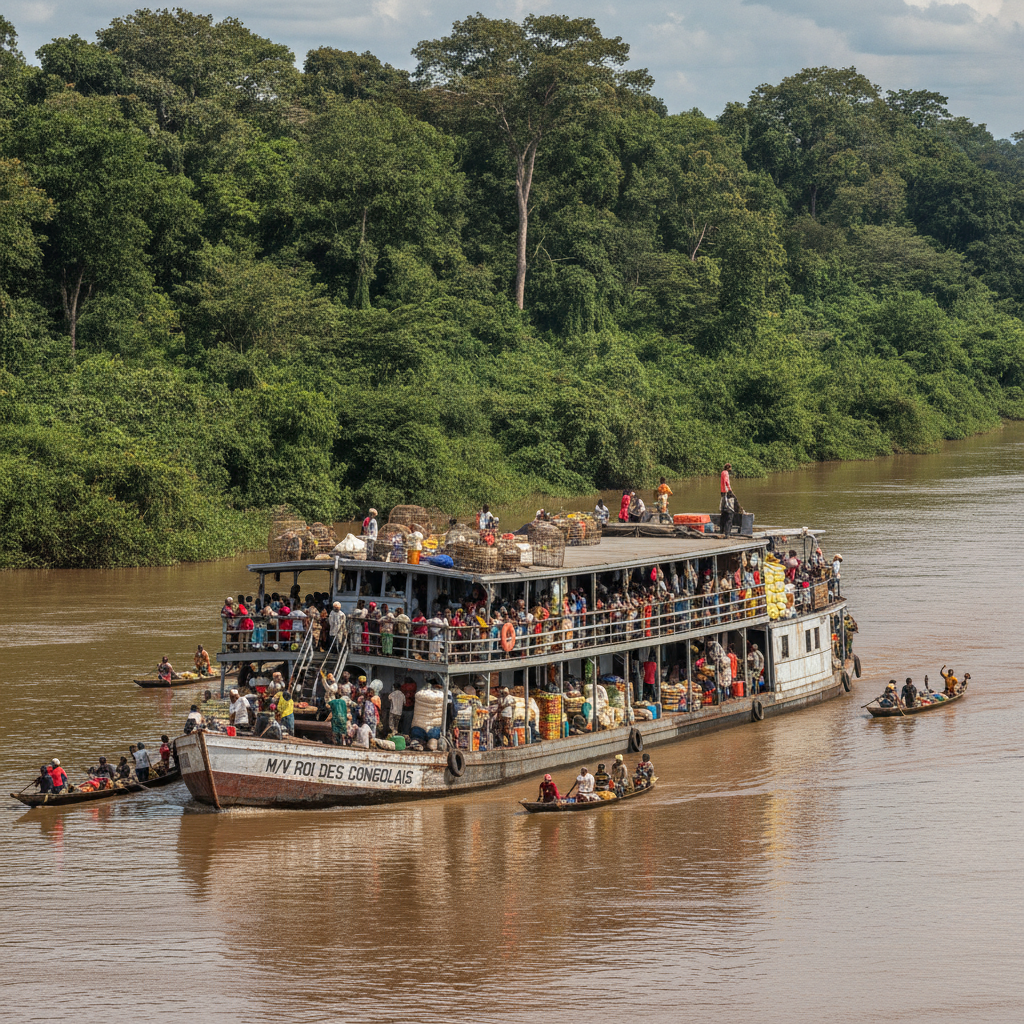
The Congo River Journey: Kisangani to Kinshasa by Barge
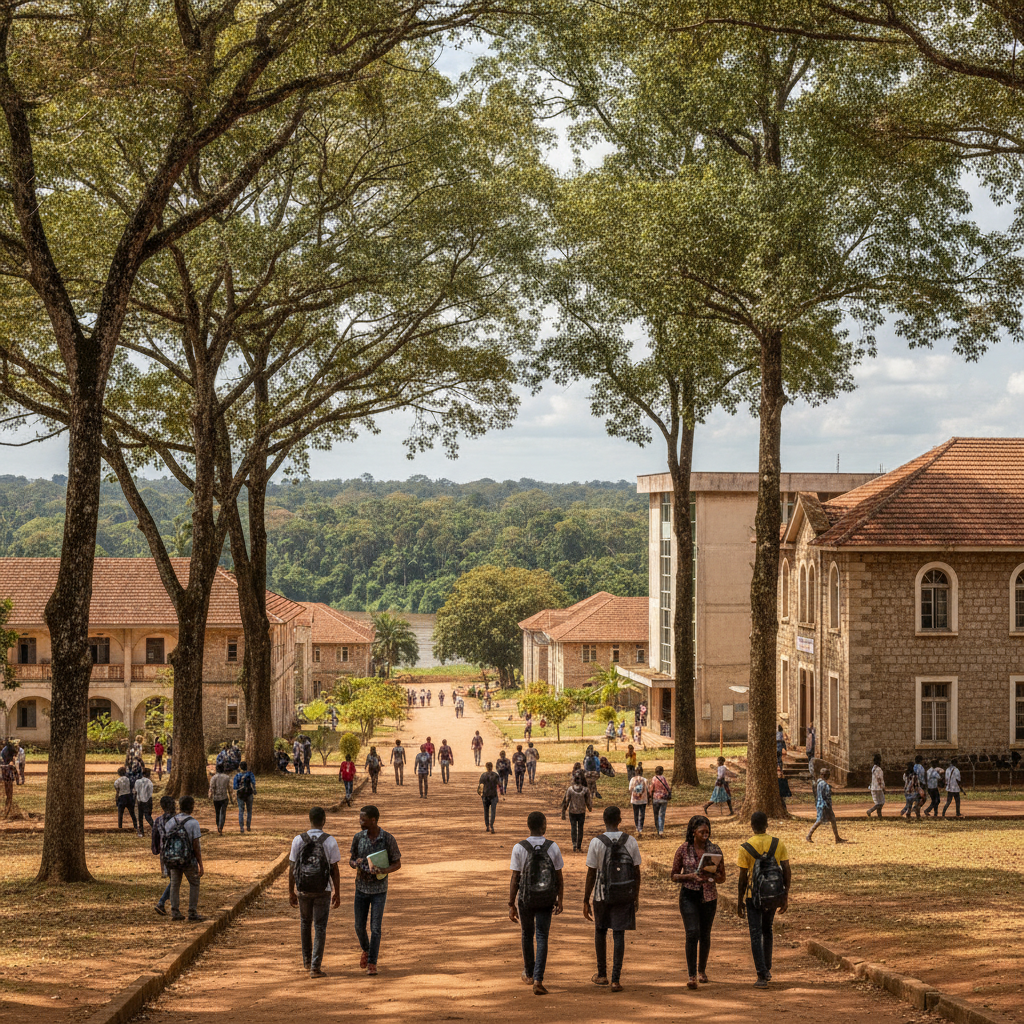
University of Kisangani: Education at the Congo's Heart