Komodo's Overlooked Depths: Larantuka's 500-Year-Old Portuguese Easter Procession, Yellow-Crested Cockatoo & the IUCN's 2021 Climate Verdict
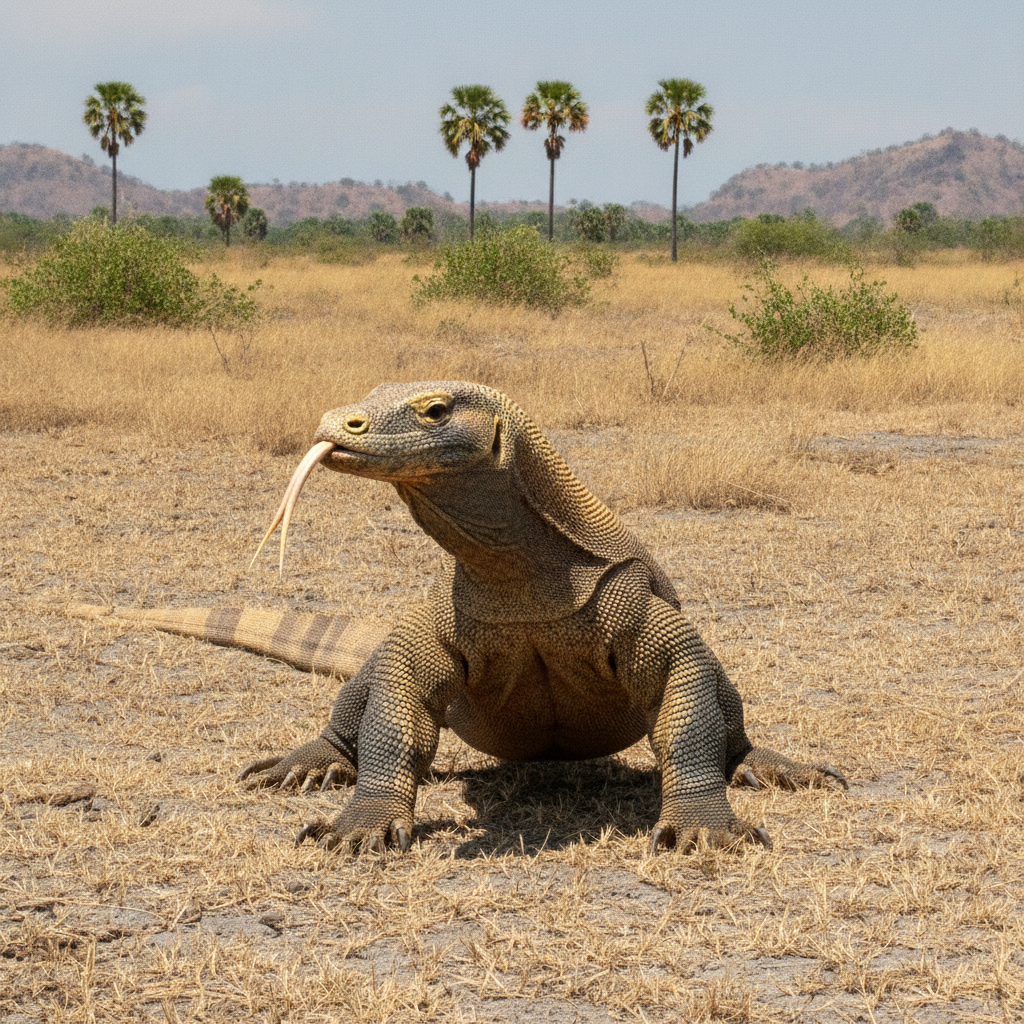
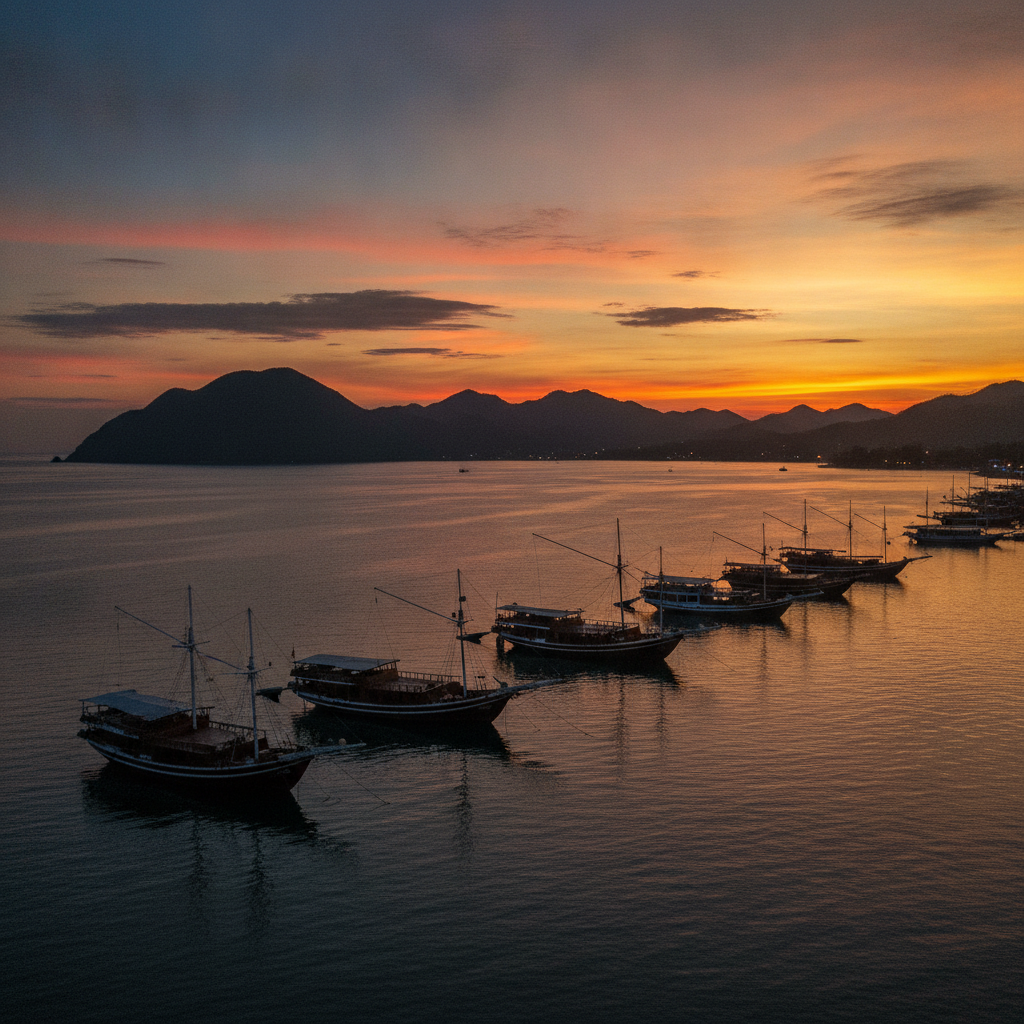
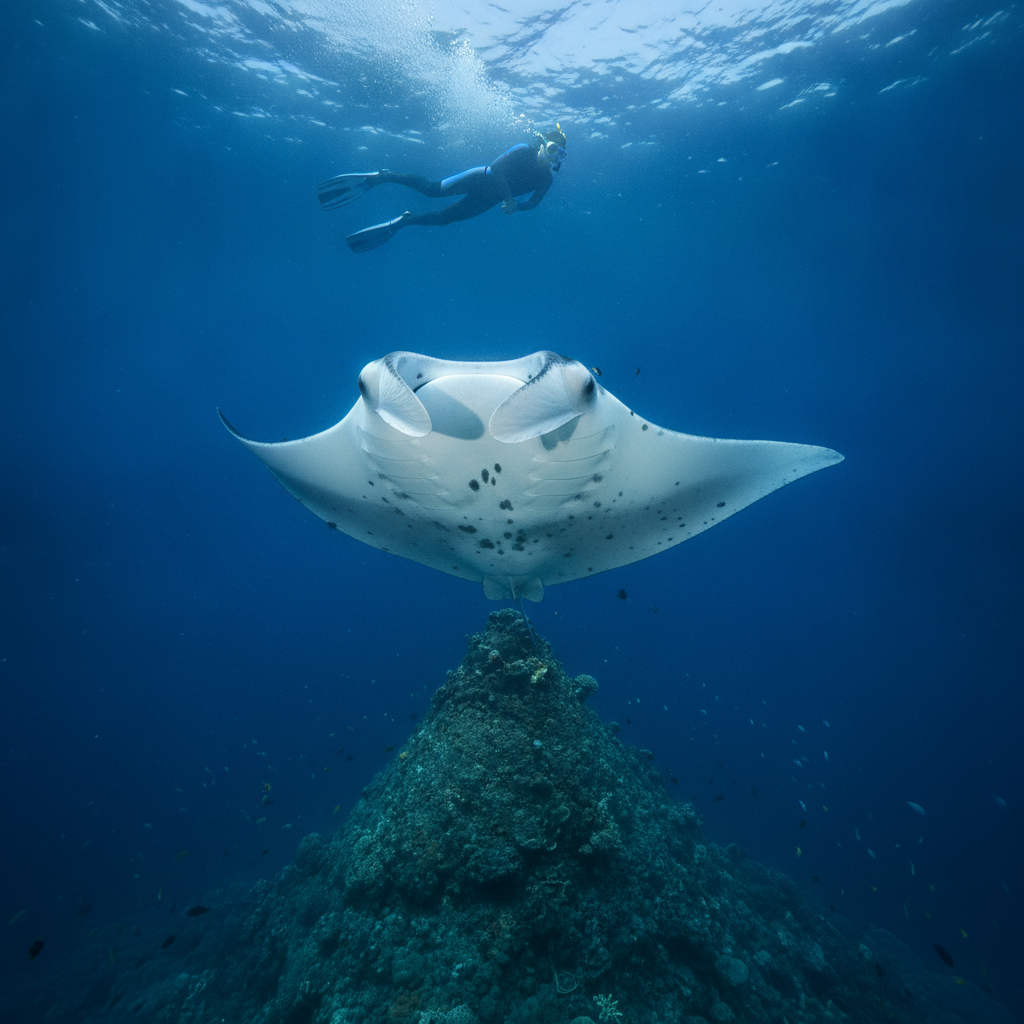
The Larantuka Semana Santa procession carrying a 16th-century Portuguese Virgin Mary statue through the streets on Good Friday—50,000 pilgrims at the oldest continuously observed Catholic ceremony in Indonesia; AIDA freediving training at Apnea Indonesia where Manta Point's rays come within 3 metres at breath-hold depth; 150+ park bird species including the critically endangered yellow-crested cockatoo (one of its last significant wild populations) and orange-footed scrubfowl mound-builders; Bukit Cinta's sunset silhouette of Komodo island hills with phinisi boats in the foreground; the 2021 IUCN Endangered reassessment citing sea level rise projections flooding 30% of dragon habitat by 2100; and the public ferry option from Labuan Bajo public jetty to Komodo island for Rp 30,000 each way—no dive operator required.
- 1
The Portuguese Legacy in Eastern Indonesia
The Portuguese—the first European power to establish a significant presence in the eastern Indonesian archipelago (from approximately 1512, when the first Portuguese ships reached Maluku/the Moluccas in search of nutmeg and cloves)—left a cultural legacy in Flores and the eastern islands that has persisted for 500 years, most visibly in the Catholic religion (approximately 85% of Flores, 95% of East Flores and Larantuka), the Portuguese-derived place names (Flores itself, Solor, Ende, Larantuka, and dozens of villages), and specific cultural practices (the Larantuka Easter procession—the most significant Catholic ceremonial event in Indonesia). The Larantuka Easter procession: in the city of Larantuka (Flores' eastern tip, 360 km from Labuan Bajo)—the centre of the oldest Catholic community in Indonesia—the Semana Santa (Holy Week) procession has been conducted continuously since the 16th century: a candlelit procession carrying the statue of Reinha Rosari (Queen of the Rosary—a 16th-century Portuguese statue of the Virgin Mary, the most sacred Catholic object in Indonesia) through the streets of Larantuka on Good Friday, attended by 50,000+ pilgrims. The Dutch period: the Dutch replaced the Portuguese in most of the eastern islands from the 17th century, but found the Catholic communities of Flores too entrenched to convert (unlike the populations of Maluku, which they successfully converted to Protestantism); the Flores Catholic tradition survived the Dutch period intact.
- 2
Snorkelling & Freediving Culture in Labuan Bajo
Labuan Bajo's water sports culture—beyond the scuba diving industry—encompasses a growing freediving community (the practice of diving on a single breath, without SCUBA equipment), and the best accessible snorkelling of any land-based destination in Indonesia. The freediving scene: Apnea Indonesia (headquartered in Labuan Bajo)—one of the most active freediving training organisations in Southeast Asia—runs AIDA (Association Internationale pour le Développement de l'Apnée) courses from beginner to instructor level; the combination of exceptional water clarity and the abundance of marine life within 5–20 metres depth makes Labuan Bajo particularly suitable for freediving (versus SCUBA-dependent deeper sites). The snorkelling: for non-divers, the Komodo marine environment is fully accessible by snorkelling at the right sites—Manta Point (the mantas arrive at 3–8 metres depth, within easy snorkelling range), Pink Beach (the fringing reef is 2–6 metres—excellent for snorkellers), and the Gili Lawa Darat bay (a sheltered bay in the northern park with a turtle population visible in shallow water). The Komodo fishing community's knowledge: the Bugis and Manggarai fishermen who have worked the Komodo waters for generations have extensive knowledge of specific marine species locations (the turtle feeding grounds, the manta cleaning stations, the fish spawning aggregations) that the best dive operators access through partnerships with local fishing families.
- 3
Komodo National Park's Terrestrial Biodiversity – Beyond the Dragon
The terrestrial ecosystems of Komodo National Park—often overlooked by visitors focused on the dragon—support a significant diversity of birds, reptiles, and mammals that makes the park interesting beyond its apex predator. The birds: over 150 bird species recorded in the park, including the yellow-crested cockatoo (Cacatua sulphurea—a critically endangered species; the park supports one of the largest remaining wild populations), the orange-footed scrubfowl (Megapodius reinwardt—a megapode that constructs large mound nests, visible near the Rinca ranger station), and both Asian (Bali starling is the extreme Asian range) and Australian (rainbow lorikeets, honeyeaters) family representatives reflecting the Wallace Line transition. The reptiles beyond the dragon: the park's herpetofauna includes the Komodo blue-tongued skink, the emerald monitor (Varanus prasinus—found in Flores' forests), and green sea turtles nesting on the park's beaches. The mammals: the Rinca population of wild Timor deer (Rusa timorensis—the primary dragon prey species, also the most commonly seen large mammal in the park); wild boar; and the long-tailed macaque (Macaca fascicularis—found in the mangrove and coastal forest areas of all three main islands). The orchids: Komodo island's monsoon forest contains several endemic orchid species that were first described from park specimens in the 1990s.
- 4
Labuan Bajo's Sunsets & the Viewpoint Culture
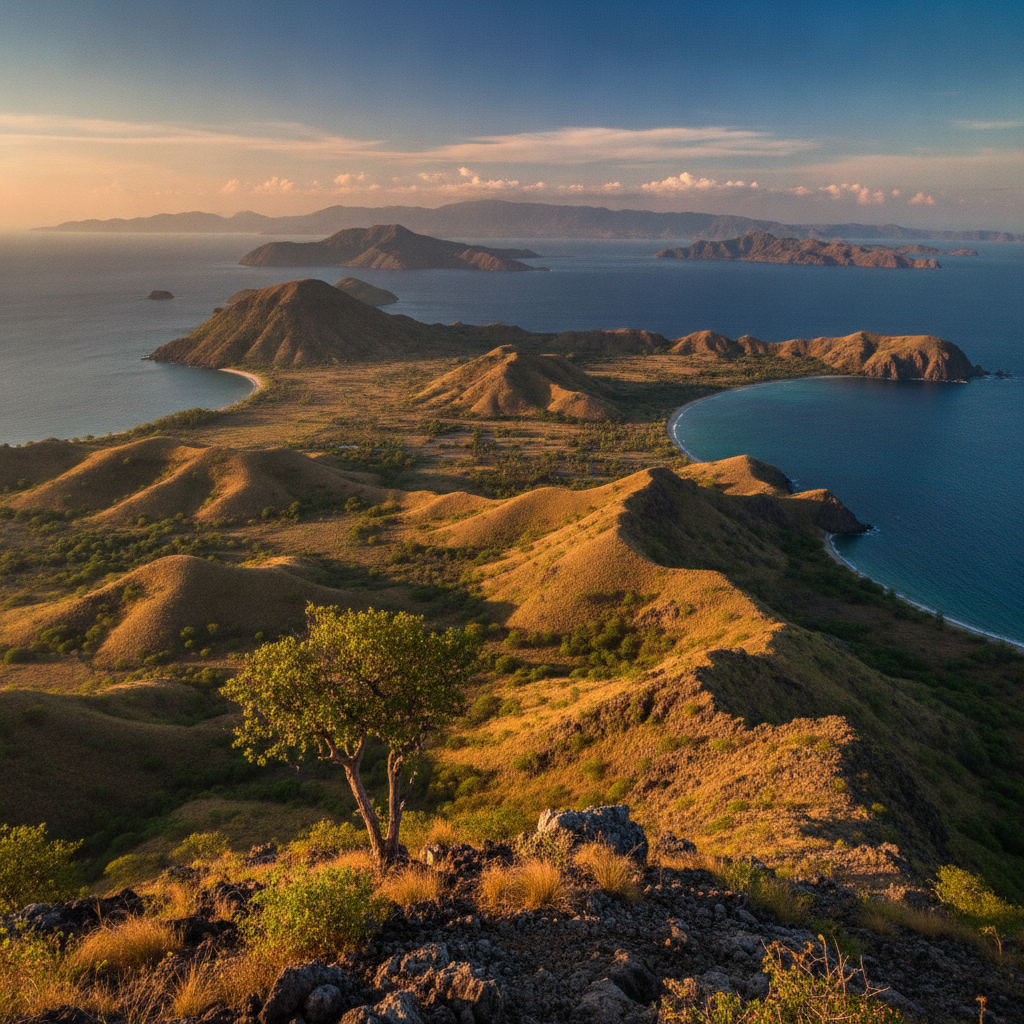
Labuan Bajo's sunsets—across the Flores Sea to the Komodo island group, with the characteristic silhouette of the rugged hills and the harbour's phinisi boats in the foreground—have become one of the most Instagram-documented sunset views in Indonesia. The viewing locations: the Bukit Cinta ('Love Hill'—a viewpoint 2 km from the town centre, a 15-minute walk or Rp 30,000 by ojek) with 180-degree views across the harbour and island chain; the Puncak Waringin viewpoint (the hill immediately behind Labuan Bajo town, accessible by a 20-minute walk through the residential area); the waterfront restaurants (where the promenade's elevated café terraces frame the harbour and sunset); and from the deck of a phinisi anchored in the harbour. The sunset timing: the sun sets over Komodo island (to the west)—the timing shifts seasonally but is typically 17:45–18:15 year-round (Labuan Bajo's equatorial latitude produces consistent sunset times). The post-sunset: Labuan Bajo has a limited but functional evening scene—the waterfront restaurants fill from 18:00, and the hilltop bars (Mr. Cakalang on Bukit Cinta is the most established) offer cocktails with the last light. The sunrise option: Bukit Cinta at dawn (04:45–05:30) provides a different view—the eastern sky over Flores' volcanoes, the harbour awakening, and the phinisi departing for morning dives—with significantly fewer visitors than the sunset crowd.
- 5
Climate Change & the Future of the Komodo Dragon
Komodo National Park's 2021 IUCN Red List reassessment—which moved the Komodo dragon from 'Vulnerable' to 'Endangered'—cited climate change as a significant new threat to the species for the first time. The mechanism: sea level rise projections for the Flores Sea (0.5–1.0 metres by 2100 under medium emission scenarios) would inundate approximately 30% of the current low-lying habitat on Komodo, Rinca, and the smaller islands, reducing the available territory for both the dragons and their prey species; the reduction in deer and buffalo habitat would reduce prey availability, creating carrying capacity pressure on the dragon population. The temperature effect: Komodo dragon reproduction is temperature-dependent (as in most reptiles)—the sex ratio of hatchlings is determined by nest temperature during incubation; sustained warming of nest soil temperatures could skew the sex ratio and reduce the reproductive success of the population. The El Niño effect: severe El Niño events (which produce extreme drought in the Komodo region—already the driest inhabited area in Indonesia outside East Timor) cause high deer and water buffalo mortality from thirst and starvation, reducing the prey base and causing dragon population fluctuations. The positive scenario: the national park's protected status means that terrestrial threats (poaching, habitat loss) are minimised; the marine park protects the fish populations that support the coastal dragon diet (dragons swim between islands and are known to eat fish, crabs, and marine debris on beaches).
- 6
Practical Komodo for First-Timers – Planning the Perfect Visit
Planning a Komodo visit requires choices between competing options that involve significant differences in cost, experience quality, and environmental impact. The fundamental choice: liveaboard versus day trips from Labuan Bajo—liveaboard is significantly better for diving (access to all park sites, early-morning and late-afternoon dives when fish activity peaks), wildlife (Kalong flying fox sunset, early-morning dragon encounters before the day-trip crowds arrive), and the overall experience of being 'in' the park rather than shuttling in and out; day trips are cheaper and practical for non-divers or those with limited time. The budget: minimum realistic budget for a Komodo visit—2 days/1 night liveaboard (Rp 1,500,000–2,000,000/person/night, all-inclusive) + Labuan Bajo accommodation (Rp 300,000–600,000/night for mid-range) + flights (from Bali: Rp 500,000–800,000 one way). The timing: the best months are May–October (dry season, best visibility, calmer seas); December–March is the wettest but has the highest whale shark probability and the lowest visitor numbers. The duration: 3 nights in the park (on a liveaboard) plus 1 night in Labuan Bajo is the minimum for a satisfying visit; 5+ nights allows the eastern park sites and more relaxed diving. The independent option: it is possible to visit Komodo island by public boat from the Labuan Bajo public jetty (a twice-daily public ferry serves the island community—Rp 30,000 each way) and hike with rangers without booking through a dive operator—significantly cheaper but without the diving, snorkelling, or flying fox experience.
Walk this route with audio
Stories play automatically as you reach each stop — no tapping needed.
More in Komodo
Komodo's Pelagic World: Orca Hunting Whale Shark Juveniles in the Sape Strait, 500,000 Flying Foxes at Kalong & the Road to Sumba's Pasola
Komodo's Conservation Reality: Sea Rangers vs. Blast Fishers, the Sape Strait's 1,300m Cold Upwelling & Ngada Villages' Ngadhu-Bhaga Pairs
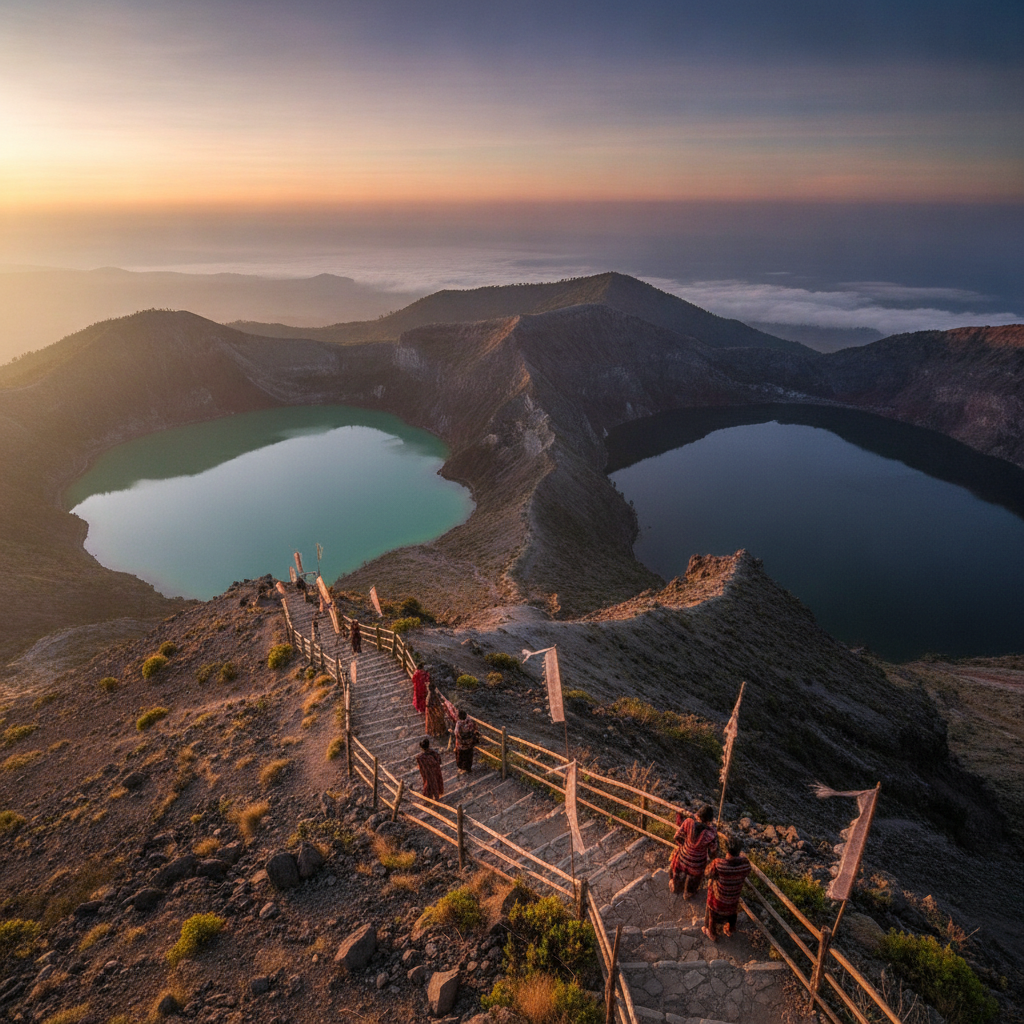
Komodo's Wider World: Kelimutu's Three-Colour Volcanic Soul Lakes, Wae Rebo's Conical 5-Floor Village Houses & Phinisi Liveaboard Bugis Crew
Komodo Complete: The 338m Gunung Ara Summit Panorama, Flores Sea Sperm Whales & the UNESCO 'In Danger' Warning That Stopped the Jurassic Park Resort