Kotor Food & Festivals: Smoked Ham, Bay Seafood & February Carnival
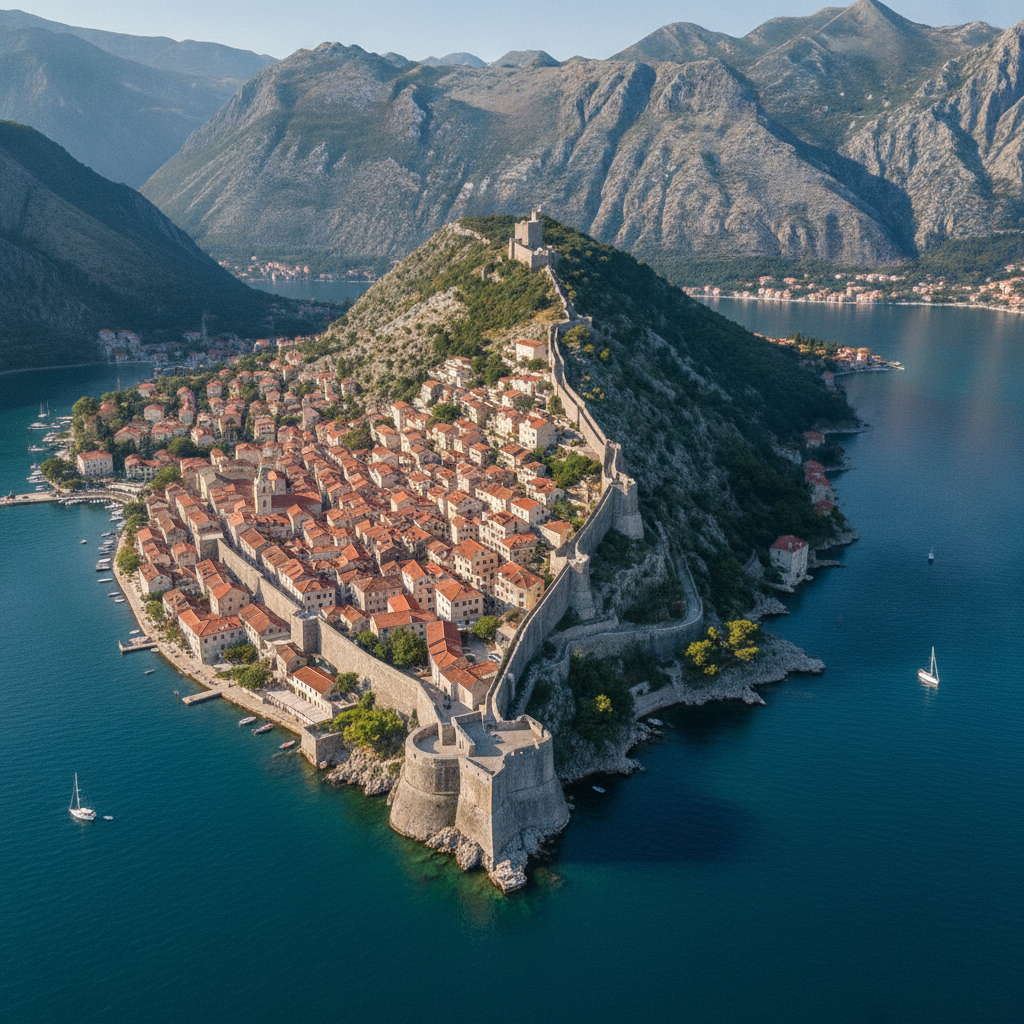
Eat and celebrate in Kotor—Njeguški pršut smoked ham and aged sheep's cheese from the mountain plateau, grilled brancin straight from the bay, dark Vranac wine from the Montenegrin highlands, and February's medieval Carnival that has filled these ancient lanes with masks since 1224.
- 1
Njeguški Pršut & Mountain Cheese
Montenegro's national food products come from the Njegoš village plateau above Kotor. Njeguški pršut—air-dried smoked ham from pigs fed on acorns—is Montenegro's finest culinary product. Njeguški sir (sheep's cheese) aged in olive oil completes the classic appetiser plate. Both are produced in small quantities and rarely exported, making tasting them in situ essential.
- 2
Grilled Fish & Bay Seafood
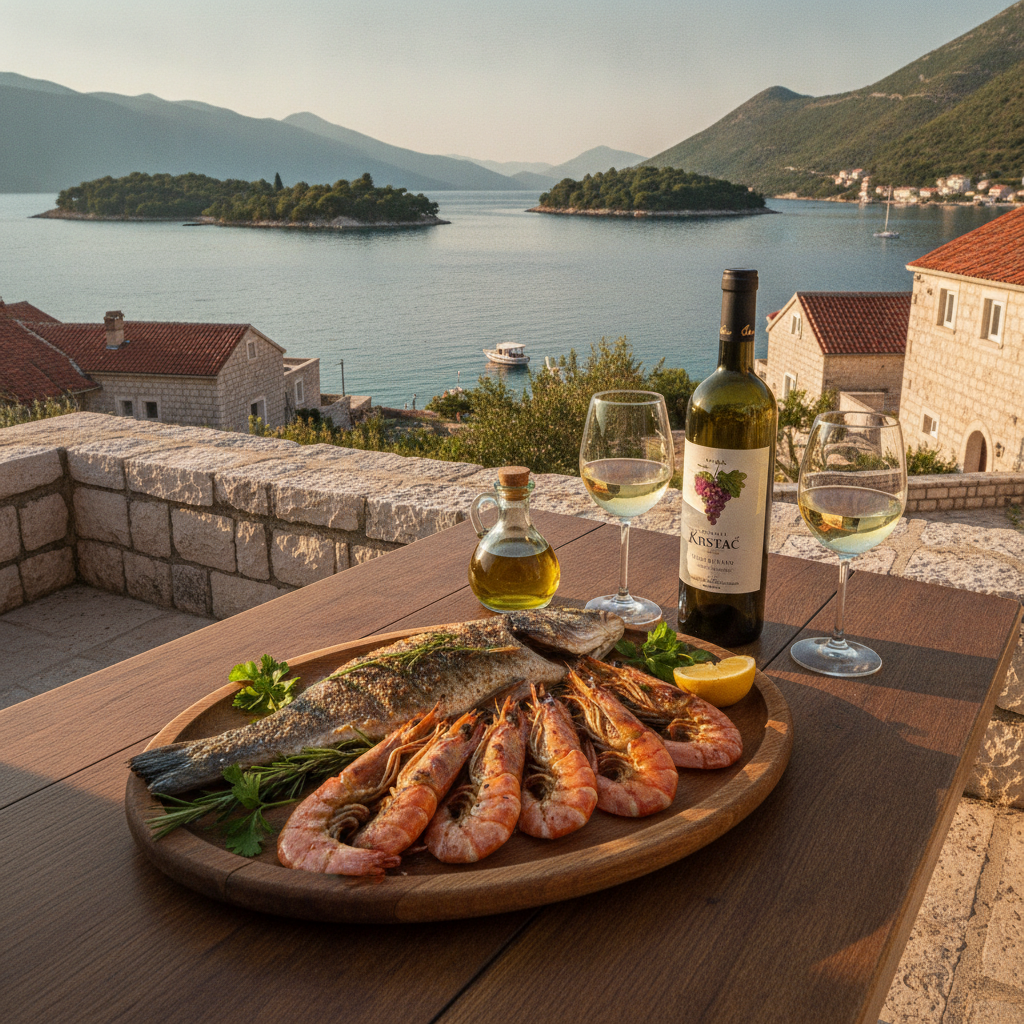
The Bay of Kotor's clear waters produce exceptional seafood—fresh brancin sea bass, orada sea bream, škampi (Adriatic prawns), and lignje (squid) grilled simply with olive oil and lemon. The fish restaurants along the Perast waterfront and in Kotor's old town serve directly from local fishing boats. The best local pairing is Vranac red or Krstač white wine.
- 3
Vranac Wine & Montenegrin Krstač
Montenegro's indigenous Vranac grape produces a dark, tannic red wine primarily from the Plantaže winery near Podgorica—at 2,300 hectares, one of Europe's largest single-ownership estates. Krstač (Montenegro's best white) grows on the limestone terraces above the bay. Small-batch producers around Lake Skadar make outstanding natural wines increasingly recognised internationally.
- 4
Restaurants & Dining in Kotor
Dining inside the old town is expensive by Montenegrin standards but reasonable by Western European equivalents. The best value is in konobas (traditional taverns) on side streets: Galion, Stari Mlini outside the walls, and Konoba Scala Santa serve excellent fresh fish and pršut at fair prices. Restaurants on the main square charge a premium for the view.
- 5
Ancient Olive Trees & Local Produce
Montenegro produces some of Europe's oldest olive trees—trees estimated at 2,000+ years grow on limestone terraces around the bay. The oil from these ancient trees is fruity, peppery, and extremely limited in production. Local honey from Montenegrin mountain flowers and seasonal wild herbs complete the coastal table. The old town's small delis sell these products for export.
- 6
Kotor Carnival & Summer Festivals
Kotor Carnival (Kotorski Karneval)—held each February—is one of the oldest in the Adriatic, pre-dating Venice's by records from 1224. Masked participants parade through the old town lanes; the final night's torchlight procession is spectacular. The Summer Carnival in August, Kotor Art Festival, and the Boka Night Festival (a flotilla of decorated boats on the bay) complete the annual calendar.
Walk this route with audio
Stories play automatically as you reach each stop — no tapping needed.
More in Kotor
Kotor Bay & Montenegro: Perast, Budva & Durmitor National Park
Kotor Practical Guide: Flights, Bay Ferry & Avoiding the Cruise Crowds
Kotor as Montenegro Base: Lovćen, Ostrog Monastery & the Albanian Alps
Kotor History & Photography: Nine Centuries, Naval Heritage & Bay Light