Kraków Old Town — the Main Market Square, St. Mary's Basilica & Wawel Castle
Kraków (the former royal capital of Poland, population 800,000, the most historically complete city in Poland — the only major Polish city not destroyed in World War II, its Gothic, Renaissance, and Baroque architecture intact — the administrative capital of the Lesser Poland Voivodeship and the second-largest city in Poland, the cultural and academic capital) was inscribed on the UNESCO World Heritage List in 1978 as one of the original 12 sites.
1. Rynek Główny — the Main Market Square
- 1
Rynek Główny — the Main Market Square
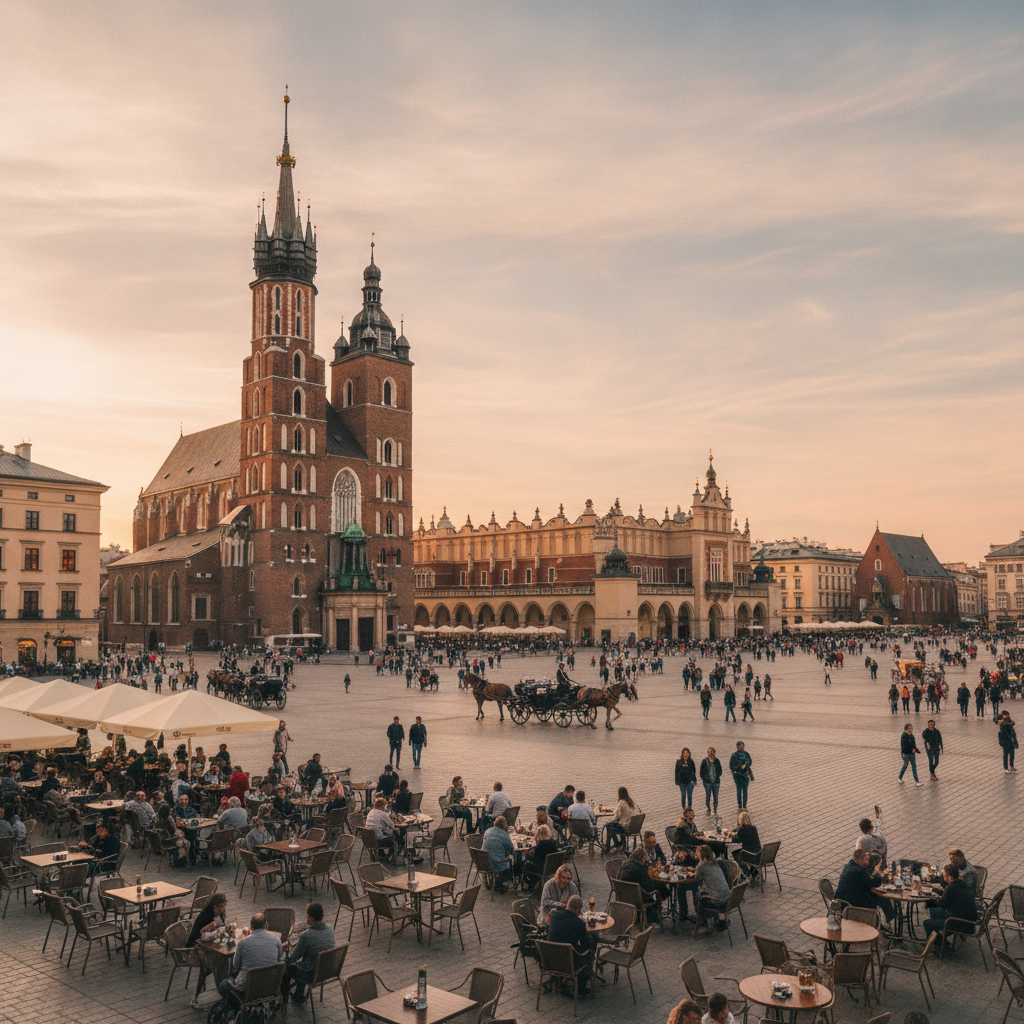
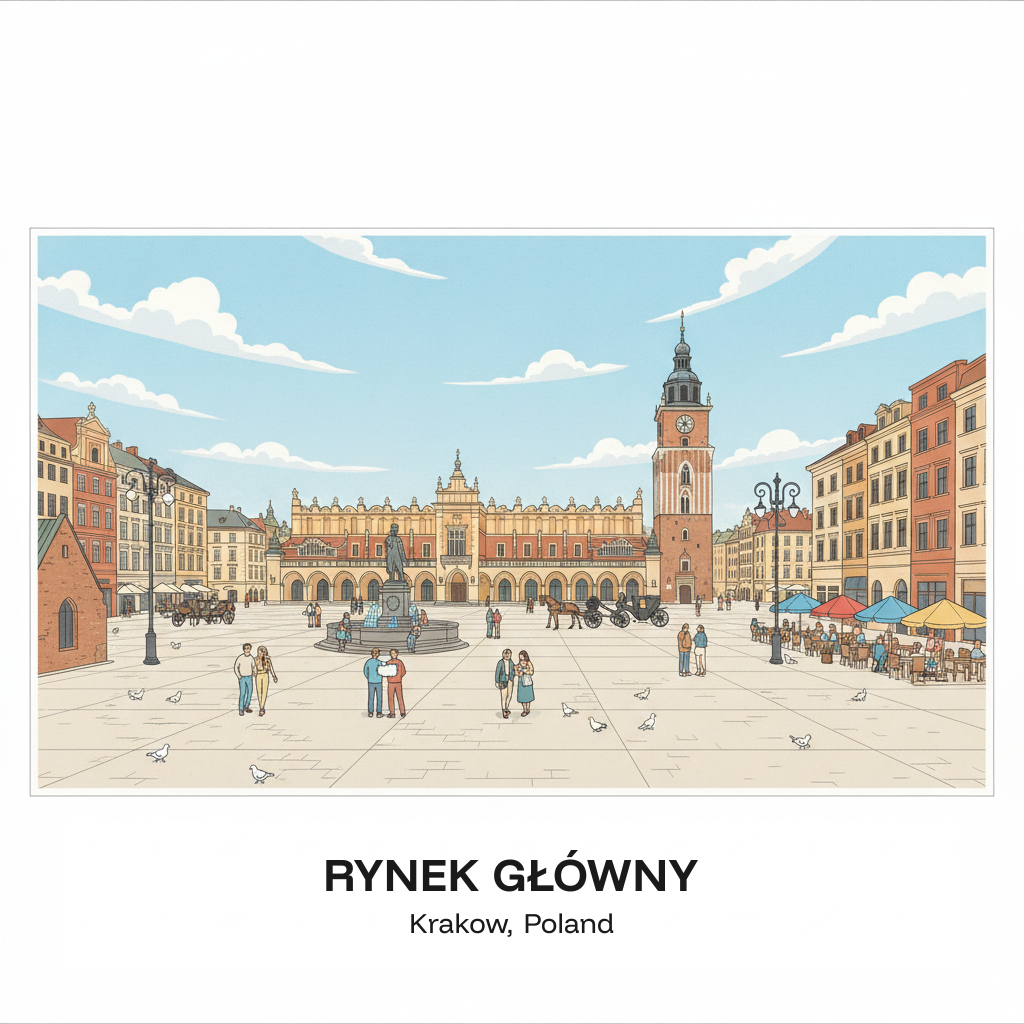
Rynek Główny (the Main Market Square of Kraków, the largest medieval market square in Europe at 200m × 200m, laid out in 1257 after the Tartar invasion of 1241 destroyed the original settlement, the square the centre of Polish civic life for 760 years, surrounded by 44 townhouses — the kamienice — mostly rebuilt in Renaissance and Baroque style after fires, the ground floors of the townhouses occupied by restaurants, cafes, and shops, the outer ring of the square lined with outdoor cafe terraces from April to October) is the essential starting point for the Kraków visit. The four elements within the square: the Sukiennice (the Renaissance Cloth Hall, the 14th-century trading hall rebuilt in the 16th century with the arcaded loggia, the ground floor now occupied by souvenir stalls, the first floor housing the Gallery of 19th-Century Polish Painting of the National Museum, €4 adults, Tuesday-Sunday 10am-6pm), the Town Hall Tower (the surviving tower of the demolished 14th-century town hall, €4 adults, climb to the top for the best view of the square), St. Adalbert's Church (the Romanesque church of the 10th-11th century, the oldest building on the square, the church below the current street level — the square level rising 1.5m since the church was built), and the central fountain (the circular fountain with the statue of Adam Mickiewicz — Poland's national poet — the traditional meeting point for Kraków's residents).
- 2
St. Mary's Basilica — the Gothic Masterpiece
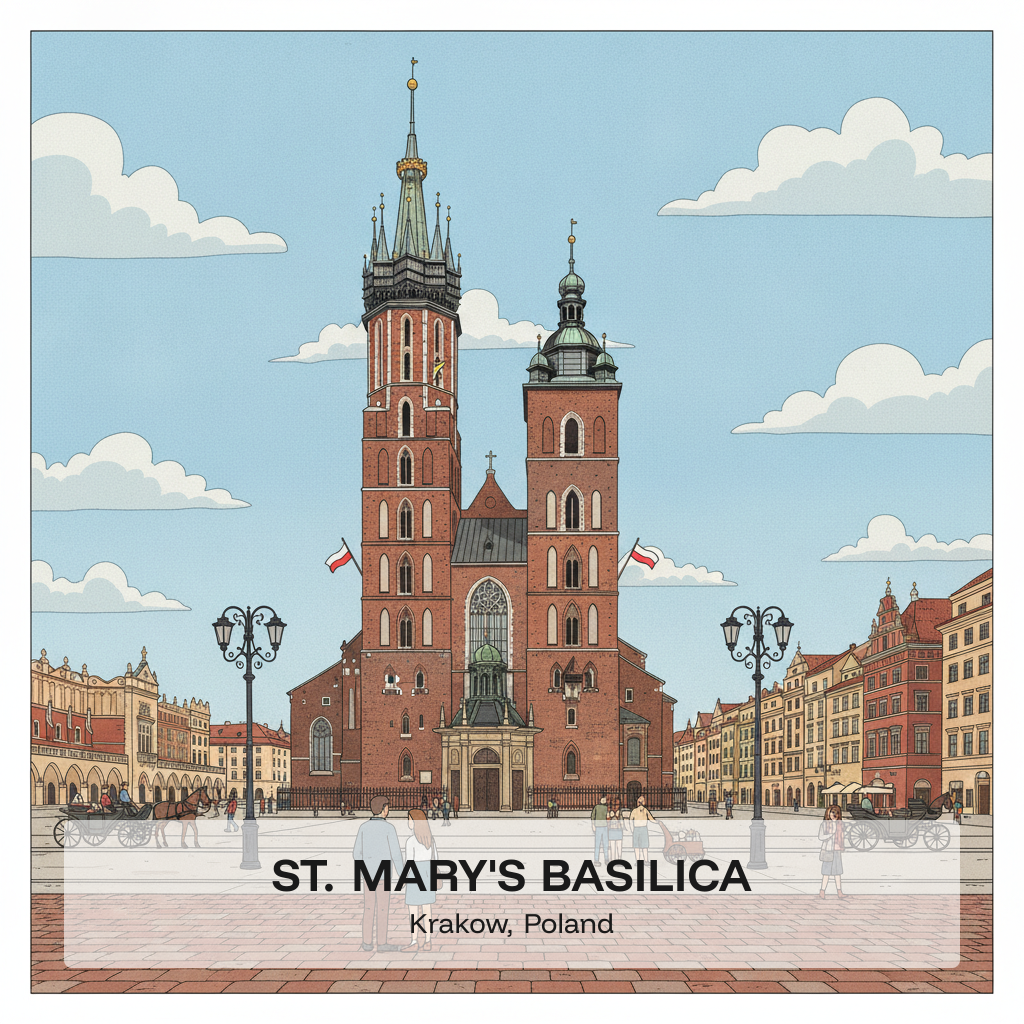
St. Mary's Basilica (Kościół Mariacki, Plac Mariacki 5, at the northeast corner of the Main Market Square, the Gothic brick church built 1355-1408, the two asymmetric towers — the taller at 81m with the Gothic gilded crown and the Hejnał Mariacki trumpet signal, the shorter at 69m with the Baroque helmet dome — €10 adults for the interior, daily 11:30am-6pm Monday-Saturday, Sunday 2pm-6pm, the interior the most richly decorated Gothic space in Poland) contains the Veit Stoss altar (the carved wooden altarpiece carved by the Nuremberg sculptor Veit Stoss between 1477 and 1489, the largest Gothic altarpiece in the world at 13m tall and 11m wide, the central panel depicting the Dormition of the Virgin with the apostles gathered around, the six side panels showing scenes from the life of Christ and the Virgin, the painting of the figures so naturalistic and emotionally direct that the altarpiece is considered the masterpiece of late Gothic sculpture north of the Alps). The Hejnał Mariacki (the trumpet signal played every hour from the taller tower, the melody breaking off mid-phrase in commemoration of the medieval trumpeter who was shot by a Tartar arrow while sounding the alarm of the 1241 invasion, the signal broadcast on Polish National Radio daily at noon since 1927) is the most recognizable sound in Kraków.
- 3
Wawel Hill — the Royal Castle and Cathedral
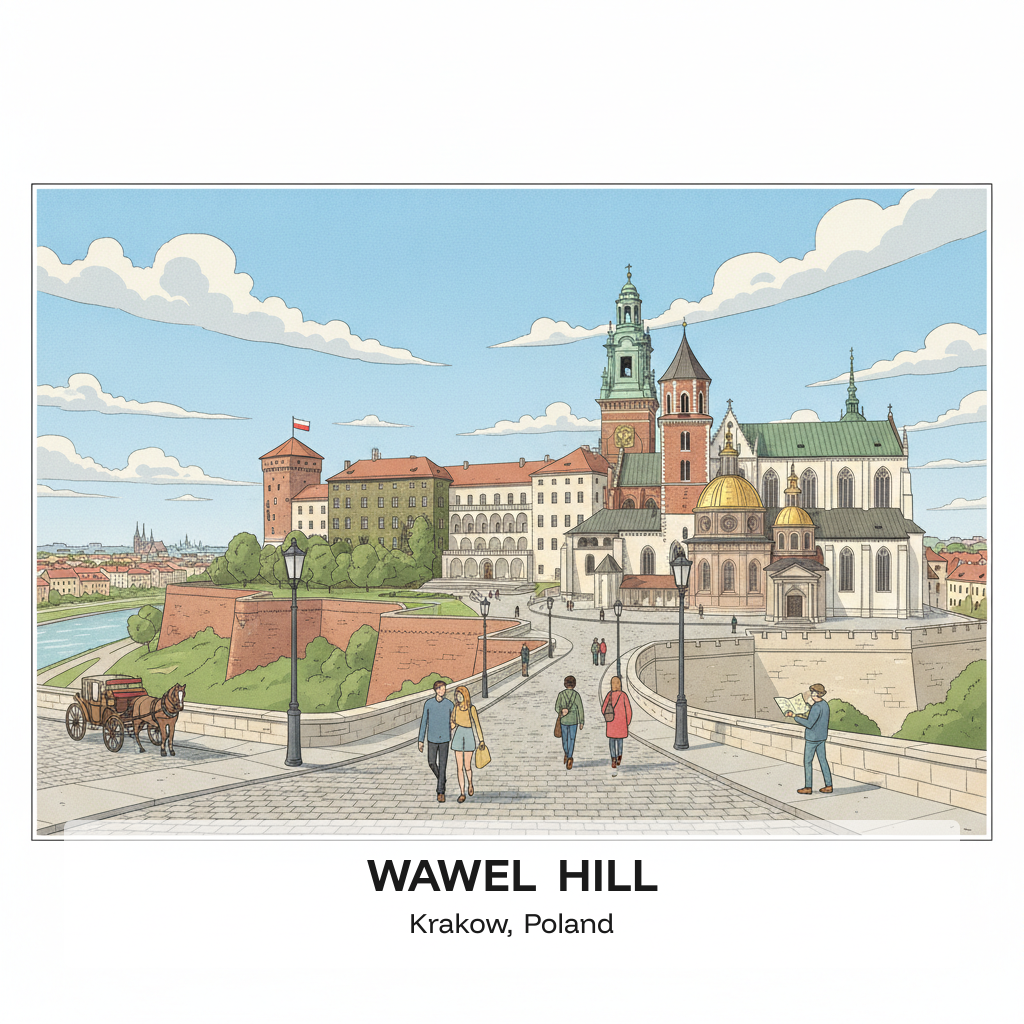
Wawel Hill (the limestone hill rising 28m above the Vistula River 500m south of the Main Market Square, the site of the Polish royal residence from the 10th century to 1609 when Zygmunt III moved the capital to Warsaw, the Wawel Castle and the Wawel Cathedral the two buildings at the summit) is the most historically significant site in Poland. The Wawel Royal Castle (the Renaissance palace built 1504-1536 by the Italian architects Francesco Florentino and Bartolommeo Berrecci for King Zygmunt I, the three-storey arcaded courtyard in the Italian Renaissance style, the State Rooms — the Senate Hall with the 16th-century Brussels tapestries, the Hall of Deputies with the carved wooden heads in the ceiling, the Treasury and Armoury — €15 adults for the full circuit, Tuesday-Sunday 9:30am-5pm, timed entry tickets required in advance for July-August) and the Wawel Cathedral (the Baroque-Gothic-Romanesque composite cathedral, the burial church of the Polish kings, 18 royal tombs in the chapels surrounding the nave, the Golden Bell in the Zygmunt Tower — the 11-tonne bronze bell cast in 1520, the largest bell in Poland, rung only for national celebrations and royal funerals, the climb to the bell platform €5 adults) together form the physical memory of the Polish kingdom.
- 4
The Dragon's Den and the Vistula Riverbank
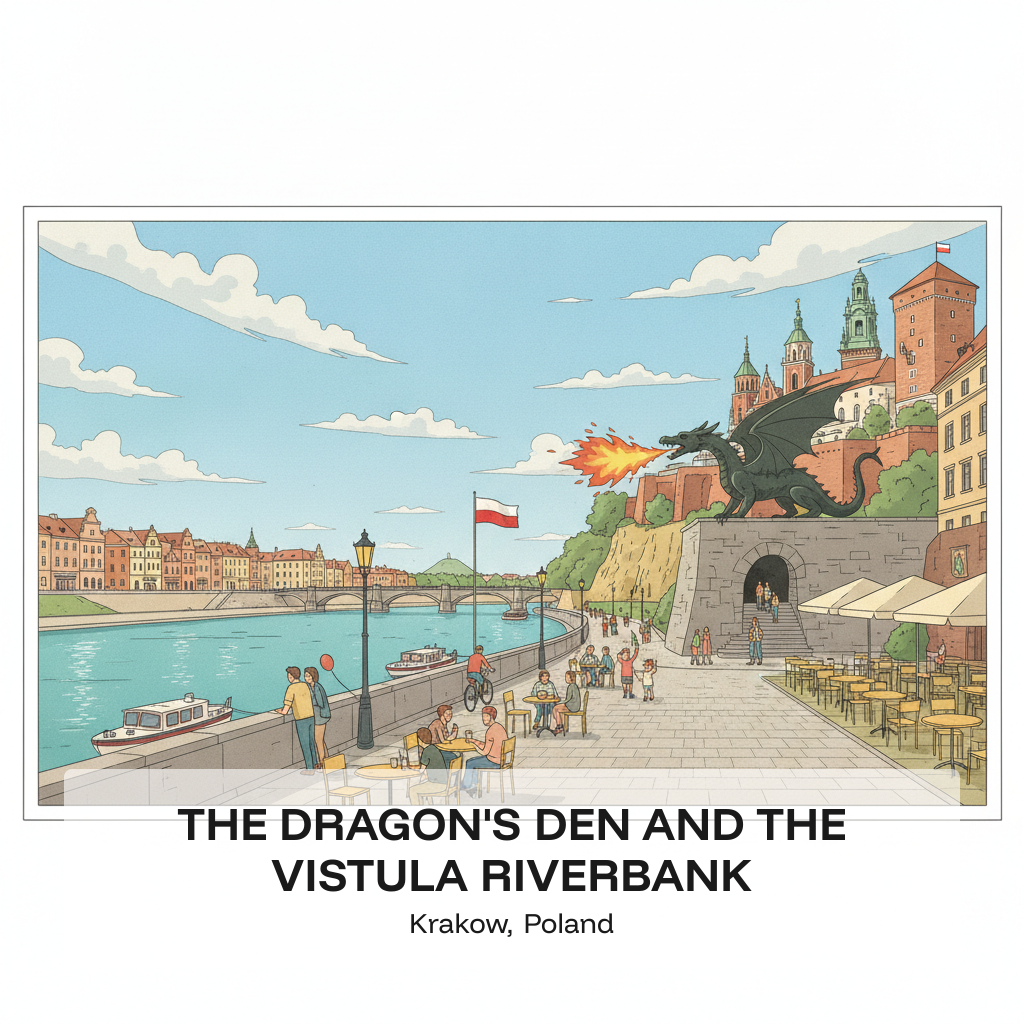
The Dragon's Den (the Smocza Jama, the natural limestone cave at the base of Wawel Hill, the cave of the Wawel Dragon of Polish legend — Smok Wawelski, the dragon killed by the cobbler Skuba who fed it a sheep stuffed with sulphur, the dragon drinking from the Vistula to cool its burning stomach and drinking until it exploded, the legend the founding myth of Kraków, €5 adults, the descent by stairs to the cave system, the exit at the Vistula bank level past the bronze dragon statue that breathes fire every few minutes, the fire-breathing programmed by the sculpture mechanism) and the Vistula riverbank promenade (the 2km walkway below Wawel Hill from the Dębnicki Bridge to the Wawl, the riverside restaurants and bars occupying the stone riverbank with direct views to the castle hill above, the most scenic riverbank in Poland). The Krak Mound (the prehistoric mound 3km south of Wawel, the artificial hill attributed to the legendary founder of Kraków, King Krak, the archaeology suggesting a 7th-9th century CE origin, the walk to the summit providing the best long-range view of the Wawel Hill profile against the city).
- 5
Ulica Floriańska and the Florian Gate
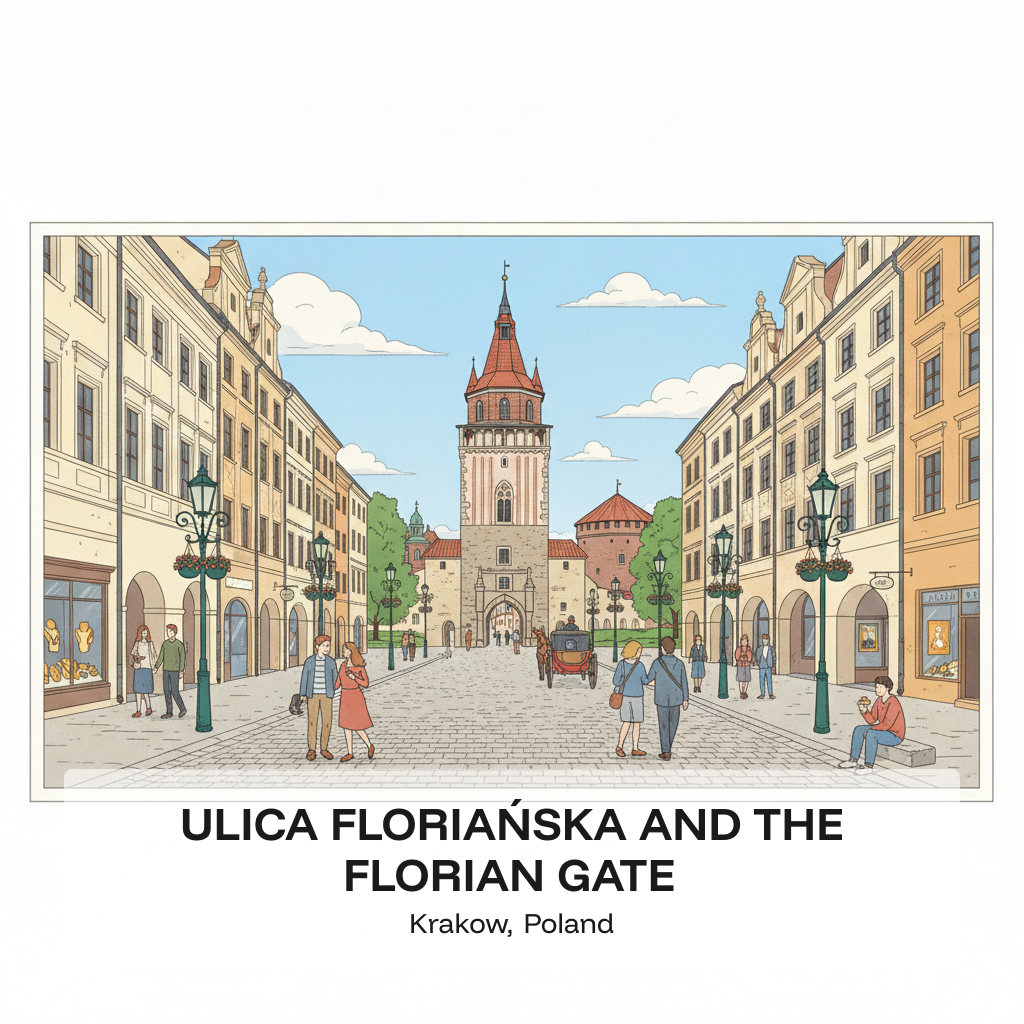
Ulica Floriańska (the main pedestrian street connecting the Main Market Square to the Florian Gate, the most visited street in Kraków, the historic Royal Road along which Polish kings processed from the Florian Gate to Wawel Castle, the townhouses on both sides containing the cafes, restaurants, amber jewellers, and art galleries typical of the Kraków old town commercial street, Jan Matejko's house at No.41 — the 19th-century Polish history painter whose large-format canvases defined the visual memory of the Polish kingdom, the house open as a museum, €5 adults, Tuesday-Sunday 10am-6pm) leads to the Florian Gate (the 14th-century Gothic gate tower at the northern entrance to the old town, the most imposing surviving element of the medieval city fortifications, the Barbican — the circular defensive outwork built 1498 in front of the Florian Gate — beyond the gate, the Barbican one of the best-preserved examples of Gothic military architecture in Central Europe, €7 adults, May-October daily 10:30am-6pm). The Planty (the ring of public gardens replacing the demolished city walls, the 4km circular park enclosing the old town, the most pleasant walking circuit in central Kraków, the gardens animated with joggers, students, and dog walkers from 7am daily).
- 6
Kazimierz — the Jewish Quarter
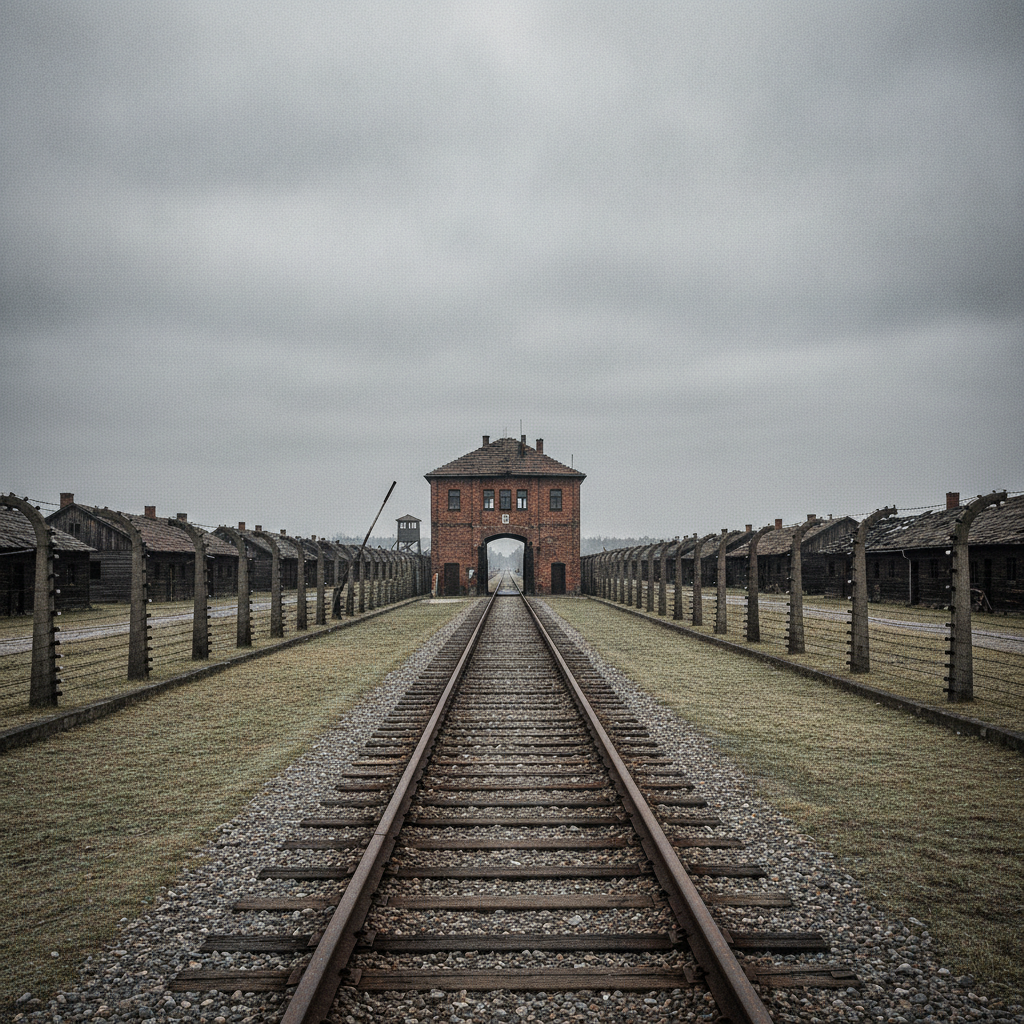
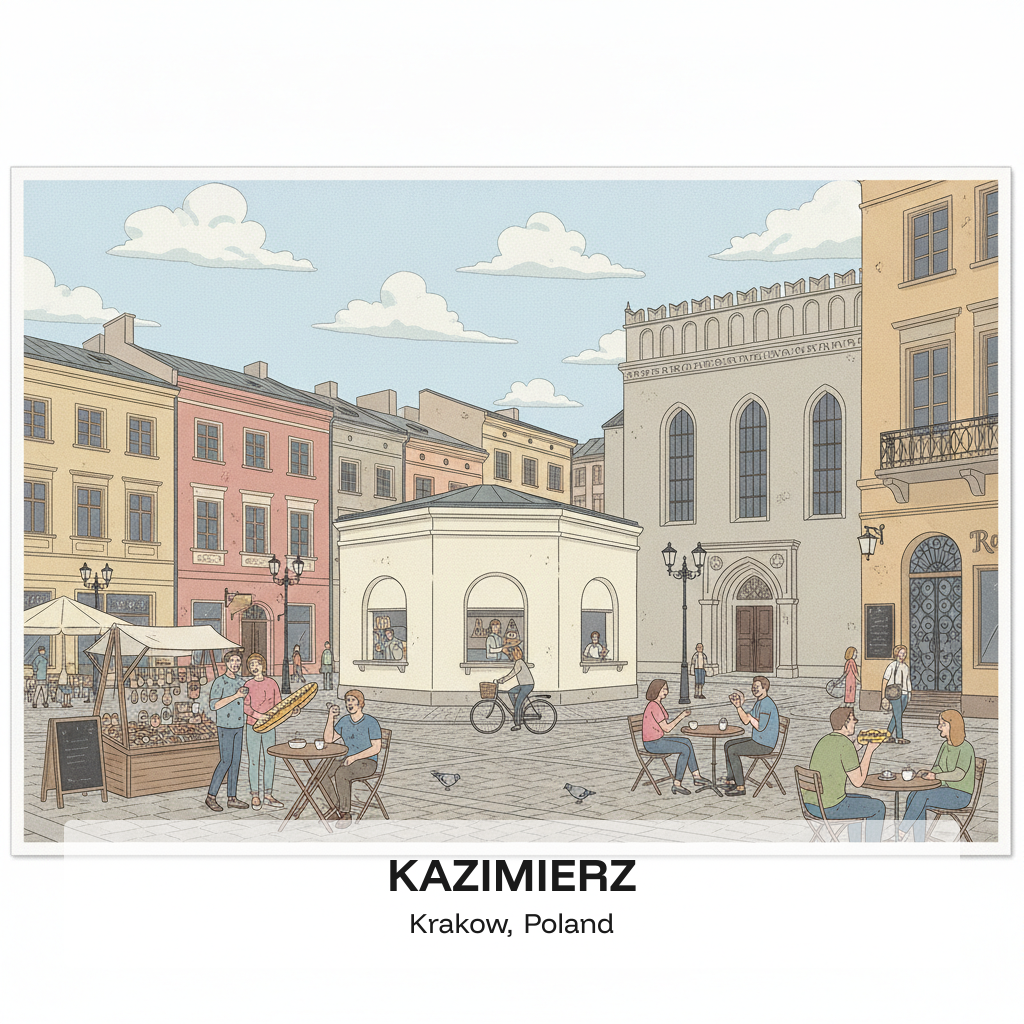
Kazimierz (the district southeast of the old town, the historic Jewish quarter of Kraków established in 1495, the district containing 7 synagogues — the Remuh Synagogue with the 16th-century cemetery, the Old Synagogue now a museum, the Tempel Synagogue the most ornately decorated — the Jewish community destroyed in the 1941 deportations to the Kraków Ghetto and then to Bełżec and Auschwitz, the district subsequently restored from the 1990s and particularly after Steven Spielberg filmed Schindler's List in Kraków in 1993 — the film shot partly in Kazimierz, partly in the actual Płaszów camp site 3km south — the Kazimierz revival combining the Jewish heritage sites with the most concentrated cafe, restaurant, and bar scene in Kraków): Plac Nowy (the octagonal covered market at the centre of Kazimierz, the former Jewish meat market, now a flea market on Saturday mornings and the street food centre of Kraków — the zapiekanka, the toasted baguette half with mushrooms and cheese, the defining Kazimierz street food at €2-3 — the outdoor cafe tables filling from 11am daily) is the correct starting point for the Kazimierz exploration.
Walk this route with audio
Stories play automatically as you reach each stop — no tapping needed.
More in krakow
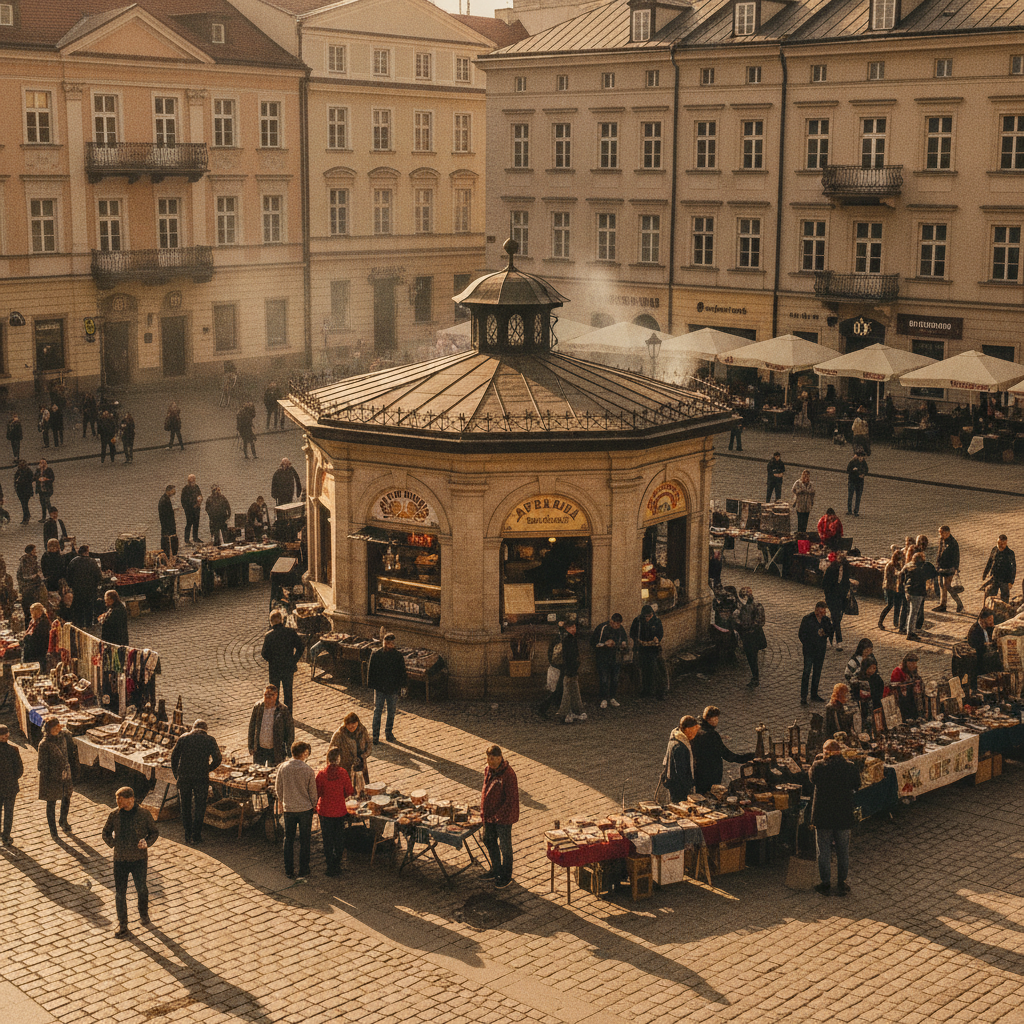
Kazimierz — the Jewish Quarter, Synagogues & the Schindler Factory
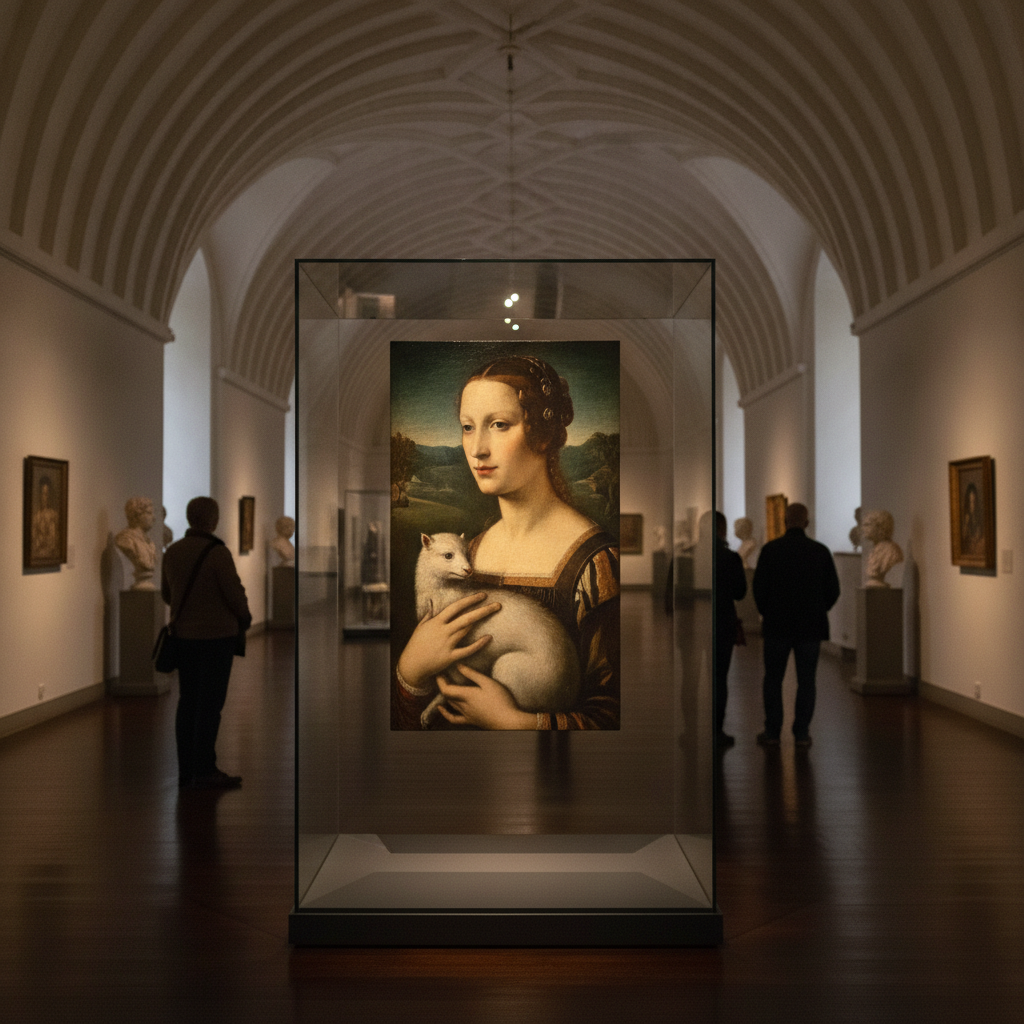
Kraków Museums & the Royal Road — the Czartoryski Collection, Lady with an Ermine & National Galleries
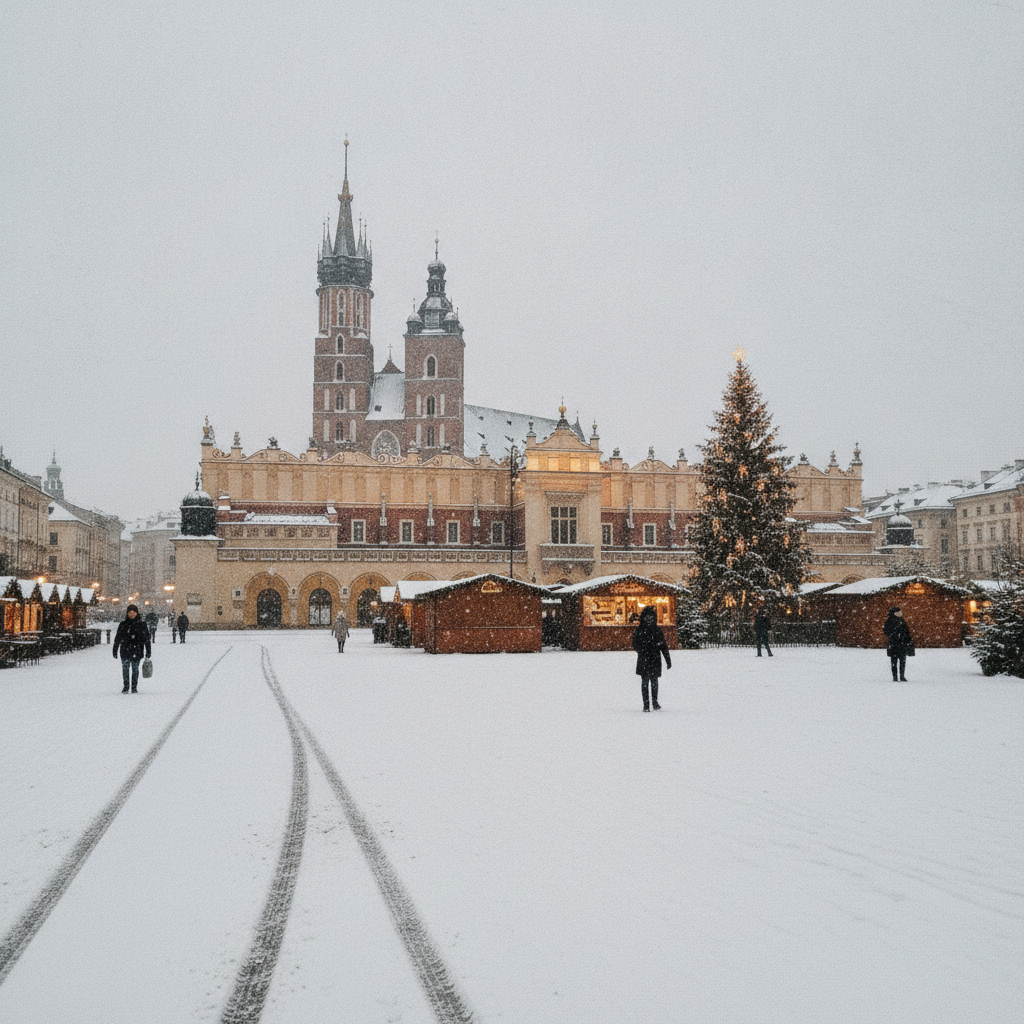
Kraków Practical Guide — Seasons, Trams, Nightlife & Getting Around
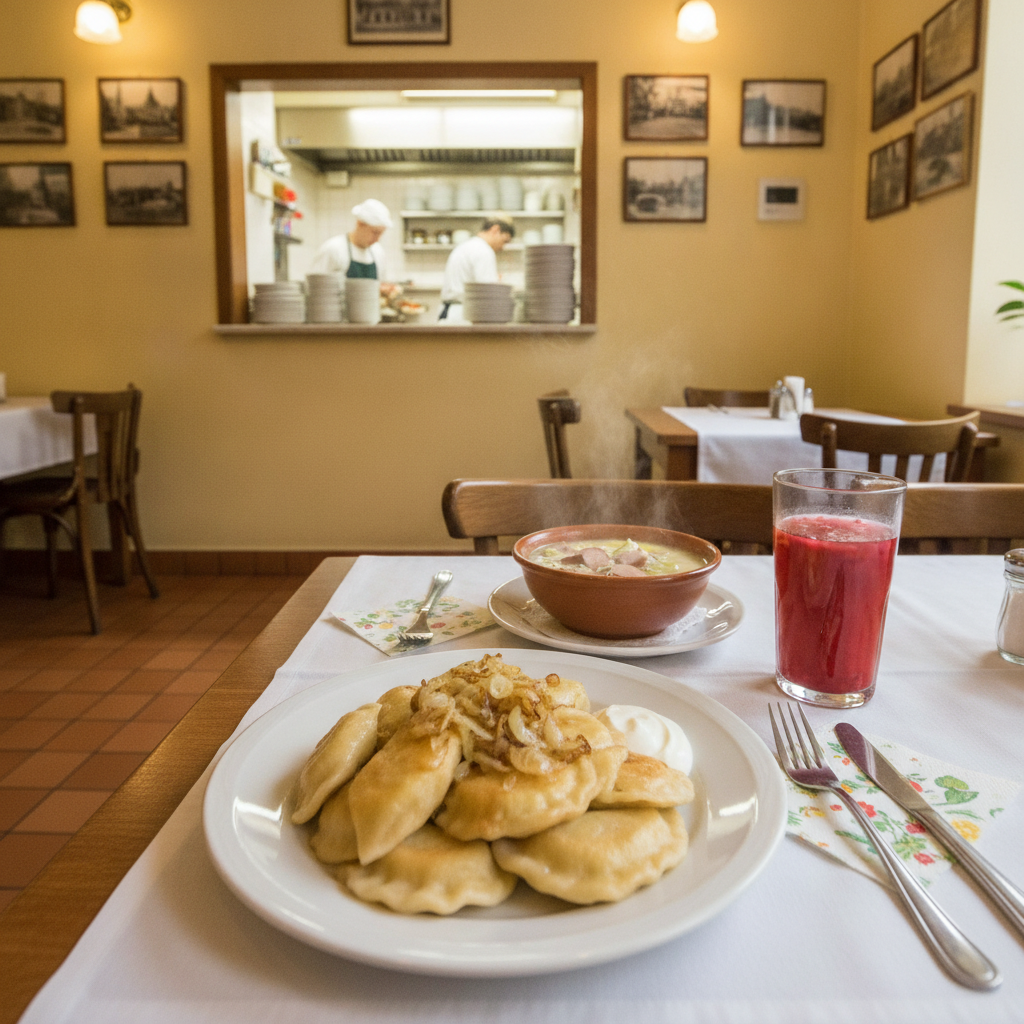
Kraków Food — Pierogi, Żurek, Zapiekanka & the Polish Restaurant Tradition