Chinatown, Petaling Street, Merdeka Square & Old Kuala Lumpur
The oldest parts of Kuala Lumpur — the Chinatown around Petaling Street (the heart of KL's Chinese community since the city's founding in the 1850s), Merdeka Square (where Malaysian independence was proclaimed in 1957, surrounded by the finest British colonial architecture in Malaysia), and the heritage districts of Masjid India and Chow Kit — preserve the layered multicultural history of Malaysia's capital.
- 1
Petaling Street (Jalan Petaling) — Chinatown Market
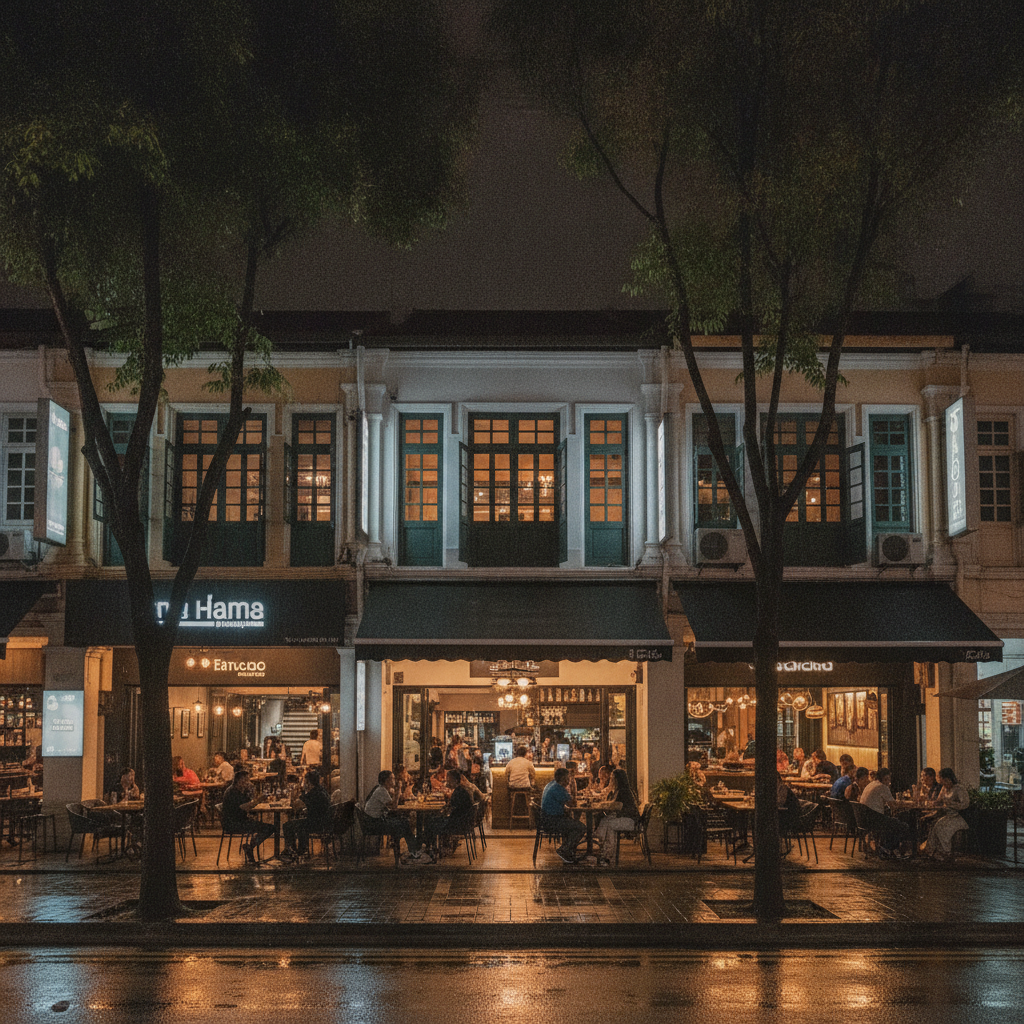
Petaling Street (Jalan Petaling, Chinatown/Chow Kit district — the covered market street at the heart of Kuala Lumpur's Chinatown, the original commercial centre of the Chinese community that settled KL in the 1850s following the tin-mining boom, running approximately 300 metres north-south between Jalan Sultan and Jalan Hang Lekir): Petaling Street is the most historically significant street in Kuala Lumpur — the city was founded as a tin-mining outpost at the confluence of the Gombak and Klang rivers in 1857, and the Chinese miners who worked the tin mines established their trading houses, temples, and clan associations along Petaling Street; today the street is a dense mixture of heritage shophouses (mostly 2-3 storey pre-war commercial buildings with covered five-foot walkways), market stalls selling imitation goods, electronics, clothing, souvenirs, and the enormous Sri Mahamariamman Temple (one of the oldest and most important Hindu temples in Malaysia, 1873) at the north end.
- 2
Merdeka Square — Where Malaysia Declared Independence
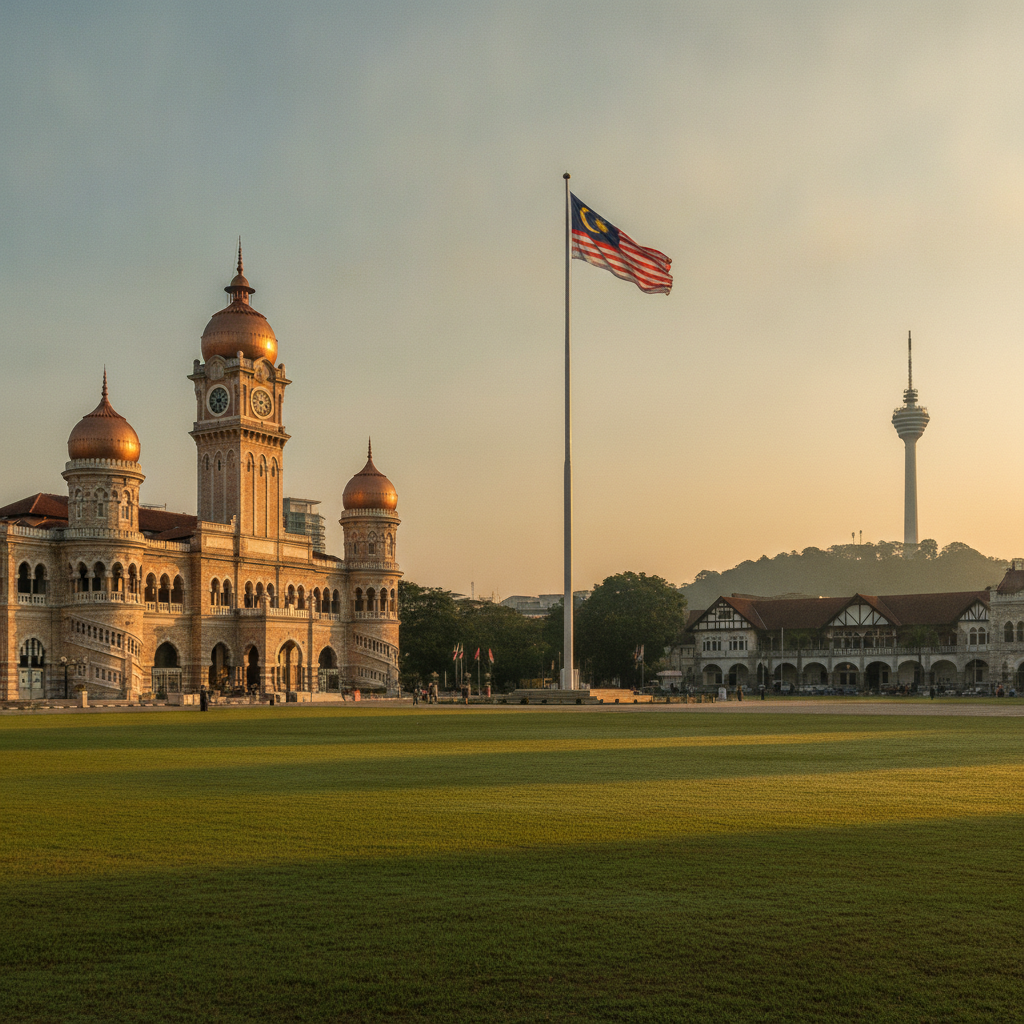
Dataran Merdeka (Merdeka Square, 'Independence Square' — the large open square in the colonial heart of Kuala Lumpur, formerly the padang (playing field) of the Royal Selangor Club and the scene of Malaysia's declaration of independence from Britain on August 31, 1957, when the Union Jack was lowered and the Malayan flag raised at midnight): the square is surrounded by the most important colonial-era buildings in Malaysia: the Sultan Abdul Samad Building (1897, designed by A.C. Norman in the Mughal-Gothic colonial style, with copper domes, a clock tower, and elaborate arched colonnades — formerly the Federated Malay States Secretariat, now housing the Supreme Court), the Royal Selangor Club (1884, Tudor-style colonial clubhouse with a black-and-white half-timbered facade), and the National History Museum (Muzium Sejarah Nasional, in a former government building); the 95-metre flagpole in the centre of the square is one of the tallest in the world.
- 3
Central Market (Pasar Seni) — Malaysian Arts and Crafts
Central Market (Pasar Seni, Jalan Hang Kasturi — the 1930s Art Deco market building converted into a cultural centre and handicraft mall, near Chinatown): Central Market was the main wet market of Kuala Lumpur from 1888 to the 1980s, when it was redeveloped as a cultural heritage centre with stalls selling Malaysian traditional crafts, batik textiles, pewter goods, silverwork, shadow puppets (wayang kulit), traditional costumes, and artworks; the surrounding Kasturi Walk (the covered outdoor hawker market adjacent to Central Market) is one of the few remaining areas where traditional Malaysian street food — including the authentic Malaysian banana leaf rice, char kuey teow, laksa, and nasi lemak — can be found in the old city centre.
- 4
Masjid India & the Indian Quarter — Little India of KL
Masjid India (Jalan Masjid India, between Chow Kit and the colonial centre — the Indian Muslim commercial district of Kuala Lumpur, named after the Masjid India mosque (built 1863, rebuilt 1965, one of the oldest mosques in KL)): Masjid India is the centre of KL's Indian Muslim (Mamak) and Tamil communities, with textile shops, sari shops, gold jewellery stores, spice merchants, Indian Muslim restaurants (mamak restaurants, which are the most important informal dining institution in Malaysian culture — open 24 hours, serving roti canai, teh tarik, mee goreng mamak, and nasi kandar), and the Little India on Jalan Tuanku Abdul Halim; the area is at its most vibrant during Deepavali (Diwali) and Hari Raya celebrations.
- 5
Jamek Mosque — KL's Oldest Mosque at the River Confluence
Masjid Jamek Kuala Lumpur (Jalan Tun Perak, at the confluence of the Gombak and Klang rivers — the oldest mosque still standing in Kuala Lumpur, completed 1909, designed by architect A.B. Hubbock in the Mughal style with pink and white striped masonry, three domes, and two minarets): the Jamek Mosque occupies the site of the original Kuala Lumpur settlement — 'Kuala Lumpur' means 'muddy estuary' in Malay, referring to the confluence of the Gombak and Klang rivers at whose banks the first tin-mining outpost was established in 1857; the mosque is surrounded by a small palm garden and is visible from the elevated Kelana Jaya LRT line that runs overhead; the Klang River Heritage Trail along the river banks connects the mosque to the Central Market and the colonial centre.
- 6
KL's Heritage Shophouses & the Five-Foot Way
Kuala Lumpur's pre-war shophouses (the 2-3 storey commercial buildings that line the streets of Chinatown, Brickfields, and the Indian quarter, built between approximately 1880 and 1941 in the characteristic Southeast Asian shophouse style): the Malaysian shophouse (kedai) follows a distinct typology developed in the British Straits Settlements — a narrow commercial building (typically 6-9 metres wide, 30-50 metres deep) with a covered public walkway (five-foot way, or kaki lima — so called because it was five feet wide by British colonial building regulations) along the front at ground level, a commercial space at ground floor level, and residential accommodation on the upper floors; the facades of the more elaborate shophouses are decorated with Peranakan-influenced tilework, stucco ornamentation, shuttered windows, and carved wooden screens; the best-preserved concentrations of pre-war shophouses are in Jalan Petaling, Jalan Sultan, Jalan Tun Tan Cheng Lock, and the heritage precincts of Brickfields.
Walk this route with audio
Stories play automatically as you reach each stop — no tapping needed.
More in kuala-lumpur
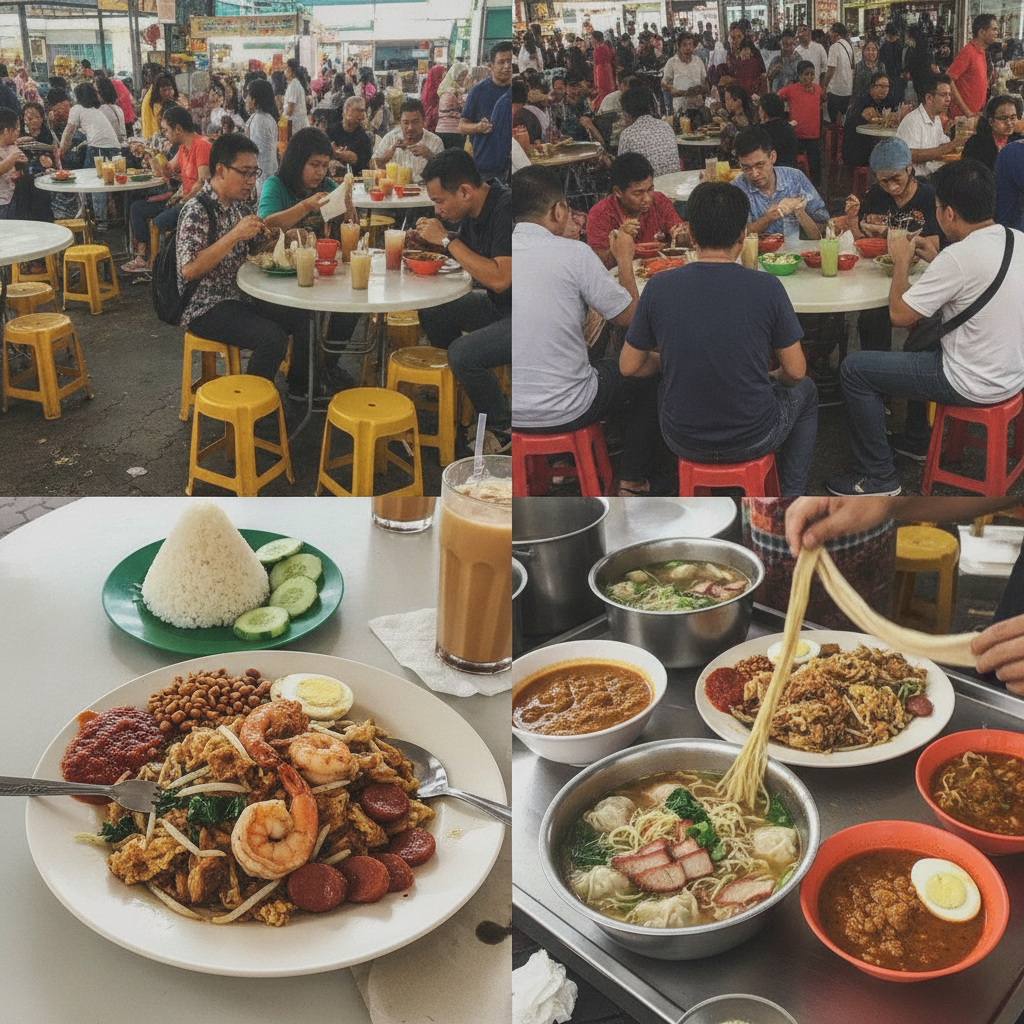
Malaysian Food Culture — Nasi Lemak, Hawker Centres & KL's Culinary Melting Pot
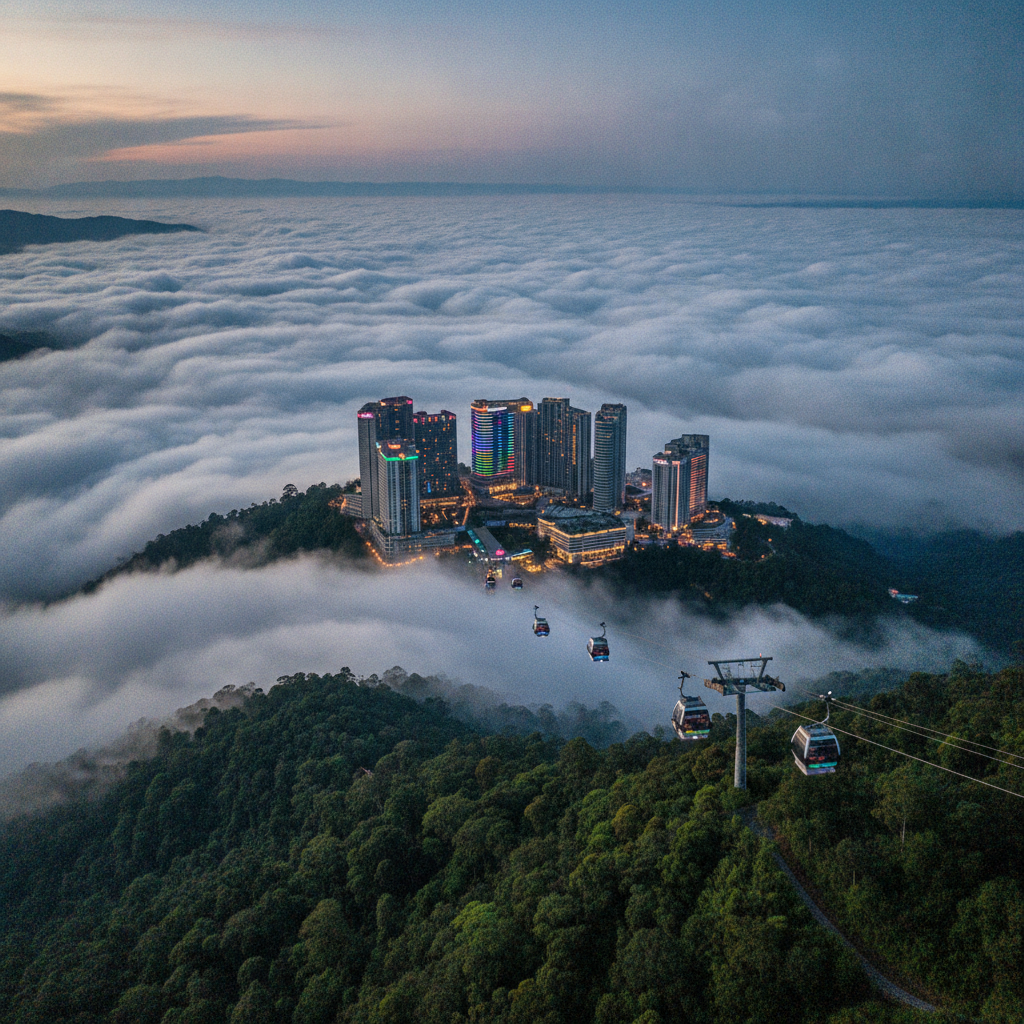
Sunway Lagoon, Genting Highlands & KL's Entertainment Escapes
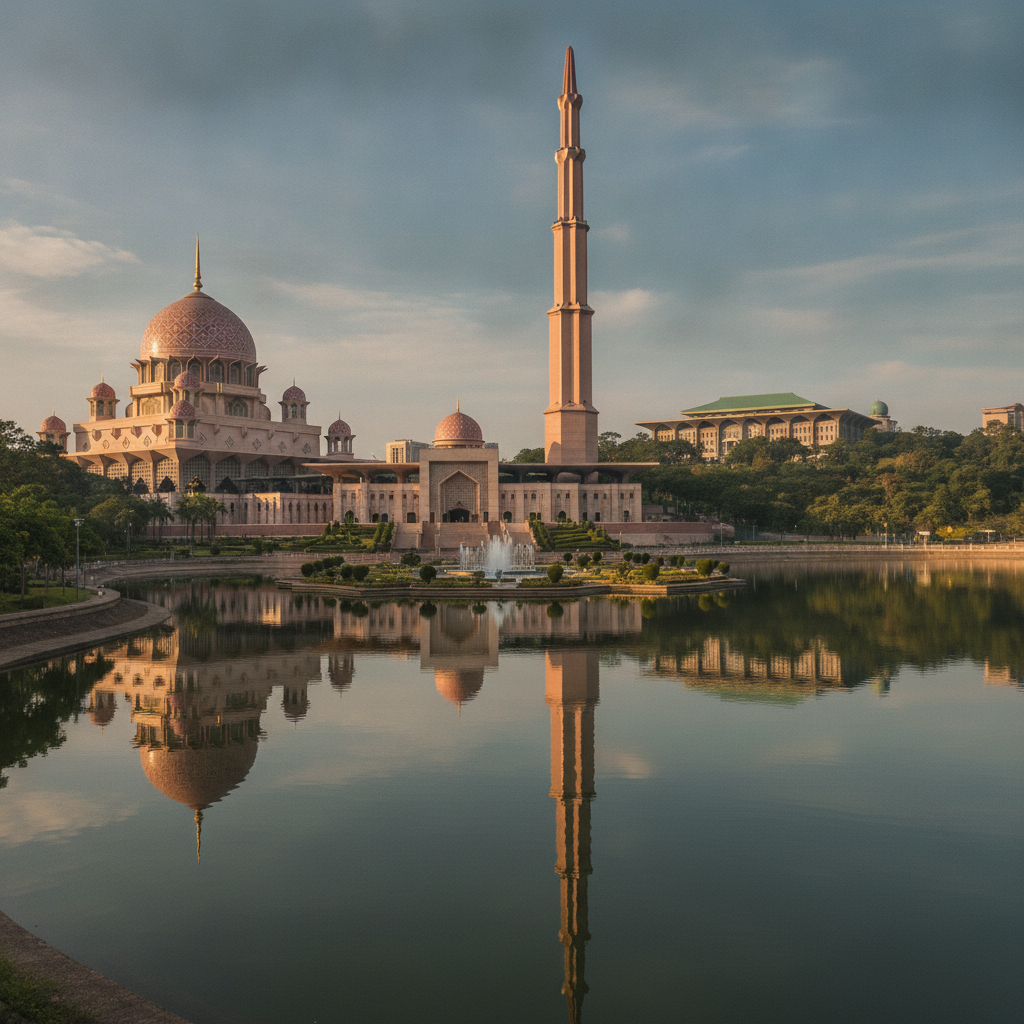
Putrajaya — Malaysia's Planned Federal Capital and Putra Mosque
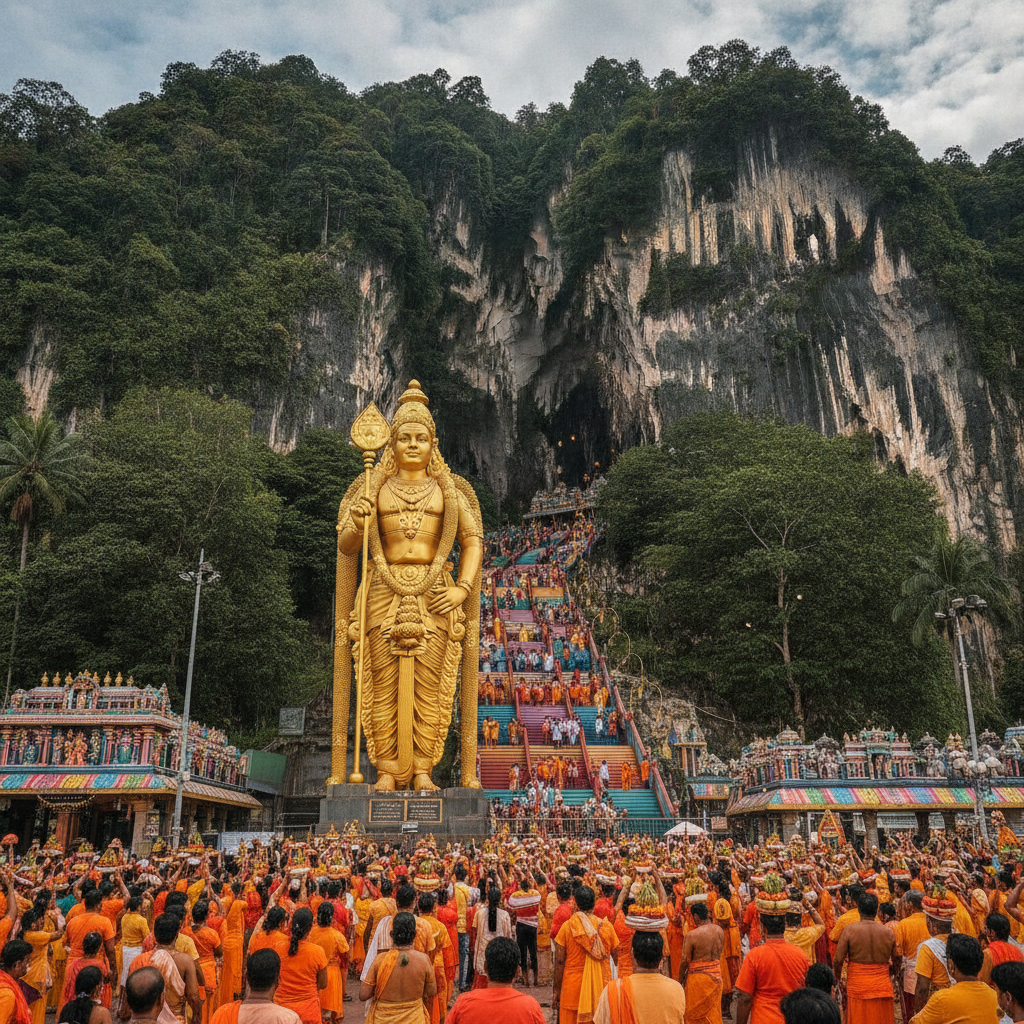
Batu Caves, Thaipusam Festival & Hindu Tamil Culture in Malaysia
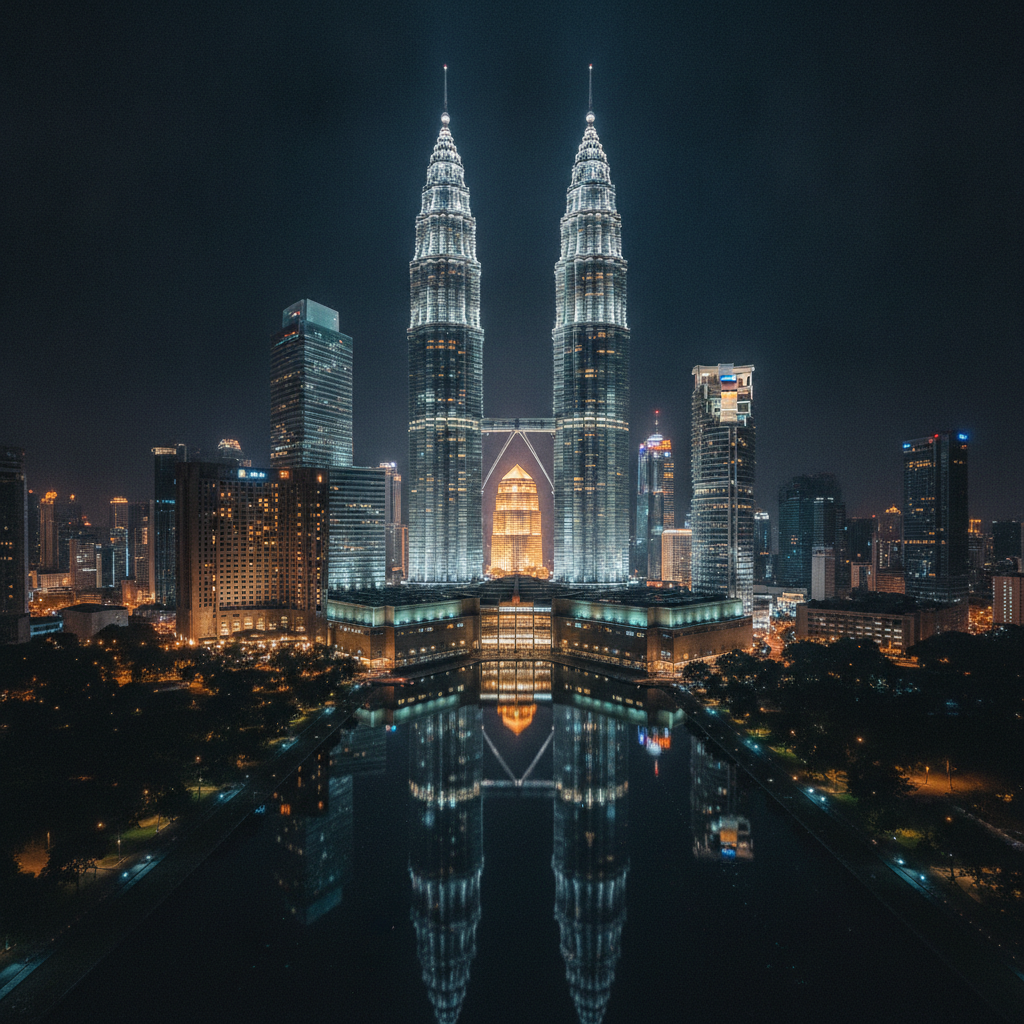
Petronas Twin Towers, KLCC & Bukit Bintang — KL's Golden Triangle