La Fortuna: Arenal Volcano, Thermal Springs, and the Rainforest Adventure Hub
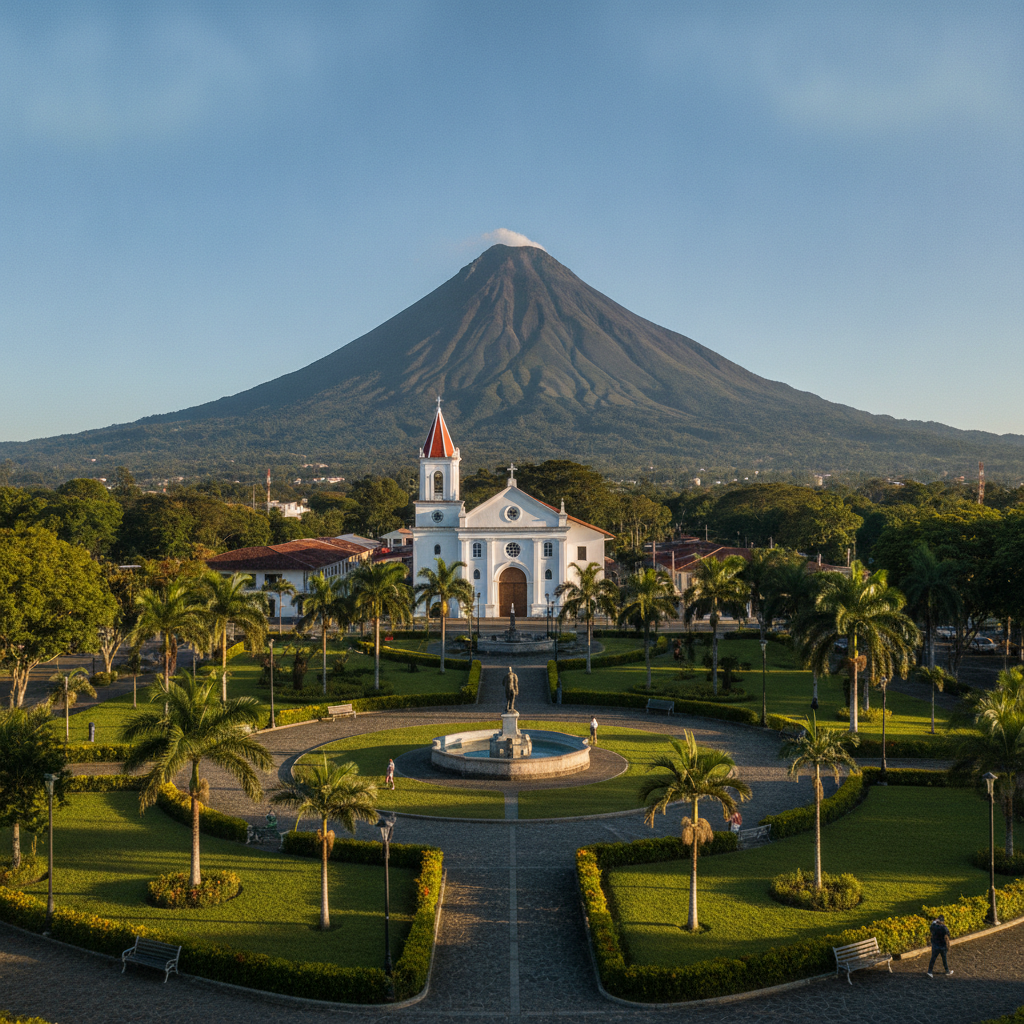
La Fortuna is the most popular adventure tourism destination in Costa Rica, built around the Arenal Volcano that was continuously active from 1968 to 2010. The town sits at the base of the volcano's western flank with the Arenal Lake, a reservoir created by the La Garita hydroelectric dam, visible to the south. The thermal spring system heated by residual geothermal activity, the Catarata del Toro and La Fortuna waterfalls, white-water rafting on the Toro and Sarapiqui rivers, and the hanging bridge canopy walks of the Arenal Volcano National Park make La Fortuna the single most activity-dense destination in Costa Rica.
- 1
Arenal Volcano: The 1968 Eruption and the Current Resting Phase
The 1968 eruption of Arenal was one of the most destructive volcanic events in twentieth century Costa Rica, destroying three villages and killing 87 people. The eruption reactivated a volcano that had been dormant for centuries, and Arenal remained continuously active until 2010, producing lava flows, gas emissions, and pyroclastic events visible from La Fortuna and the surrounding area. The lava flow watching from the observatory lodges across the lake was a signature experience for visitors in the 2000s. Arenal entered a resting phase in 2010, ending the visible surface activity, but the volcano remains active at depth and fumarolic activity continues. The OVSICORI seismic monitoring network tracks activity continuously; another eruptive period is expected eventually.
- 2
Arenal Volcano National Park: Hanging Bridges and Lava Fields
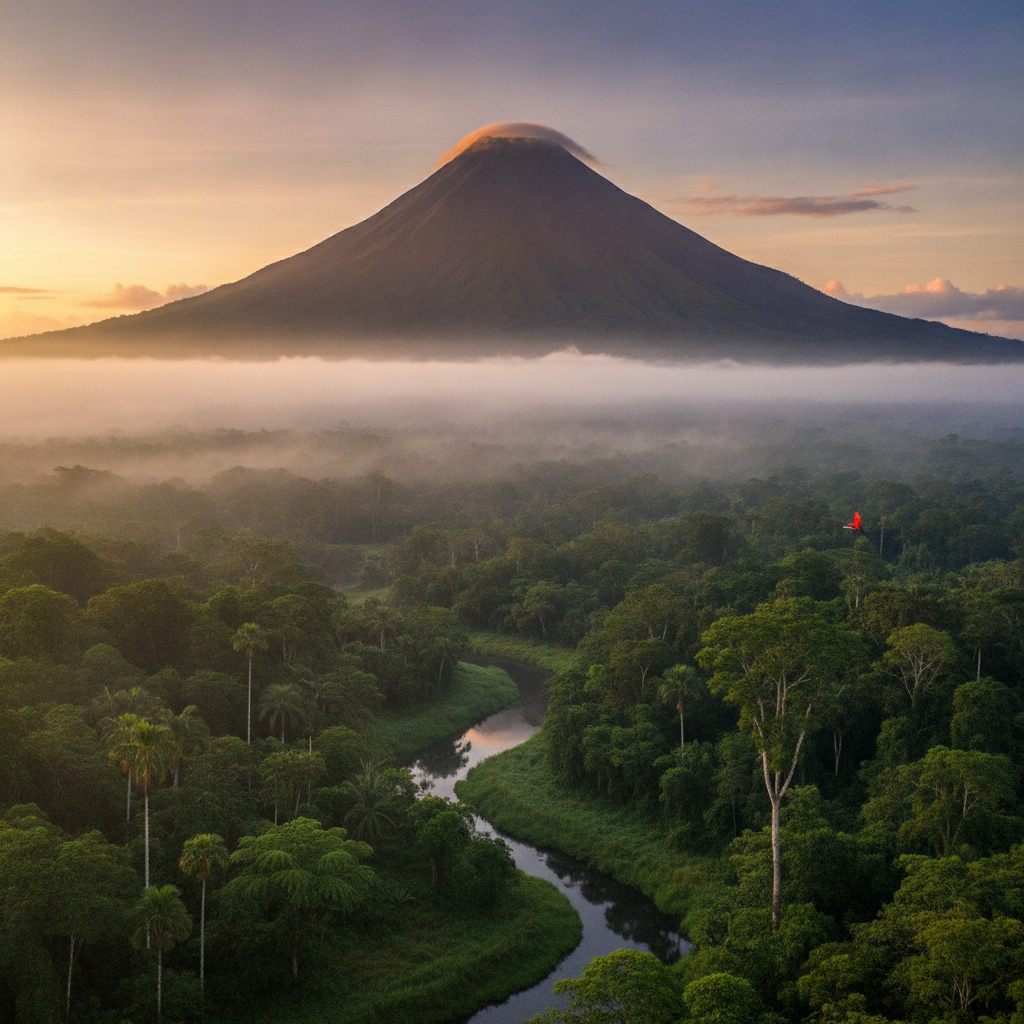
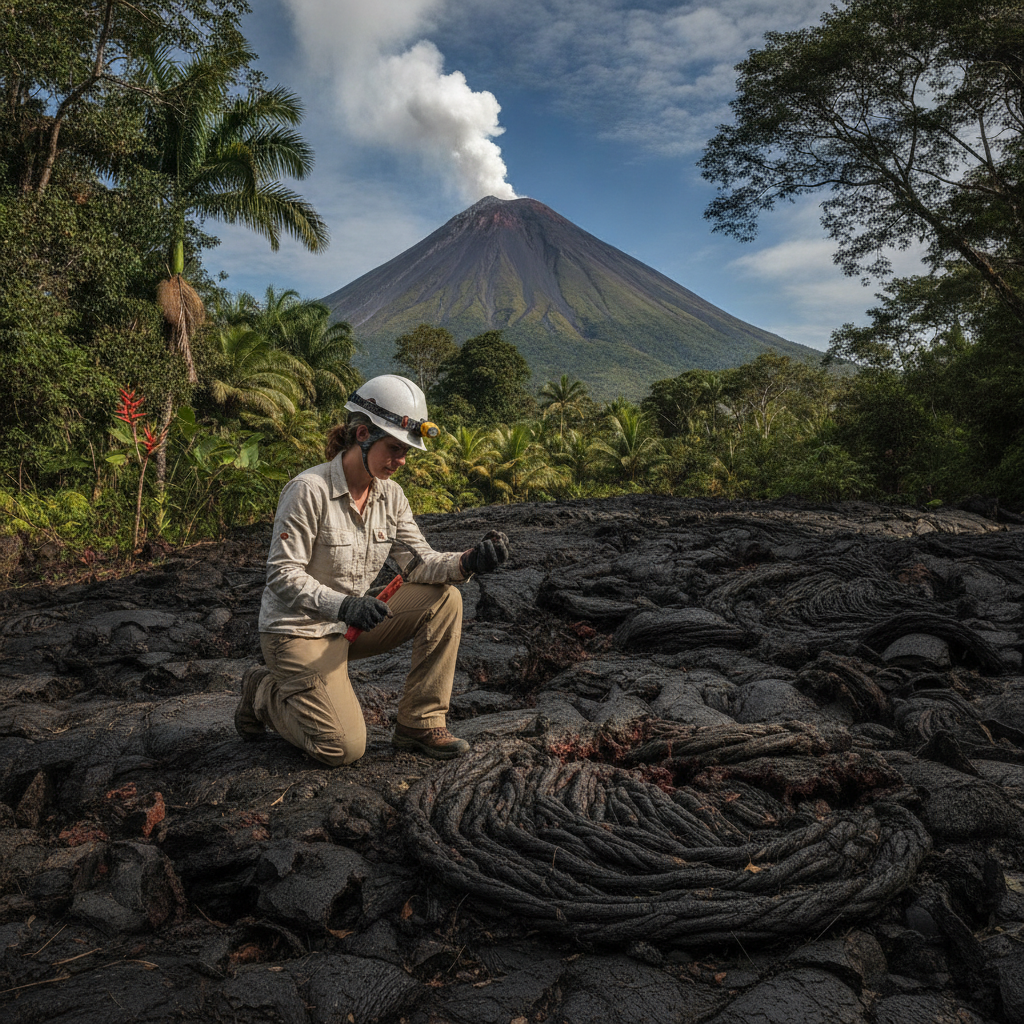
The national park surrounding Arenal includes lava fields from the 1968 and subsequent flows, primary and secondary rainforest, and the hanging bridges suspension bridge system that allows canopy-level forest walks above the tree crowns. The lava fields, now twenty to fifty years old, are in different stages of succession: the most recent flows remain bare rock with pioneer vegetation; older flows are colonized by secondary forest that is already rich in wildlife. The hanging bridges networks operated by several private concessions within the park buffer zone offer the best above-canopy view of Arenal when the volcano is clear of cloud. The cloud cover over the summit is dense for much of the year; early morning from 6 to 8 AM offers the best visibility.
- 3
Thermal Springs: Baldi, Tabacon, and the Hot Spring Economy
The geothermal system associated with Arenal produces naturally heated spring water across the landscape west of the volcano. Tabacon Resort, operating since the 1990s, channeled the spring water through landscaped pools and became the reference point for luxury thermal spring experiences in Central America. The thermal spring resort economy has expanded to include over a dozen competing facilities ranging from Baldi, the largest and most commercial, to smaller operations with lower prices and fewer amenities. Tabacon remains the premium experience at 80 to 120 USD for day passes; the free public springs at Pozas Termales Secuya are accessible to budget travelers willing to walk from La Fortuna. The spring economy is the single largest revenue driver in the La Fortuna tourism system.
- 4
La Fortuna Waterfall: The 70-Meter Cascade
The Catarata La Fortuna, a 70-meter single-drop waterfall falling through a basalt gorge 5 kilometers from town, is the visual centerpiece of the La Fortuna natural landscape outside the volcano. The waterfall is accessible via a maintained trail with 500 steps descending to the pool at the base, where swimming is possible in the cool water fed by the highland streams above. The approach trail passes through secondary forest with sloths and toucans visible in the canopy. The waterfall admission is managed by a local community association, and the revenue supports trail maintenance and local employment. Rappelling down the waterfall face is offered by several adventure operators and is one of the more technically demanding activities in the area.
- 5
White-Water Rafting: Toro and Sarapiqui Rivers
The rivers draining the Arenal and Tilaran highlands offer the best white-water rafting in Costa Rica by volume and variety. The Toro River provides Class III and IV rapids through a narrow canyon accessible to intermediate rafters; the Sarapiqui offers longer sections of Class II and III water through forest corridors with exceptional birdwatching. The Balsa River provides beginner-level Class II sections suitable for families. Several operators in La Fortuna offer full-day and half-day trips with transport, equipment, and lunch; the Toro River full-day trip is the most frequently recommended for experienced rafters. River levels vary seasonally, with the highest volume and most challenging conditions from May through November.
- 6
Mistico Arenal Hanging Bridges and Wildlife Spotting
The Mistico Arenal Hanging Bridges Park operates sixteen bridges, six of which are suspension bridges up to 100 meters in length, through 250 hectares of primary and secondary rainforest adjacent to the national park boundary. The self-guided or guided walking circuit takes two to three hours and crosses the forest at multiple levels from ground to canopy. The canopy level crossing on the longest bridges provides views over the forest crown toward Arenal Volcano when weather permits. Wildlife commonly encountered includes three-toed sloths, howler monkeys, blue morpho butterflies, and the full complement of forest birds. A guided night walk option accesses the nocturnal species including red-eyed tree frogs, kinkajous, and various snake species.
Walk this route with audio
Stories play automatically as you reach each stop — no tapping needed.
More in La Fortuna
Ziplining, ATV Tours, and the Adventure Activity Economy of La Fortuna
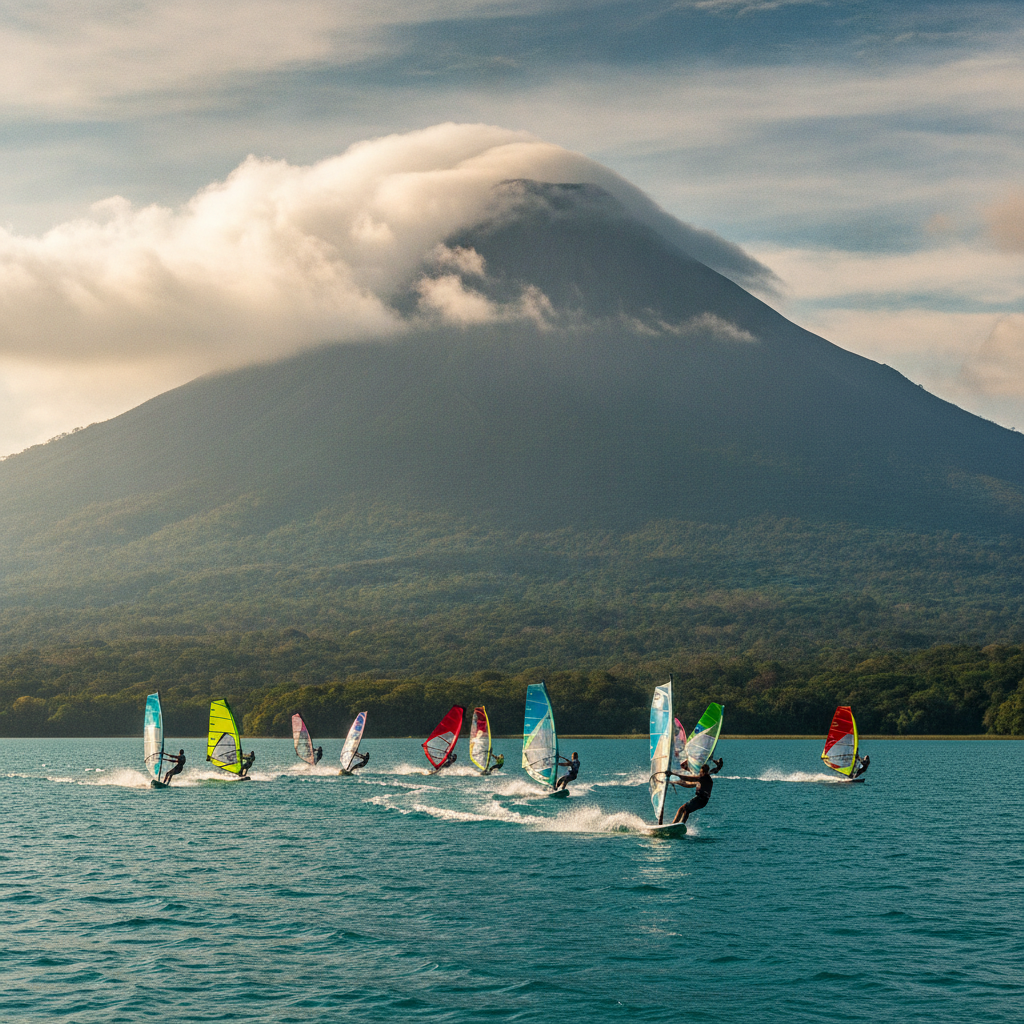
Arenal Lake, Windsurfing, and the Tilaran Highlands Connection
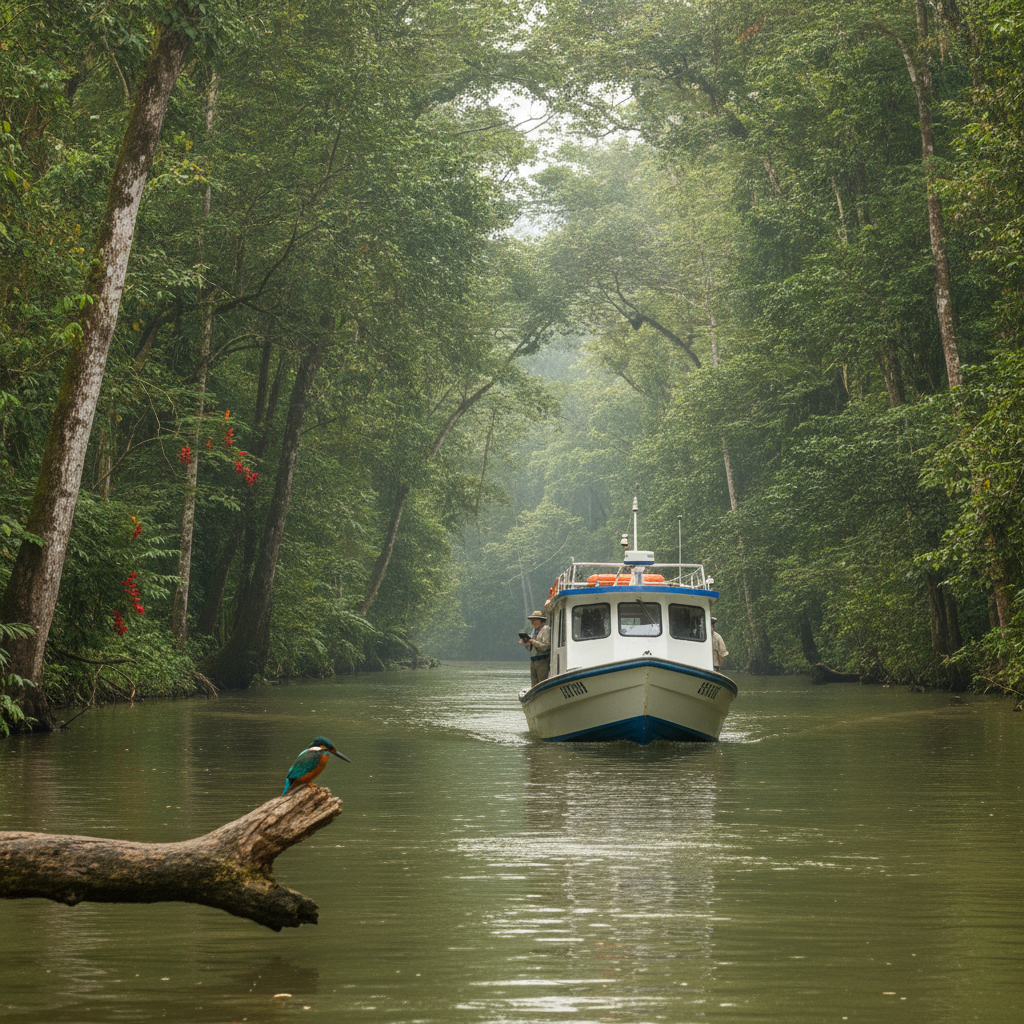
Sarapiqui Lowlands: Rainforest, Rivers, and the Caribbean Slope from La Fortuna
Volcanism, Geology, and the Tectonic Story of Arenal and Northern Costa Rica
La Fortuna Practical Guide: Accommodation, Seasons, Costs, and Scams to Avoid