La Fortuna Practical Guide: Accommodation, Seasons, Costs, and Scams to Avoid
La Fortuna receives over 300,000 visitors annually and has developed a mature tourism infrastructure with a corresponding range of pricing and quality. The high competition between operators has produced both genuine value and a layer of misleading marketing and inflated pricing that catches first-time visitors off guard. This route provides the practical framework for visiting La Fortuna: where to stay, when to go, what things actually cost, how to book activities without overpaying, and which common tourist pitfalls to avoid.
- 1
Accommodation Options: Hot Spring Resorts, Town Hotels, and Budget Hostels
Accommodation divides between the hot spring resort complexes strung along the road between La Fortuna and the volcano, which combine hotel rooms with access to the thermal pools in packages from 150 to 500 USD per night, and the town hotels and hostels in La Fortuna itself, which range from 15 USD dormitory beds to 80 USD mid-range doubles. The resort option provides convenience and the thermal spring experience in one package; the town option requires separate activity booking but offers dramatically lower base accommodation cost. The Airbnb market has expanded in both zones. The choice between sleeping in town versus sleeping at a resort determines the entire financial structure of the stay, as resort package pricing bundles costs that are separately bookable at lower combined price from town.
- 2
Seasons and Volcano Visibility
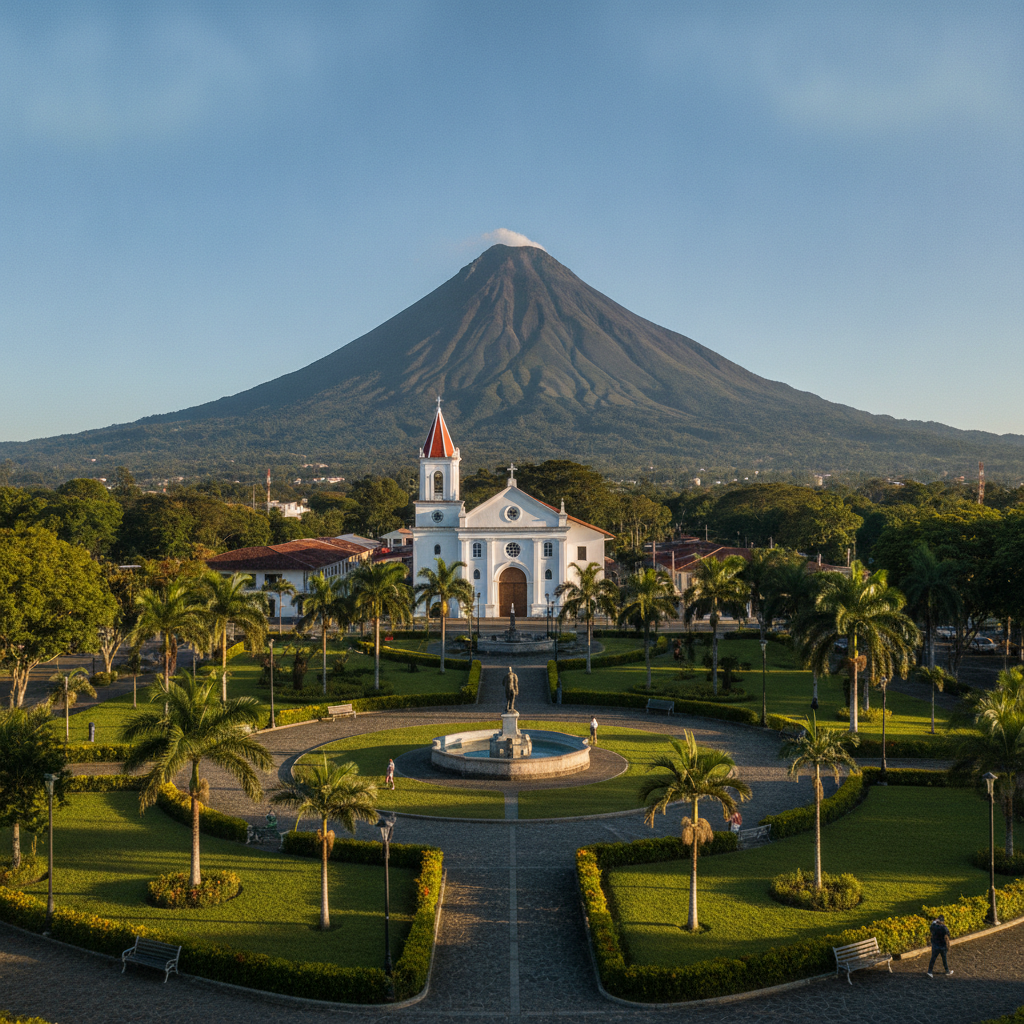
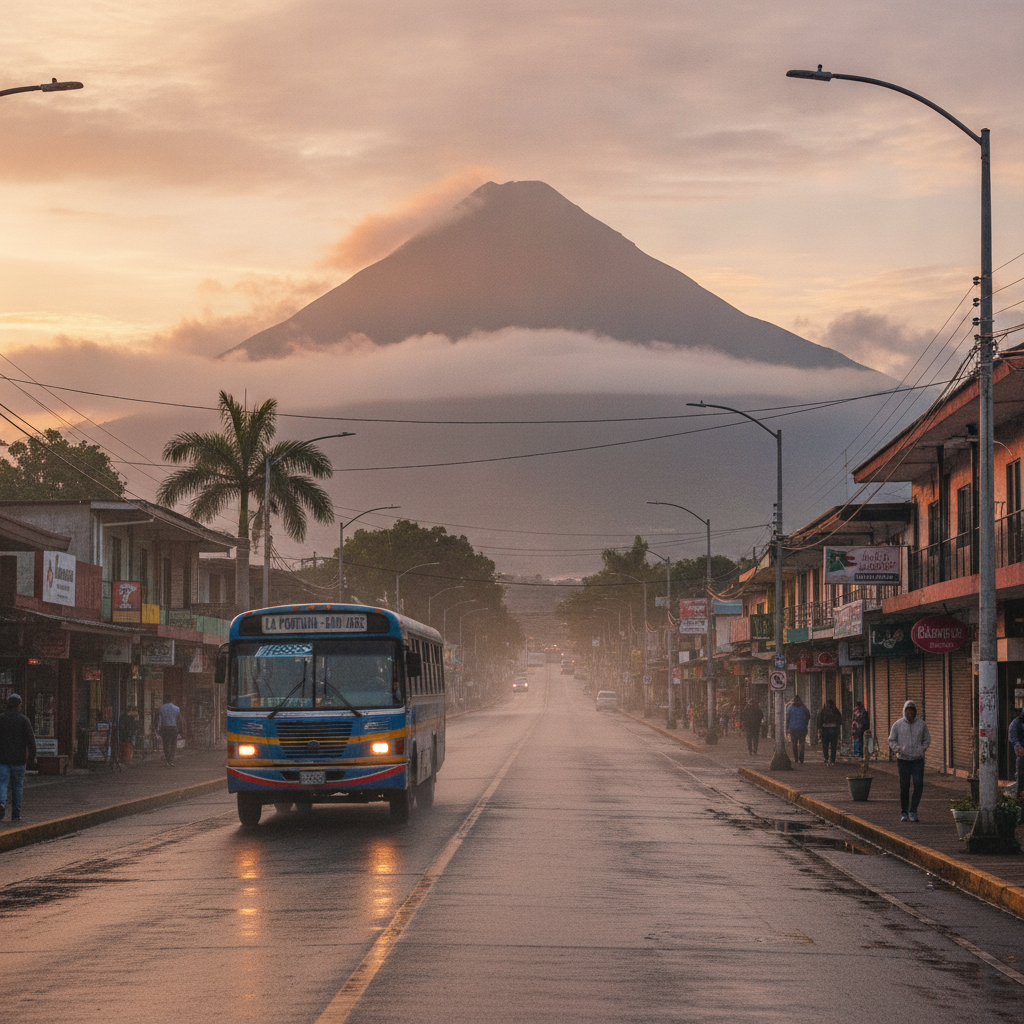
Arenal Volcano is cloud-covered for the majority of the year due to the moisture-laden winds from the Caribbean slope. The dry season from December through April offers the clearest conditions, with the summit visible on perhaps 30 to 50 percent of mornings. The rainy season from May through November brings daily cloud cover with the summit rarely clear. The irony noted by many visitors is that the volcano is invisible in cloud regardless of season for a substantial fraction of any visit, making the accommodation price premium for volcano-view rooms less valuable than the marketing suggests. The best strategy is to wake early and check visibility at dawn, which produces the clearest conditions before afternoon cloud build-up regardless of season.
- 3
Activity Booking: Tour Desks, Online Pre-Booking, and Walk-In Prices
The tour operator ecosystem in La Fortuna is competitive but not always transparent. Hotel tour desks typically add a commission to activity prices; booking directly with operators usually reduces cost. Walk-in prices for most activities are negotiable, especially for same-day booking when operators have unfilled slots. The price differential between pre-booking from your home country (often at highest prices through international booking platforms) and booking locally is substantial, sometimes 30 to 50 percent. The exception is peak season (December through April) when popular activities like the Tabacon thermal springs and the national park hanging bridges can sell out; advance booking for those specific experiences is worthwhile.
- 4
Common Overcharges and Misleading Offers
Several recurring tourist pitfalls are documented in the La Fortuna visitor experience. The free shuttle offer that converts to a sales pitch for a timeshare or tour package is common. Thermal spring day passes sold by hotels as an exclusive experience are the same tickets available directly at lower prices. The free fruit or drink outside restaurants is typically a conversion tactic toward a menu with inflated prices. Unofficial guides offering volcano viewpoints and wildlife encounters for small cash payments may be delivering real value or leading to dead ends depending on the individual. The SINAC national park entry fees for the Arenal Volcano National Park are fixed; any guide offering to get you in cheaper is operating outside the official system.
- 5
Celeste River and Tenorio Volcano: The Turquoise Water Phenomenon
The Celeste River in the Tenorio Volcano National Park, an hour north of La Fortuna, is famous for its vivid turquoise color produced by the mixing of two mineral-laden streams that precipitate aluminosilicate particles at their confluence. The resulting milky blue-green color is one of the most visually dramatic natural water phenomena in Costa Rica and has become heavily photographed on social media. The three-kilometer trail to the Celeste waterfall and swimming hole involves a full-day excursion from La Fortuna. Swimming is prohibited in the river to protect the mineral balance that produces the color, a restriction that is posted but regularly ignored. The park limits daily visitor numbers and the experience is best midweek when crowds are smaller.
- 6
Practical Summary: Budget, Getting There, and the Three-Day Structure
A budget traveler using La Fortuna town accommodation, eating at sodas, and booking activities directly can manage the La Fortuna experience for 60 to 90 USD per day including accommodation, meals, and one paid activity. A mid-range traveler staying at a hotel with thermal spring access spends 150 to 250 USD per day. The resort end of the market runs 400 to 700 USD per day with all amenities. La Fortuna is three and a half to four hours from San Jose by direct bus; shared shuttles take three hours. A logical three-day structure: Day 1 waterfall and hanging bridges; Day 2 thermal springs and night walk; Day 3 early lake kayak and departure. The Monteverde connection adds one to two days and is the most natural circuit extension.
Walk this route with audio
Stories play automatically as you reach each stop — no tapping needed.
More in La Fortuna
Ziplining, ATV Tours, and the Adventure Activity Economy of La Fortuna
Arenal Lake, Windsurfing, and the Tilaran Highlands Connection
Sarapiqui Lowlands: Rainforest, Rivers, and the Caribbean Slope from La Fortuna
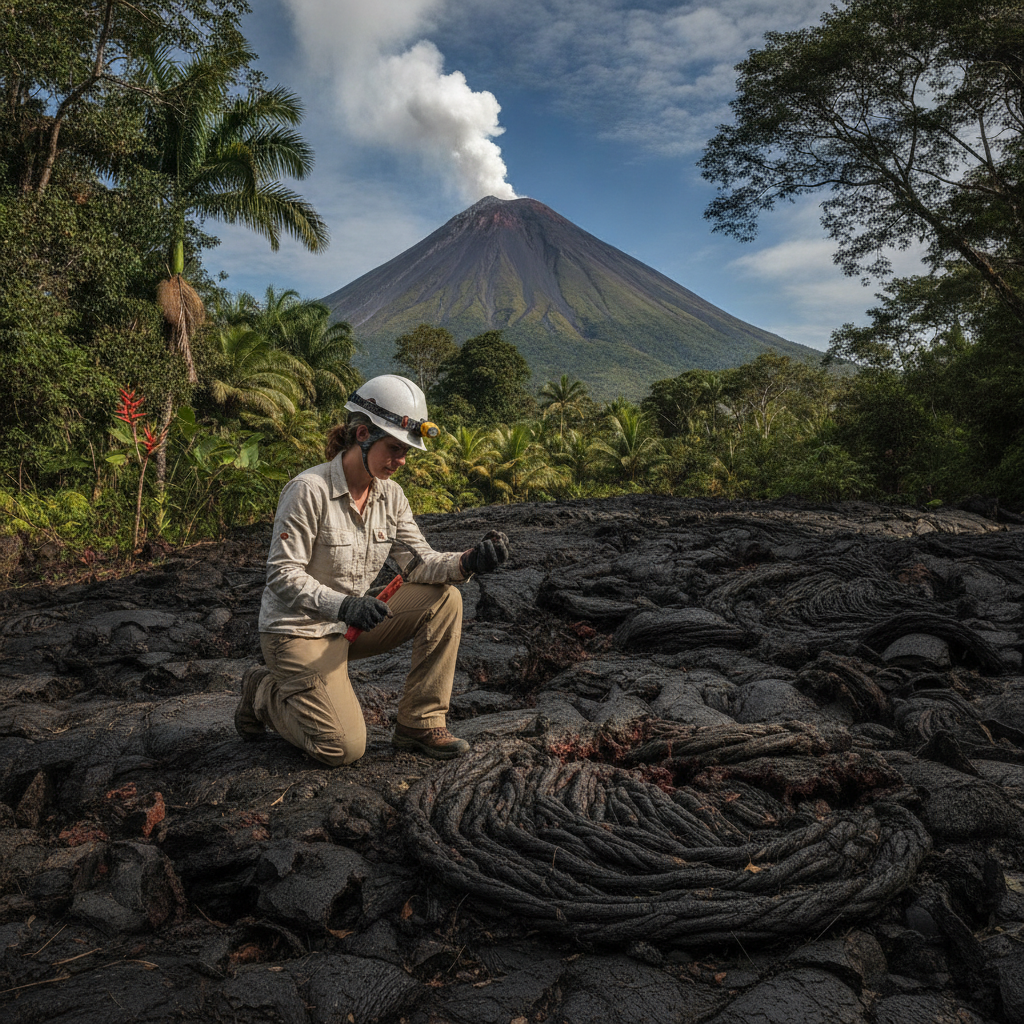
Volcanism, Geology, and the Tectonic Story of Arenal and Northern Costa Rica
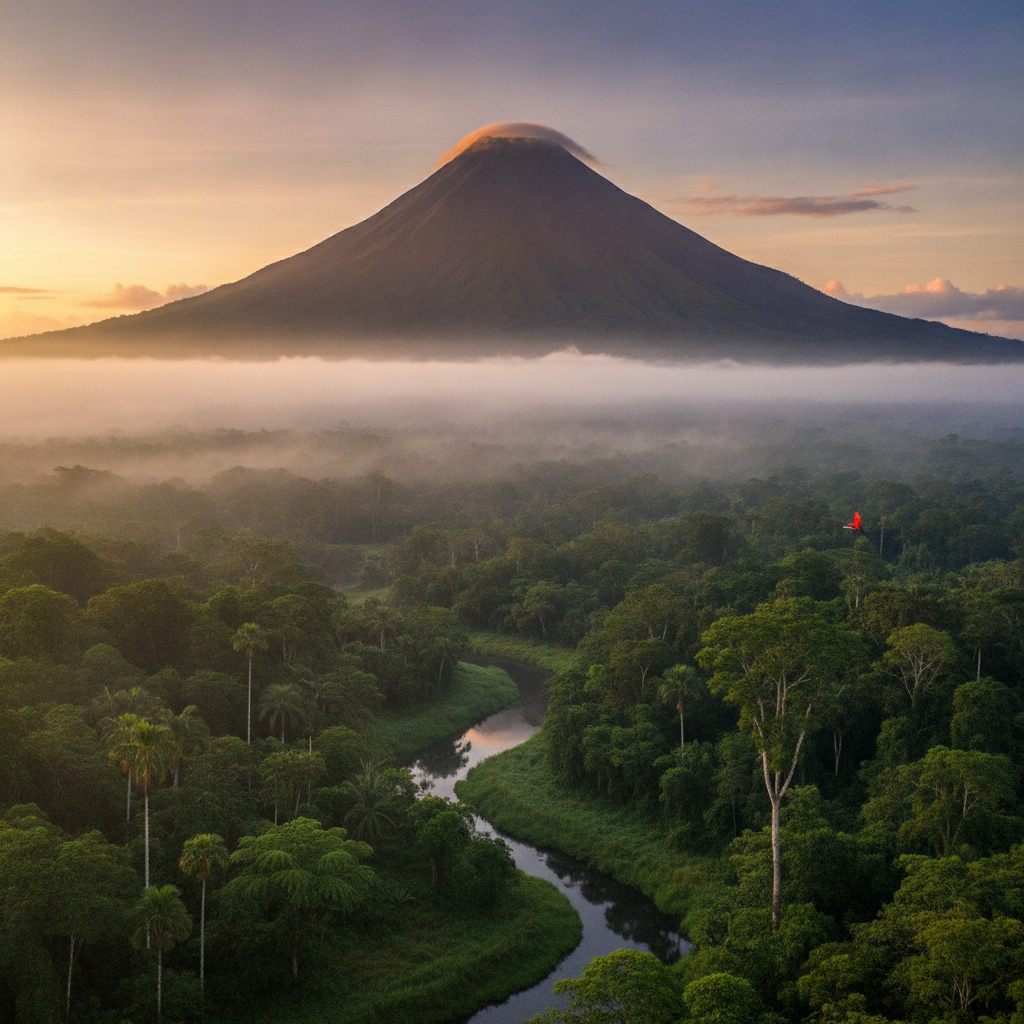
La Fortuna: Arenal Volcano, Thermal Springs, and the Rainforest Adventure Hub