Ziplining, ATV Tours, and the Adventure Activity Economy of La Fortuna
La Fortuna operates as the adventure activity capital of Costa Rica, with a denser concentration of tour operators and activity options per square kilometer than anywhere else in the country. The combination of the volcano, rainforest, rivers, and caves within an hour of town has enabled the creation of a full-service adventure tourism ecosystem. This route maps the activity landscape from the high-adrenaline options like canyon rappelling and white-water kayaking to the more accessible family activities like the hanging bridges and night wildlife walks.
- 1
Zipline Canopy Tours: The La Fortuna Operators
Multiple zipline canopy tour operations are established in the La Fortuna area, exploiting the forested hillsides between town and the volcano. The Arenal Mundo Aventura and Sky Adventures Arenal Park operations are the largest, with cable runs of 400 to 750 meters on the longest lines and platforms at varying heights through the canopy. The experience ranges from family-friendly introductory lines to longer professional runs with higher speeds. The competitive pricing between operators has kept costs relatively controlled; group booking reduces prices further. The cables offer views over the secondary and primary forest canopy and, on clear days, direct sightlines to Arenal Volcano from elevated platform positions. Safety standards have improved significantly from the early 2000s and all licensed operators use ASTM or EN-standard equipment.
- 2
Canyon Rappelling and Canyoneering at La Fortuna Waterfall
The La Fortuna Waterfall gorge, with its 70-meter drop and the basalt canyon walls on either side, is used by several operators for rappelling courses that descend the canyon walls alongside the waterfall. The full descent covers approximately 100 meters of vertical on wet and slippery rock and requires no prior experience with the instruction provided; the experience is described accurately as intense and physically demanding. A second canyoning operation in the Toro River canyon further from La Fortuna accesses a deeper and more remote river gorge with multiple smaller falls and natural pools between rappel sections. Both operations require several hours of commitment and appropriate physical fitness.
- 3
ATV and Off-Road Tours: The Agricultural Landscape by Quad
ATV tours from La Fortuna explore the unpaved roads and farm tracks of the San Carlos highlands above the town, accessing viewpoints over the Arenal Lake and volcano that are not reachable by the paved road network. The routes pass through cattle pasture, secondary forest patches, and the occasional farm where the agricultural backdrop of the canton is visible. The ATV format is accessible to inexperienced drivers and family groups; the more challenging routes require confidence with off-road driving on steep and muddy tracks. The primary criticism of ATV tours from an environmental perspective is the noise disruption to wildlife in the forest edge zones and the erosion from repetitive vehicle traffic on unpaved surfaces.
- 4
Night Wildlife Walks and the Nocturnal Rainforest
The nocturnal fauna of the Arenal area is substantially different from the daytime wildlife visible on park trails. Red-eyed tree frogs, glass frogs, and the much larger and more camouflaged rain frogs emerge after dark on vegetation above streams. Eyelash pit vipers, coil-resting on heliconia stems and banana leaves, are found by guides who know the site-specific locations. Kinkajous, porcupines, and armadillos move through the understory. The night sky, when clear, is spectacular at the volcano elevation without light pollution. Several operators run structured night walks on private reserves adjacent to the national park, with the guide providing a red-light-only approach that minimizes disturbance to the animals being observed.
- 5
Venado Caves: Limestone Formations and Underground Rivers
The Venado Caves, 45 kilometers north of La Fortuna, are a significant limestone cave system with underground rivers, formations including stalactites, stalagmites, and flowstone, and aquatic invertebrate fauna adapted to the cave environment. The guided tour involves wading through the underground river in knee-to-waist deep water, crawling through low passages, and navigating by headlamp through the cave chambers. The experience is physical and muddy, entirely appropriate for the adventure tourism market of La Fortuna. Bat colonies exit from the cave entrance at dusk. The geological origin of the cave system in the limestone bedrock is distinct from the volcanic geology of the Arenal area, representing an older sedimentary sequence beneath the volcanic deposits.
- 6
Horseback Riding and the Cattle Ranching Heritage
The San Carlos canton surrounding La Fortuna has been cattle ranching territory since the colonial period, and horseback riding through the working cattle landscape is one of the most authentic cultural activities in the area. Several operations offer horses for guided rides along rural tracks through the highland pastures, with views of Arenal Volcano across the livestock-grazed slopes. Longer multi-day rides connect La Fortuna with Monteverde through the Tilaran highlands on a route that has been used by cattle drovers for generations. The Tope, or horse parade, is one of the most important cultural events in rural Costa Rica and the San Carlos canton participates enthusiastically; the December events in Ciudad Quesada and local towns are the year's social highlight for the ranching community.
Walk this route with audio
Stories play automatically as you reach each stop — no tapping needed.
More in La Fortuna
Arenal Lake, Windsurfing, and the Tilaran Highlands Connection
Sarapiqui Lowlands: Rainforest, Rivers, and the Caribbean Slope from La Fortuna
Volcanism, Geology, and the Tectonic Story of Arenal and Northern Costa Rica
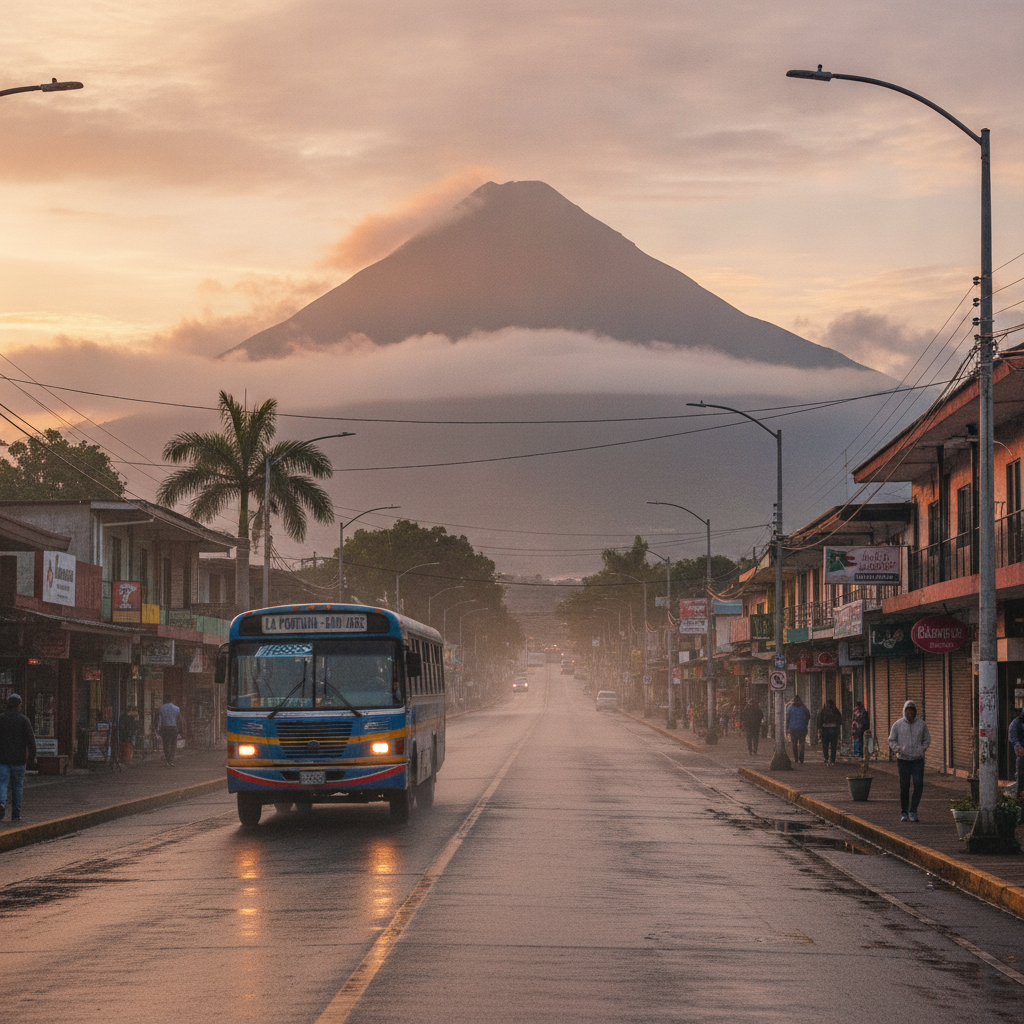
La Fortuna Practical Guide: Accommodation, Seasons, Costs, and Scams to Avoid
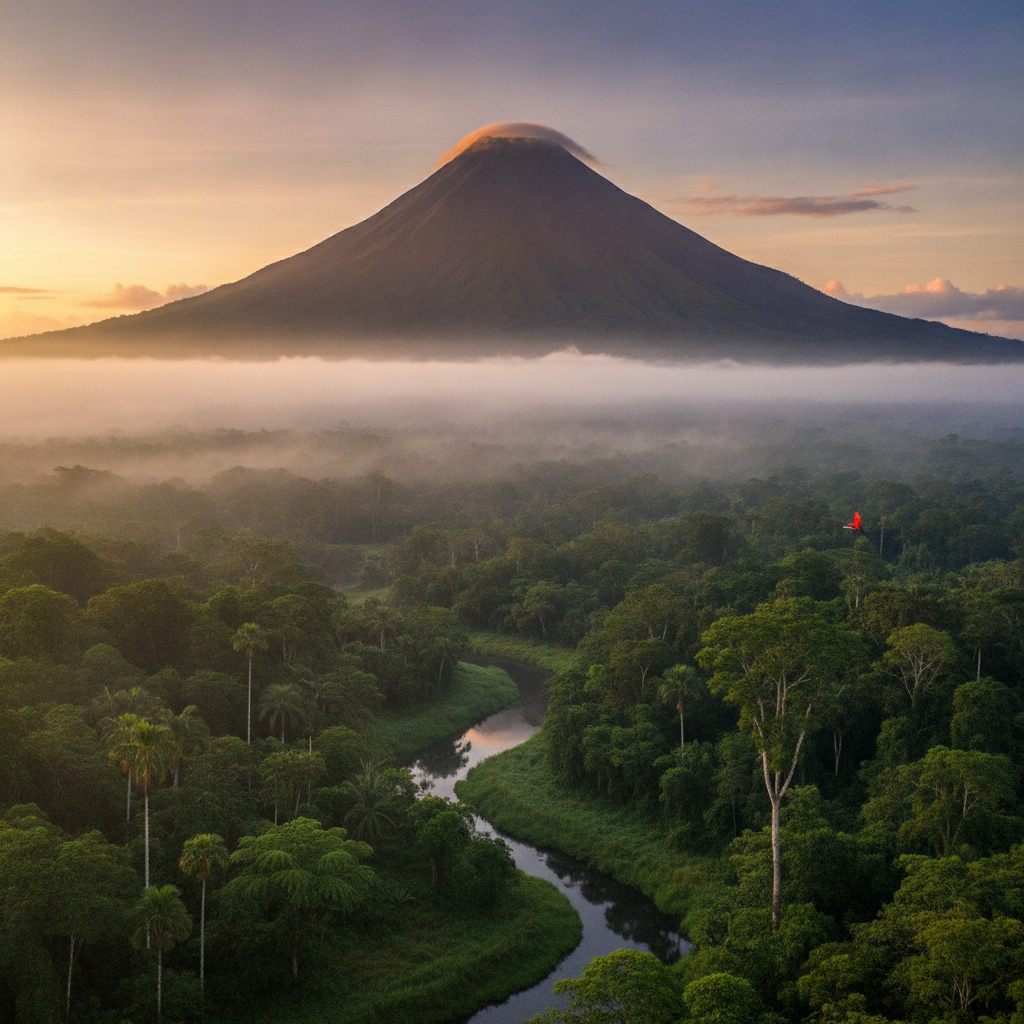
La Fortuna: Arenal Volcano, Thermal Springs, and the Rainforest Adventure Hub