La Serena Observatory Circuit: Cerro Tololo, Gemini South, the Atacama Dark Sky Reserve, and the Most Observed Night Sky on Earth
The La Serena observatory circuit covers the Cerro Tololo Inter-American Observatory as the most historically significant single astronomical research complex in the Southern Hemisphere, the Gemini South telescope as the most technologically advanced single optical telescope accessible for public tours in Chile, the Coquimbo Region's designation as the most important single astronomical dark sky reserve in South America, and the practical stargazing resources of La Serena as the best single base city for Southern Hemisphere astronomical tourism.
- 1
Cerro Tololo Inter-American Observatory: The Flagship Site
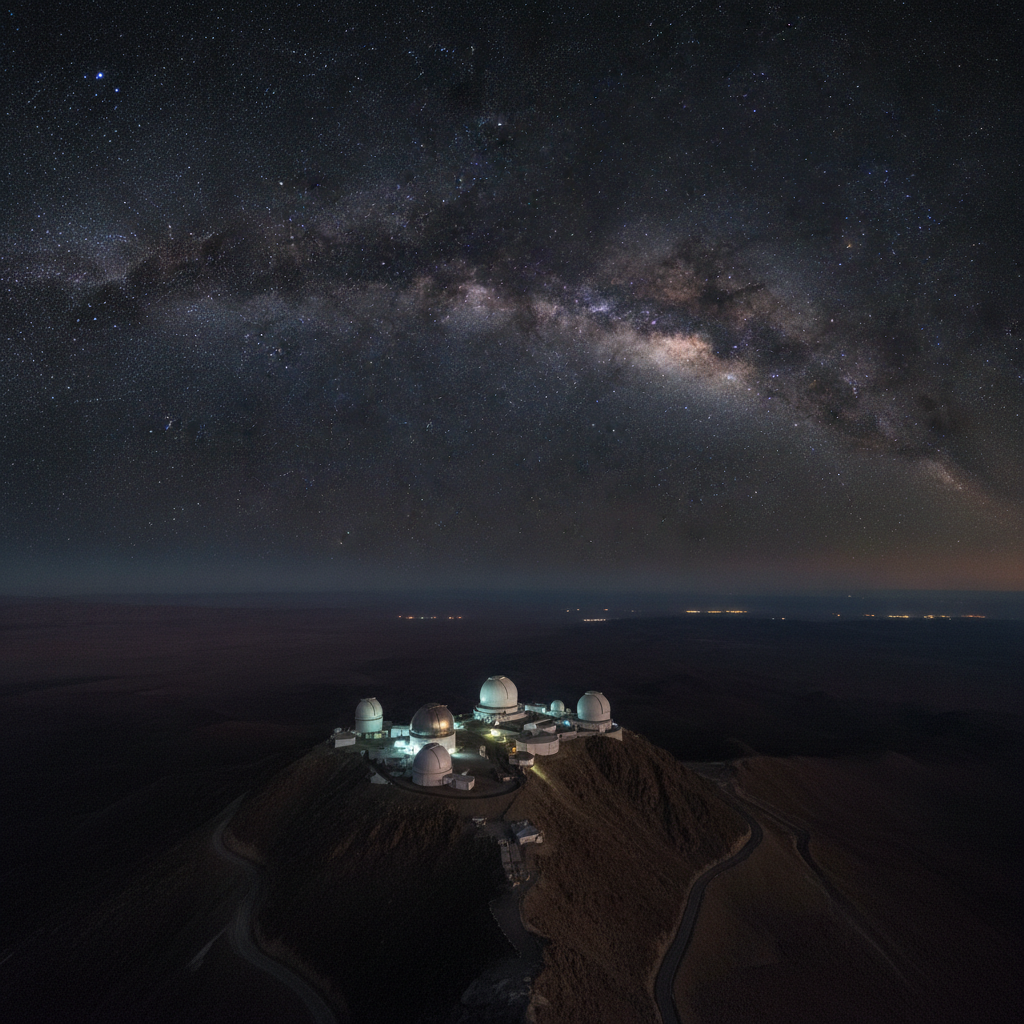
The Cerro Tololo Inter-American Observatory (CTIO) on the 2,200-meter summit of Cerro Tololo 80 kilometers southeast of La Serena is the most historically significant single astronomical research complex in the Southern Hemisphere, established in 1962 and hosting the Víctor M. Blanco Telescope (4-meter aperture) and the Dark Energy Camera that produced the most comprehensive single map of the southern sky's dark energy distribution. The Saturday public tour program provides the most authoritative single guided introduction to professional astronomical research infrastructure available to the public anywhere in Chile, with direct access to the telescope domes and control rooms.
- 2
Gemini South Telescope: The Twin Giant
The Gemini South Telescope on Cerro Pachón adjacent to Cerro Tololo, the 8.1-meter optical/infrared telescope forming half of the international Gemini Observatory with its twin in Hawaii, is the most technologically sophisticated single large-aperture optical telescope in the Southern Hemisphere accessible for public educational visits and the partner instrument to Gemini North in creating the most complete single all-sky optical survey capability available to the international astronomical community. The adaptive optics system, the instrument suite, and the telescope enclosure design represent the most advanced single telescope engineering in the Southern Hemisphere.
- 3
SOAR Telescope: The High-Resolution Instrument
The Southern Astrophysical Research (SOAR) Telescope, the 4.1-meter optical telescope on Cerro Pachón co-located with Gemini South, is the most specialized single high-spatial-resolution optical telescope in the Southern Hemisphere, designed for the most detailed single planetary atmosphere, stellar cluster, and galactic nucleus imaging available from any ground-based observatory in South America. The SOAR's adaptive optics capability, the instrument exchange program with CTIO, and the international consortium management by NOAO, Brazil, Chile, and Michigan State constitute the most collaborative single telescope operation in southern Chile.
- 4
Atacama Dark Sky Reserve: The Designated Astronomy Zone
The Coquimbo Region's designation as the world's first International Dark Sky Reserve covering the most extensive single protected astronomical observation zone in South America acknowledges the region's role as the most critically important single site for current and future astronomical research on Earth, hosting the most concentrated single assemblage of major optical telescopes including CTIO, Gemini South, SOAR, and the future Vera C. Rubin Observatory that will conduct the most comprehensive single astronomical survey in human history. The reserve protection of nighttime light pollution creates the darkest single accessible night sky in the inhabited world.
- 5
Vera Rubin Observatory: The Future Legacy Site
The Vera C. Rubin Observatory under construction on Cerro Pachón adjacent to Gemini South and SOAR is the most ambitiously scoped single astronomical facility in construction anywhere in the world, designed to conduct the Legacy Survey of Space and Time (LSST): the most comprehensive single digital survey of the southern sky over ten years, imaging the entire southern sky every three nights and creating the most data-rich single astronomical dataset in human history. The 8.4-meter mirror, the 3.2-gigapixel camera (the largest single astronomical camera ever built), and the automated survey operation represent the most technologically revolutionary single telescope project in the Southern Hemisphere.
- 6
La Serena as Astronomy Hub: The Gateway City
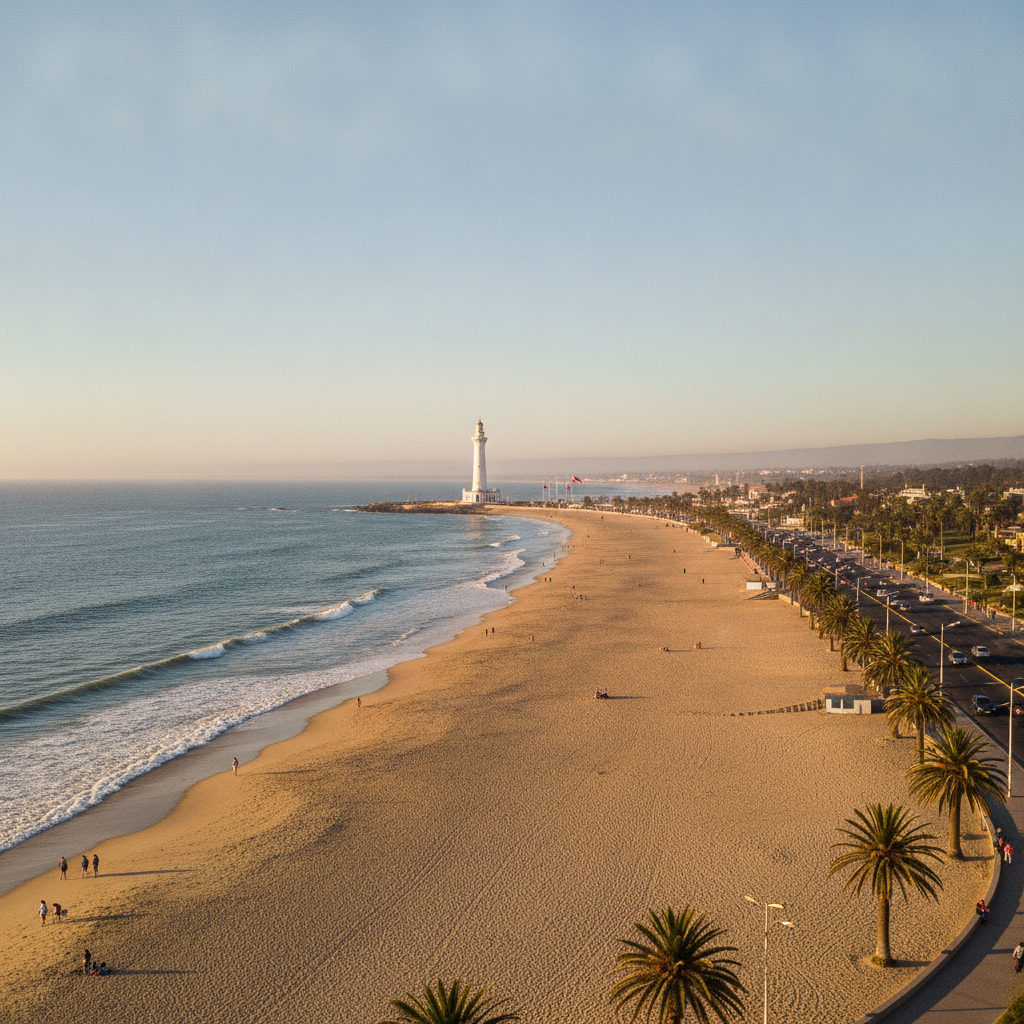
La Serena's role as the gateway city for the most concentrated single astronomical research zone in the world has created the most astronomy-tourism-developed single Chilean city outside Santiago, with dedicated astronomical tourism infrastructure including the most extensive single network of public stargazing observatories (Mamalluca, Collowara, Cruz del Sur), the most professional single astronomical tourism guide certification program in Chile, and the most astronomy-themed accommodation and hospitality infrastructure in South America. The city's combination of colonial heritage, Pacific beaches, and world-class astronomical access creates the most uniquely positioned single destination for science-and-heritage tourism in Latin America.
Walk this route with audio
Stories play automatically as you reach each stop — no tapping needed.
More in La Serena
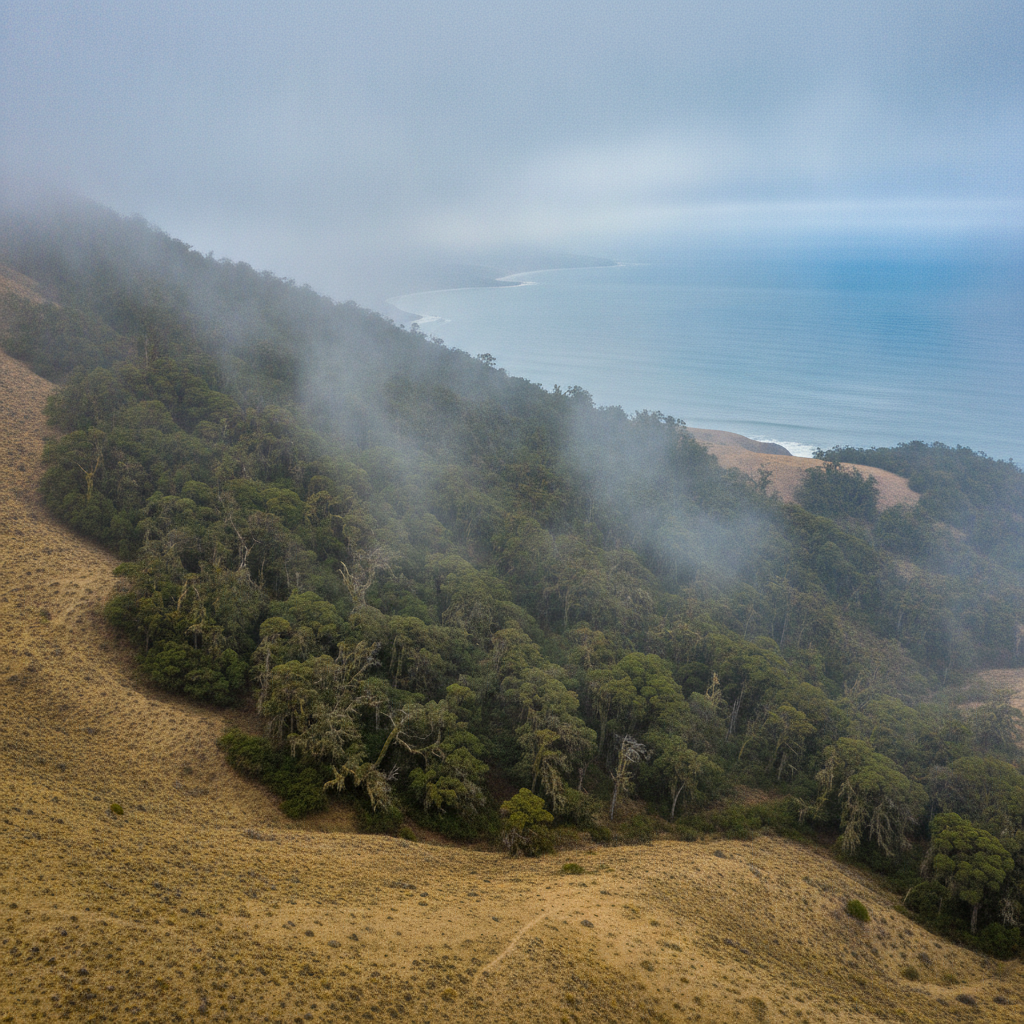
Fray Jorge National Park: The Atacama Cloud Forest, the Desert Coastal Cliffs, and the Norte Chico Biodiversity

Coquimbo Port Heritage: The Barrio Inglés, the Victorian Merchant Quarter, the Cruz del Tercer Milenio, and the Coquimbo Bay Waterfront

La Serena Historic Center: The Cathedral, the Colonial Arcades, Jardín del Corazón, Parque Pedro de Valdivia, and the Stone Architecture Heritage
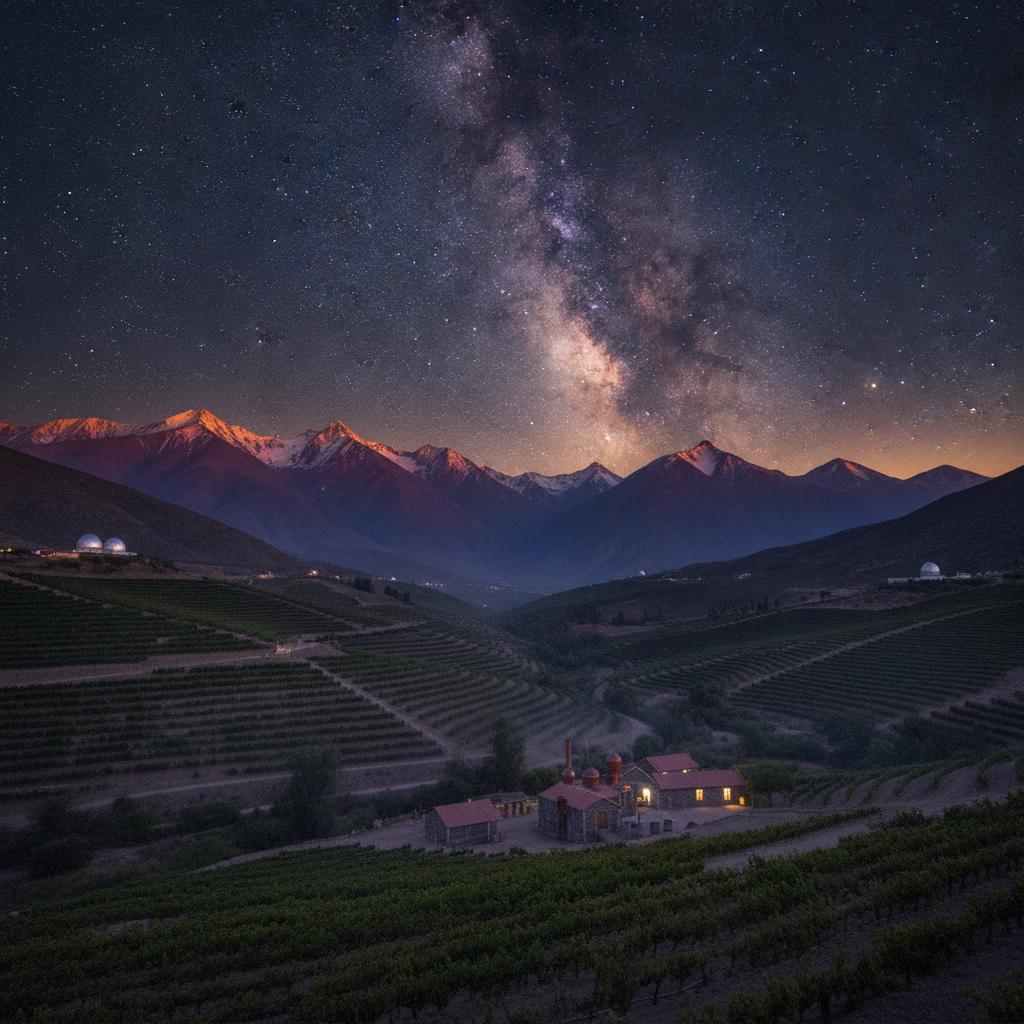
Elqui Valley: Vicuña Town, Pisco Distilleries, the Mamalluca Observatory, and the World's Clearest Night Skies
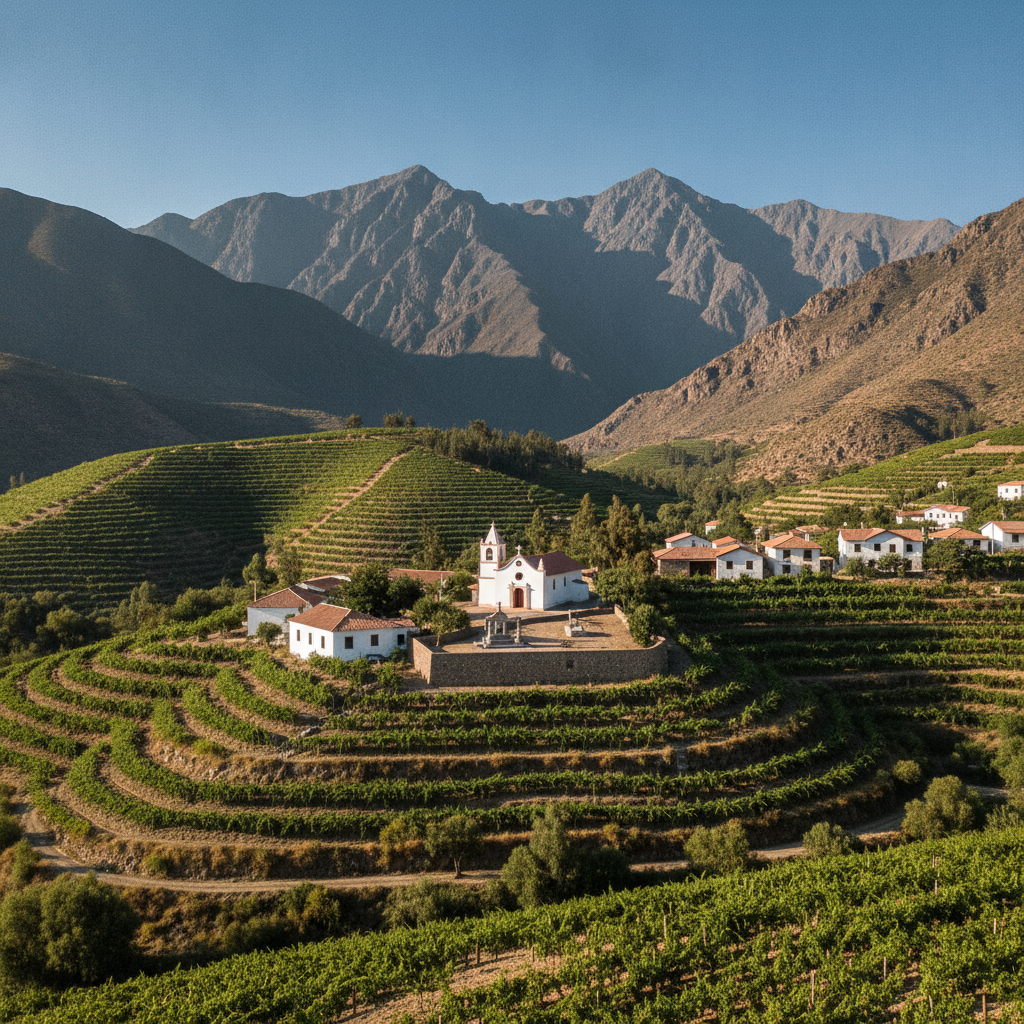
Upper Elqui Valley Culture: Monte Grande Village, Gabriela Mistral's Tomb, Pisco Artisan Culture, and the Cochiguaz Spiritual Community