Labuan Bajo Dive School & Komodo Dive Walk
Explore Labuan Bajo's dive culture — the town is one of Southeast Asia's most important dive tourism hubs, with access to Komodo National Park's extraordinary marine environment including manta ray encounters, shark dives, and the current-swept passages that make this one of the world's most challenging and rewarding dive destinations.
- 1
Labuan Bajo Dive Centre Row
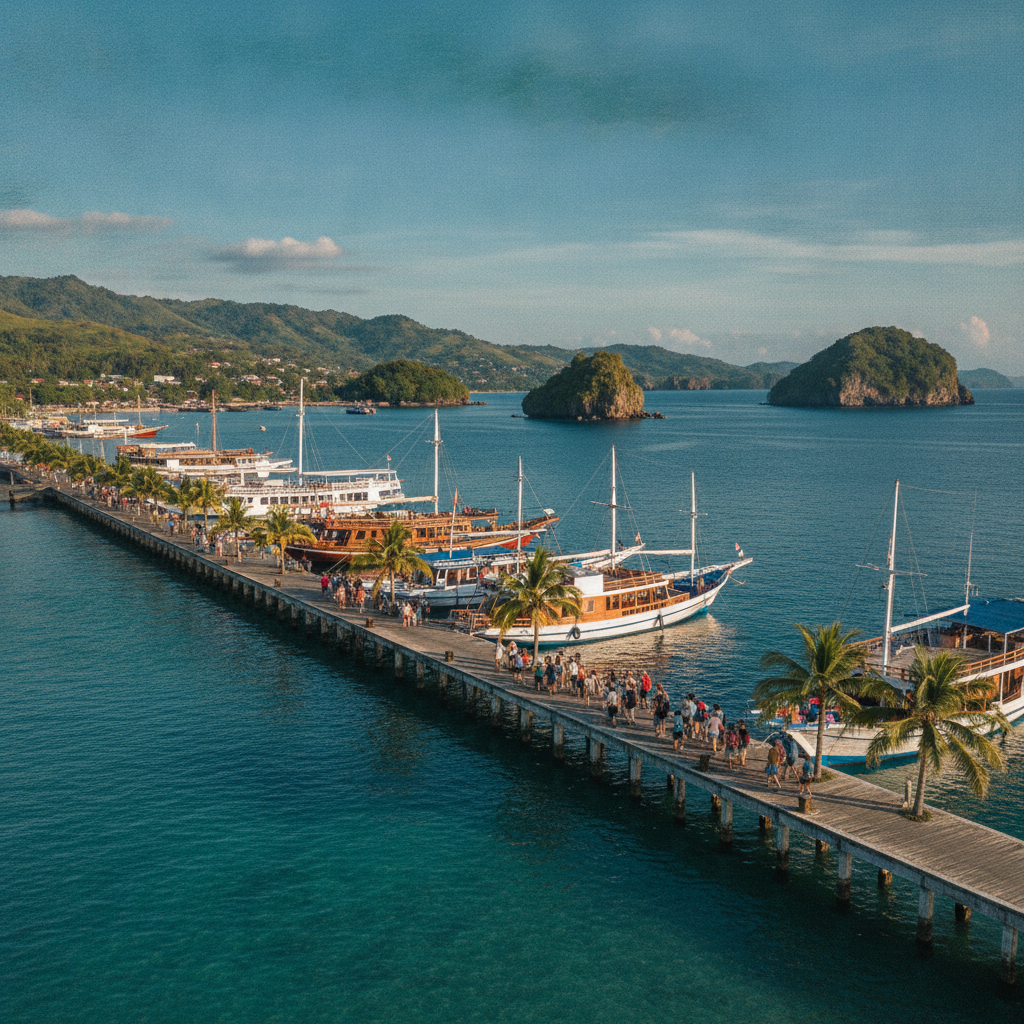
The dive centre row along Labuan Bajo's harbour road has over 30 operators offering Komodo National Park dives — the competitive market of PADI and SSI certified schools with their mix of budget and premium offerings reflects the town's transition from specialist dive destination to mass tourism gateway, and the range from $35 fun dives to $200 liveaboard packages mirrors the social range of visitors that Labuan Bajo now attracts.
- 2
Manta Point Komodo
Manta Point in Komodo National Park is the most reliable manta ray encounter in the Flores area — the cleaning station where oceanic manta rays hover over the coral bommie to be serviced by cleaner wrasse has been documented since the early days of Komodo diving, and the predictable presence of multiple mantas in this location makes it the signature dive experience of a Labuan Bajo trip, accessible in under two hours by speedboat from the harbour.
- 3
Castle Rock Dive
Castle Rock is one of Komodo National Park's most challenging and rewarding dive sites — the submerged seamount swept by strong currents that concentrate enormous schools of fish including surgeonfish, fusiliers, and the predators that chase them, with grey reef sharks, white-tip reef sharks, and hammerhead sharks regularly visible during the right conditions, creates a dive experience that live-aboard operators use as a climax dive for the most experienced guests.
- 4
Tatawa Besar Coral Garden
Tatawa Besar offers a more accessible alternative to Komodo's famous current-swept sites — the coral garden on the sheltered side of the island has exceptional hard coral coverage and a fish diversity that reflects the park's overall health, providing the intermediate diver with an experience that demonstrates why Komodo has the marine biodiversity reputation it holds even without the extreme conditions of the flagship sites.
- 5
Cannibal Rock Dive
Cannibal Rock near Rinca Island is consistently rated among the world's best muck diving sites — the rocky pinnacle covered in extraordinary soft coral growth hosts an incredible diversity of small marine life including pygmy seahorses, leaf scorpionfish, ornate ghost pipefish, and blue-ringed octopus that make it a paradise for photographers and macro enthusiasts who spend entire dives covering a few square metres of intensely colonised rock.
- 6
Night Dive Labuan Bajo Bay
Night diving in Labuan Bajo Bay itself reveals the marine life of the harbour environment under torch light — the Spanish dancer nudibranch, mantis shrimps, octopus hunting crabs along the sandy bottom, and the bioluminescent plankton that lights up when disturbed create a completely different experience from the daytime Komodo dives, accessible directly from the harbour without a boat journey, making it a popular additional dive for multi-day visitors.
Walk this route with audio
Stories play automatically as you reach each stop — no tapping needed.