Lagos Region and Nigeria Legacy: Benin Kingdom, Osun-Osogbo, Nigerian Literature, and Music History
Lagos and Nigeria wider context: the ancient Benin Kingdom and its looted bronzes, the Osun-Osogbo UNESCO Sacred Grove, the Niger Delta oil crisis and Ken Saro-Wiwa, Nigerian literary giants (Achebe, Soyinka, Adichie), Nigerian music history from Juju to Afrobeats, and the complete Nigeria legacy.
- 1
The Benin Kingdom - The Great African Civilization Near Lagos
The Kingdom of Benin (the Benin Kingdom, not to be confused with the modern country of Benin (Benin Republic)): one of the most sophisticated precolonial kingdoms in Africa, located approximately 330 km east of Lagos in the Edo State of modern Nigeria. The history (the Benin Kingdom emerged in approximately the 11th-13th century CE from earlier Edo peoples: the Kingdom reached its peak of power and artistic achievement in the 14th-17th centuries: the Oba (the divine king of Benin): the Oba of Benin remains one of the most significant traditional rulers in Nigeria today). The Benin Bronzes (the brass plaques and sculptures for which the Benin Kingdom is most famous internationally): the technique (the lost-wax casting (cire perdue) technique used to cast the extraordinary brass sculptures of the Benin court: the technique was highly sophisticated and required specialist knowledge): the subjects (the plaques depict the life of the Benin royal court, the Oba, warriors, Portuguese traders (the Portuguese visited Benin from 1485 onward), and scenes from Benin history): the destruction (the British Punitive Expedition of 1897 destroyed the Royal Palace of Benin and looted approximately 3,000-5,000 brass objects, which were then sold to European museums). The Benin City visit (Benin City is approximately 330 km from Lagos (4-5 hour drive): the Benin City National Museum (the museum of Benin Kingdom history and culture): the Oba Palace (the rebuilt royal palace of the Oba of Benin): a significant day trip or overnight from Lagos for the serious Nigeria cultural traveler).
- 2
Osun-Osogbo Sacred Grove - UNESCO World Heritage Yoruba Sacred Forest
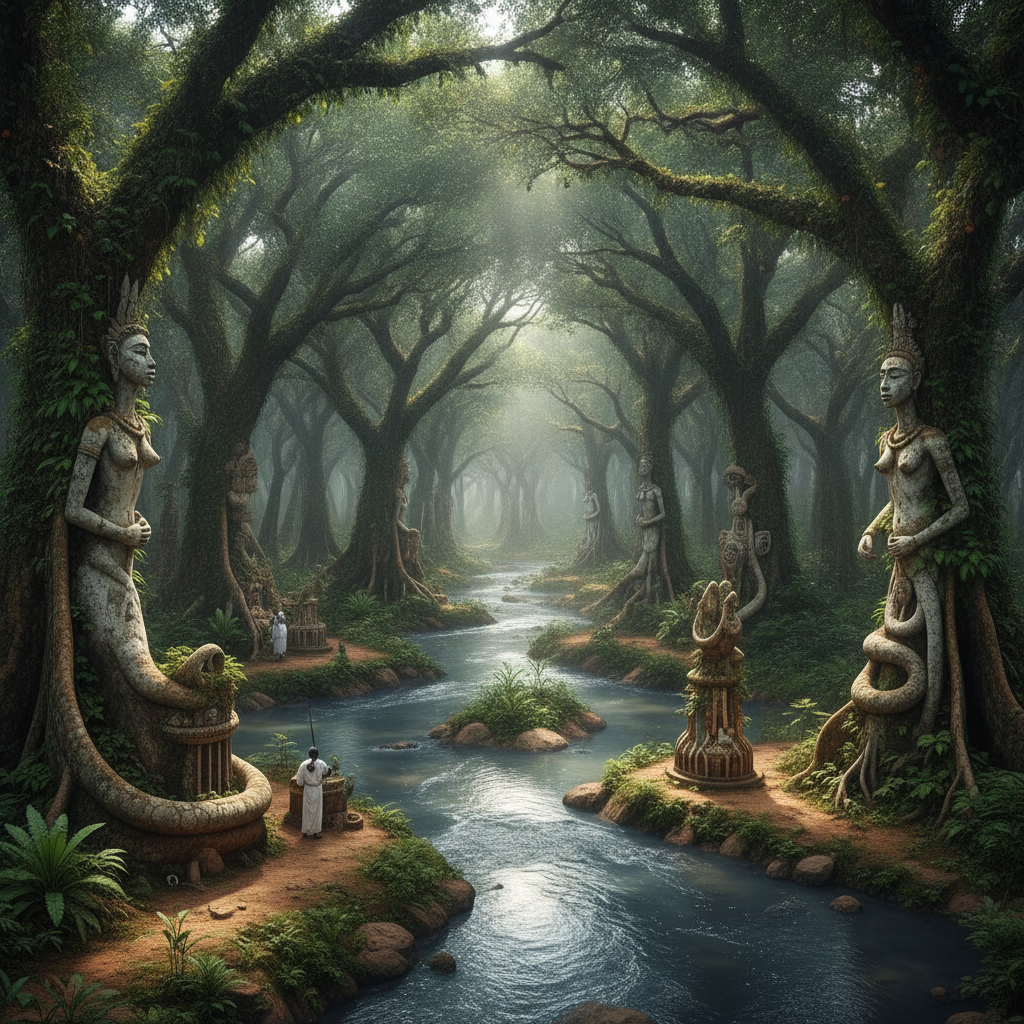
The Osun-Osogbo Sacred Grove: a UNESCO World Heritage Site approximately 200 km north of Lagos, one of the most significant sacred sites of Yoruba traditional religion. The grove (the Osun-Osogbo Sacred Grove: the forested area on the banks of the Osun River at the outskirts of the town of Osogbo in Osun State: the grove is a sacred forest dedicated to the Yoruba river goddess Oshun (the Orisha of the Osun River): the grove contains over 40 shrines, sculptures, and artworks dedicated to Oshun and other Orishas, created over several centuries and most recently restored and expanded by the Austrian artist Susanne Wenger (Adunni Olorisha, 1915-2009, who lived in Osogbo for decades and devoted her life to the restoration and creation of the sacred grove artworks). The UNESCO inscription (the Osun-Osogbo Sacred Grove was inscribed as a UNESCO World Heritage Site in 2005: the inscription recognized the grove as a unique example of Yoruba sacred art and as a significant cultural landscape that has maintained its sacred functions for several hundred years). The Osun-Osogbo festival (the Osun-Osogbo festival: held annually in August: the most important Yoruba festival dedicated to Oshun: the festival draws approximately 100,000-500,000 participants including Yoruba traditional practitioners, Candomble practitioners from Brazil, Santeria practitioners from Cuba, and Orisha practitioners from across the African diaspora).
- 3
The Niger Delta - Oil, the Ijaw People, and Environmental Crisis
The Niger Delta: the oil-producing region approximately 350-500 km east of Lagos, one of the most ecologically sensitive and politically significant regions in Nigeria. The geography (the Niger Delta: the delta of the Niger River (the third-largest river in Africa): the delta covers approximately 70,000 square kilometers of mangrove forest, creeks, and wetlands: the most extensive mangrove ecosystem in Africa and one of the most important in the world). The oil (the Niger Delta is the source of all Nigerian oil production: the Ijaw people and other Niger Delta communities have been living with oil pollution since the first oil discovery in 1956 (Shell discovered oil at Oloibiri in 1956): the decades of oil spills (the oil spills in the Niger Delta have been catastrophic: Amnesty International has estimated that the volume of oil spilled in Ogoniland alone over the past 50 years exceeds the volume of the Exxon Valdez spill many times over: the groundwater, rivers, and farmland of the delta are contaminated). The Ogoni struggle (Ken Saro-Wiwa (1941-1995): the Ogoni activist and writer who led the Movement for the Survival of the Ogoni People (MOSOP) against Shell oil pollution: Saro-Wiwa was executed by the Nigerian military government of Sani Abacha in 1995 (he and eight other Ogoni activists were hanged): his execution caused international outrage and led to Nigeria being suspended from the Commonwealth of Nations).
- 4
Nigerian Literature - Chinua Achebe, Wole Soyinka, and the Literary Giants of Nigeria
Nigerian literature: the most significant body of African literature in the English language, with two Nobel Prize laureates and the most important African novel of the 20th century. Chinua Achebe (1930-2013): the Igbo novelist from Ogidi in Anambra State: Things Fall Apart (1958): the most celebrated African novel in history: the story of the Igbo village of Umuofia and its confrontation with British colonialism: the novel has sold more than 20 million copies and has been translated into more than 57 languages: the title comes from the W.B. Yeats poem The Second Coming. Wole Soyinka (born 1934 in Abeokuta, near Lagos): the Yoruba playwright, poet, and novelist who became the first African to win the Nobel Prize in Literature (1986): his works (Death and the King Horseman (1975), The Interpreters (1965)): political engagement (Soyinka has been imprisoned by multiple Nigerian governments for his political activism). The Ake Festival (the Abeokuta literary festival (near Lagos) named after Soyinka memoir (Ake: The Years of Childhood): one of the most significant literary festivals in Africa. Contemporary writers: Chimamanda Ngozi Adichie (born 1977 in Enugu): the Igbo novelist whose novels (Purple Hibiscus (2003), Half of a Yellow Sun (2006)) and TED talks (We Should All Be Feminists) have made her one of the most significant African writers of the 21st century: Teju Cole: Ben Okri (winner of the Booker Prize 1991).
- 5
Nigeria Music Deeper - From Fela to Afrobeats, Fuji, and Juju
Nigerian music history: from the 19th-century Yoruba Juju music tradition to the Afrobeats global movement. Juju music (the original Lagos popular music tradition: Juju developed from Yoruba vocal music in the early 20th century in Lagos (King Sunny Ade is the primary contemporary Juju star): the music uses the talking drum and elaborate guitar arrangements: Juju was the dominant popular music of Yoruba Lagos before Afrobeats). Fuji music (the Yoruba Muslim music tradition: developed by Sikiru Ayinde Barrister (1948-2011) from the Ajisari music sung to wake Muslims for the pre-dawn Ramadan meal: Fuji is characterized by dense percussion (the dundun talking drum), vocal acrobatics, and call-and-response: Wasiu Ayinde Marshal (K1 de Ultimate) is the most prominent contemporary Fuji artist). Highlife (the Ghanaian-Nigerian popular music tradition that dominated West African popular music from the 1950s-1970s: the Nigerian Highlife tradition (Victor Olaiya, Rex Lawson)). Afrobeat (Fela Kuti 1970s-1990s: see Route 2 for full description). Afrobeats (the contemporary movement: Wizkid, Burna Boy, Davido, Tiwa Savage: the global success of Afrobeats in the 2010s-2020s: the Grammy Awards (Burna Boy won the Grammy Award for Best World Music Album in 2021 for Twice as Tall): the streaming numbers (Afrobeats artists are among the most-streamed on Spotify globally)). Amapiano (the South African genre that has merged with Afrobeats in the 2020s creating a new hybrid sound popular across the continent).
- 6
Lagos Ultimate Reference - Nigeria Summary and Six Routes Final Legacy
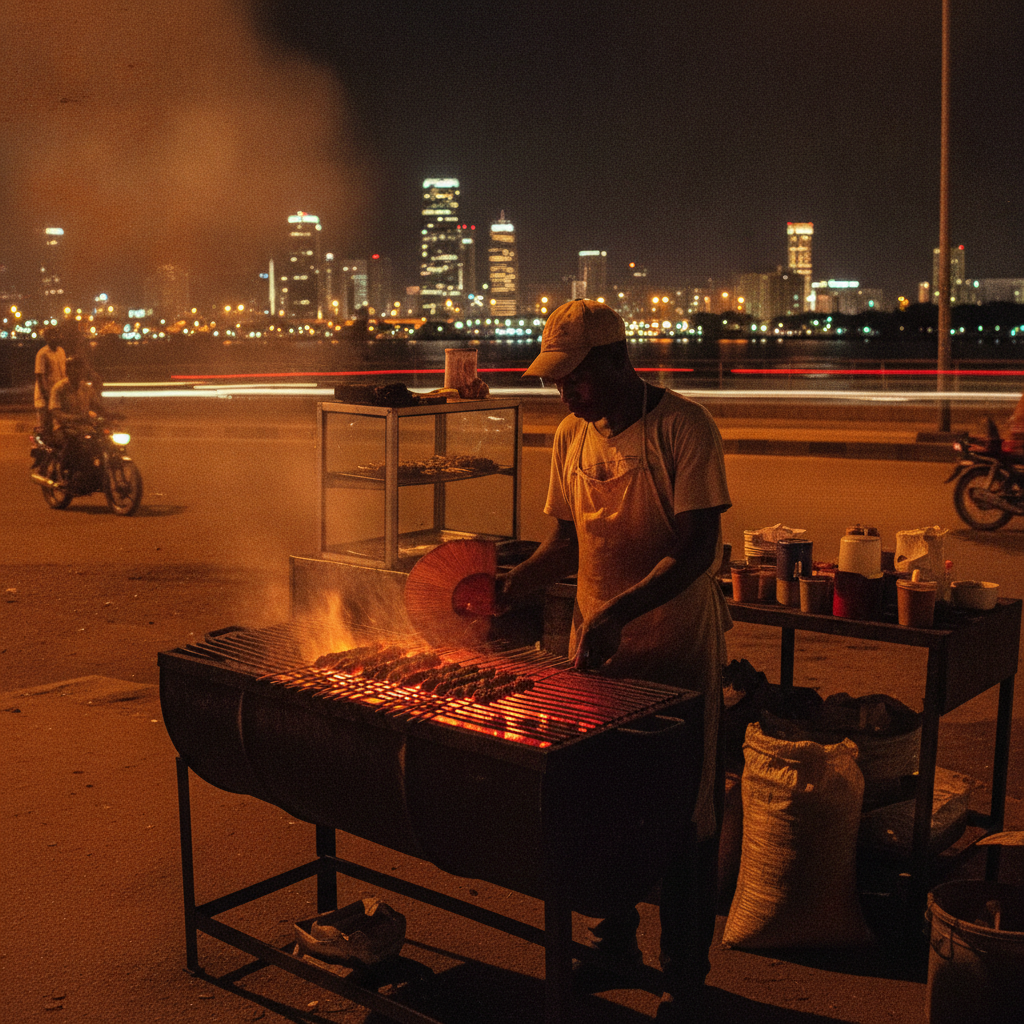
Lagos six routes ultimate reference. Route 1: megacity geography (islands and lagoon system), Eko Atlantic City reclamation, National Museum and Benin Bronzes repatriation, Balogun Market and Lagos Island, Afrobeats origins and the Lagos sound, practical guide. Route 2: Fela Kuti and the Afrika Shrine, Nollywood (world third-largest film industry), Nigerian food culture, Lagos nightlife, Elegushi and Tarkwa Bay beaches, Nigeria in context. Route 3: colonial history (Yoruba settlement, British annexation 1861, Brazilian returnees), Yoruba traditional religion and Ifa UNESCO heritage, Nigerian independence 1960, Biafra civil war, Lagos economy (oil, fintech, Silicon Lagoon, art market). Route 4: Lagos fashion culture, Computer Village electronics market, Lagos street food night scene, Lekki Conservation Centre, Lagos vs Accra comparison. Route 5: the Benin Kingdom and the Bronze repatriation context, Osun-Osogbo UNESCO Sacred Grove, the Niger Delta oil crisis and Ken Saro-Wiwa, Nigerian literature (Achebe, Soyinka, Adichie). Route 6 (this route): Nigerian music history (Juju, Fuji, Fela, Afrobeats), ultimate reference. Nigeria final: the most populous country in Africa, the largest economy in Africa, home to the most globally successful African music (Afrobeats) and film (Nollywood) industries, and one of the most creatively energetic societies on earth. Visit Lagos for the intensity, the food, the music, and the extraordinary human energy that makes it unlike any other city in Africa.
Walk this route with audio
Stories play automatically as you reach each stop — no tapping needed.
More in lagos
Lagos History and Culture: Yoruba Heritage, Nigerian Independence, the Lagos Economy, and Art Lagos
Lagos: Africa Commercial Capital, Eko Atlantic, the Bronzes, Afrobeats, and the Nigeria Guide
Lagos Complete Reference: Victoria Island, Traffic, Religion, Food Markets, Photography, and Final Legacy
Lagos Culture: Fela Kuti, Nollywood, Nigerian Cuisine, Nightlife, Beaches, and Nigeria in Context