Lagos History and Culture: Yoruba Heritage, Nigerian Independence, the Lagos Economy, and Art Lagos
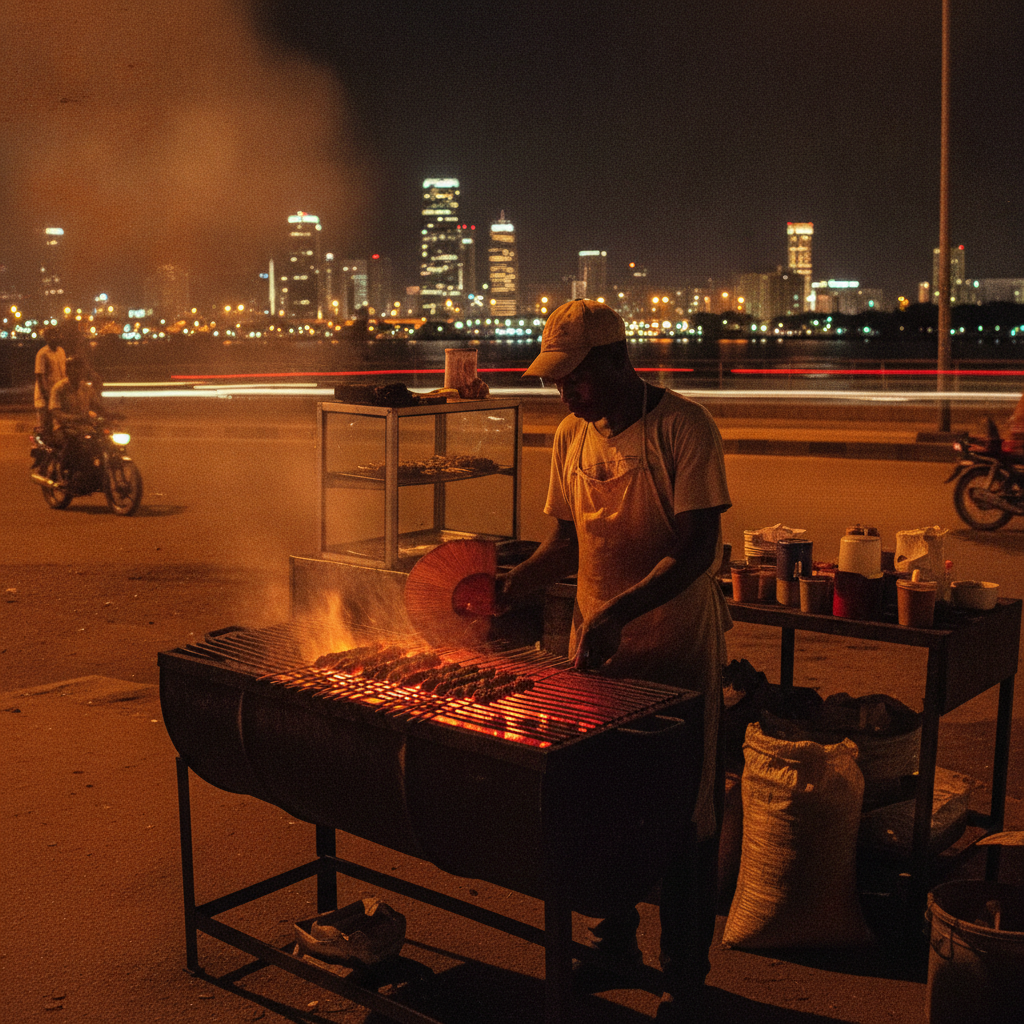
Lagos history and culture: from the Yoruba fishing settlement through the colonial period, Yoruba traditional religion and festivals, Nigerian independence (1960) and the civil war, the Lagos economy (oil, fintech, the largest African market), and the Nigerian contemporary art scene.
- 1
Lagos Colonial History - From Yoruba Fishing Village to British Colony
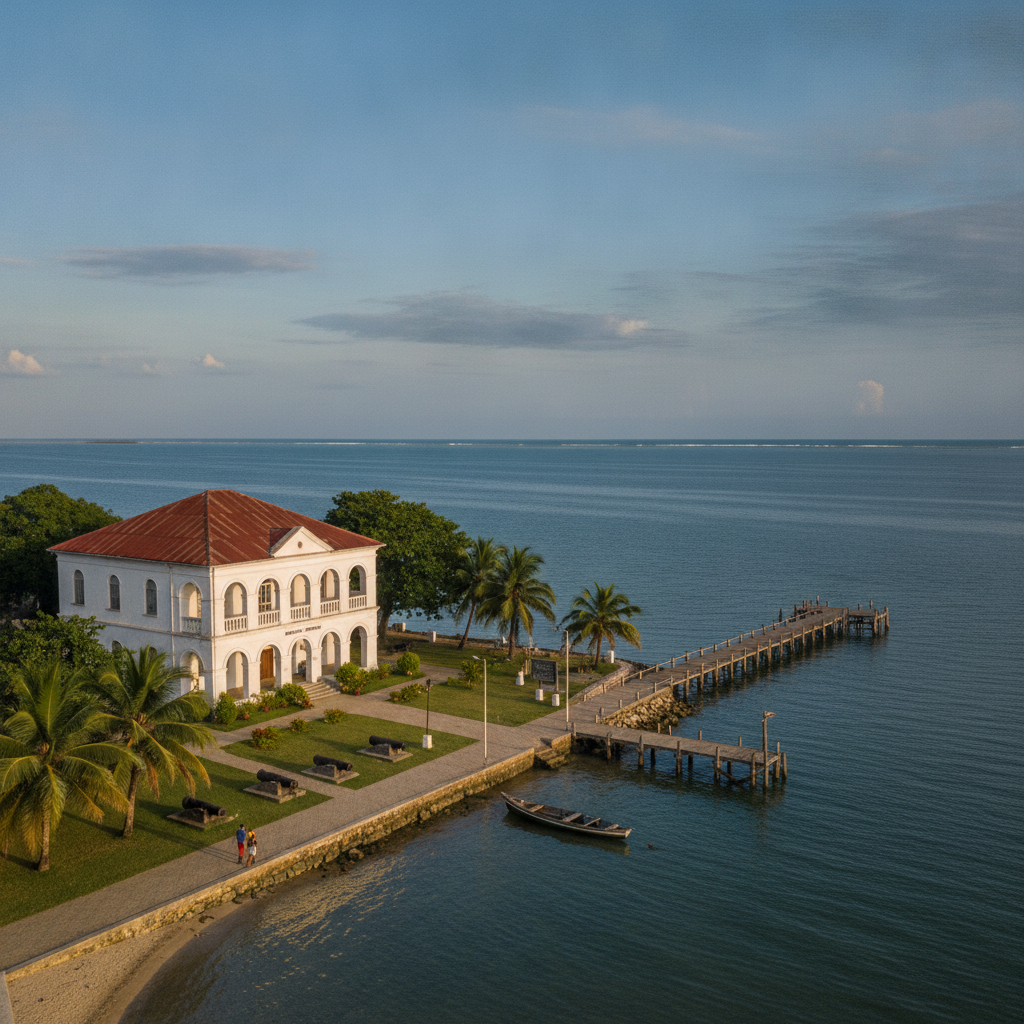
Lagos history: from the Yoruba fishing settlement of Eko through the 19th-century slave trade port to the British colonial capital and the independent Nigerian commercial capital. The Yoruba settlement (Lagos (Eko in Yoruba): the original settlement was a small Yoruba fishing community on the Lagos Island: the community was expanded in the 17th century by migrants from Benin City who established a ruling dynasty (the Oba of Lagos (the traditional ruler of Lagos): the Oba Eko palace (the palace of the traditional Lagos king, now a cultural museum in the center of Lagos Island)). The slave trade period (Lagos became one of the most important slave trading ports on the West African coast in the 18th and early 19th centuries: the slave trade was operated both by European slave traders and by the Lagos ruling class who profited from selling enslaved people from the interior): the abolition and the British (the British Royal Navy bombarded Lagos in 1851 to depose the pro-slavery Oba Kosoko and install the anti-slavery Oba Akitoye: Lagos was formally annexed as a British Crown Colony in 1861 (the first British colonial territory in what is now Nigeria): the colonial period (Lagos became the capital of the British Lagos Colony and later the capital of the British Protectorate of Southern Nigeria and eventually the capital of the British Nigeria Colony)). The Brazilians (the Lagos returnee community: the formerly enslaved Afro-Brazilians who returned to Lagos from Brazil in the 19th century (the Aguda or Saro returnees): the returnees brought Brazilian architecture, culture, and cuisine to Lagos: the Brazilian Quarter of Lagos Island (the area of Lagos Island with distinctively Brazilian-influenced colonial architecture)).
- 2
Yoruba Culture in Lagos - Traditional Religion, Festivals, and the Yoruba Identity
The Yoruba people: the ethnic group of Lagos and the dominant culture of southwestern Nigeria, one of the largest ethnic groups in Africa with approximately 40-50 million Yoruba speakers in Nigeria. Yoruba identity (the Yoruba are one of the most urbanized ethnic groups in Africa (the Yoruba city-state tradition: the Yoruba have historically been a city-dwelling people (the great Yoruba city-states of Ile-Ife (the spiritual homeland of the Yoruba people), Oyo (the center of the great Oyo Empire), Ibadan (the largest city in West Africa for much of the 19th century), Abeokuta, Ijebu-Ode, and Benin City (though Benin is Edo, not Yoruba, the relationship is complex))). Traditional Yoruba religion (the Yoruba traditional religion (Ifa): one of the most complex and sophisticated traditional religious systems in Africa: the Yoruba pantheon (the Orishas (the divine spirits of the Yoruba religion: the most significant Orishas include Ogun (the Orisha of iron and war), Shango (the Orisha of lightning and thunder), Yemoja (the Orisha of the ocean and motherhood), Oshun (the Orisha of the river and love), and Ifa/Orunmila (the Orisha of wisdom and divination))): the global spread of Yoruba religion (Yoruba religion was taken to the Americas by enslaved Yoruba people and transformed into Candomble in Brazil, Santeria in Cuba, and Trinidad Orisha): UNESCO has recognized Ifa divination as an Intangible Cultural Heritage of Humanity). Gelede festival (the Gelede masquerade festival of the Yoruba-Nago people: a celebration honoring the spiritual power of women, particularly elderly women and female ancestors: recognized by UNESCO as an Intangible Cultural Heritage).
- 3
Nigerian Independence and Lagos as the Capital - From 1960 to Abuja
Nigerian independence (1 October 1960): the independence of Nigeria from British rule and the establishment of the most populous country in Africa. The independence (Nigeria achieved independence on 1 October 1960: the independence was granted in the context of the broader decolonization of Africa (the year of Africa 1960 when 17 African nations became independent): the first Prime Minister (Sir Abubakar Tafawa Balewa: from northern Nigeria: the first PM was assassinated in the coup of January 1966)). The civil war (the Nigeria-Biafra Civil War (1967-1970): the most devastating conflict in post-independence Nigerian history: the conflict began when the southeastern region (primarily Igbo ethnic group) declared independence as the Republic of Biafra in May 1967: the Nigerian federal government fought to prevent secession: the war lasted 30 months: the Biafran famine (the blockade of Biafra led to a severe famine that killed an estimated 1-3 million civilians): the war ended in January 1970 with Biafran surrender and the Nigerian federal policy of No Victor, No Vanquished). The capital transfer (Lagos served as the capital of Nigeria from independence (1960) until December 1991 when the capital was officially transferred to the newly built federal capital territory of Abuja (approximately 500 km north of Lagos): the reason for the transfer (the desire to move the capital to a more central location accessible to all regions and less dominated by any single ethnic group (Lagos is the Yoruba heartland))).
- 4
The Lagos Economy - Oil, Fintech, and the Largest African Economy
The Lagos economy and the Nigerian economy context. Nigeria is the largest economy in Africa by nominal GDP (approximately USD 477 billion in 2024) and the most significant continental market. The Lagos economy (Lagos State GDP is approximately USD 157 billion (2024, approximately one third of total Nigerian GDP): if Lagos were a country it would be one of the top 5 economies in sub-Saharan Africa): the sectors (financial services (Lagos is the financial capital of Nigeria and the primary financial hub of West Africa: the Lagos Stock Exchange (now the Nigerian Exchange Group): the banking sector (Zenith Bank, Access Bank, GTBank, First Bank of Nigeria are all Lagos-headquartered major Nigerian banks)): the tech sector (Lagos is the most significant tech ecosystem in Africa: the Yaba area (Silicon Lagoon or Yaba Valley): the major Nigerian startups (Flutterwave (the Nigerian fintech unicorn): Paystack (acquired by Stripe in 2020 for approximately USD 200 million): PiggyVest: Cowrywise): the Nigerian tech sector has attracted more venture capital investment than any other African tech ecosystem). The manufacturing sector (Apapa: the primary industrial and port area of Lagos: the Lagos port complex (Apapa and Tin Can Island port): the largest port complex in West Africa: approximately 70-80% of all Nigerian imports enter through the Lagos port). The real estate sector (Lagos real estate: the most expensive real estate market in West Africa: the Victoria Island and Ikoyi real estate prices approach those of European capitals in USD terms).
- 5
Art Lagos and the Nigerian Contemporary Art Market
Art Lagos and the Nigerian contemporary art scene: the most significant contemporary art market in sub-Saharan Africa. Art Lagos (the Art Lagos fair: the primary contemporary art fair in West Africa: held annually in Lagos (Victoria Island): the fair showcases Nigerian and African contemporary art and has attracted significant international gallery participation). The Lagos art scene (the Nigerian contemporary art movement: the Yaba art community (the area around Yaba College of Technology (YABATECH): a center of the Lagos art scene): the major Lagos galleries (the Rele Gallery: the Wheatbaker Hotel gallery: the SBI Art and Craft): the auction market (the major international auction houses (Bonhams, Sotheby's, and Christie's) have all conducted African art auctions featuring significant Nigerian contemporary art)). The Nigerian contemporary artists (Njideka Akunyili Crosby: the Nigerian-American artist known for photographic transfer works exploring Nigerian-American identity: her works have sold for millions at auction: El Anatsui: the Ghanaian-born artist who has spent much of his career in Nigeria and is considered one of Africa greatest living artists: his monumental tapestries made from found aluminum and copper wire sell for millions). The Afrofuturism movement (the African science fiction and speculative fiction movement: the Lagos Afrofuturism scene (the Nigerian literary movement (Nnedi Ofofor is one of the most significant Afrofuturist writers)).
- 6
Lagos Day Trips - Badagry, Epe, and the Wider Lagos State
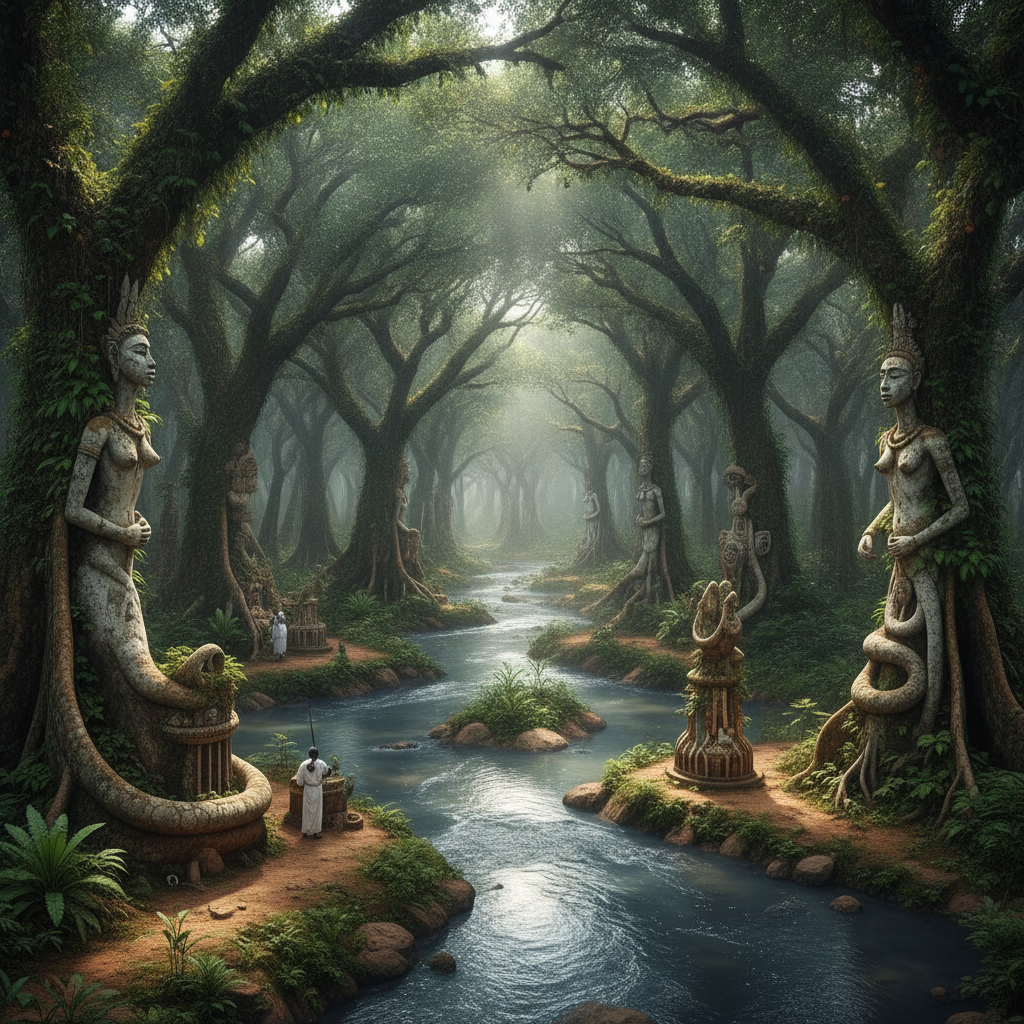
Lagos day trips and the wider Lagos State. Badagry (Badagry: the historic slave trade port town approximately 60 km west of Lagos along the coast road: one of the most significant slave trade historical sites in Nigeria: the Badagry Heritage Museum (the primary museum of the slave trade history in Badagry): the Point of No Return (the jetty where enslaved people were loaded onto ships for the Middle Passage): the Chacha home of Chief Sereki Williams: a significant diaspora pilgrimage site similar to Cape Coast in Ghana). Epe (the town approximately 90 km northeast of Lagos on the Lagos Lagoon: the historic fishing town and the center of Muslim Yoruba culture in Lagos State: the Epe market: a gentler alternative to the intensity of Lagos city). The Lagos-Ibadan expressway (the road approximately 160 km north to Ibadan (the second largest city in Nigeria by population (approximately 3-4 million): the historically significant Yoruba city: the University of Ibadan (the oldest university in Nigeria (founded 1948)). The Osun-Osogbo Sacred Grove (UNESCO World Heritage Site): approximately 200 km northeast of Lagos: the sacred forest of the Osun Osogbo: the sanctuary of the Yoruba river goddess Oshun: one of the most significant sacred sites of Yoruba traditional religion and the setting of the Osun-Osogbo festival (held annually in August).
Walk this route with audio
Stories play automatically as you reach each stop — no tapping needed.
More in lagos
Lagos: Africa Commercial Capital, Eko Atlantic, the Bronzes, Afrobeats, and the Nigeria Guide
Lagos Region and Nigeria Legacy: Benin Kingdom, Osun-Osogbo, Nigerian Literature, and Music History
Lagos Complete Reference: Victoria Island, Traffic, Religion, Food Markets, Photography, and Final Legacy
Lagos Culture: Fela Kuti, Nollywood, Nigerian Cuisine, Nightlife, Beaches, and Nigeria in Context