Lagos: Africa Commercial Capital, Eko Atlantic, the Bronzes, Afrobeats, and the Nigeria Guide
Lagos city guide: the megacity geography and energy, Eko Atlantic City (the new city reclaimed from the Atlantic), the National Museum and the Benin Bronzes repatriation, Balogun Market and Lagos Island, Afrobeats and the Lagos music scene, and the complete Nigeria visitor practical reference.
- 1
Lagos - The Megacity That Never Sleeps, Africa Commercial Capital
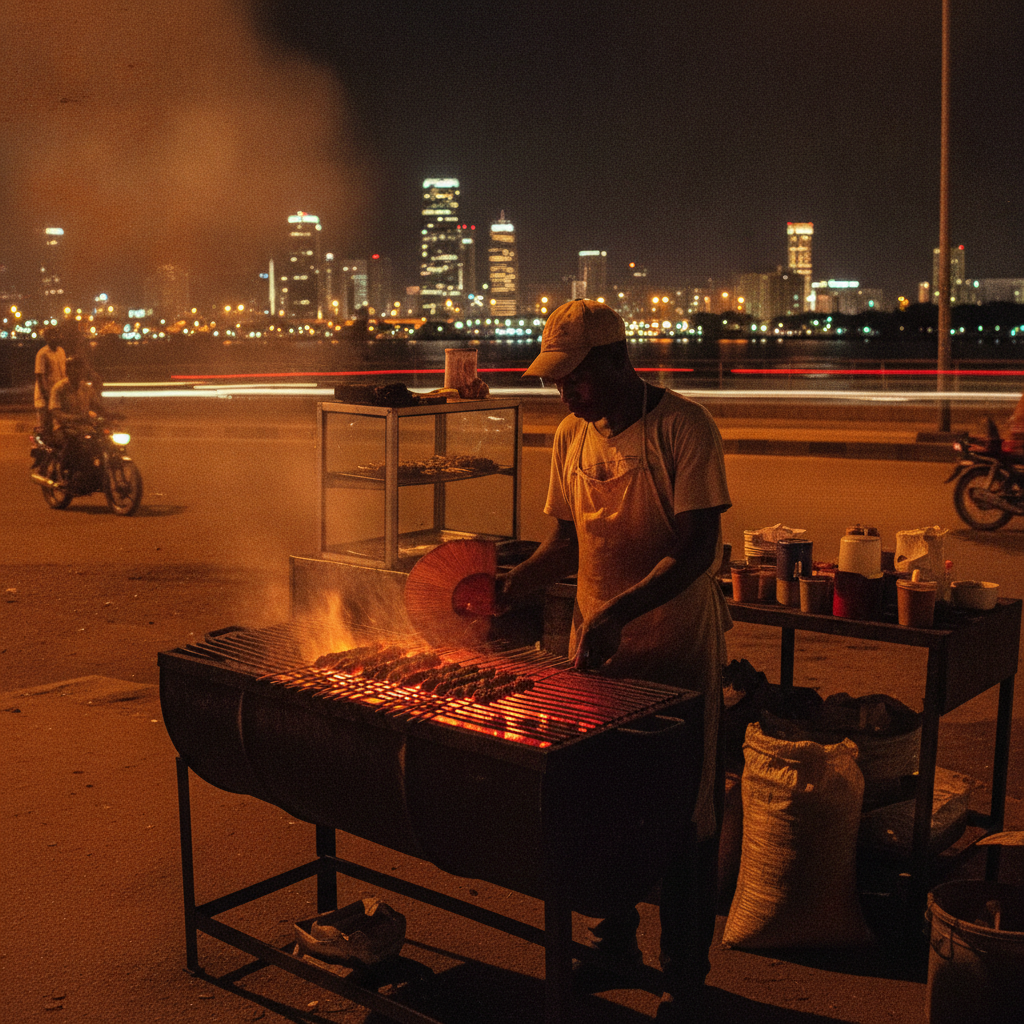
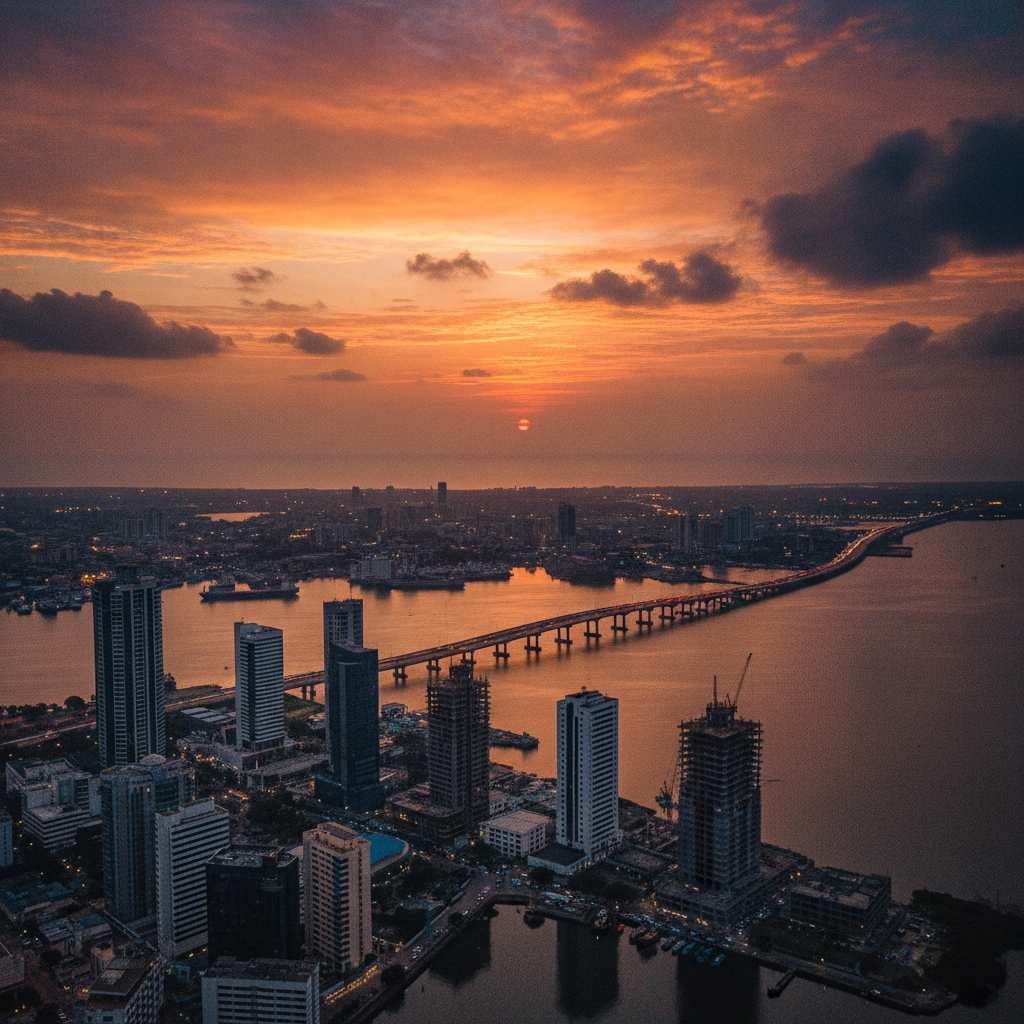
Lagos: a megacity of approximately 15-20 million people (estimates vary widely), the largest city in Nigeria and in Africa, the commercial engine of the continent largest economy. The geography: Lagos is built on a series of islands and a mainland connected by bridges: Lagos Island (the historic commercial center and the original colonial city), Victoria Island (the modern business and upscale residential district), Lekki (the rapidly developing eastern peninsula), Ikoyi (the most affluent residential district), and the vast mainland districts of Surulere, Yaba, Ikeja, and Agege. The Lagos state (Lagos State: one of 36 Nigerian states, the smallest state by area but the most populous and economically the most significant: GDP of Lagos State alone is approximately 33% of total Nigerian GDP: the Lagos GDP would rank Lagos as one of the top 5 economies in sub-Saharan Africa if it were an independent country). The energy: Lagos is famous for its extraordinary energy, its hustle culture (the Lagos hustle: the Lagosian culture of relentless commercial activity and entrepreneurialism), its gridlock traffic (the Lagos go-slow: the Lagos traffic jams are legendary, often lasting 2-4 hours for short distances), its music (Afrobeats: the global music movement that originated in Lagos), and its nightlife (Lagos has one of the most vibrant nightlife scenes in Africa).
- 2
Eko Atlantic City - The Land Reclaimed from the Atlantic
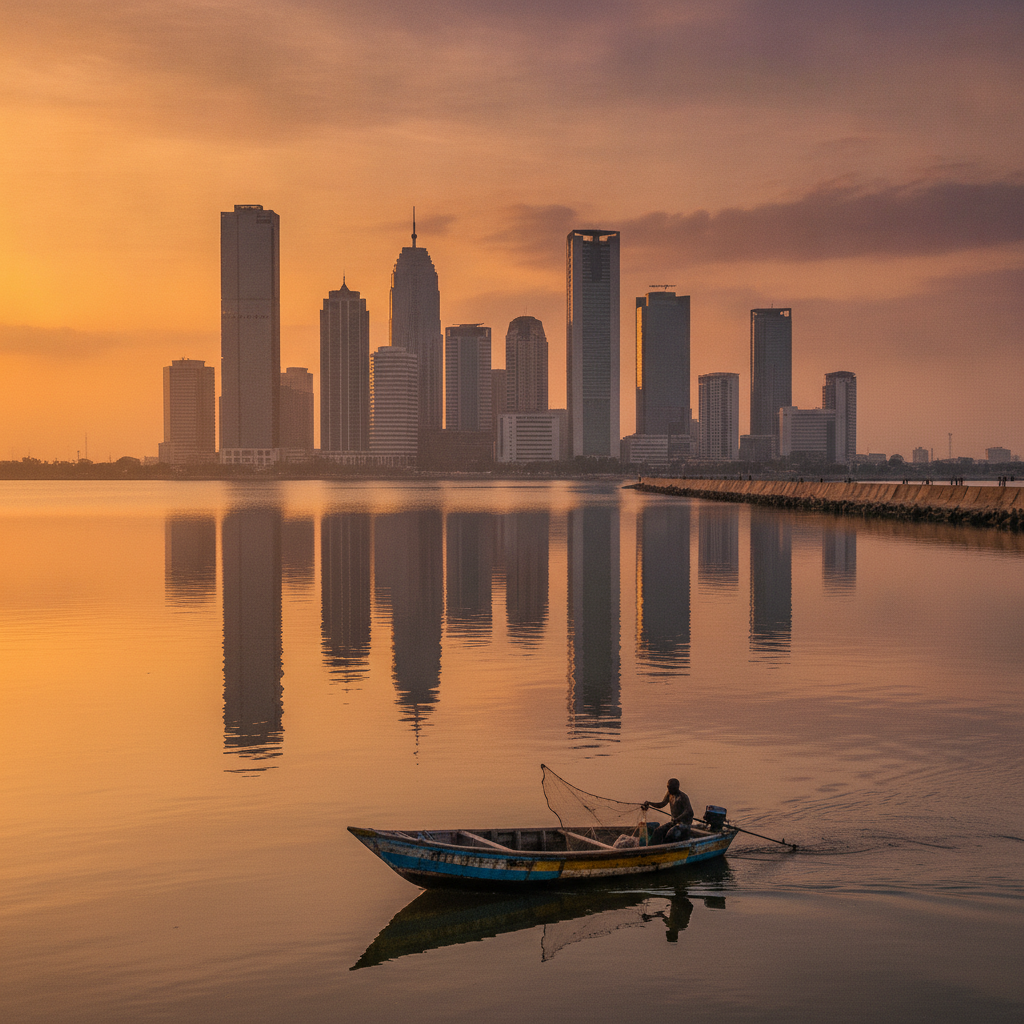
Eko Atlantic City: the most ambitious urban development project in Africa, a new city being built on land reclaimed from the Atlantic Ocean adjacent to Victoria Island. The project: Eko Atlantic is a privately developed city planned to cover approximately 10 square kilometers of reclaimed land: the project was initiated after the 2005 Bar Beach erosion that destroyed significant portions of Victoria Island coastline: the great wall of Lagos (the 8.5-km sea wall protecting the reclaimed land: the seawall is the largest engineering structure in West Africa and required approximately 100,000 concrete blocks): the development (Eko Atlantic is planned to house approximately 250,000 permanent residents and 150,000 daily commuters: the city plan includes residential towers, commercial towers, hotels, shopping malls, and a marina): the progress (as of 2024, Eko Atlantic is partially developed with several high-rise buildings completed and occupied: the project has been slowed by the broader Nigerian economic challenges). The significance: Eko Atlantic represents the ambition and confidence of Nigerian private enterprise at its most spectacular: a city being built from nothing on the ocean.
- 3
National Museum Lagos and the Bronzes Legacy - Nigerian Art History
The National Museum of Nigeria in Lagos: the primary museum of Nigerian history, culture, and art, and the home of some of Nigeria most significant cultural objects. The museum (the National Museum Lagos: located on Onikan in Lagos Island: founded in 1957 (the year of Ghana independence and two years before Nigerian independence in 1960): the collection includes traditional Nigerian art and artifacts from across the 250+ ethnic groups of Nigeria, colonial-era historical objects, and replicas of the famous Benin Bronzes). The Benin Bronzes (the most significant issue in contemporary Nigerian museum history): the Benin Bronzes are the approximately 3,000-5,000 brass plaques, sculptures, and ivory objects that were looted from the Royal Palace of Benin City by British forces during the Punitive Expedition of 1897 (the British military expedition that destroyed the Kingdom of Benin (now in Edo State in southern Nigeria): the objects were taken to Britain and distributed to British museums (primarily the British Museum in London, which holds approximately 900 Benin Bronzes, the largest collection outside Nigeria)): the repatriation (the Nigerian government has demanded the return of the Benin Bronzes for decades: in 2022-2023, a number of European museums (the Smithsonian, the Aberdeen Museum, the Horniman Museum) began returning objects: the German state museums returned approximately 1,100 objects to Nigeria in 2022: the British Museum has not yet returned its collection).
- 4
Balogun Market and Lagos Island - The Commercial Heartbeat of Nigeria
Lagos Island and the Balogun Market: the historic commercial center of Lagos, the original colonial city, and one of the most intensely commercial urban environments in Africa. Lagos Island (Lagos Island (Eko): the island on which the original Lagos settlement and the British colonial city were established: the island is connected to the mainland by the Carter Bridge (1901) and the Eko Bridge (1975): the area is characterized by dense mixed commercial and residential use, the historic central business district (the Marina district along the waterfront), and the great traditional markets). The Balogun Market (the Balogun Market on Lagos Island: the largest open-air market in Lagos and one of the largest in Nigeria: the market is organized by product (the fabric section, the electronics section, the food section, the household goods section): the Balogun Market is the wholesale trading center for fabrics and textiles imported from China and Turkey: the scale of the market activity is extraordinary even by West African standards). The Tinubu Square (the primary public square of Lagos Island: named after Madam Tinubu (the 19th-century Lagos chieftainess and businesswoman who was one of the most powerful figures in pre-colonial Lagos): the square is a significant historical and commercial space in the center of Lagos Island).
- 5
Afrobeats - The Music Movement That Made Lagos the Capital of African Sound
Afrobeats: the music movement that emerged from Lagos in the 2000s-2010s and became one of the most globally influential popular music genres of the 21st century. The origin (Afrobeats is not a single genre but a broad category of West African popular music: the primary characteristics (the polyrhythmic percussion (the Yoruba and Igbo drumming traditions as the rhythmic foundation), the West African guitar styles, the dancehall and reggae influences from Jamaica and the Caribbean, the hip-hop and R&B influences from the United States, and the Highlife heritage from Ghana and Nigeria)). The Lagos sound (Lagos as the center of Afrobeats: the Lagos music industry infrastructure (the recording studios of Lekki and Victoria Island), the music labels (Mavin Records, YBNL Nation, DMW), the music video industry, and the live music scene). The major artists (Fela Kuti (the founder of Afrobeat (note: Afrobeat, singular, is the genre created by Fela Kuti in the 1970s: it is distinct from Afrobeats, plural, the contemporary movement): Fela Kuti (1938-1997) created Afrobeat by fusing Yoruba music with jazz, funk, and anti-colonial political commentary: Fela was one of the most important African artists of the 20th century)). The contemporary stars (Burna Boy: the Grammy Award-winning artist who is the global face of Afrobeats: born Damini Ebunoluwa Ogulu in Port Harcourt 1991: Wizkid: Davido: Tiwa Savage: these artists have achieved global chart success and Grammy nominations/wins, making Lagos the undisputed music capital of Africa).
- 6
Lagos Practical Guide - Traffic, Safety, Districts, and the Nigeria Visitor Reference
The Lagos practical guide for visitors. The neighborhoods: Lagos Island (the historic center), Victoria Island and Ikoyi (the upscale business and residential areas: most international hotels and high-end restaurants are in VI or Ikoyi), Lekki (the rapidly developing eastern peninsula with newer hotels and restaurants), the mainland (Ikeja (near the airport), Surulere, and Yaba). The traffic (the Lagos go-slow (traffic jam): the Lagos traffic is among the worst in the world: allow 1-2 hours for journeys that should take 20 minutes: avoid driving during rush hours (7-9am and 4-7pm) if possible: alternatives to driving (the BRT Bus Rapid Transit, the Lagos water buses on the lagoon, and the ride-sharing apps Uber and Bolt)). The safety (Lagos is a high-energy city that requires awareness: the primary concerns are petty crime and opportunistic theft: the upscale districts of Victoria Island, Ikoyi, and Lekki are significantly safer than the mainland districts: the airport area (Ikeja) is a medium-risk area: follow the standard precautions (avoid displaying expensive equipment, use reputable taxis or ride-sharing apps, be aware of surroundings)). The Nigeria visa (most nationalities require a visa: the Nigeria e-Visa is available online: the immigration process at Lagos Murtala Muhammed International Airport can be slow (allow 1-2 hours): the currency (the Nigerian Naira (NGN): the Naira has experienced significant devaluation in recent years: USD is widely accepted in the upscale hotels and restaurants of Victoria Island).
Walk this route with audio
Stories play automatically as you reach each stop — no tapping needed.
More in lagos
Lagos History and Culture: Yoruba Heritage, Nigerian Independence, the Lagos Economy, and Art Lagos
Lagos Region and Nigeria Legacy: Benin Kingdom, Osun-Osogbo, Nigerian Literature, and Music History
Lagos Complete Reference: Victoria Island, Traffic, Religion, Food Markets, Photography, and Final Legacy
Lagos Culture: Fela Kuti, Nollywood, Nigerian Cuisine, Nightlife, Beaches, and Nigeria in Context