Lagos Complete Reference: Victoria Island, Traffic, Religion, Food Markets, Photography, and Final Legacy
Lagos final routes: Victoria Island and Ikoyi upscale districts, the legendary Lagos traffic and transport options, the Lagos Pentecostal church movement, the food markets and Nigerian cooking tradition, the Lagos photography guide, and the complete six-route Nigeria final legacy.
- 1
Victoria Island and Ikoyi - Upscale Lagos and the Business District
Victoria Island and Ikoyi: the upscale business and residential districts of Lagos where the majority of international hotels, embassies, and high-end restaurants are located. Victoria Island (Victoria Island (VI): the barrier island between Lagos Island and the Atlantic Ocean: the primary business district of modern Lagos: the financial institutions (the headquarters of many of Nigeria largest banks and financial institutions), the international hotel zone (the Eko Hotel and Suites, the Federal Palace Hotel, the Radisson Blu), the restaurant strip (the Adeola Odeku Street and the Oniru Private Estate restaurant zone: the primary international dining area in Lagos), the nightclub zone (the primary Lagos nightlife area)). Ikoyi (Ikoyi: the most affluent residential area of Lagos: the island between Victoria Island and Lagos Island: the former European residential quarter of colonial Lagos: the neighborhood is characterized by large detached houses, embassies, international schools, and the most expensive residential real estate in Nigeria). The Lekki Peninsula (Lekki: the rapidly developing eastern extension of the Lagos coastal strip: the new Lagos: the Lekki Phase 1 area (the primary residence area for the younger Lagos upper middle class): the Lekki Free Trade Zone (the major industrial development at the eastern end of the Lekki peninsula: the Dangote Refinery (the 650,000-barrel-per-day refinery: when fully operational it will be the largest refinery in Africa and one of the largest in the world)).
- 2
The Lagos Traffic - The Go-Slow, the Third Mainland Bridge, and How to Move
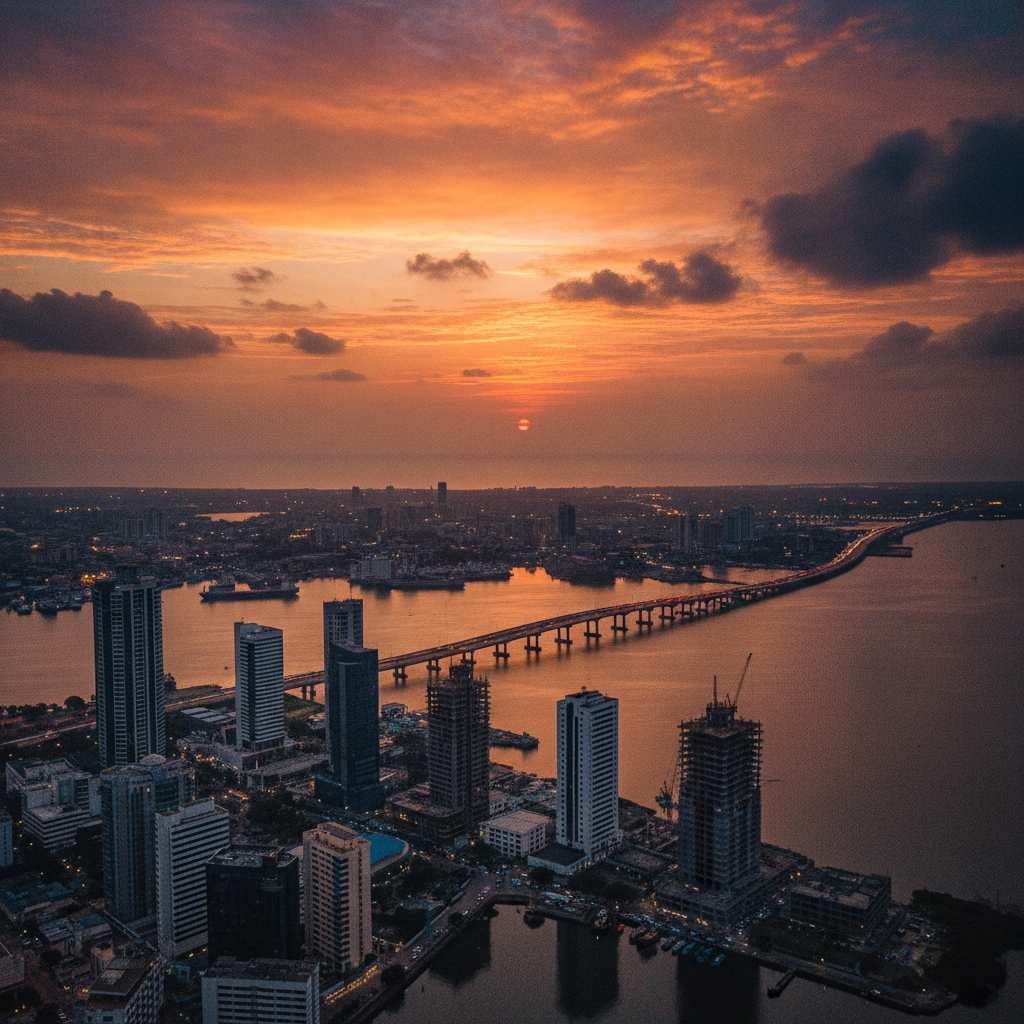
The Lagos traffic: the most famous and most debated aspect of life in Lagos. The scale (Lagos traffic is consistently ranked among the worst in the world: the typical Lagos journey during rush hour (7-9am and 5-8pm) takes 2-4 times longer than the same journey at midnight: a journey of 15 km can take 2-3 hours). The causes (the population (15-20 million people in a city infrastructure designed for far fewer): the car dependence (Lagos has no metro and limited public transport: most Lagosians depend on private cars, taxis, or the danfo and BRT buses): the bridge bottlenecks (the limited number of bridges connecting Lagos Island to the mainland creates enormous chokepoints)). The Third Mainland Bridge (the Third Mainland Bridge: the 11.8 km bridge connecting Lagos Island to the mainland: the longest bridge in Nigeria and one of the longest in Africa: the bridge spans the Lagos Lagoon): the BRT Bus Rapid Transit (the BRT: the Bus Rapid Transit system of Lagos: introduced in 2008: the BRT operates on dedicated bus lanes on the primary Lagos arterial roads: the most efficient public transport option in Lagos). The water transport (the Lagos Ferry Service: the water buses that operate on the Lagos lagoon between jetties at CMS (Lagos Island), Marina (Lagos Island), Ikorodu (mainland), and Badagry: the ferry is the fastest option for many cross-lagoon journeys and avoids the land traffic entirely). The motorcycle okada and the tricycle keke (the motorbike taxis that were the fastest way to navigate Lagos traffic: the Lagos government banned okadas on major Lagos roads in 2020).
- 3
Lagos Religion - Christianity, Islam, and the Prosperity Gospel Churches
Lagos religion: the city is approximately 50% Christian and 50% Muslim (the religious division broadly follows the Lagos neighbourhood geography: the Lagos Island and surrounding Yoruba heartland areas are mixed Christian and Muslim; the northern mainland areas have larger Muslim populations). Christianity in Lagos (the Nigerian Pentecostal and Charismatic church movement: Lagos is the global capital of the African Pentecostal church movement: the Redeemed Christian Church of God (RCCG): headquartered in Lagos: one of the largest Pentecostal churches in the world with branches in over 190 countries: the Redeemer Camp (the RCCG headquarters campus on the Lagos-Ibadan expressway approximately 50 km north of Lagos): the camp is one of the largest religious facilities in the world: the Holy Ghost Service (the monthly RCCG church service at the Redeemer Camp that attracts millions of worshippers). The Winners Chapel (the Living Faith Church): another major Lagos-headquartered global Pentecostal church. The prosperity gospel (the Nigerian Pentecostal church tradition is strongly associated with the prosperity gospel (the theological doctrine that financial blessing is the will of God and that faith, positive speech, and tithing will increase the believer wealth): the prosperity gospel is enormously influential in Lagos and across Nigeria).
- 4
Lagos Food Markets and the Nigerian Cooking Tradition
The Lagos food markets and the Nigerian home cooking tradition. The Oyingbo Market (the Oyingbo Market on the Lagos mainland: one of the most important fresh produce markets for the central Lagos area: the primary location for buying Nigerian cooking ingredients including the smoked fish, the iru (locust beans), the palm oil, the stockfish (the Norwegian dried cod that has been an important ingredient in Nigerian cooking since the colonial era), and the dried crayfish). The Sandgrouse Market (the Sandgrouse Market in the Ebute-Metta area: the primary wholesale market for stockfish: Nigeria is one of the largest consumers of Norwegian stockfish in the world: the stockfish trade is one of the most significant connections between Nigeria and Scandinavia). The Nigerian cooking tradition (the Nigerian home cooking: the time-intensive process of making Nigerian soups and stews (the egusi must be ground, the pepper must be blended, the onions must be caramelized, the smoked fish must be de-boned, the meat must be pre-cooked): the Nigerian cook the base (the sofrito-equivalent in Nigerian cooking: the blended tomatoes, peppers, and onions cooked down in palm oil (the stew base (the Nigerian obe ata)) that forms the foundation of most Nigerian tomato-based stews). The Nigerian market pepper soup ingredients (the atariko (calabash nutmeg), the ehuru (African nutmeg), the uda (grains of selim pod)), and the uziza leaf (the piper guineense leaf used in Nigerian soups)).
- 5
Lagos Photography Guide - The City Through the Lens
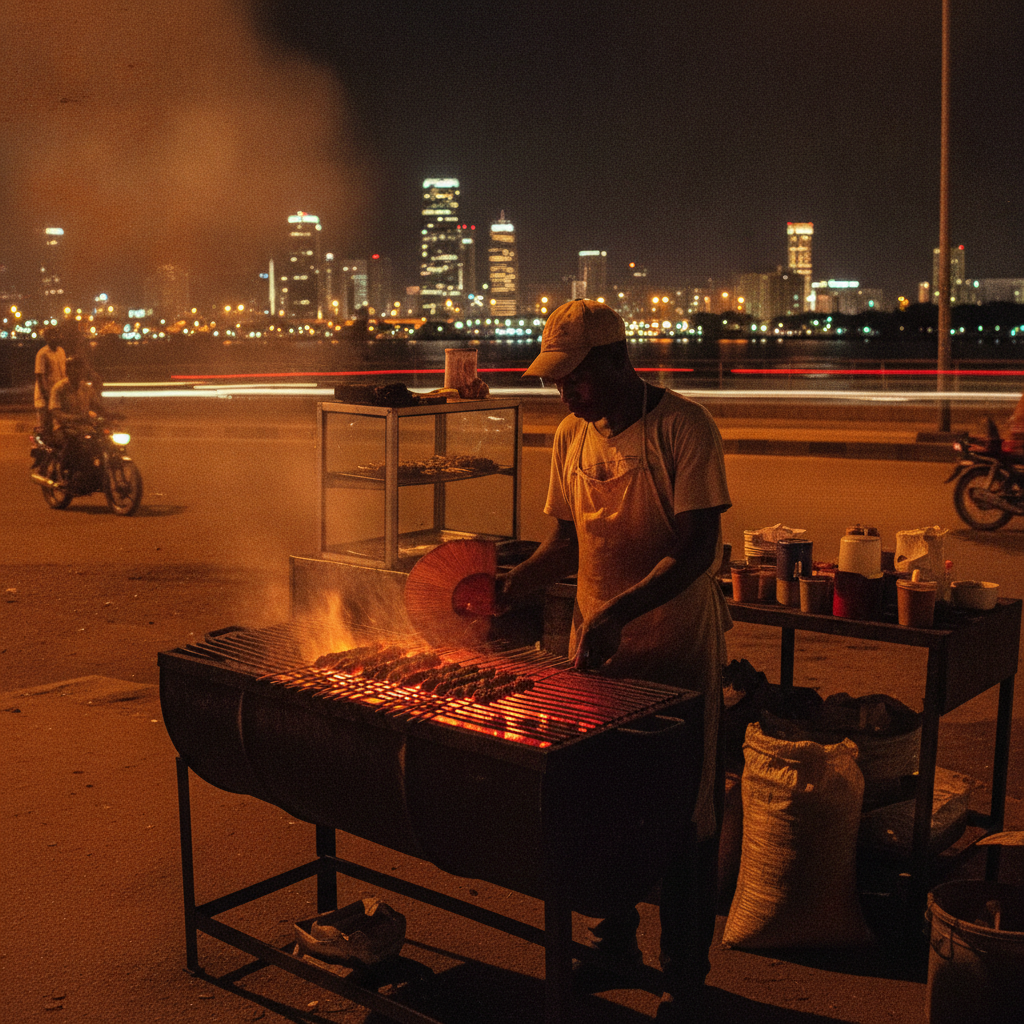
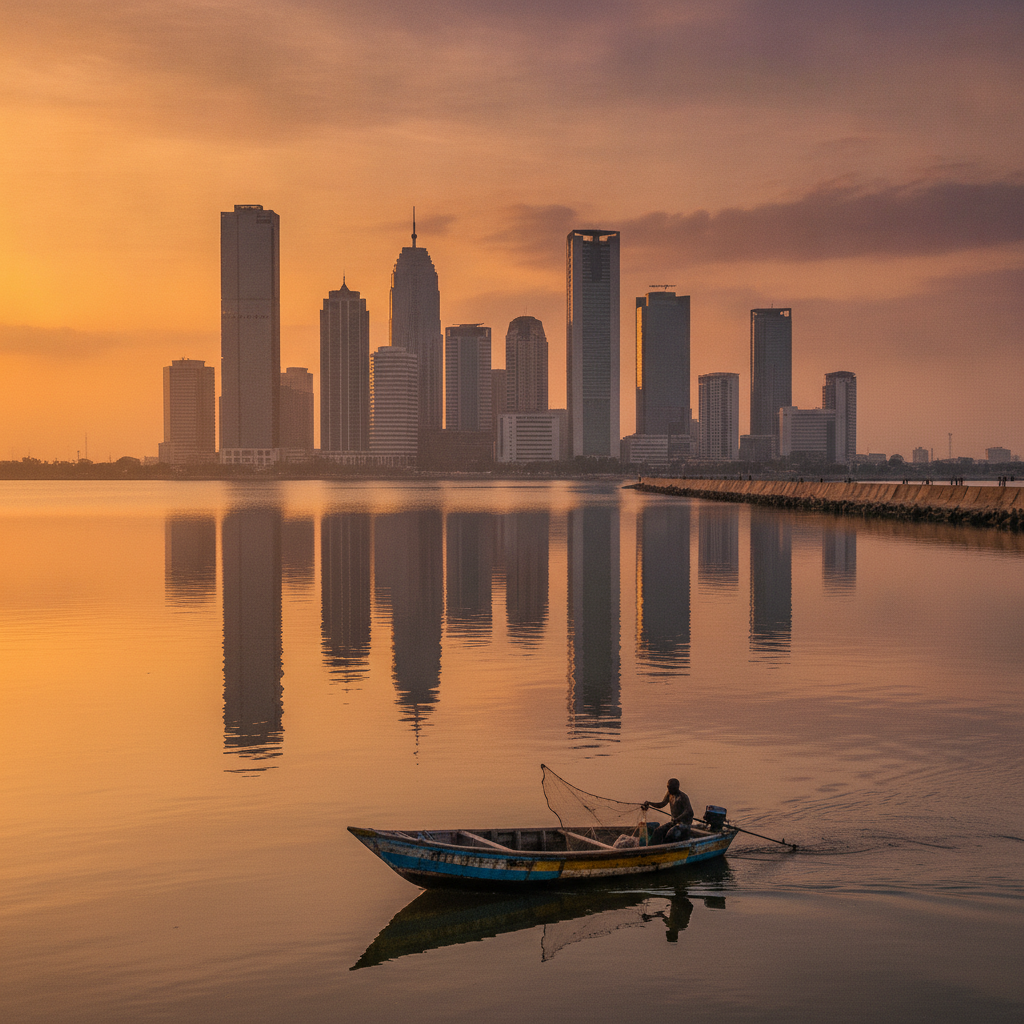
The Lagos photography guide: capturing the energy, the color, and the extraordinary faces of Lagos. The morning light (the best photography light in Lagos is the morning (6-9am) and the golden hour before sunset (5-7pm): the midday equatorial sun creates harsh shadows and washed-out colors). The locations (the Lagos Island waterfront (the Marina): the view of the Lagos skyline from the water: the Balogun Market interior (ask permission before photographing traders and their goods): the Lekki Conservation Centre canopy walkway (the forest and lagoon views): the Eko Atlantic sea wall (the engineering scale is impressive): the Lagos beaches at sunset (Elegushi Beach): the suya grills at night (the charcoal glow and the orange light create naturally dramatic photographs)). The people (the Lagosians are generally comfortable with photography in public spaces but it is always respectful and advisable to ask permission before photographing individuals, particularly in the markets and in religious spaces). The challenges (the Lagos humidity (the equatorial humidity of Lagos means lens fogging when moving between air conditioning and the outdoor heat): the pollution (the Lagos air quality is variable and can affect long-distance shots): the traffic (the go-slow creates good candid street photography opportunities: the human story of Lagos traffic is one of the most photographed subjects in the city).
- 6
Lagos Ultimate Six-Route Reference - Complete Nigeria Final Legacy
Lagos six routes complete. Route 1: megacity geography and the Lagos energy, Eko Atlantic City, National Museum and Benin Bronzes, Balogun Market, Afrobeats, practical guide. Route 2: Fela Kuti and the Afrika Shrine legacy, Nollywood, Nigerian cuisine, nightlife and owambe, beaches, Nigeria in Africa. Route 3: Lagos colonial history and Brazilian returnees, Yoruba religion and Ifa, Nigerian independence and civil war, Lagos economy and fintech, Art Lagos. Route 4: aso-ebi fashion culture, Computer Village and markets, suya and street food, Lekki Conservation Centre, Lagos vs Accra. Route 5: Benin Kingdom and the Bronze repatriation, Osun-Osogbo UNESCO grove, Niger Delta crisis, Achebe-Soyinka-Adichie literature, Nigerian music from Juju to Afrobeats. Route 6: Victoria Island and Ikoyi, Lagos traffic and transport, Pentecostal church movement, food markets and Nigerian cooking, photography guide, final legacy. Lagos final: a city of approximately 15-20 million people producing the music the world dances to, the films Africa watches, the fashion Africa wears, and the hustle that defines the African entrepreneurial spirit. Lagos is not easy but it is always unforgettable.
Walk this route with audio
Stories play automatically as you reach each stop — no tapping needed.
More in lagos
Lagos History and Culture: Yoruba Heritage, Nigerian Independence, the Lagos Economy, and Art Lagos
Lagos: Africa Commercial Capital, Eko Atlantic, the Bronzes, Afrobeats, and the Nigeria Guide
Lagos Region and Nigeria Legacy: Benin Kingdom, Osun-Osogbo, Nigerian Literature, and Music History
Lagos Culture: Fela Kuti, Nollywood, Nigerian Cuisine, Nightlife, Beaches, and Nigeria in Context