Lake Atitlan Day Trips: Chichicastenango, Antigua, and the Pacific Coast
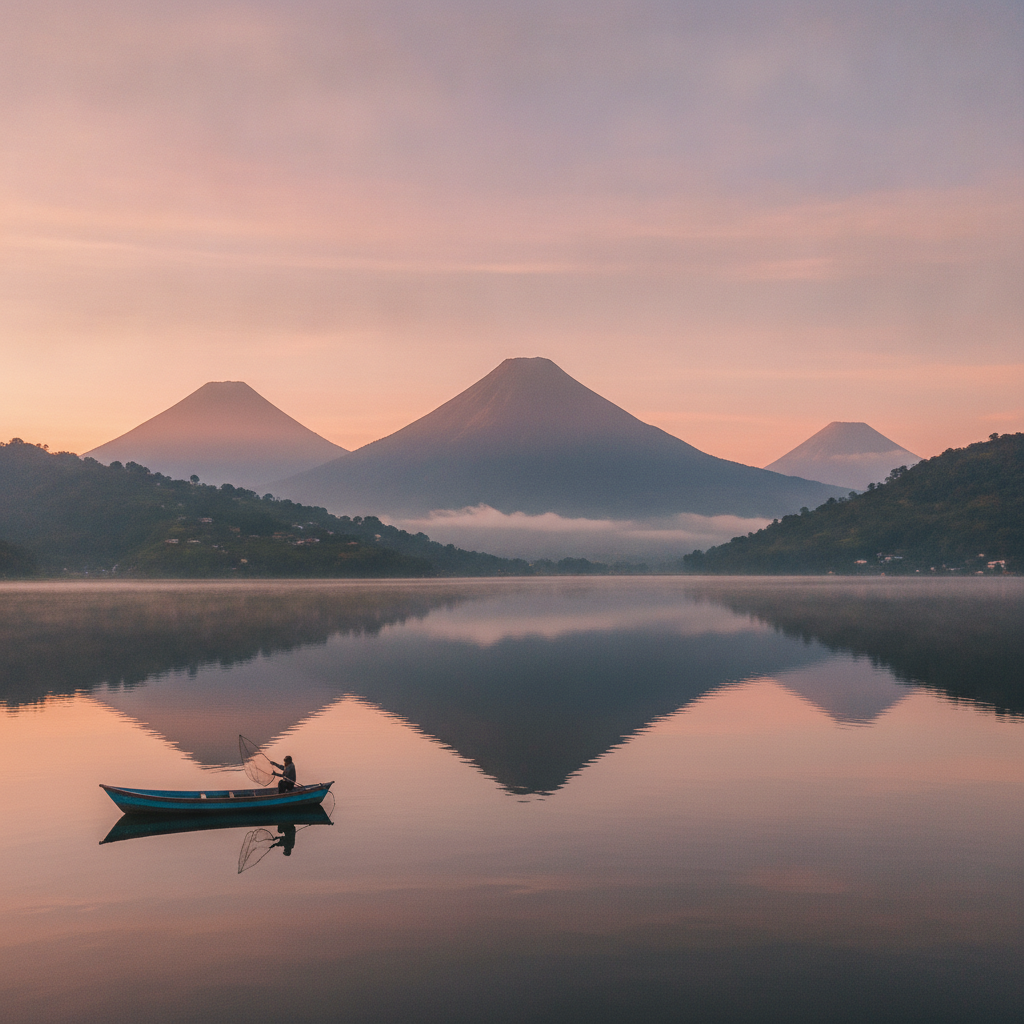
Lake Atitlan sits within comfortable day-trip distance of several of the most important destinations in Guatemala. The twice-weekly market at Chichicastenango, two hours north, is the largest indigenous market in Central America. Antigua Guatemala is a two-hour drive east and can be combined with the lake in a single multi-day itinerary. The Pacific coast beaches of Monterrico and Las Lisas are approximately three hours south, offering a dramatic contrast between cool highland lake and hot Pacific shoreline. This route covers the main excursions from the lake and how to combine them efficiently.
- 1
Chichicastenango Market: Guatemala Most Important Indigenous Market
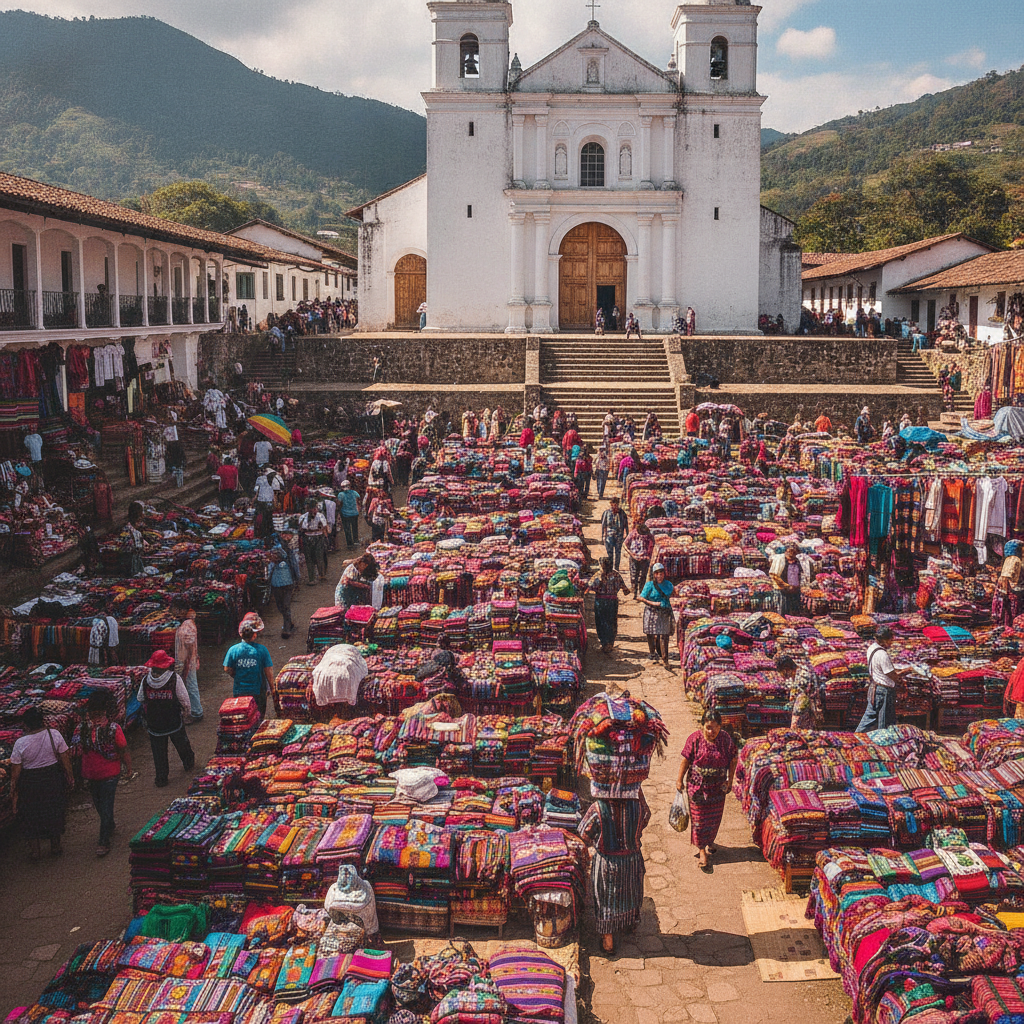
The twice-weekly market at Chichicastenango, held every Thursday and Sunday, is the largest and most important indigenous market in Guatemala and one of the most visited in all of Central America. The market occupies the plaza around the Santo Tomas church, where Maya religious ceremonies incorporating pre-Christian rituals take place on the church steps alongside Catholic mass inside. Market vendors come from communities across the department of El Quiche, bringing textiles, ceramics, masks, flowers, vegetables, and handicrafts. The Thursday and Sunday market days are also when the cofradias conduct public religious observances with incense, candles, and offerings of rum that have operated continuously since the colonial period. From Lake Atitlan, the two-hour drive north passes through the highlands of Solola and Totonicapan.
- 2
Antigua Guatemala: The Colonial Capital Two Hours East
The paved road from Panajachel to Antigua runs through the department of Chimaltenango and takes approximately two hours by shuttle or private vehicle, making a day trip feasible though requiring an early start. The combination of Antigua and Lake Atitlan in a single trip is extremely common among visitors to Guatemala; many travelers spend two to three days in Antigua before taking the shuttle to the lake, or vice versa. The contrast between Antigua colonial architecture and the lake volcanic landscape represents two of the most iconic experiences in Central American travel. Shuttle services between Antigua and Panajachel operate multiple times daily and can be booked from either location; the shared shuttle costs approximately 80 to 120 quetzales each way.
- 3
Iximche: The Kaqchikel Maya Capital Near Tecpan
Iximche, the pre-Columbian capital of the Kaqchikel kingdom, is located near the town of Tecpan approximately one hour north of Panajachel on the Pan-American Highway. The site consists of four plazas surrounded by pyramid temples and residential platforms, partially restored from the jungle that covered them until archaeological work began in the mid-20th century. Iximche was the capital of the Kaqchikel when Pedro de Alvarado arrived in 1524 and briefly served as the first capital of colonial Guatemala before the capital moved to Antigua. The site is well maintained and has an on-site museum with artifacts. Iximche holds particular spiritual significance for contemporary Maya people; it is one of the sites where traditional Maya calendar ceremonies are conducted by daykeepers on specific sacred calendar dates.
- 4
Monterrico Pacific Coast: Sea Turtles and Black Sand Beaches
The Pacific coast at Monterrico, approximately three hours south of Lake Atitlan through the Pacific coastal plain, offers a dramatic environment contrast from the cool volcanic highlands. The beach is characterized by black volcanic sand, powerful Pacific surf, and mangrove estuaries behind the coastal strip. Monterrico is known as a sea turtle nesting beach; olive ridley and leatherback turtles nest on the beach from July through November, and a conservation project operated from the Biotopo Monterrico-Hawaii reserve allows visitors to participate in night patrols and hatchling releases during nesting season. The climate on the Pacific coast is substantially hotter than at the lake, with temperatures reaching 35 degrees Celsius in the dry season. The mangrove canal system behind Monterrico is explorable by kayak or small motor boat and supports a different bird community than the lake.
- 5
Lago Chicabal: A Sacred Highland Lake in a Volcanic Crater
Lago Chicabal, in the Cuchumatanes highlands west of Lake Atitlan near the town of San Marcos, is a small crater lake at 2,900 meters altitude that is considered one of the most sacred Maya sites in Guatemala and continues to be used for traditional ceremonial observances. The lake is surrounded by cloud forest and is frequently shrouded in mist; the combination of the sacred character, the cloud forest, and the high altitude creates an atmosphere very different from the busy tourism of Atitlan. Maya daykeepers conduct ceremonies at the lakeshores particularly around the nawal days of the Maya sacred calendar. Visitors are asked to be respectful of ongoing ceremonies. The two-to-three hour drive from Panajachel passes through Quetzaltenango, the second city of Guatemala, which itself has a compact colonial center worth a brief visit.
- 6
Quetzaltenango: The Second City and Highland Culture Hub
Quetzaltenango, known locally as Xela, is the second largest city in Guatemala and the cultural capital of the western highlands, located approximately two hours west of Lake Atitlan on the Pan-American Highway. The city has a strong indigenous Kiche Maya identity and a large student population attending its public and private universities. The central plaza with its neoclassical municipal theater and cathedral is more austere than Antigua but has its own dignity. Xela is famous for its Spanish language schools, which offer intensive programs at lower cost than Antigua and in a more authentically Guatemalan environment. The central market and the surrounding streets offer excellent highland food at local prices. Xela serves as the base for excursions to the hot springs at Fuentes Georginas, the market at San Francisco el Alto, and the extinct volcano Siete Orejas.
Walk this route with audio
Stories play automatically as you reach each stop — no tapping needed.
More in Lake Atitlan
Lake Atitlan Textiles: Maya Weaving Traditions and the Huipil
Lake Atitlan Practical Guide: Getting There, Accommodation, and Village Logistics
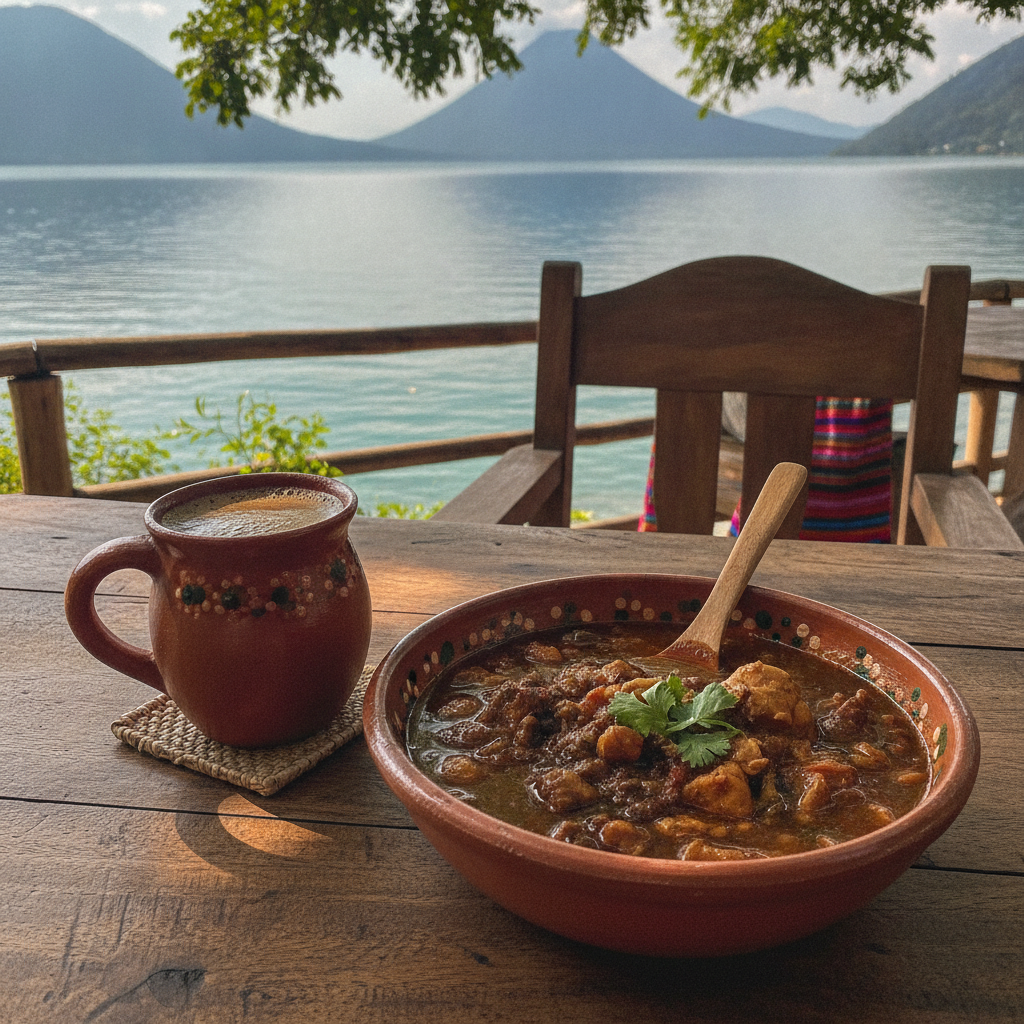
Lake Atitlan Food and Coffee: Dining Between the Villages
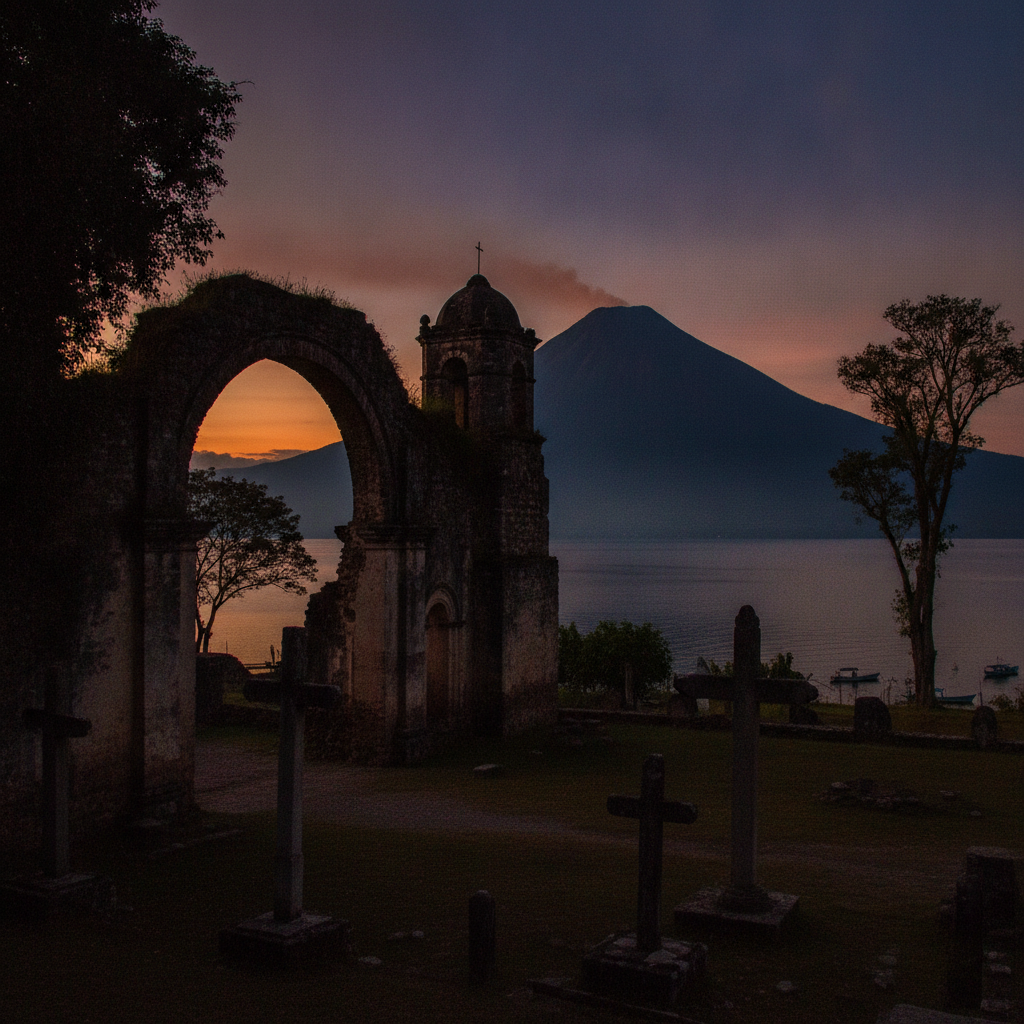
Lake Atitlan History: Maya Kingdoms, Spanish Conquest, and Civil War
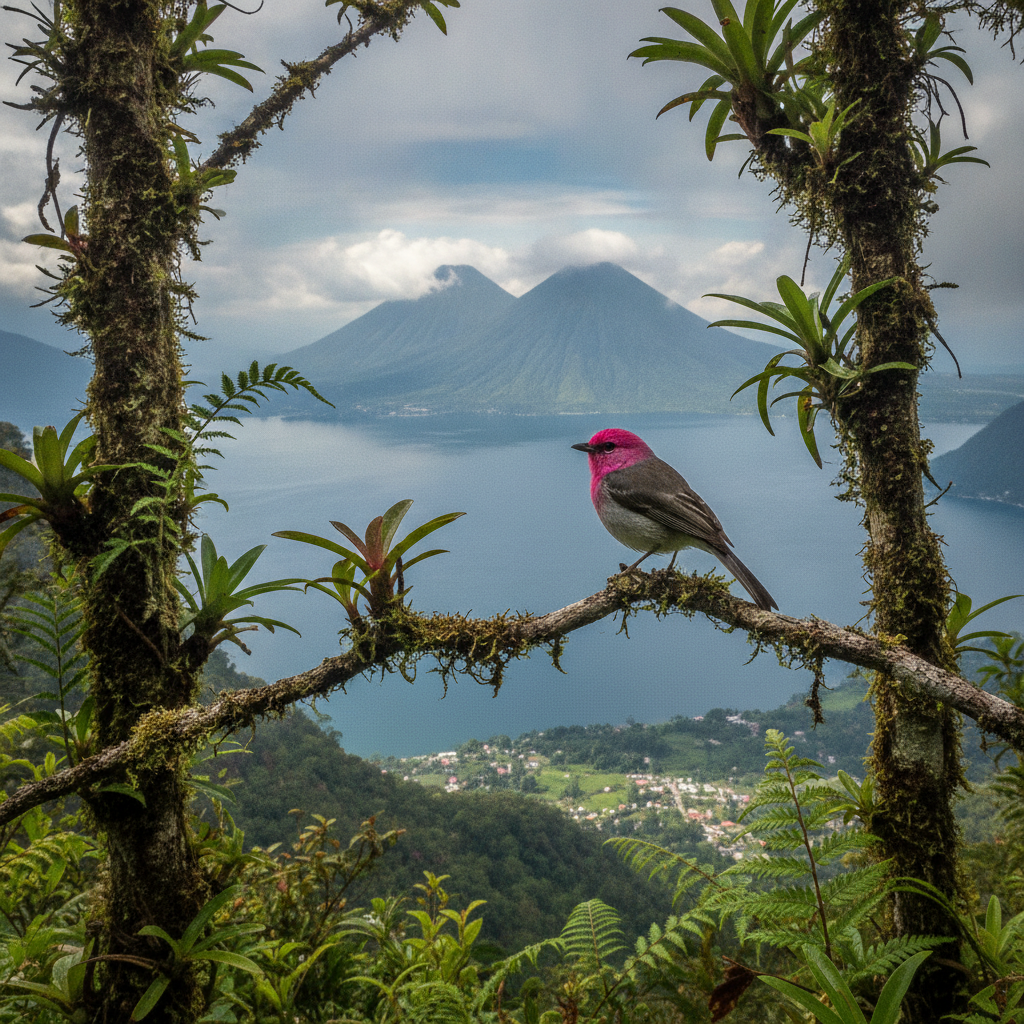
Lake Atitlan Birdwatching: Endemic Species and Shoreline Habitats