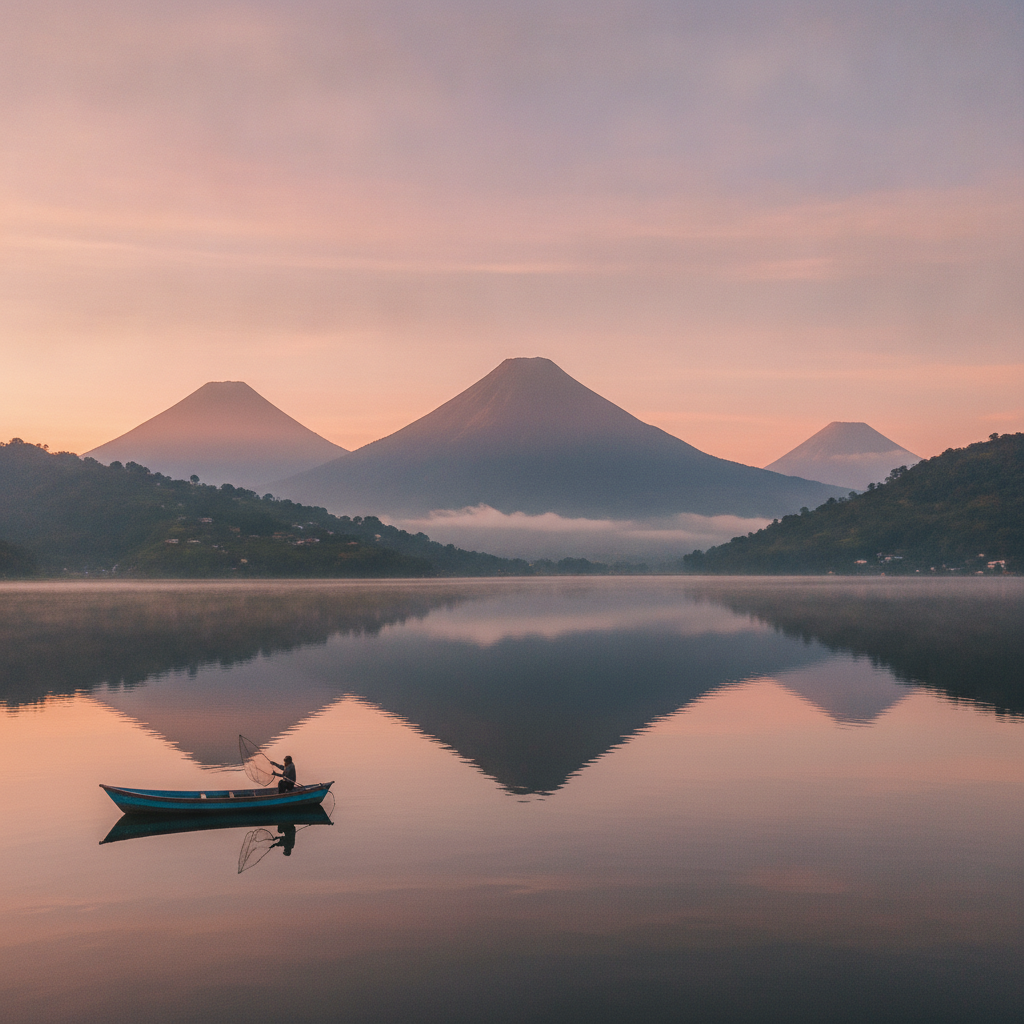
Lake Atitlan Practical Guide: Getting There, Accommodation, and Village Logistics
Lake Atitlan requires some logistical planning that rewards understanding before arrival. There is no direct international airport; all visitors arrive via Guatemala City or Antigua and then travel by road and boat to the lake. The lancha boat system connecting the twelve villages operates on a fixed schedule that determines the practicality of day trips between communities. Accommodation ranges from budget hostels in San Pedro La Laguna to upscale eco-lodges accessible only by boat. This route covers the practical information needed to navigate the lake efficiently and choose the right village base for your travel style.
- 1
Getting to the Lake: Routes from Guatemala City and Antigua
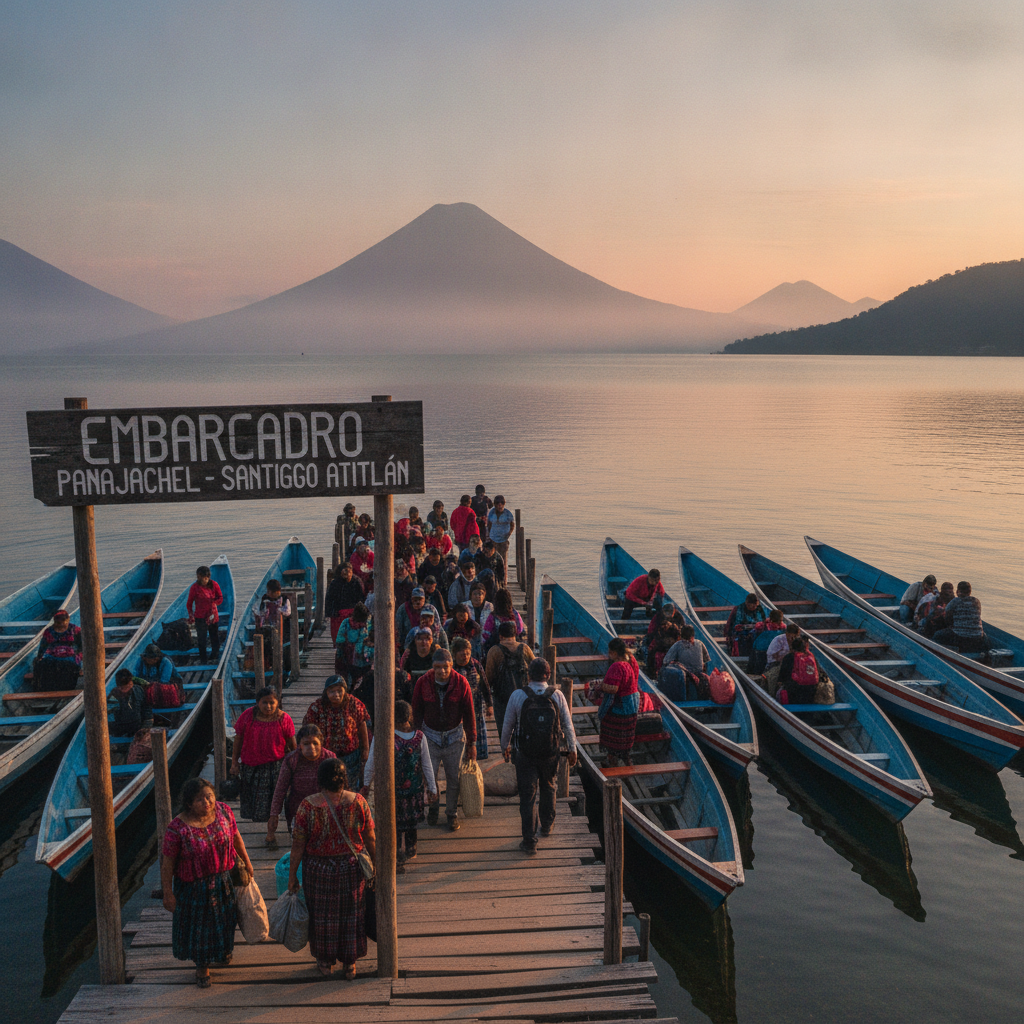
The lake is reached by road from Guatemala City in approximately three to four hours via the Interamerican Highway and then a descent into Panajachel on the northern shore. From Antigua the journey takes two to two-and-a-half hours by private shuttle or public chicken bus via Chimaltenango. Shuttle services depart from Antigua several times daily and can be booked through any hostel or agency; the shared shuttle is the most convenient option for independent travelers and costs between 80 and 130 quetzales. First-class buses run from the Guatemala City Centra Norte terminal to Panajachel on a fixed schedule. The road into Panajachel descends dramatically from the caldera rim with views of the lake opening suddenly as the road curves; buses and shuttles stop at the Panajachel dock from which lanchas depart to all other villages.
- 2
The Lancha System: How to Get Between Villages
The public lancha system is the primary means of transportation between the twelve lake villages, with regular departures from the Panajachel dock to all communities on the lake. Public lanchas run on a roughly two-hour schedule from approximately 6 AM to 5 PM, with reduced service in the late afternoon. Private lancha hire is available for groups wanting custom timing or routes. The Xocomil afternoon wind creates choppy conditions from around noon onward, making afternoon crossings slower and wetter than morning trips; the public lanchas continue operating in most weather but spray is significant during strong wind. Lancha fares are standardized for each route; the Panajachel to San Pedro crossing costs approximately 25 quetzales per person. Visiting multiple villages in a single day requires careful lancha schedule planning to avoid waiting several hours at each stop.
- 3
Choosing a Village Base: San Pedro, Panajachel, or San Marcos
The choice of base village determines the character of the lake experience. Panajachel is the most convenient for arrivals and departures, with the most developed infrastructure, but has the least traditional atmosphere and the highest prices. San Pedro La Laguna is the backpacker hub with the most budget accommodation and nightlife and an active young traveler social scene; it also has the best access to the San Pedro volcano hike and coffee farms. San Marcos La Laguna is the quietest and most spiritually oriented, with the yoga retreat infrastructure but limited restaurant and nightlife options. Santa Cruz La Laguna has a handful of mid-range lakeside lodges accessible only by lancha and appeals to travelers wanting seclusion. For families or those seeking comfort without the backpacker scene, upscale eco-lodges are scattered around the lake perimeter.
- 4
Accommodation Types and Price Ranges Around the Lake
Budget accommodation in San Pedro La Laguna starts at around 50 quetzales per person per night in dormitory hostels, rising to 150 to 200 quetzales for a private room with shared bathroom. Mid-range options around the lake include guesthouses with private bathrooms and occasional hot water for 300 to 600 quetzales per night. The upscale eco-lodges on the lake perimeter, several accessible only by private lancha, charge 800 to 2,000 quetzales per night for rooms with lake views and included meals. Panajachel hotels cluster in the mid-range and are priced for the day-trip and short-stay market from Antigua; they are more expensive than equivalent quality in San Pedro. Booking in advance is advisable for Semana Santa and the July to August peak season when lake accommodation fills weeks in advance.
- 5
Safety and Practical Realities at the Lake
Lake Atitlan is generally considered safe for tourists relative to Guatemala City and some other areas of the country, but standard precautions apply. Armed robbery has historically occurred on the San Pedro and Atitlan volcano trails, which is why registered guide services are now required for summit hikes. The Panajachel dock area and Calle Santander market attract petty theft; bags and cameras should be secured. Water safety is the more significant practical risk; the Xocomil afternoon wind and occasional storms can capsize small lanchas, and swimming in the lake carries risks from boat traffic. Altitude sickness is a possibility for visitors arriving rapidly from sea level; the lake sits at 1,562 meters and the surrounding highlands reach 3,500 meters. Medical facilities at the lake are limited to basic clinics; serious medical situations require transport to Antigua or Guatemala City.
- 6
Climate, Seasons, and When to Visit the Lake
Lake Atitlan has a distinctive microclimate with relatively stable temperatures year-round due to its highland altitude, typically ranging from 15 to 24 degrees Celsius regardless of season. The dry season from November through April offers the clearest skies, calmest lake conditions, and most reliable visibility of the three volcanoes. The rainy season from May through October brings afternoon thunderstorms that can be dramatic from a lakeshore position, lush green vegetation on the volcano slopes, and fewer visitors at budget prices. The Xocomil afternoon wind is present year-round but more predictable and strongest during the dry season. The two main festival periods, Semana Santa in March or April and the Guatemalan national holiday weeks in late October and early November, bring large numbers of domestic tourists to the lake, particularly to Panajachel, and are accompanied by significant price increases.
Walk this route with audio
Stories play automatically as you reach each stop — no tapping needed.
More in Lake Atitlan
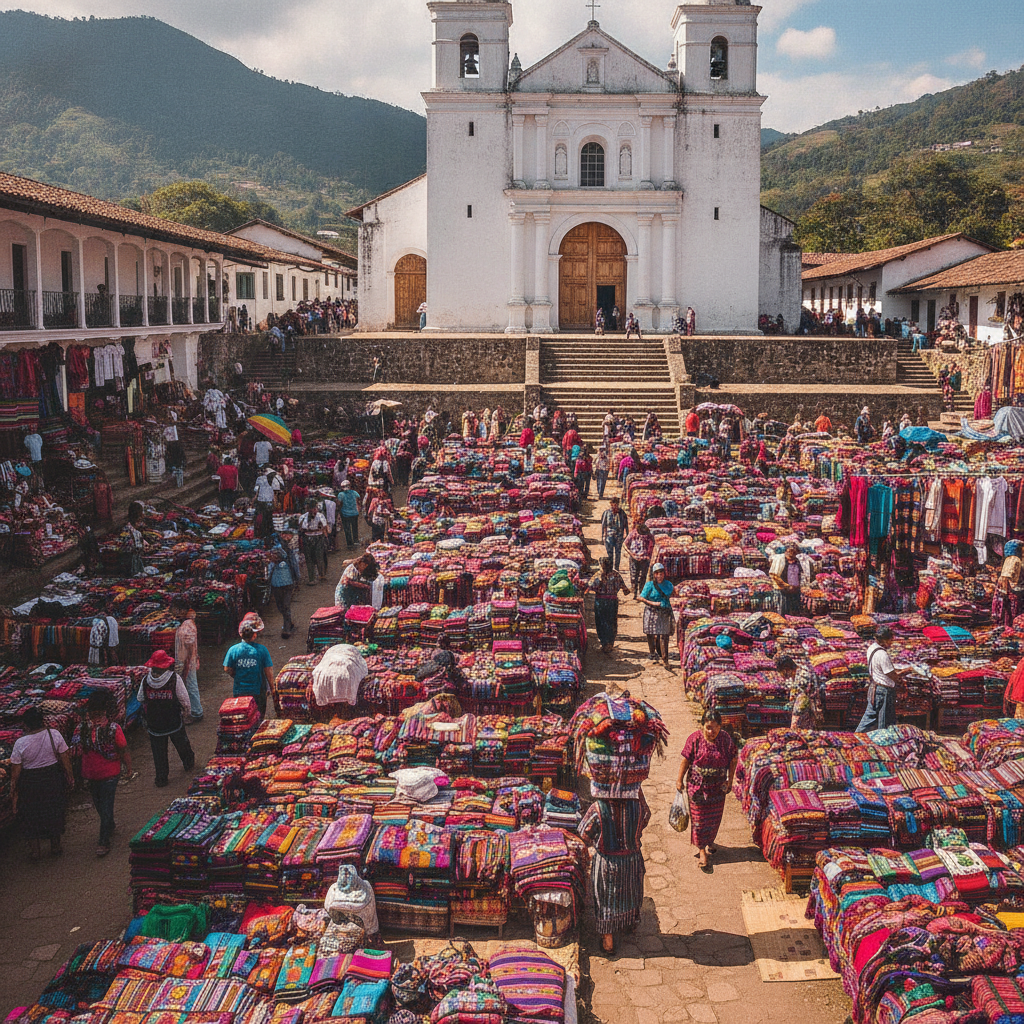
Lake Atitlan Day Trips: Chichicastenango, Antigua, and the Pacific Coast
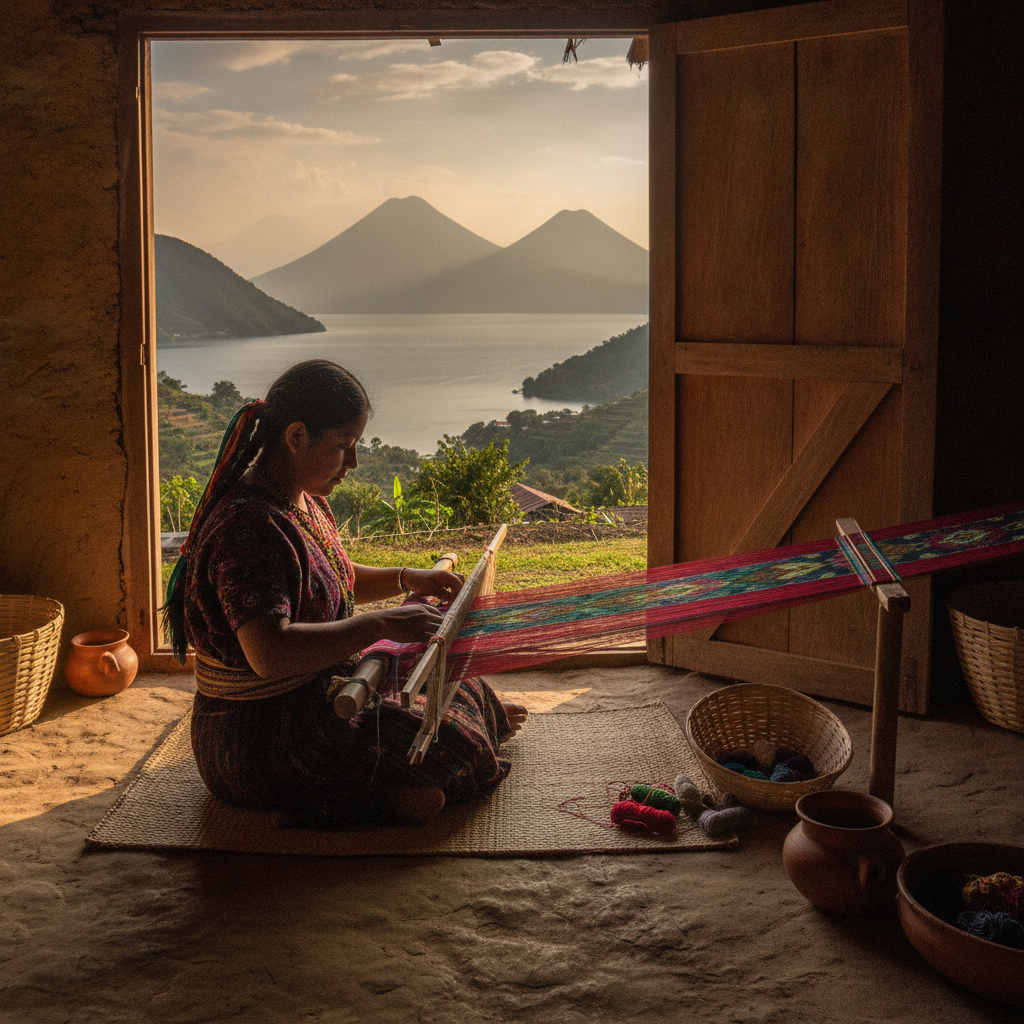
Lake Atitlan Textiles: Maya Weaving Traditions and the Huipil
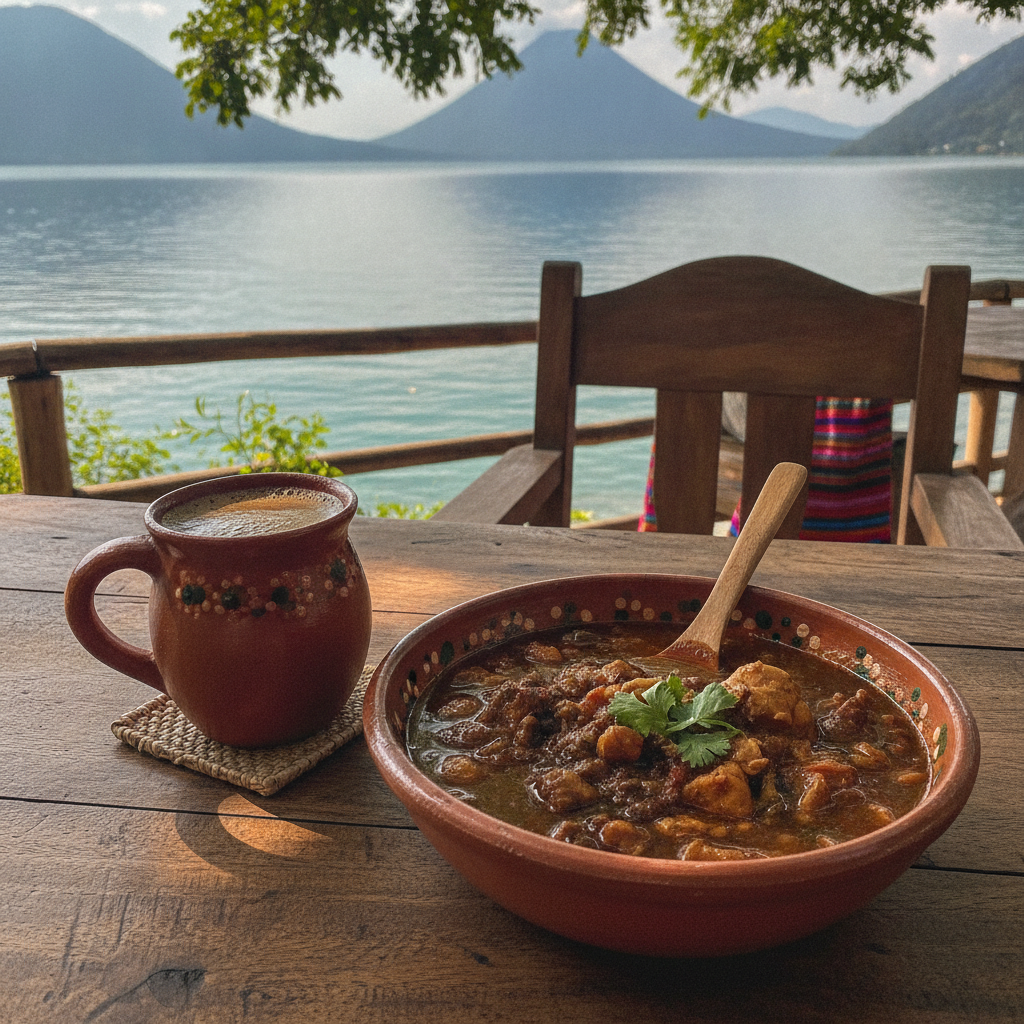
Lake Atitlan Food and Coffee: Dining Between the Villages
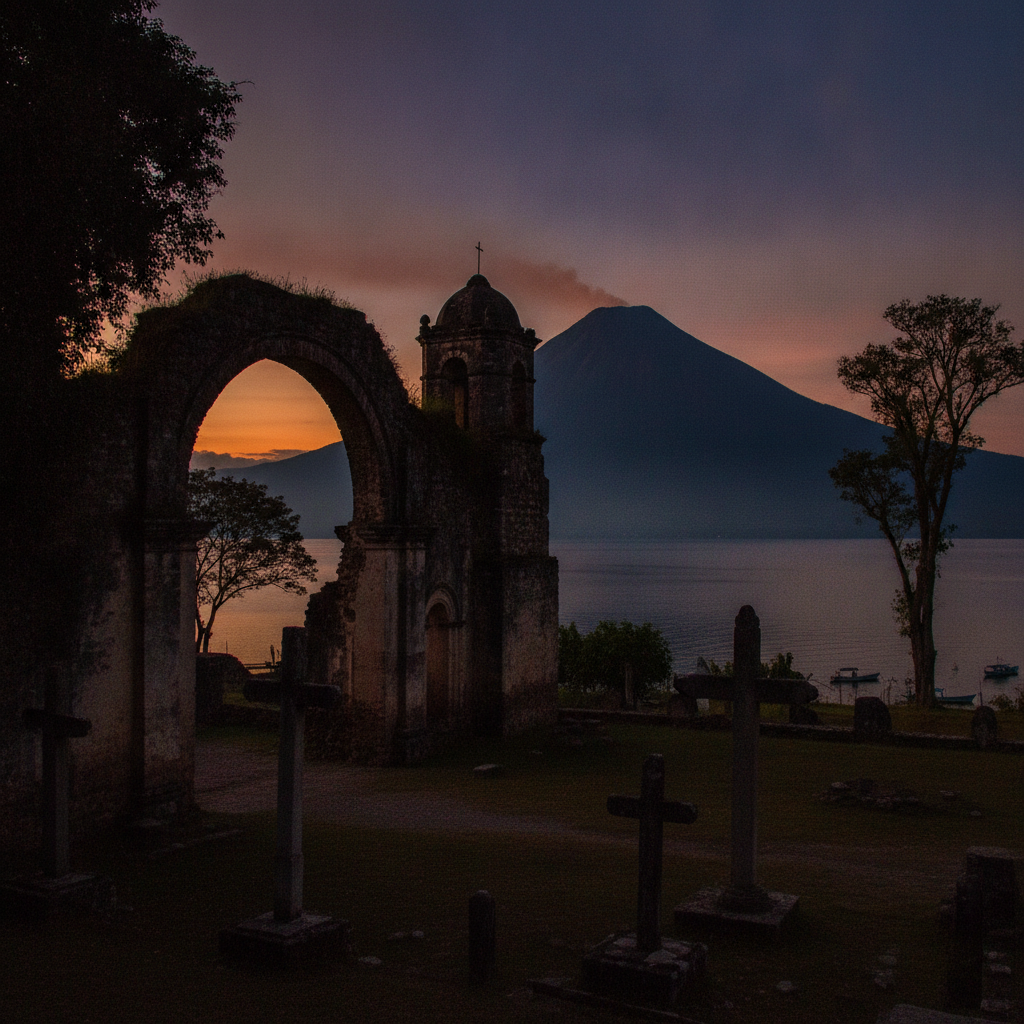
Lake Atitlan History: Maya Kingdoms, Spanish Conquest, and Civil War
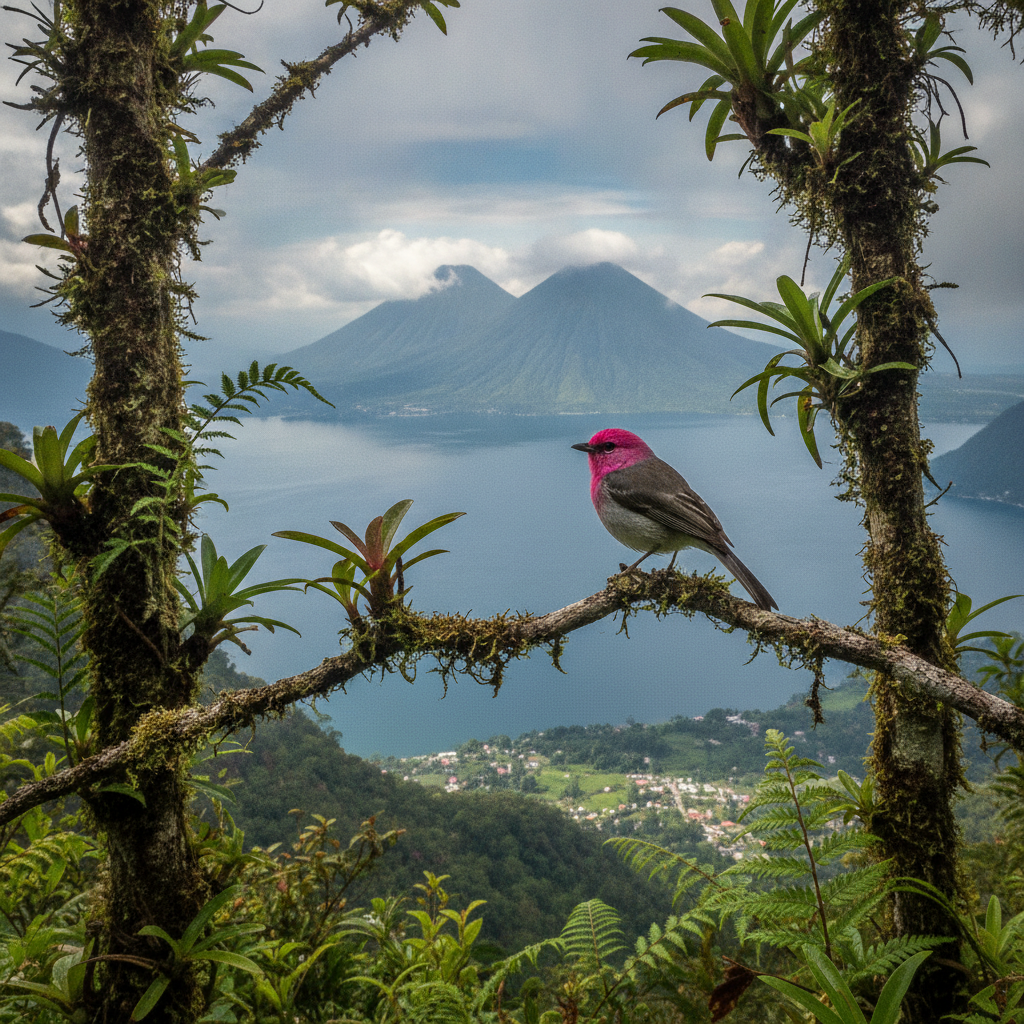
Lake Atitlan Birdwatching: Endemic Species and Shoreline Habitats