Lake Titicaca Practical Guide: Getting There, Island Visits, and Peru-Bolivia Border Crossing
Lake Titicaca straddles an international border, creating logistical complexity for travelers combining both the Peruvian and Bolivian sides. The primary Peruvian access is through Puno, reached by train from Cusco or by bus from Arequipa. The Bolivian side is accessed from La Paz via Copacabana, with the land border crossing at Desaguadero or the more scenic crossing through Copacabana and by boat. Island visits from Puno follow standard boat tour formats but the quality and authenticity vary significantly between operators. This route covers the practical decisions and logistics for getting the most from the lake.
- 1
Getting to Puno: Train from Cusco and Bus from Arequipa
Puno, the Peruvian gateway to the lake, is reached by two main overland routes. The PeruRail train from Cusco, operating on selected days and taking six to seven hours, provides the most scenic highland journey and includes stops at the Inca ruins of Raqchi and the ceramics town of Pucara. The train is significantly more expensive than the bus but provides a quality of experience, particularly the high-altitude landscape views, that justifies the premium for travelers with the budget. The bus from Cusco takes approximately six to seven hours on a modern highway and departs multiple times daily; Cruz del Sur and Tepsa offer premium comfortable overnight buses. From Arequipa, the bus to Puno takes approximately five to six hours through the altiplano, passing through the high-altitude pass at La Raya before descending to the lake. The altitude of Puno at 3,827 meters means acclimatization considerations similar to Cusco apply; visitors arriving directly from sea level will feel the altitude acutely.
- 2
Island Day Tours from Puno: Choosing the Right Option
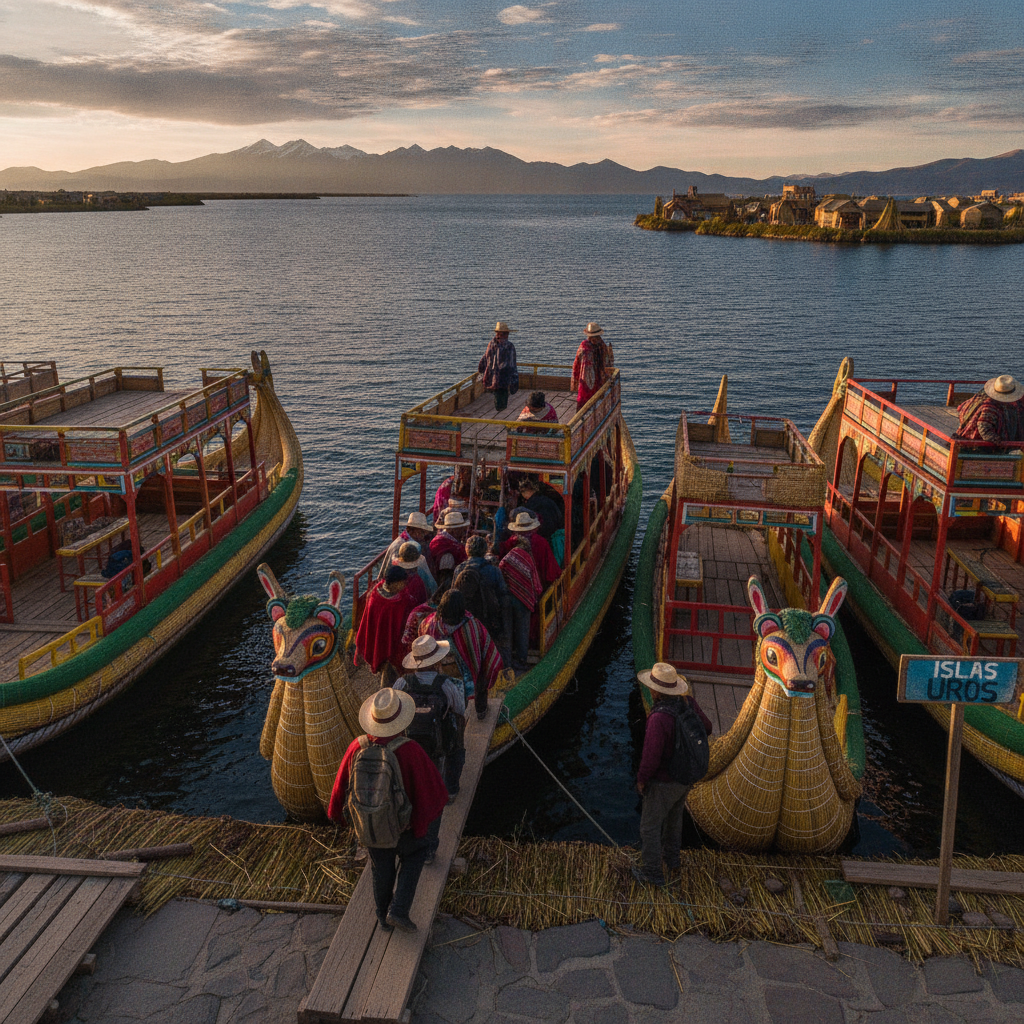
The standard lake tour from Puno visits the Uros floating islands and either Taquile Island or Amantani Island in a full-day excursion. The floating islands visit is included in virtually all tours and typically takes one to two hours before the boat continues to the farther island. The key variables between operators are boat quality and speed, guide quality and language, and whether the island community organizations receive the majority of income from the visit or whether commercial intermediaries take most of the revenue. Community-operated tours organized through the Taquile and Amantani island associations directly, or through Puno-based operators with documented community partnerships, direct more income to the islands than commercial tours using their own staff as guides. The Amantani homestay overnight is significantly more community-benefiting than the Taquile day visit; the homestay distributes overnight guests among multiple families and provides accommodation, food, and evening entertainment income directly to community members.
- 3
Crossing from Peru to Bolivia: Border Procedures and Options
The most straightforward border crossing between the Peruvian and Bolivian sections of the Lake Titicaca area is the Desaguadero crossing, a chaotic and crowded border town on the lake outlet river that is manageable but not pleasant. The more popular tourist route crosses at Copacabana, reached by bus from Puno through the Yunguyo border crossing; this requires getting off the bus, walking across the border, and boarding a Bolivian bus on the other side. The journey from Puno to Copacabana takes approximately three to four hours including border formalities. A fully lake-based crossing by boat from the Peruvian shore directly to Copacabana is theoretically possible but requires chartering a private boat and is not available as a standard tourist service. Bolivian visas are required for citizens of many countries; requirements should be verified before travel. The more adventurous Kasani border crossing on the Copacabana peninsula route allows visiting the Island of the Sun from the Peruvian side before crossing.
- 4
La Paz to Copacabana: The Road Across the Altiplano
The road from La Paz to Copacabana, approximately 150 kilometers and three hours by bus, crosses some of the most dramatic altiplano scenery in Bolivia, running along the southeastern shore of the Lago Menor section of the lake before reaching the Tiquina Straits crossing and then continuing to Copacabana. The bus services from La Paz terminal de buses are frequent and inexpensive; the journey is used by both tourists and Bolivian domestic travelers visiting the religious center at Copacabana. The lake comes into view suddenly after the long drive through the brown and rust-colored altiplano, its improbable blue expanse stretching to the horizon an always-startling sight. The boat crossing at Tiquina, where vehicles must board flat-bottomed barges while passengers cross in small motorboats, adds a distinctive logistical interlude to the journey. Several Copacabana-based operators run day trips to the Island of the Sun for visitors based in La Paz.
- 5
Altitude Medicine for the Altiplano: 3,800 Meters and Above
The Lake Titicaca region at 3,812 meters is significantly higher than Cusco at 3,400 meters, and visitors who have not adequately acclimatized in Cusco first will feel the altitude acutely in Puno and more so on Taquile and Amantani islands which sit at approximately 3,950 meters. Altitude sickness at this elevation can progress to the serious complications of high altitude pulmonary edema or high altitude cerebral edema in a small percentage of visitors who do not rest and descend when symptoms indicate the need. Acetazolamide, available by prescription and over the counter in Peru and Bolivia, remains the most effective pharmaceutical prevention. The traditional remedies of coca tea and coca leaves, chewed to release the mild stimulant that has some altitude-ameliorating properties, are universally available throughout the altiplano. The cold nights at 3,800 meters, with temperatures dropping to near freezing even in summer, require warm sleeping layers that the island homestay accommodation provides in the form of heavy blankets, but bringing a warm sleeping bag liner is advisable for comfort.
- 6
Lake Titicaca Trout and Altiplano Food
The freshwater trout introduced to Lake Titicaca in the 1940s from North American stock became the dominant commercial fish in the lake within decades, outcompeting the endemic species including the Orestias pupfish varieties and contributing to their decline. The trout is now the primary source of lake fish income and is served throughout the Puno restaurant scene as a staple of the local tourism-oriented cuisine. Trucha a la plancha (grilled trout) with boiled potato and salsa criolla is the standard lake fish meal available at every restaurant in the Puno area and on the islands. The Peruvian and Bolivian altiplano food more broadly is built on the freeze-dried potato chuño, which is incorporated into stews and soups, alongside quinoa in various preparations, broad beans, and the small amounts of llama and alpaca meat available from the herds that graze the altiplano. The market food at the Puno central market offers the full range of altiplano ingredients at local prices considerably below the tourist restaurant tariff.
Walk this route with audio
Stories play automatically as you reach each stop — no tapping needed.
More in Lake Titicaca
Lake Titicaca Puno Festivals: The Candelaria and Altiplano Folklore
Titicaca Aymara Culture: Language, Textiles, and the Living Tradition
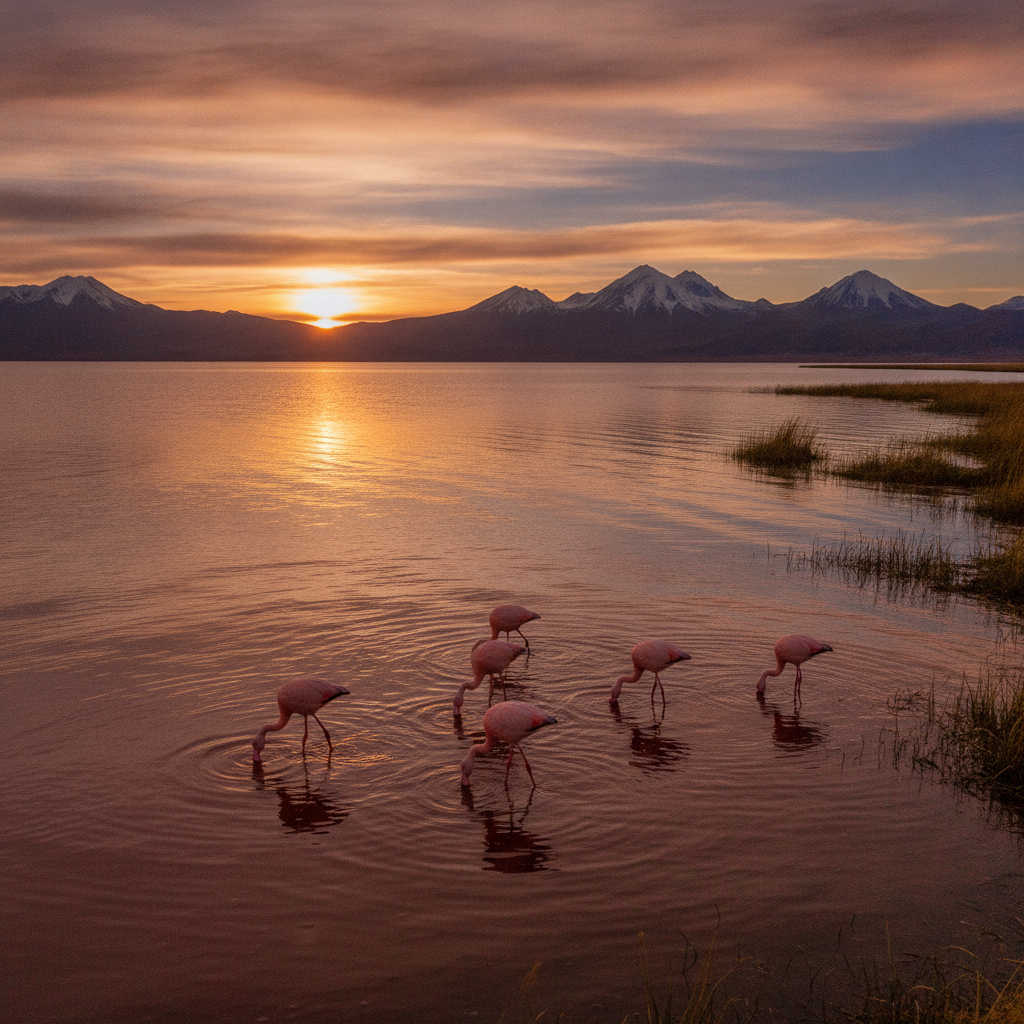
Lake Titicaca Birdwatching: Flamingos, Grebes, and Andean Waterbirds

Lake Titicaca: The Highest Navigable Lake and the Birthplace of the Inca
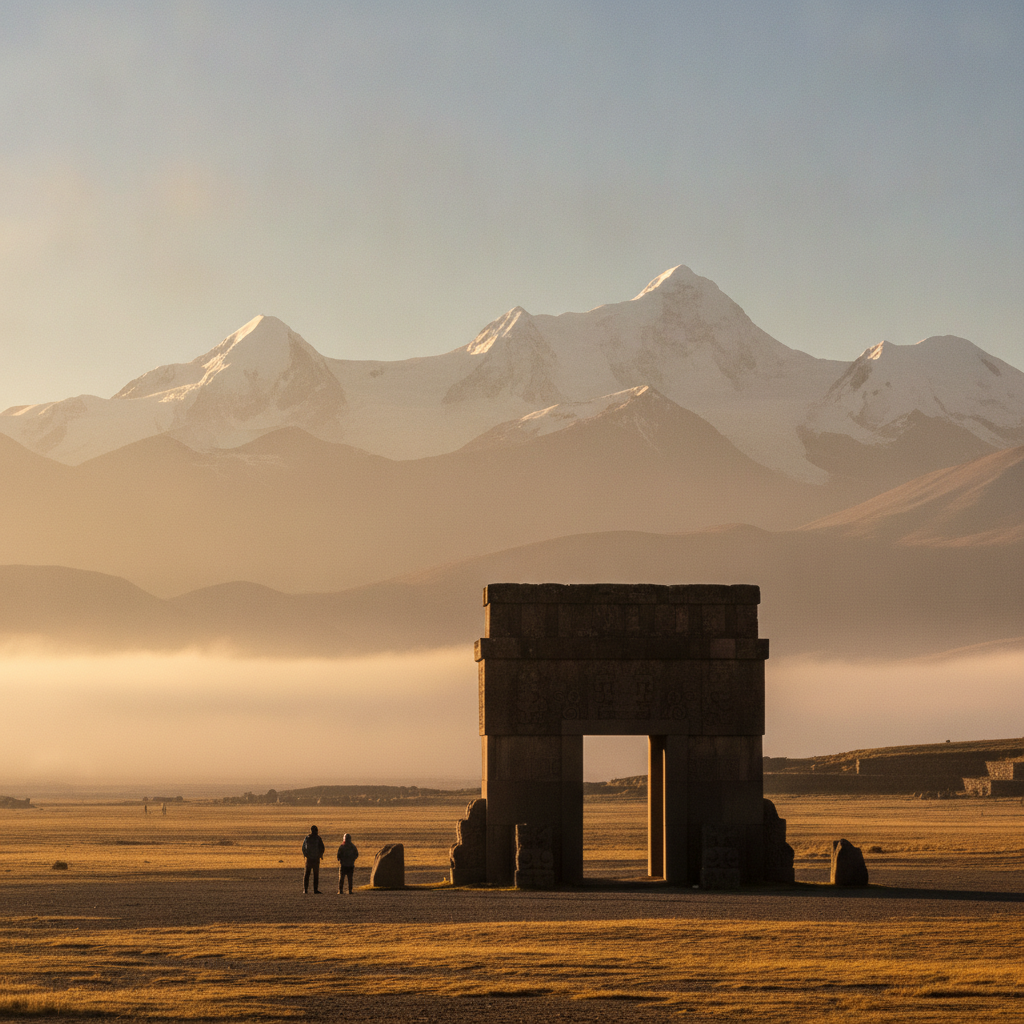
Lake Titicaca Bolivia: Copacabana, Tiwanaku, and the Bolivian Shore