Lake Como Through the Seasons — Spring Camellias, Summer Crowds & Winter Calm
Lake Como's microclimate (the lake's thermal mass moderating temperatures throughout the year — the lake rarely drops below 10 degrees Celsius even in the coldest winters, the south-facing slopes receiving maximum Alpine sun, the compressed growing season producing intense botanical displays) creates distinct and rewarding seasonal experiences very different from the July-August peak-tourist period.
- 1
February-March — the Camellia Season Before the Crowds
February and early March (6-8 weeks before the main tourist season begins in mid-April) is the optimal Lake Como visit for: the camellia display (the 200-year-old camellia trees at Villa Carlotta and Villa del Balbianello in full bloom February-March, the Villa Carlotta camellia collection — 40 varieties, the largest on Lake Como — peaking in the first two weeks of March); the empty villages (Varenna has approximately 30 visitors per day in February versus 3,000 in July); and the winter prices (accommodation 40-60 percent below peak season, restaurants not yet switching to tourist-menu pricing). The lake itself (the water temperature 10-12 degrees in February, the mountain snowpack still intact on all peaks above 1,000m, the Alpine horizon at maximum sharpness in the clear winter air with the Bernina Group glaciers visible 130km north) is at its most Alpine and atmospheric.
- 2
April-May — the Azalea and Rhododendron Peak
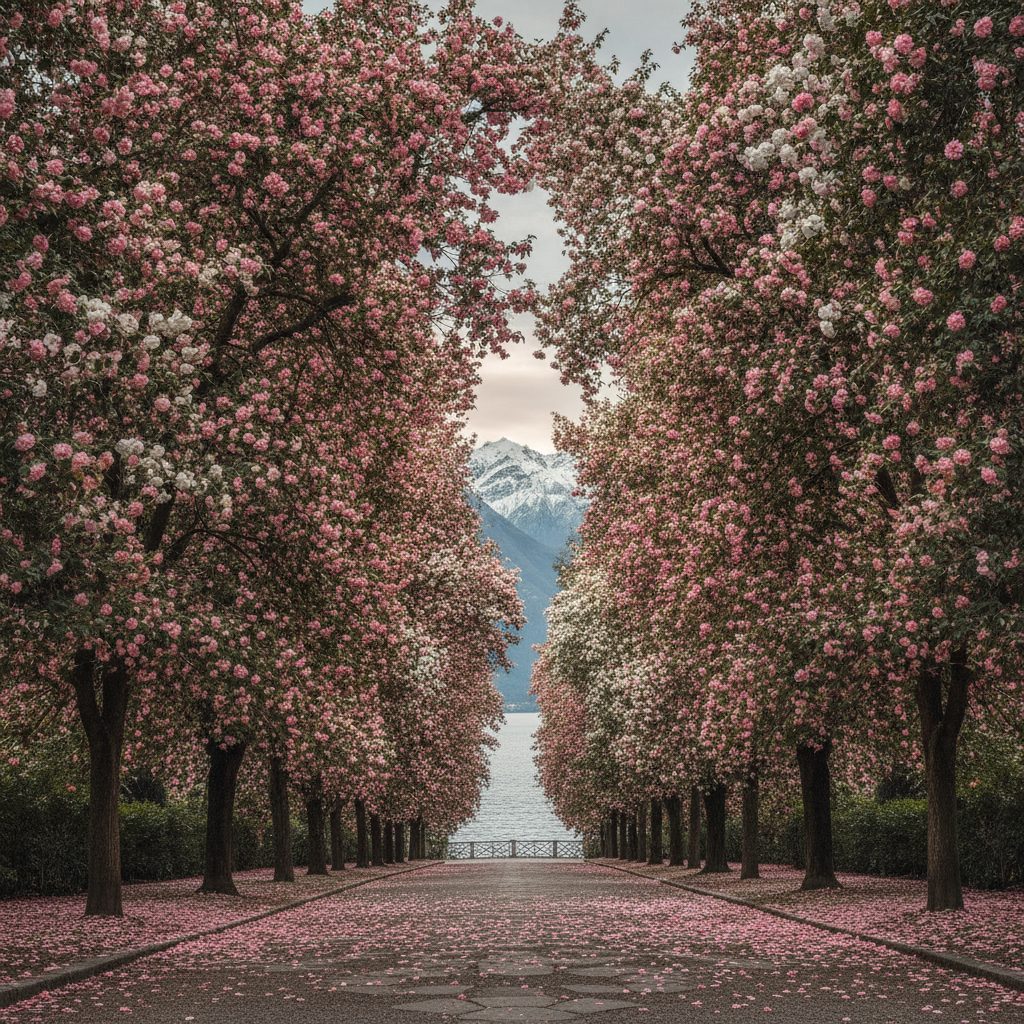
April and May (the main botanical peak season on Lake Como, the azalea and rhododendron collection at Villa Carlotta reaching full bloom in the third week of April in average years, the 150 azalea varieties covering the great staircase terraces in pink, red, white, and orange, the most spectacular single garden display in northern Italy for a 3-4 week window) coincides with the beginning of the main tourist season — the balance between botanical spectacle (April-May peak) and crowd management (mid-June to mid-September peak) means early May is the single best week of the year to visit Lake Como: the gardens at full bloom, the accommodation prices still 20-30 percent below the July peak, the restaurants fully open but not yet at maximum occupancy.
- 3
June-August — Managing the Peak Season
July-August is the genuine peak of Lake Como tourism: the triangle ferry boats (Bellagio-Varenna-Menaggio) run at maximum capacity and the 11am-3pm window sees queues of 20-40 minutes for the ferry at Bellagio. The practical management strategies for peak season: arrive at Bellagio ferry dock before 9am (the first ferry at 8:10am from Menaggio is always uncrowded), avoid the Bellagio waterfront between 11am and 3pm by retreating to Villa Serbelloni or Villa Melzi gardens (both entry-fee zones with timed capacity limits), take the last ferry of the day (7pm from Varenna to Bellagio) for the evening light on the Bellagio promontory when the day-tourists have left. Hotel booking for July-August: minimum 3-6 months in advance for any property with lake views.
- 4
September-October — the Harvest Season
September and October (the grape harvest season on the hillside terraces above the lake, the first weeks of October producing the golden-vine colours of the vineyards, the Sciacchetra grapes at Varenna and the red-grape vineyards of Valsassina providing the most saturated autumn colour on the lake) are the second-best visiting period after April-May. The lake swimming (the water temperature remaining at 20-22 degrees into October, warm enough for comfortable lake swimming without wetsuits), the reduced crowds (20-30 percent below August capacity), and the harvest events (the Sagra dell'Uva in Bellagio in September, the grape harvest celebrations at Varenna in October) make autumn the choice of experienced Lake Como visitors.
- 5
November-March — the Local Lake
November through March is the season of the closed villas, the shuttered tourist restaurants, and the lake returning to its working-town identity. What remains open: the Como city museums (Museo Volta, Museo del Tessile, the Duomo — all open year-round), the bars and trattorias serving the permanent residents (the menu del giorno — three courses plus wine for €12-15, the lunch eaten by the Como lakeside workers — is available at restaurants that close entirely in summer because tourist-menu margins are higher), the winter ferry service (reduced to hourly from the summer half-hourly, but cheaper — the November-March Cinque Terre Card equivalent on the lake does not exist, but the regional transport discounts apply). The light (the low winter sun on the snow-capped Alps above the lake from late November to early March, the late-afternoon alpenglow on the Grigne from Varenna) is at its most photogenic.
- 6
Risotto al Pesce Persico — the Lake Como Kitchen
The Lake Como kitchen (the local cuisine of the lake shore, distinct from both Lombard city cooking and Alpine mountain cooking) centres on: the persico (the European perch, Perca fluviatilis, the primary freshwater fish of Lake Como, fished by the local fishermen from small boats throughout the year, prepared as filati di persico in burro e salvia — the perch fillets in butter and sage, the defining freshwater fish dish of the Lombard lakes), the risotto al lavarello (the risotto made with the lavaret, a lake char species that inhabits the deep cold water of the lake's northern section), and the missoltini (the agone fish — the lake shad — salted and sun-dried for 3 months, then pressed between stones and stored in oil, the preserved fish eaten with polenta and red wine, the most ancient preserved food of the Lake Como fishermen). The Ristorante Cavallino (Via Garibaldi 21, Varenna, the most consistently recommended restaurant for traditional Lake Como fish cooking, closed Tuesday, the risotto al lavarello at €18 and the filati di persico at €22 are the benchmark dishes) is the correct reference.
Walk this route with audio
Stories play automatically as you reach each stop — no tapping needed.
More in lakecomo
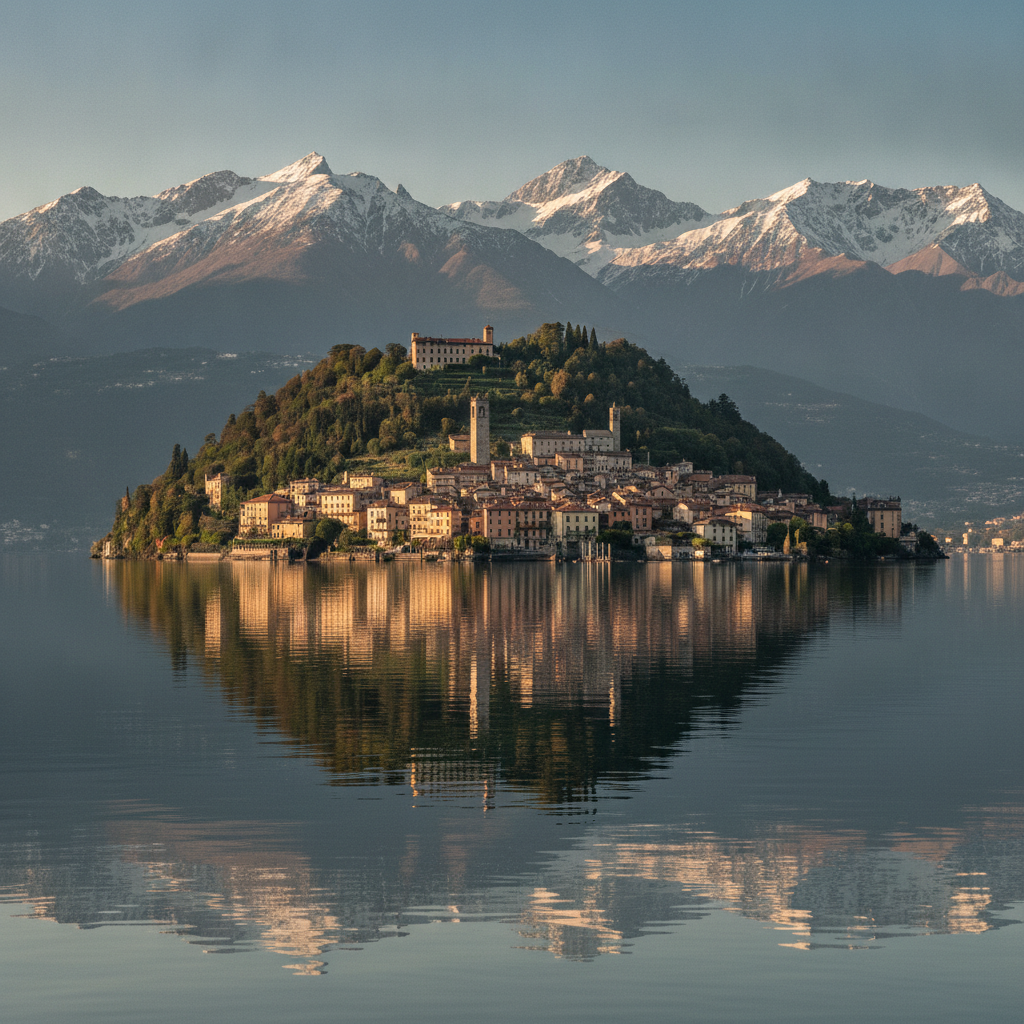
Bellagio — the Pearl of the Lake, Villa Serbelloni Gardens & the Ferry Triangle
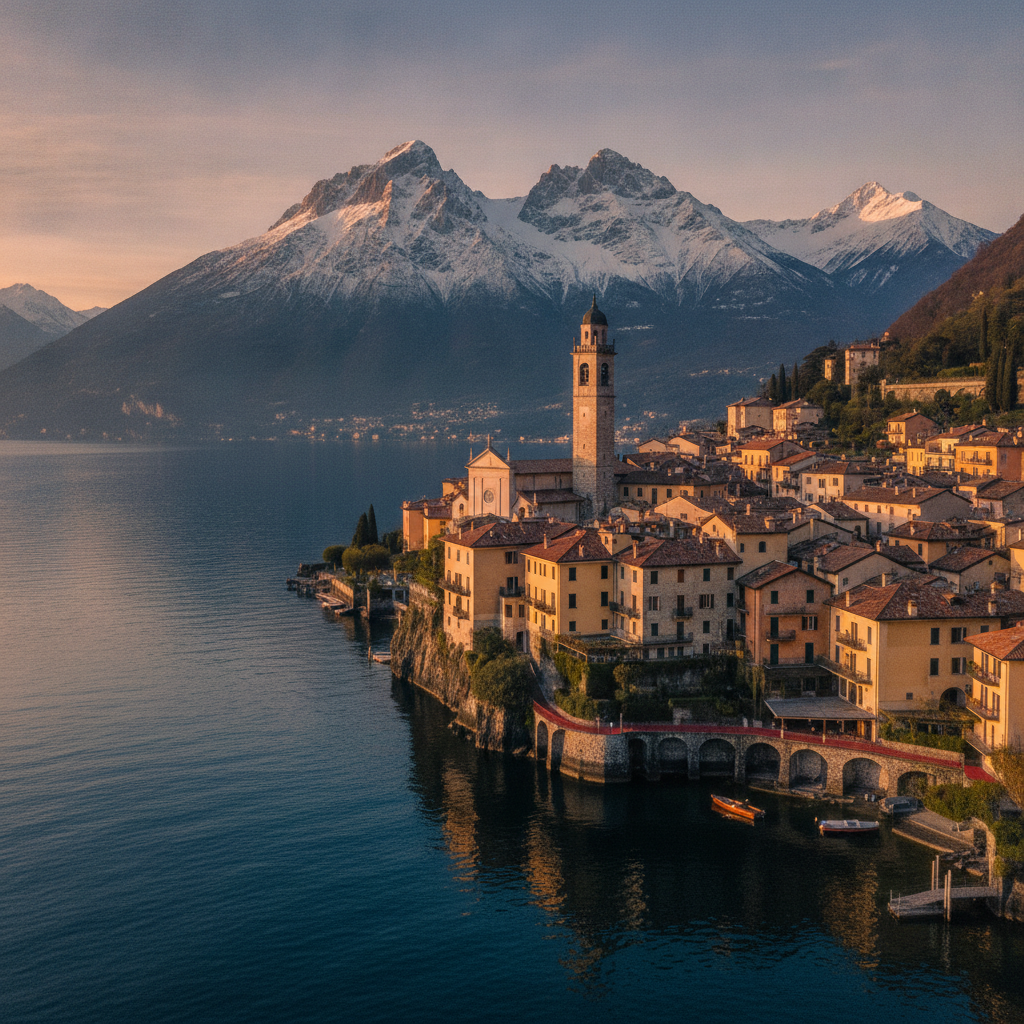
Varenna — the Passeggiata degli Innamorati, the Gardens & the Grigne Mountains
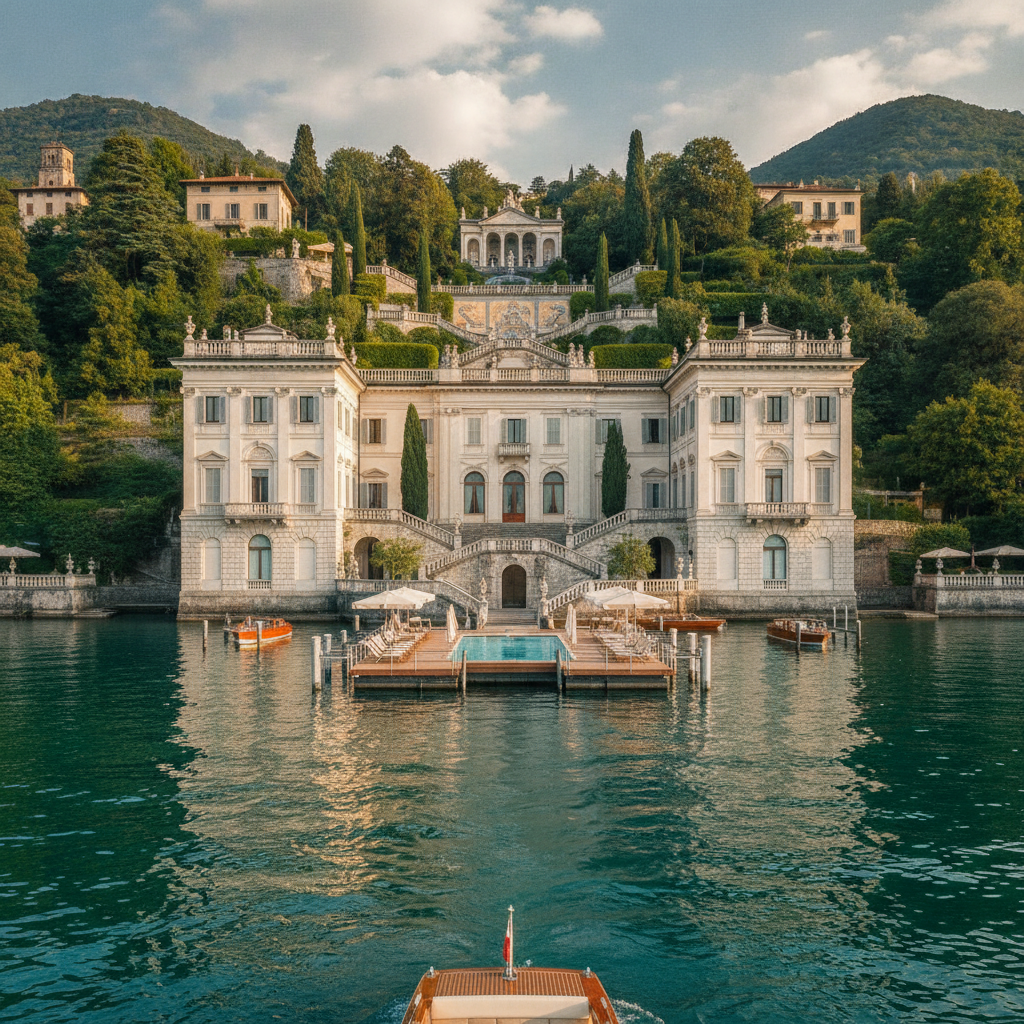
Cernobbio — Villa d Este, Lake Como's Grand Hotel Tradition & George Clooney's Lake
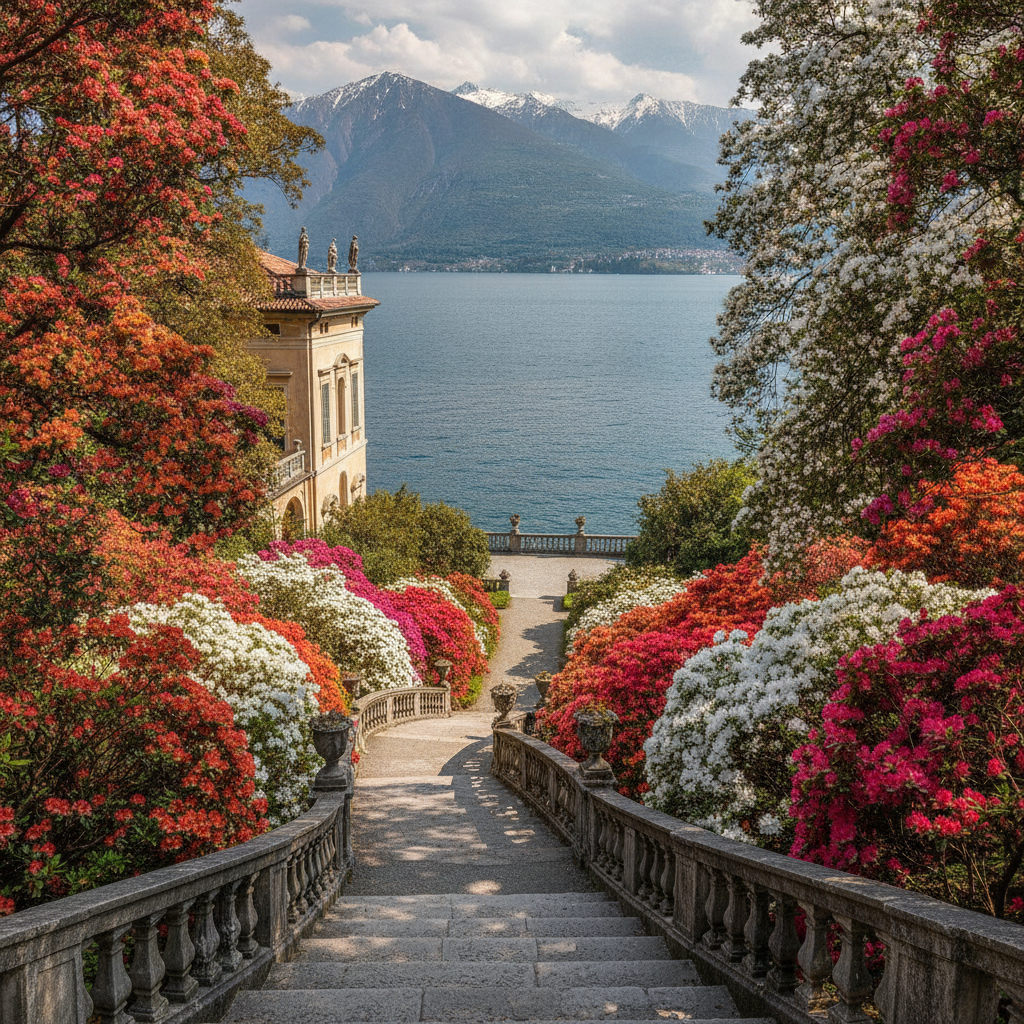
Villa Carlotta, Tremezzo & Lenno — the Western Shore's Botanical Gardens