The 42 Meditation Caves Where Padmasambhava Subdued Tibet's Spirit World, the Yak-Hair Tent That Waterproofs Itself in Rain & Why the Kathmandu-to-Lhasa Overland Circuit Is the Most Complete Himalayan Experience
Drak Yerpa's 42 meditation caves inhabited since the 7th century including the cave where Buddhism was established in Tibet; the yak-hair tent fibers swelling when wet to create automatic waterproofing; the Jokhang's architectural hybridity synthesizing Tibetan, Indian stupa, and Tang Chinese building traditions; the 5th Dalai Lama's golden stupa containing 18,680 taels of gold as Asia's most expensive funeral monument; the Kathmandu-to-Lhasa Friendship Highway crossing as the most complete Himalayan circuit without technical climbing; and the responsible tourism framework for Tibet's most ethical visit.
- 1
Lhasa Architecture – White Walls, Red Bands & Gold Roofs
The architecture of Lhasa (the distinctive visual language of Tibetan religious and vernacular architecture that makes Lhasa one of the most visually coherent historical cities in Asia): the architectural guide. The Tibetan architectural system (the 3 elements that define all Tibetan monastic and palace architecture: the inward-tapering walls (the walls lean inward at a 5–10° angle from vertical, creating a visual solidity that mimics the sloped face of a mountain); the dark-painted window surrounds and roof borders (the thick black or dark brown trim around all window and door openings, made from a mixture of charcoal, clay, and animal fat); the golden finials (the gilded bronze roof ornaments (gser-khang) on the flat roof of every temple and palace—the most diagnostic element of Tibetan Buddhist architecture visible from a distance)). The Potala Palace's specific architectural innovations (the 13-story façade composed of 3 discrete building phases visible as horizontal bands: the Tang-era base, the 5th Dalai Lama's 1645–1693 main body, and the 13th Dalai Lama's 1903 northern extension): the color code (the White Palace (Phodrang Karpo)—administration; the Red Palace (Phodrang Marpo)—religious; the yellow-painted buildings—the Dalai Lama's personal quarters): the Jokhang's architectural hybridity (the Jokhang combines Tibetan structure with Indian stupa (crowned dome) architecture and Tang Chinese hip rooflines—the only building in Tibet that synthesizes all 3 construction traditions).
- 2
The Potala Palace Interior – Room by Room
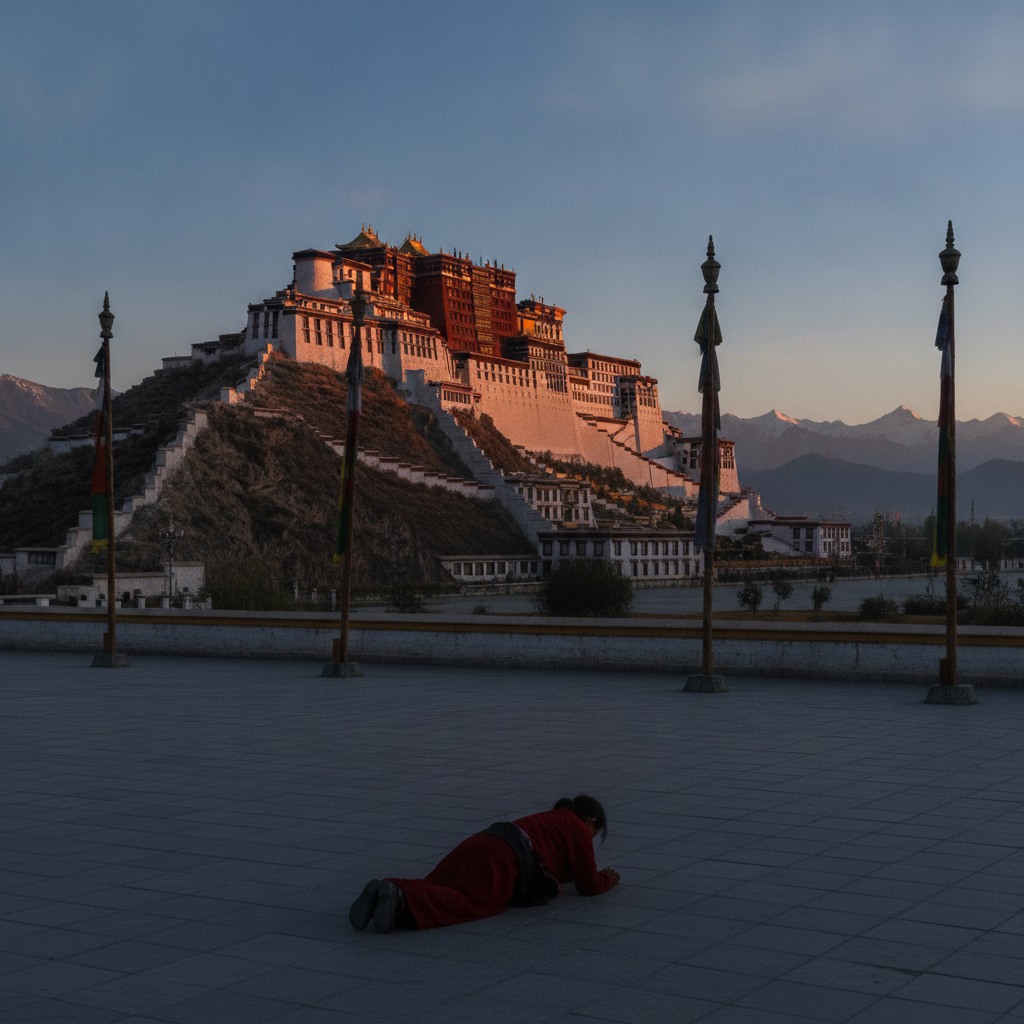
The Potala Palace interior (the 1,000-room contents of the most complex single building interior in Asia): the room-by-room guide to what visitors actually see during the standard 1-hour guided visit. The entry sequence (the 300-step stone staircase from the Potala Square (starting at 3,696m) to the Potala Palace base (3,740m)—the most architecturally impressive approach sequence to any building in the world): the visitor route (the standard Potala visit covers approximately 15 rooms in 55–65 minutes, entering the Red Palace from the eastern face): Room 1: the Saint's Chapel (Phakpa Lhakhang—the oldest room in the Potala, containing the Arya Lokeshvara (Avalokitesvara) statue believed to date to the 7th century CE—the room that is the most sacred in the Potala): the Great West Hall (the 3-story central hall of the Red Palace with the 8 funerary stupas of the 8 Dalai Lamas (the 5th, 7th, 8th, 9th, 10th, 11th, 12th, and 13th Dalai Lamas are all entombed in the Red Palace—the 6th Dalai Lama's stupa is absent because he never occupied the Potala during his lifetime): the 5th Dalai Lama's stupa room (the largest room in the Red Palace and the most heavily ornamented—the 12.6m golden stupa covered with 18,680 taels of gold and set with turquoise, coral, amber, and pearl—the single most expensive funeral monument in Asia): the photography (photography is strictly prohibited inside the Potala—confiscation without notice).
- 3
The Cave Monasteries & Hidden Hermitages of Tibet
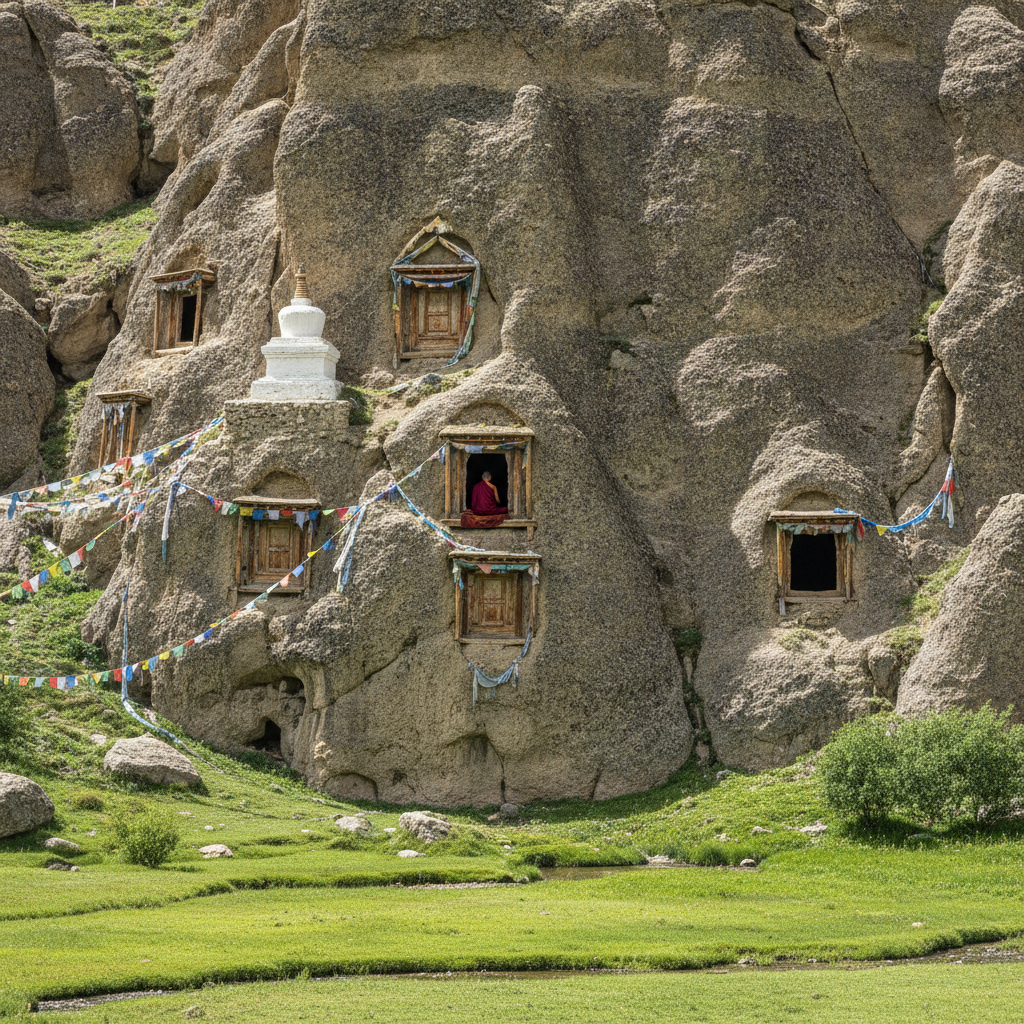
The cave hermitages and cliff monasteries of the Lhasa region (the remote sacred sites that predate the large monasteries and that are the most visited by Tibetan pilgrims but the least visited by foreign tourists): the hermitage circuit. The Drak Yerpa (扎耶巴寺—the cave meditation site 30 km northeast of Lhasa carved into a conglomerate cliff above the Yerpa Valley): the history (the site has been used for meditation since the 7th century CE—the cave where Songtsen Gampo (the 33rd Tibetan King) is said to have meditated before commissioning the Jokhang Temple; the caves where Padmasambhava (Guru Rinpoche) performed the tantric rites that subdued the Tibetan spirit world and made Tibet safe for Buddhism): the cave complex (42 meditation caves at various heights on the cliff face—currently inhabited by approximately 30 monks who have chosen the cave life over the large monasteries): the access (the 2-hour drive from Lhasa + 45-minute hike to the cave level—the most strenuous day trip from Lhasa but the most atmospheric site outside the city). The Chuwori (the 'Water Cypress Mountain' island in the Lhasa River at the edge of Lhasa city—the traditional hermitage island used by Tibetan practitioners from the 7th century): the Phagyul (the cliff pilgrimage site with Guru Rinpoche footprints embedded in the rock face—the most widely venerated Guru Rinpoche imprint in the Lhasa area).
- 4
Tibetan Nomads – The Drokpa & Pastoral Life
The Tibetan nomad culture (the drokpa (འབྲོག་པ།—'people of the high pastures')—the pastoral nomadic communities of the Tibetan Plateau whose way of life is the most ecologically and culturally integrated with the high-altitude environment): the nomad guide accessible from Lhasa. The nomad economy (the drokpa economy is centered on the domestic yak (བར་རི་—the yak provides: milk (processed into butter, yogurt, and dried cheese); meat (both fresh and dried into yak jerky—སྡོང་གི་ཤ་སྐམ་); wool (spun into the heavy tent fabric and clothing); dung (dried for fuel at altitude where wood is absent)): the black yak-hair tent (བར་གུར་—the nomad dwelling constructed from woven yak hair—the waterproofing effect of yak hair in rain (the fibers swell when wet, closing the weave against water penetration)—the tent insulation (the woven yak-hair ceiling traps heat while the sides can be rolled up for ventilation)). The drokpa circuit from Lhasa (the most accessible nomad community for day-visit from Lhasa is the Damxung (当雄) grassland area (160 km north of Lhasa on the road to Namtso Lake): the Damxung summer nomad festival (the Damxung horse festival (8th Tibetan month, August–September): the annual gathering of nomad clans for horse racing, archery, and yak racing—the most complete expression of the drokpa festival culture accessible from Lhasa).
- 5
Lhasa vs. Kathmandu – The Himalayan Gateway Choice
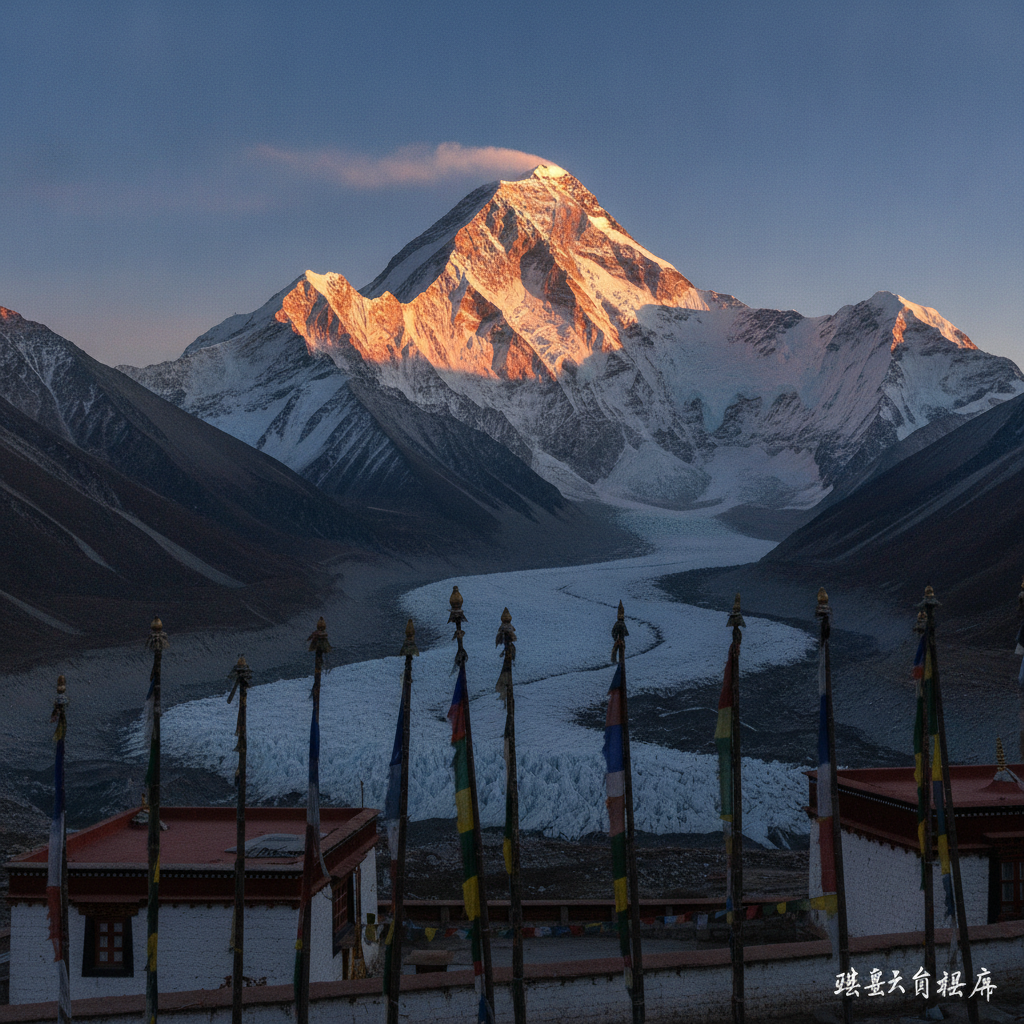
The Lhasa versus Kathmandu comparison (the choice between the 2 primary Himalayan gateway cities for travelers approaching the region): the analytical comparison. Historical and cultural depth: Lhasa (the center of Tibetan Buddhist civilization for 1,380 years—the most concentrated Tibetan cultural heritage): Kathmandu (the center of both Hindu and Newar Buddhist art and architecture for 2,000 years—the Durbar Squares of Kathmandu, Patan, and Bhaktapur as the most complete medieval urban fabric in South Asia). Physical accessibility: Kathmandu (Tribhuvan International Airport with direct flights from Delhi, Mumbai, Bangkok, Doha, Dubai, Guangzhou, Chengdu—no special visa required for most nationalities): Lhasa (China Tibet permit required; group tour mandatory; more expensive). Natural landscape access: Lhasa (the Friendship Highway to Everest North Base Camp via the Gyatso La (5,220m); the access is by road in a 4WD Land Cruiser—no technical climbing): Kathmandu (the Everest Base Camp (South, Nepal) trek—14 days round trip from Kathmandu via Lukla—the most famous trek in the world; accessible to any fit non-technical hiker). The combined circuit recommendation (the most complete Himalayan circuit combines both cities: fly into Kathmandu (easy visa), trek Everest Base Camp (Nepal side), bus from Kathmandu to Lhasa via the Friendship Highway (2 days, entering Tibet from Nepal), explore Lhasa 4 days, fly out from Lhasa to Chengdu): the most complete Himalayan experience accessible without technical mountaineering.
- 6
Tibet Sustainability & Responsible Tourism
The sustainable and responsible tourism framework for Tibet (the considerations for visiting the world's most politically and environmentally sensitive tourism destination): the ethical visitor guide. The political sensitivity (Tibet's political status is one of the most contested sovereignty questions in international law—the Chinese government's position (Tibet is an inseparable part of China since the Yuan Dynasty (13th century CE)); the Tibetan Government-in-Exile's position (Tibet was an independent state with its own diplomatic relations until the 1950 Chinese military intervention)—the visitor's ethical responsibility is to be informed about the context without imposing political positions in conversations with Tibetan residents who face legal consequences for political speech). The economic impact (the tourism revenue from Lhasa flows primarily to: Chinese-owned hotels and transport companies (the majority of large hotels in Lhasa are Han-owned); Tibetan-owned guesthouses (the minority but growing accommodation sector where tourism revenue directly benefits Tibetan families)—the responsible travel recommendation: book Tibetan-owned guesthouses on the Barkhor circuit and buy from Tibetan-owned shops on the Barkhor market): the environmental sensitivity (the Tibet Plateau's fragile alpine ecosystem is vulnerable to trampling, vehicle pollution, and waste—the Kailash kora waste management (the Mount Kailash circuit produces approximately 18 tonnes of waste per year from the 30,000 annual pilgrims—the least managed waste stream of any major pilgrimage site in Asia)). The cultural respect protocol (the correct behavior at the Jokhang and in all Tibetan monasteries: remove shoes; walk clockwise; do not photograph monks without permission; do not touch religious statues; dress modestly (covered shoulders and knees)).
Walk this route with audio
Stories play automatically as you reach each stop — no tapping needed.
More in Lhasa
The Escape in a Soldier's Disguise in 1959, the Paving Stones Worn Concave by 1,380 Years of Pilgrim Feet & the Observatory at 5,100 Meters That Studies the Clearest Sky in Asia
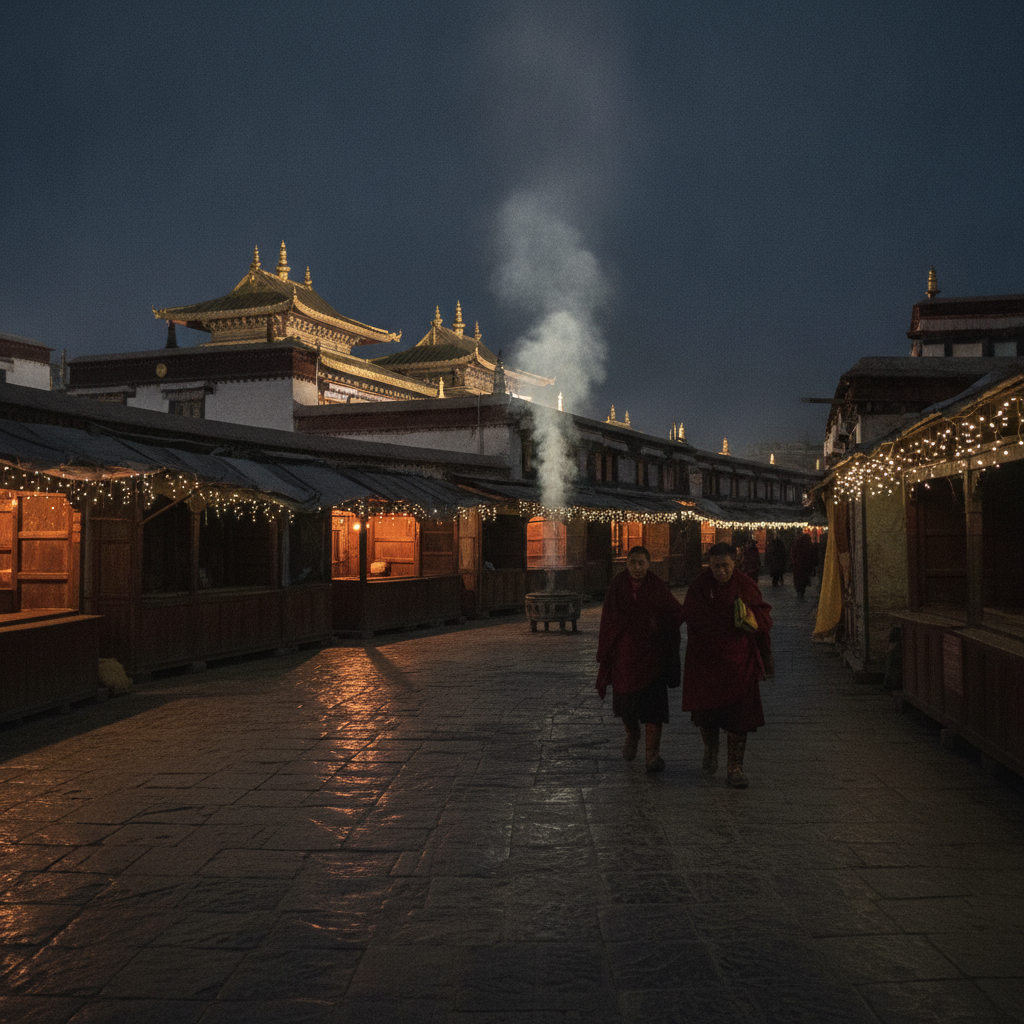
The 1,380-Year Pilgrimage Circuit That Has Been Walked Every Day Since 639 CE, the Golden Tomb Containing 18,680 Taels of Gold & the Train That Crosses 5,072 Meters to Reach the World's Highest Capital
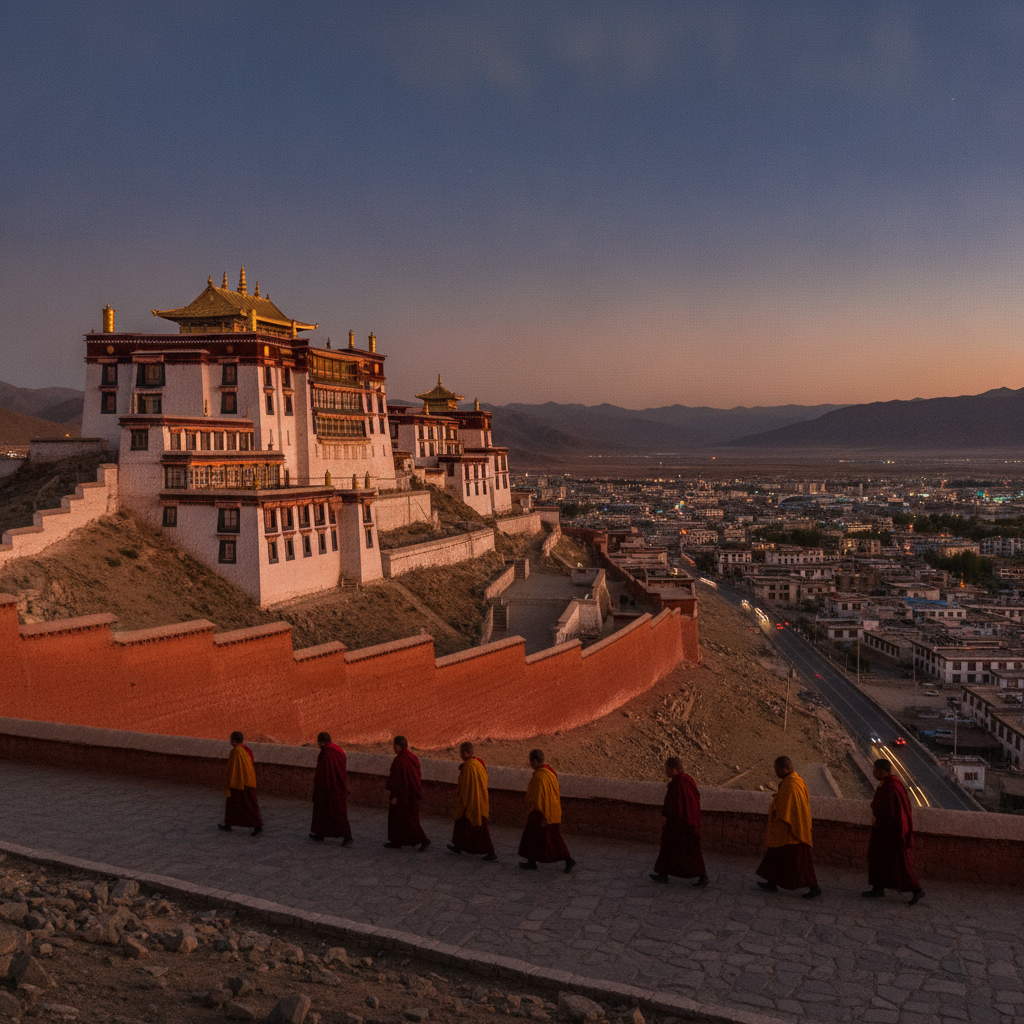
The Snow Leopard With a 35% Sighting Probability in 7 Days, the Shahtoosh Shawl That Required Killing 5 Antelopes & the 26-Meter Copper Buddha Plated With 300 kg of Gold
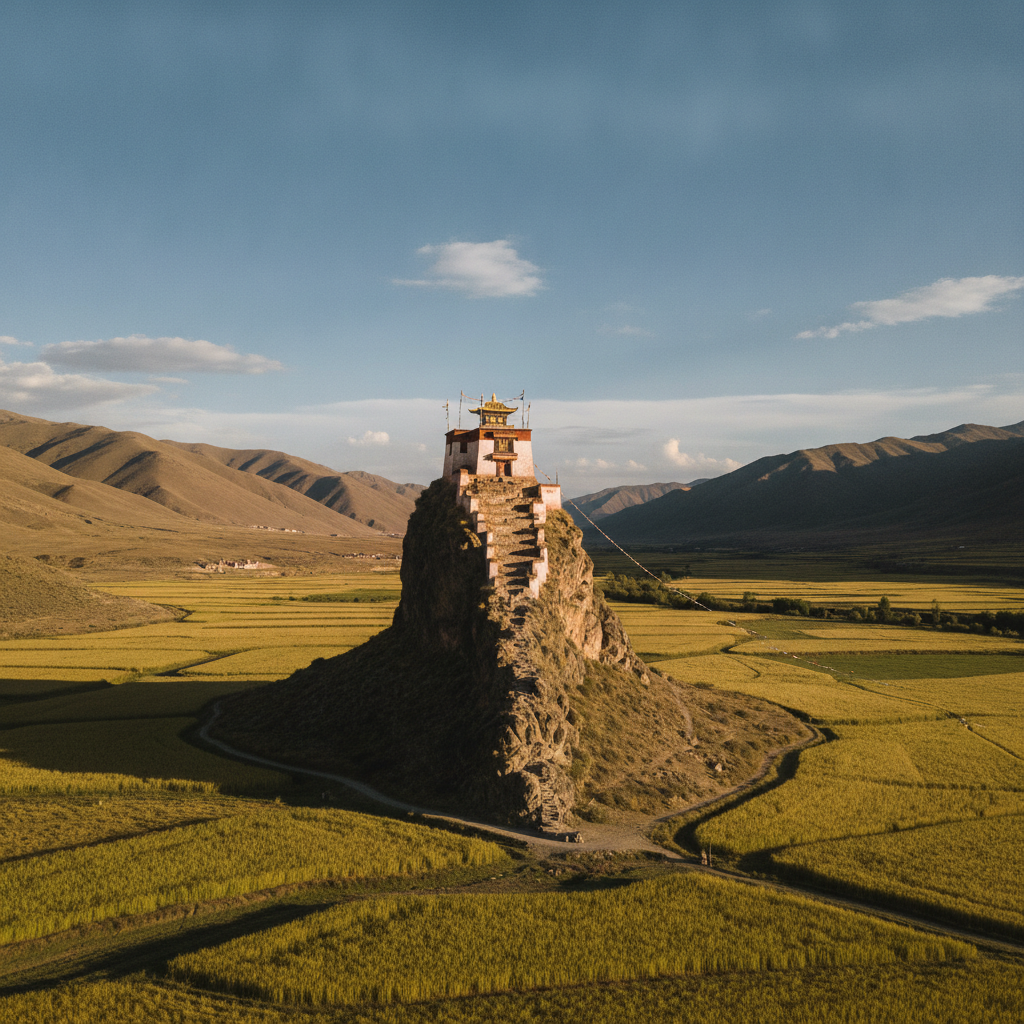
The First Building in Tibet Built Before 127 BCE, the 36-Position Pulse Diagnosis System & the Child Whose 1995 Recognition by the Dalai Lama Led Immediately to His Disappearance