Ceviche, Central & Lima's World-Class Gastronomy
Lima's gastronomy (the food scene of the city that has been ranked the 'Gastronomic Capital of the Americas' — the city that produces the world's greatest ceviche, the restaurant Central (consistently ranked #1 in Latin America's 50 Best Restaurants and in the top 5 of the World's 50 Best Restaurants), and the restaurant Astrid y Gastón (the restaurant of chef Gastón Acurio — the chef who put Peruvian cuisine on the world gastronomic map)): Lima is the food city that changed how the world understands Latin American cuisine.
- 1
Ceviche — Peru's National Dish & Cultural Identity
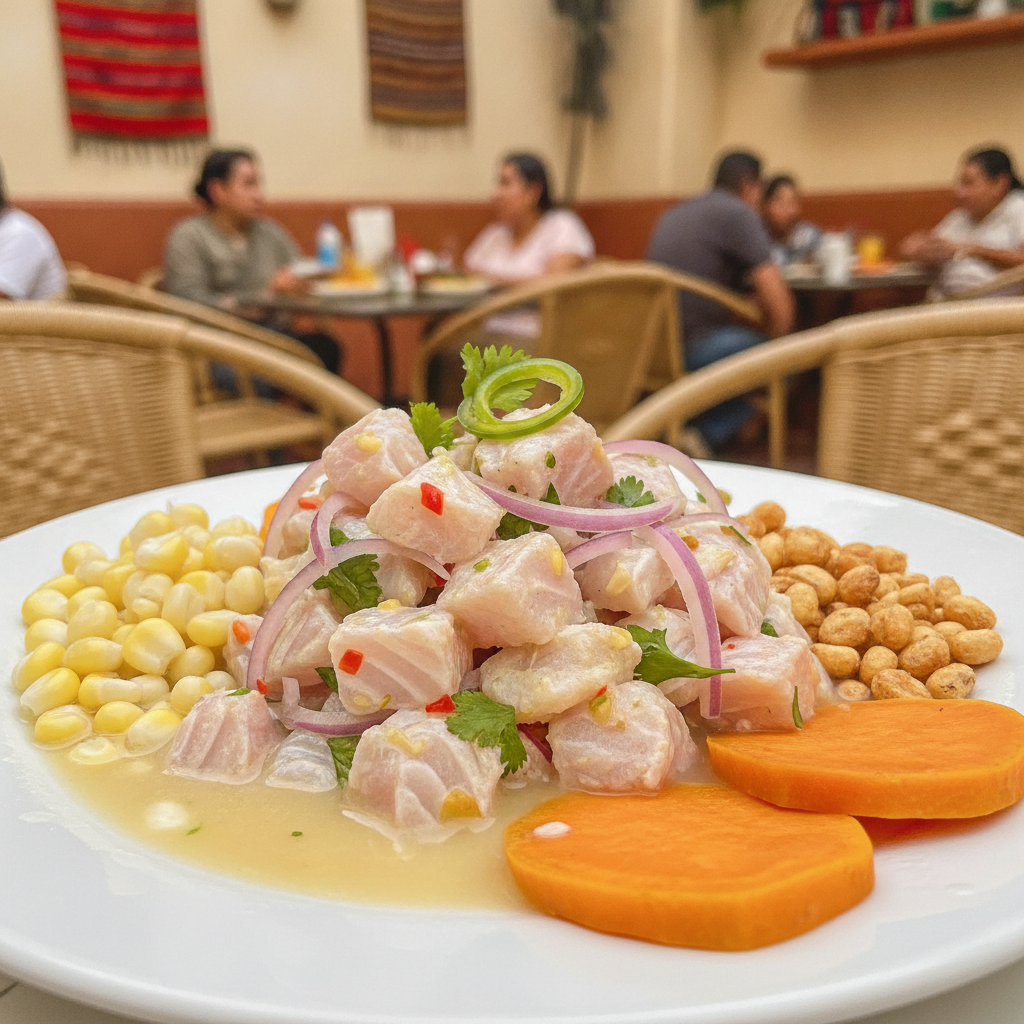
The ceviche (the national dish of Peru — the dish that is the most important single food in Peruvian cultural identity, the dish that has been declared a 'Cultural Heritage of the Nation' by the Peruvian government (the Declaration of Cultural Heritage, 2004), and the dish whose preparation is the clearest expression of the three cultural streams that constitute Peruvian cuisine (the pre-Columbian (the use of the ají chili peppers and the Andean corn), the Spanish colonial (the use of the lime juice — the lime, introduced to Peru by the Spanish in the 16th century, replaced the pre-Columbian chicha (fermented corn beer) and the tumbo (the Passiflora mollissima juice) that were used for the acidic marination of fish in the pre-Columbian ceviche), and the Japanese (the influence of the large Japanese-Peruvian community of Lima — the 'Nikkei' community — on the precision and freshness standards of the ceviche preparation, the influence that produced the 'tiradito' (the Peruvian-Japanese fusion dish of thinly sliced raw fish dressed with leche de tigre — the dish that combines the Peruvian flavours with the Japanese sashimi presentation technique))): the leche de tigre (the 'tiger's milk' — the curing liquid of the ceviche: the fresh lime juice, the ají limo (the Peruvian yellow chili), the garlic, the ginger, the cilantro, the salt, and (in some versions) the juice of the fish itself — the liquid that is served as a drink (a shot glass of leche de tigre) at the cevicherías of Lima as an amuse-bouche or as a hangover cure).
- 2
Central — The World's Best Restaurant
Central (Avenida Pedro de Osma 301, Barranco — the restaurant of chef Virgilio Martínez (b. 1977) and pastry chef Pía León (his wife and co-chef), ranked #1 in Latin America's 50 Best Restaurants (2013, 2014, 2015, 2016, 2018) and #2 in the World's 50 Best Restaurants (2023)): the Central concept (the restaurant's concept — 'altitude' — the tasting menu of approximately 17 courses that takes diners on a vertical journey through the Peruvian ecosystems, from the deep ocean (the 'Extreme Ocean' courses using ingredients from 200+ metres below sea level) through the coastal desert, the valleys, the high Andes (the 'High Puna' courses using ingredients from 4,100 metres above sea level), and the Amazon rainforest, the menu changing with each season as the chefs source the ingredients directly from the ecosystems they represent): the ingredients (the focus on the native Peruvian biodiversity — the 3,000+ native potato varieties, the 300+ ají chili varieties, the Andean grains (quinoa, kiwicha, cañihua), the Amazonian fruits (the camu camu, the aguaje, the cocona), and the ingredients that most Lima chefs have never used, sourced through the 'Mater Iniciativa' (the research project that documents and preserves the native Peruvian food biodiversity)): the dining room (the converted historic house in Barranco, the warm and informal dining room that is the antithesis of the formal European fine-dining aesthetic, the room where the world's top food critics and international chefs make the pilgrimage to experience the finest expression of Peruvian cuisine).
- 3
Astrid y Gastón & Gastón Acurio
Gastón Acurio (b. 1967) (the chef, restaurateur, and cultural ambassador who is the most important single figure in the history of Peruvian cuisine and the man most responsible for the global recognition of Lima as a gastronomic capital): the career (the chef who trained at Le Cordon Bleu in Paris (1987-1991) and returned to Lima to open Astrid y Gastón (Avenida Paz Soldán 290, San Isidro — the restaurant he founded with his wife, the German pastry chef Astrid Gutsche, in 1994 — initially as a classic French restaurant, then converted in 1999 to a Peruvian cuisine restaurant when Acurio had the conviction that the traditional Peruvian ingredients and techniques were the equal of any European cuisine): the influence (the influence of Gastón Acurio on Peruvian gastronomy and Peruvian society — the chef who built a restaurant empire (the Acurio Restaurantes group — the group that operates La Mar (the cevichería chain with restaurants in 9 countries), Tanta (the casual Peruvian café chain), Barra Lima (the Peruvian fast-food chain), and dozens of other restaurant concepts across Latin America and the world): the cultural impact (Acurio has described his mission as using gastronomy to build Peruvian national pride and to improve the economic conditions of Peruvian farmers and artisan producers — the mission that has made him the most influential cultural figure in Peru since the writer Mario Vargas Llosa.
- 4
Mercado de Surquillo & Lima's Market Culture
Mercado de Surquillo (the covered public market at the intersection of Avenida Paseo de la República and Avenida Narciso de la Colina in the Surquillo district of Lima, immediately south of Miraflores — the most important market for ingredients in Lima and the market most visited by the chefs of Lima's fine dining restaurants): the market layout (the Mercado de Surquillo is divided into the fresh produce section (the vendors selling the extraordinary diversity of Peruvian fruits and vegetables (the 3,000+ potato varieties, the 300+ ají chili varieties, the Amazonian fruits (the camu camu, the aguaje, the lucuma — the 'gold of the Incas', the Andean fruit with the caramel-like flavour that is the most beloved flavour in Peruvian desserts), the chirimoyas (the 'custard apple' — the Peruvian fruit that Mark Twain called 'the most delicious fruit known to men'))), the seafood section (the vendors selling the freshest Pacific seafood (the flounder (lenguado), the sea bass (corvina), the octopus, the scallops, the shrimp, and the mixed seafood for ceviche)), and the dry goods section (the vendors selling the dried and processed Peruvian ingredients (the dried ají chilies, the Andean grains, the dried corn, the freeze-dried potatoes (the 'chuño' and the 'moraya' — the freeze-dried potato products that have been produced in the Andes since pre-Inca times by the alternating freezing and drying of potatoes at high altitude))).
- 5
Nikkei & Chifa — Lima's Asian Fusion Cuisines
Lima's Nikkei cuisine (the 'Nikkei' cuisine — the fusion of Peruvian and Japanese culinary traditions that has developed in Lima over the past 125 years of Japanese immigration to Peru): the Japanese immigration (the Japanese immigrants who began arriving in Peru in 1899 under the 'contract labor' immigration programme, the immigrants who came as agricultural workers to the coastal sugar plantations and later established themselves in the cities as shopkeepers, restaurateurs, and artisans — the community that now numbers approximately 100,000 Japanese-Peruvians in Lima): the Nikkei cuisine (the cuisine that combines the Japanese techniques (the knife skills, the sashimi slicing, the umami seasoning with soy sauce and miso) with the Peruvian ingredients (the ají amarillo, the rocoto, the leche de tigre, the Andean corn)): the most important Nikkei restaurant (Maido (Calle San Martín 399, Miraflores — the restaurant of chef Mitsuharu 'Micha' Tsumura (the Peruvian-Japanese chef, son of Japanese immigrants) — ranked #1 in Latin America's 50 Best Restaurants (2017, 2019, 2022, 2023)): the Chifa (the 'chifa' — the Peruvian-Chinese fusion cuisine that developed among the large Chinese-Peruvian community (the 'Tusán' community — the descendants of the Cantonese immigrants who came to Peru as indentured laborers from 1850 to 1874): the chifa restaurants (the 30,000+ chifa restaurants in Lima — the most popular type of restaurant in Lima by number of establishments — serving the fusion of Cantonese cooking techniques with Peruvian ingredients).
- 6
Lima's Historic Centre & Colonial Architecture
The Centro Histórico de Lima (the historic centre of Lima — the area designated a UNESCO World Heritage Site in 1988, the colonial-era urban area that was one of the most important cities in the Spanish American Empire (the Viceroyalty of Peru — the administrative centre of the Spanish colonial government in South America from 1542 to 1821, the city from which the Spanish crown administered the entire South American continent except for Brazil)): the Plaza Mayor (the 'Plaza de Armas' — the central square of colonial Lima, flanked by the Cathedral of Lima (the Metropolitan Cathedral of Lima — the church begun by Francisco Pizarro in 1535, the year the city was founded, and completed in its current form in 1755 after being rebuilt after the 1746 Lima earthquake — the most historically important church in South America), the Palacio de Gobierno (the Government Palace — the official residence and workplace of the President of Peru, built on the site of the palace of Francisco Pizarro (1478-1541) — the Spanish conquistador who founded Lima in 1535 and conquered the Inca Empire), and the Municipality of Lima: the Iglesia de Santo Domingo (the 16th-century Dominican church whose tower contains the remains of Saint Rosa of Lima (1586-1617) — the first person born in the Americas to be canonized by the Catholic Church (canonized 1671), the patron saint of Lima, of Peru, and of all the Americas).
Walk this route with audio
Stories play automatically as you reach each stop — no tapping needed.
More in lima
Lima's Coastal Walk: From Barranco to Miraflores
Barranco, Peñas & Lima's Bohemian Colonial District
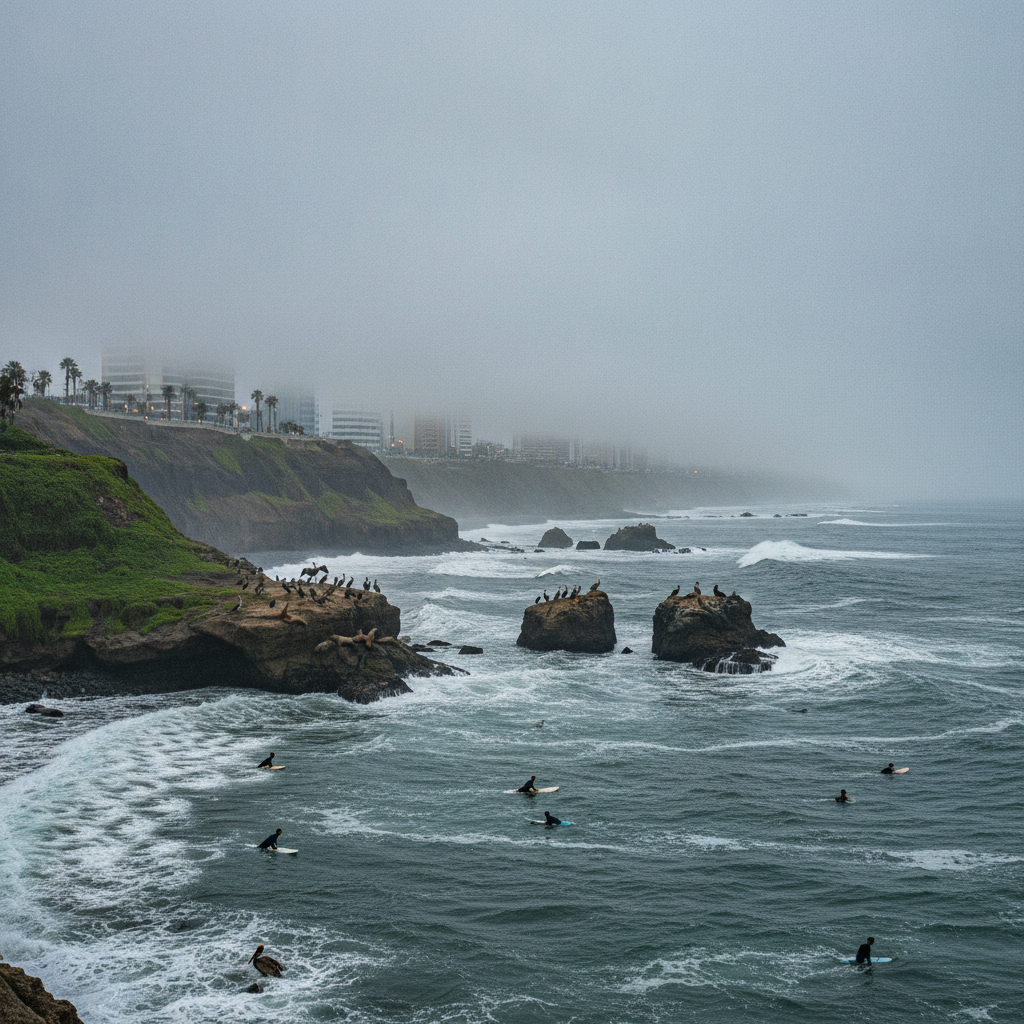
Lima's Pacific Coast: Surfing and Sea Lions
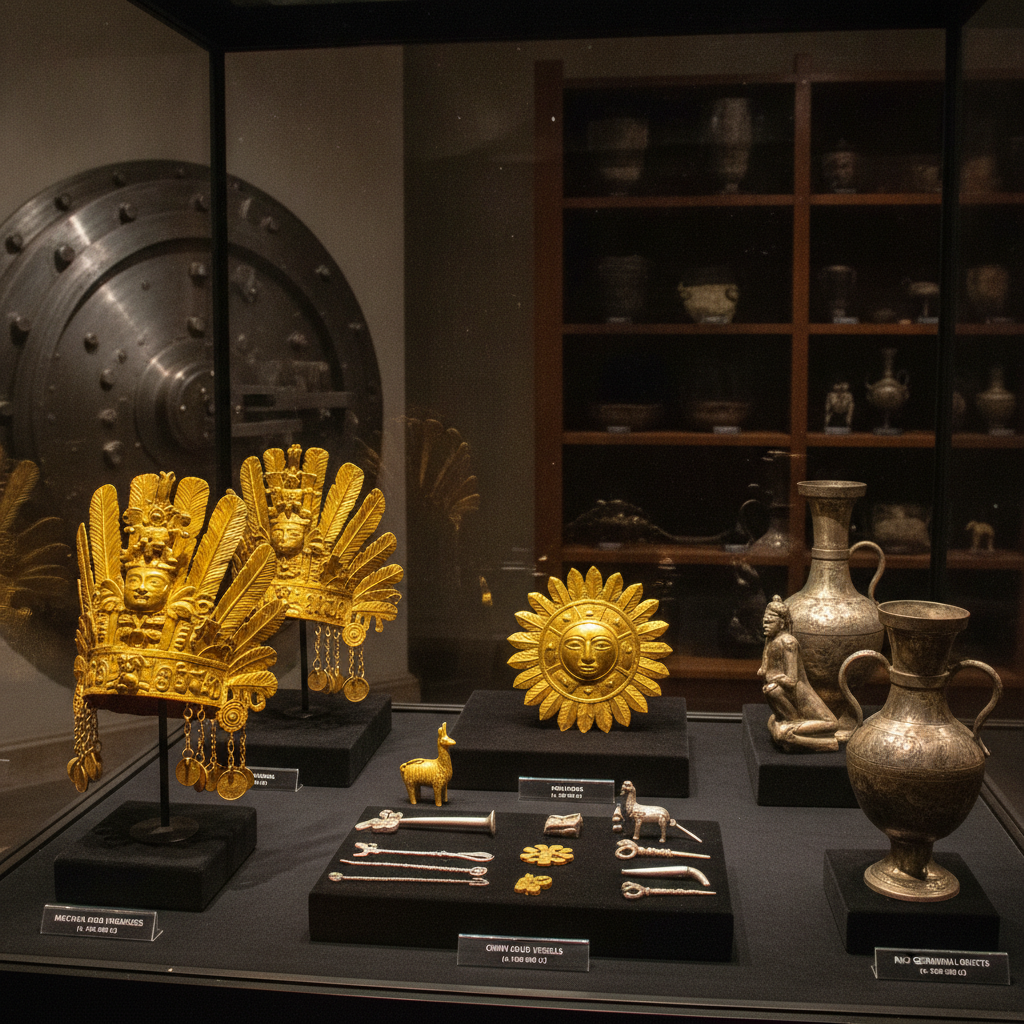
Museo Larco: Peru's Greatest Pre-Columbian Collection
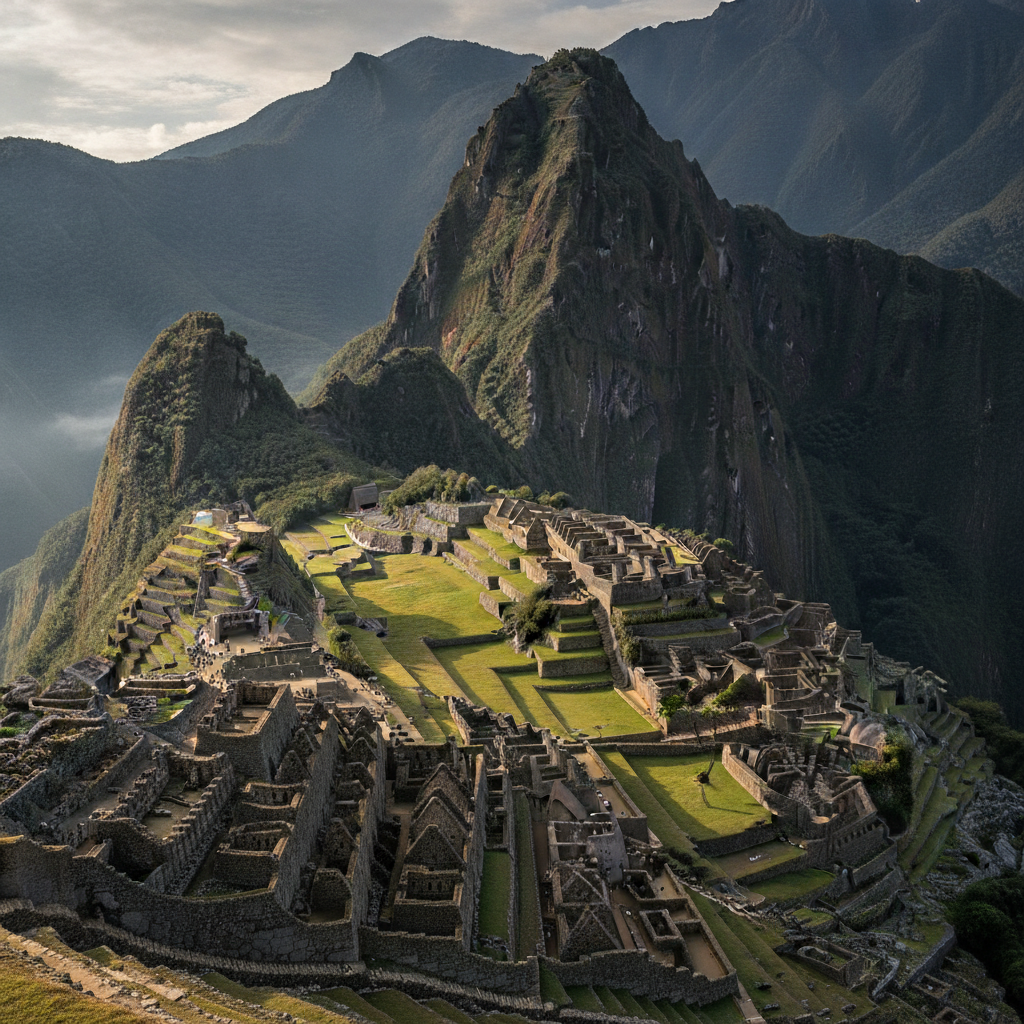
Machu Picchu, Cusco & Peru's Inca Heritage