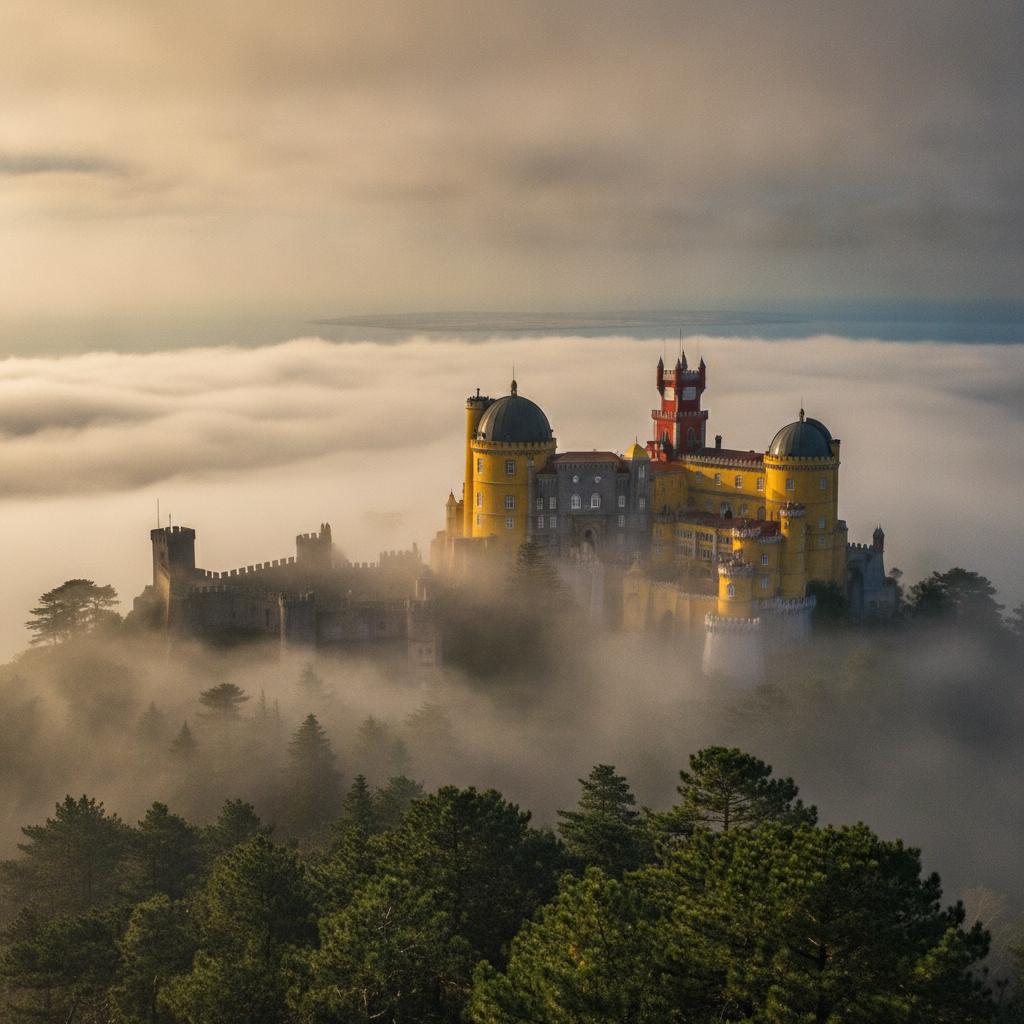
Sintra: Palaces, Mysticism & the Mountains of the Moon
Sintra, the hilltop town 30 km northwest of Lisbon perched in the Serra de Sintra mountains above the Atlantic coast, was the summer residence of Portuguese royalty for centuries and is now a UNESCO Cultural Landscape (1995) — a uniquely dense concentration of Romantic palaces, Moorish ruins, mystical gardens, and eccentric 19th-century follies set in a landscape of mist, pine forest, and granite peaks. Lord Byron, who visited in 1809, called it 'glorious Eden'; it remains one of the most remarkable day-trip destinations in Europe.
- 1
Pena Palace (Palácio Nacional da Pena)
The Pena Palace, built between 1842 and 1854 for King Ferdinand II (Ferdinand of Saxe-Coburg-Gotha, consort of Queen Maria II), is the most extravagant example of Romantic architecture in Portugal and one of the most theatrical royal palaces anywhere in the world. The architect Wilhelm Ludwig von Eschwege designed a fantastical confection that incorporates a medieval convent (partially destroyed in the 1755 earthquake), a Manueline portal, Moorish-inspired towers, neo-Gothic battlements, neo-Renaissance arcades, and Neo-Romantic detailing into a structure that was then painted in vivid yellow ochre and terracotta red — colors that have become emblematic of the palace. The interior preserves the apartments largely as they were in the late 19th century, including the Arab Room (with its stucco muqarnas ceiling), the kitchen (still with its original equipment), and the remarkably intimate private apartments of the last royal residents.
- 2
Moorish Castle (Castelo dos Mouros)
The Castelo dos Mouros, a Moorish-era fortification on the rocky ridge above Sintra, was probably built in the 8th or 9th century, shortly after the Moorish conquest of the Iberian Peninsula, though its foundations may be older. The Portuguese captured it in 1147, around the same time as Lisbon. The castle's walls snake along the granite ridge in a characteristic Moorish defensive pattern; the views from its towers are spectacular — the Pena Palace visible on a higher ridge, the Atlantic coast at Cascais and Estoril in one direction, the Tagus estuary and Lisbon in another. Ferdinand II restored and romanticized the castle in the 19th century as part of his transformation of the Sintra hills into a Romantic landscape.
- 3
Quinta da Regaleira
The Quinta da Regaleira, a neo-Manueline palace and elaborate garden complex built between 1904 and 1910 for the eccentric millionaire António Augusto Carvalho Monteiro ('Monteirothe millionaire'), is the most mysterious estate in Sintra and one of the most theatrically conceived private gardens in Europe. The gardens are riddled with underground passages, grottos, artificial lakes, towers, and fountains; the centerpiece is the Initiatic Well (Poço Iniciático) — an inverted tower descending 27 meters into the earth through nine spiral landings (referencing Dante's nine circles of Hell), accessible through hidden doors in the garden. Carvalho Monteiro was a Freemason and Rosicrucian, and Masonic and alchemical symbolism pervades the estate's decorative programs.
- 4
Sintra National Palace (Palácio Nacional de Sintra)
The Sintra National Palace, in the center of Sintra town, is the best-preserved medieval royal palace in Portugal and the only Portuguese royal palace in continuous use (from the 14th to the 19th century) — it served every Portuguese dynasty from the House of Burgundy through the House of Braganza. Its most distinctive exterior feature is the pair of enormous conical chimneys (25 meters high) that rise above the kitchens — the most recognizable silhouette in Sintra's townscape. The interior includes the Magpie Room (Sala das Pegas, covered entirely in a repeat motif of magpies carrying carnations — a reference to a court scandal involving the king and a lady-in-waiting), the Swan Room (with a coffered ceiling of 27 gilded swans), and the Arab Room with Moorish geometric tile patterns.
- 5
Monserrate Palace & Gardens
Monserrate Palace, built between 1858 and 1865 for the wealthy English merchant Sir Francis Cook (later Viscount of Monserrate), is a Moorish-Gothic-Indian eclectic fantasy designed by the English architect James Knowles in consultation with the garden designer William Stockdale. Its most remarkable feature is the triple horseshoe arch at the entrance and the elaborate stucco muqarnas vault of the central rotunda — directly inspired by the Alhambra in Granada. The surrounding gardens, originally laid out by William Beckford (the gothic novelist who rented Monserrate in the 1790s), were expanded by Cook to cover 30 hectares with over 3,000 plant species from around the world, making them one of the most botanically diverse gardens in Europe.
- 6
Sintra Hills Walking Trails & Cascais
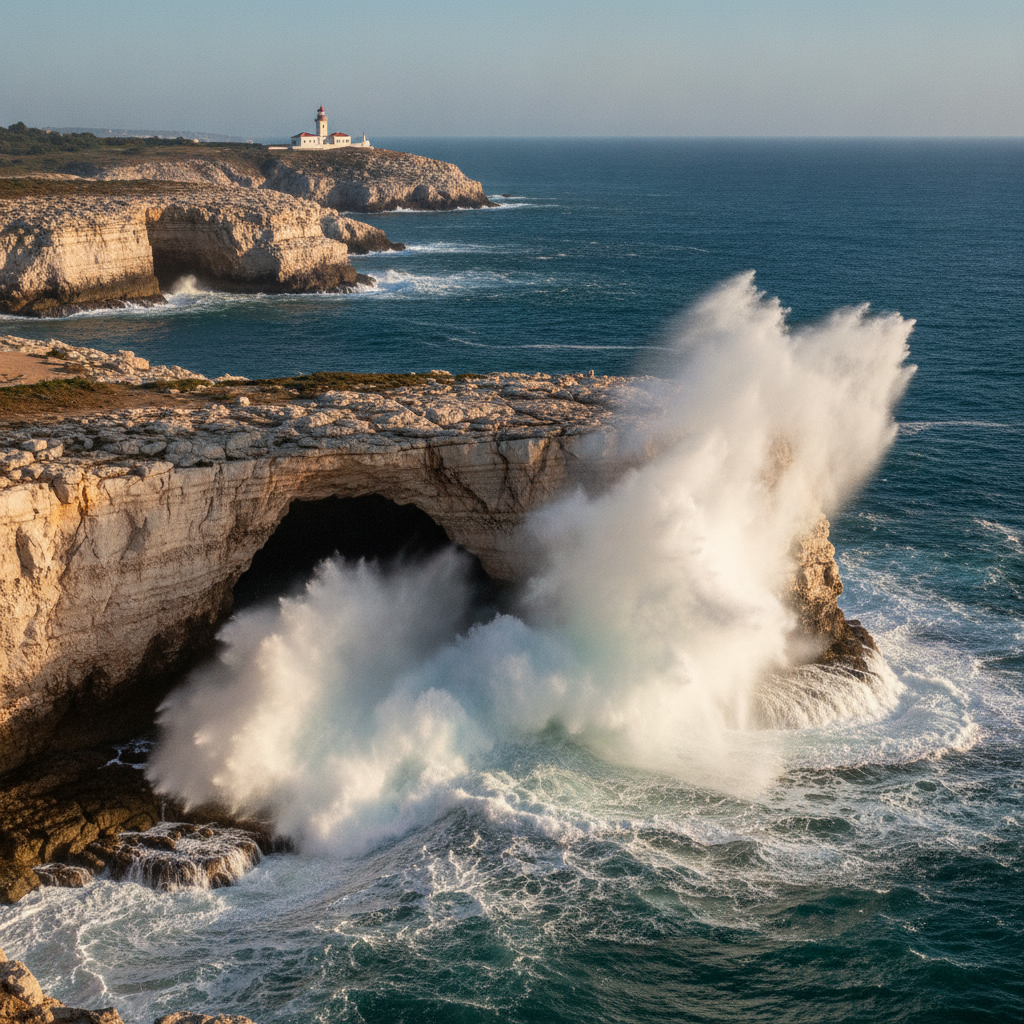
The Serra de Sintra hills, a small but dramatic granite massif rising to 529 meters above sea level within 5 km of the Atlantic coast, offer an extraordinary network of walking trails connecting the major palaces and gardens through cork oak, pine, and eucalyptus forest. The classic ridge walk from the Pena Palace to the Moorish Castle and down to Sintra town takes 2-3 hours and remains one of the finest short walks in Portugal. From Sintra, the Cascais coast extends east and west: Cabo da Roca, the westernmost point of continental Europe (38°47'N, 9°30'W), is 14 km by road; the resort towns of Estoril and Cascais, the latter famous for its 19th-century fishing quarter and the Casino Estoril (the inspiration for Ian Fleming's Casino Royale), are 25 km southeast.
Walk this route with audio
Stories play automatically as you reach each stop — no tapping needed.
More in lisbon
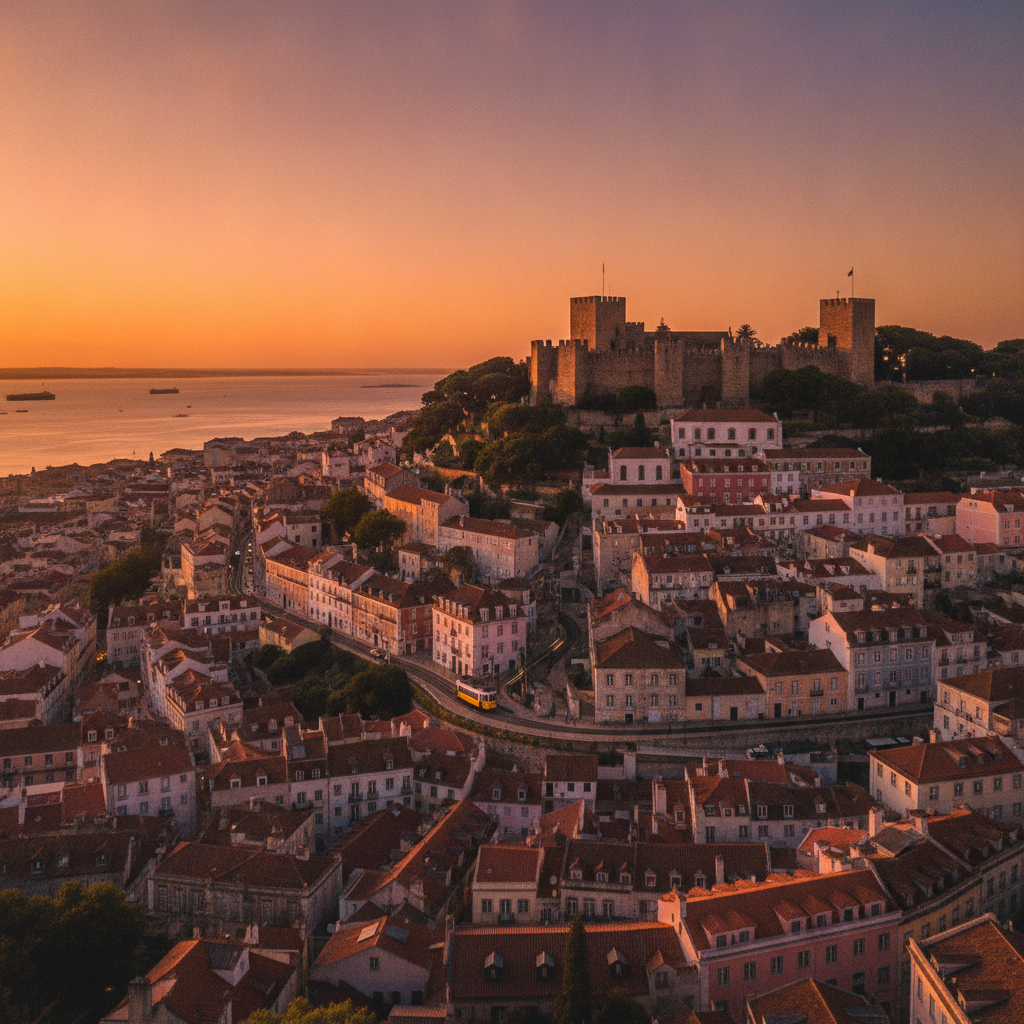
Alfama & São Jorge Castle: Lisbon's Moorish Heart
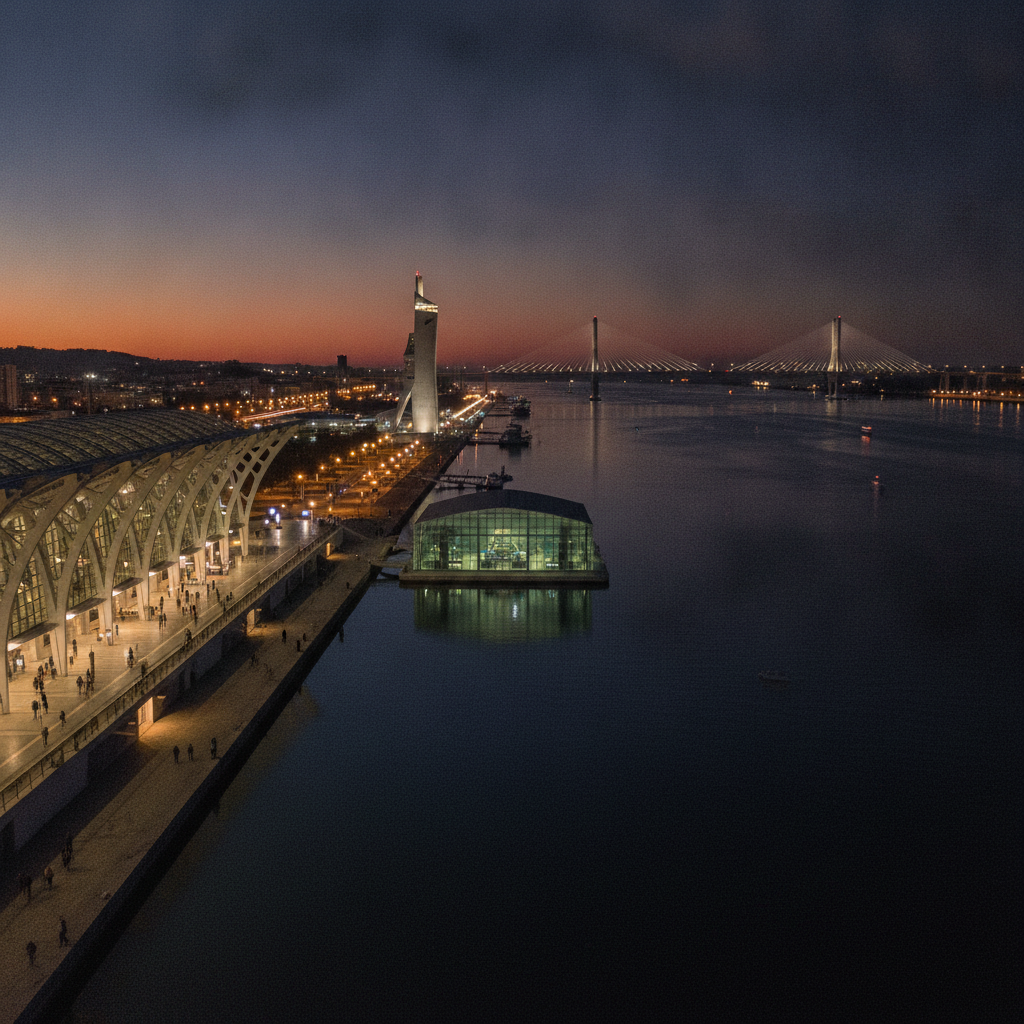
Parque das Nações: Expo '98 and Lisbon's City of the Future

Tram 28, Estrela & Campo de Ourique: Lisbon's Most Scenic Ride
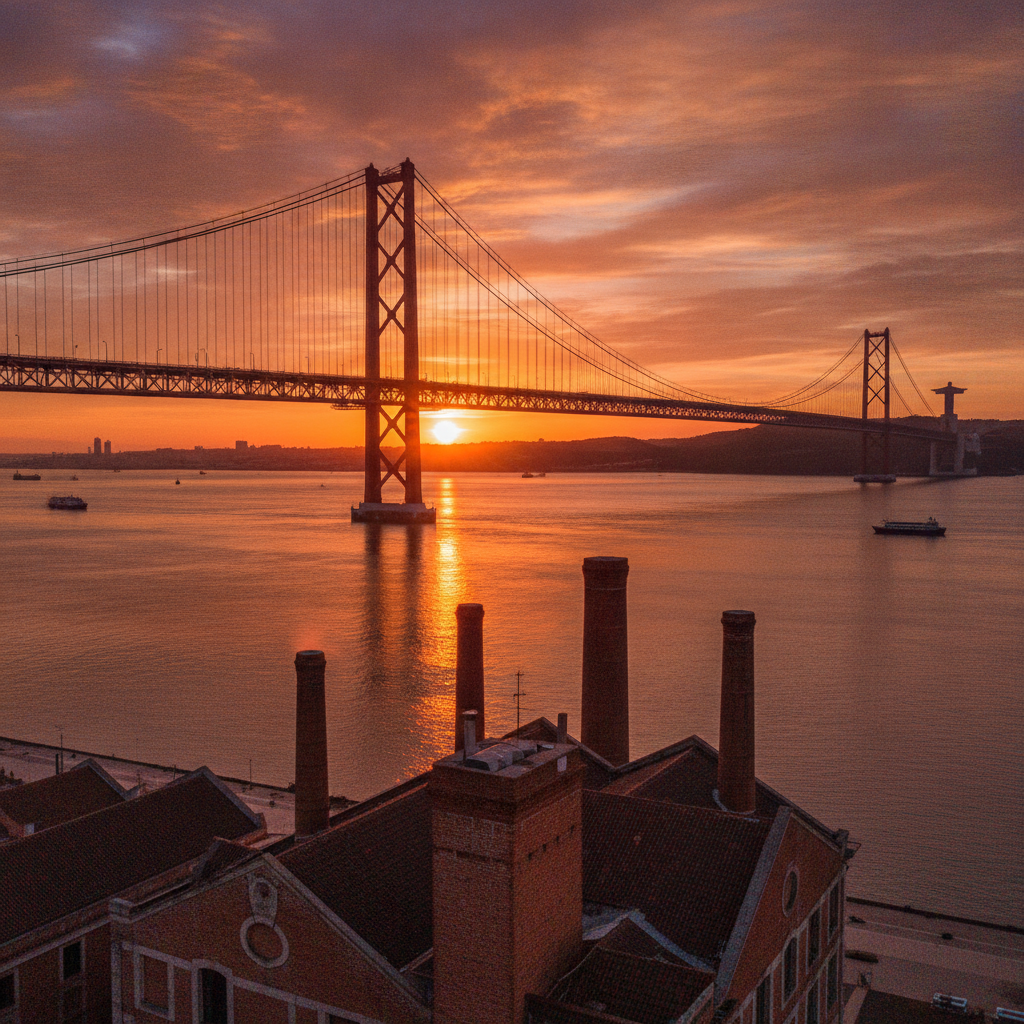
LX Factory, Alcântara & the 25 de Abril Bridge: Industrial Lisbon Reborn
Cascais & Estoril: The Portuguese Riviera by the Sintra Line